How to Make Your Music a Sure Thing for YouTube Placements
YouTube is a dynamic playground for independent artists, producers, and songwriters to unlock recurring sync revenue. The key is building a strategy that connects your catalog with high-visibility channels, trailers, ads, and streaming features while keeping the licensing, ownership, and delivery rock-solid. This guide focuses on practical steps for aligning your music with YouTube opportunities, while highlighting how One World Media can support sync strategy, publishing, rights admin, distribution, and ongoing artist development from Los Angeles to the world.
Build a Placement-Ready Catalog for YouTube and Beyond
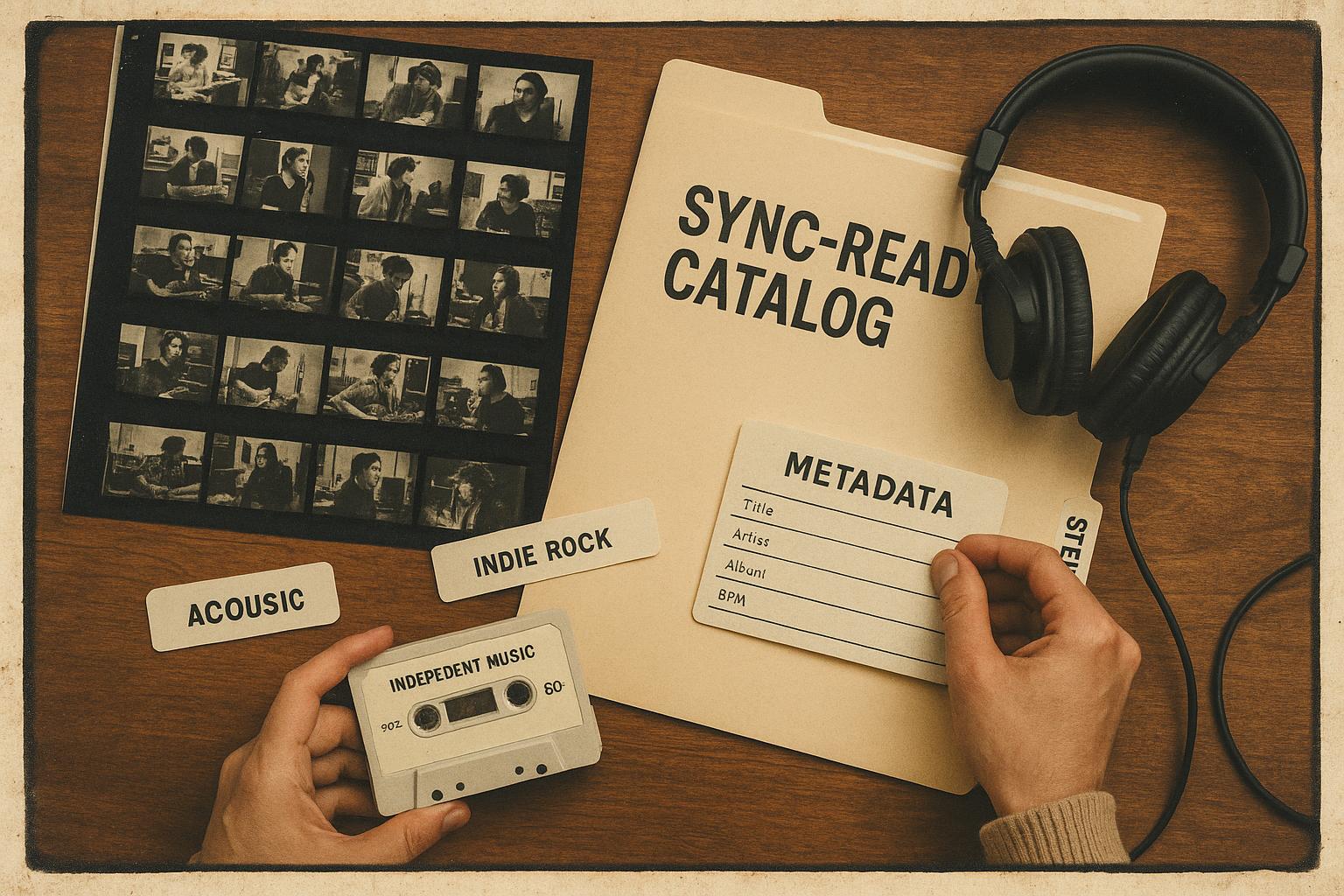
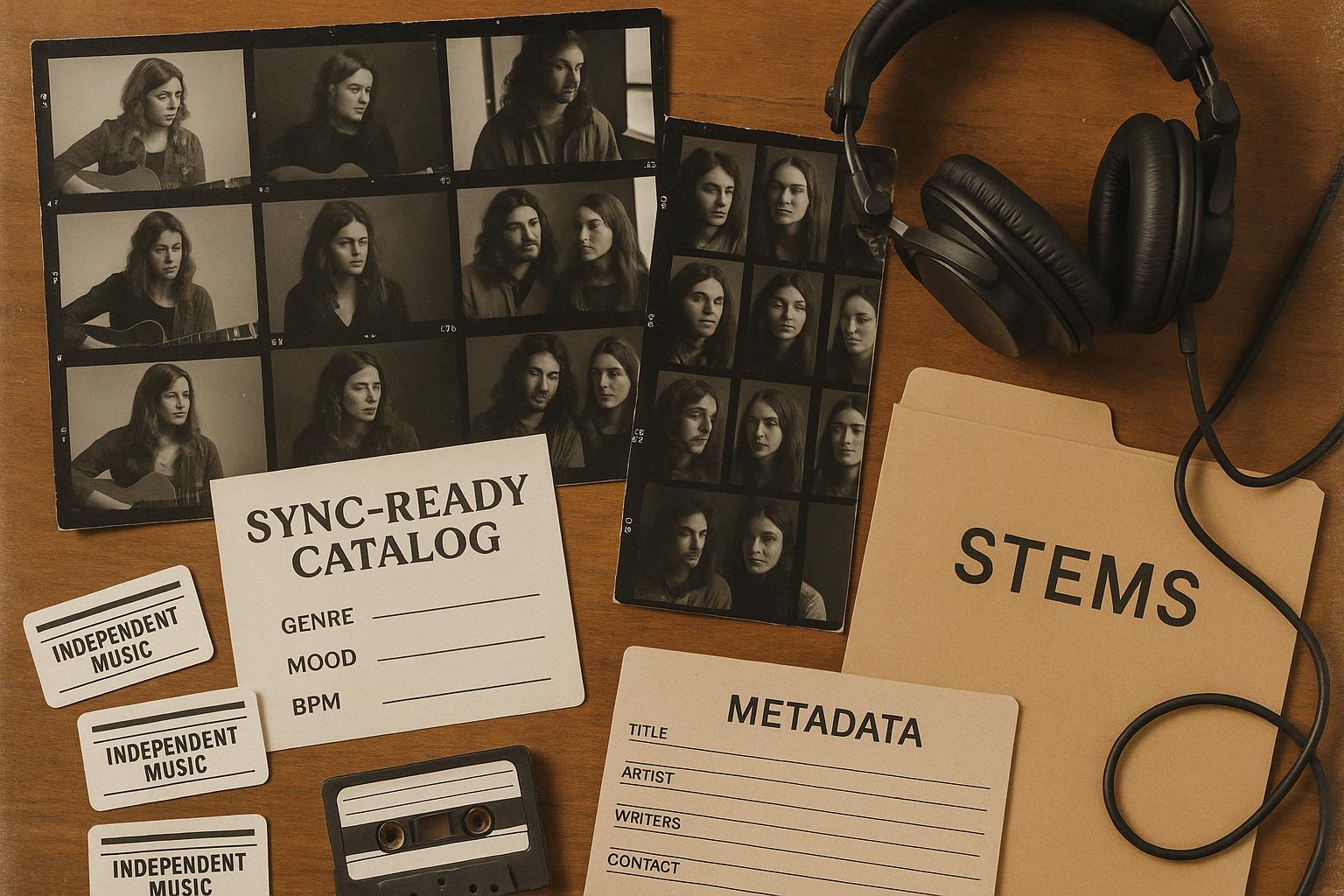
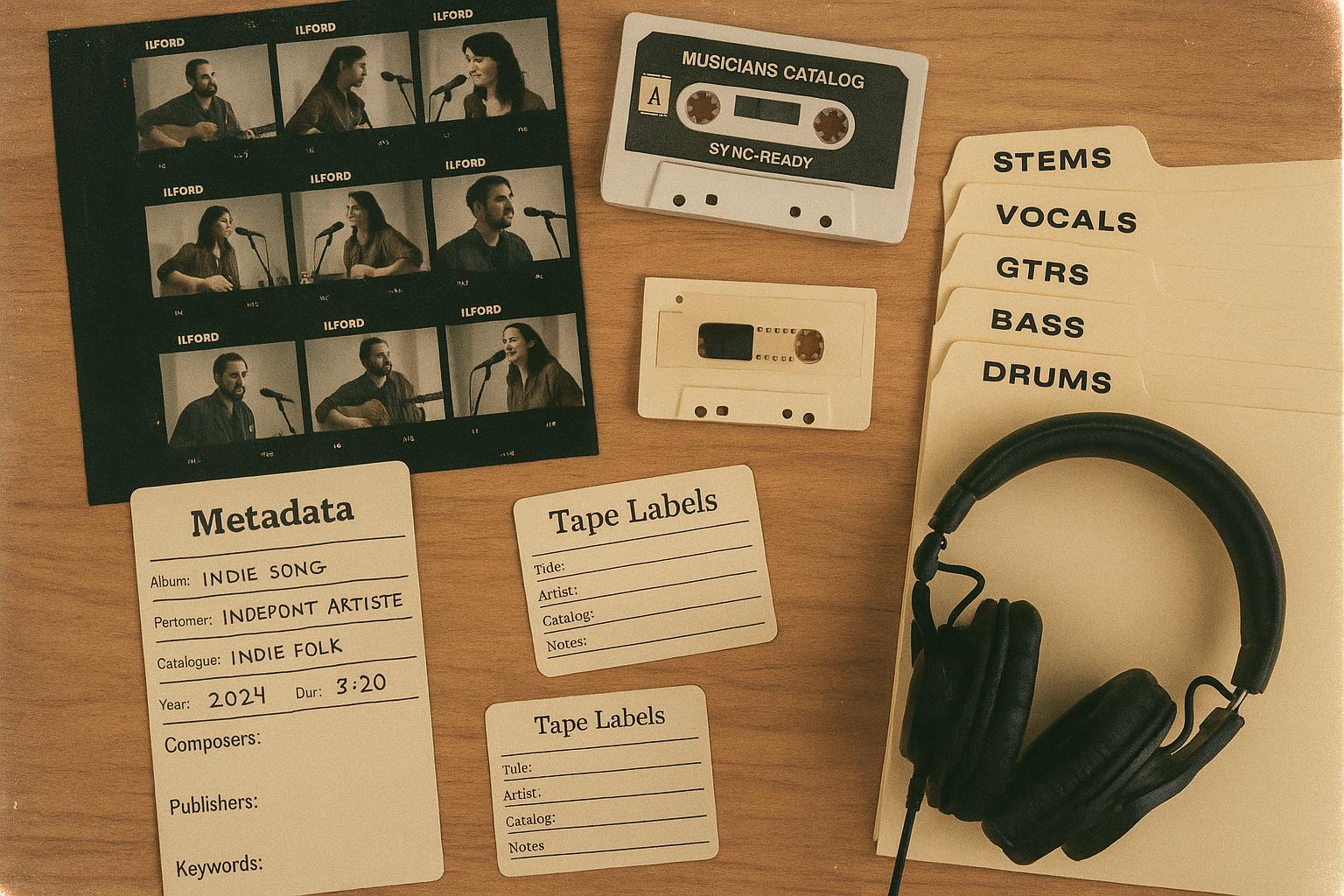
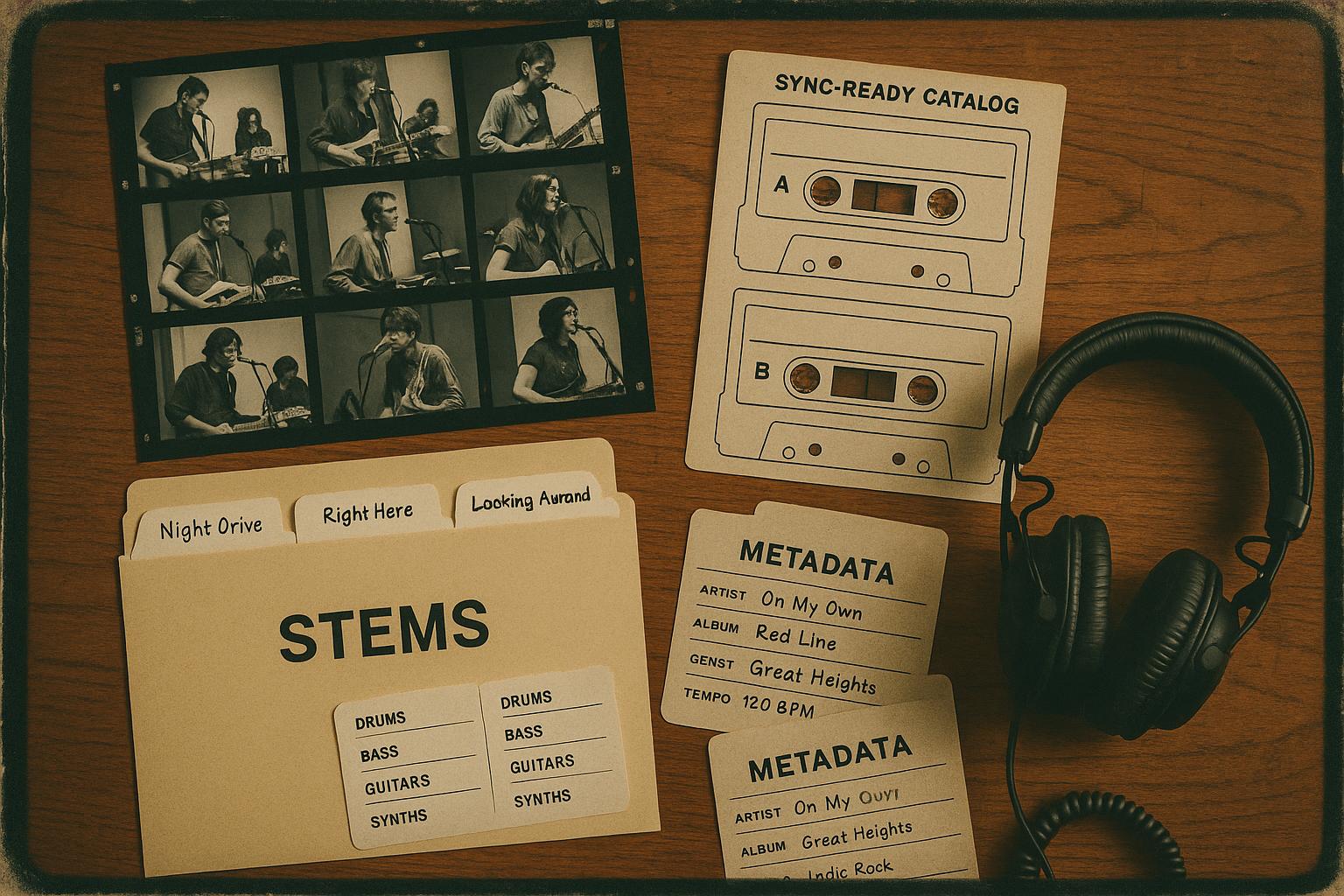
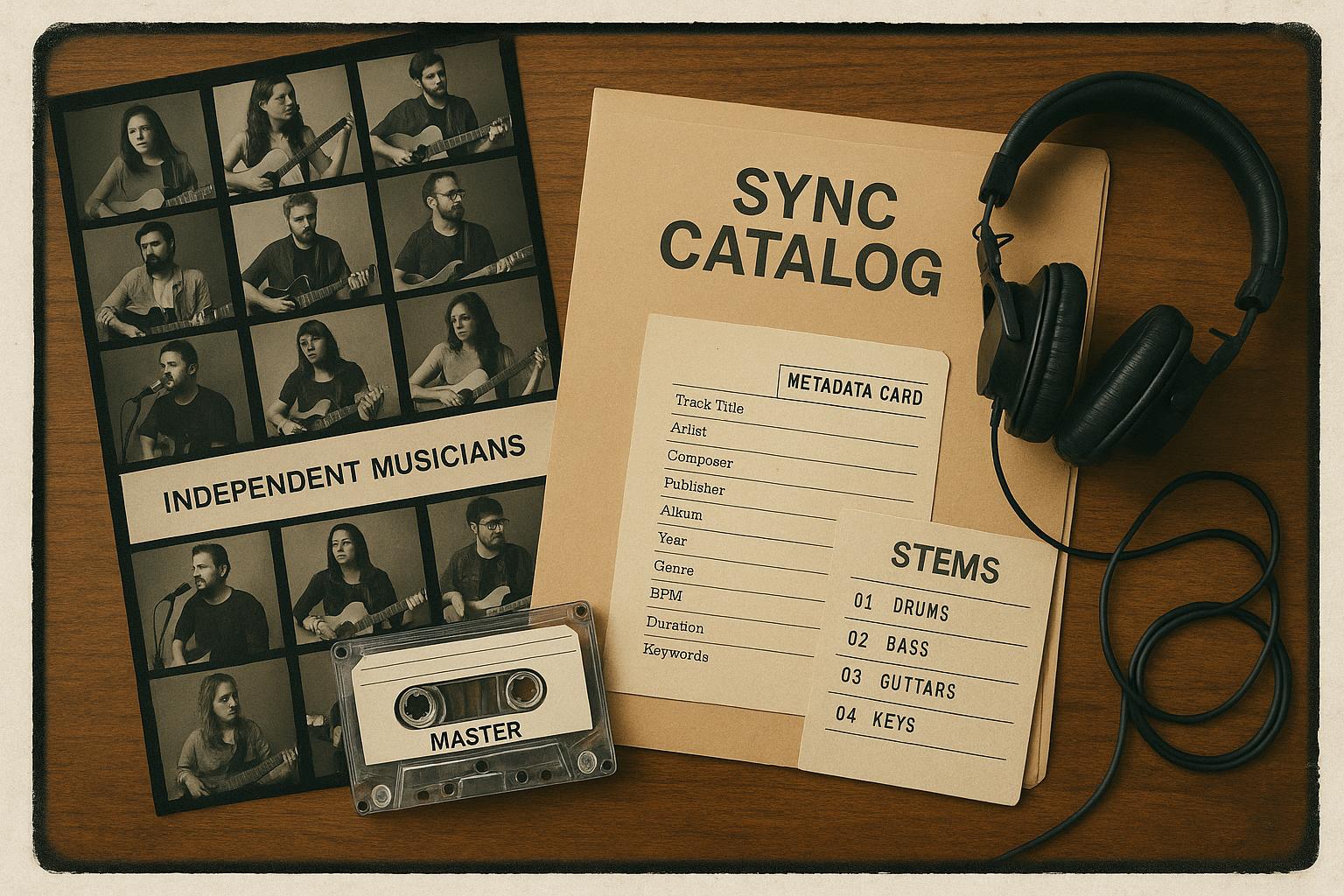
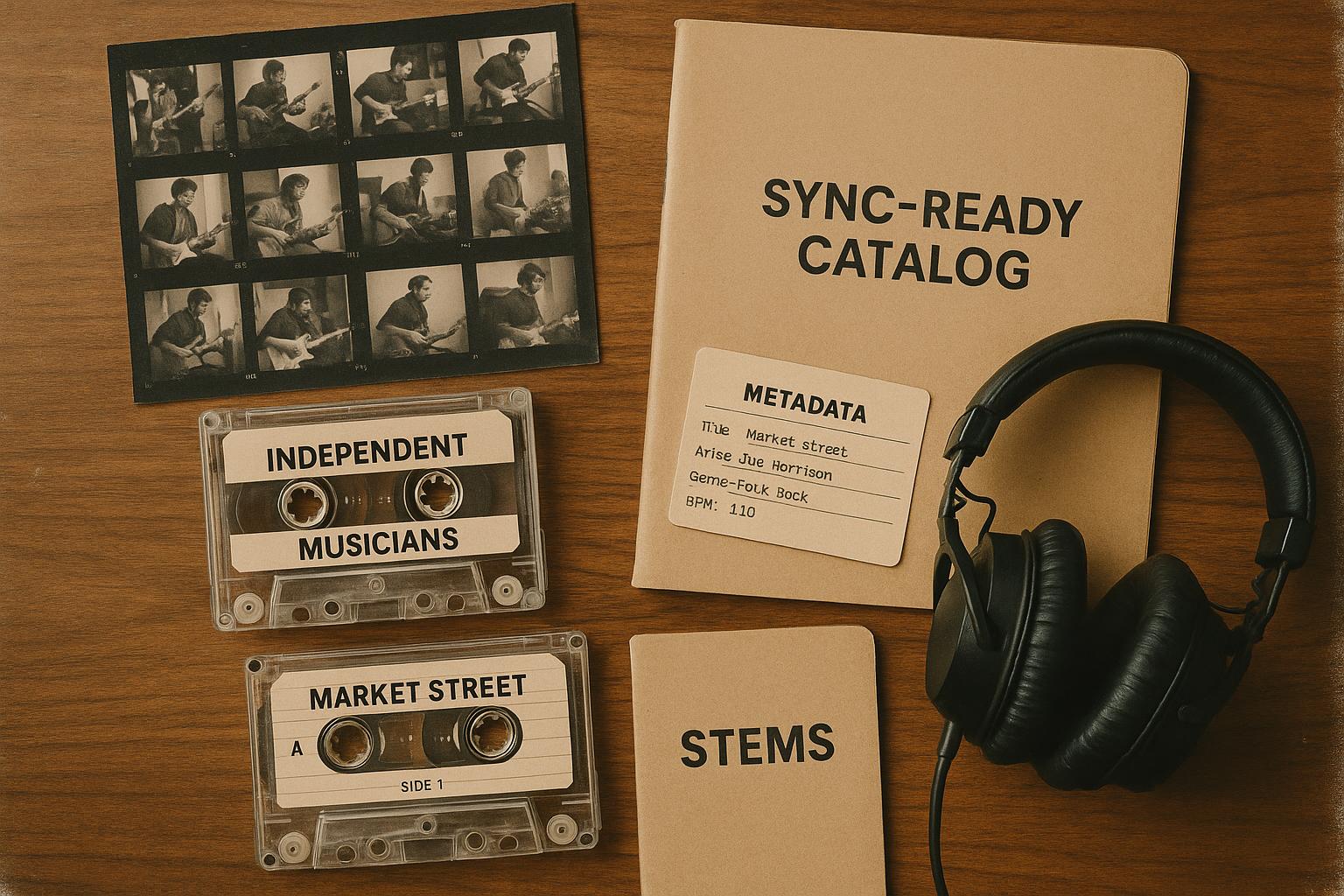
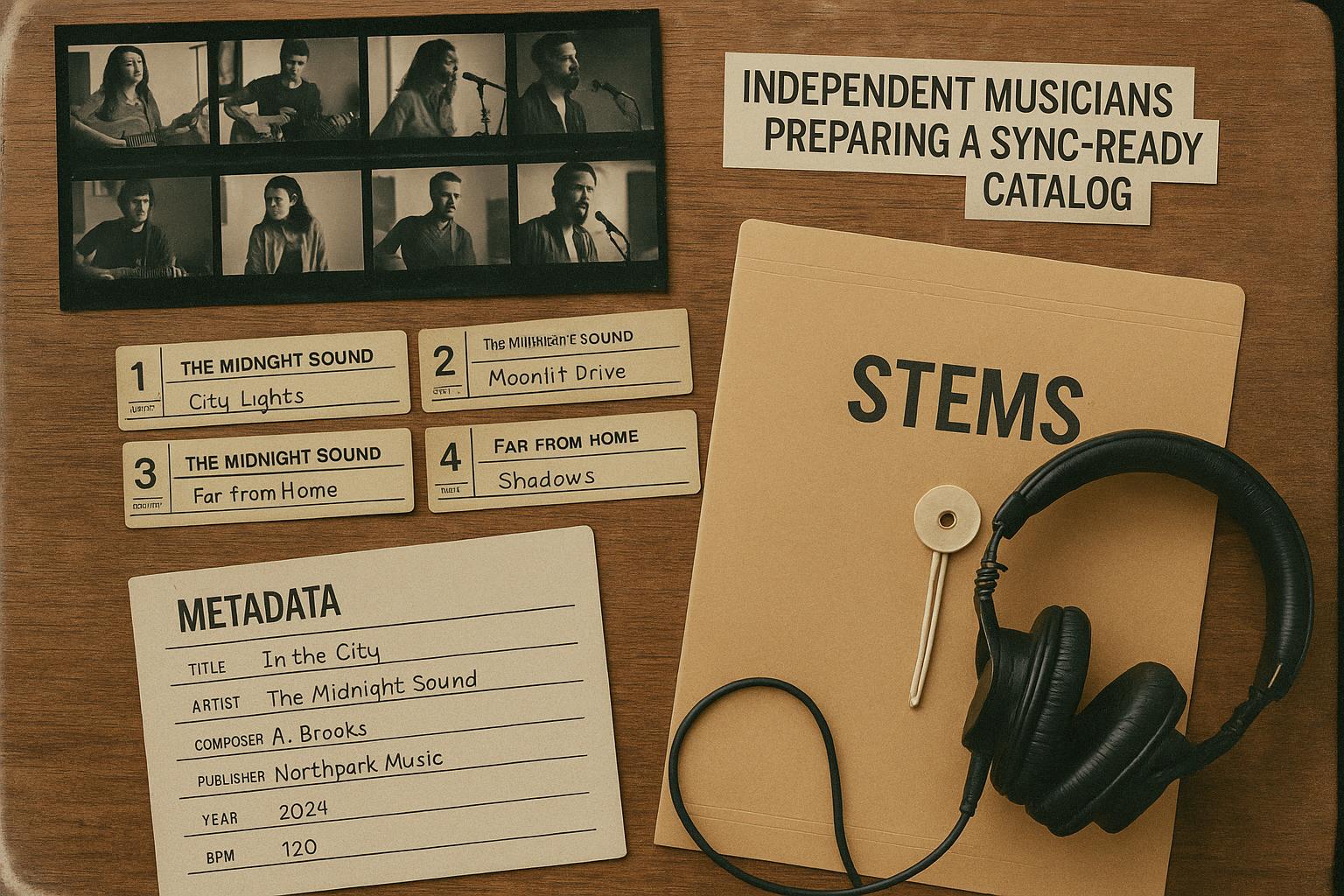
A well-structured catalog is the foundation of consistent placements. For Music for YouTube, you need ready-to-use assets, clear rights, and a metadata framework that makes your music searchable and easy to clear.
- High-quality master recordings (WAV/24-bit) and instrumentals
- Stems and alternate mixes (acoustic, tempo-adjusted, and edit-friendly versions)
- Instrumental, vocal, and vocal-free alternatives for various contexts
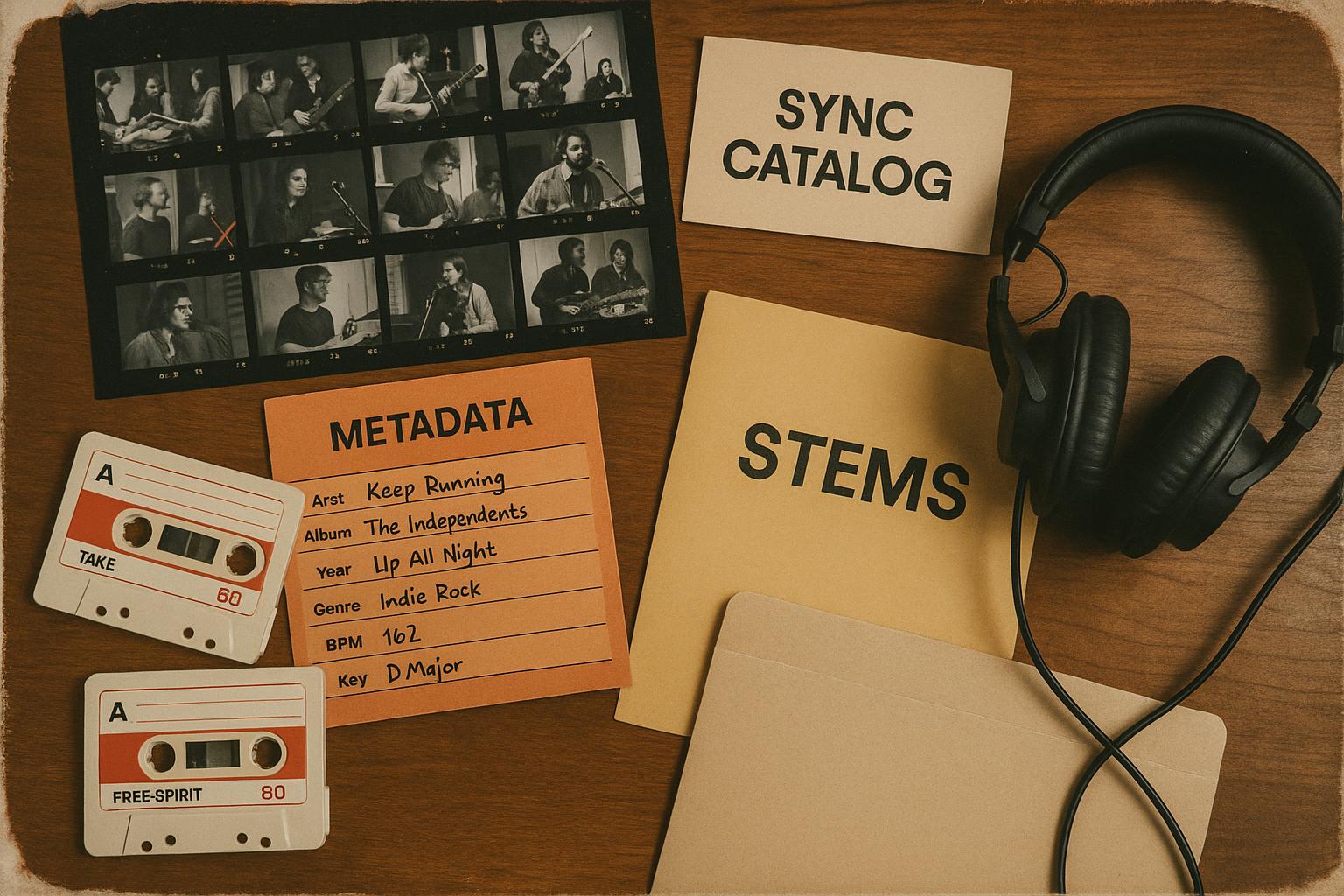
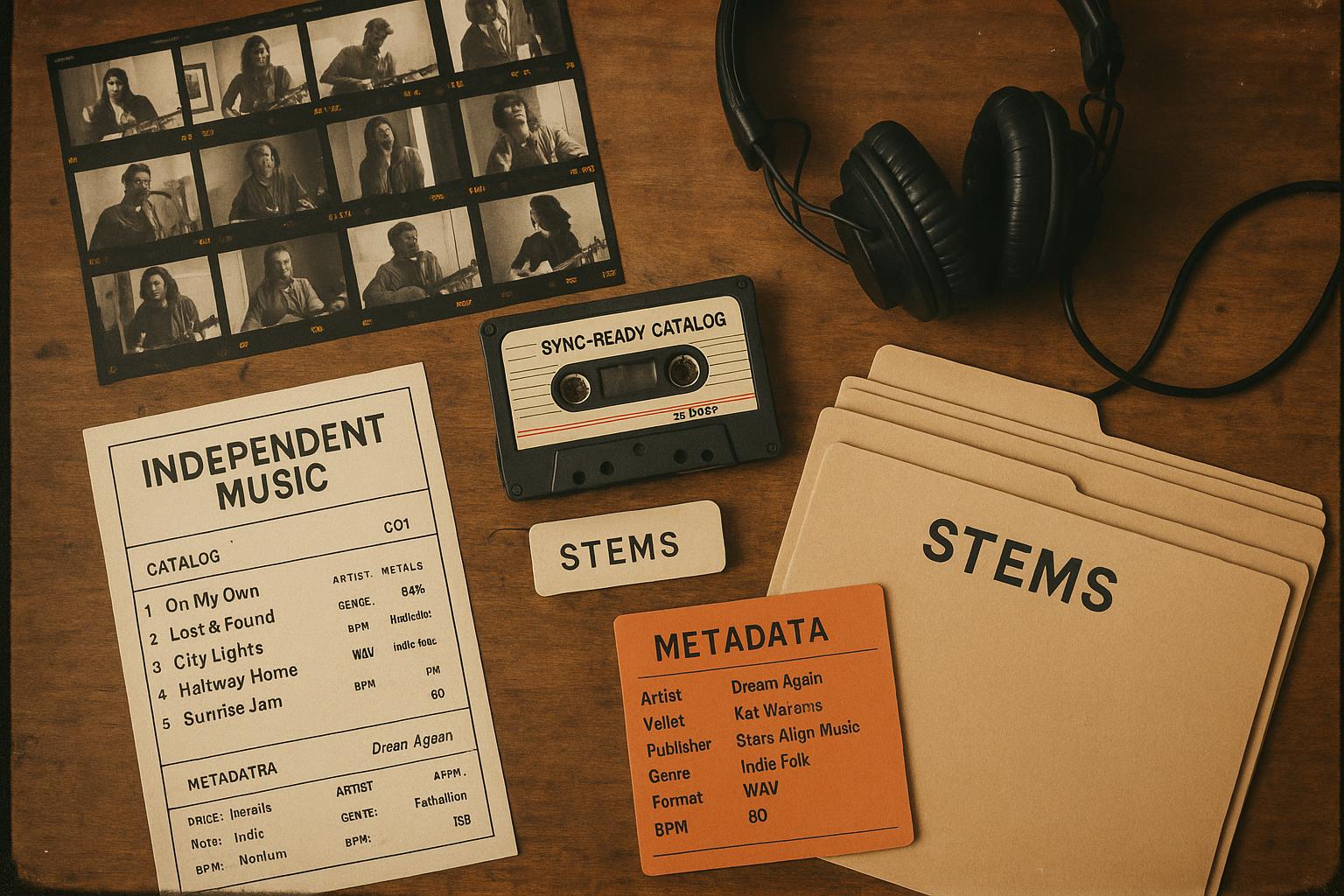
- Accurate, complete metadata (track title, artist, featured artists, publishers, PROs, ISRC/ISWC)
- Clearance terms and licensing options (non-exclusive, exclusive, territory scopes)
- Cue sheets and performance data ready for fast rights administration
- Cover art, licensing terms, and short, pitch-ready descriptions
- Audit your catalog for ownership and splits, ensuring you own or control all rights needed for sync and master use.
- Create and organize files with consistent naming conventions and folder structures for easy sharing with supervisors and distributors.
- Prepare pitch-ready previews: 15–30 second clips that evoke mood and tempo, plus longer cues for documentary, promos, or trailer use.
- Lock in rights and metadata in a centralized system (or trusted partner) to prevent downstream clearance issues.
- Onboard to distribution and rights administration with timely updates to ISRC, ISWC, and PRO affiliations.
Metadata, Clearance, and Rights Readiness for Music for YouTube
Clear, complete metadata and robust clearance enable faster approvals and higher acceptance rates for YouTube placements. This section delves into what you need to do now to be ready.
- ISRC and ISWC codes correctly assigned and accessible with each track
- Accurate track title, artist name, featured artists, and publisher information
- Copyright ownership splits and splits with all contributing writers and publishers
- PRO registrations (ASCAP/BMI/SESAC and corresponding publisher PROs) aligned to the right roles
- Contact information and licensing terms clearly stated
- Territory scope and usage rights (online streaming, display, social, ads, etc.)
- Content descriptors (genre, mood, tempo, key, BPM) to aid supervisors
- Cue sheets and usage data for any licensed performance rights
- Rights readiness: confirm who owns what and secure any necessary co-writer or label approvals before pitching.
- One-stop clearance strategy (where available): align with a single license path to streamline YouTube usage for the buyer.
- Metadata quality control: ensure every field is complete, consistent, and machine-readable for fast searches by supervisors and distributors.
- Cue sheets and post-use reporting: establish processes to deliver accurate cue sheets as soon as rights are used.
- Proactive updates: keep ISRC/ISWC, publisher affiliations, and ownership records current to avoid delays.
Rights readiness also means being strategic about cue sheets and rights administration. For Music for YouTube projects, cue sheets matter because they document the exact performances and usage, which directly impacts royalties and analytics. In Los Angeles, where film, TV, and digital platforms converge, having these processes dialed in reduces friction with studios, networks, and streaming brands.
Sync Supervisors: What They Need From Artists
If you’re pitching to sync supervisors or music editors, you must deliver a package that aligns with their fast-paced workflows and clearance requirements. Here’s what they typically need from artists.
- Metadata quality that is complete, consistent, and machine-readable
- One-stop clearance options or clear, license-ready terms
- Alt mixes, stems, instrumental versions, and stems-ready tracks for on-moment edits
- Fast turnaround times and responsive communication
- Clear ownership statements and licensing terms, with any co-writer or label approvals documented
- Delivery via secure, trackable portals or agreed file transfer methods
In practice, supervisors value content that can be cleared quickly without chasing down rights holders. That’s why a synchronized package—complete with a licensed master, publishing data, and ready-to-use stems—speeds up approvals and increases the likelihood of a placement.
Producer/Songwriter Collaboration Workflows That Increase Placements
Strong collaboration is a proven driver of placement success. When producers and songwriters collaborate with a clear, repeatable workflow, you shorten cycles from concept to clearance and delivery.
- Define placement goals and target formats early: identify whether a track is intended for YouTube promos, episodic content, or feature trailers, and align on required stems, tempo ranges, and keys.
- Establish ownership and publishing splits up front: document in a contract or written agreement, then mirror in metadata and PRO registrations.
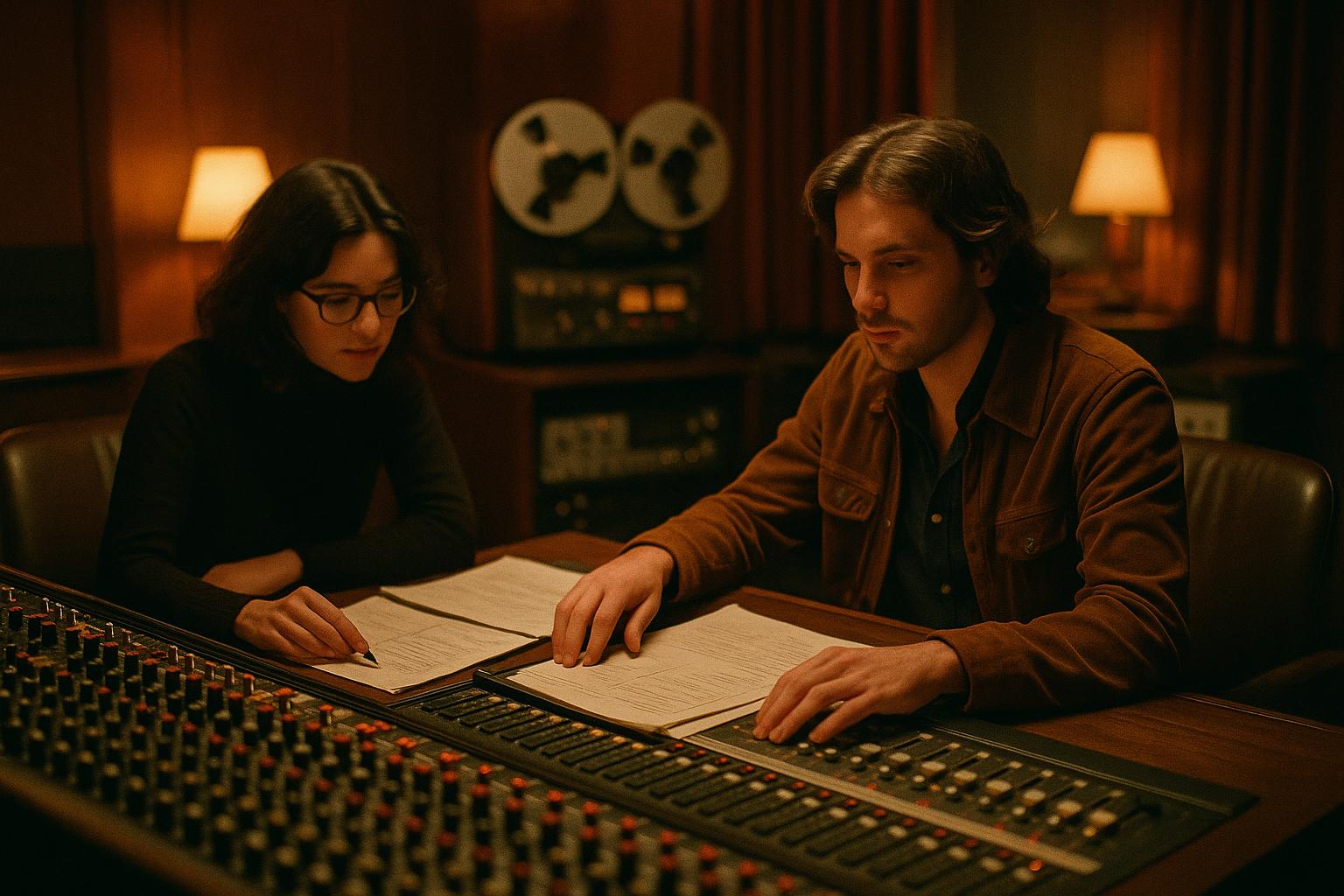
- Create a shared project workspace: use cloud folders with version control, standardized file naming, and automated backups.
- Develop a standard approval loop: internal review (producer and writer), publisher/administration review, then legal/clearance checks before final delivery.
- Produce multiple, compatible versions: vocal, instrumental, alternate mixes, and short cues designed for YouTube placements and social edits.
- Implement fast-turnaround protocols: agreed SLAs for feedback, quick re-exports, and pre-cleared sample packs for possible edits.
This structured approach aligns with One World Media’s broader services—sync strategy, music publishing, rights admin, distribution, and artist development—ensuring your catalog remains placement-ready and scalable from LA studios to global markets.
Real-World Scenario: YouTube Channel to Sync Pitch
Case example: A mid-tier travel YouTube channel with 2–3 million monthly views looks to refresh its video library with a distinctive, upbeat indie track. A producer approaches you with a tight two-week deadline and asks for a non-exclusive license across multiple videos, plus an instrument-only version for a background montage. You deliver a ready-to-pitch package:
- Master and instrumentals with 1 alternate tempo version
- Alt mixes suitable for voice-over clearance
- Complete metadata, ISRC/ISWC, and publisher details
- A one-page pitch note connecting mood, tempo, and kid-friendly energy to the channel’s style
- A secured, one-stop clearance option or explicit license terms
- Cue sheet draft and a ready-to-file post-use report
The supervisor approves quickly, the license is issued promptly, and the channel uses the track across several videos, generating ongoing visibility and recurring sync revenue. In this scenario, One World Media’s sync strategy, rights administration, and distribution services help move from concept to clearance with speed and clarity.
FAQ
Q: What is the right process to clear rights for YouTube placements?
A: Start with a rights audit to confirm ownership and splits, register publishing and master rights, obtain any necessary co-writer approvals, and secure a clear one-stop license or per-use licenses. Deliver complete metadata, cue sheets, and a ready-to-use master/instrumental package to the supervisor. Maintain ongoing PRO and ISRC/ISWC data accuracy to accelerate future clearances.
Q: How can I monetize my catalog on YouTube?
A: Build a robust, metadata-rich catalog with ready-to-license masters and stems, pursue distribution and publishing deals with a trusted partner like One World Media, and establish a predictable clearance workflow. Use YouTube Content ID and partnership programs where appropriate, and maintain active rights administration to ensure you receive royalties from all eligible uses, including ads and sponsored content.
Q: What metadata is essential for music to be used on YouTube?
A: Essential metadata includes track title, artist, featured artists, publishers, PROs, ISRC and ISWC, ownership splits, licensing terms, territory rights, moods/genres, BPM and key, and contact information. Also include cue sheets and a short pitch description to help editors and supervisors quickly assess fit.
Q: How can One World Media help me get placements and manage my catalog?
A: One World Media offers end-to-end support: sync strategy to align your catalog with the market, music publishing and rights admin to secure and manage ownership, distribution to ensure your catalogs reach digital platforms, and artist development to grow placement opportunities. Based in Los Angeles, we connect you with local and global opportunities and provide fast, reliable workflows to scale your Music for YouTube initiatives.
Contact One World Media
For more information, please contact us at support@oneworldmedia.global or call (307) 200-8139.