Turn placements into predictable revenue with strategic music promotion tactics
In today’s sync landscape, you can’t rely on luck to unlock placements. You need a strategic framework that turns great music into scalable income. This guide walk-throughs practical, field-tested steps to build placement-ready catalogs, pitch with impact, and maximize catalog royalties — while positioning One World Media as your trusted partner for publishing, sync, distribution, and artist development. Los Angeles remains a pivotal hub, but a disciplined approach to metadata, rights readiness, and collaboration works anywhere.
Crafting a placement-ready catalog: from concept to catalog income
A catalog that’s easy for supervisors to clear and clear quickly is a competitive advantage. Here’s how to create one you can pitch with confidence.
Key principles:
- Quality first, quantity second. Prioritize tracks that are emotionally clear, emotionally flexible, and easy to place in mood-driven scenes (drama, action, romance, tension).
- Metadata discipline. Every track should be accompanied by intentionally structured metadata and files that are immediately usable by licensing teams.
- Versions matter. Include stems, instrumentals, and vocal mixes; alt mixes (mellow, up-tempo, and hybrid versions) expand brief-fit options.
- Clear ownership. Your catalog must have clean split sheets and proof of ownership to speed approvals.
- Ready-to-deliver assets. Prepare master files in industry-standard formats (WAV, 24-bit, 48kHz+), along with cue sheets and reference notes.
Practical steps you can apply today:
- Audit your catalog for licensing readiness. Flag any unresolved ownership or rights issues and resolve them first.
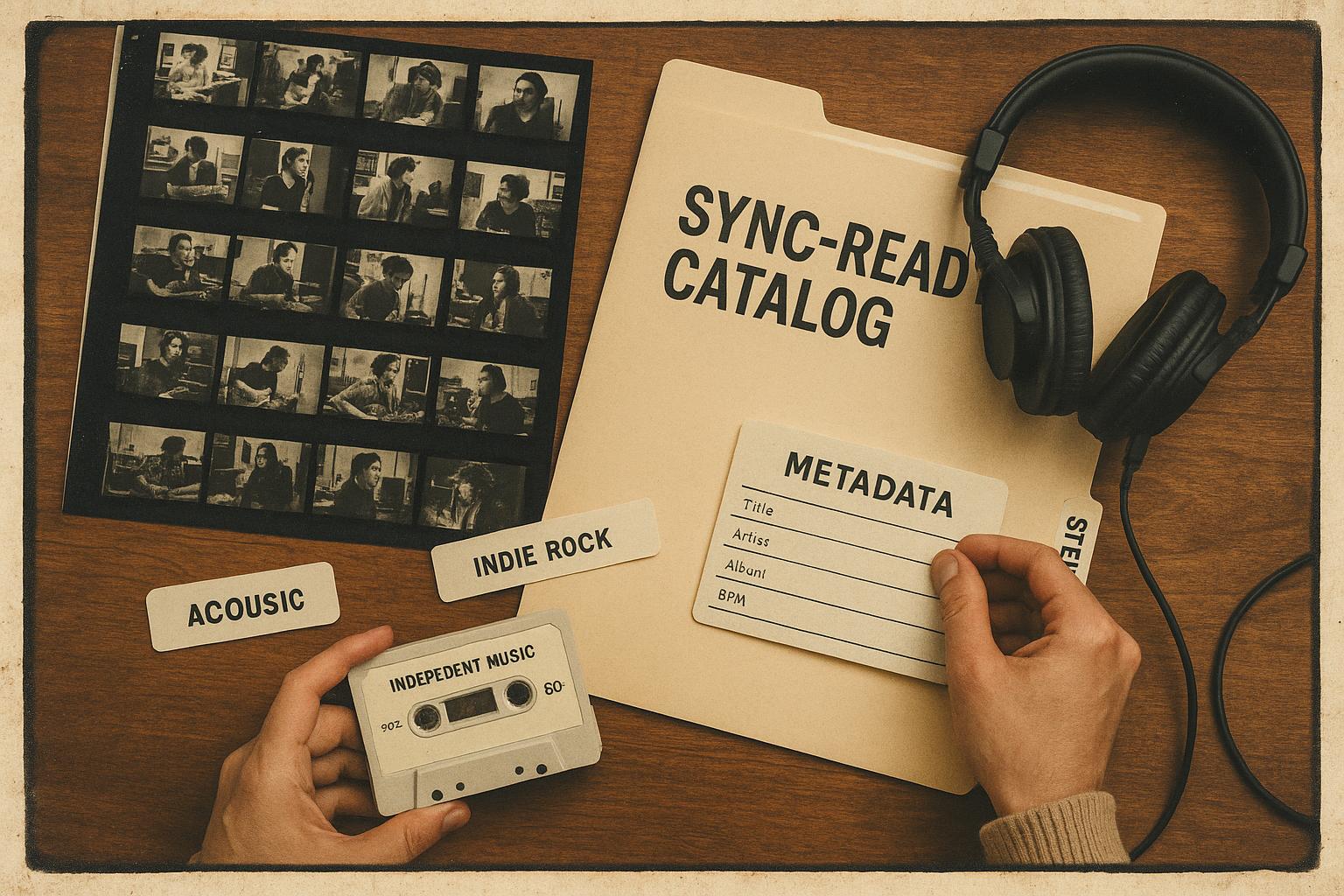
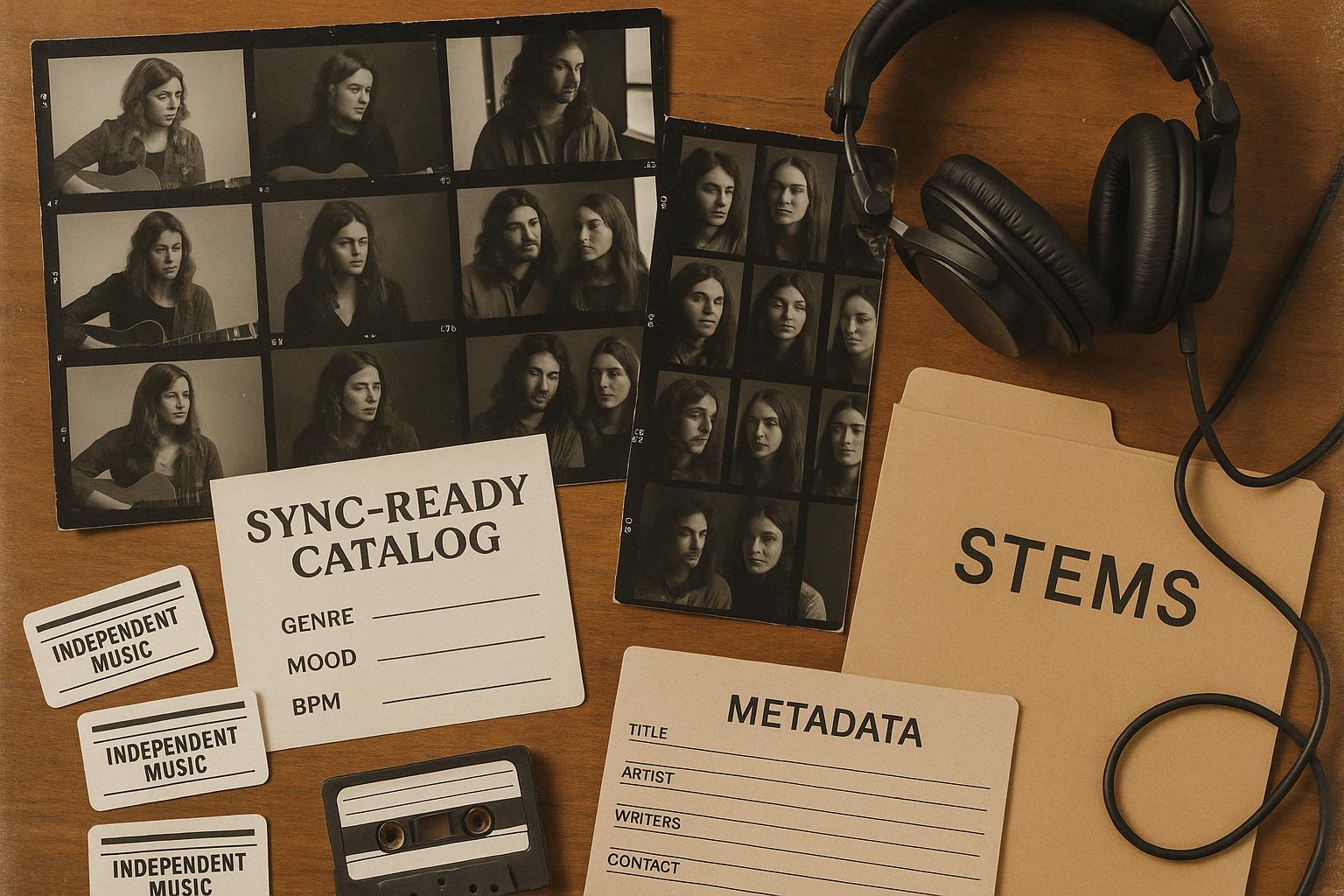
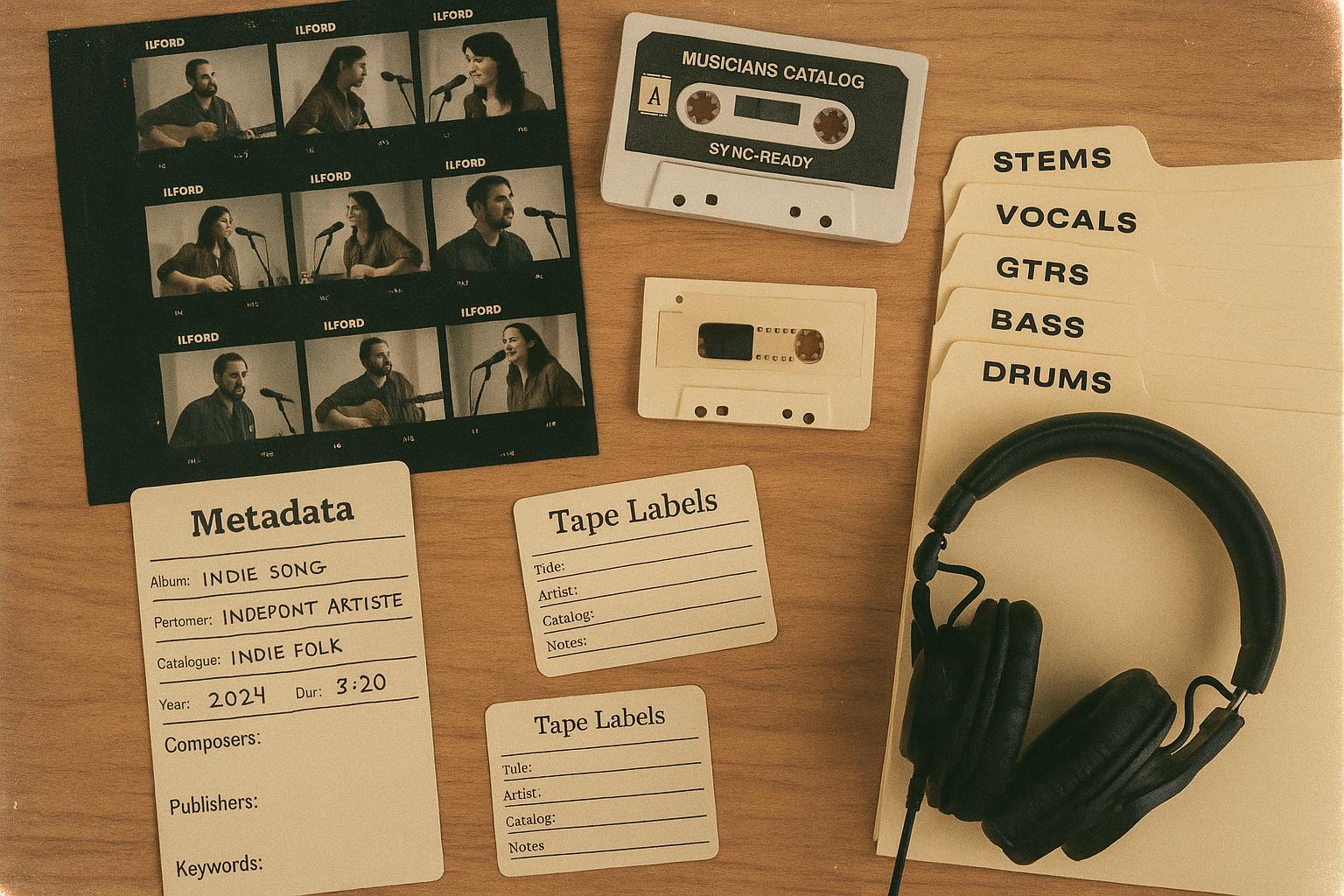
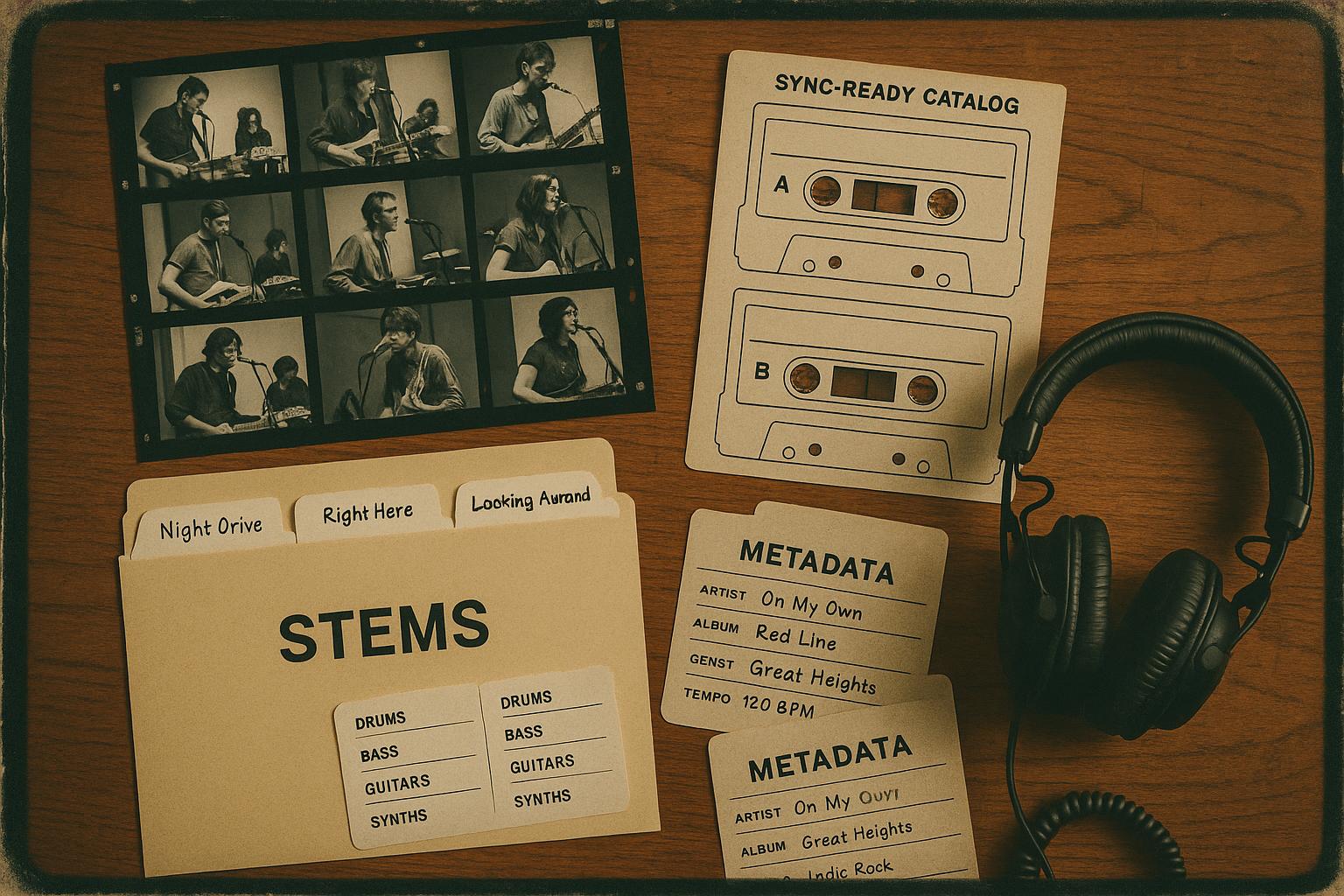
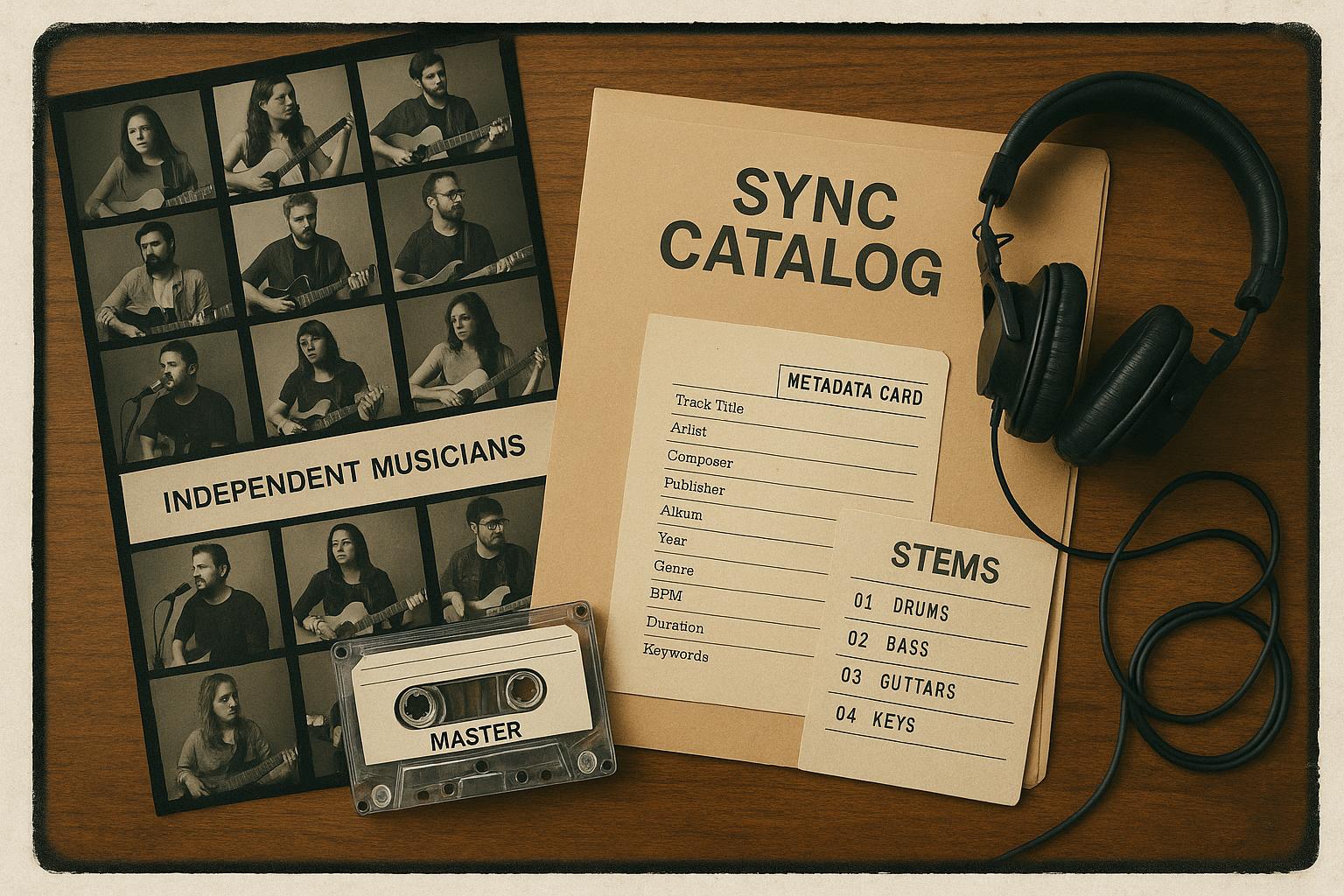
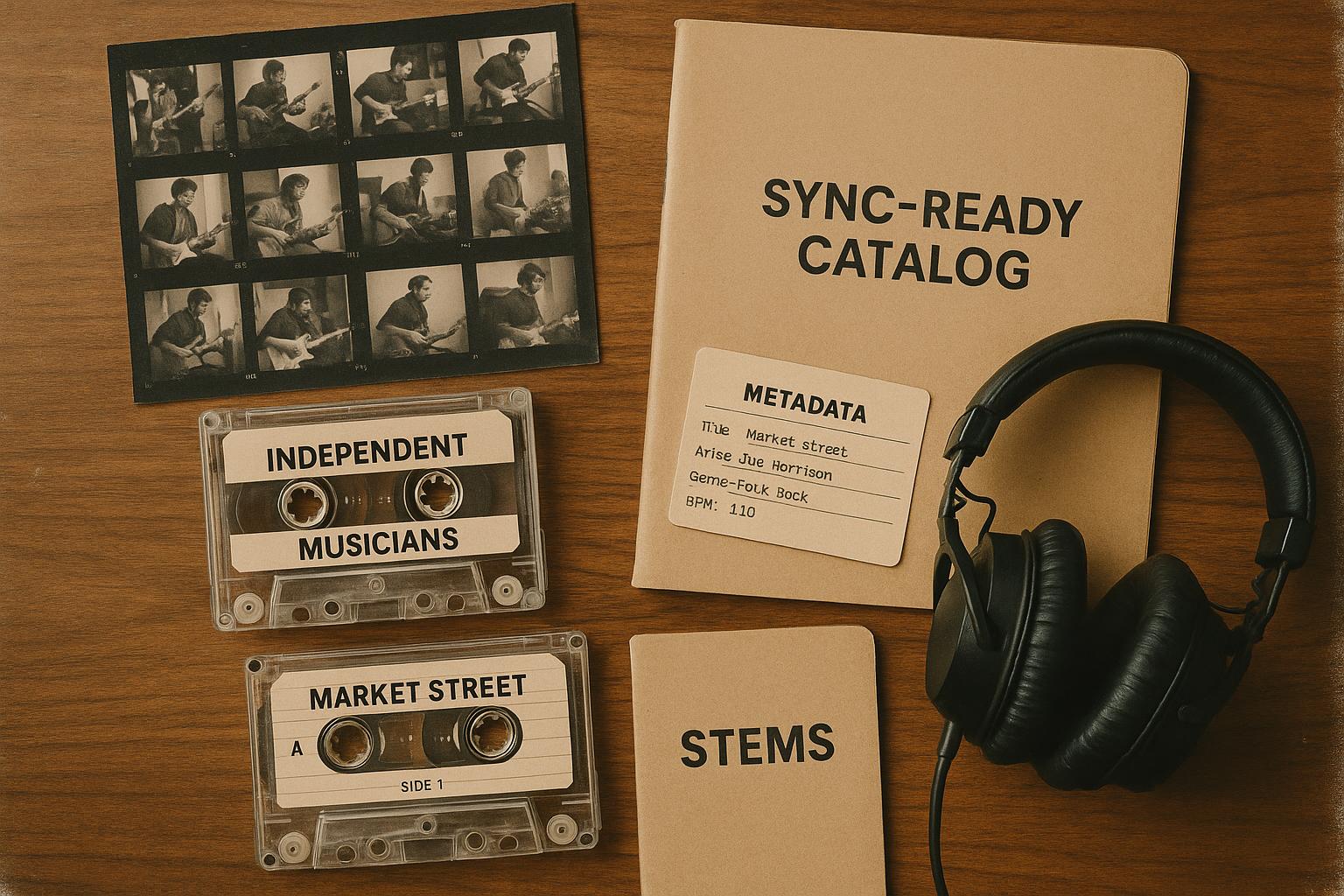
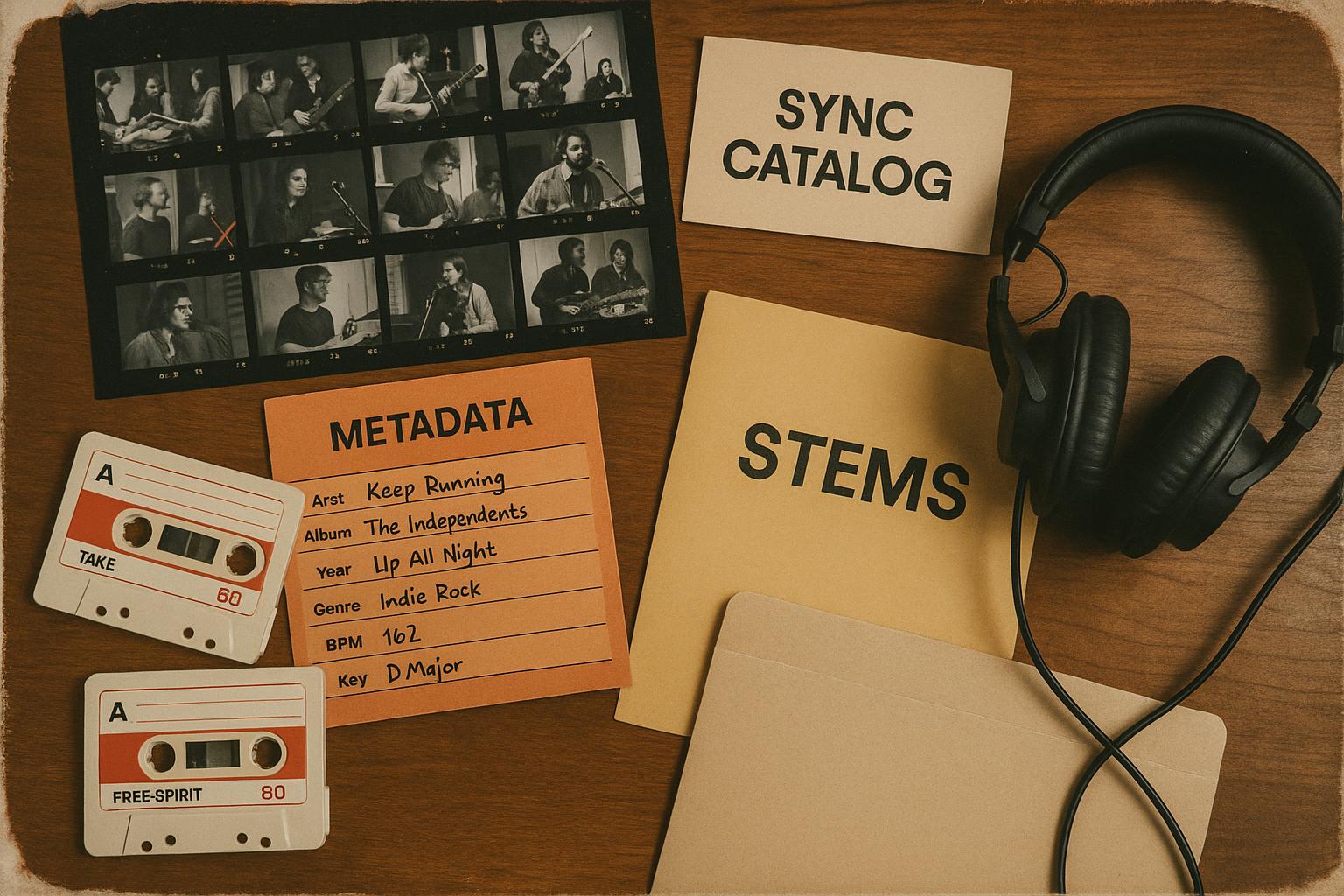
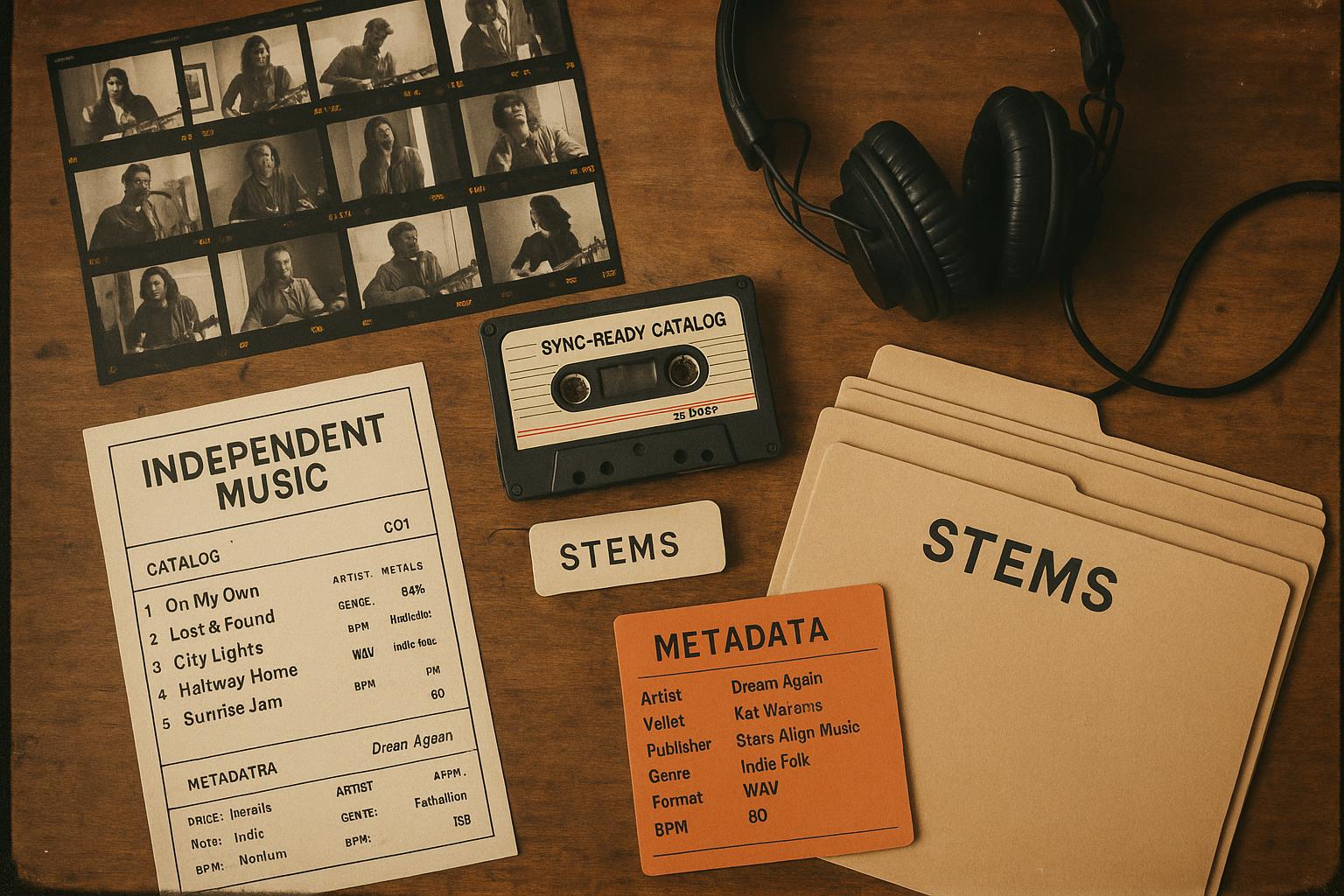
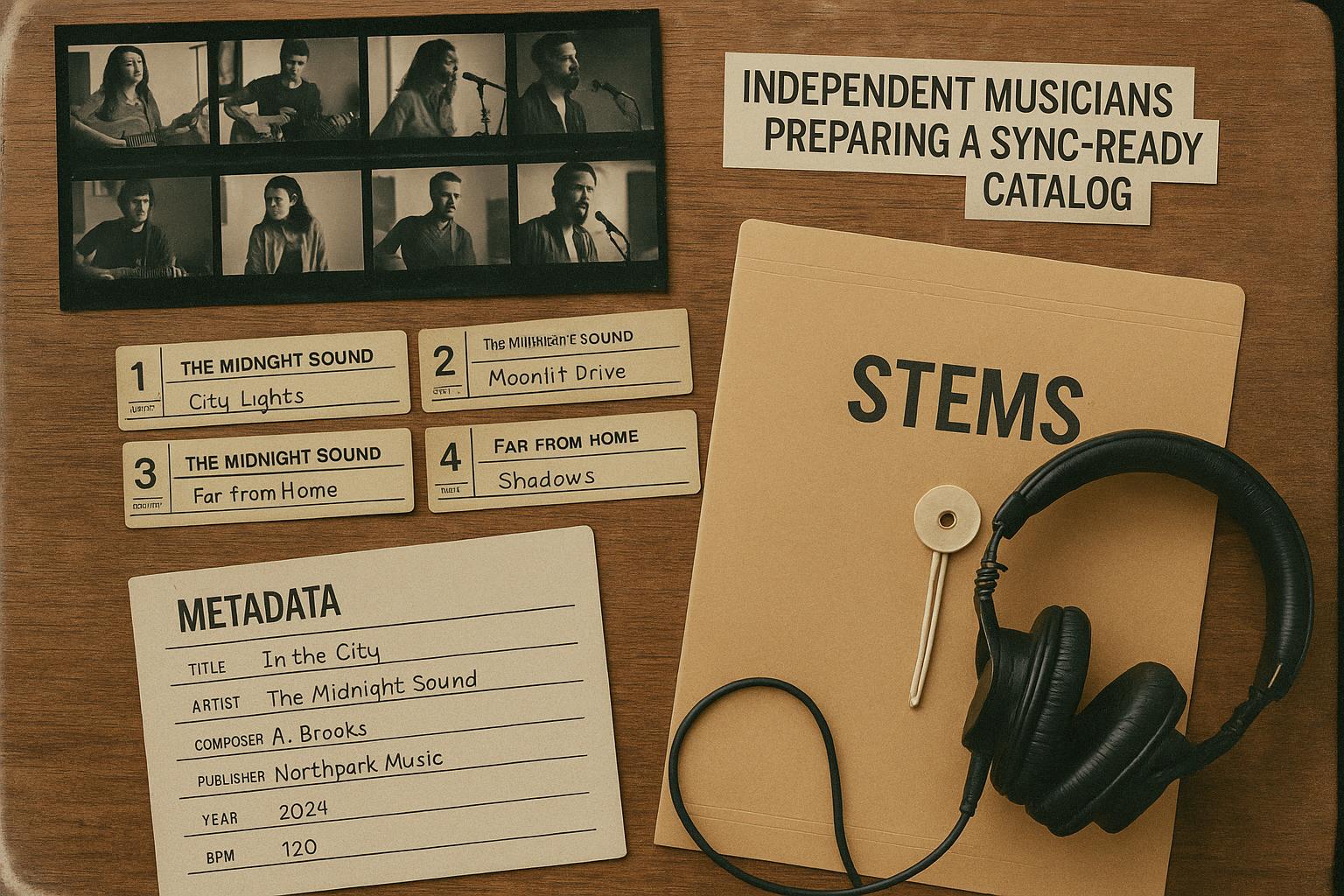
- Create a metadata template for every track: title, artist, writers, publishers, PROs, ISRC, ISWC, BPM, key, mood, tempo, usage notes, and notable sonic features.
- Package top tracks with alt versions and stems. For each cue, prepare a short 15–30 second “spot” edit that can be used for quick placements.
- Label and organize tracks by placement suitability (drama, action, comedy, romance, ad spots, trailers) to speed supervisor searches.
- Set up a rights framework. Attach a clean, signed split sheet to every track and ensure master and publishing ownership are unambiguous.
- Develop a quick-response delivery protocol. Create ready-to-send bundles for supervisors, including a one-pager, streaming-friendly previews, and downloadable stems.
How this feeds your broader business goals:
- Stronger alignment with One World Media’s sync strategy and rights admin services to reduce time-to-clear and increase win-rate.
- Better catalog monetization through publishers and distributors, driving recurring revenue rather than one-off sync placements.
- Improved artist development outcomes as your catalog becomes a predictable revenue engine that supports more audacious creative projects.
Pitching for film, TV, trailers, and ads: step-by-step
Effective pitching blends targeted research, precise customization, and timely delivery. Use these steps to maximise your odds of a placement.
- Identify the right briefs. Build a dynamic shortlist of production companies, networks, ad agencies, and libraries that regularly source new music. Track the types of cues they use (emotional tempo, BPM ranges, genres).
- Research decision-makers. Compile a contact map of music supervisors, editors, and music editors in relevant departments, especially in Los Angeles where many major projects originate.
- Craft laser-focused pitches. For each track, prepare a one-page pitch that includes mood descriptors, recommended usage (scene type), tempo signature, and a short logline for the cue’s emotional arc.
- Provide ready-to-use assets. Include a brief, streaming-friendly demo, the stems or instrumental versions, and the alt mix options. Attach a clean cue sheet and ownership details.
- Personalize and follow up. Send concise emails with a compelling subject line, a brief personal note about why the track fits the brief, and a clear call to action (e.g., “Would you like to receive stems?”).
- Track and optimize. Maintain a simple CRM of outreach, responses, and outcomes; refine your search criteria based on what’s working.
Best-practice tips:
- Always align your pitch with the visual tone, not just the music. Supervisors want whether a cue helps a cut or a scene’s emotional arc.
- Offer a quick-turnaround option for urgent briefs (24–48 hours for stems and alternate mixes).
- Use One World Media’s full suite of services—publishing, sync strategy, rights administration, and distribution—to streamline approvals and ensure proper royalty tracking.
Proximity to the market matters. In Los Angeles, where many live-action and animated projects originate, a succinct, well-credentialed pitch package can dramatically shorten decision timelines. The right partner can bridge music creation with licensing workflows, helping you scale placements with confidence.
Sync supervisor essentials: what they need from artists
To expedite approvals, you must meet the explicit needs of the licensing ecosystem. Here is a practical checklist to align your output with industry expectations.
- Metadata quality. Ensure accurate track titles, artist credits, writer/publisher information, PROs, and clear ownership in the metadata, including ISRC and ISWC where applicable.
- One-stop clearance. Provide a ready-to-clear package that includes master clearance, publishing rights, and any sample-clearance notes as needed.
- Alt mixes and stems. Supply instrumentals, vocal mixes, and a few curated stems (drums, bass, melody, pad) to enable flexible editing for different scenes.
- Instrumental versions. Have clean, radio-ready instrumental versions for scenes requiring no vocals or voiceovers.
- Fast turnaround. Offer rapid delivery for urgent briefs, ideally within 24–48 hours, with a clear process for approvals and revisions.
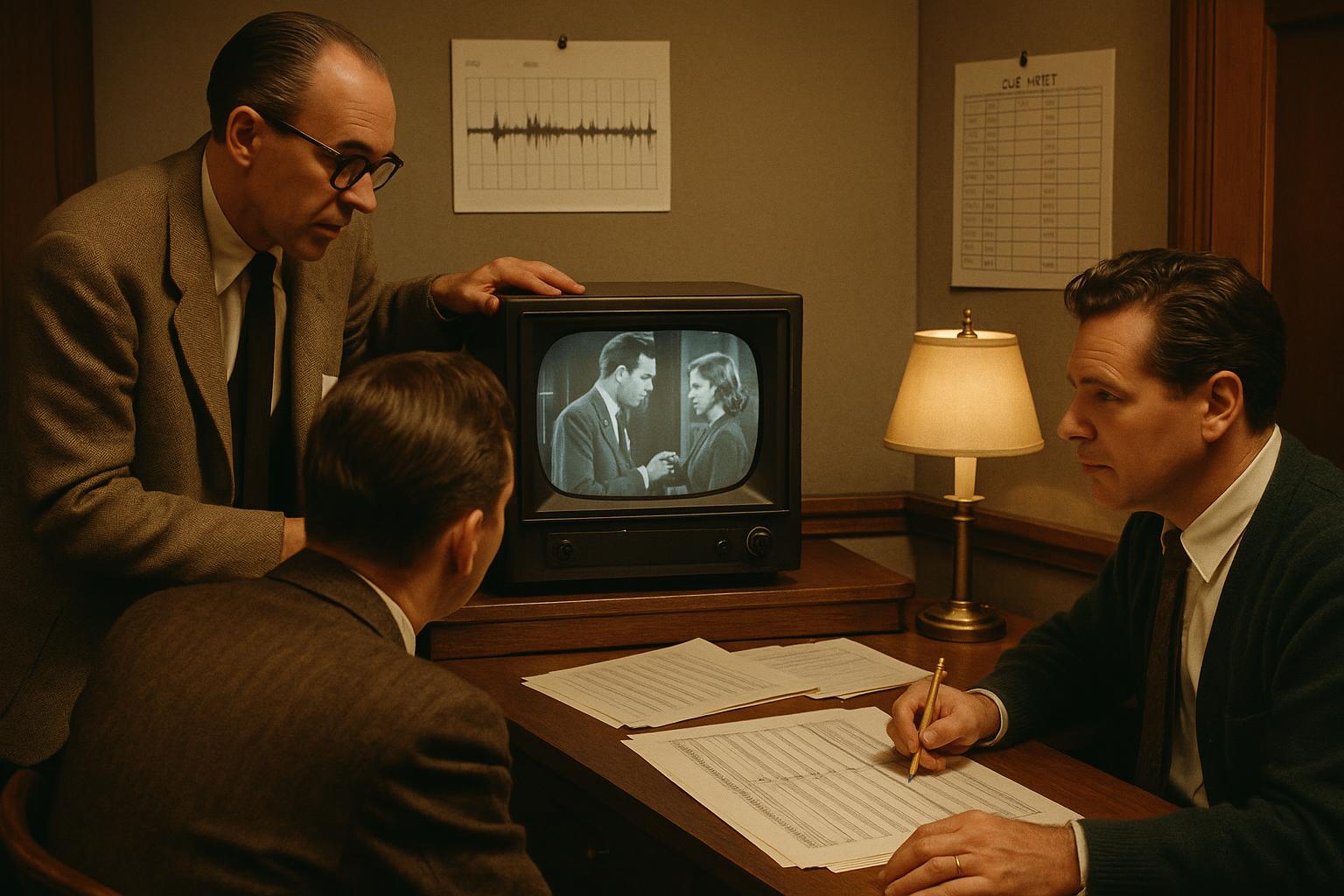
- Cue-sheet-ready packaging. Attach or provide a properly formatted cue sheet and proof of ownership to minimize post-approval delays.
One World Media’s services (sync strategy, music publishing, rights admin, distribution, and artist development) are designed to streamline this workflow, ensuring that what the supervisor wants is ready, clear, and deliverable on time.
Rights and readiness: clear ownership, metadata, and cue sheets
Without explicit rights and metadata clarity, even the best track can stall at the final clearance step. Establishing robust ownership terms and thorough documentation is essential.
- Split sheets. Use formal, signed split sheets showing each contributor’s percentage. Keep these accessible and up-to-date as collaborations evolve.
- Master vs. publishing ownership. Clearly delineate who controls the master recording and who controls the publishing rights. If you’re in a collective or work-for-hire arrangement, document terms in a legally binding agreement.
- PRO registration. Ensure all writers are registered with the appropriate PROs (e.g., ASCAP, BMI, SESAC in the U.S.) and that registrations match the metadata in your catalogs.
- ISRC/ISWC metadata. Maintain accurate ISRC (master) and ISWC (writers/publishers) in your metadata so royalties flow to the correct rights holders and cue sheets align with playback data.
- Cue sheets. Prepare and submit cue sheets for every placement to ensure accurate royalty tracking and licensing provenance.
Practical guidance:
- Make split sheets a prerequisite for any new collaboration. Use a consistent template that all contributors sign before distribution.
- Publish rights with a reputable administrator. If you’re managing rights yourself, keep a centralized catalog of who owns what and when it expires.
- Register every track’s metadata in your distributor and publisher databases. Double-check for typos in titles, names, and credits.
- Attach cue sheets to all submissions where applicable. If a cue sheet isn’t required for a given use, document why to avoid later ambiguity.
- Audit quarterly. Review your catalog to ensure ongoing accuracy as projects wrap, credits change, or new contributors join.
Producer/songwriter collaboration workflows that increase placement success
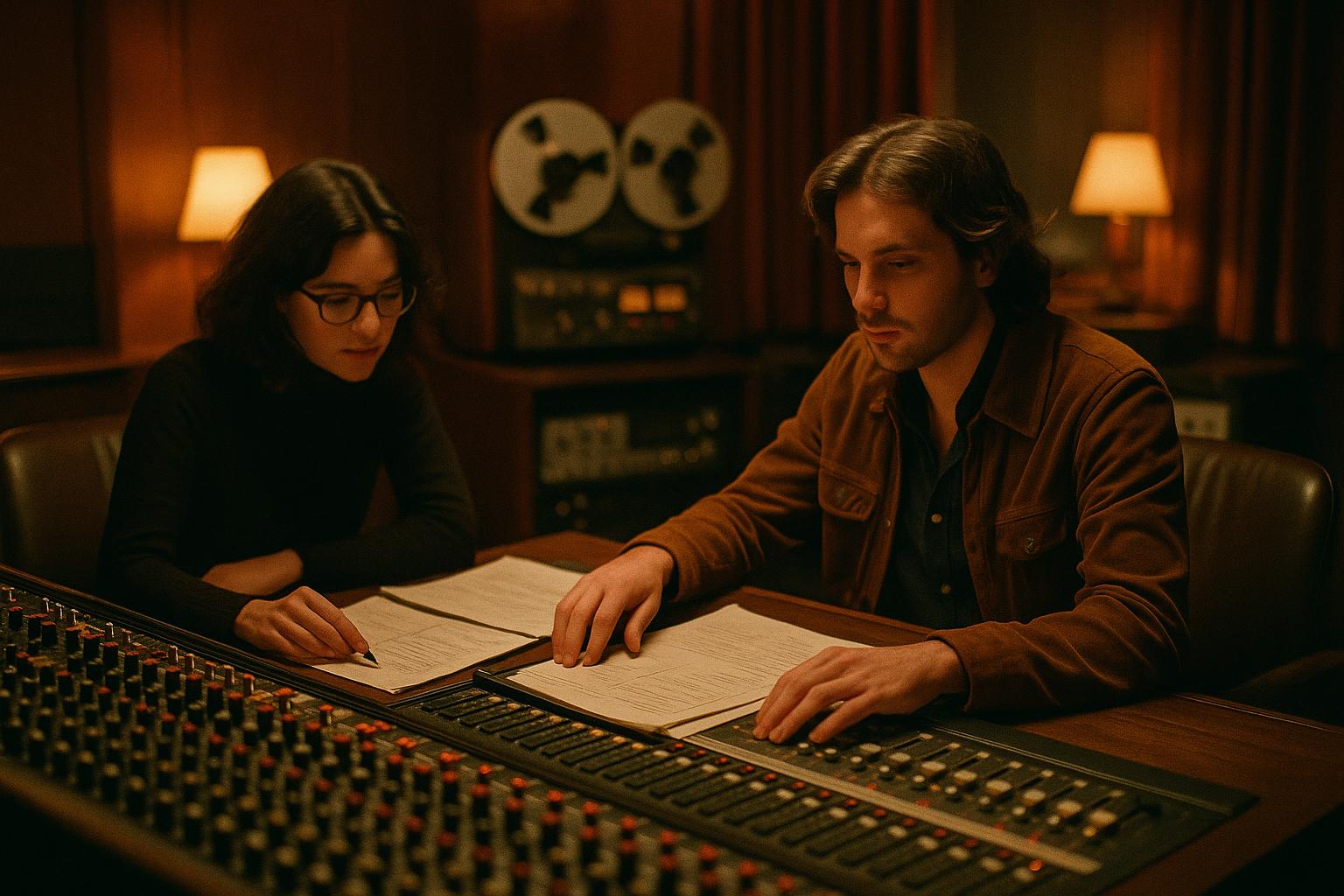
Collaboration is the engine of more compelling, placement-ready music. The right workflows help teams move quickly from concept to clearance and revenue.
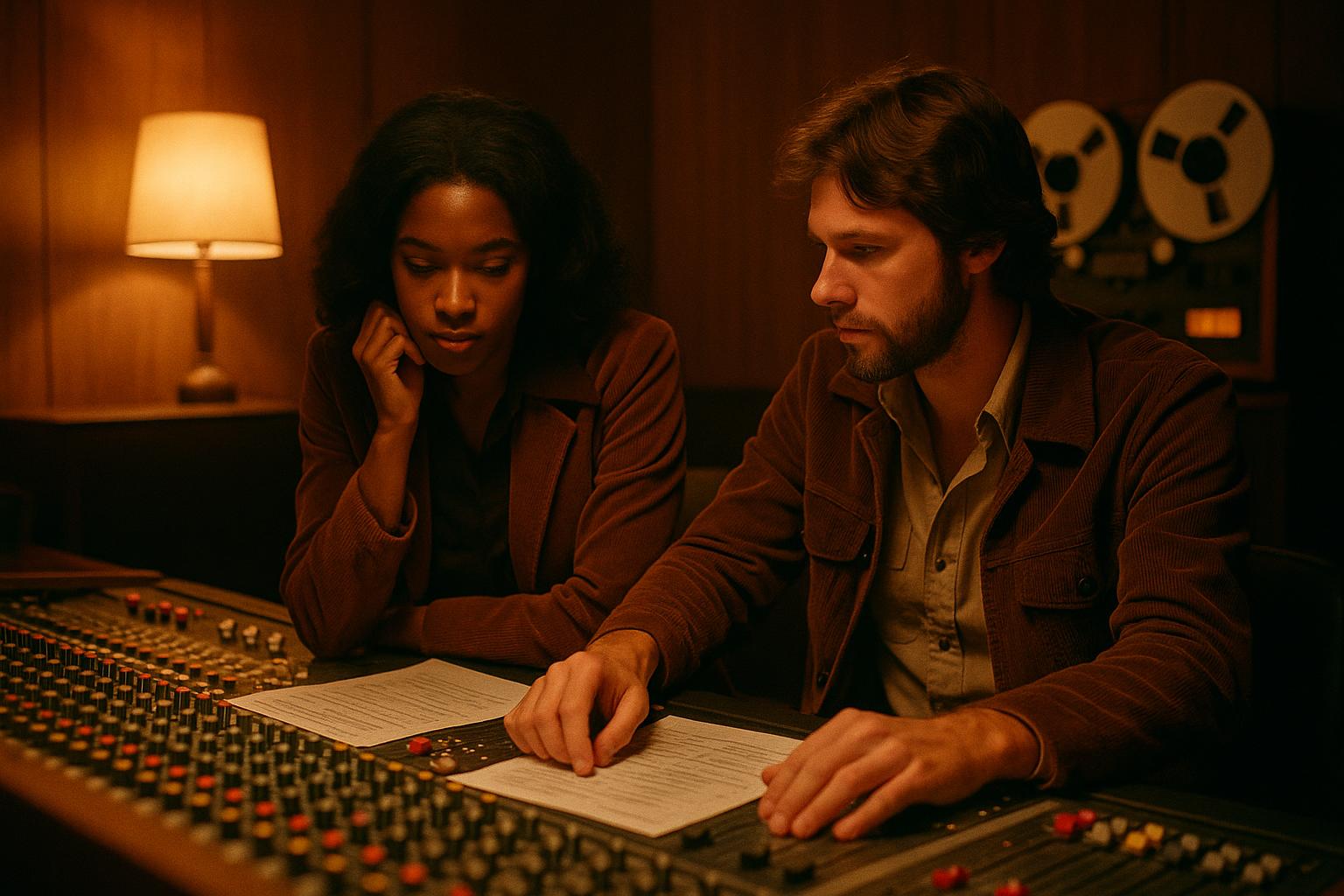
- Written agreements up front. Use a formal collaboration agreement detailing ownership, splits, delivery timelines, and decision rights to avoid disputes that slow placements.
- Shared project spaces with naming conventions. Create standardized file naming for projects, stems, and mixes (e.g., Artist_Track_Title_Snippet_Vocals.wav). A clear structure speeds approvals by minutes, not hours.
- Pre-brief writing sessions. Before writing, review the brief together (or via a shared doc) to ensure the emotional arc, tempo, and instrumentation align with the target brief.
- Version control and approvals. Establish a workflow where a designated producer or supervisor approves each version before moving to the next stage, reducing back-and-forth delays.
- Stems-first deliverables. When you deliver stems first, you give licensors flexibility to re-cut or remix to fit a brief, increasing the chance of placement.
- Multi-market considerations. Build versions that accommodate different territories and licensing demands, not just the U.S. market. This expands the catalog’s global appeal and revenue potential.
- Regular sync reviews. Schedule weekly or bi-weekly internal reviews focused on current briefs, upcoming pitches, and new material aligned with agency pipelines.
By integrating these workflows with One World Media services—specifically sync strategy, publishing, and distribution—you can shorten hit-to-lease cycles, expand your catalog’s appeal, and grow recurring sync revenue. In practice, collaboration discipline underpins faster placements and stronger long-term relationships with supervisors in both the film/TV and advertising ecosystems.
Case example: Real-world scenario
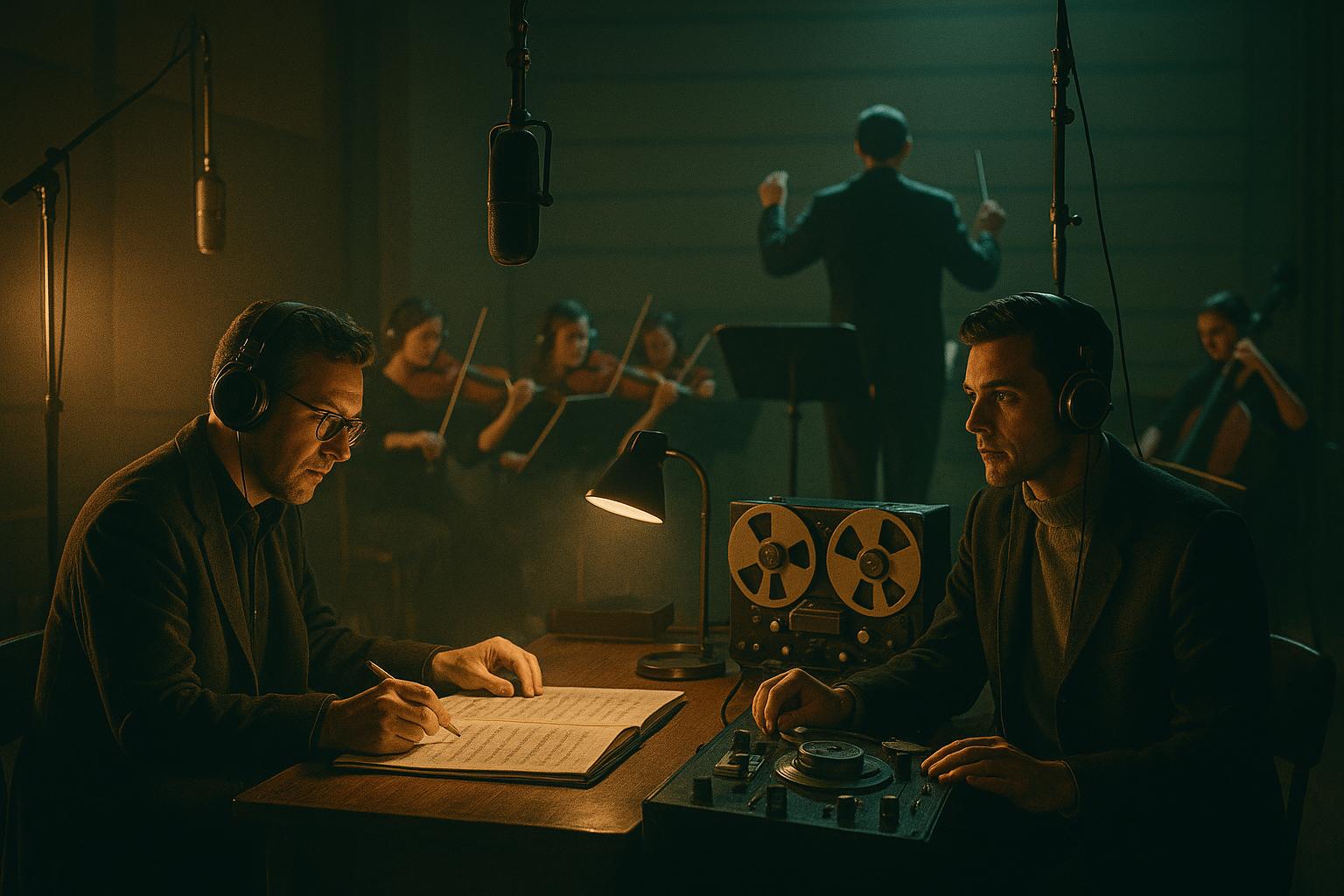
A rising producer in Los Angeles built a 12-track instrumental catalog targeting mood-driven scenes in TV drama and streaming promos. They aligned each track with clear ownership, provided stems and three alt mixes, and attached well-structured cue sheets. They implemented a tight collaboration workflow with a co-writer, defined splits up front, and worked with a rights admin partner to keep metadata pristine.
Within three months, one track was cleared and placed in a high-visibility streaming trailer for a national campaign, generating upfront licensing fees and ongoing streaming revenue. The same catalog brought two more placements in episodic content over the next six months, reinforcing the value of a well-organized catalog, clean metadata, and fast delivery. This scenario demonstrates how disciplined music promotion strategies—paired with reliable support from a trusted partner—convert creative work into steady, recurring revenue while elevating the artist’s development path.
FAQ
Q: How long does it typically take to land a sync placement?
A: Timelines vary by project and brief, but a targeted approach can yield results in as little as 2–8 weeks for specific direct pitches. A well-prepared catalog with stems, alt mixes, and cue sheets can accelerate clearance, while ongoing relationships with supervisors and libraries can turn placements into recurring opportunities. Consistent follow-up and responsiveness are as important as the music itself.
Q: What metadata should I prioritize for sync licensing?
A: Prioritize clear track title, artist and writer credits, publishing and ownership information, PROs, ISRC/ISWC codes, BPM, key, mood, and usage notes. Include a concise logline for the cue’s emotional arc and a brief brief about appropriate scene contexts. Consistency across all tracks reduces friction during clearance and royalties collection.
Q: Do I need to register with PROs in Los Angeles or the U.S.?
A: Yes. Register with the relevant PROs (e.g., ASCAP, BMI, SESAC) to ensure your compositions earn performance royalties. If you operate internationally, register in the appropriate markets as needed. Align PRO registrations with your ISWC metadata to streamline royalty distribution and cue-sheet reporting.
Q: How can I measure success and iterate on my music promotion strategies?
A: Track placements, licensing fees, and recurring revenue per track or per catalog; monitor response times from supervisors; note which genres and moods secure the most placements; evaluate metadata quality and cue-sheet accuracy; and adjust your catalog development and pitching targets accordingly. Regular reviews with a partner like One World Media can help optimize workflows and maximize revenue potential.
Contact One World Media
Music promotion strategies that combine artist development, publishing, sync strategy, and distribution require a trusted partner who knows the industry’s rhythms. One World Media offers an integrated approach designed to help you create, protect, and monetize a catalog that scales with placements across movies, TV, trailers, ads, and streaming content. From metadata discipline to fast, reliable clearance processes, we’re here to help you build recurring revenue and grow as an artist.
For more information, please contact us at support@oneworldmedia.global or call (307) 200-8139.