Unlock the playbook that elevates placements for sync supervisors and catalogs
After years of navigating film, television, trailers, ads, and streaming content, successful sync strategies hinge on precision: precise metadata, cleanly organized catalogs, and fast, professional collaboration. For producers building placement-ready catalogs, songwriters pitching for film and TV, and independent musicians aiming for recurring sync revenue, mastering the workflow that sync supervisors trust is the difference between a missed opportunity and a hit placement. In this guide, you’ll learn the practical steps, workflows, and readiness checks that align your music with the needs of top music supervision teams—while positioning One World Media as a trusted partner for publishing, sync, distribution, and catalog development in Los Angeles and beyond.
Pitch-ready catalogs and the fast lane to approvals
A pitch-ready catalog is more than a playlist of tracks. It’s a curated ecosystem where mood, tempo, and narrative fit are obvious at a glance. Below is a practical framework you can apply today.
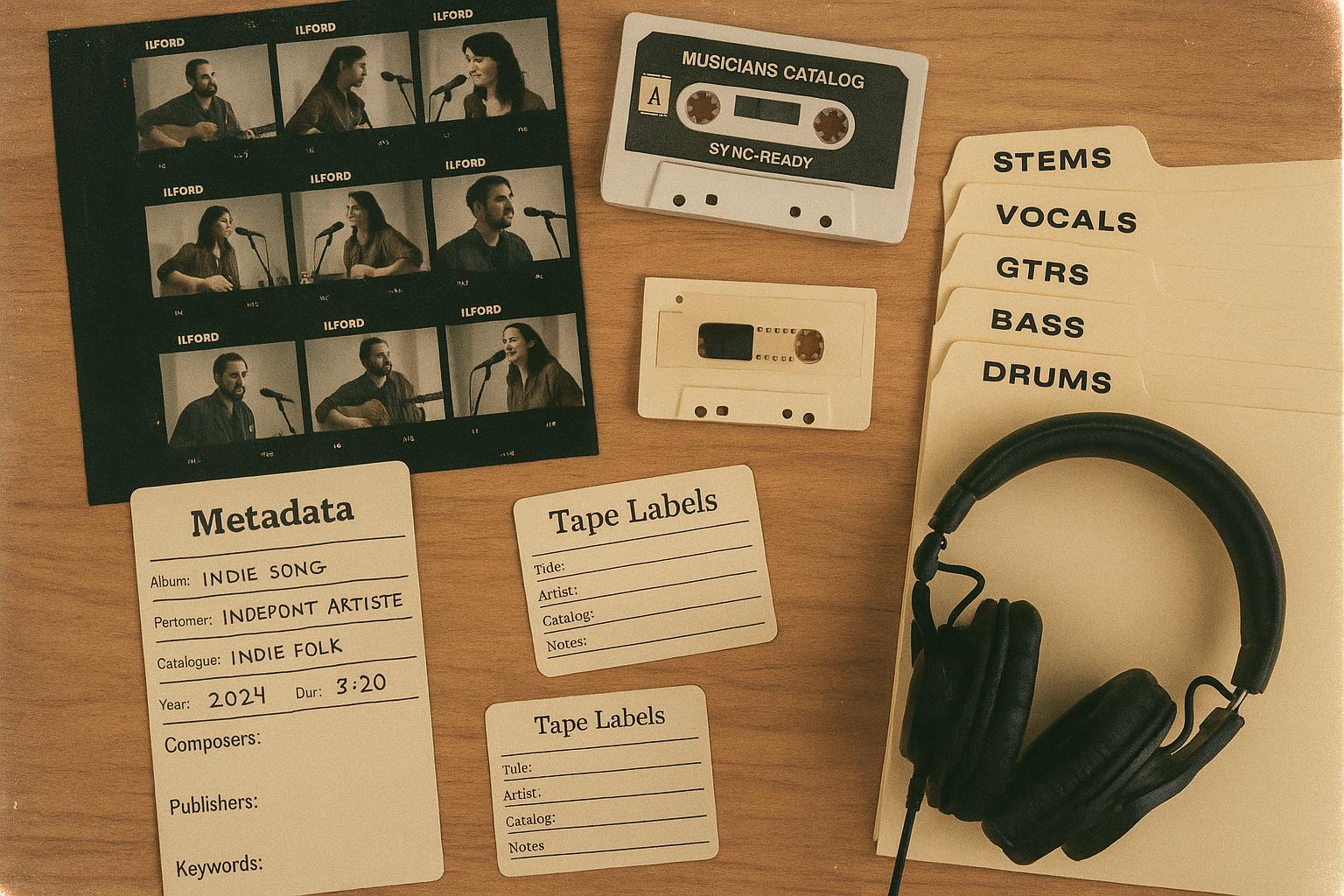
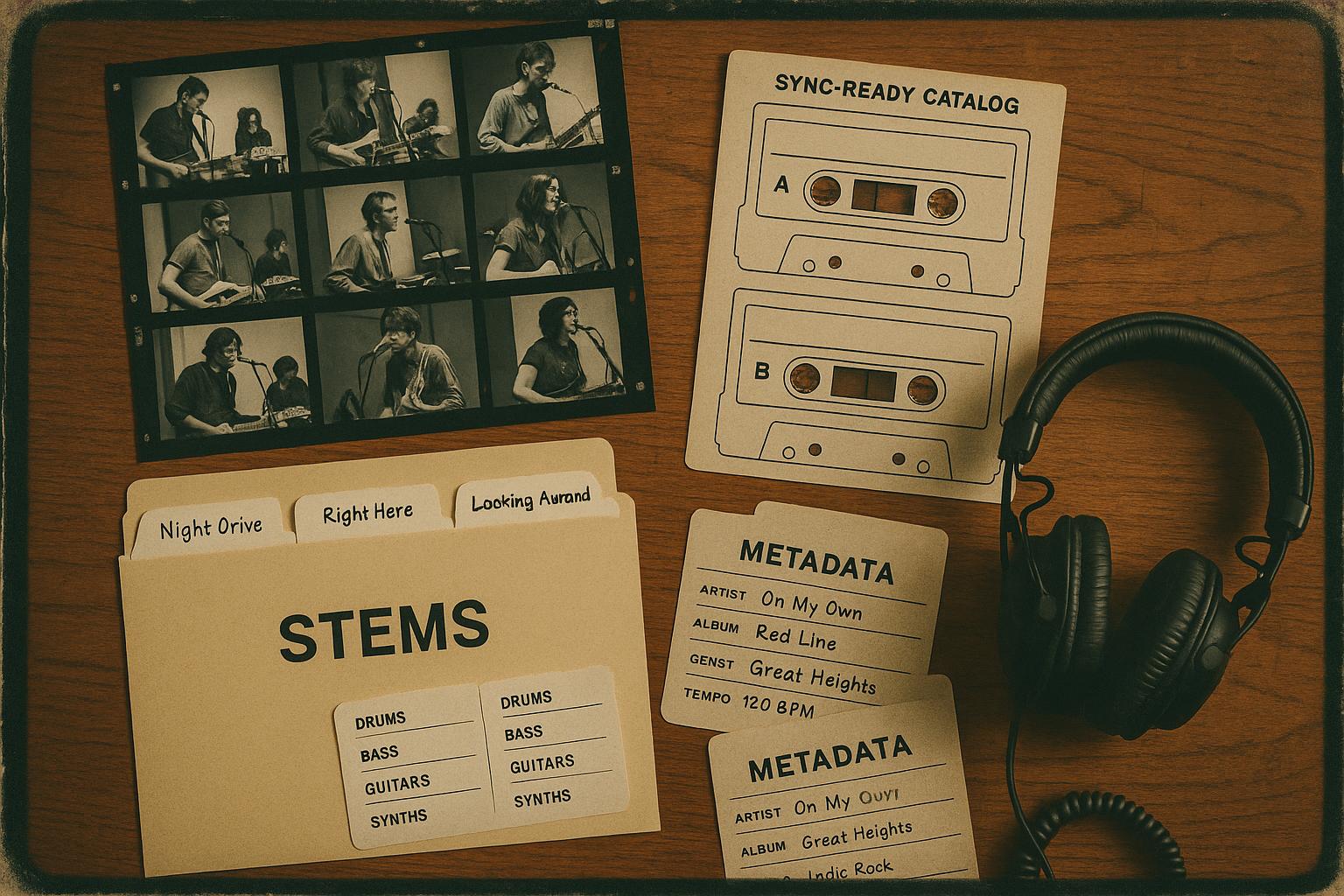
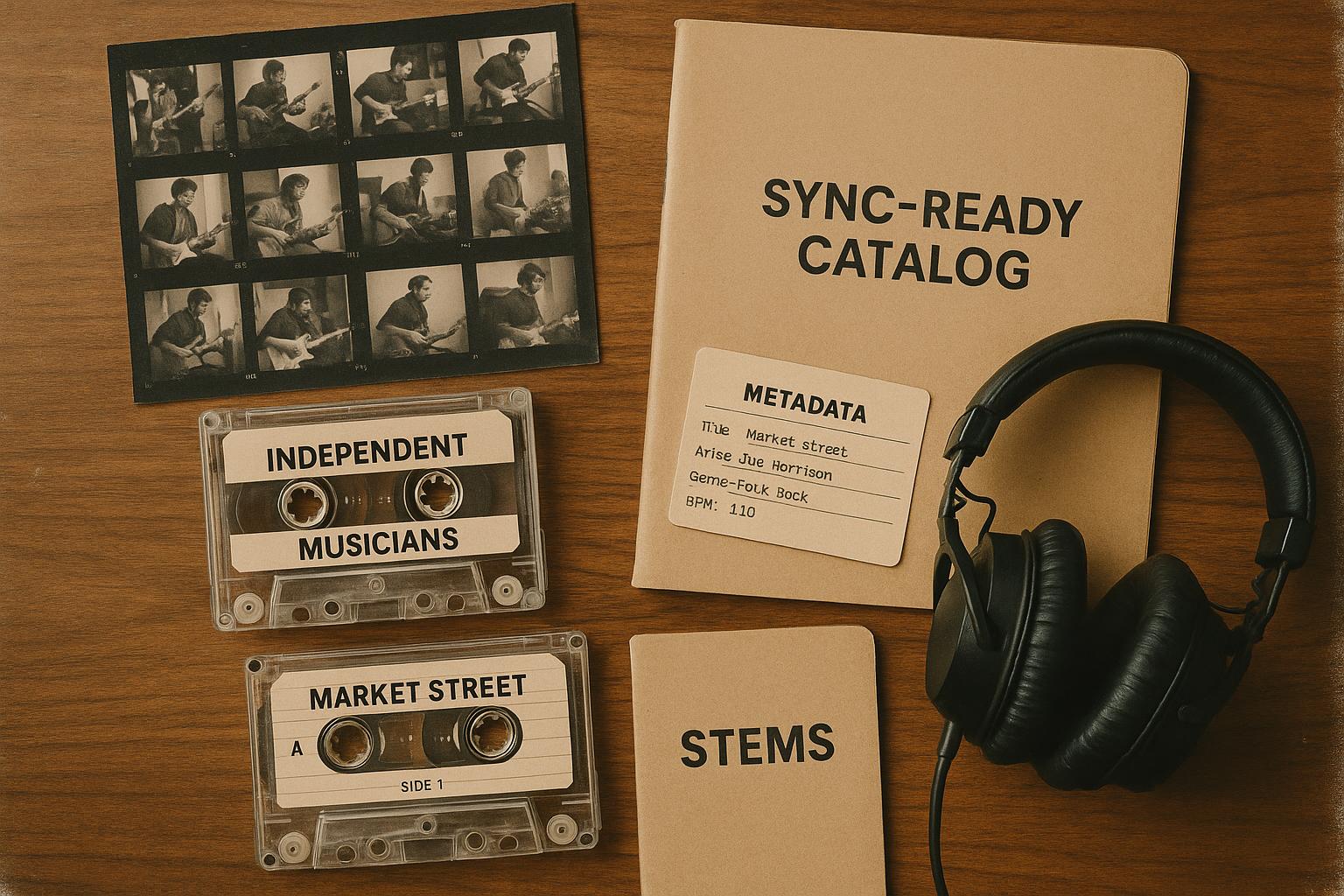
- Consistent tagging: mood descriptors (e.g., melancholic, energetic, hopeful), tempo ranges (bpm), and instrumentation (guitars, synths, strings).
- Clear licensing terms: upfront notes on usage rights (synch license scope, geography, duration, exclusive vs. non-exclusive where applicable).
- Track variants: include vocal, instrumental, and two to three alt mixes (e.g., stripped, acoustic, underscore) to fit different scenes.
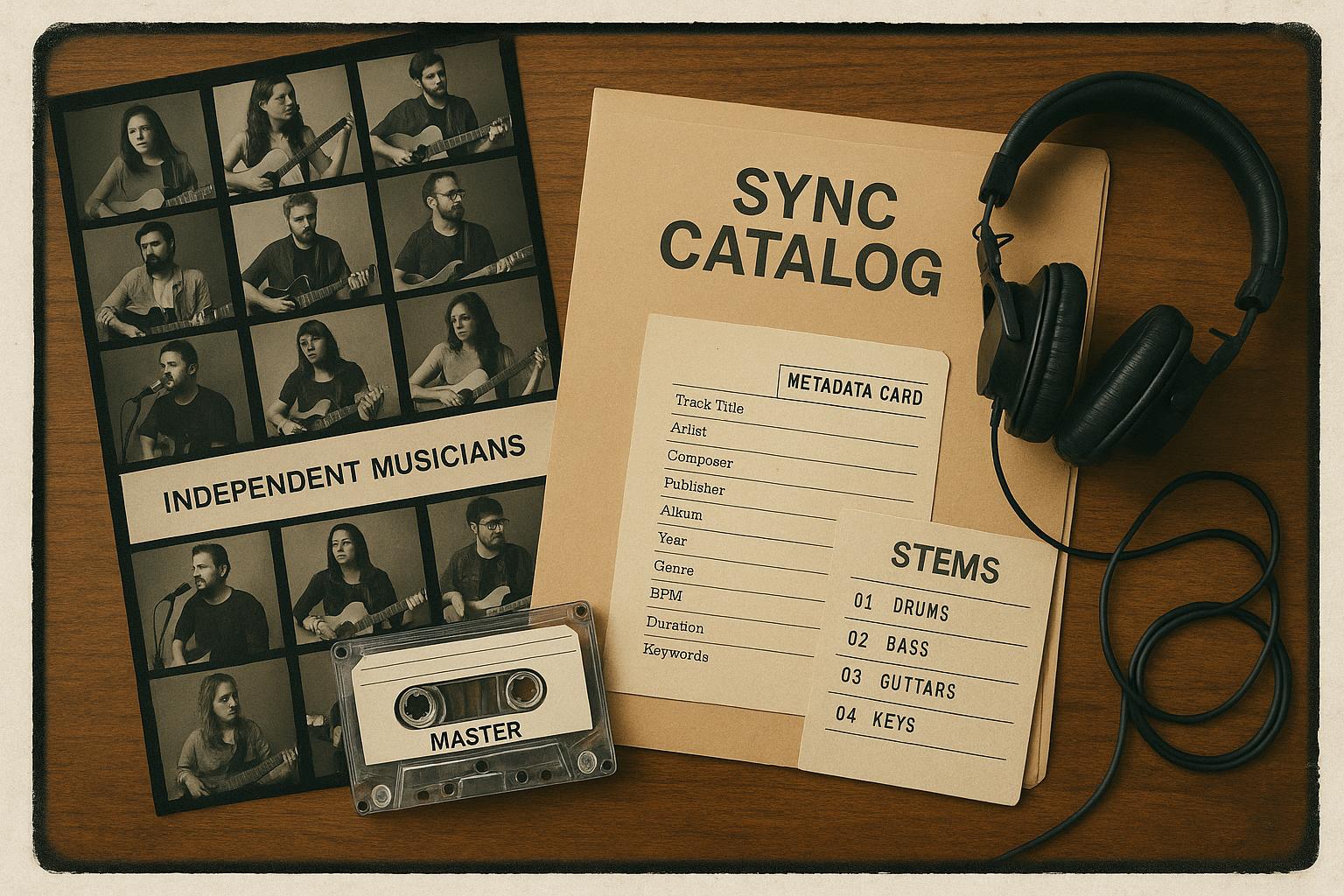
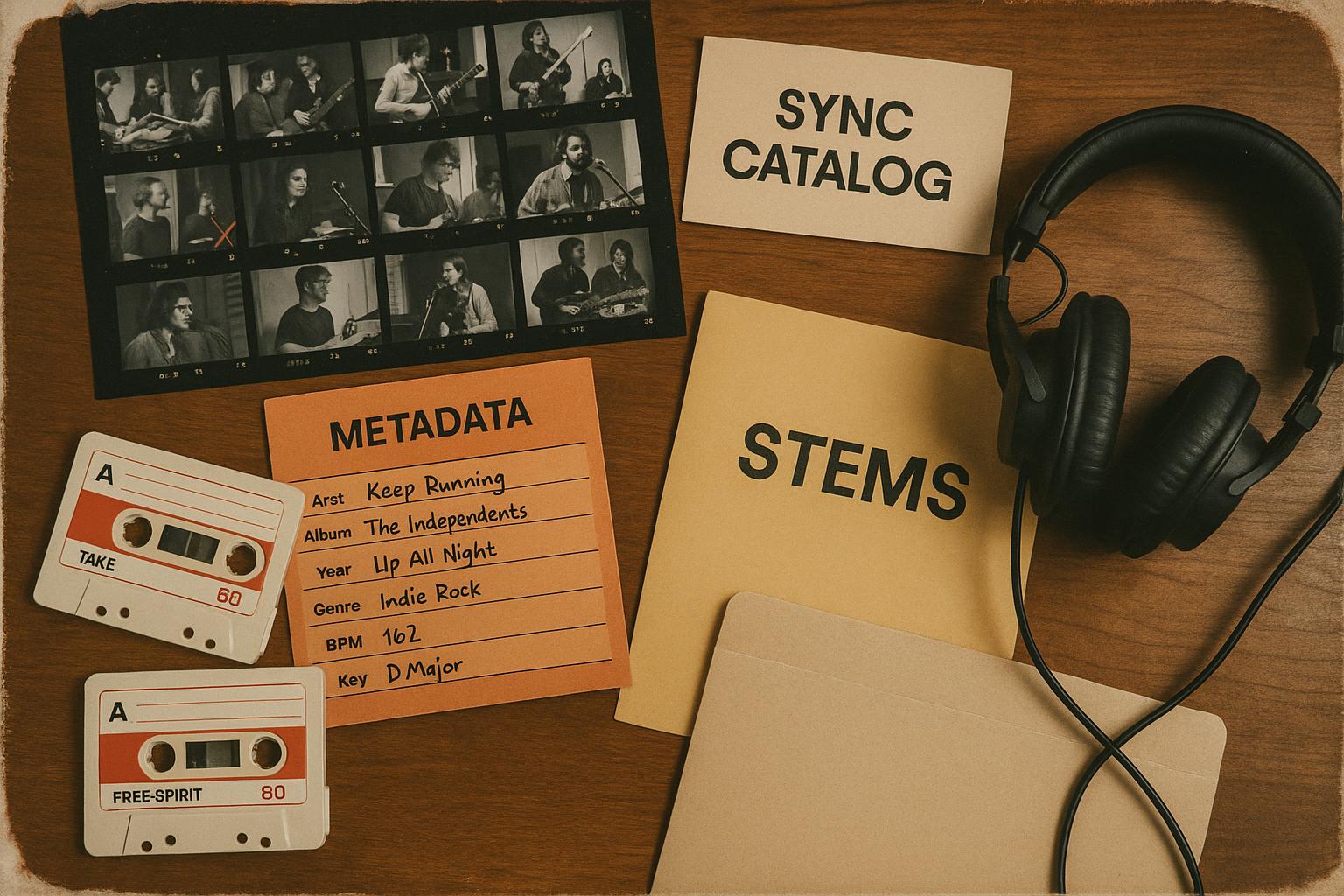
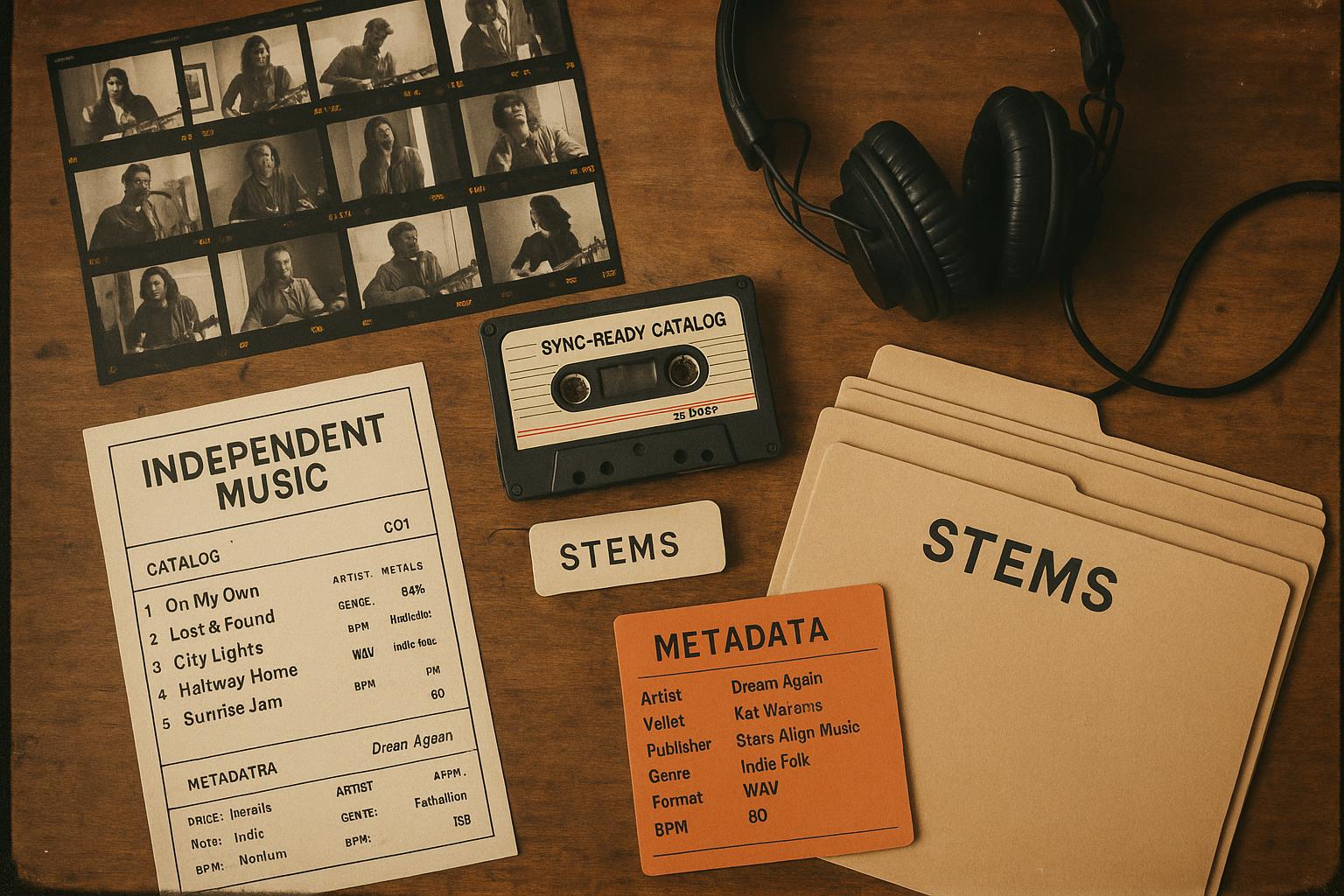
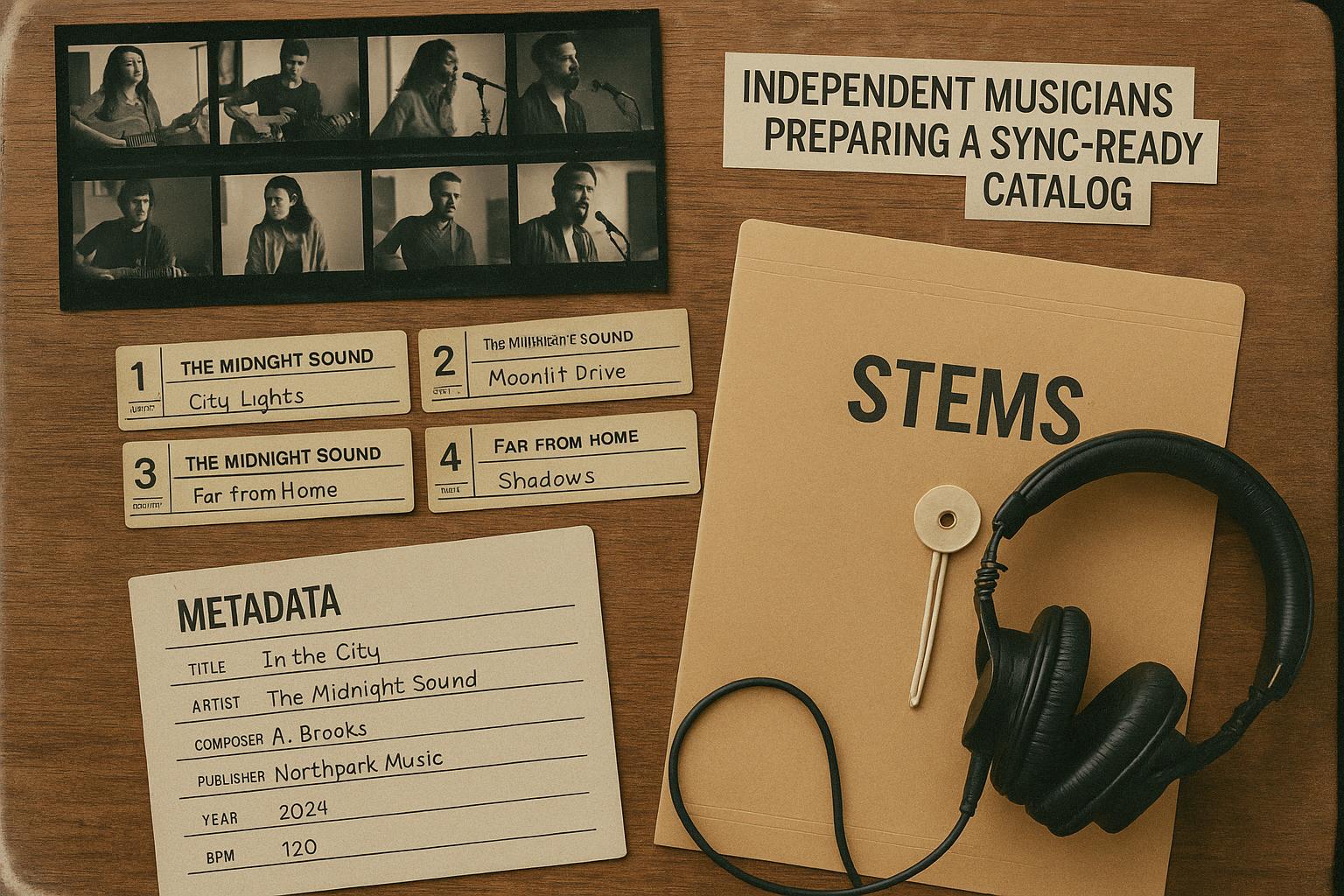
- Polished metadata: complete track titles, composer/publisher names, and contact info for the rights holder.
- Ready stems and alternate mixes: organized stems (drums, bass, guitars, keys) and instrumentals for easy customization by supervisors or editors.
- Cue sheet readiness: a working cue sheet template aligned to your catalog with performer credits.
- Audit your catalog for consistency: ensure every track uses the same metadata schema, naming conventions, and credit formats.
- Pre-create stems and alternate mixes: export clean stems and instrumentals in high-quality formats (WAV, 24-bit) with appropriate file naming conventions.
- Prepare short, scenario-ready cues: 15–45 seconds long with clear beginnings and endings to fit a moment in a scene.
- Package professionally: deliver a single, well-organized pitch pack per track or per mood cluster, with a one-page note explaining potential usage (TV scene, trailer, online ad).
- Submit through a clear rights framework: include a one-page rights summary and a contact for clearance questions.
- Align with a sync strategy partner: leverage a publishing, rights admin, and distribution partner who can help you scale and track opportunities in major markets, including Los Angeles.
To implement quickly, create a checklist that mirrors the steps above and attach it to every new submission. This discipline accelerates decisions by sync supervisors and editors who don’t have time to chase missing details.
What sync supervisors need from artists to move fast
For a track to move from audition to placement, the supervising team must be able to clear and clear quickly. Here is what they typically require and why it matters:
- Metadata quality and accuracy: complete credits, contact details, and consistent spellings of all names. Clean metadata reduces misattribution and speeds paperwork.
- One-stop clearance readiness: the easiest path to clearance is a single, clear license covering all necessary rights. If you present multiple rights holders, expect delays.
- Alt mixes, stems, and instrumental versions: editors often need different textures for dialogue, effects, or action cues; provide options upfront to minimize back-and-forth.
- Fast turnaround: a realistic expectation for response times can be the difference between being in the cut and being out of it. Have a process for rapid feedback and delivery of files.
- Clear usage notes and intent: succinct, supervisor-friendly notes about how the track can be used (film, TV, trailer, digital ad) and any scene-specific considerations.
- Quality production and delivery standards: clean masters, properly named files, and ready-to-embed formats to avoid re-renders.
In a bustling market such as Los Angeles, where studios, post houses, and music supervision teams co-locate, the ability to deliver predictable, well-packaged materials dramatically improves your odds of repeat placement. If you’re growing your catalog with One World Media, you gain access to strategic guidance on an end-to-end path—from catalog shaping to rights management and optimized submissions that align with industry standards.
Rights readiness and metadata fundamentals for fast clearances
Clear, organized rights data protects you and your collaborators while speeding negotiations. The following framework keeps you in compatible alignment with supervising teams and licensing partners.
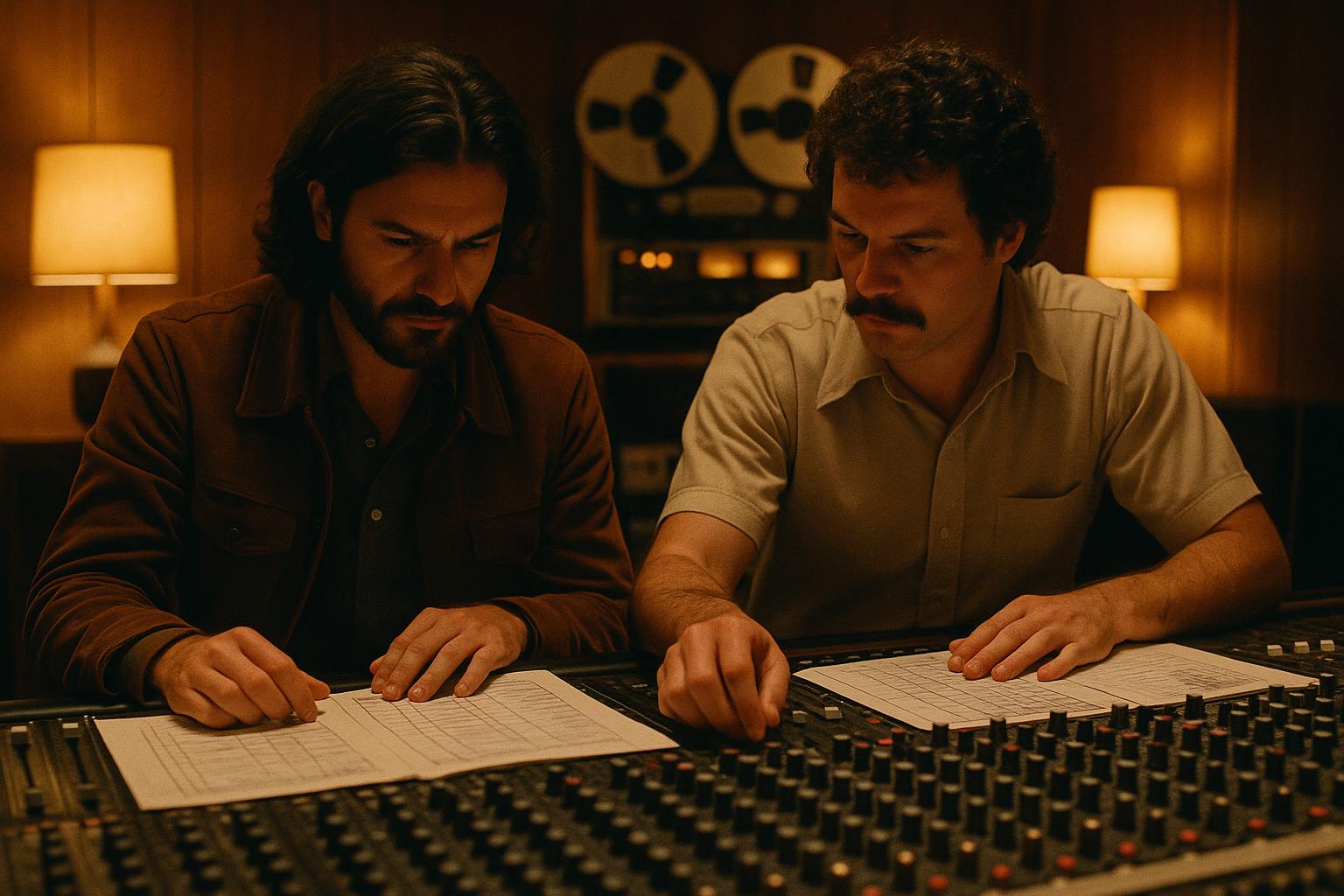
- Split sheets and ownership clarity: clearly document who owns the master, who owns the publishing, and who is entitled to royalties. Include all co-writers, publishers, and termination provisions if applicable.
- Master and publishing ownership clarity: ensure you have clear, legally recognized agreements that specify how rights are exercised, how revenue is split, and how credits appear on downstream platforms.
- PRO registration: verify that your works are registered with the appropriate performing rights organization (ASCAP, BMI, SESAC, etc.) and that the credited writers and publishers match your splits.
- ISRC and ISWC metadata: assign and correctly populate international standard codes for each master (ISRC) and publication (ISWC) so royalties track correctly across territories and platforms.
- Cue sheets: maintain consistent cue sheets that map each track to specific uses, including scene timing, duration, and royalty streams. This is essential for accurate accounting and post-release royalties.
Best practice tip: integrate metadata into your production workflow from the start. Use templates for credits, rights information, and cue descriptions. If you work with One World Media for catalog development, leverage their rights administration and publishing services to maintain consistency across your catalog, which pays dividends when scale and multiple projects enter the mix.
Producer and songwriter collaboration workflows that boost placement success
Collaborative workflows create a reliable pipeline from brief to final mix, making it easier for sync supervisors to evaluate and pitch your music.
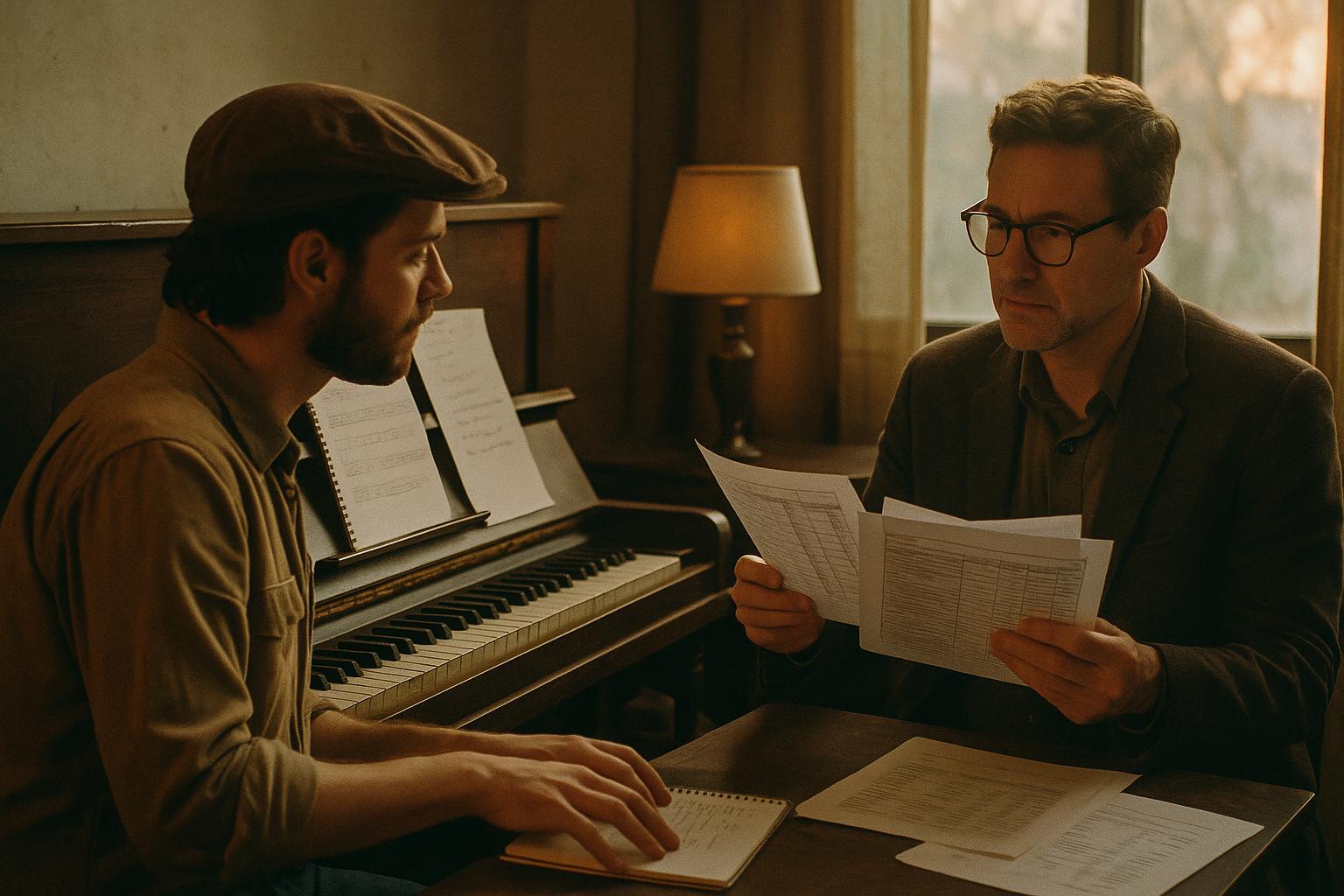
- Joint briefing and goal alignment: before starting a project, document the intended usage, target scenes (drama, action, comedy), and preferred tonal directions. This ensures all contributors work toward the same objective.
- Versioning discipline: establish a standard file and naming convention for all versions (e.g., Song_Title_LeadVoc_VersionA.wav; Instrumental_VersionB.wav; stems in a separate folder).
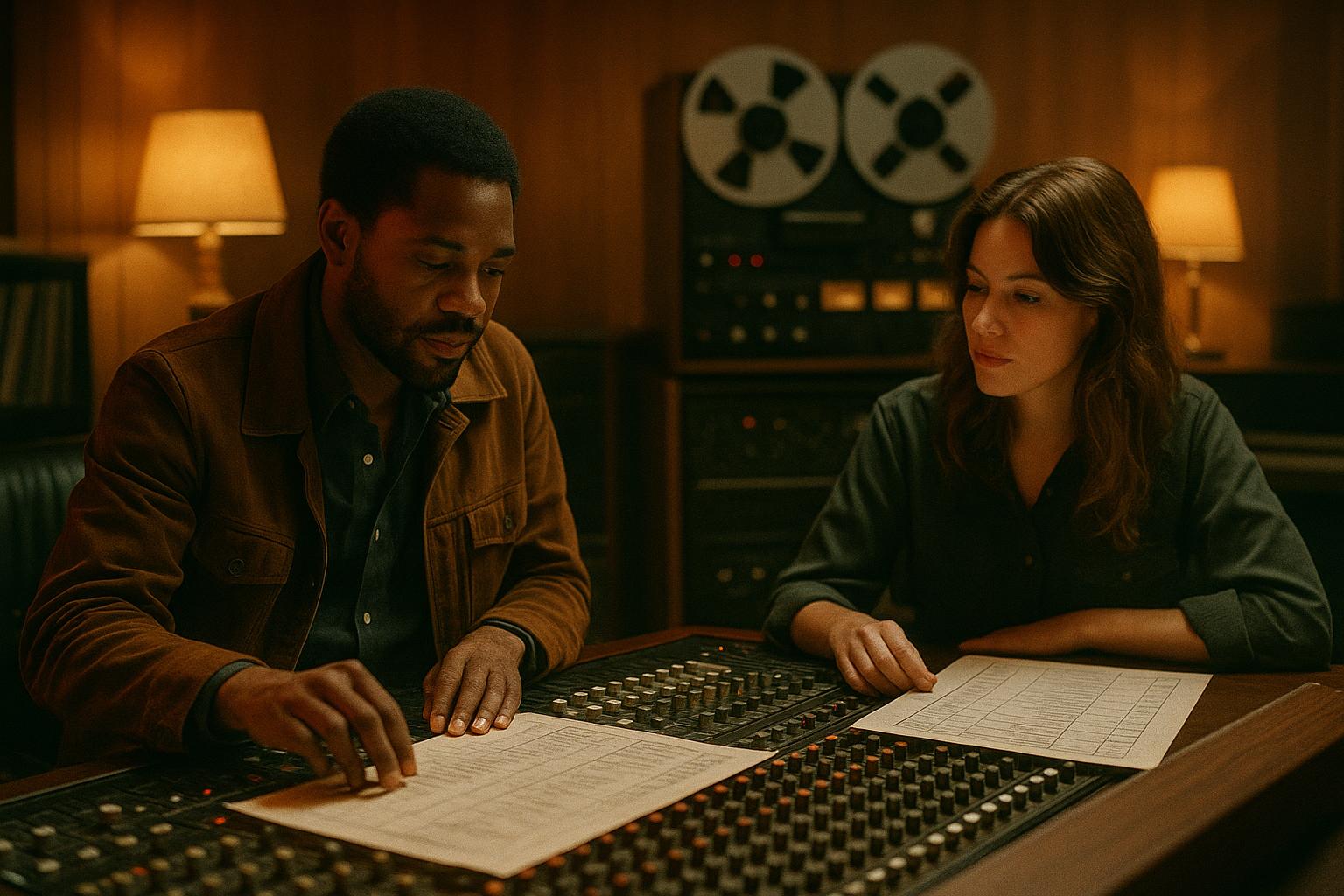
- Shared project management: use a collaboration platform (cloud drives, project management tools) with explicit ownership and delivery timelines. Update frequently so everyone remains aligned.
- Tempo, key, and mood compatibility: maintain consistent tempo and key ranges that align with common scoring patterns in film and TV. Include a “what-if” palette of moods to enable quick substitutions.
- Clear cut-to-picture delivery: attach time-coded cues, short previews, and narrative notes showing how the track supports a scene or trailer beat.
- Fast clearance-friendly packaging: deliver tracks with ready-to-clear documentation, including split sheets, licenses, and contact points for quick follow-up.
Case example: A Los Angeles–based producer and a songwriter team up under a tight deadline to deliver three cue variants for a streaming thriller pilot. They use a shared metadata template, deliver stems and instrumental versions, and submit a rights-ready package through One World Media’s sync strategy service. When the supervisor requests a quick alternate mix for a tense scene, the team provides a stripped version within hours, maintaining soundtrack integrity while meeting the scene’s cut. The result is a placement in the pilot and ongoing consideration for subsequent episodes, underscoring how disciplined collaboration accelerates recurring sync opportunities.
FAQ
Q: How long does a typical sync clearance take for a straightforward usage?
A: For uncomplicated uses with a single rights holder, clearance can occur in about 5–10 business days. More complex cases with multiple rights holders, international territories, or bespoke licensing terms may extend to 2–4 weeks. Having ready-to-clear materials and a single point of contact can substantially shorten the process.
Q: What formats and deliverables do sync supervisors prefer for quick evaluation?
A: Provide high-quality masters (WAV 24-bit preferred), stems, instrumentals, and alternate mixes. Include metadata in a consistent template, a one-page usage note, and a rights summary. Timely delivery of time-coded cues and cue sheets is highly valued in fast-turnaround environments like film and TV post-production.
Q: How can independent musicians sustain recurring sync revenue?
A: Build a catalog with consistent moods and clear licensing terms, invest in metadata discipline and stem-ready mixes, and engage with a rights partner who can place your music across multiple platforms and media. Establish ongoing relationships with sync supervisors and editors through targeted outreach, professional packaging, and regular updates about new material.
Q: How does One World Media support artists in catalog development and placements?
A: One World Media provides end-to-end services including sync strategy, music publishing, rights administration, distribution, and artist development. The team helps structure catalogs for scalable placements, manages clearance workflows, and ensures metadata integrity—especially important in dynamic markets like Los Angeles where opportunities move quickly.
Contact One World Media