Turn directors' desks into revenue: practical guidance for Music PR agencies and placement-ready catalogs
In today’s competitive sync landscape, navigating placements across films, TV, trailers, ads, and streaming requires more than luck. It demands a disciplined catalog, precise metadata, fast clearance, and a collaborative workflow between producers, songwriters, and the rights holders. This guide provides practical, actionable steps designed for
Music PR agencies and their partners, with insights into how One World Media can support you with strategic sync planning, rights administration, publishing, distribution, and artist development—especially for teams anchored in Los Angeles and beyond.
From catalog to placements: a step-by-step plan for Music PR agencies
An optimized catalog is your most valuable asset. Use this plan to pivot your collection into ready-to-pitch, clearable tracks that align with a wide range of media formats.
- Define placement goals and audience targets. Map genres, moods, and tempo ranges to typical cues in film trailers, episodic dramas, commercials, and streaming soundtracks. Identify which catalog segments perform best in LA-based productions and in major markets.
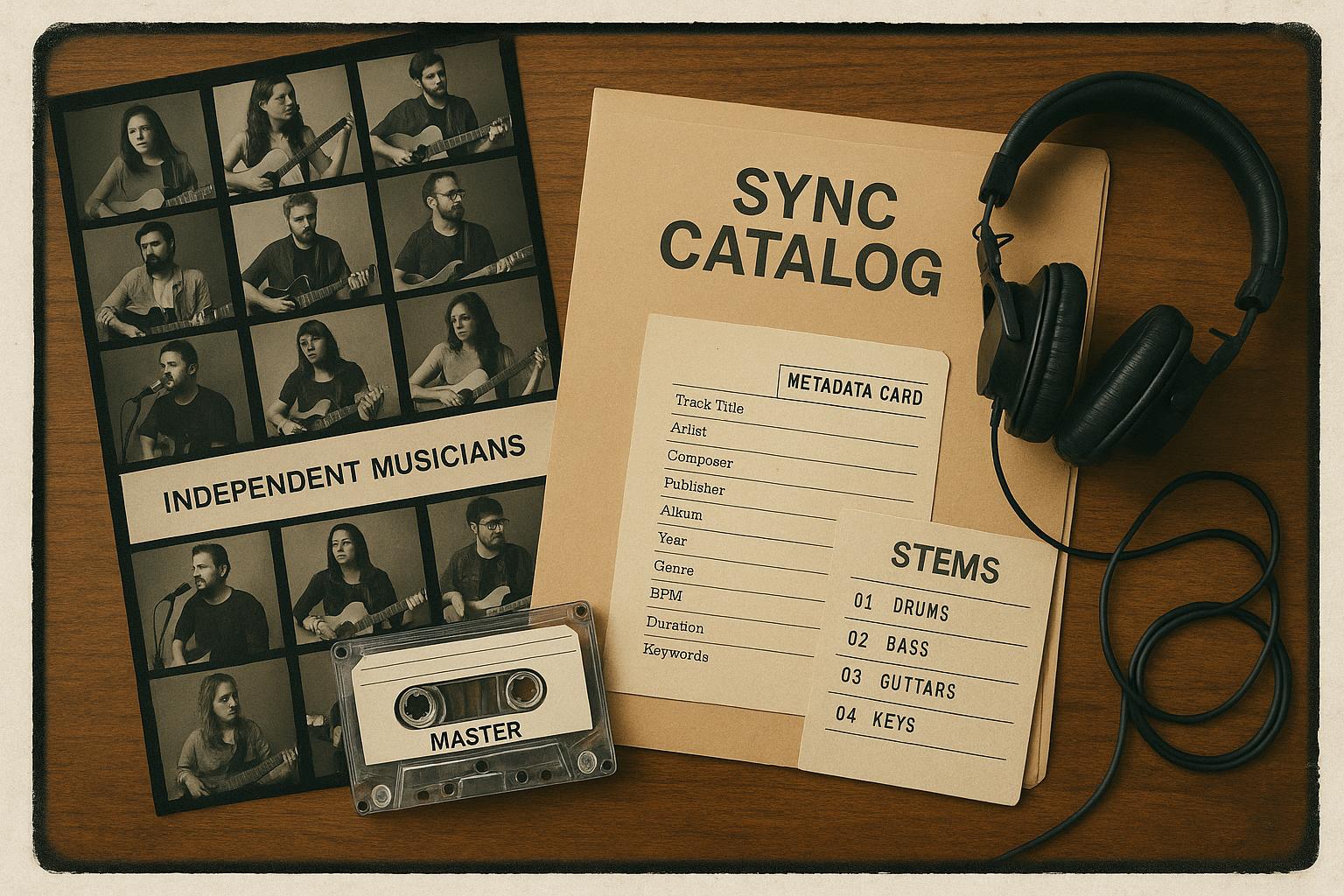
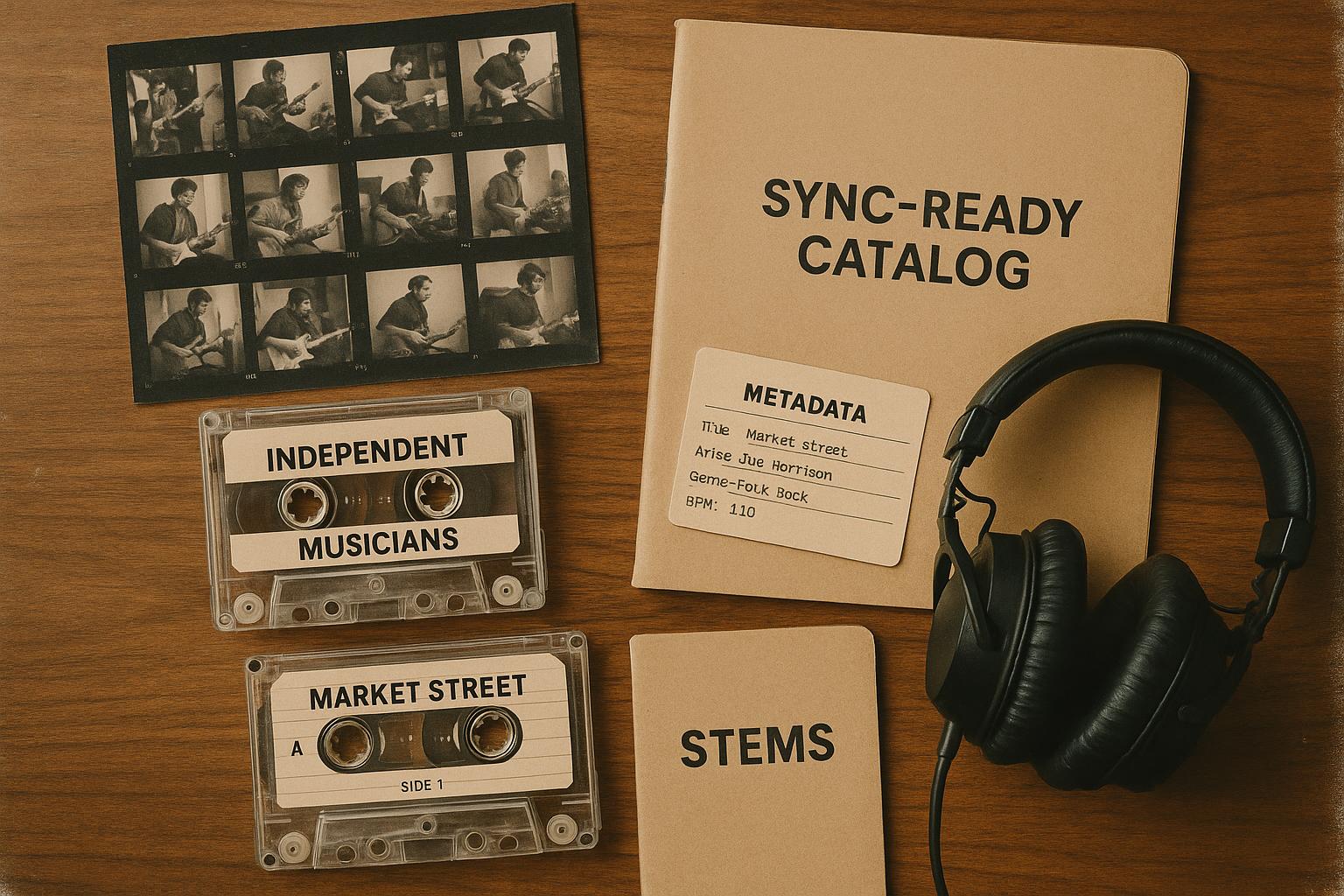
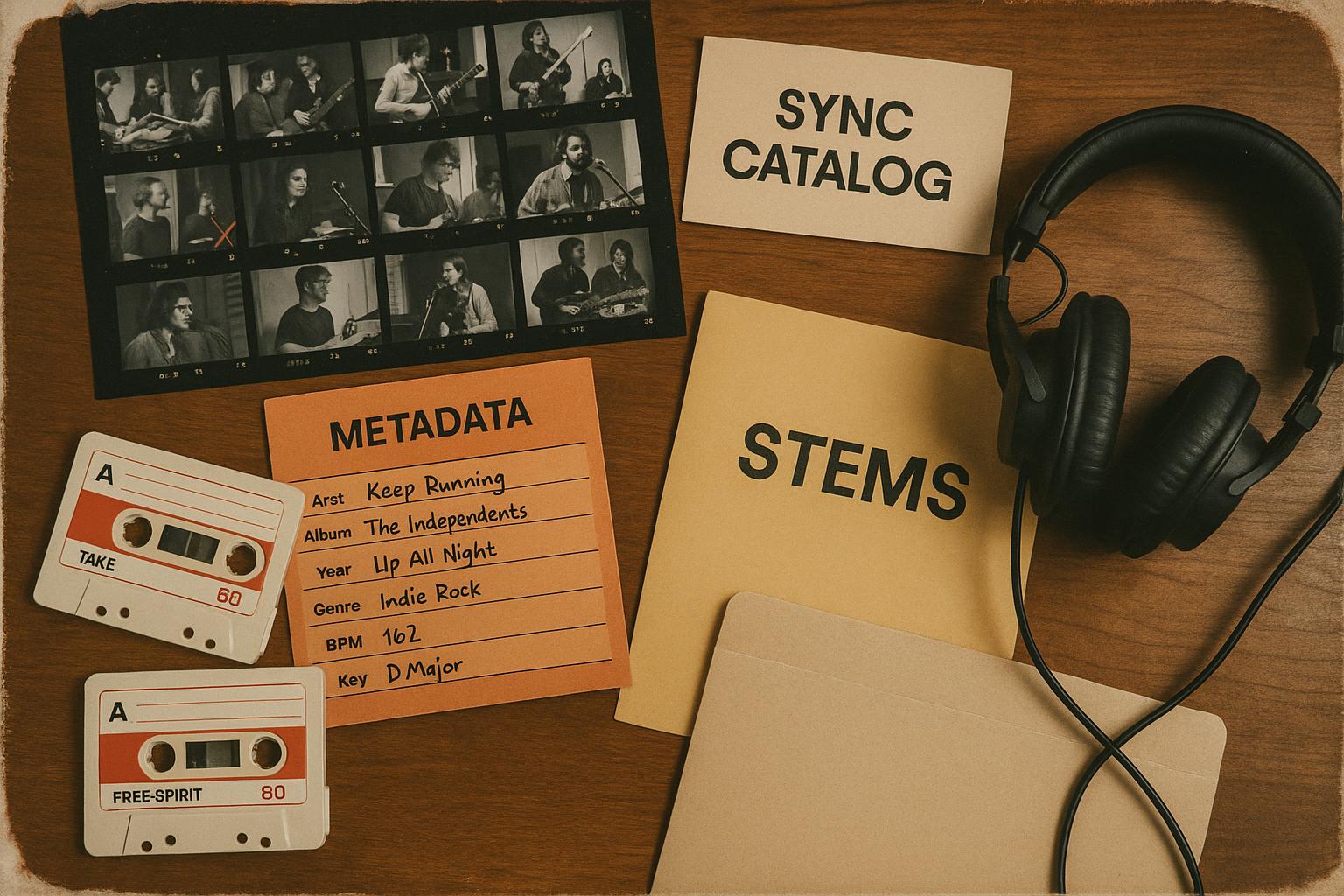
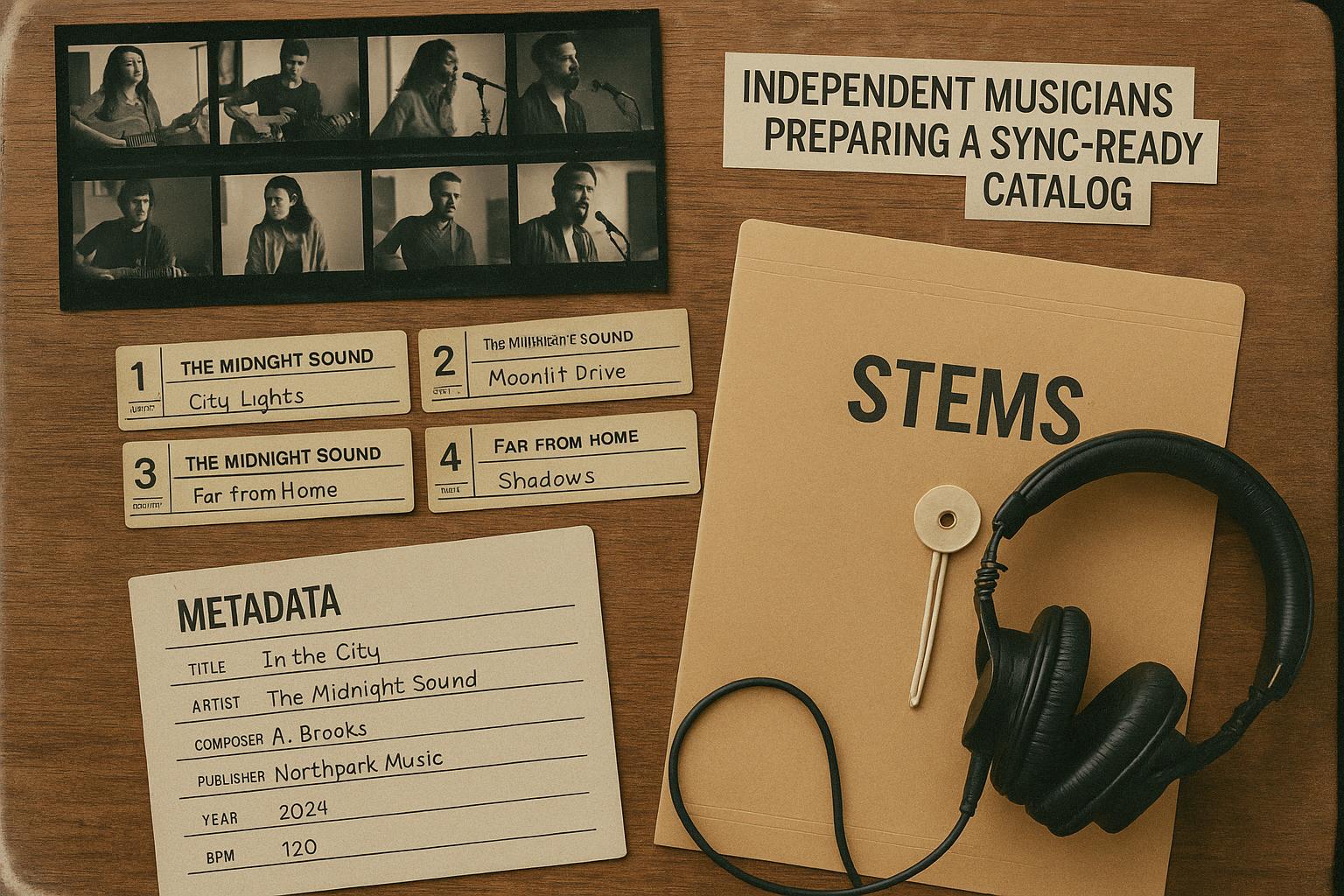
- Audit and categorize every track. Create searchable tags for mood (e.g., ethereal, gritty, triumphant), instrumentation (guitars, strings, synths), tempo, key, and vocal/non-vocal status. Attach basic metadata to each file (title, artist, composer, publisher, master owner).
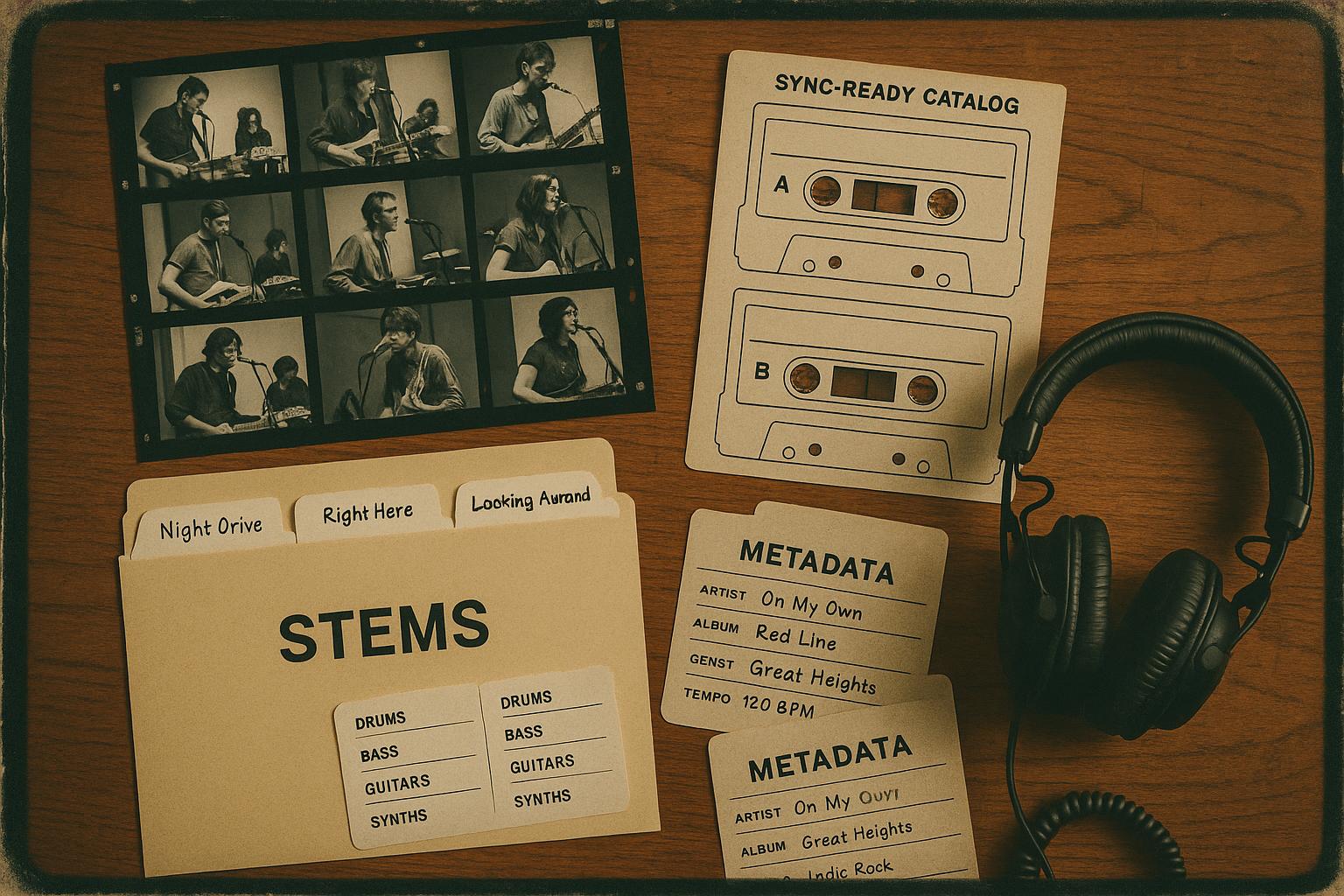
- Prepare stems, alt mixes, and instrumental versions. Provide clean master files as well as stems (e.g., vocal, guitars, drums, synths) and alternate mixes (radio edit, film edit, instrumental) to speed on-the-fly approvals and to support many clearance scenarios.
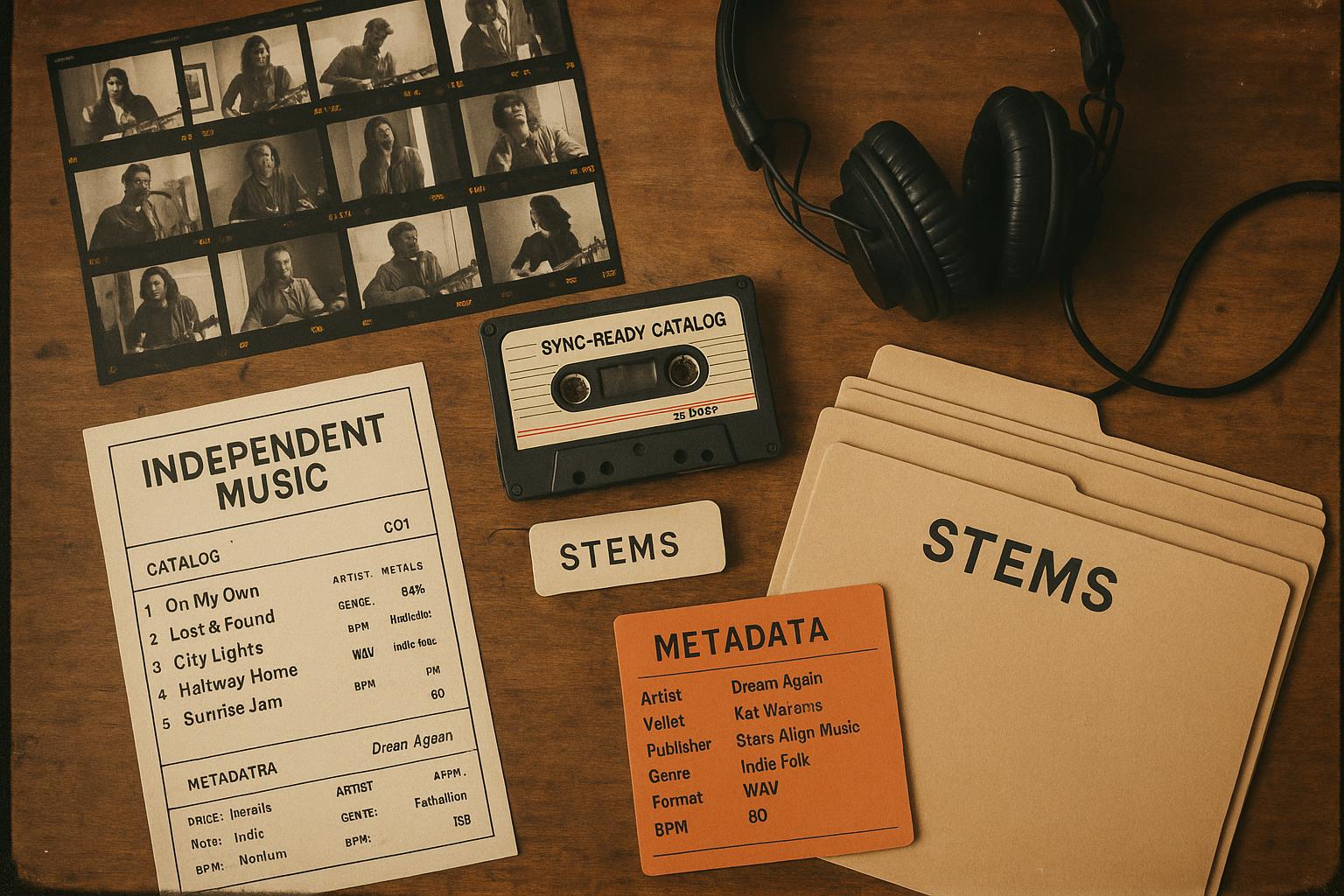
- Bundle ready-to-pitch packages. For each track or catalog group, assemble a one-stop clearance package (master + publishing, rights information, PRO registrations, and cue sheet readiness) so potential supervisors can license without chasing paperwork.
- Build targeted pitch lists and outreach templates. Create a roster of producers, music supervisors, editors, and ad agencies who routinely source music for the types of projects you target. Personalize pitches with a brief narrative about how each cue aligns with the project mood and timing.
- Track performance and iterate. Use a simple dashboard to monitor which tracks are pitched, who requests stems, and which placements convert to paid licenses. Use results to refine metadata, mixes, and catalog tagging over time.
Practical tip: alongside each track, include a concise cue description (2–3 sentences) that captures the emotional arc, ideal scenes, and suggested approximate runtime. This makes it easier for music supervisors in Los Angeles and other hubs to imagine your music in context.
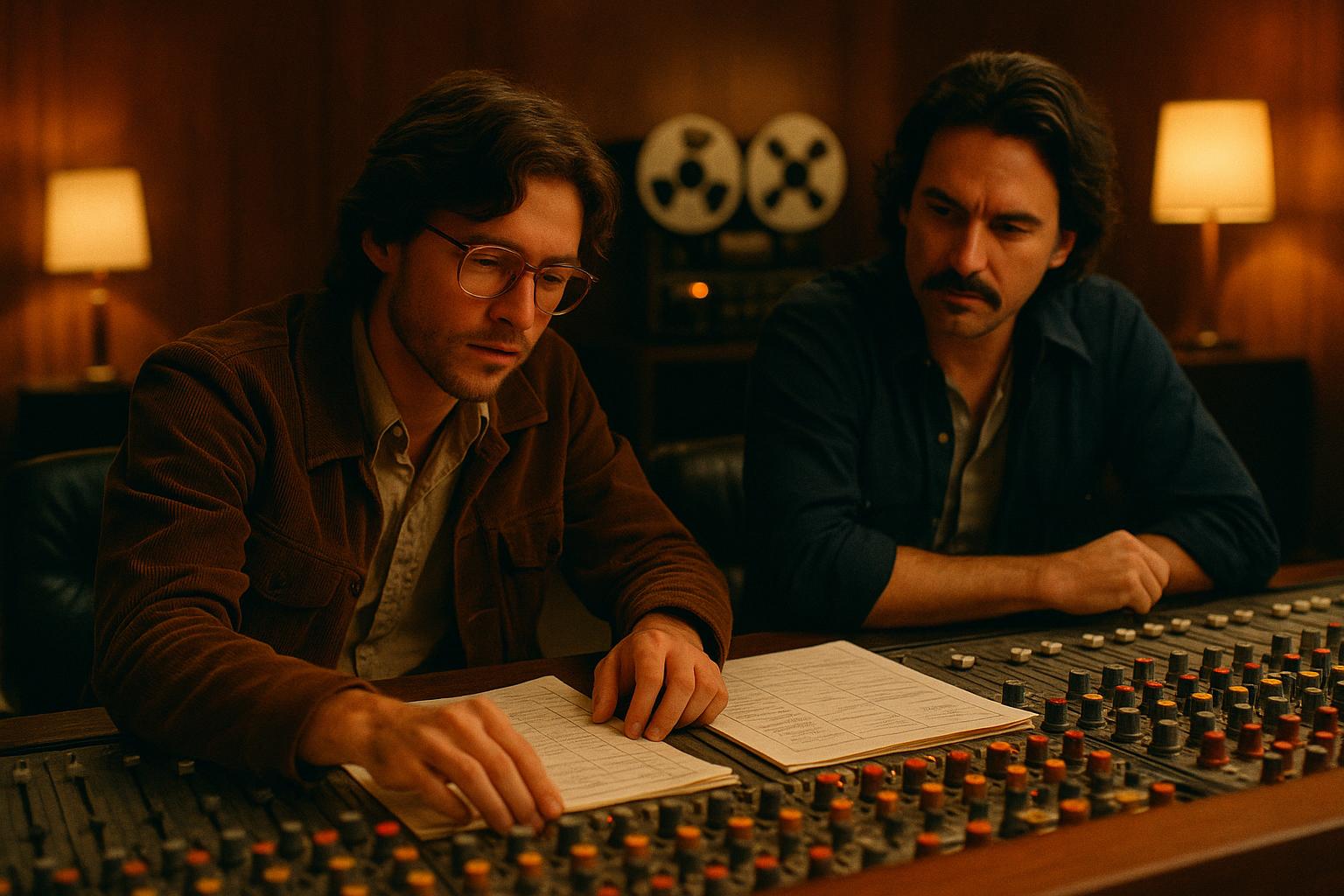
- Ensure the audio quality is broadcast-grade and compatible with mixing consoles in film and TV post environments.
- Maintain up-to-date ISRCs and ISWC data, plus complete publisher and label information for seamless rights clearance.
- Keep a “fast lane” clearance email template and a ready-to-sign licensing document for expedited approvals.
What sync supervisors need from artists
Streamlining the path from creative concept to cleared usage saves time and earns trust. The following list reflects what many sync supervisors look for when evaluating new music for projects.
- Metadata quality: accurate track title, artist name, composer credits, PRO information, and correct ISRC/ISWC identifiers.
- One-stop clearance readiness: a single package that covers master rights, publishing rights, and any sample clearances, with a clear licensing window and usage terms.
- Alt mixes and stems: ready-to-use vocal, instrumental, and stems to support dialog replacement, sound design, and on-scene layering.
- Instrumental versions: essential for dialogue-heavy scenes or where vocals would clash with voiceover.
- Fast turnaround: clear communication on rights owners, license fees, and a rapid revision process when scenes shift.
- High production value and consistent delivery: tracks that translate well to picture and have a polished, broadcast-ready loudness and dynamic range.
- Clear, documented licensing history: proof of prior placements, if any, and clarity about master/publishing ownership to avoid hold-ups.
Rights readiness and cue sheets: aligning ownership with speed
Rights alignment is the backbone of repeatable, scalable placements. When you can demonstrate ownership clarity and robust documentation, licenses move faster and budgets stay healthy.
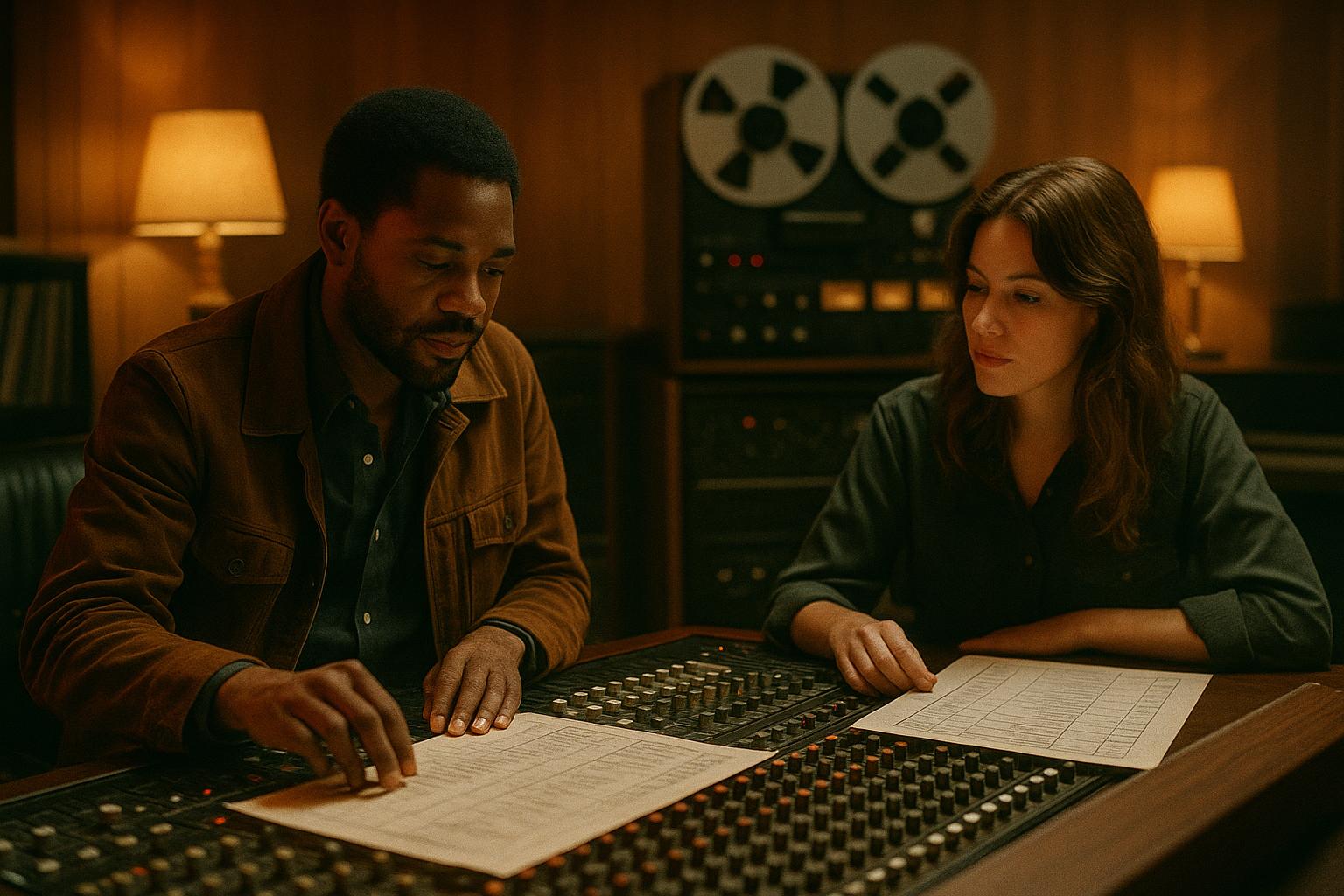
- Split sheets and ownership clarity: publish and master ownership should be well-documented with percentage shares clearly defined. Use standardized split sheets and keep signatures current with any band member changes or publishing deals.
- Master and publishing ownership: distinguish between master ownership (sound recording) and publishing ownership (composition and lyrics). Ensure both are correctly registered with the relevant rights organizations and publishers.
- PRO registration: confirm that the correct writers and publishers are registered with the applicable PROs (ASCAP, BMI, SESAC in the U.S., and equivalents worldwide) for royalty tracking and payments.
- ISRC/ISWC metadata: verify each track’s ISRC (master) and ISWC (composition) codes, and keep them linked to the catalog entry and the licensing documents for easy reference.
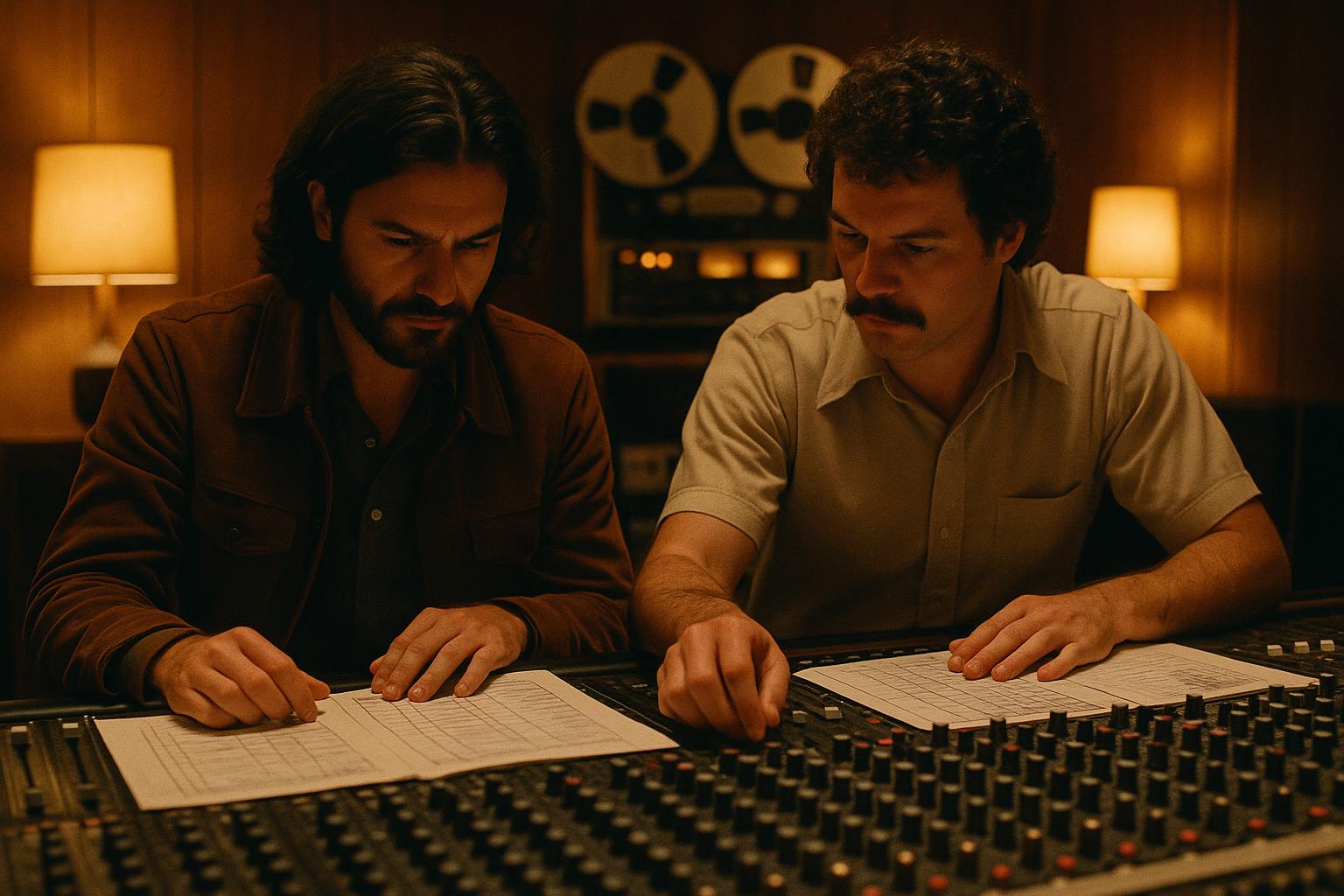
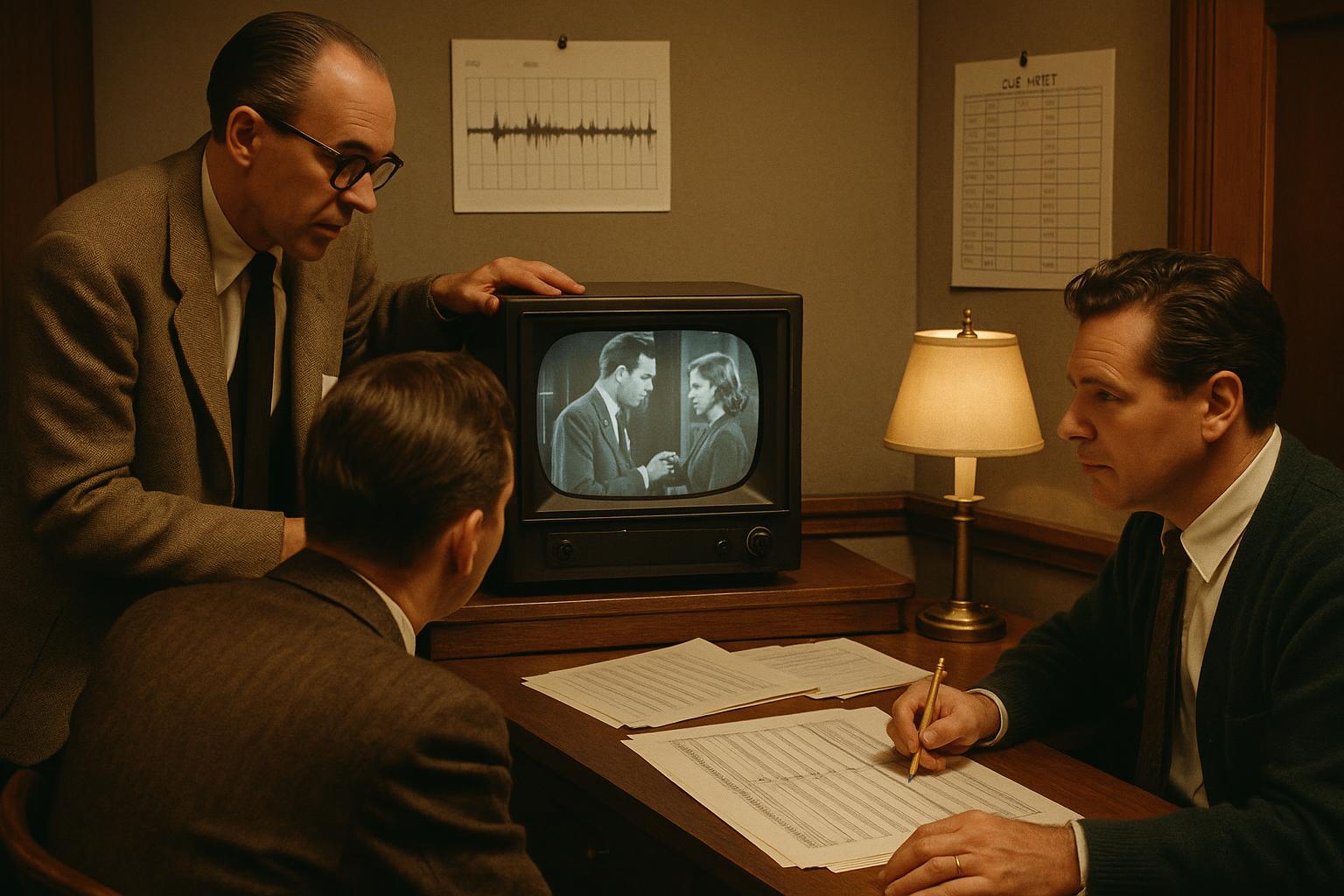
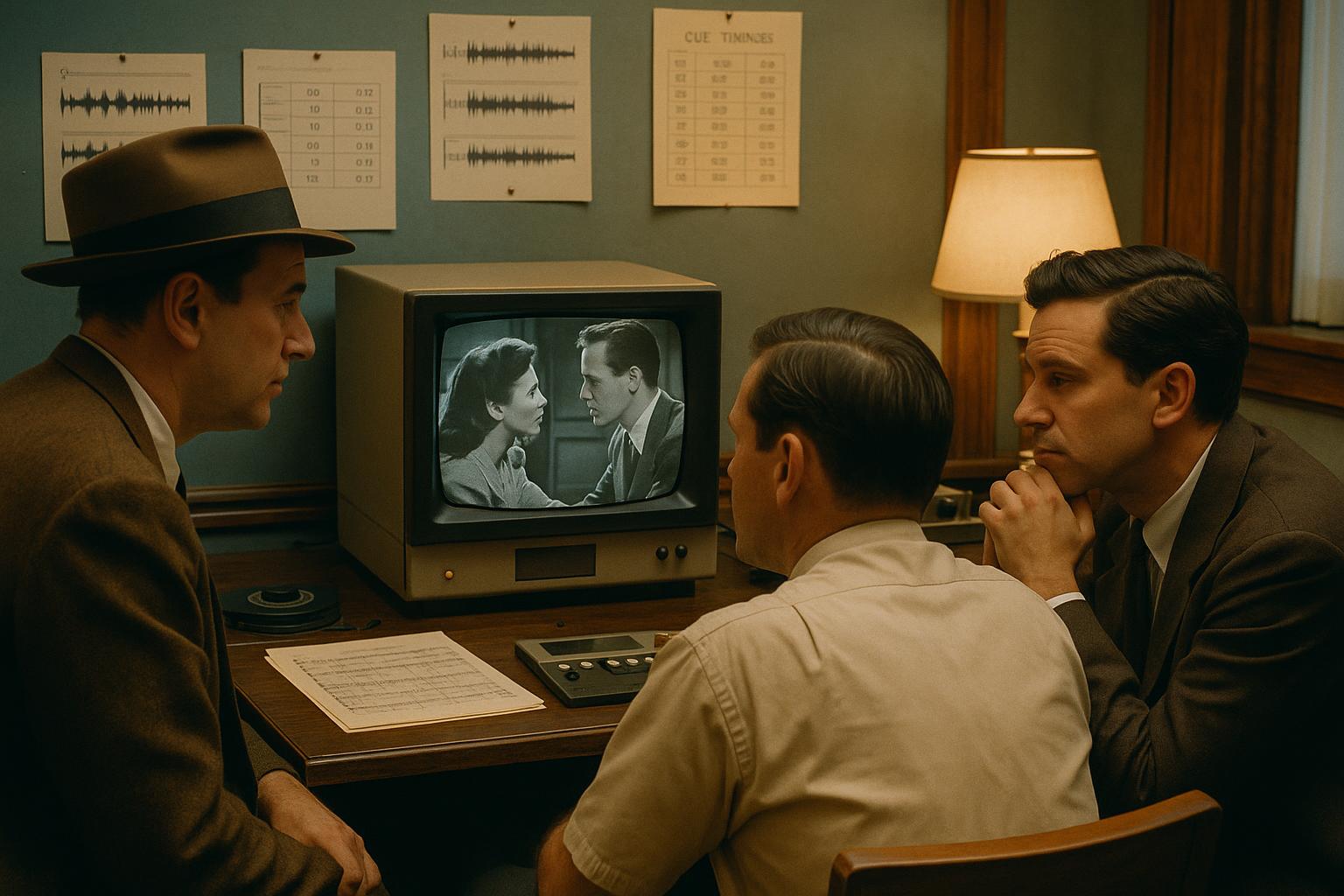
- Cue sheets: produce accurate cue sheets for every usage, including timing, scene description, duration, and whether the music is foreground or background. Cue sheets are essential for performance royalties and for cross-border clearances.
Pro tip: a clean rights package not only accelerates deals; it also reduces the risk of retroactive audits or disputes. This is especially important when working with large production houses and agencies in Los Angeles, where tight production timelines demand precision.
Producer and songwriter collaboration workflows that increase placement success
Collaborative workflows streamline approvals, minimize versioning chaos, and boost your hit rate with music supervisors and editors.
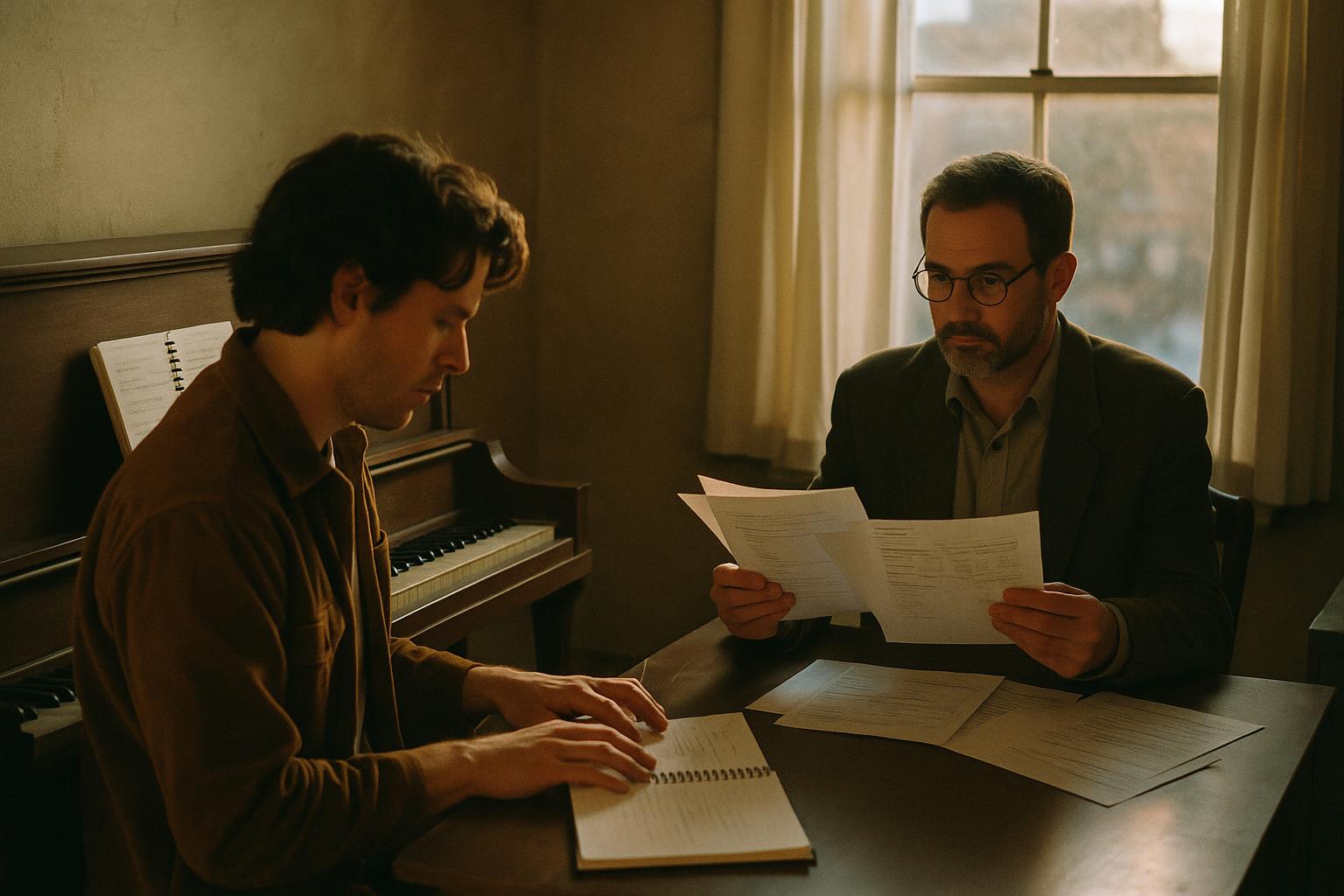
- Define clear roles and ownership upfront. Have written agreements that specify publishing, master ownership, creative credits, and revenue splits. This reduces friction when a placement is offered.
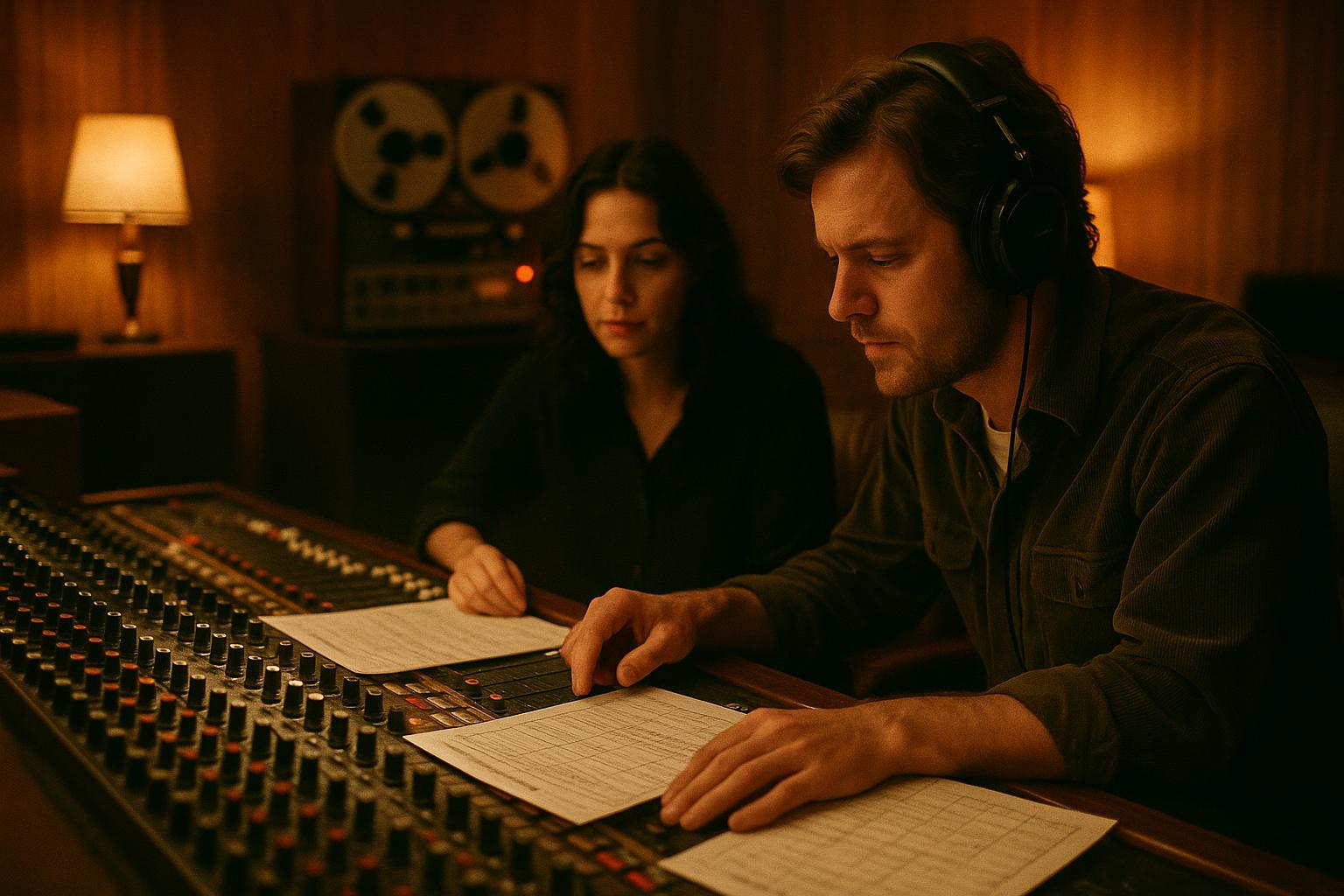
- Use a shared project workspace. Maintain a centralized dashboard (cloud-based) where files, stems, alternate mixes, cue sheets, and licensing documents live and are easily traceable.
- Implement version control and naming conventions. Use consistent file naming (e.g., Artist_Title_VersionType_BPM_Key) to prevent mislabeling during fast-paced post workflows.
- Establish a fast-track clearance process. Create standard licenses with negotiable fees and a clear approval ladder. Pre-negotiate terms for common usage scenarios (TV vs. film vs. trailer) to accelerate sign-offs.
- Schedule regular sync reviews. Weekly check-ins with producers, writers, and a licensing lead keep projects on track, align deadlines with post-production calendars, and reduce last-minute edits.
- Prioritize exclusivity and licensing windows where possible. In high-demand projects, provide exclusive previews or first-look rights to preferred partners to increase the likelihood of placement.
These workflows help Music PR agencies align creative output with the operational tempo of film and TV production. When combined with One World Media’s services—sync strategy, music publishing, rights admin, distribution, and artist development—you create a repeatable pipeline that scales beyond initial wins.
Case scenario: a boutique LA-based agency turns a catalog into a national trailer hit
A small but sharp LA-centric Music PR agency focused on indie-pop and electronic tracks built a 40-track catalog with clean stems and alt mixes. They aligned metadata, secured correct ISRC/ISWC codes, and implemented a fast-approval license template. The team rewrote a few chorus hooks to tighten timing and mood ranges for trailer cues. Within eight weeks, a 30-second trailer for a major car brand used one of their instrumental tracks as the emotional backbone, while another track from the same catalog later appeared in a streaming series episode after a quick, clean cue-sheet submission. The agency demonstrated measurable results: faster approvals, clean royalties, and ongoing negotiations for season-long placements. This success was driven by a disciplined approach to metadata, stems, and a ready-to-pitch package, with LA’s post-production ecosystem providing a fertile testing ground for new material. It also showcased the value of a partner who can handle sync strategy, publishing, rights admin, distribution, and artist development under one roof.
FAQ
Q: How quickly can a placement happen after I launch a properly organized catalog?
A: It varies by project and market, but a well-tagged catalog with ready stems and a one-stop clearance package can accelerate deals from weeks to days in many cases, especially for supervised projects with tight deadlines in Los Angeles and across major media hubs.
Q: What are the most common blockers to syncing music, and how can I prevent them?
A: Common blockers include missing or incorrect metadata, incomplete ownership information, lack of stems or alternate mixes, and delayed approvals. Prevent them by enforcing a metadata standard, maintaining up-to-date split sheets, providing ready-to-license packages, and setting clear turnaround expectations with collaborators and licensors.
Q: How should I price sync licenses for film, TV, and advertising?
A: Pricing is project-specific, but a transparent framework helps. Establish base rates by usage type (advertising, broadcast TV, streaming, trailer), add a clear escalation for exclusive or long-form use, and include optional add-ons like stems or alternate mixes. Work with a trusted partner like One World Media to align pricing with market norms and to handle rights administration and distribution.
Q: What services does One World Media provide to support a Music PR agency?
A: One World Media offers comprehensive sync strategy, music publishing, rights admin, distribution, and artist development. We help you build placable catalogs, protect ownership with accurate metadata and cue sheets, and accelerate licenses through streamlined clearance workflows, all while guiding you toward sustainable, recurring sync revenue.
Contact One World Media
For more information, please contact us at support@oneworldmedia.global or call (307) 200-8139.