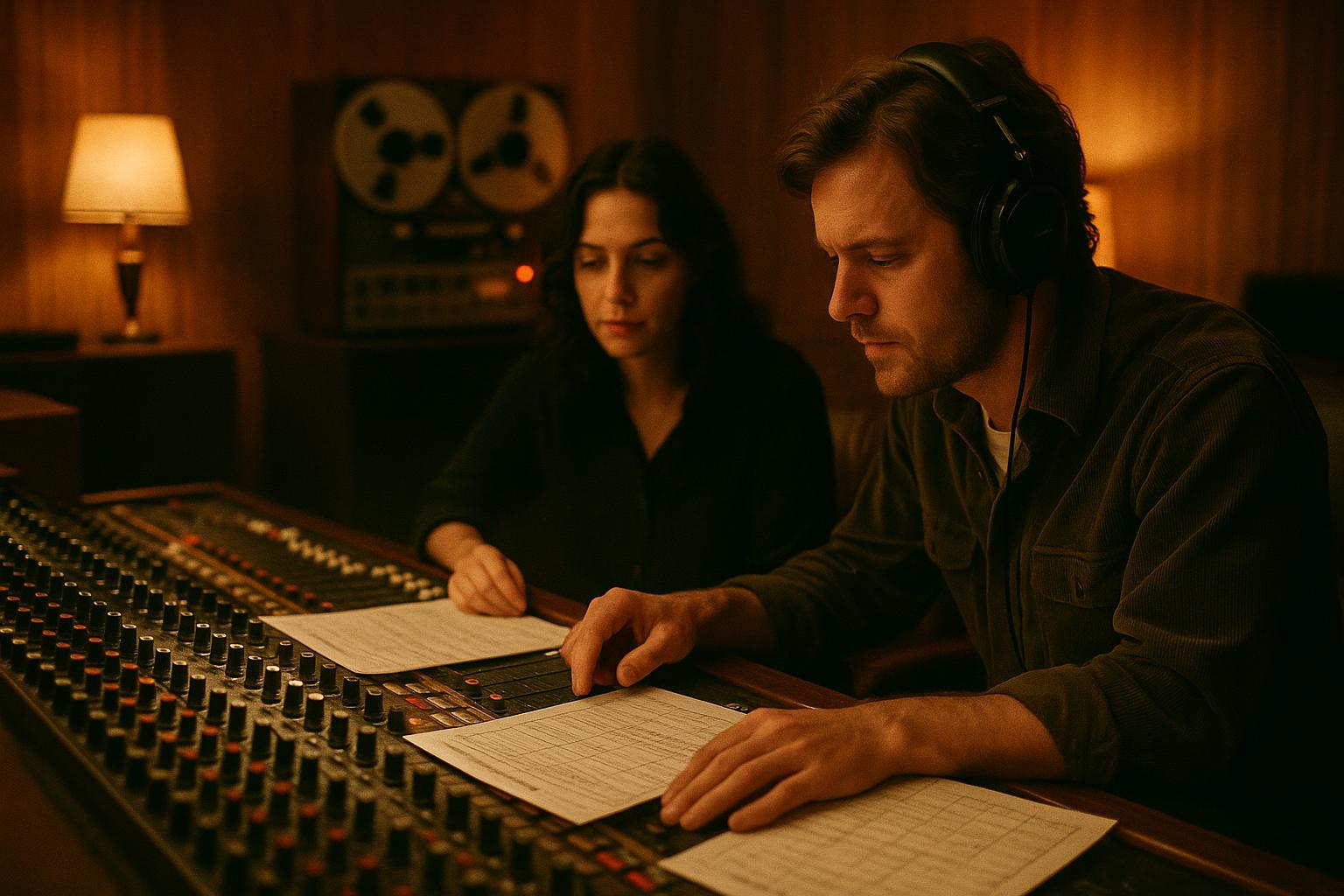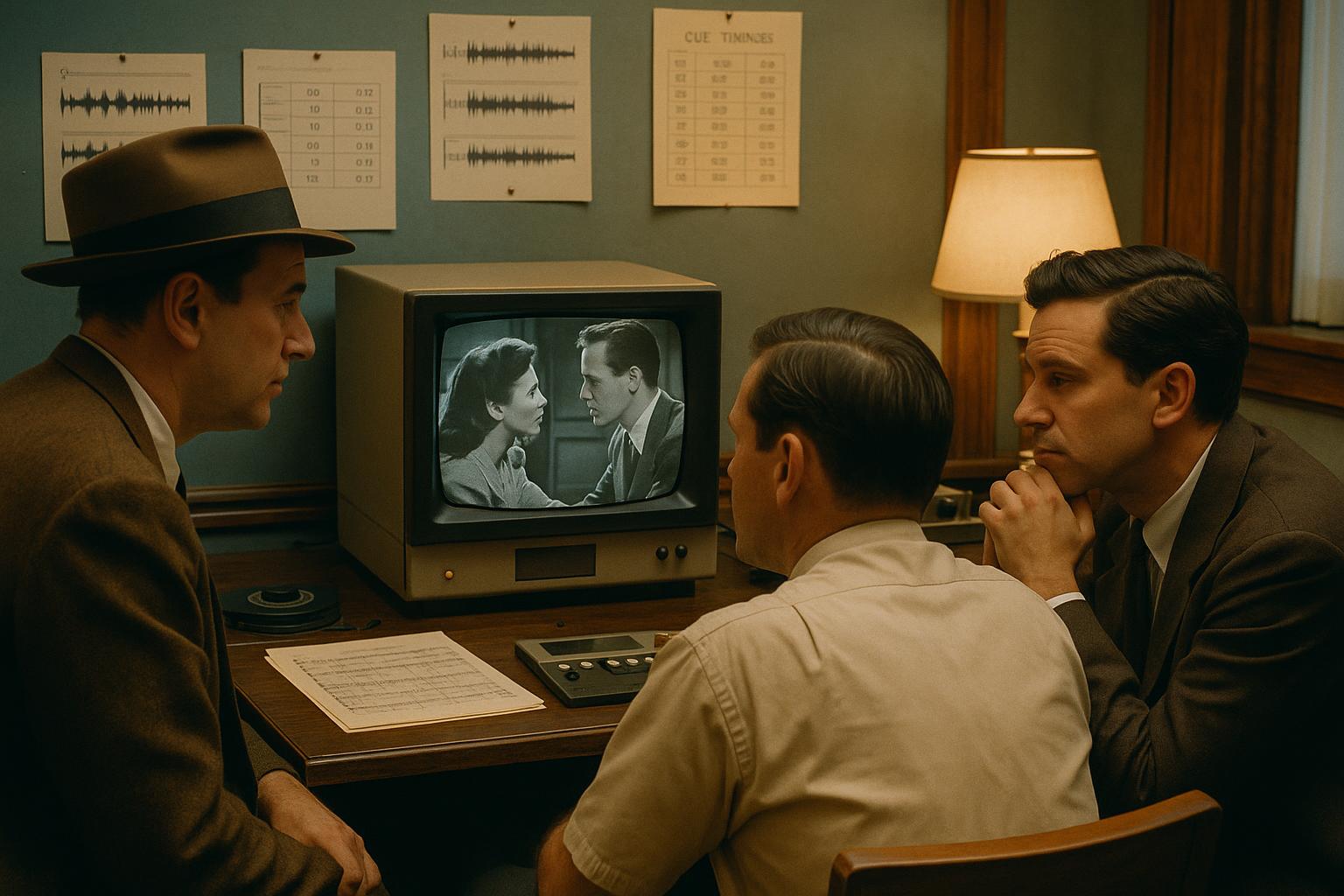
Hook: Turn your catalog into a steady stream of placements with savvy music business strategies
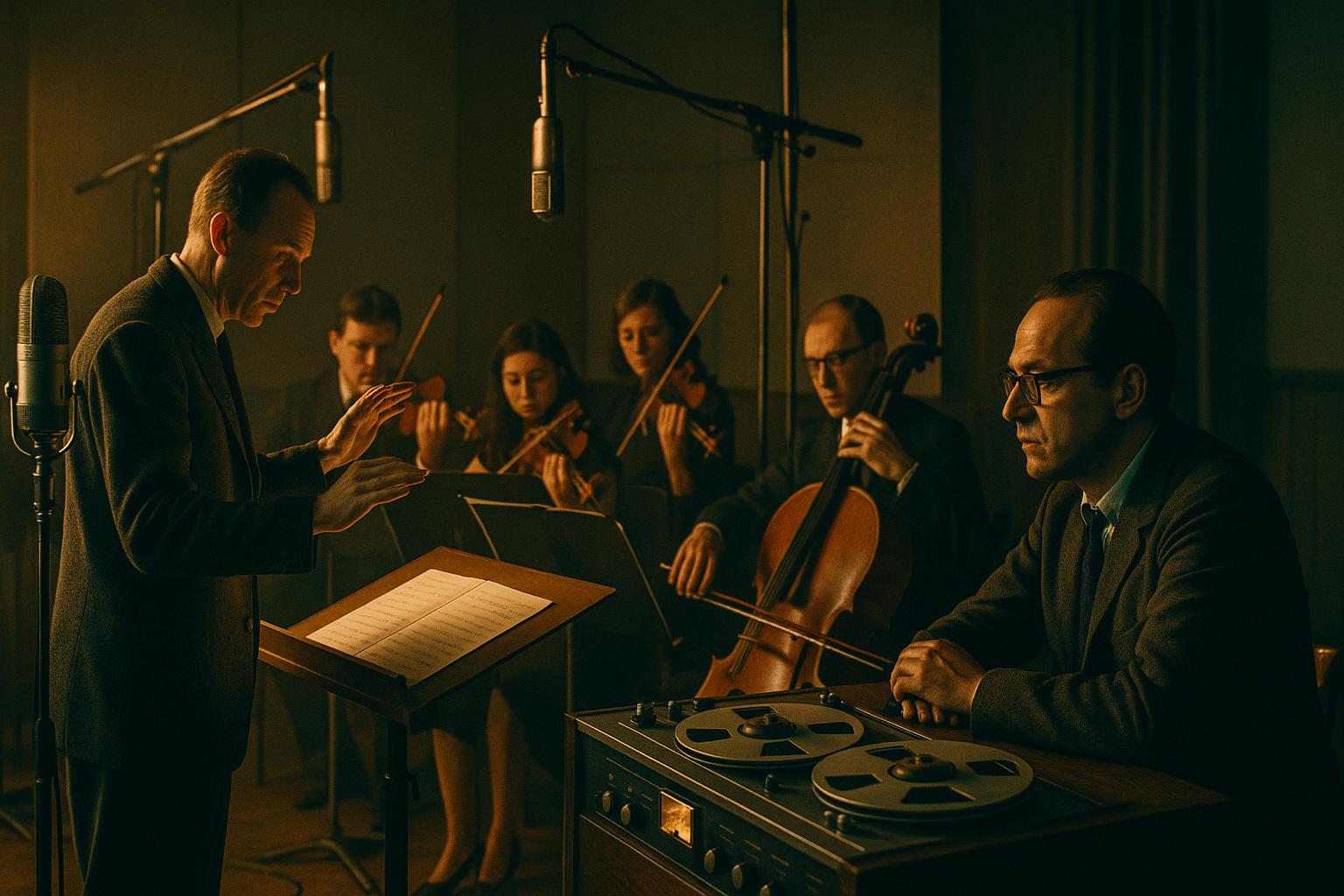
For producers aiming to outrun the noise, understanding the music business is as essential as crafting compelling tracks. This guide breaks down practical, placement-ready steps—from catalog development and metadata discipline to collaboration workflows—that help you secure opportunities in film, TV, trailers, ads, and streaming content. Leverage One World Media’s expertise in sync strategy, music publishing, rights admin, distribution, and artist development to turn creative potential into recurring revenue, especially in Los Angeles’ fast-moving media market.
Crafting a placement-ready catalog: steps you can apply now
A strong catalog is a pre-cleared, market-ready toolkit that sync supervisors can use with minimal friction. Use these steps to accelerate interest and approvals:
- Define target placements and genres: identify 10 to 15 cues that map to common cues in film trailers, tv drama scenes, and commercial storytelling (emotional, high-energy, minimalist, etc.).
- Organize by mood, tempo, and key: label tracks with audience-relevant cues (e.g., “emotional underscore 70 BPM” or “upbeat pop energy 120 BPM”).
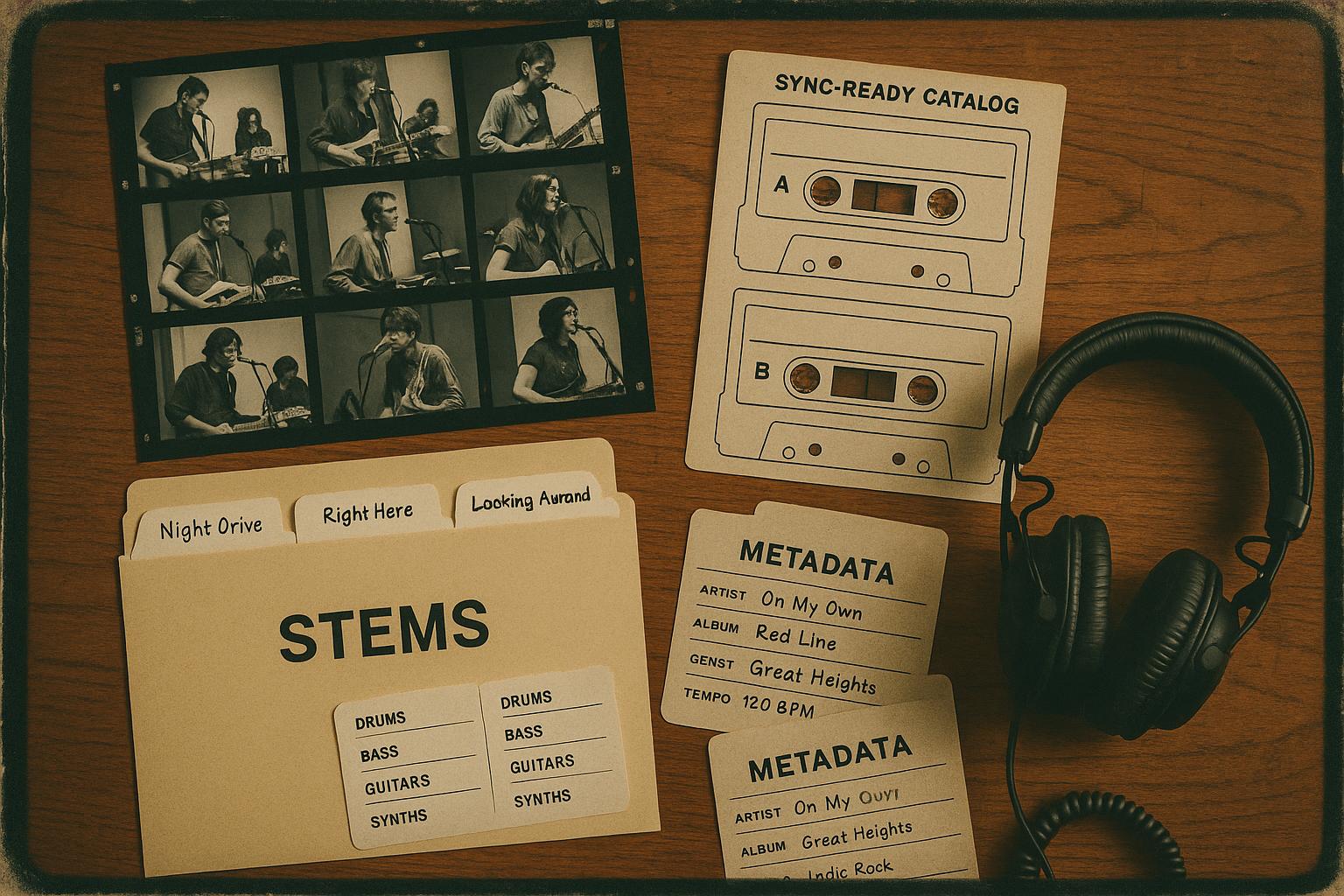
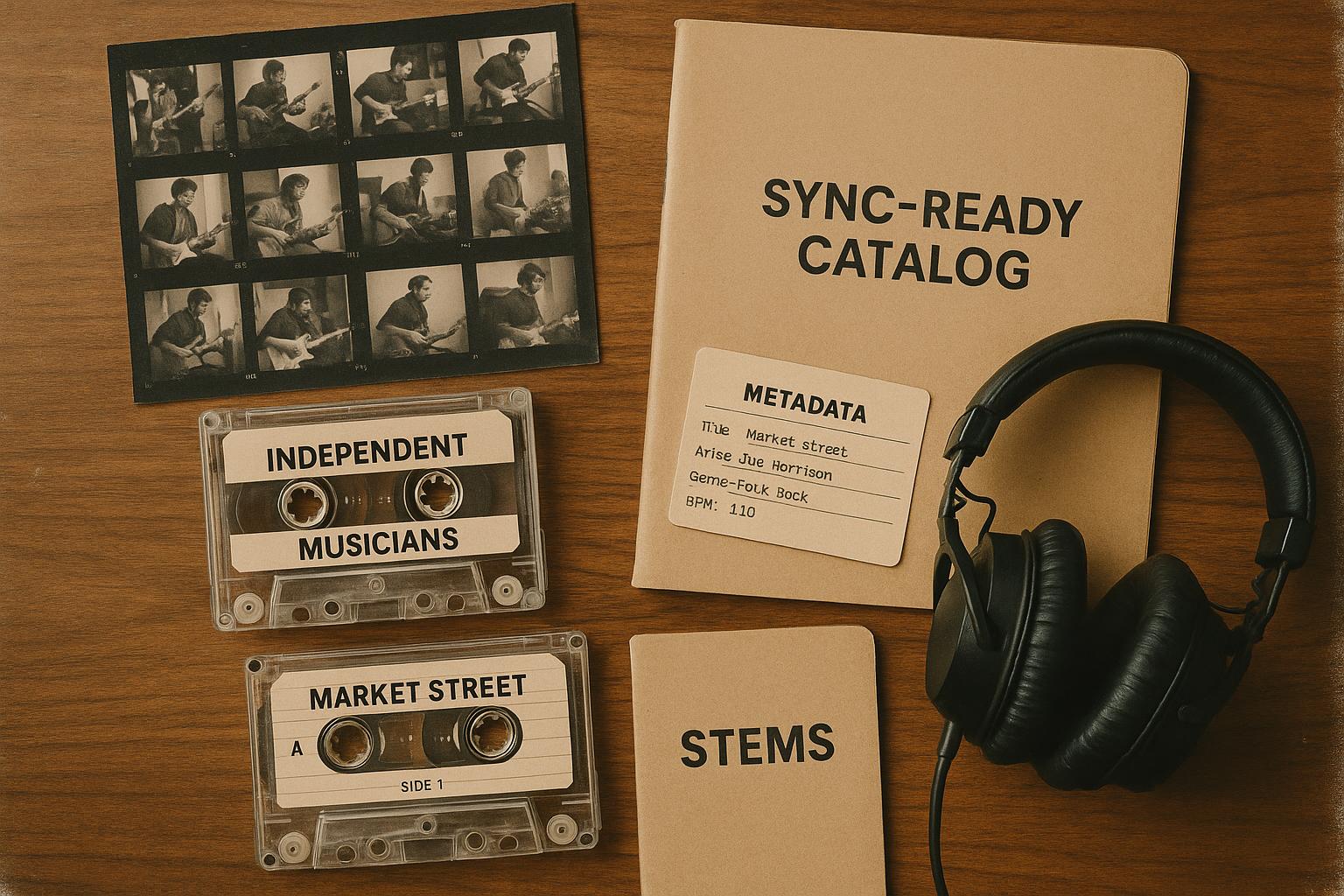
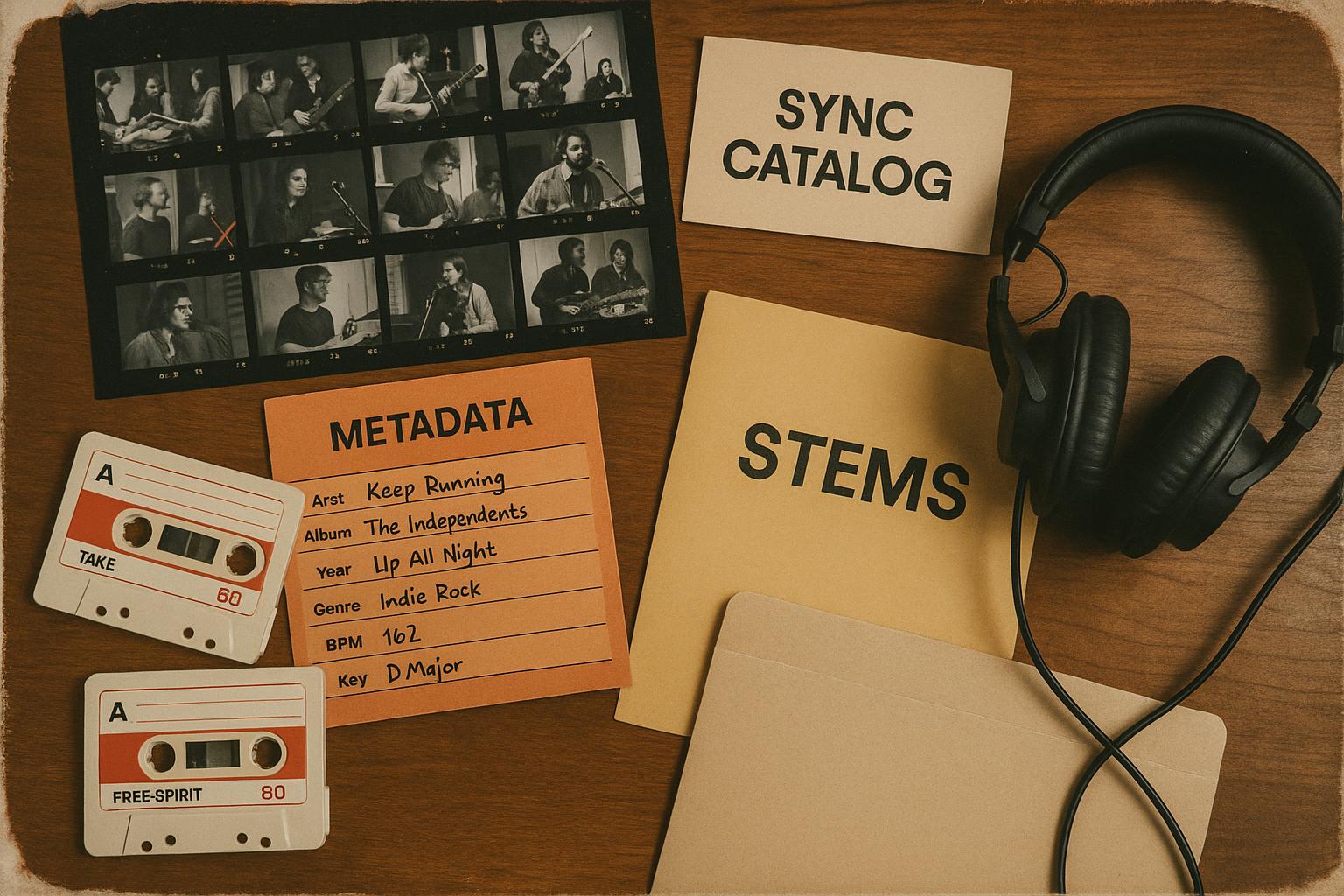
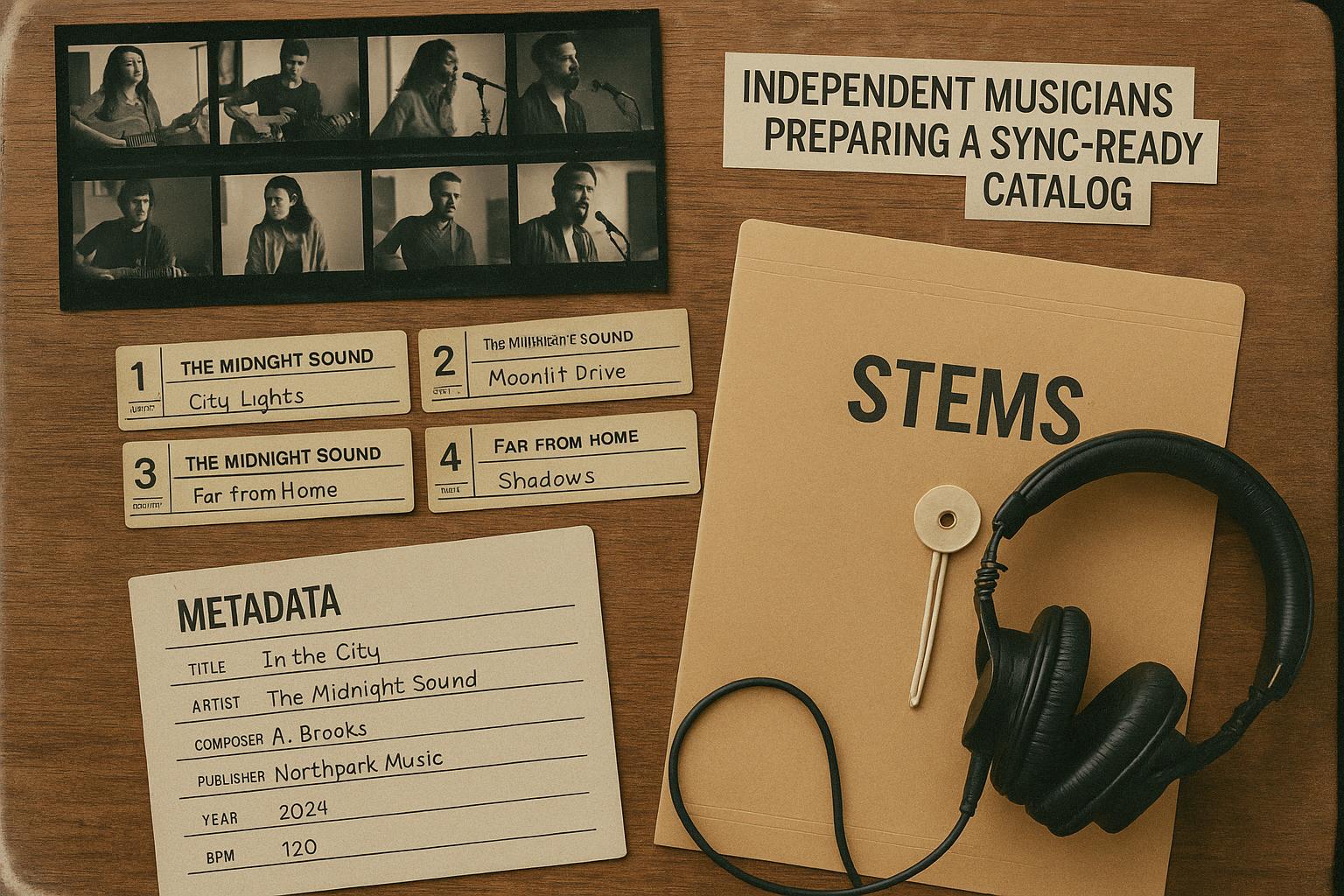
- Prepare stems, alt mixes, and instrumental versions: deliver full mixes plus stripped-down versions for dialogue, sound design, or underscore needs.
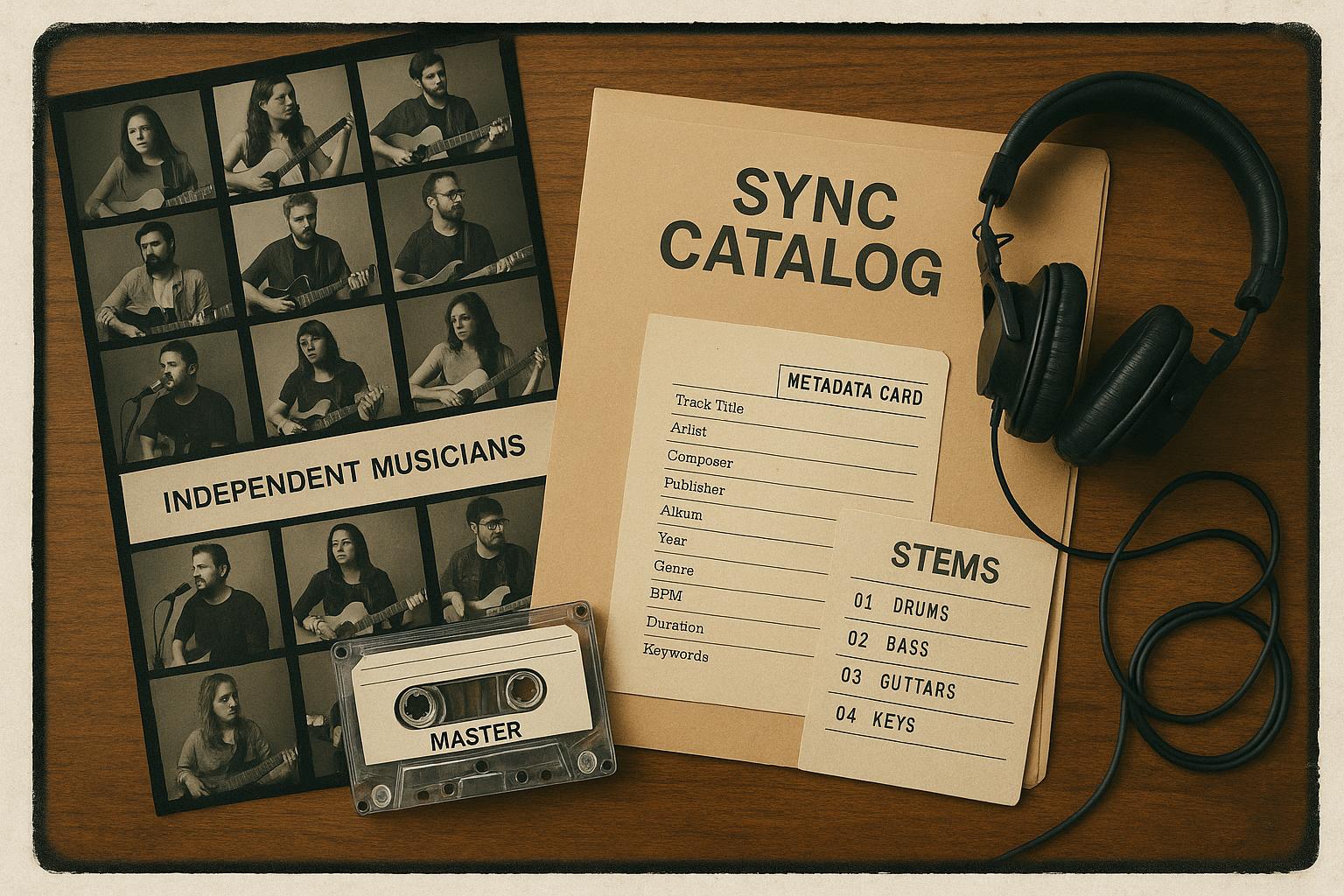
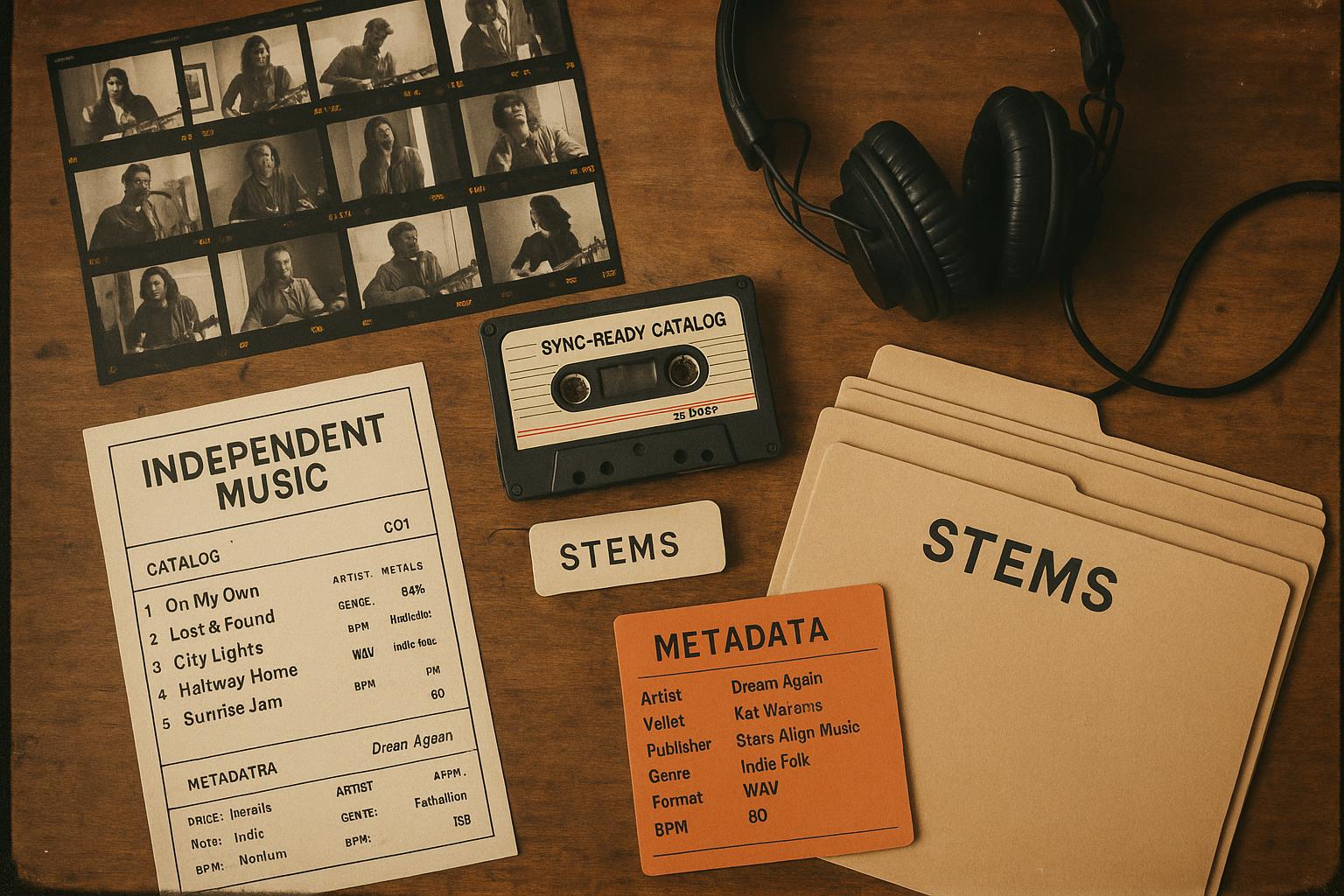
- Standardize metadata and file naming: use clean ISRC-ready track names, artist credits, licensing info, and tempo/key data for fast clearance.
- Capture the essentials in a one-pager per track: mood notes, potential scene types, and sample visual references (if used for pitching).
- Test in practical briefs: simulate briefs from trailer editors or streaming playlists to ensure your cues meet expected runtimes and dynamic ranges.
- Set up a reliable rights framework: establish clear splits, ownership, and PRO registrations before submission.
- Key catalog components to include:
- Full master and stems (with clean desktop stems for easy mix adaptation)
- Instrumental and vocal options
- Alternate mixes (e.g., radio edit, underscore-only, low-clip build)
- Accurate metadata (ISRC/ISWC, composer and publisher splits, performing rights organization)
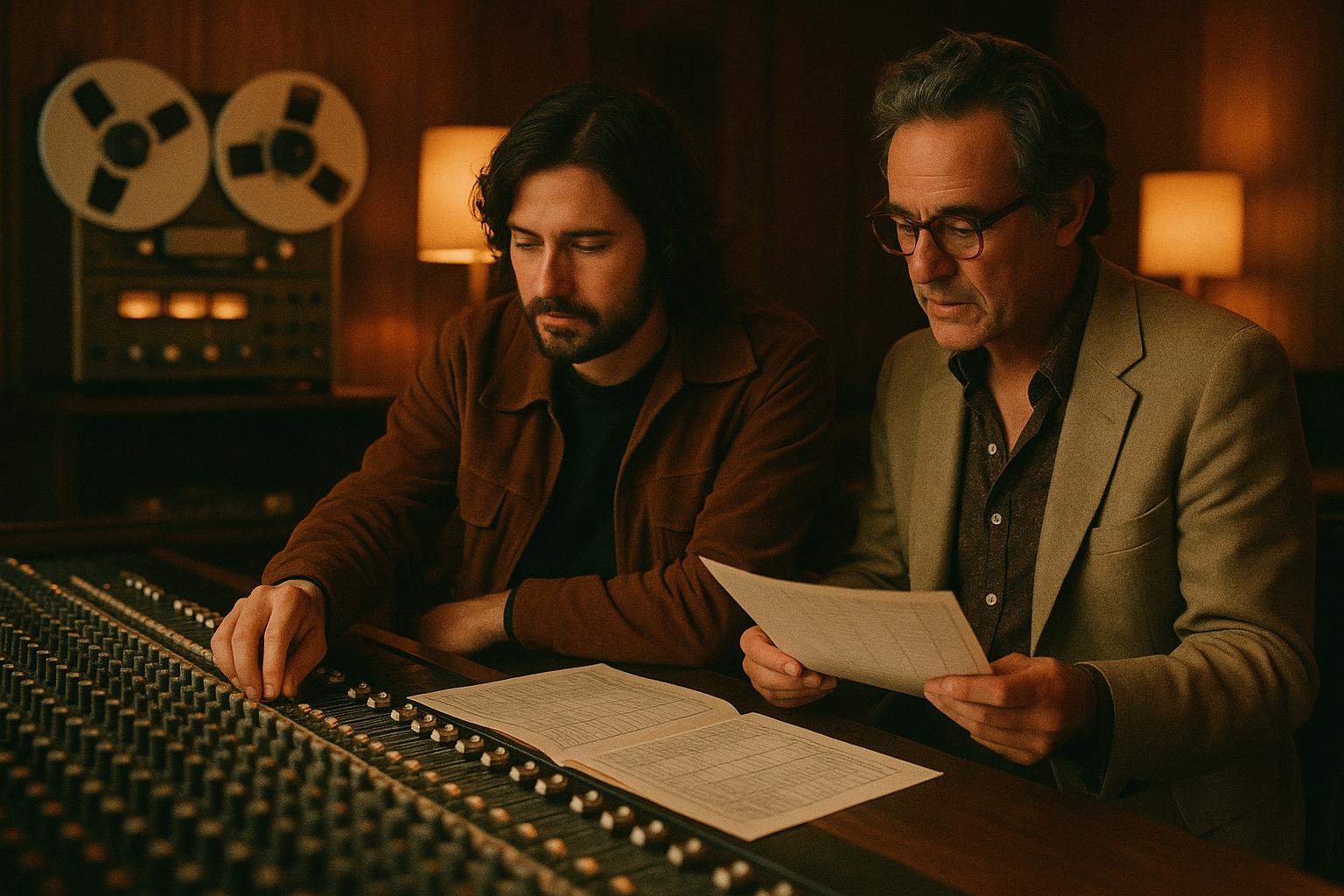
- Cue sheets ready-to-file or pre-filled for fast processing
Rights and readiness: metadata, ownership, and cue sheets that keep editors moving
Clear rights and precise metadata are the backbone of reliable sync licensing. When a supervisor can see clean ownership and fast licensing paths, confidence grows dramatically. Focus on these areas to minimize back-and-forth and maximize opportunities:
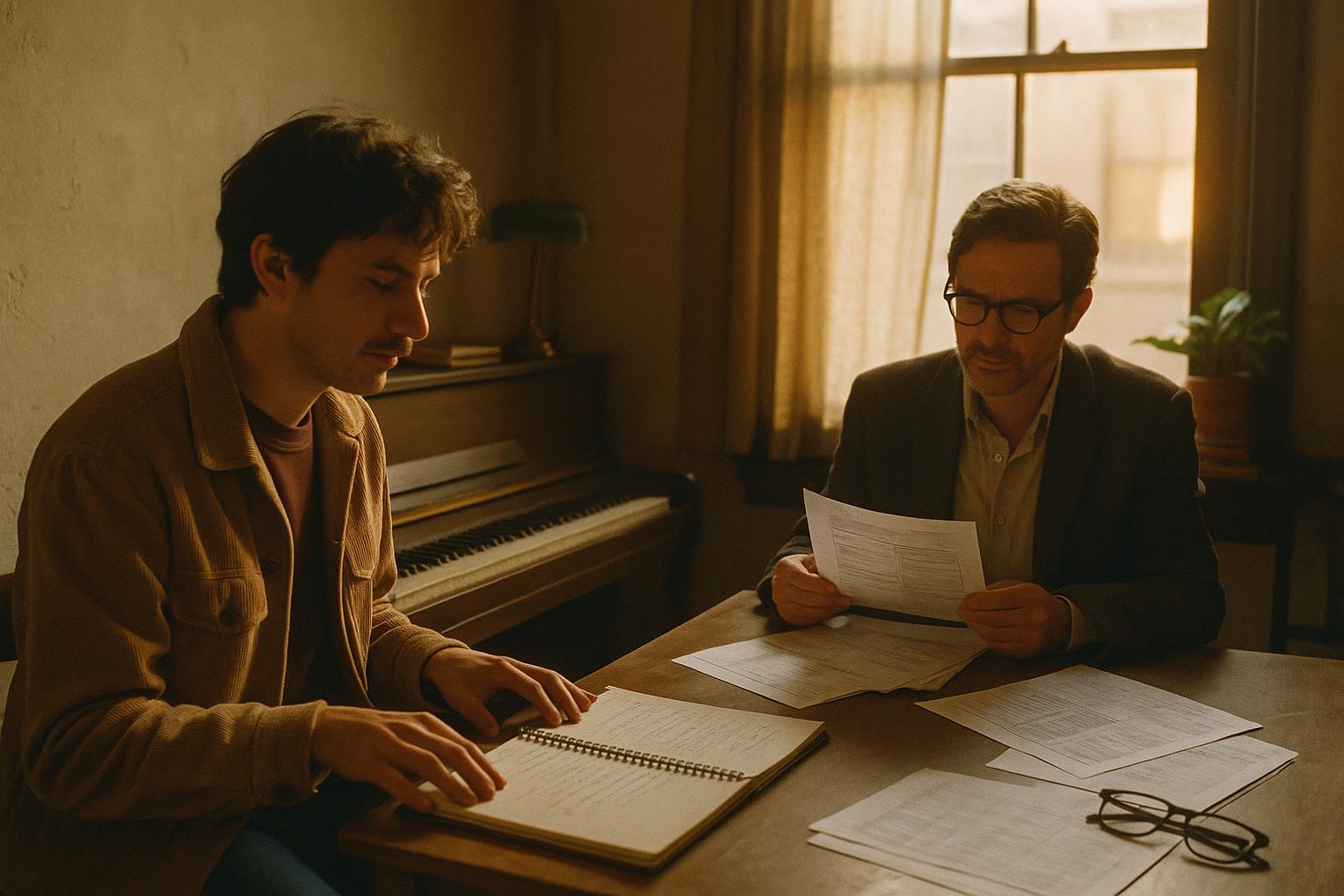
- Split sheets and ownership clarity: document who owns each master and publishing share, including any co-writers or external collaborators. Establish a preferred licensing model (work-for-hire, licensing-by-terms, etc.).
- Master and publishing ownership clarity: confirm who controls master rights and who administers publishing rights. Align on licensing windows and usage scope (worldwide, streaming, theatrical, etc.).
- PRO registration: ensure every track is registered with the appropriate performing rights organizations and that the credits align with the split sheets.
- ISRC/ISWC metadata: assign and verify codes for every track and all versions (stems, alt mixes). Consistency in metadata speeds clearance and tracking of usage.
- Cue sheets and usage documentation: prepare clear cue sheets for all placements, including track length, scene context, and usage notes to streamline royalties and audits.
Sync supervisor playbook: what they need from artists
For editors and supervisors, speed and clarity are everything. Provide assets and information that reduce negotiation time and enable immediate clearance. Here’s what to deliver and maintain:
- Metadata quality and consistency: track titles, artist credits, publisher and admin details, and accurate ISRC/ISWC codes in every submission.
- One-stop clearance readiness: pre-approve licensing terms where possible (perpetual vs. limited-use licenses) and provide clear licensing scope for each track.
- Alt mixes and stems: supply a variety of versions (stems, instrumental, vocal-free) suitable for dialogue, sound design, and different mix contexts.
- Instrumental versions: include fully produced instrumentals that can carry a scene without vocals, especially for trailer uses.
- Fast turnaround: establish a rapid response workflow (24–48 hours) for clearance requests, including ready-to-sign licensing templates and contact points.
- Clear attribution and credits: ensure proper songwriter, publisher, and master credits are included on all published materials and cue sheets.
Producer and songwriter collaboration workflows that increase placement success
Effective teamwork accelerates placements. Build workflows that align creative intent with contractual clarity and fast approvals:
- Shared briefs and goal setting: begin with a written brief outlining intended mood, scene types, target platforms, and budget considerations. Attach visual references and timing cues where possible.
- Transparent ownership and splits: agree upfront on who writes, performs, and owns what, with a documented split sheet and a plan for publishing and master rights administration.
- Standard folder structure and naming conventions: create a universal template (e.g., Artist/Track/Version/Stem) to avoid confusion during submissions.
- Version control discipline: track changes with version numbers, keep master files clean, and ensure alternate mixes are clearly labeled.
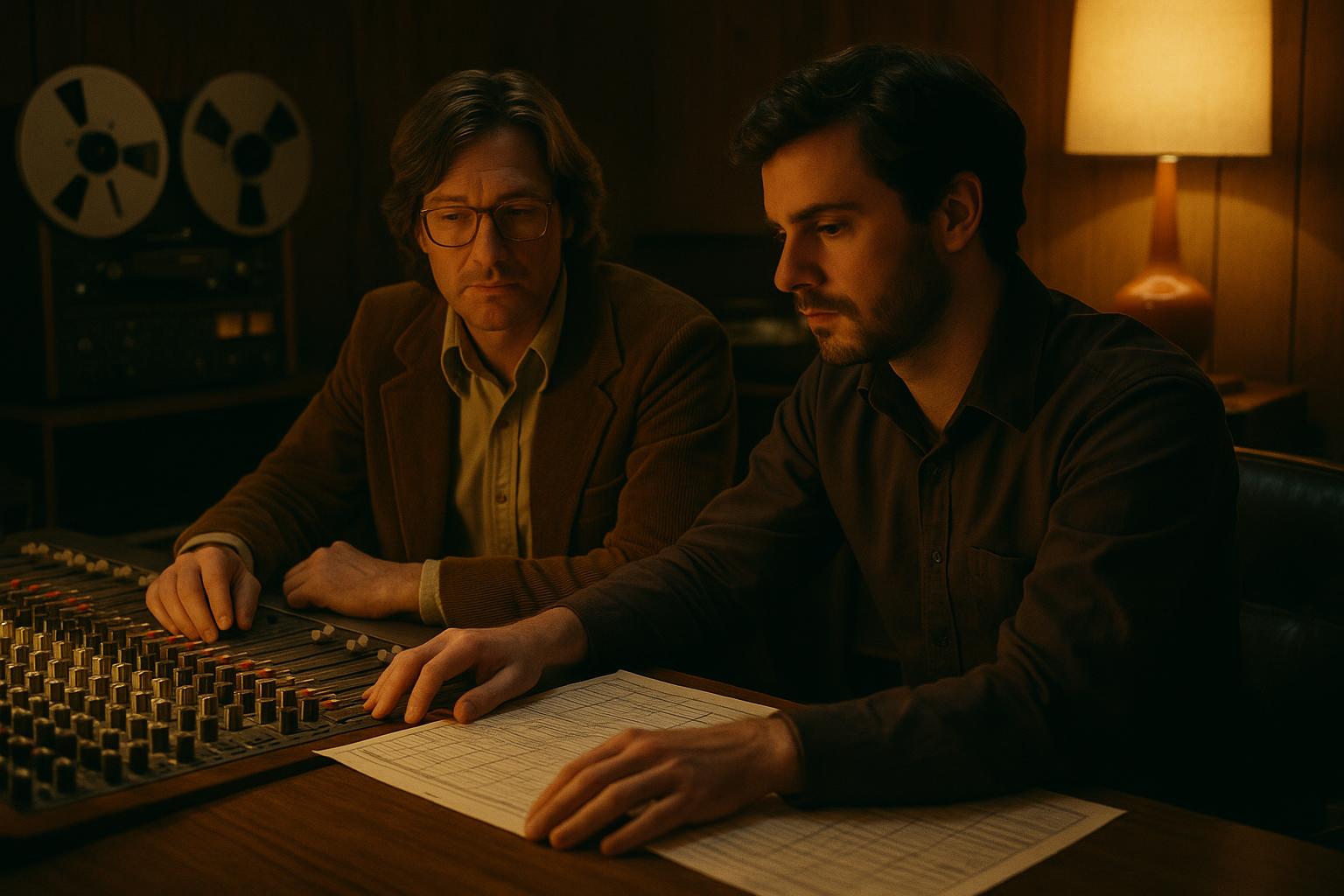
- Regular check-ins with milestones: hold brief weekly syncs to review submissions, feedback, and next steps. Use a shared project management board (status, due dates, reviewer comments).
- Licensed demos and dry runs: share low-cost, pre-cleared demos for early feedback; reserve final takes for licensing-ready submissions.
- Distribution and rights administration alignment: sync with a trusted partner like One World Media to manage publishing, rights admin, and distribution for consistent catalog growth.
Real-world scenario: a case example from the music business
A Los Angeles–based producer signs a small catalog of 18 cues across pop, indie-electro, and cinematic underscore. They implement a robust rights framework, prep stems and instrumentals, and align with top LA sync agencies. Within six months, three cues land in a US network drama, a feature trailer, and a streaming series in Europe. The producer’s team uses a centralized metadata system, keeping ISRCs and PRO registrations in sync with every submission. The result is predictable revenue with quarterly royalties and a growing demand for remixes and stems. This case shows how disciplined catalog development, clear ownership, and fast clearance translate directly into consistent sync income.
FAQ
Q: How can I start building a placement-ready catalog if I’m a first-time producer?
A: Begin with 6–12 tracks that represent clear moods and production styles likely to fit film or TV cues. Create stems, instrumentals, and alt mixes, and lock in ownership details and PRO registrations before submitting to publishers and sync teams. Leverage a reputable partner who can guide publishing, rights admin, and distribution to accelerate results.
Q: What is the role of metadata in securing sync placements?
A: Metadata is the essential bridge between creative work and licensing systems. Accurate ISRC/ISWC, proper credits, and complete cue information speed clearance, royalties, and cue-sheet processing. Inaccurate metadata creates delays or misattributed royalties, which can hurt long-term relationships with supervisors and networks.
Q: How can collaborators maximize placement opportunities in a competitive market?
A: Establish formal collaboration workflows with clear ownership splits, standardized file structures, and regular briefings. Maintain a library of ready-to-submit cues with stems and alt mixes, and align with a trusted sync strategy partner who offers publishing, rights admin, and distribution services tailored for independent artists.
Q: What should a sync supervisor expect in terms of rights and delivery timelines?
A: They expect fast, clear clearances, ready-to-sign licenses, accurate credits, and a package that includes stems, instrumental versions, and alternate mixes. Prepared cue sheets and reliable metadata significantly shorten the path from submission to broadcast.
Contact One World Media
One World Media offers a comprehensive suite of services to support your music business goals: strategic sync planning, publishing administration, rights management, distribution, and artist development. Our Los Angeles–centric team has deep relationships with producers, music supervisors, and content creators, helping you build catalogs that attract consistent placements and recurring sync revenue.
For more information, please contact us at support@oneworldmedia.global or call (307) 200-8139.