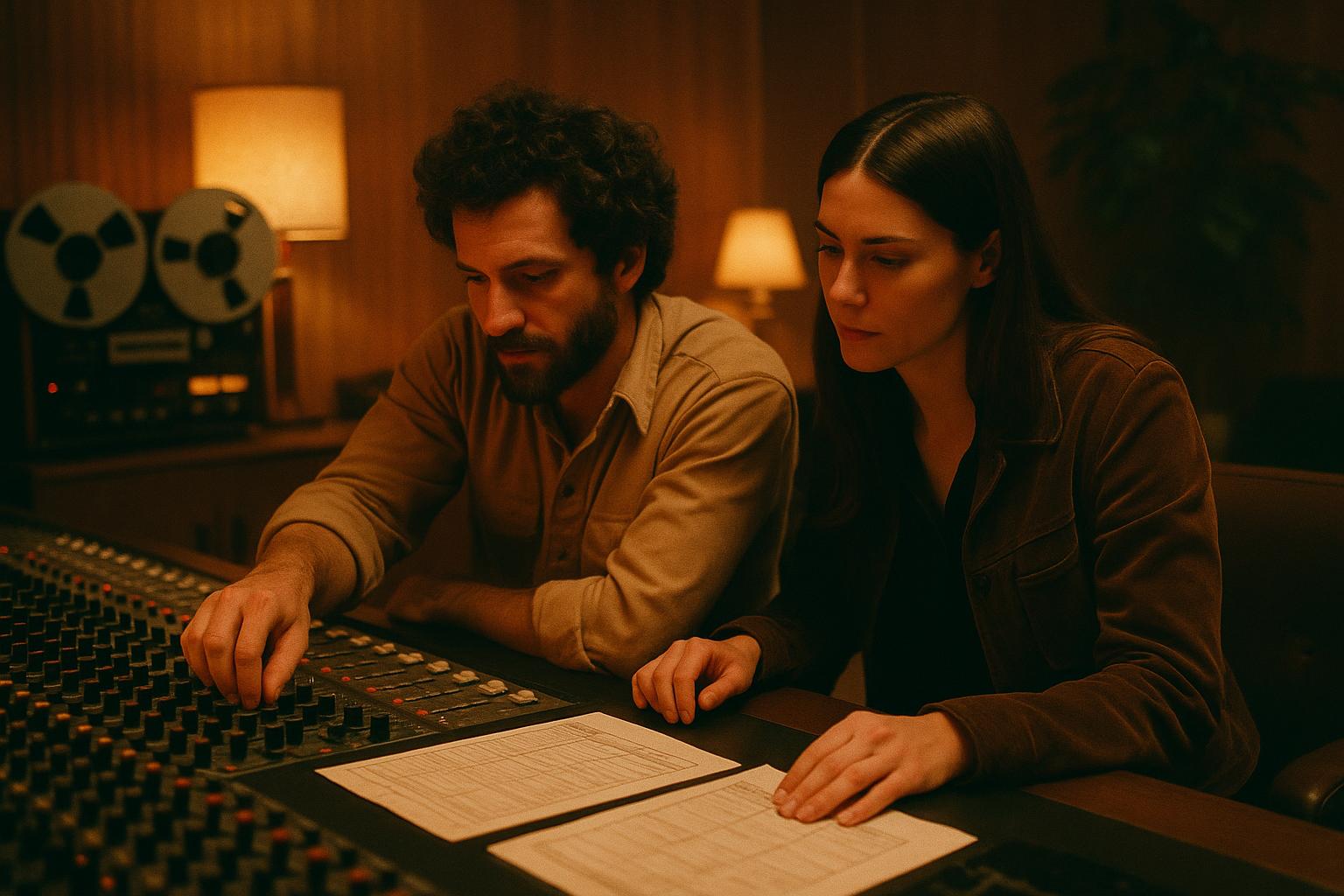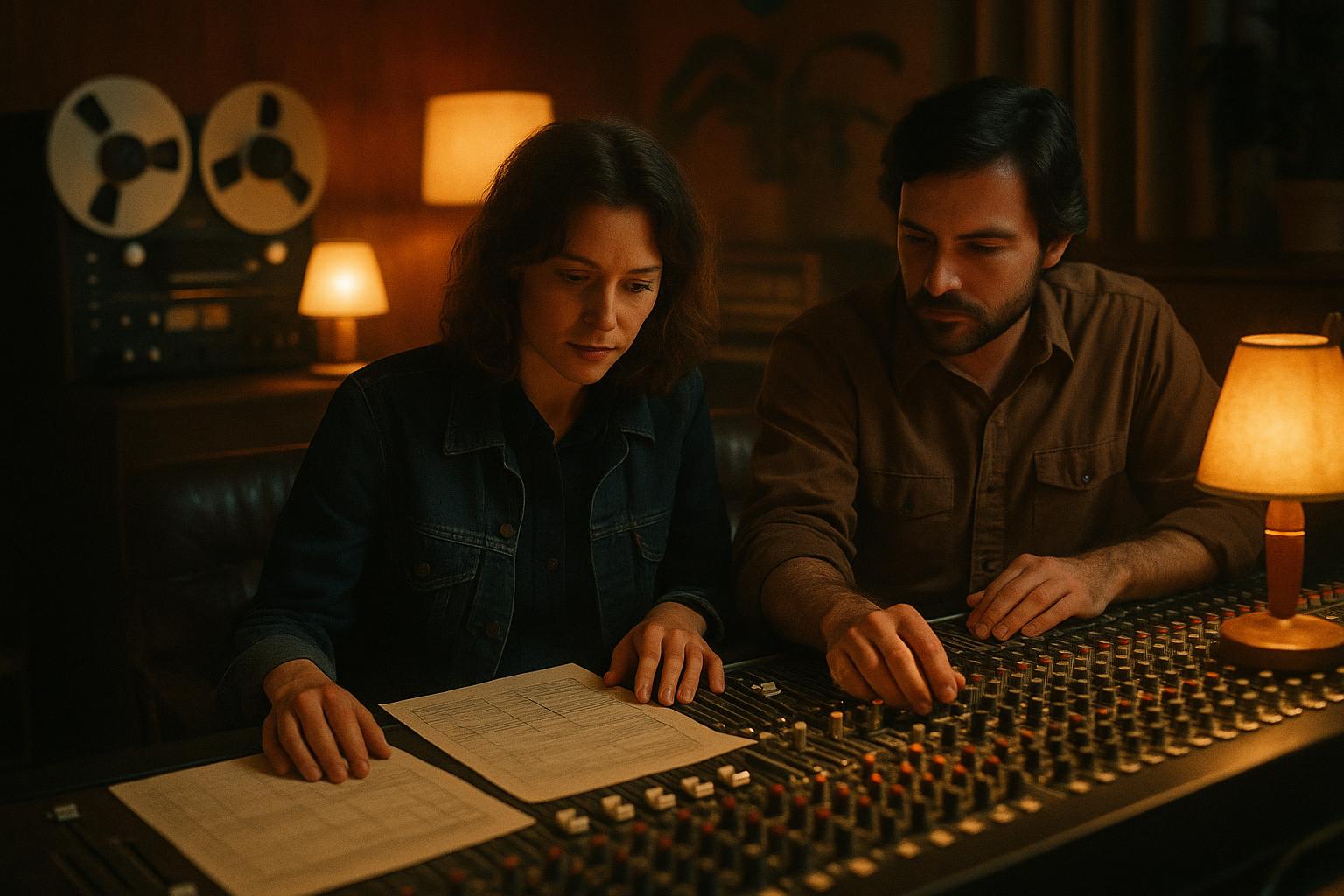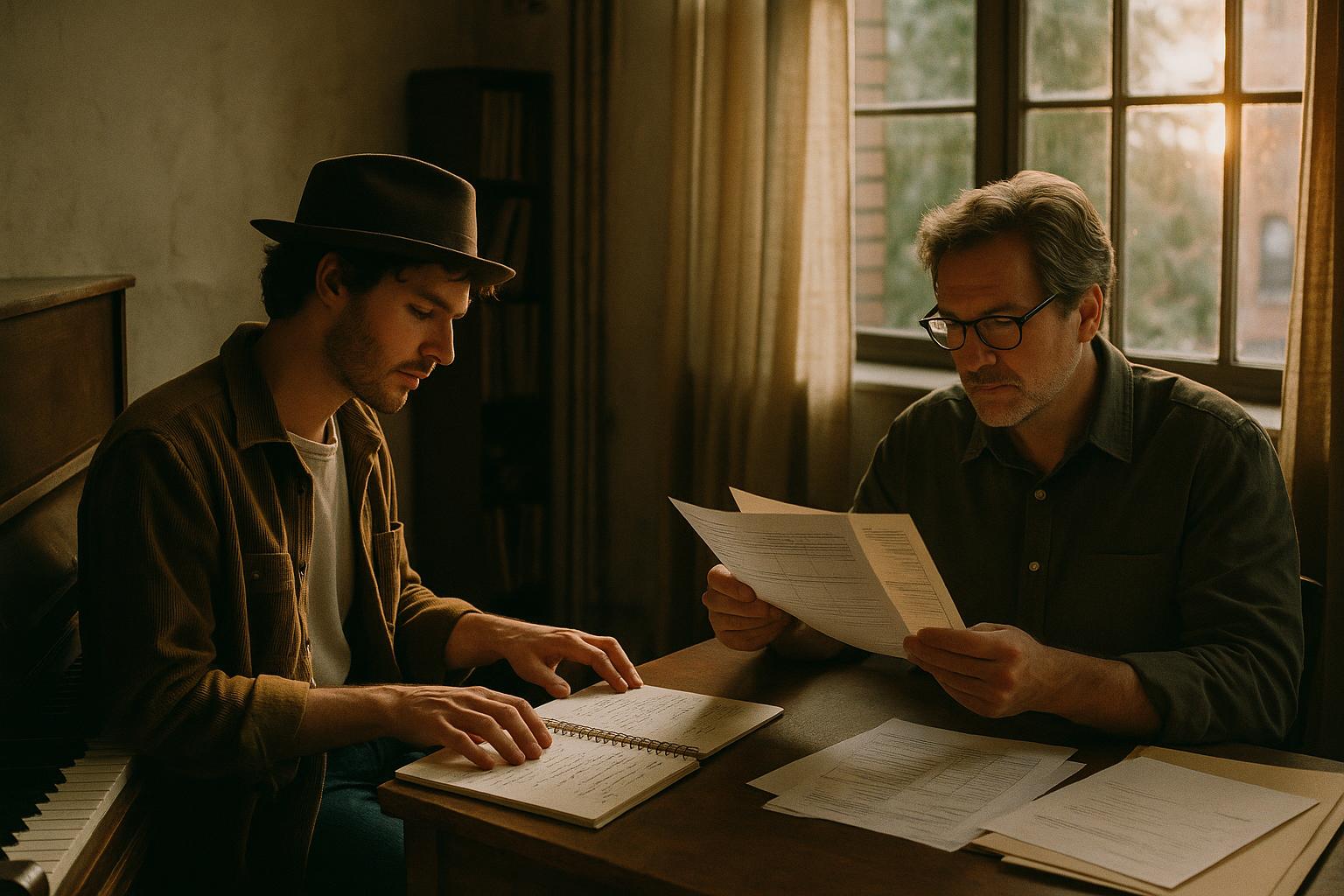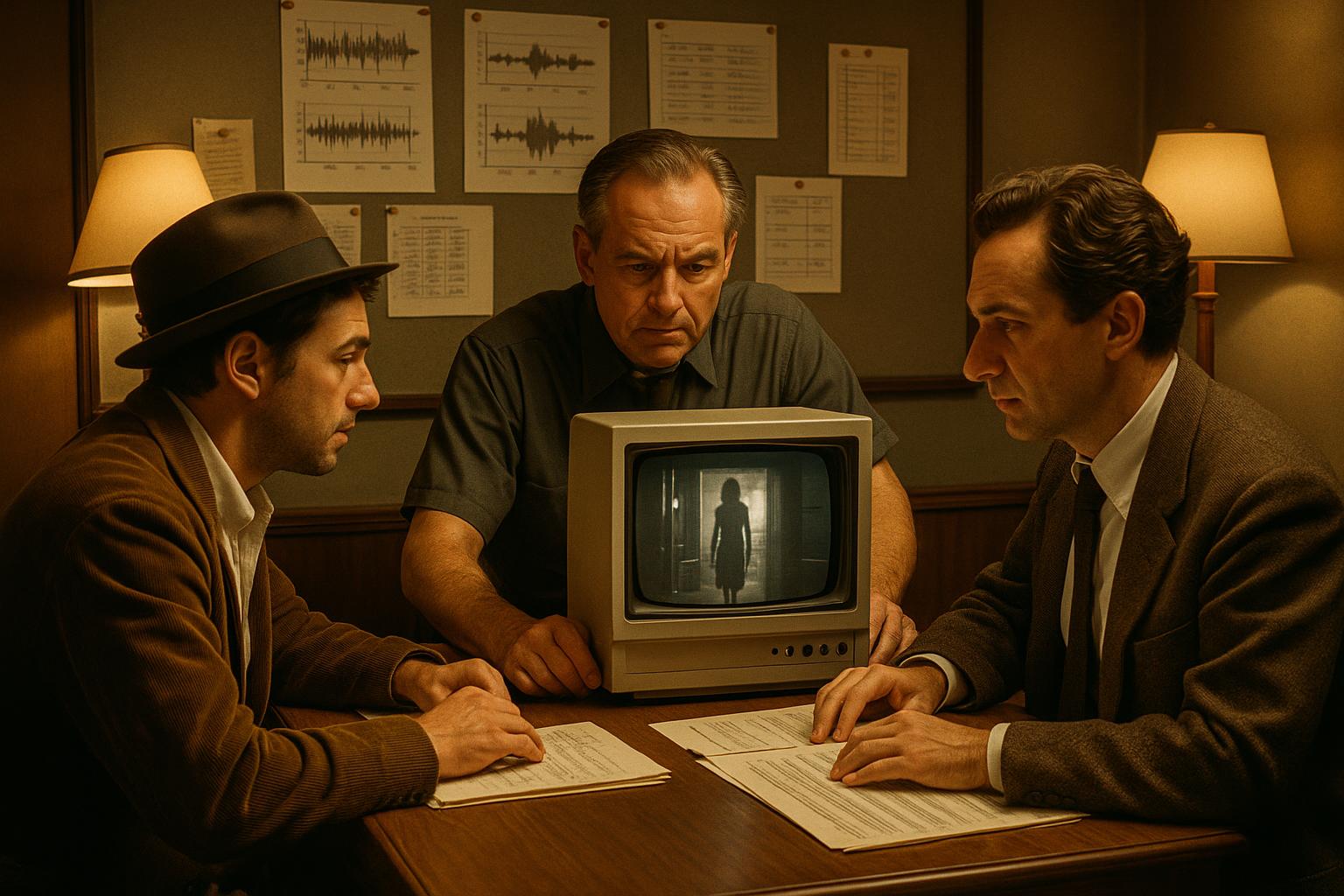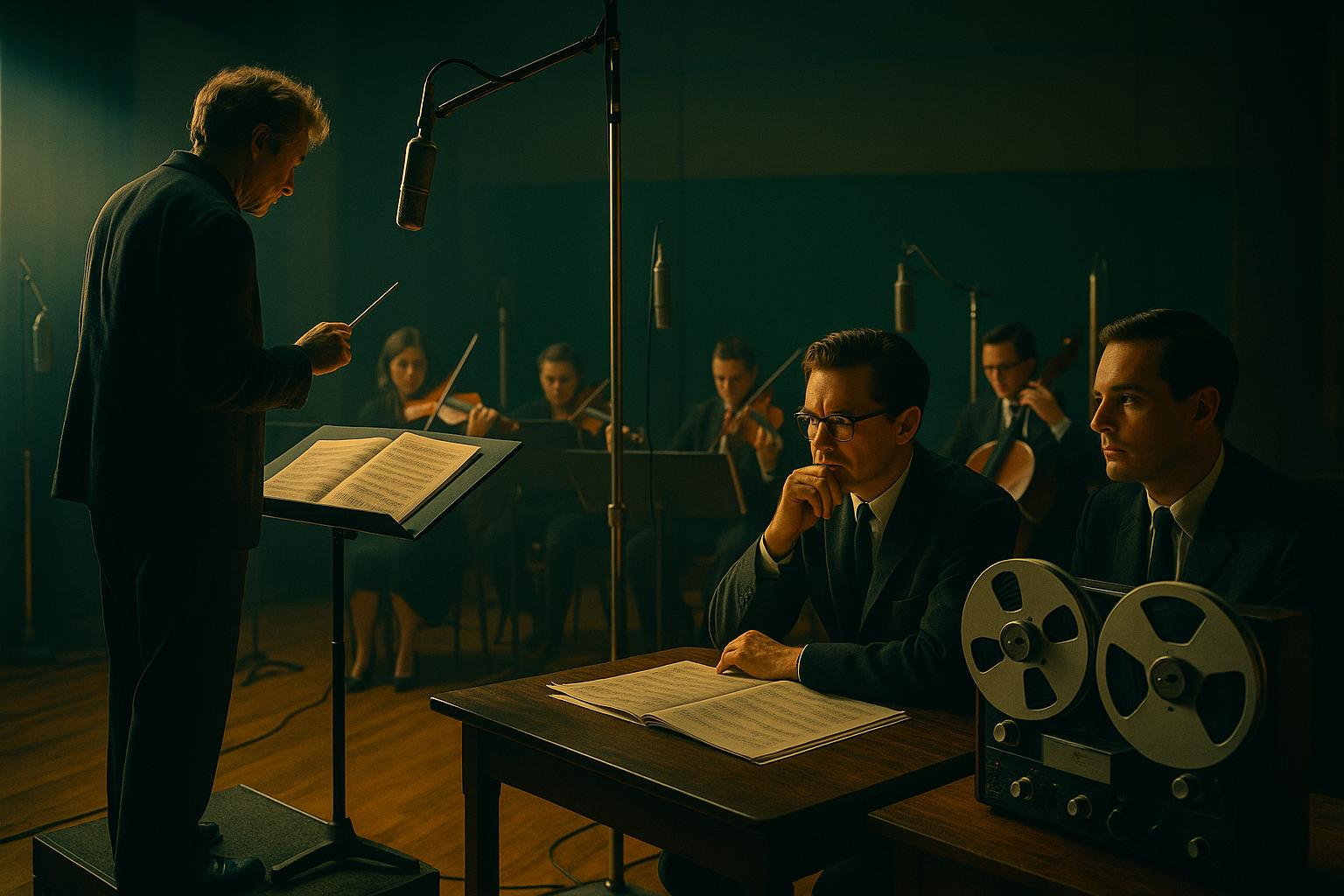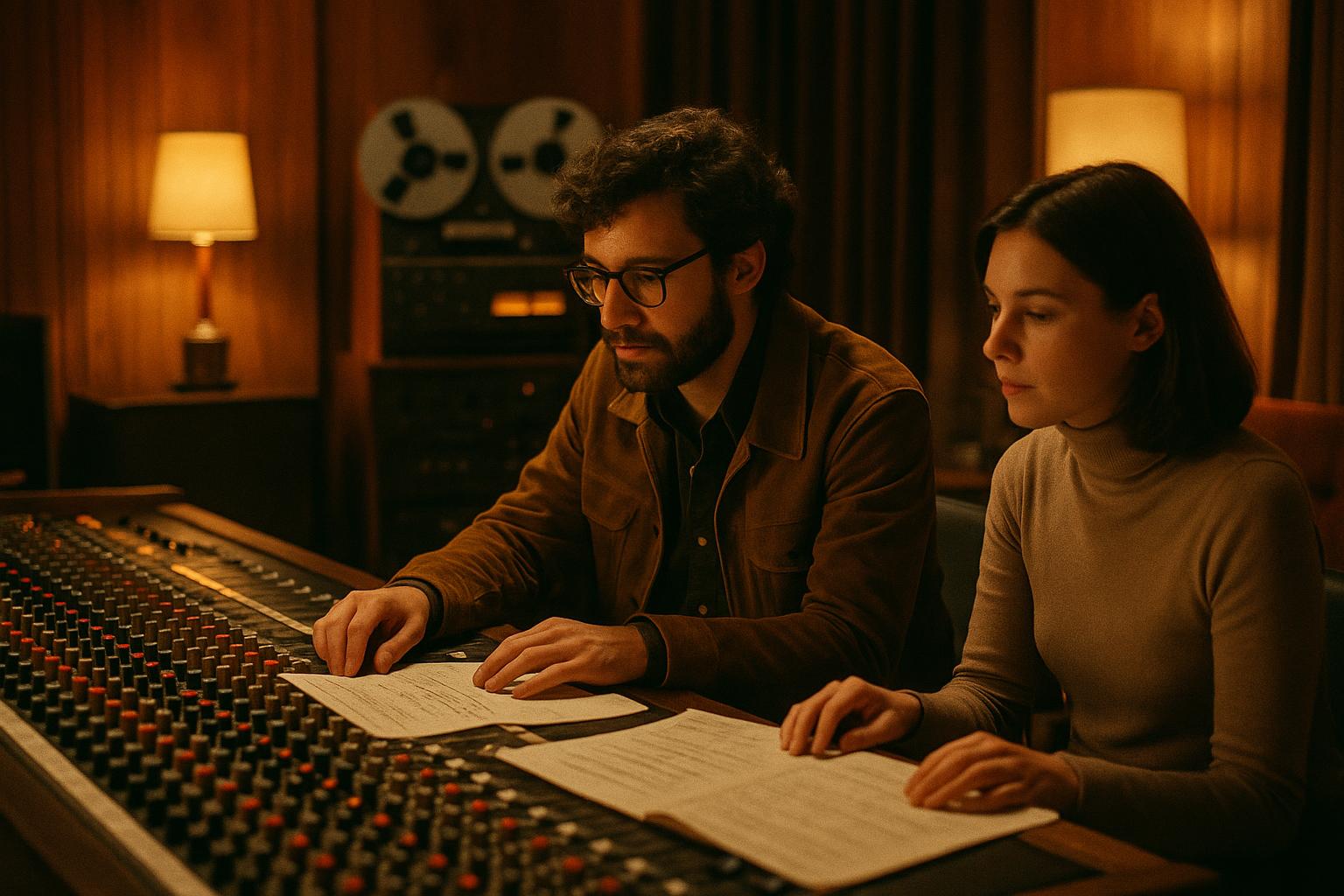
In film, television, trailers, ads, and streaming campaigns, getting your music into the right scene requires more than a great song. It demands a strategic publishing approach, clean rights data, and reliable partnerships that move fast. This guide shows producers building placement-ready catalogs, songwriters pitching for film and TV, sync supervisors sourcing clearable tracks, and independent musicians seeking recurring sync income how to align creativity with industry workflows. At One World Media, we offer a proven suite of services—from sync strategy and music publishing to rights admin, distribution, and artist development—to help you scale with confidence, especially for the Los Angeles market where sync activity is dense and dynamic.
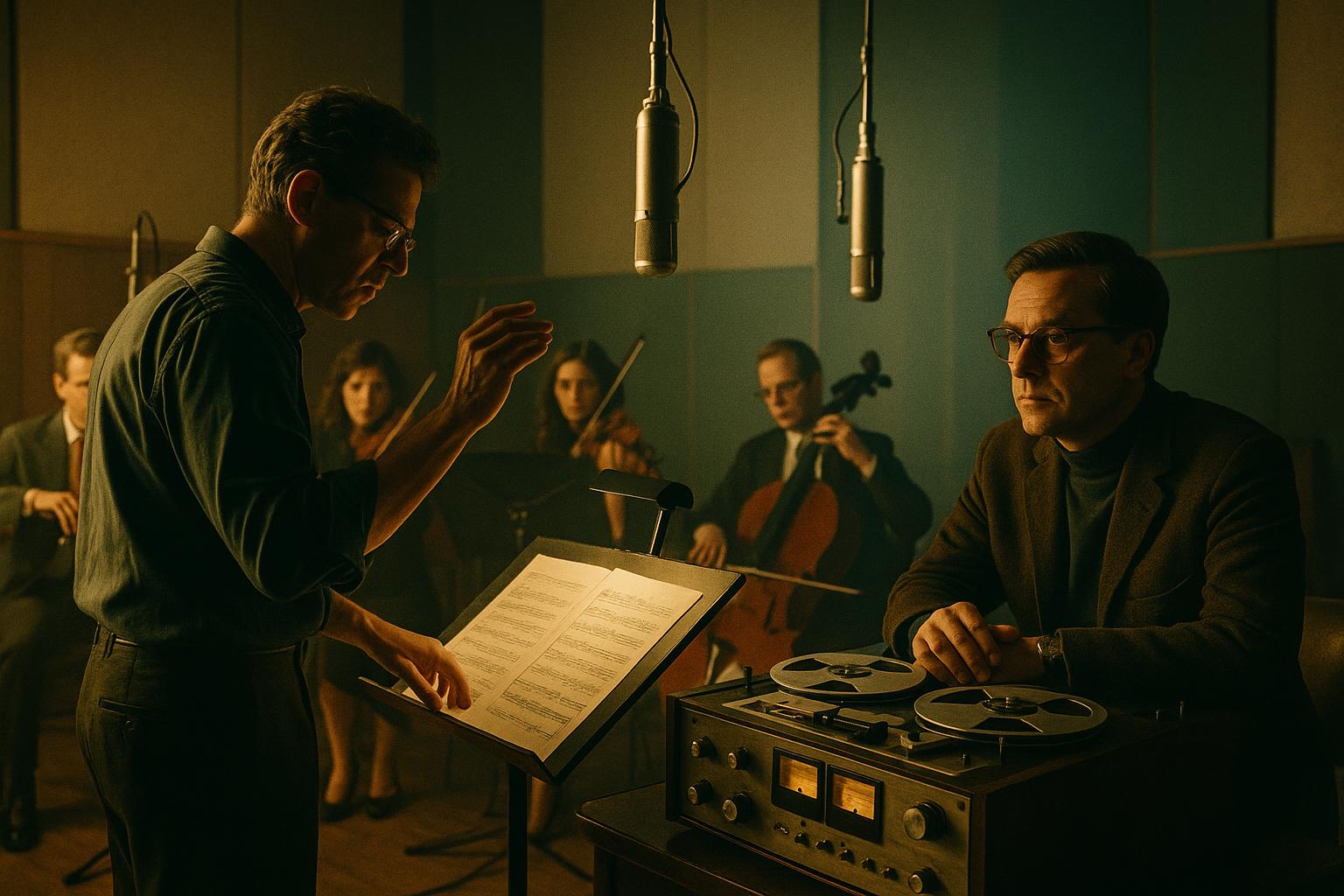
Building a catalog that stands up to a supervisor’s expectations starts with a repeatable process. Use the steps below to create tracks that are easy to clear, easy to audition, and easy to place.
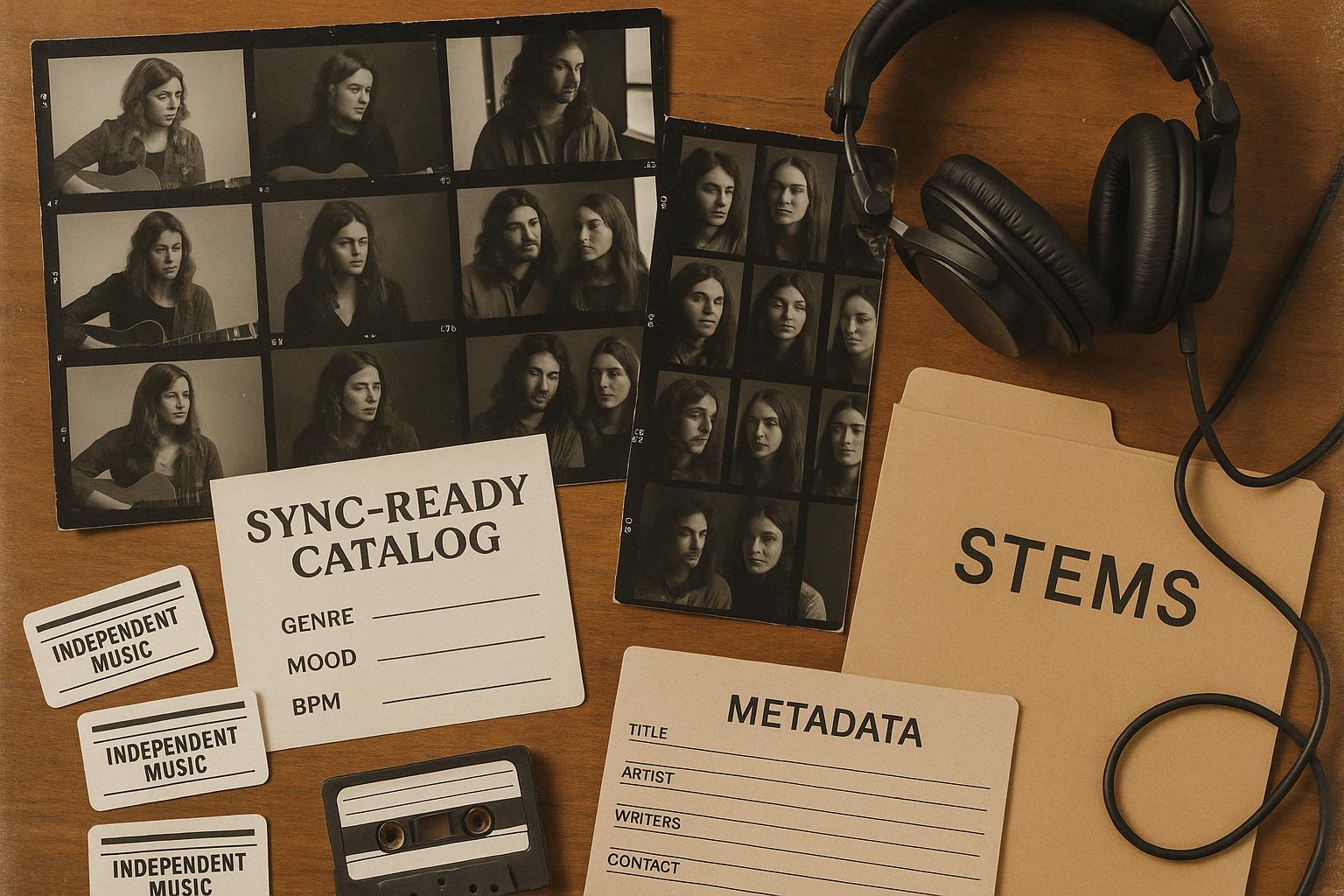
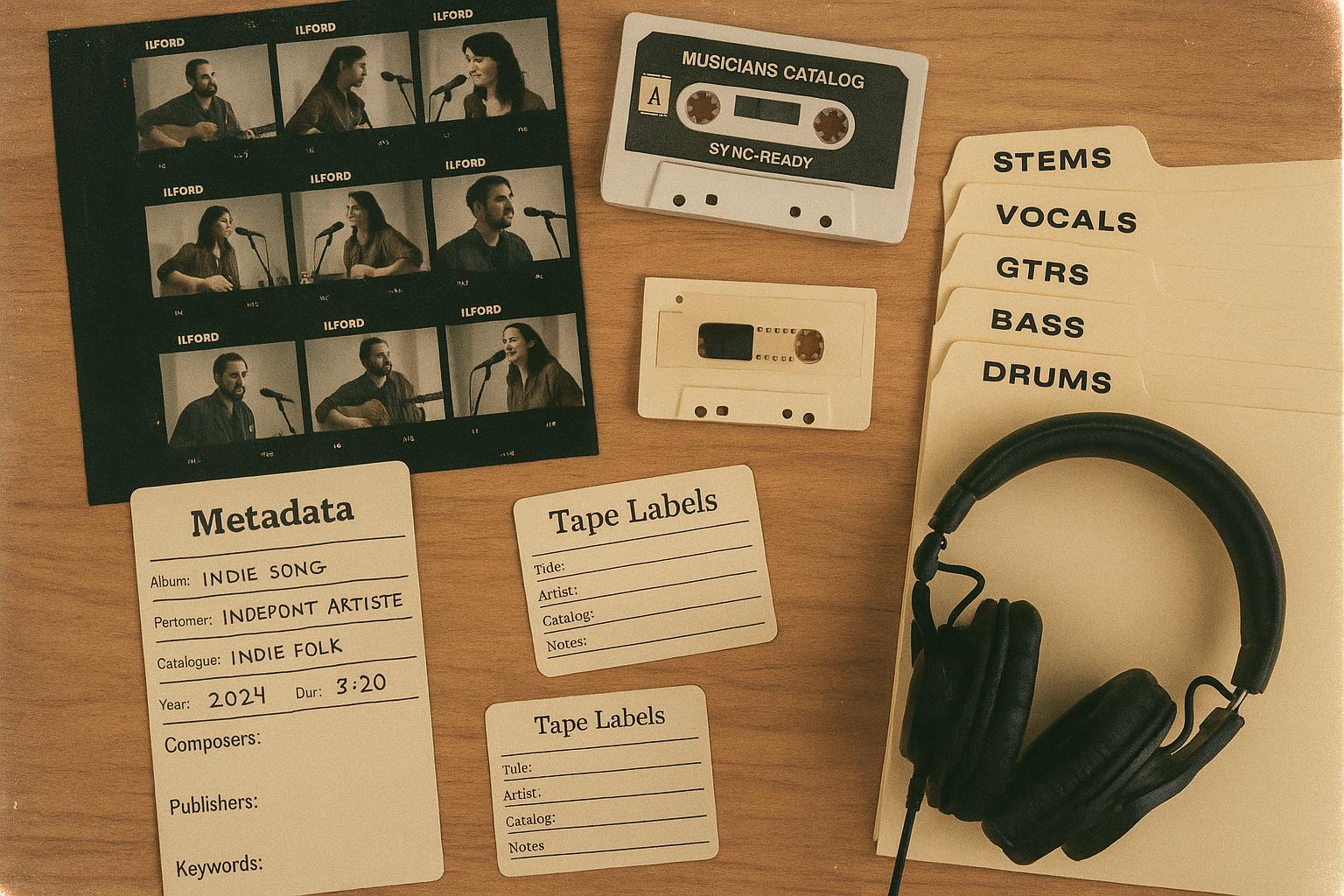
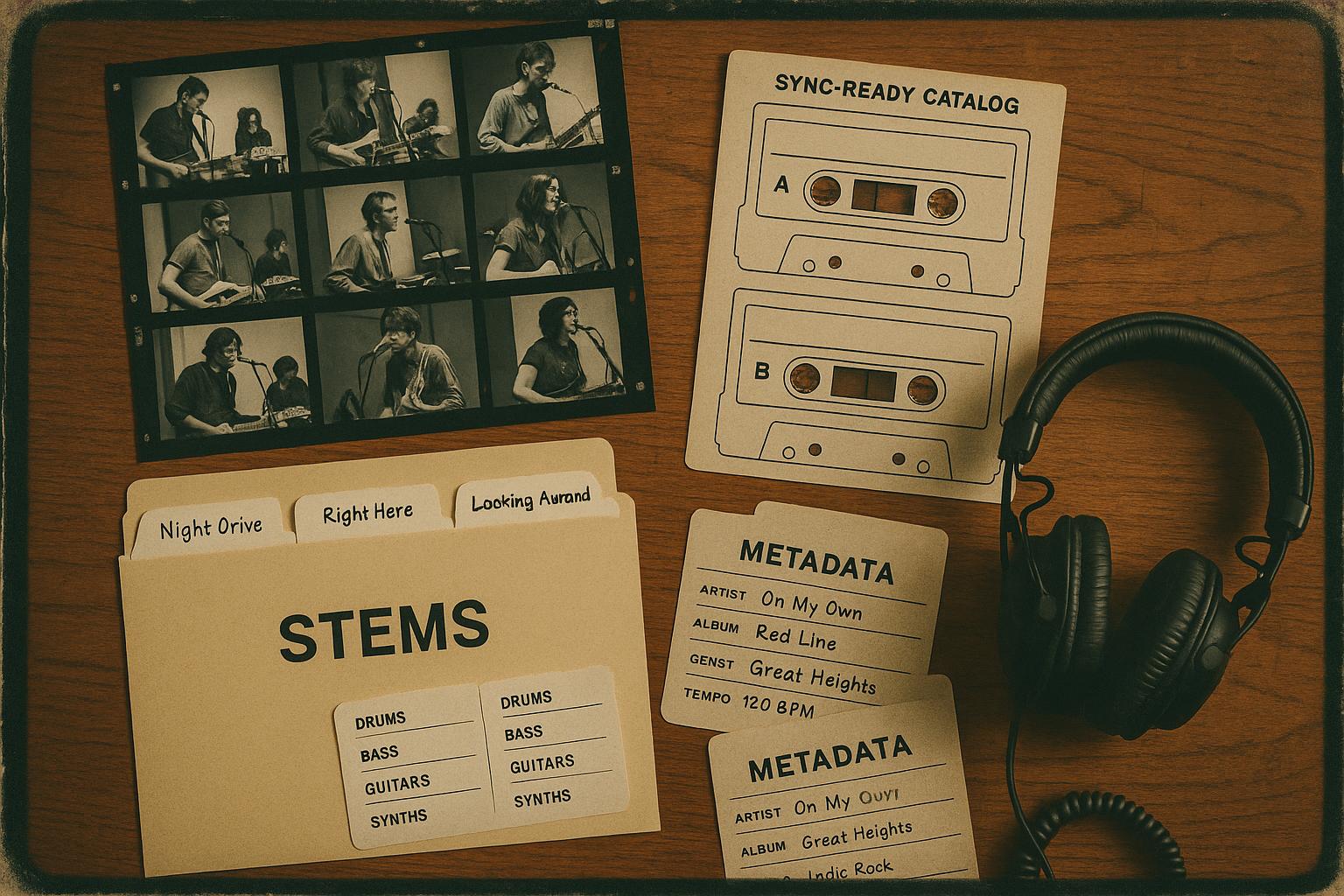
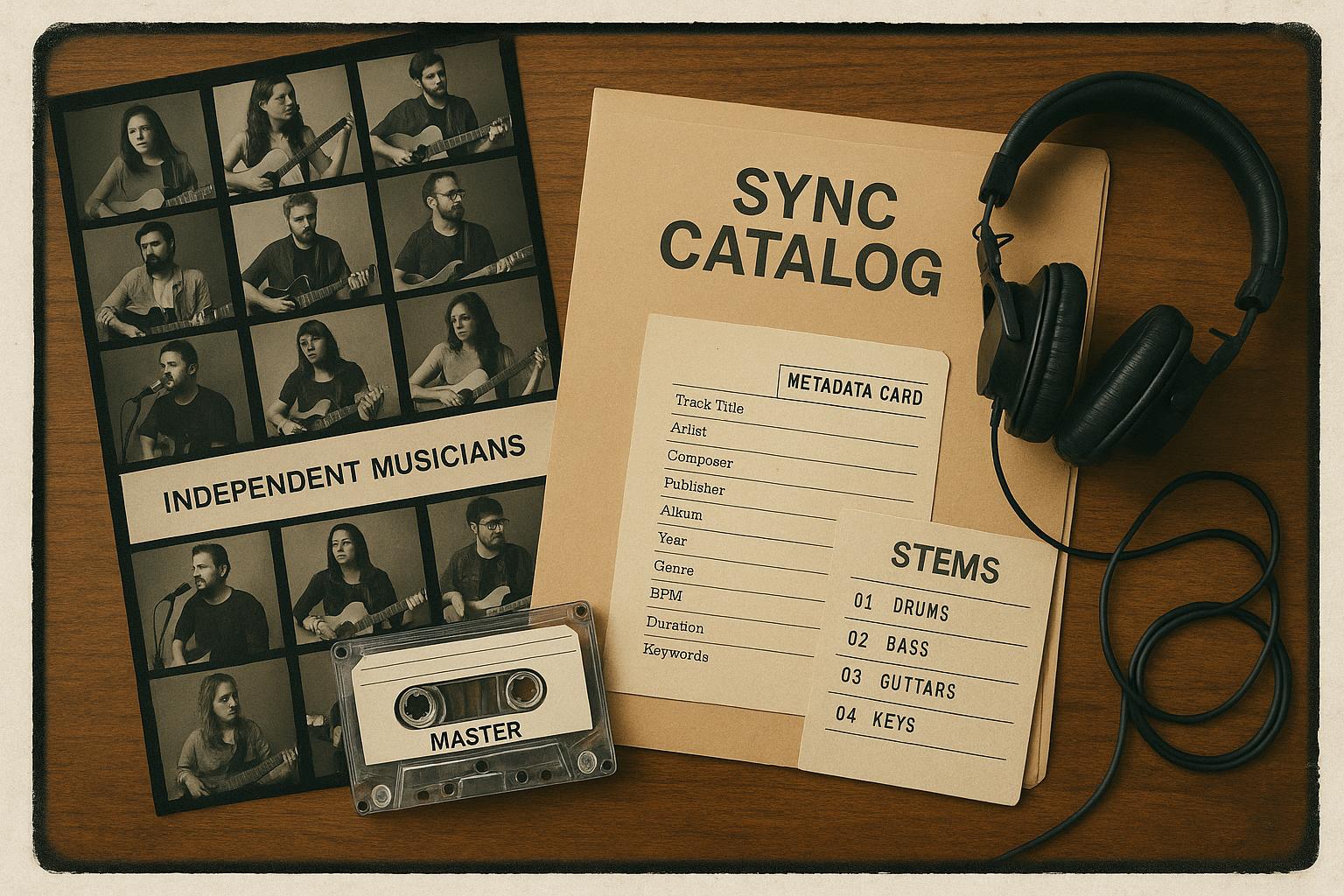
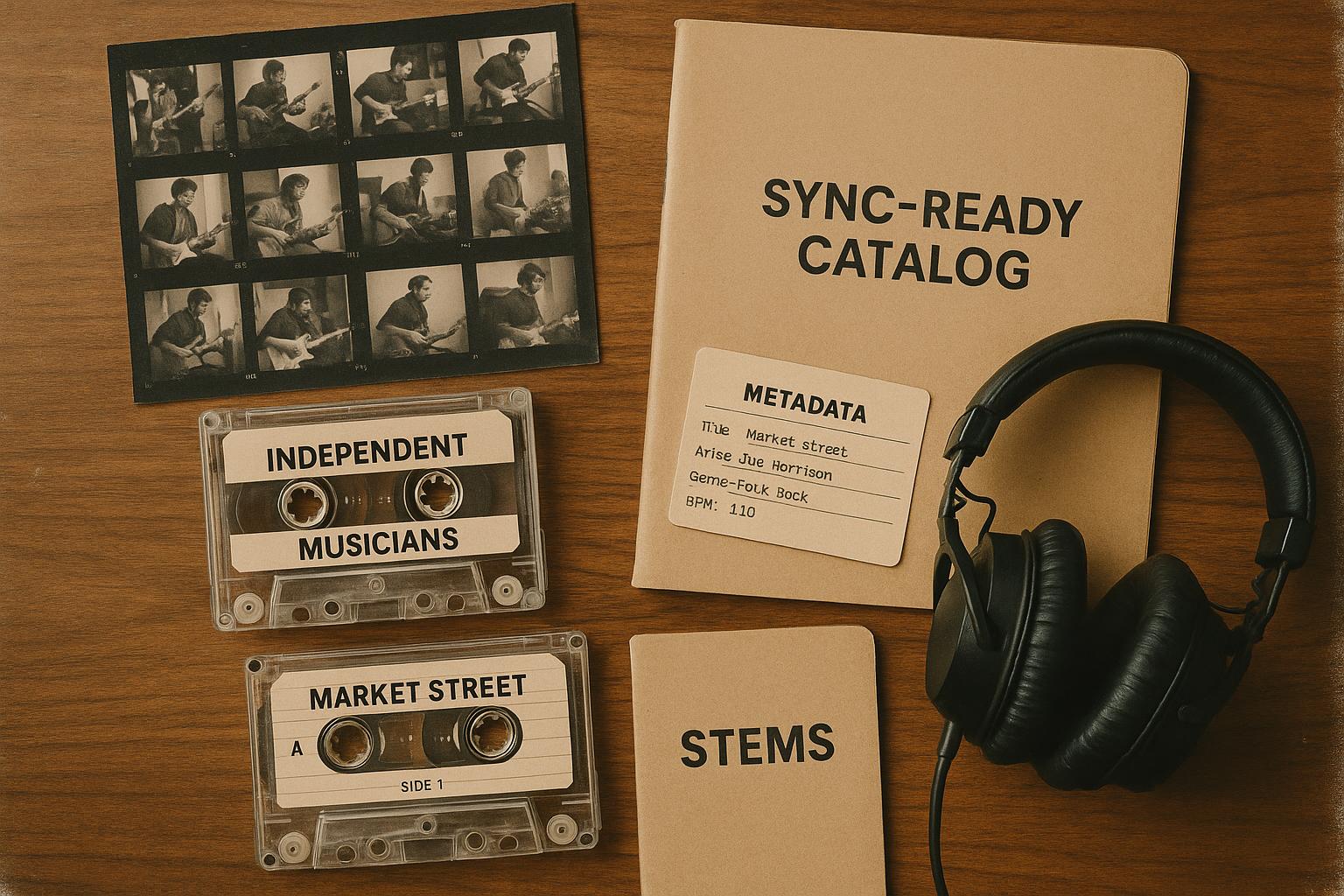
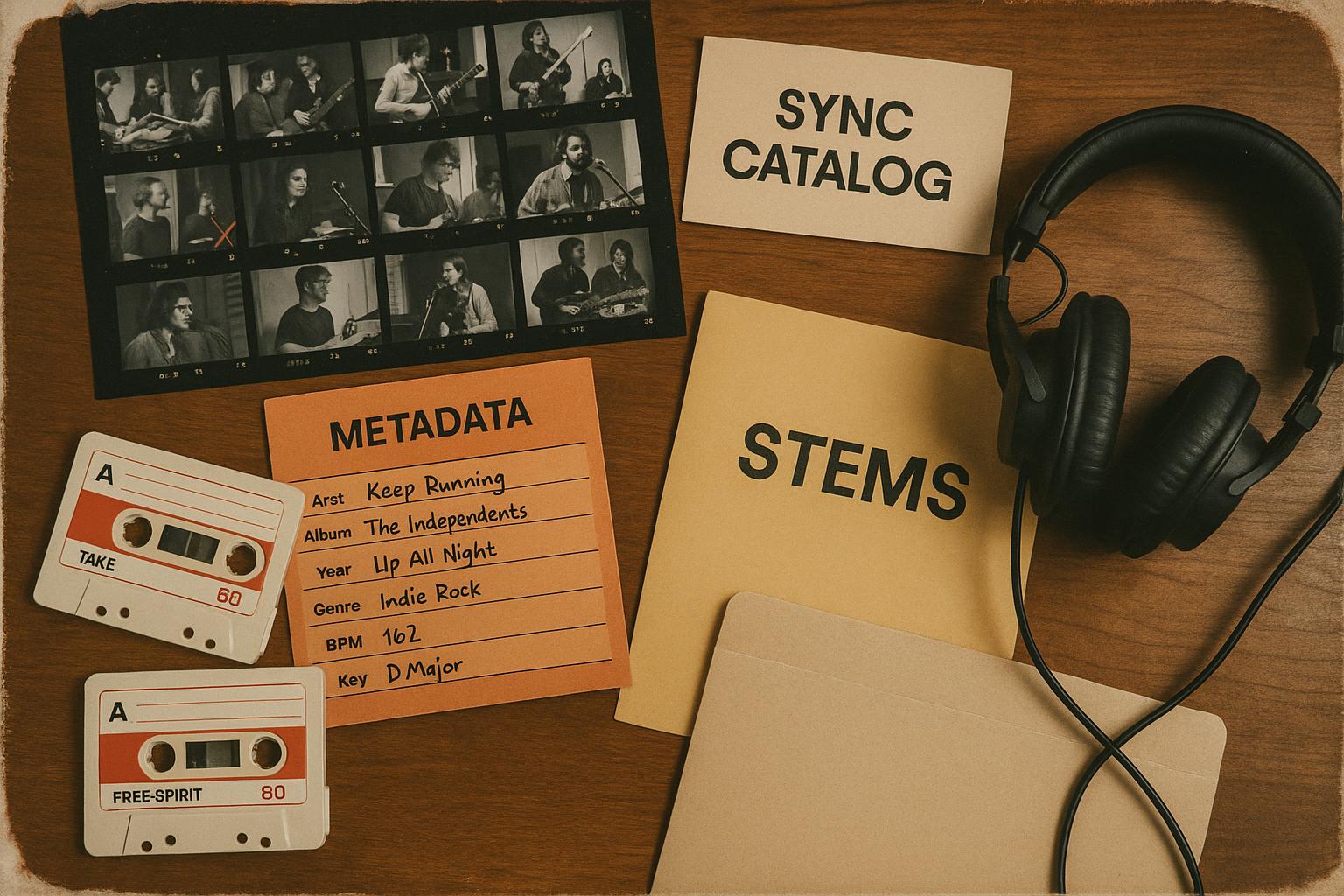
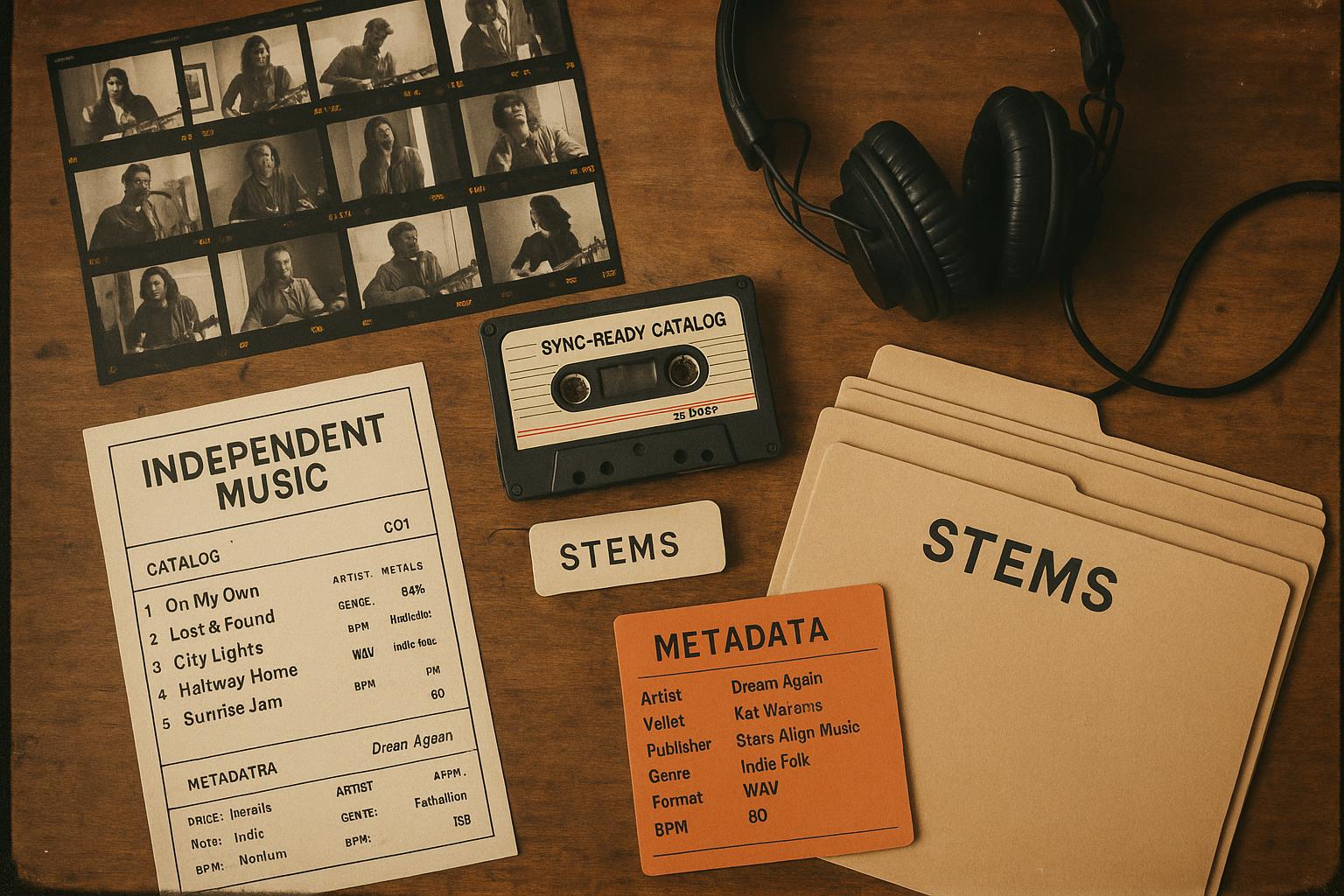
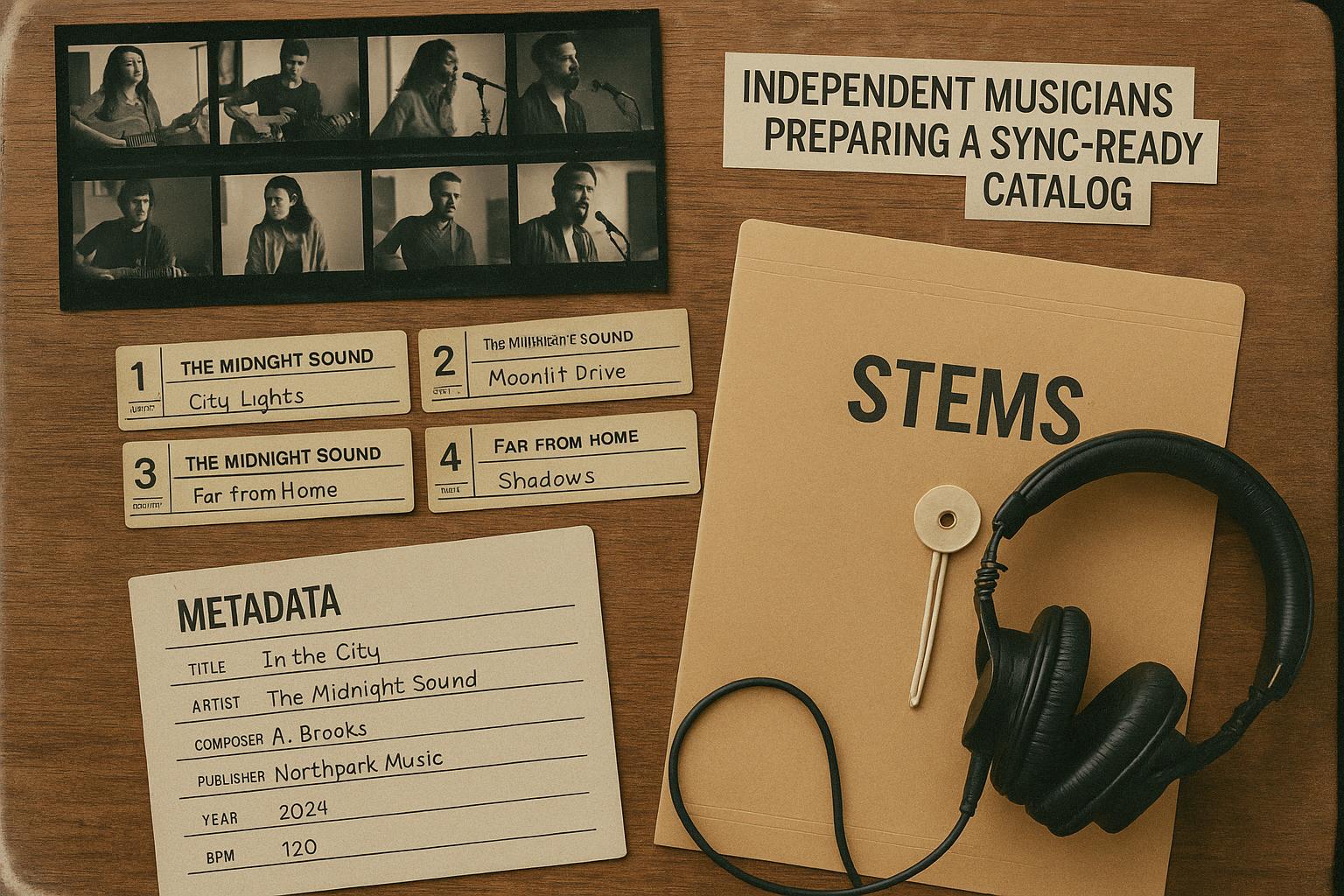
Essential deliverables for each track include:
Clear rights data and ownership clarity are non-negotiable in sync licensing. Supervisors won’t wade through ambiguity, so set up your rights readiness before you pitch. This section outlines the concrete steps to protect yourself and accelerate clearance.
Practical tip: keep a centralized rights hub (a shared folder or a rights management system) where every track, its ownership splits, and licensing permissions live. This reduces back-and-forth and speeds up negotiations.
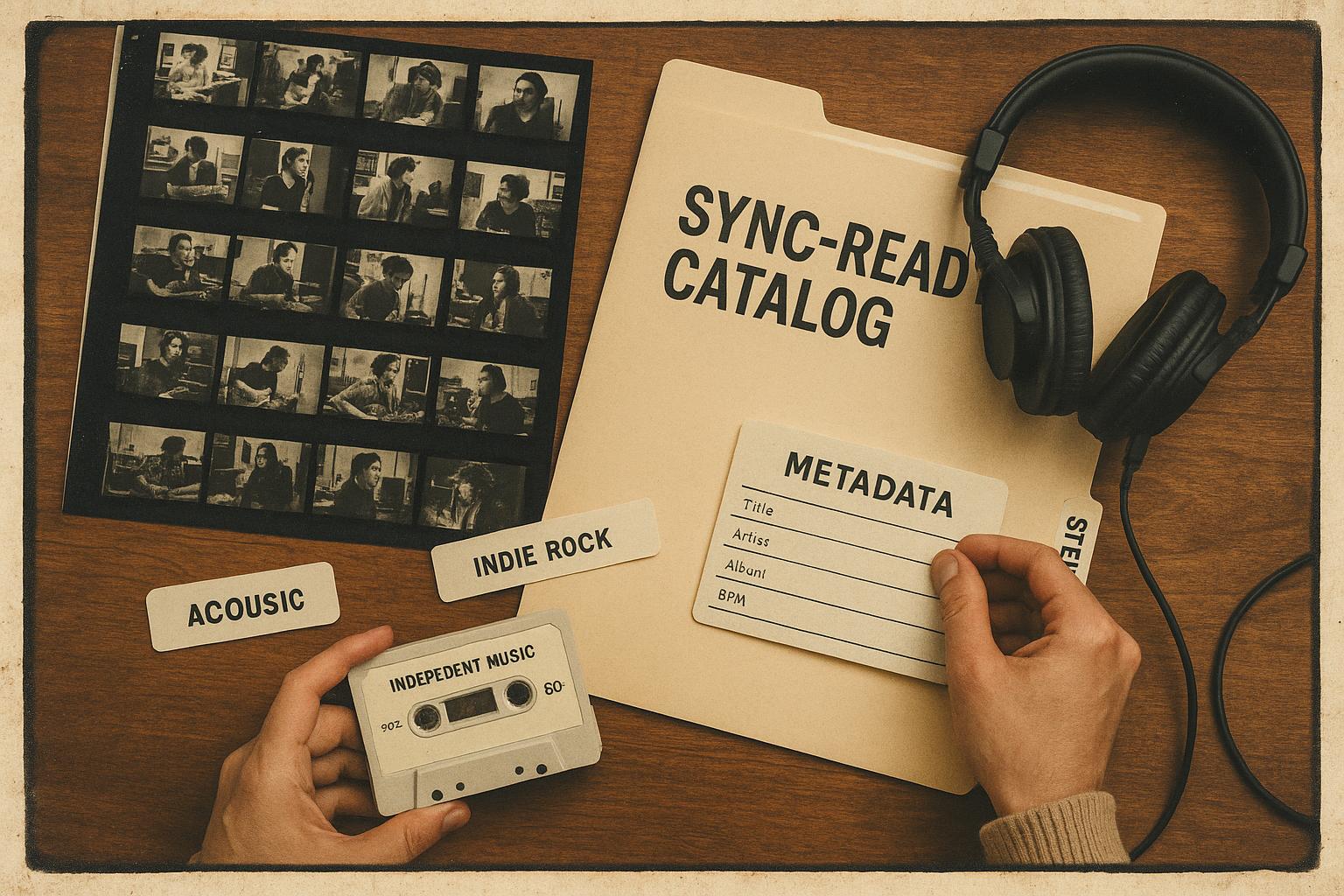
For a smooth clearance workflow, supervisors look for high-quality data and production-ready materials. Meeting these expectations helps your music move from audition to placement faster and more reliably.
In Los Angeles, where many licenses hinge on rapid responses to tight production windows, having your metadata dialed in and your stems ready can be the difference between a yes and a pass.
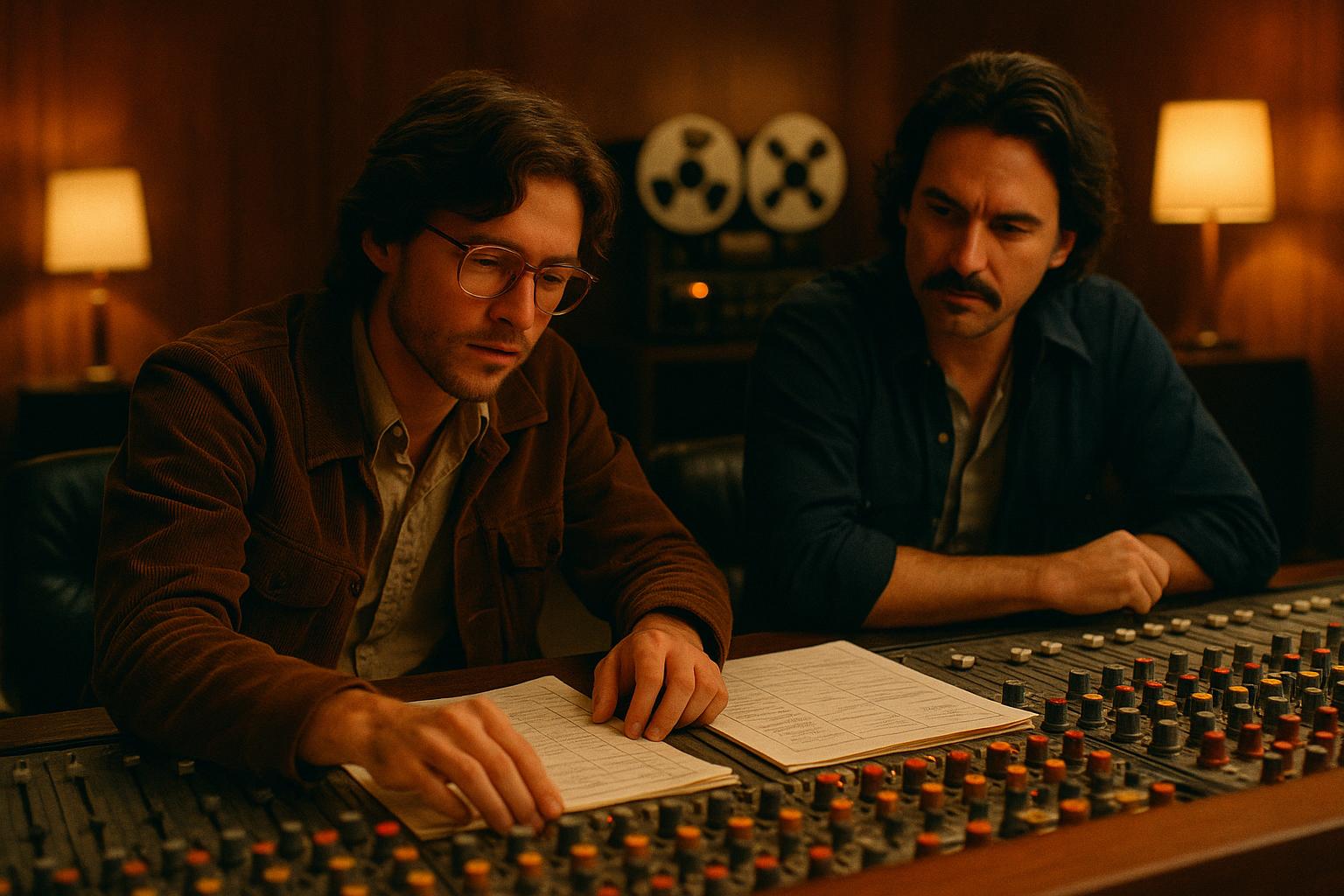
Collaborative workflows create more placement opportunities by aligning creative output with licensing realities. Implement these practices to boost efficiency and confidence among publishers, producers, and supervisors.
By integrating your publishing, sync, and distribution activities, you create a more attractive catalog for studios and networks. This approach also accelerates recurring revenue, since established relationships with supervisors tend to yield ongoing placements and renewals.
In a recent Los Angeles–focused case, a small production team built a 15-track catalog optimized for film and TV cues. They worked with One World Media to align ownership, create consistent metadata, and implement a streamlined clearance workflow. Within eight weeks, one track secured a placement on a popular streaming trailer, plus a subsequent license for a network drama. The team also began moving more tracks into development: stems and instrumental versions were delivered upfront, and cue sheets were filed promptly, cutting clearance time by half. This example demonstrates how disciplined publishing practices, combined with proactive sync strategy and distribution support, can generate steady sync income for independent artists and producers.
Q: What is typically required to start submitting to sync placements?
A: You need a clean ownership framework (master and publishing), accurate metadata (including ISRC/ISWC), properly prepared deliverables (stems, instrumentals, alternate mixes), and a ready-to-export cue sheet. A concise rights summary and licensing terms, plus a point of contact for fast approvals, are also essential. Partnering with a reliable publisher or rights administrator, such as One World Media, helps ensure your catalog is submission-ready and scalable.
Q: How do I ensure my metadata won’t hold up clearance?
A: Standardize metadata across all tracks from the outset. Use consistent spellings for artist and songwriter credits, attach correct ISRC/ISWC codes, verify publisher and PRO affiliations, and maintain up-to-date contact information. Create a centralized metadata log and require every new track to pass a metadata QC checklist before release.
Q: How long does it take to see results from sync licensing efforts?
A: Timelines vary by project, but a well-prepared catalog often starts yielding opportunities within 4–12 weeks for initial pitches, with ongoing placements accelerating as the catalog grows and relationships mature. Routine updates, rapid turnaround on edits, and reliable rights data help shorten cycles in busy markets like Los Angeles.
Q: Should I work with a publishing/rights administrator, and why?
A: Yes. A dedicated rights partner accelerates clearance, ensures accurate metadata, handles licensing documents, and coordinates with PROs and sub-publishers. This partnership lets you focus on creating music while maximizing your sync potential, revenue, and long-term catalog growth.
If you’re ready to evolve your catalog into a predictable, revenue-generating sync system, publish your music with confidence through One World Media. Our holistic services—sync strategy, music publishing, rights admin, distribution, and artist development—are designed to help you scale in today’s competitive landscape, with a strong emphasis on the Los Angeles market and its vast network of collaborators.
For more information, please contact us at support@oneworldmedia.global or call (307) 200-8139.