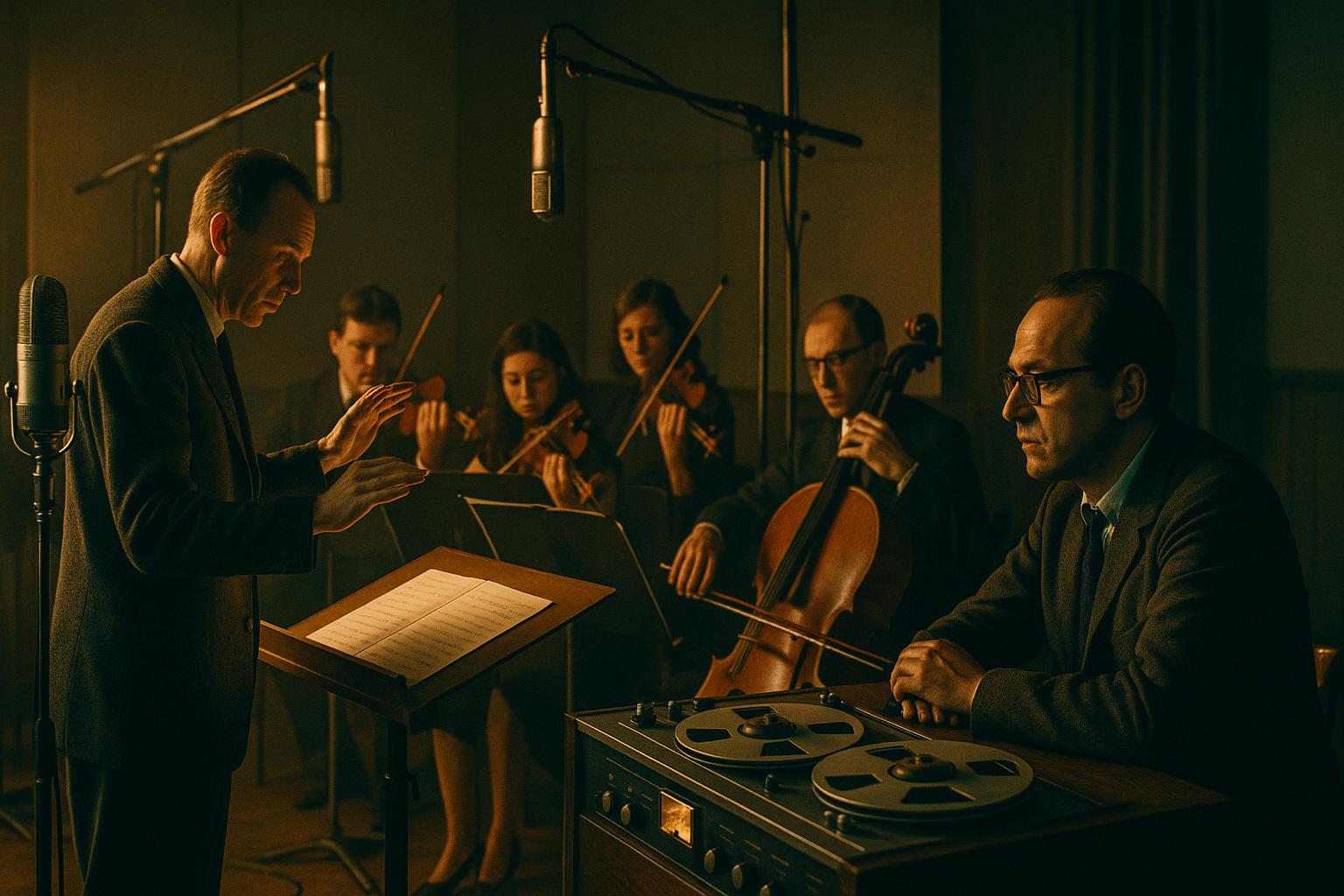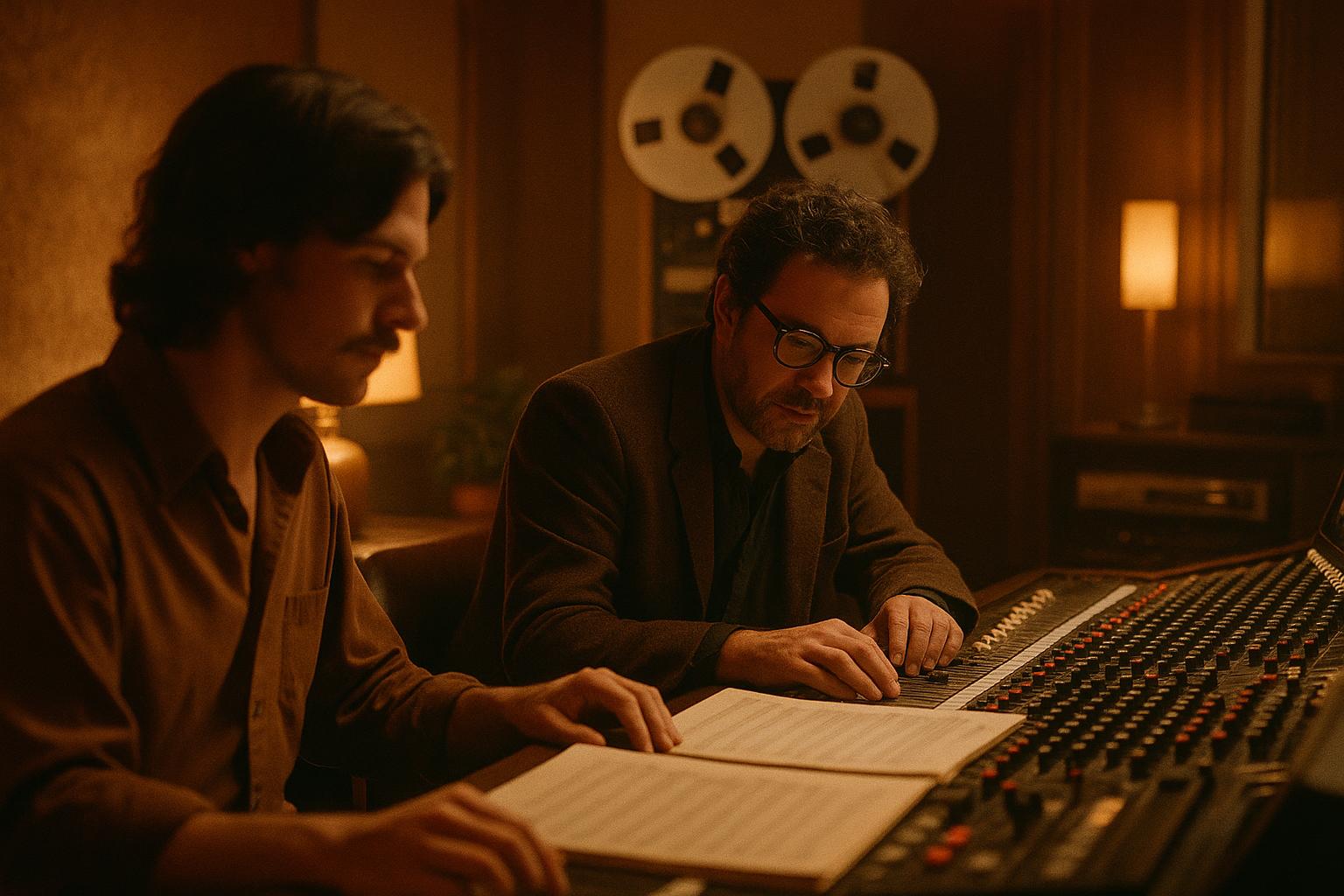
In today’s competitive media landscape, sync supervisors are the gatekeepers to placements across movies, TV shows, trailers, ads, and streaming content. This practical guide helps producers build a catalog that speaks to their needs, songwriters pitch confidently, and catalogs scale into recurring sync revenue. One World Media offers end-to-end services—from strategic sync planning and music publishing to rights administration, distribution, and artist development—rooted in the vibrant Los Angeles ecosystem where most major opportunities originate.
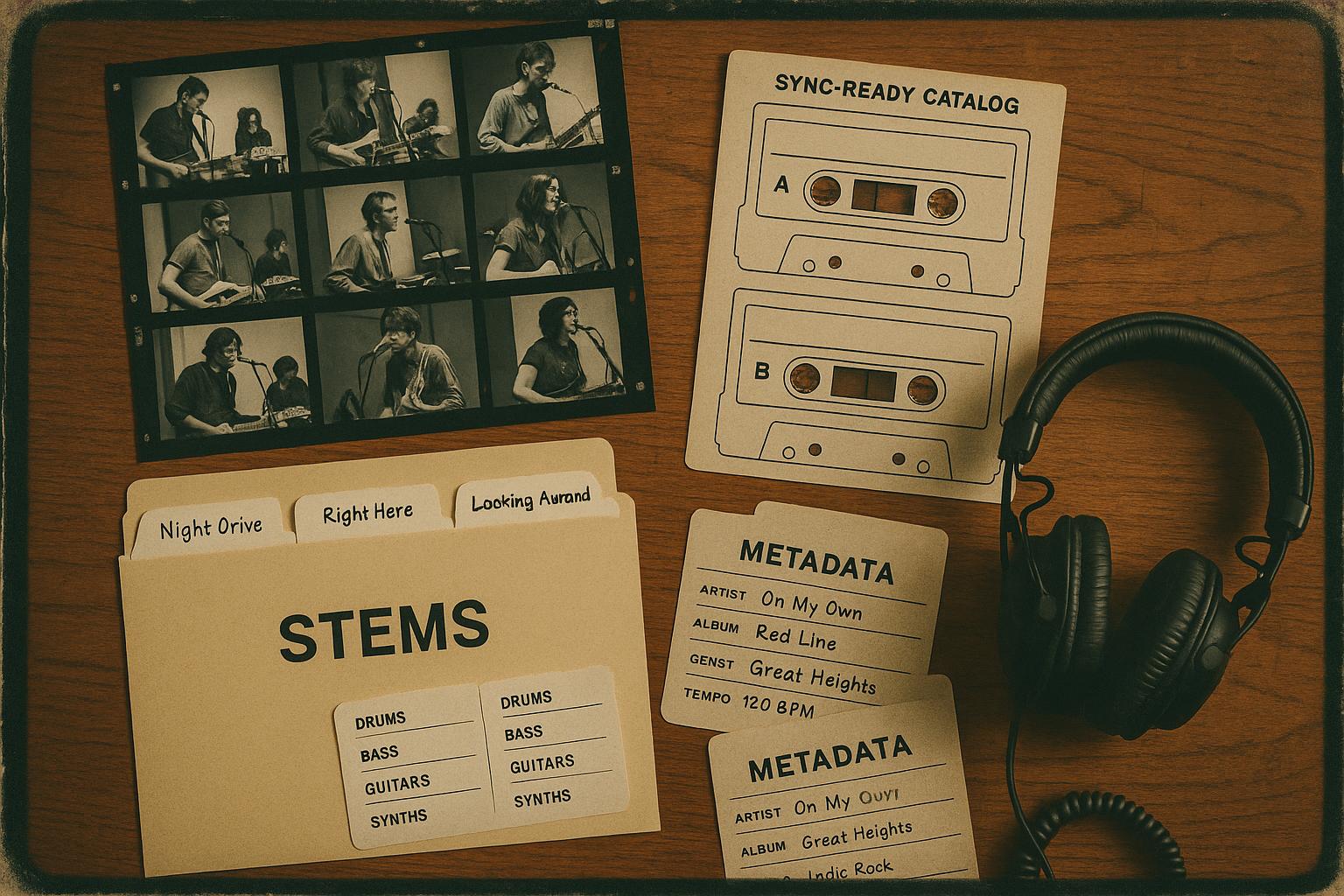
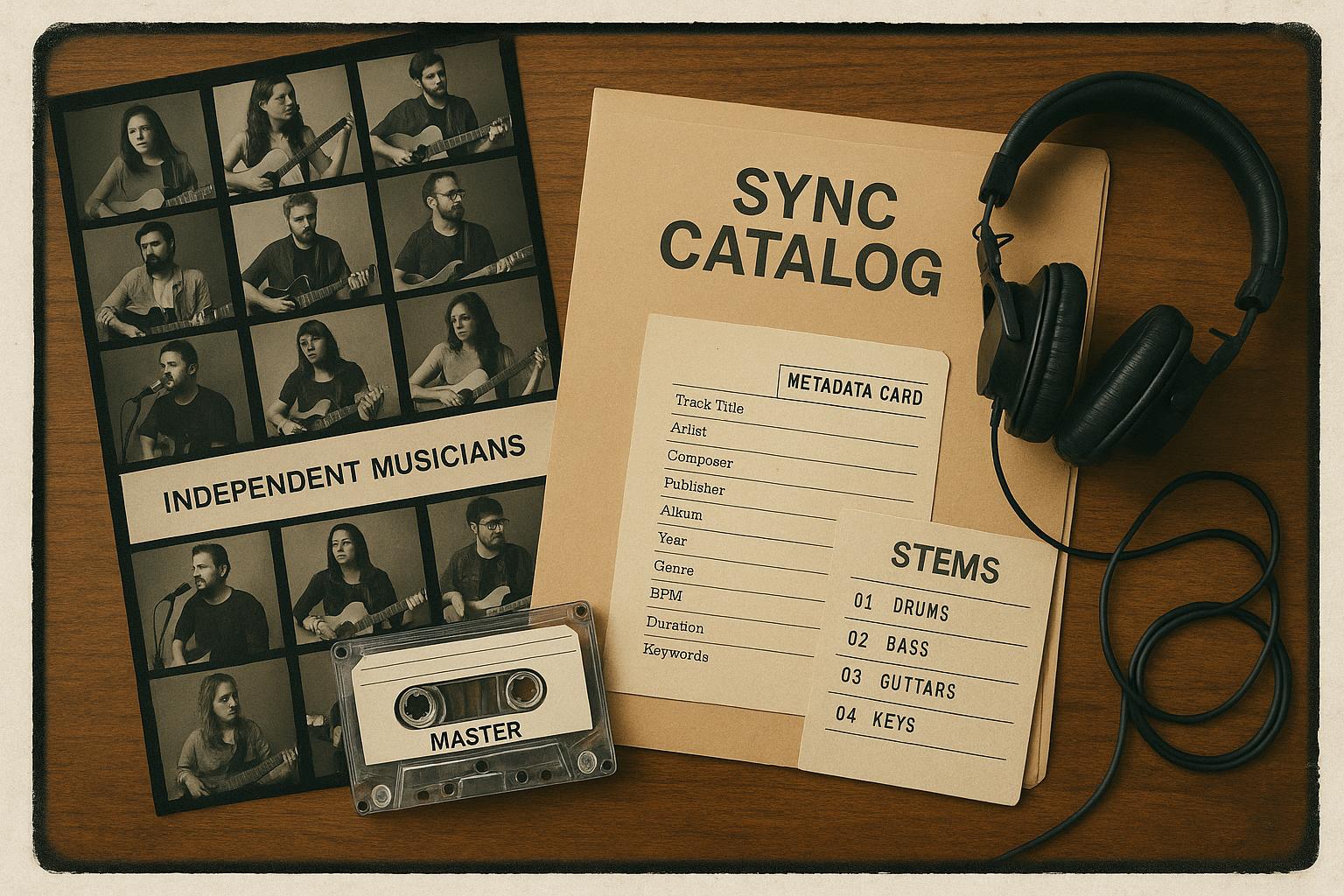
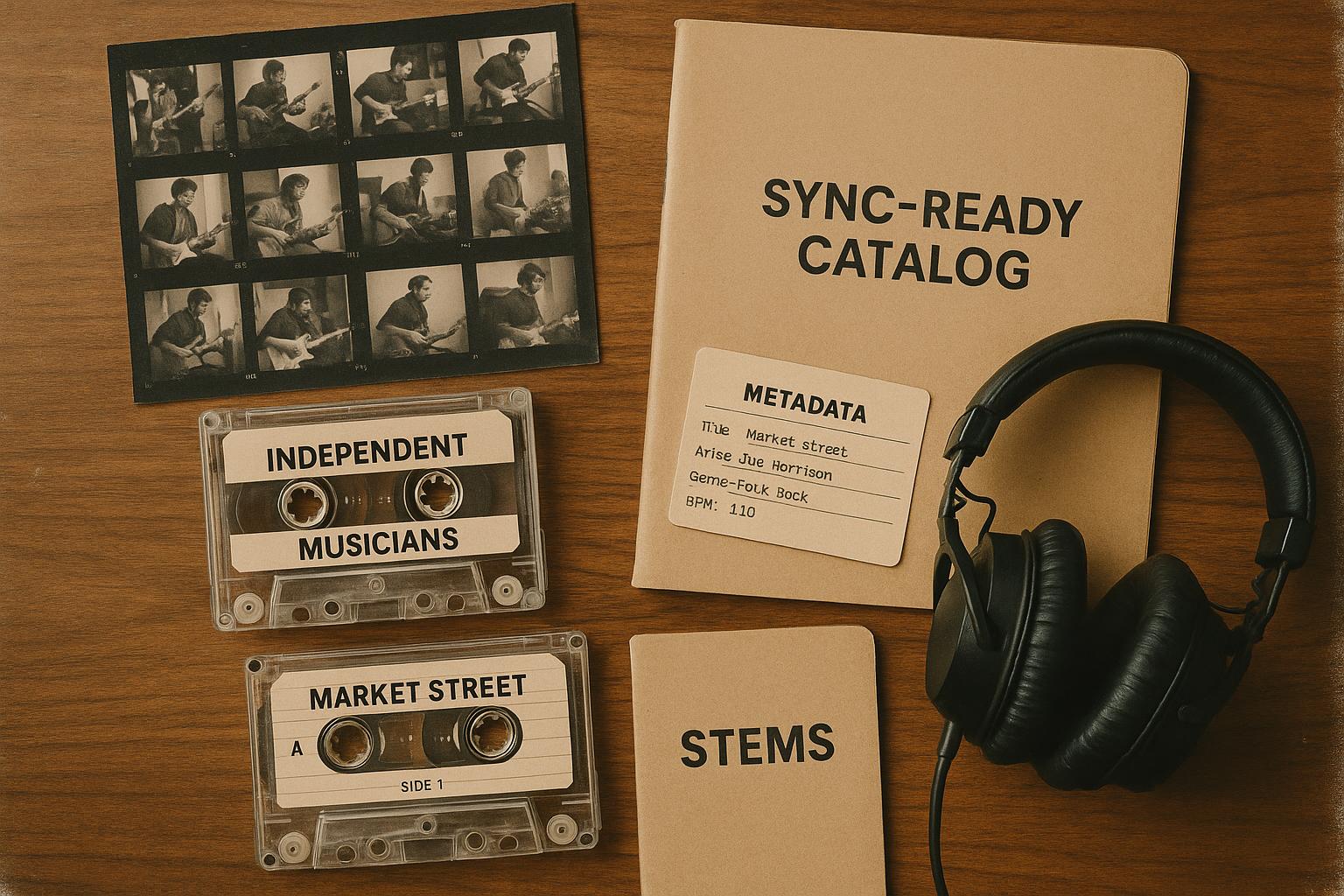
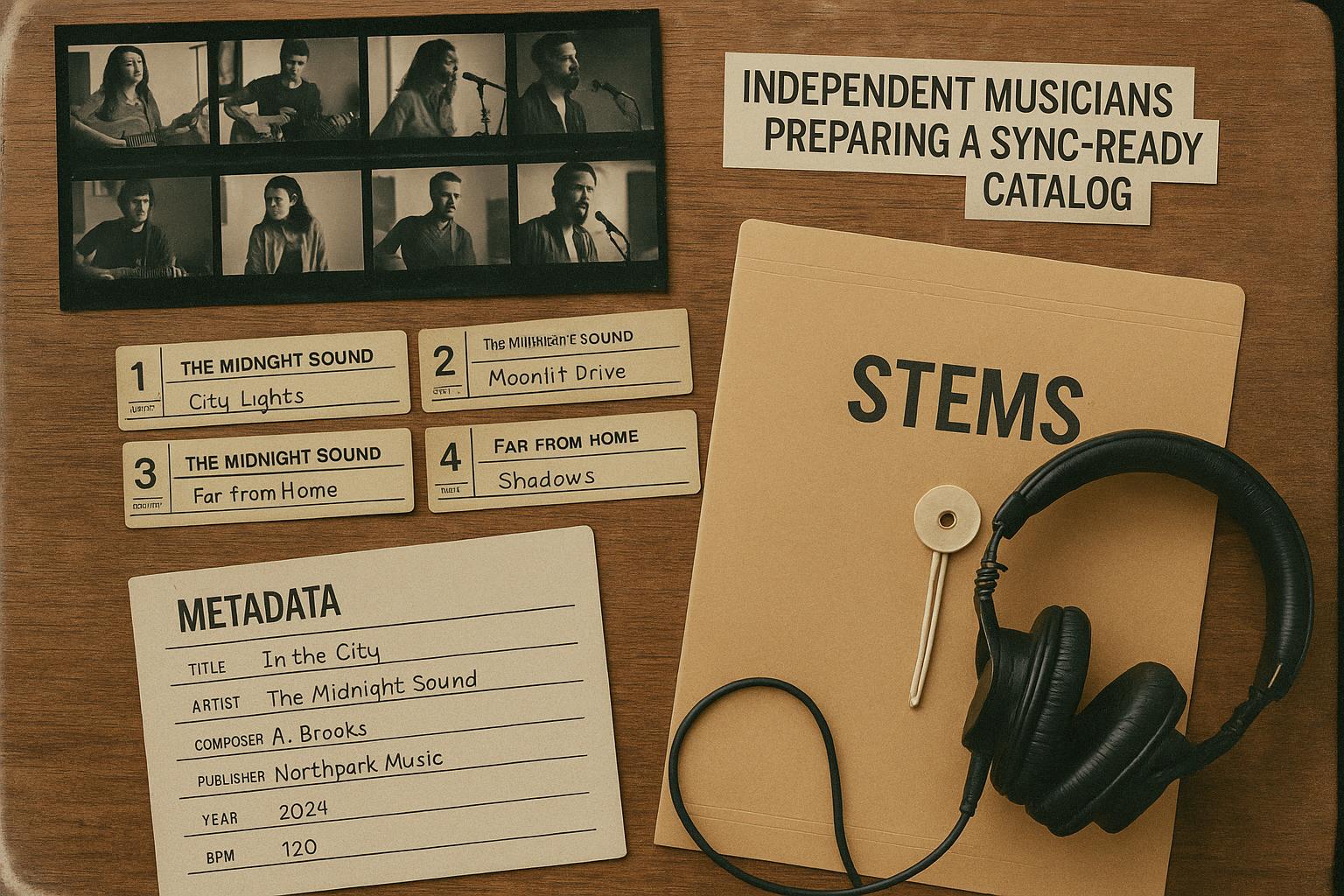
A well-structured catalog accelerates decisions for sync supervisors and increases your win rate on briefs. Focus on delivering clean, professional assets with consistent metadata and fast-access deliverables. Here’s a practical checklist to get you there:
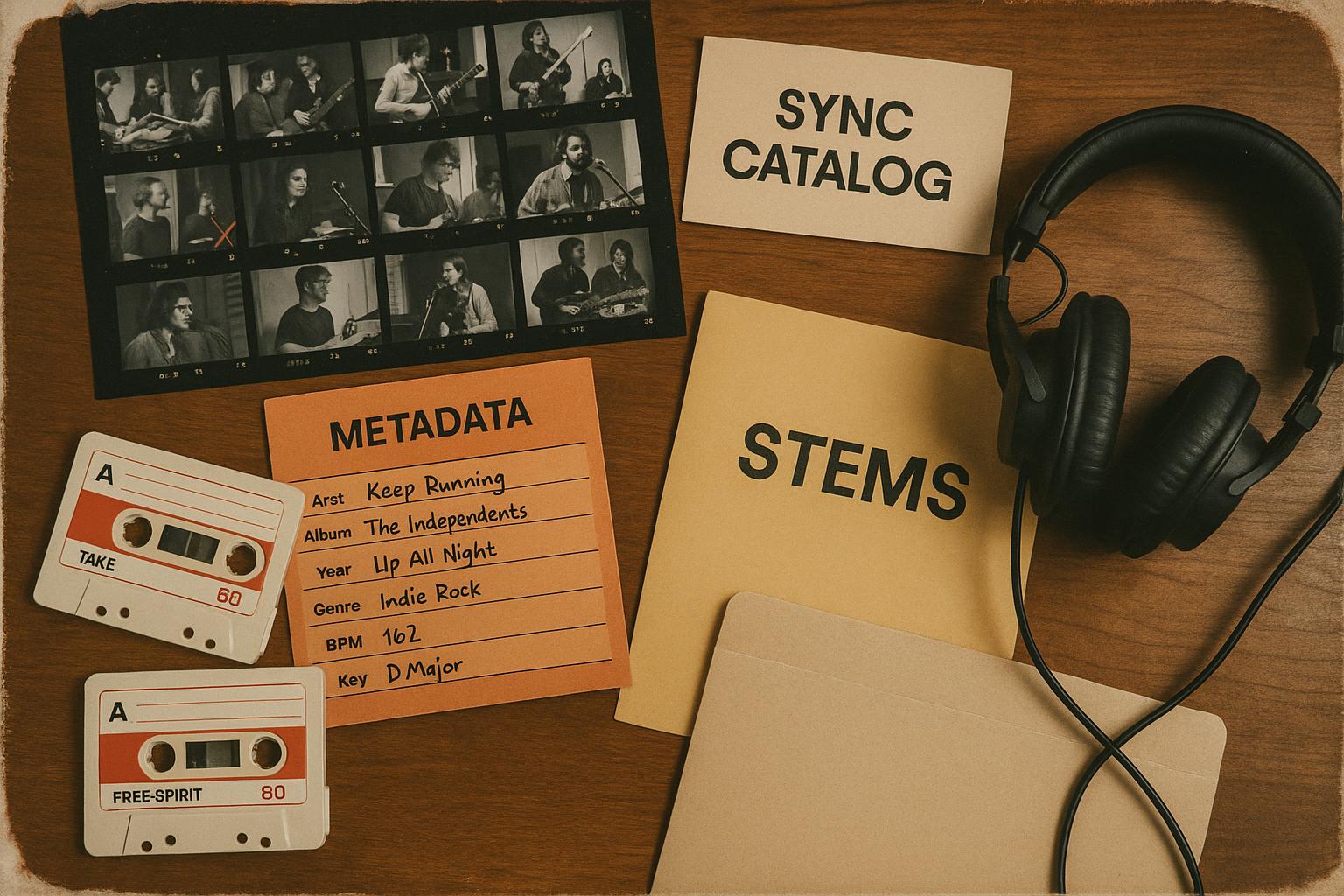
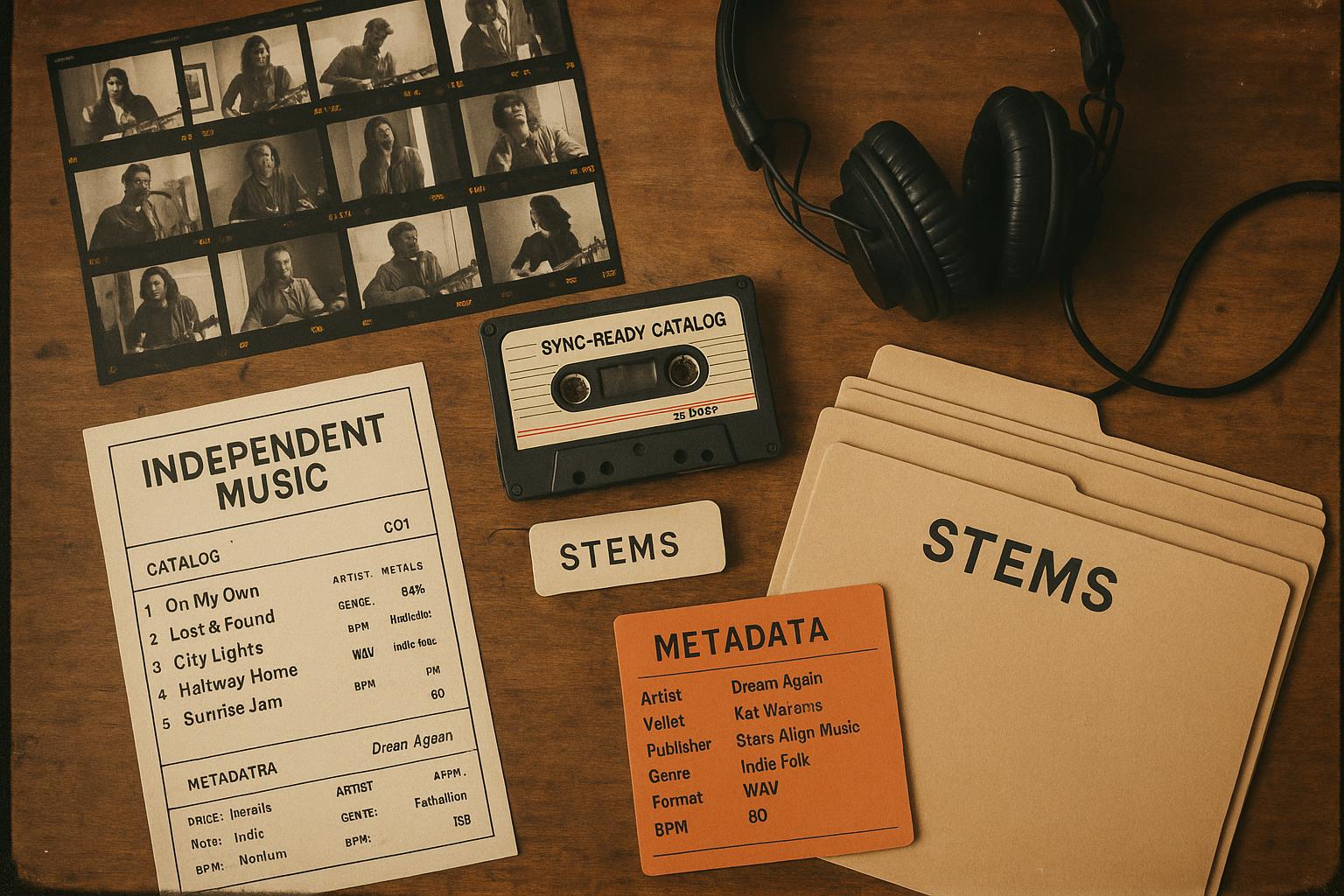
Step-by-step: assemble, audit, and test your catalog before you pitch. Start with a core set of 20–30 tracks that you know fit midsize to large briefs, then layer in variations. Use standardized file naming and a centralized metadata template so any sync supervisor or music supervisor on your team can quickly locate stems, instrumentals, or alternative mixes. One World Media supports this workflow with scalable catalog development services, ensuring your catalog is consistently pitch-ready for Los Angeles-based sync opportunities and beyond.
When a sync supervisor opens a pitch, they’re looking for clarity, speed, and clear licensing. Meeting these needs builds trust and increases the likelihood of repeat placements. Here are the essential requirements to prioritize:
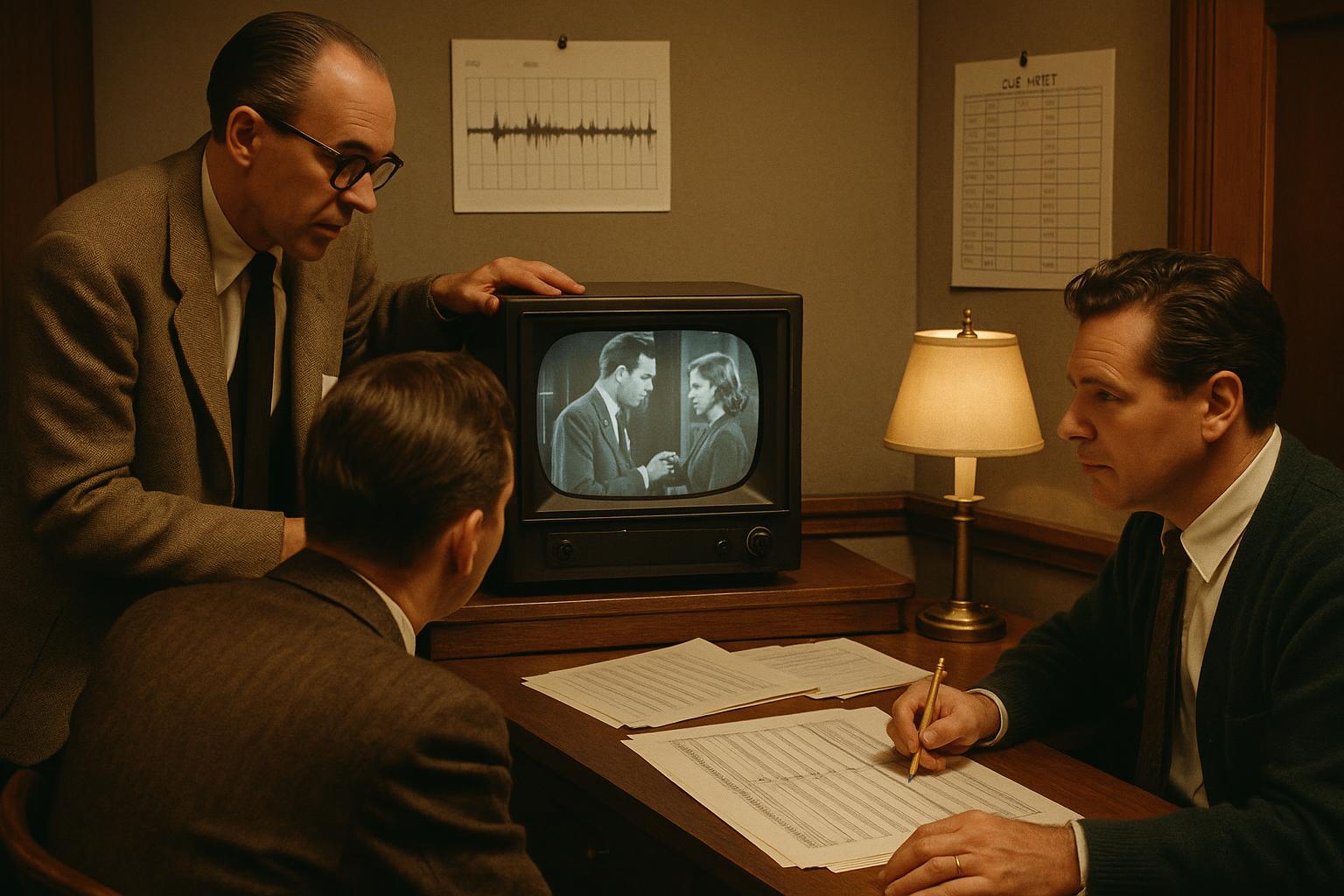
In practice, a well-prepared artist roster with accessible stems and a precise cue sheet can dramatically shorten post-production cycles, enabling sync supervisors to lock in approvals faster. This humility in serving the supervisor’s workflow—without unnecessary friction—positions One World Media as a trusted partner for publishing, sync, distribution, and catalog development, particularly within the Los Angeles market where workflows are highly optimized and relationships matter.
This rights and readiness framework reduces friction downstream and increases the confidence of sync supervisors in placing music across varied media. The proper alignment of master ownership, publishing interests, and cue documentation also streamlines rights administration, distribution, and artist development initiatives offered by One World Media.
Strategic collaboration between producers and songwriters accelerates placement success. Implement streamlined workflows that align with the pace of production cycles, especially in Los Angeles where many briefs arrive on tight timelines. A practical approach includes:
Case in point: A Los Angeles-based producer and an indie songwriter partnered with a brief from a streaming series. They delivered a master with two stems, an instrumental version, and a complete cue sheet within 72 hours. The quick turnaround, precise metadata, and adaptive alt-mix strategy enabled the sync supervisor to place the track in a pilot episode, which then opened doors to multiple follow-on licenses in subsequent episodes. This scenario illustrates how disciplined collaboration workflows, supported by a robust catalog strategy, translate into repeat opportunities—and ongoing revenue—for independent artists through One World Media’s publishing, sync, and distribution services.
Q: How long does a typical sync clearance take?
A: It varies by project, but clearances can range from a few days to a few weeks. A well-prepared catalog with complete metadata, stems, and bilingual licensing notes accelerates timelines and reduces back-and-forth with rights holders.
Q: What files should I provide to increase my chances of a placement?
A: Provide masters, stems, alt mixes, instrumental versions, complete cue sheets, and a clear metadata packet (ISRC, ISWC, publishers, writers, PROs). Quick delivery formats (WAV 24-bit/48k) and well-labeled names help reviewers compare quickly against briefs.
Q: Do I need a separate contract for each usage type (trailer, streaming, broadcast)?
A: In most cases, a one-stop license is ideal for simplified clearance unless a brief specifies exclusive or restricted rights. If not possible, clearly defined licensing terms for each usage type prevent confusion later.
Q: How can I demonstrate collaboration readiness to a sync supervisor?
A: Show a complete delivery package: polished master with stems, alt mixes, instrumentals, ready-to-use cue sheets, precise timing notes, and a clean, consistent metadata set. A documented collaboration workflow with milestones also signals reliability.
For more information, please contact us at support@oneworldmedia.global or call (307) 200-8139.