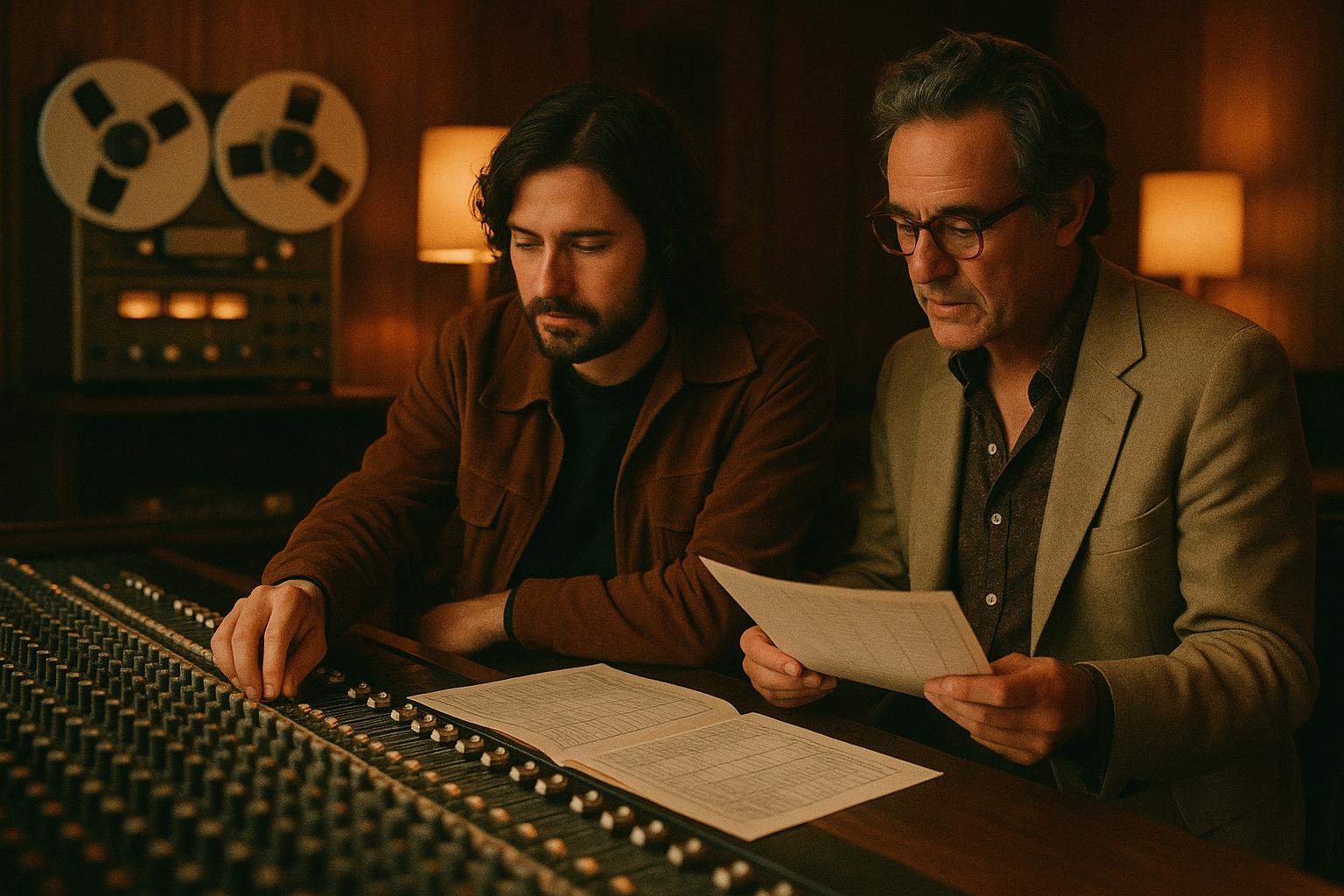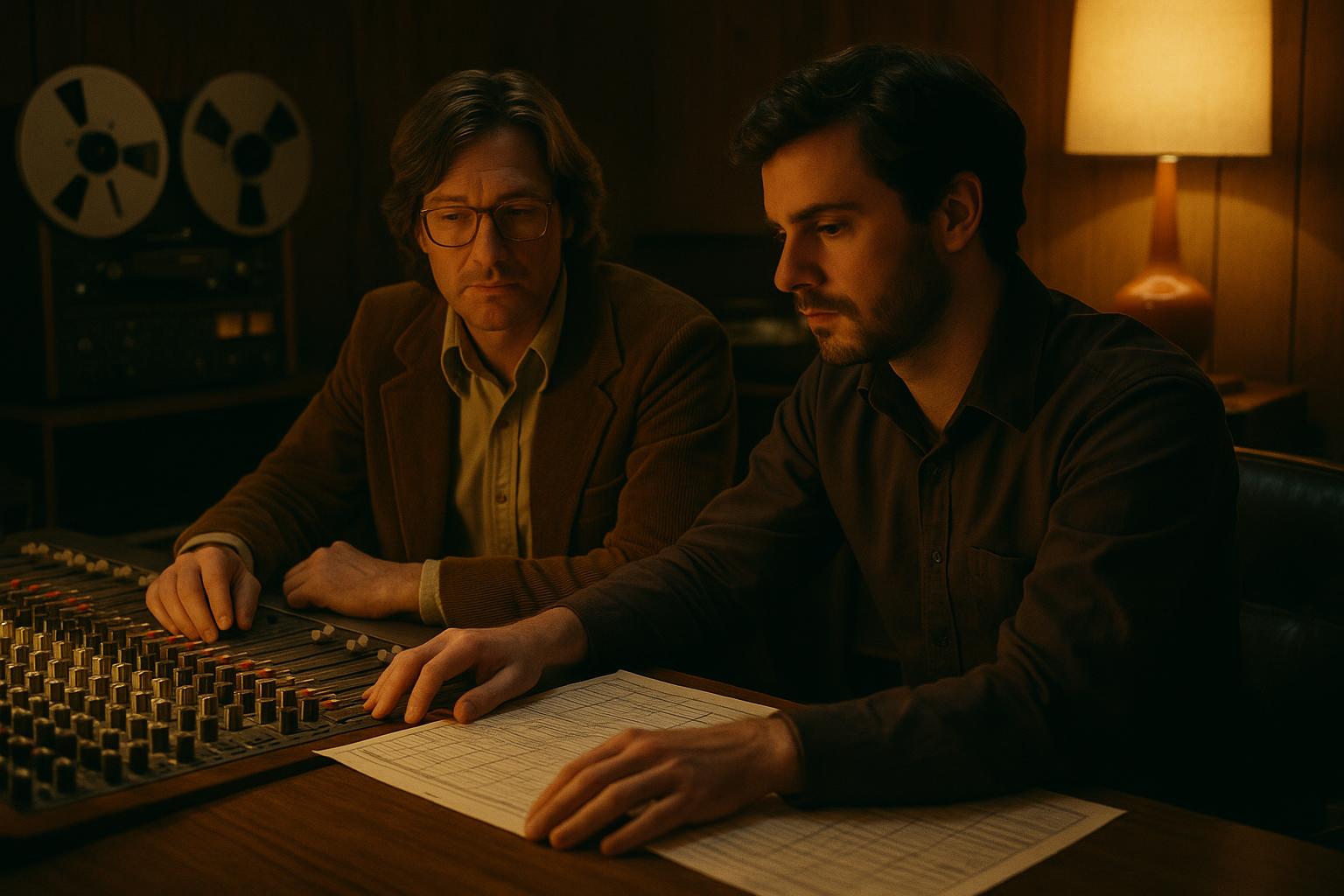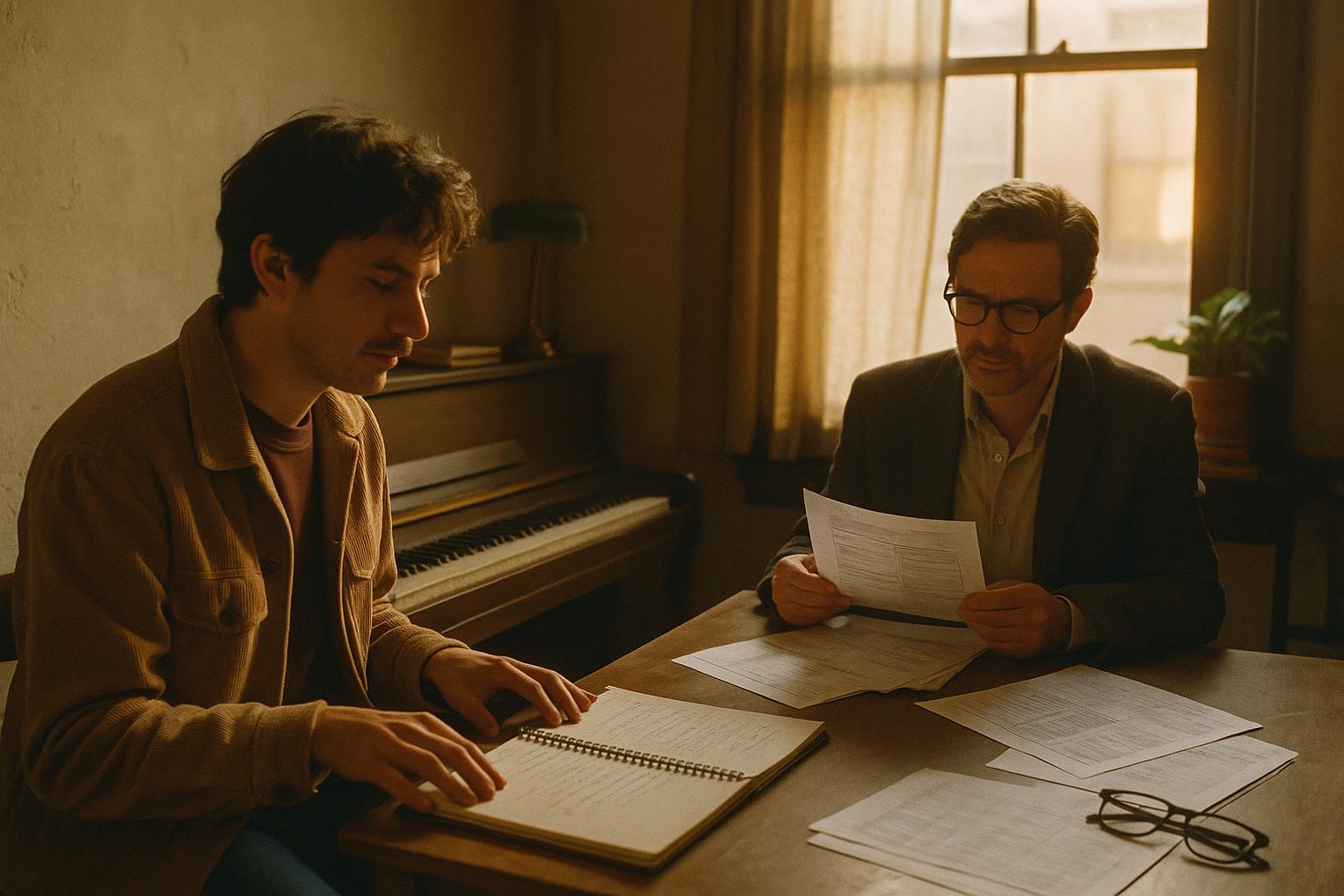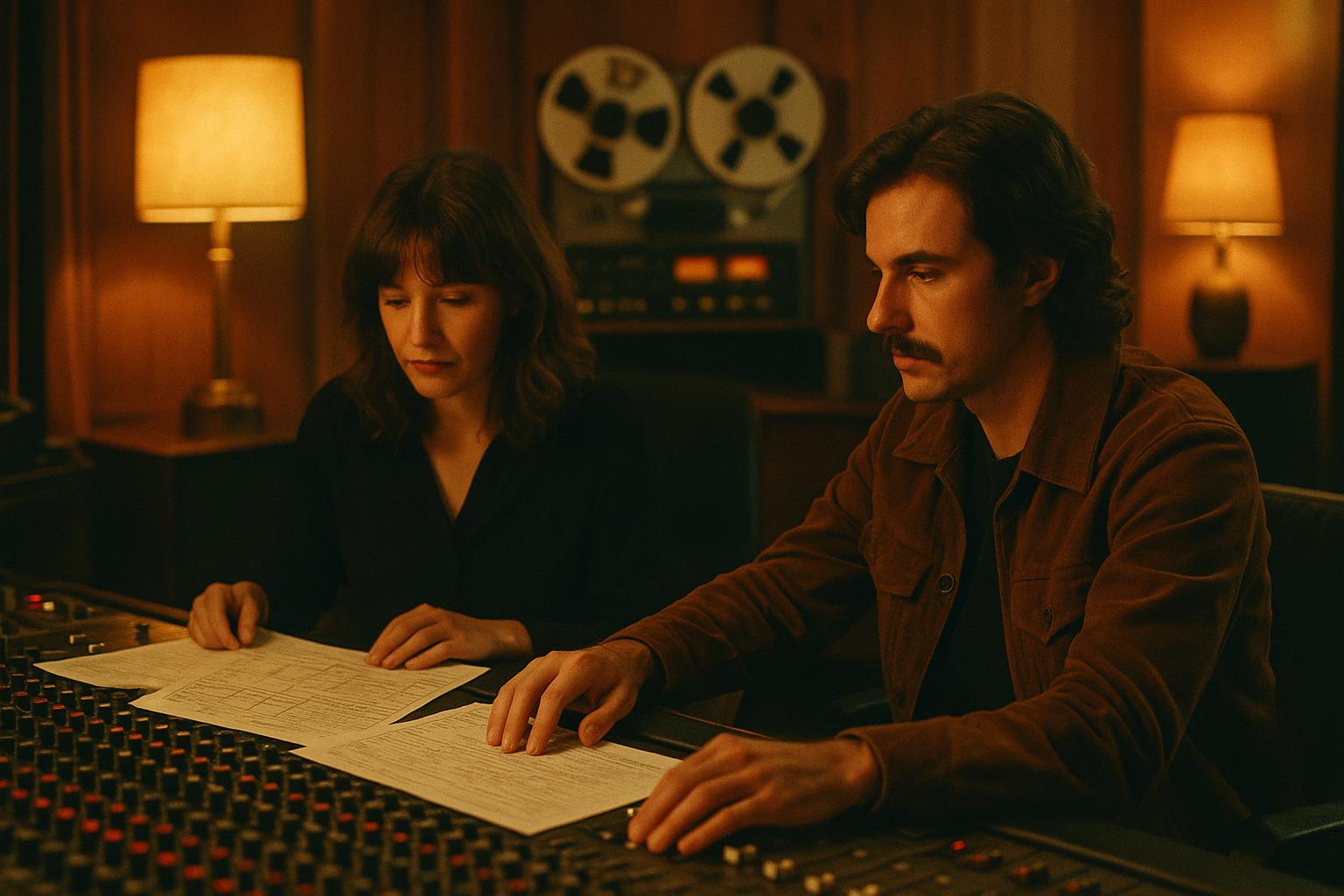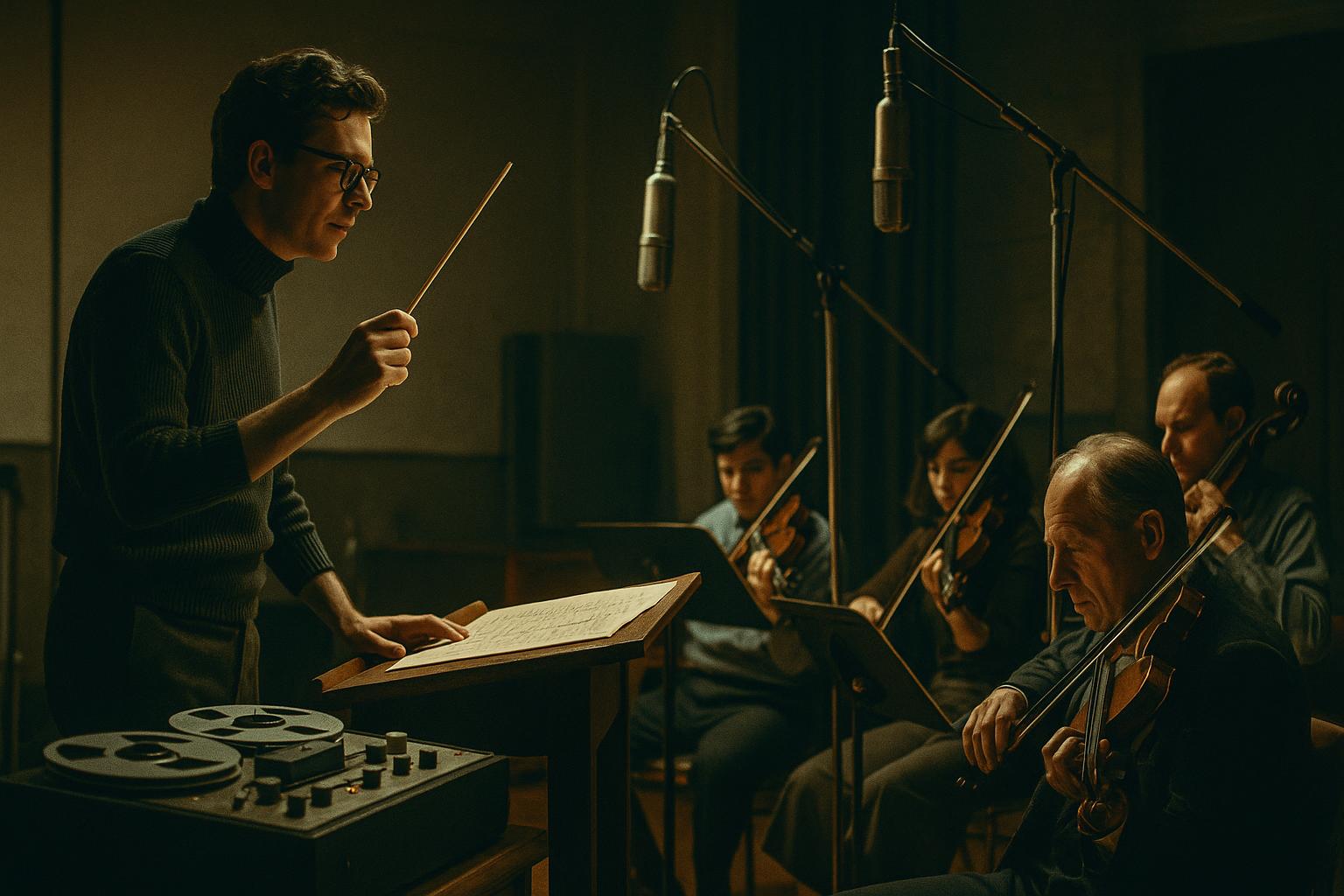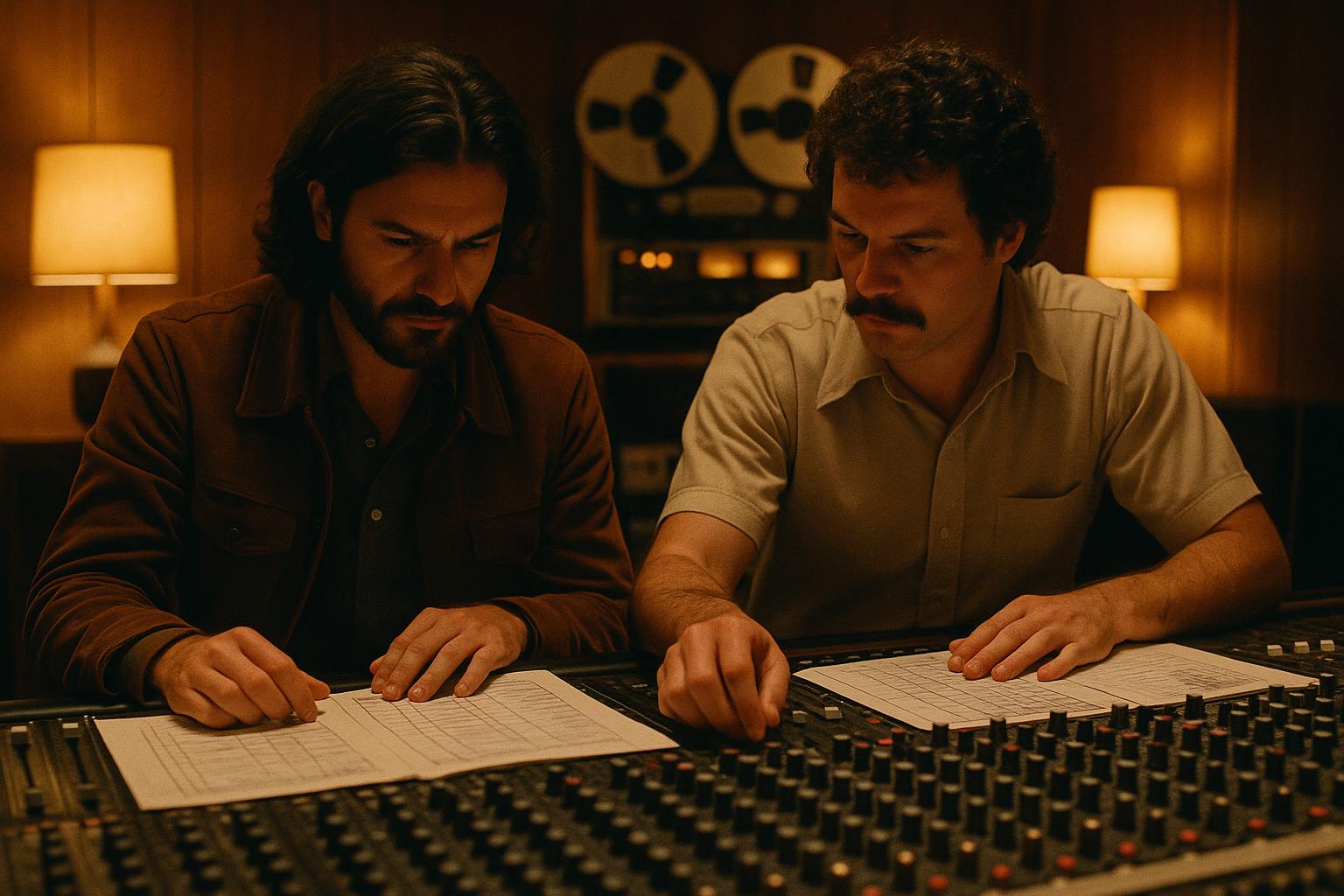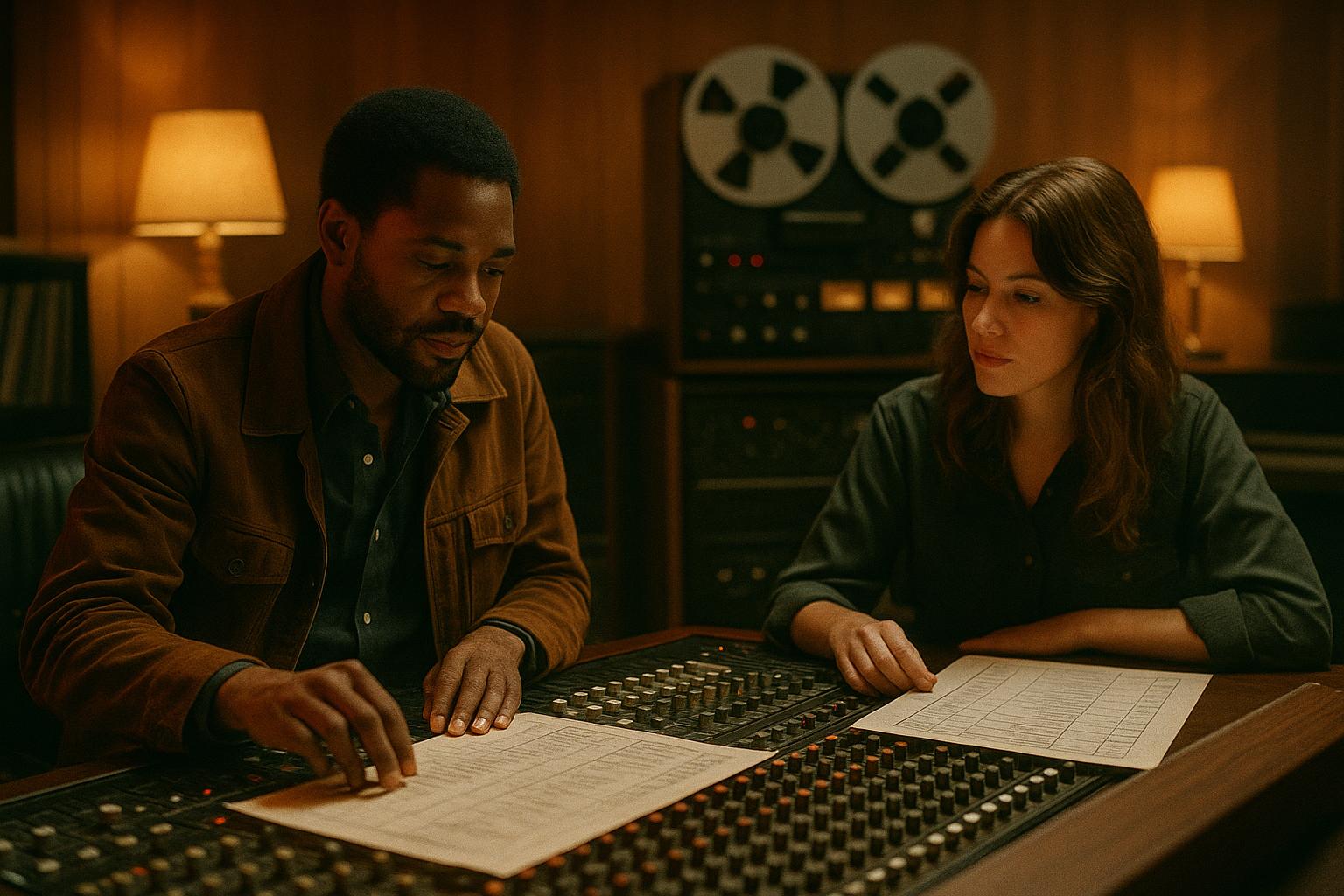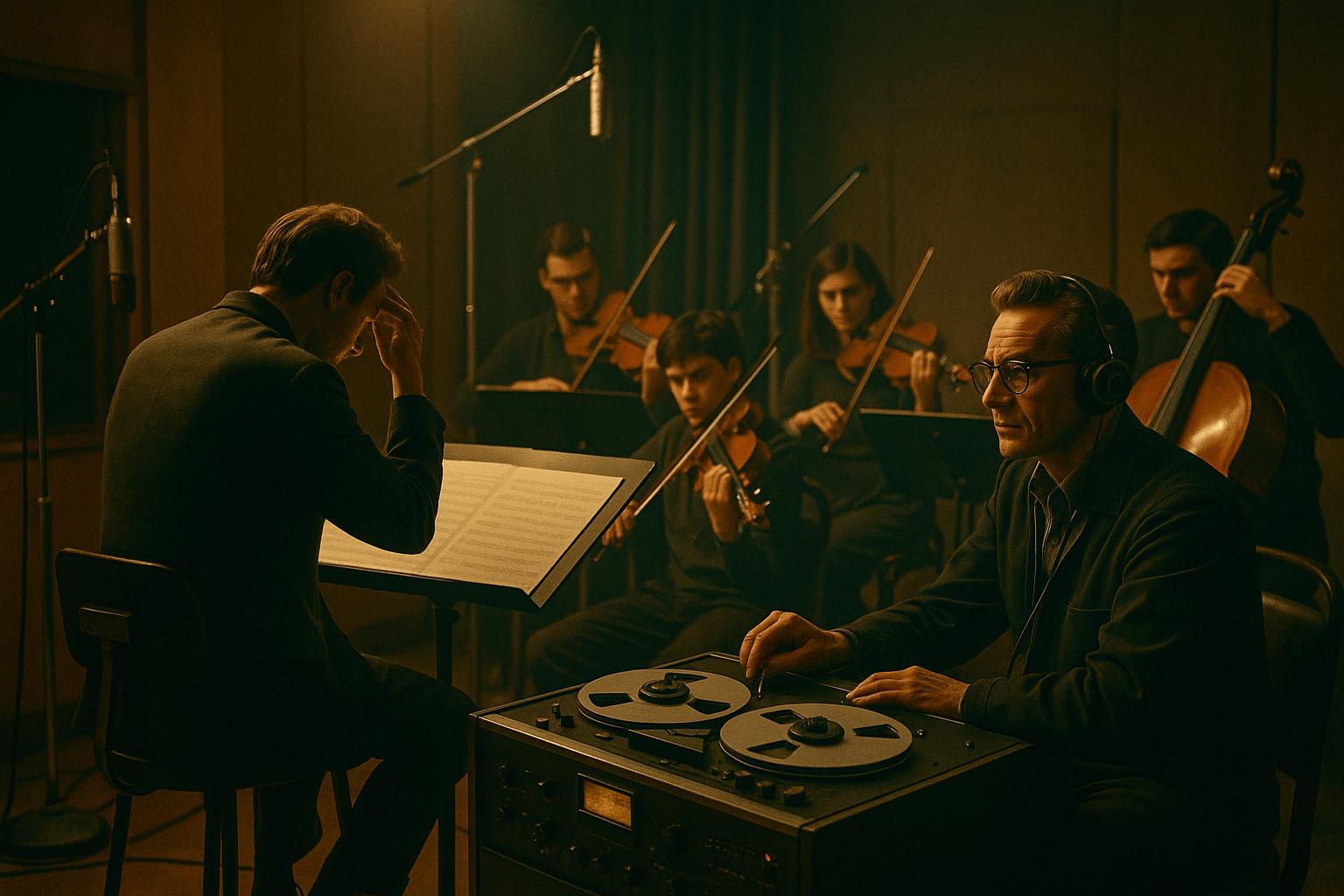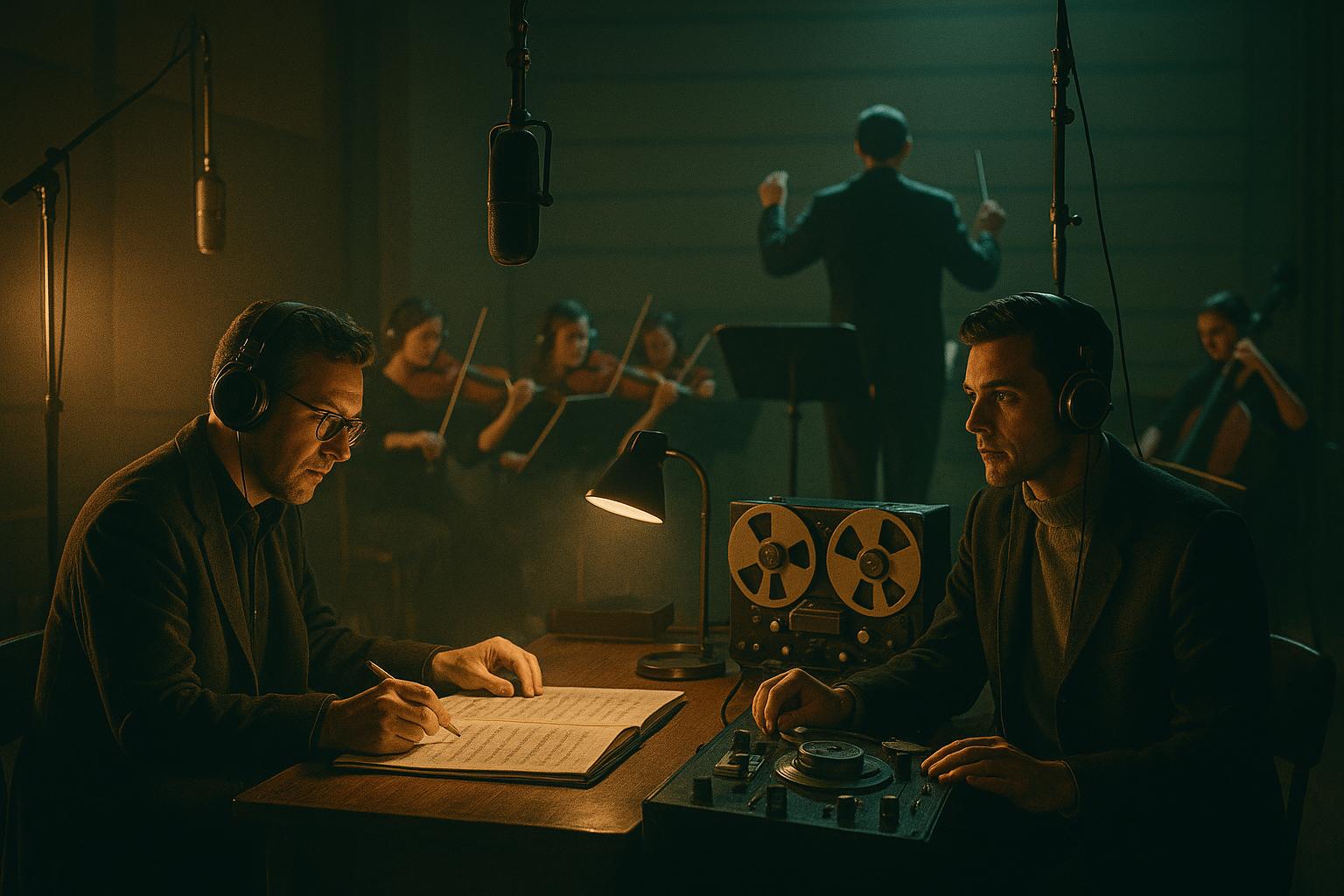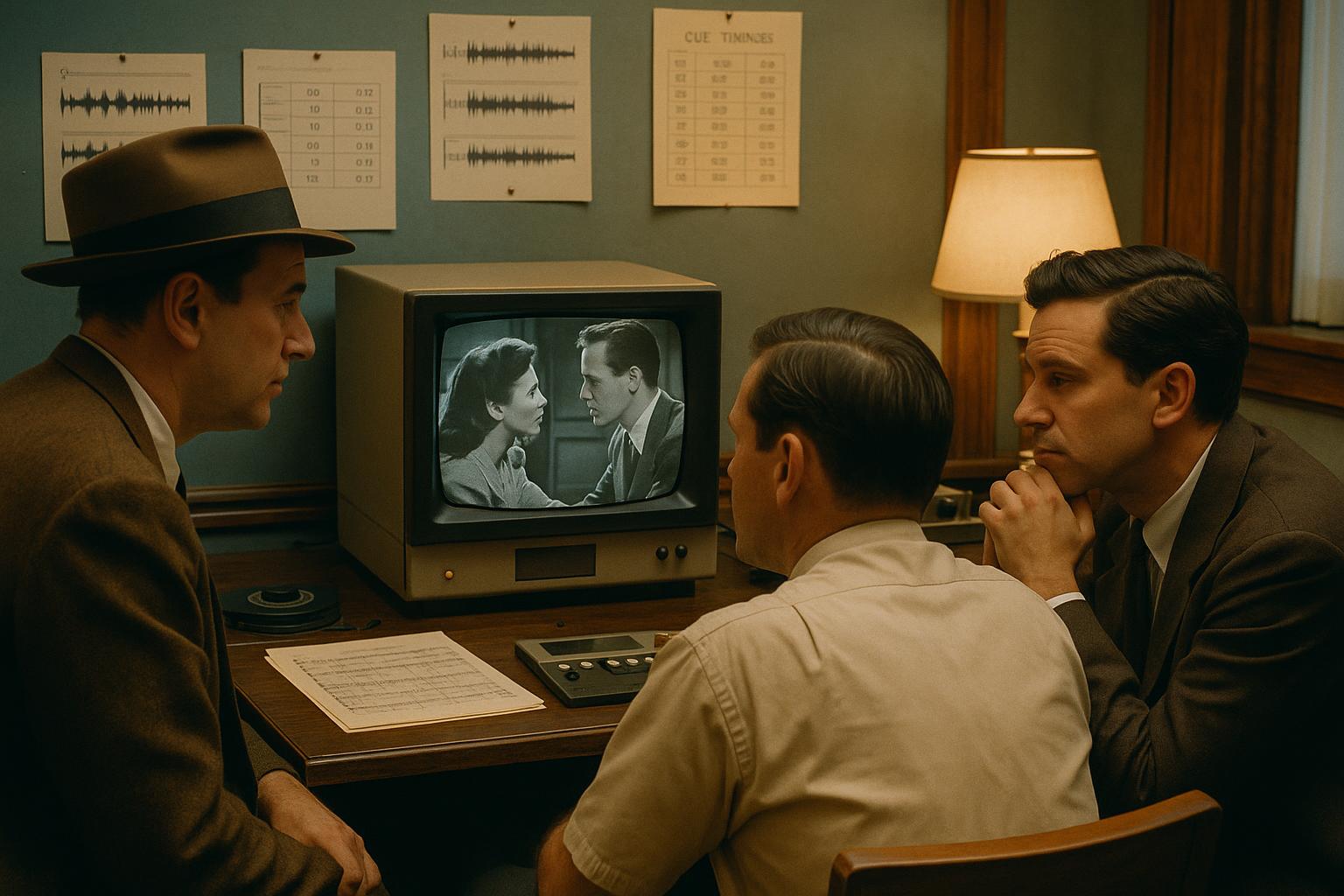
In today’s ecosystem, Digital music marketing isn’t just about getting streams; it’s about aligning your catalog with the storytelling needs of filmmakers, producers, and brand teams. This article provides a clear, actionable playbook for producers building placement-ready catalogs, songwriters pitching for screen, sync supervisors sourcing clearable music, and independent musicians seeking recurring sync revenue. Across publishing, rights administration, distribution, and artist development, One World Media offers a comprehensive roadmap to scale placements and develop a catalog that keeps paying out after the initial license.
Placements in film, TV, trailers, and ads demand more than a great song. They require timing, clarity, and a metadata backbone that makes your music discoverable by busy supervisors. A well–structured strategy—rooted in Digital music marketing principles—helps you:
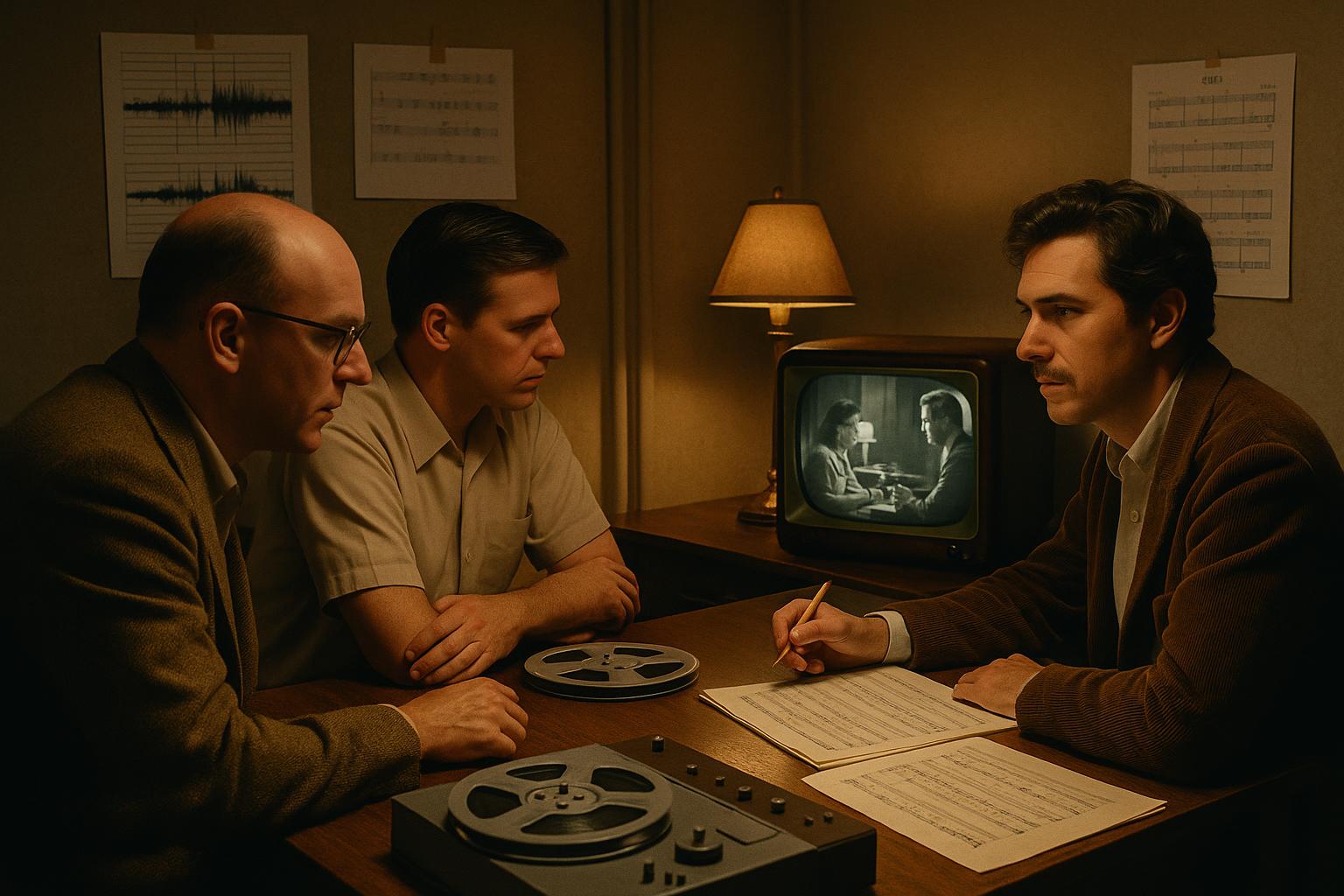
Los Angeles remains a pivotal hub where studios, agencies, and editors converge. A strong strategy that integrates sync strategy, music publishing, rights admin, and distribution can shorten cycles and improve the odds of getting heard by decision-makers who matter.
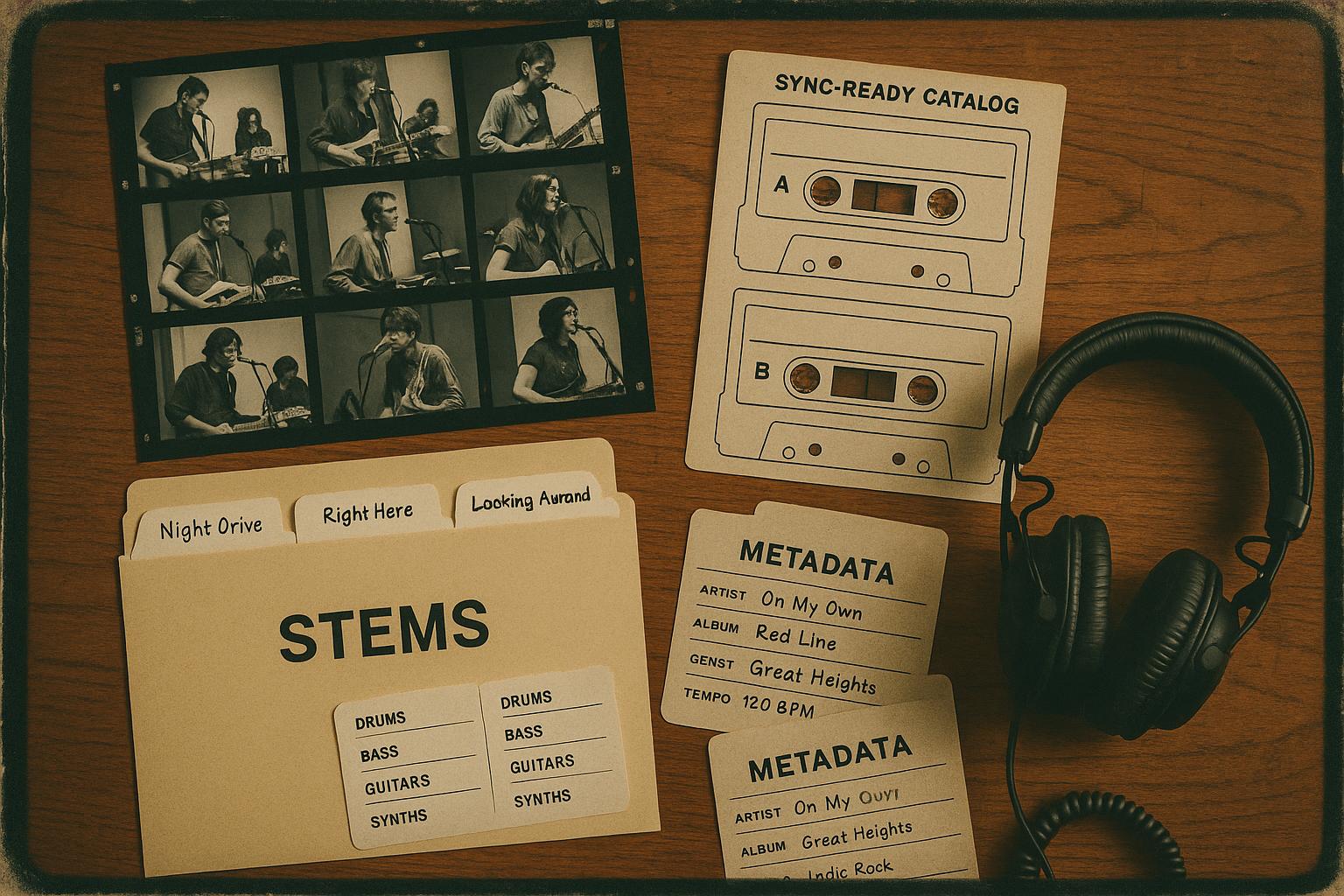
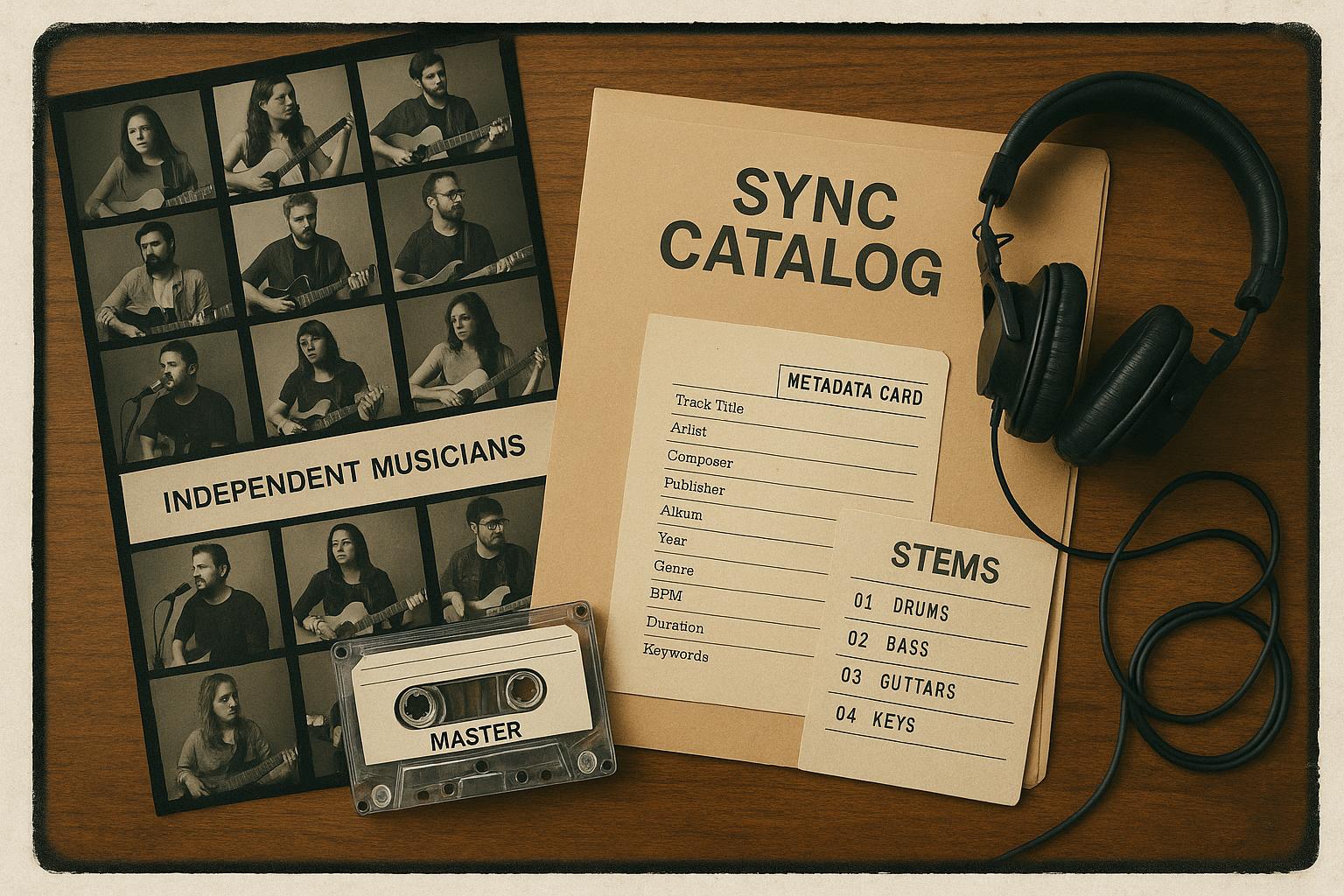
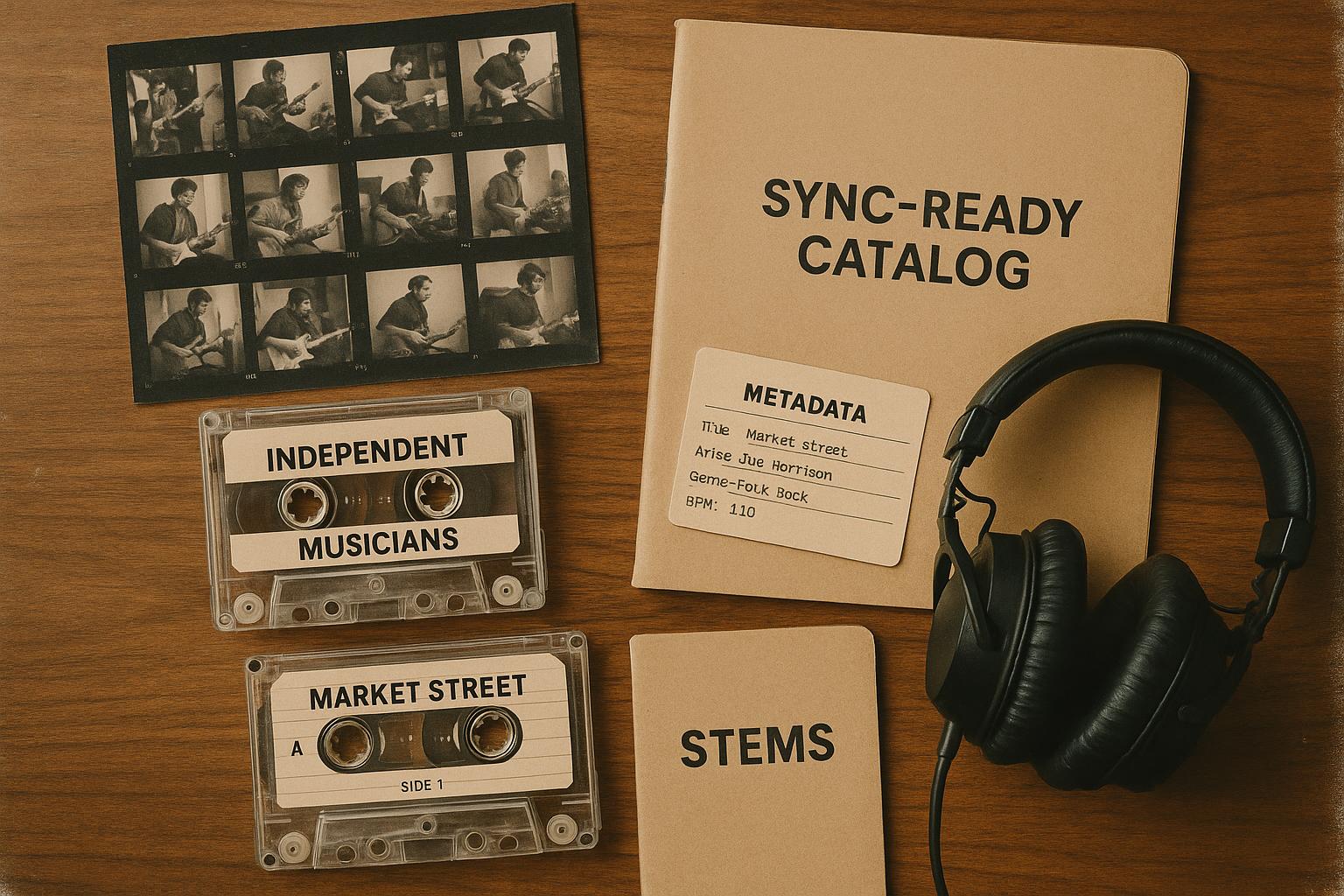
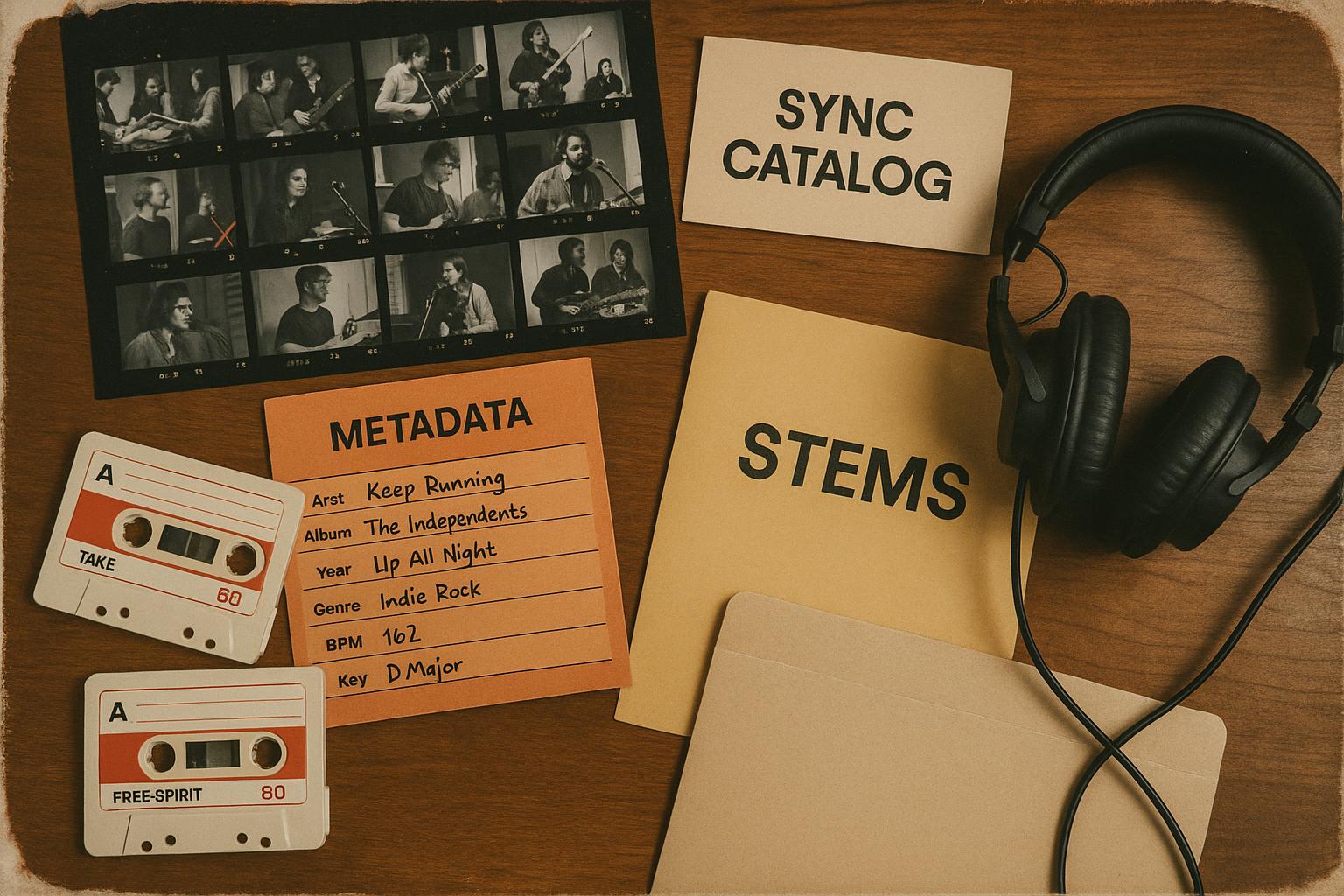
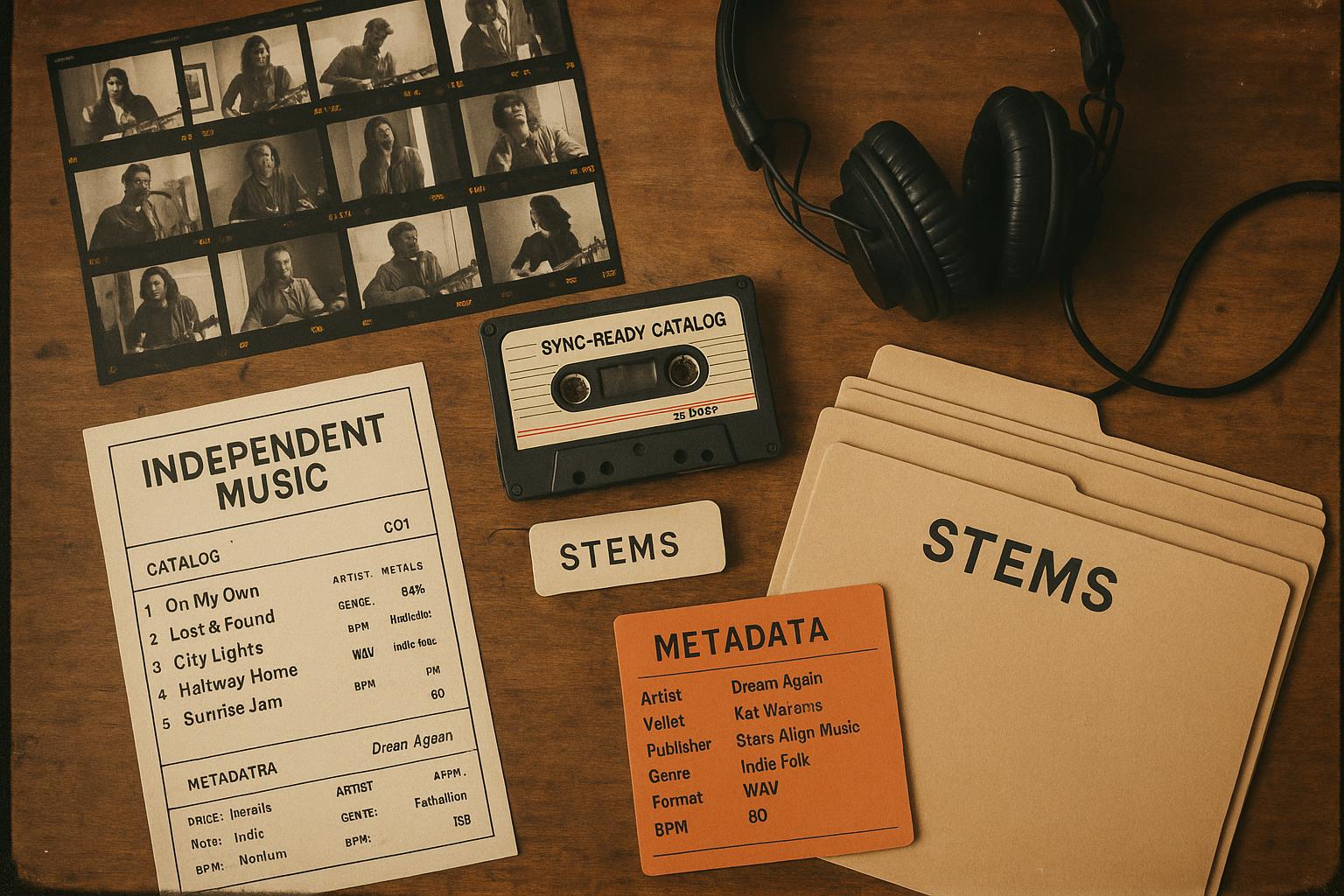
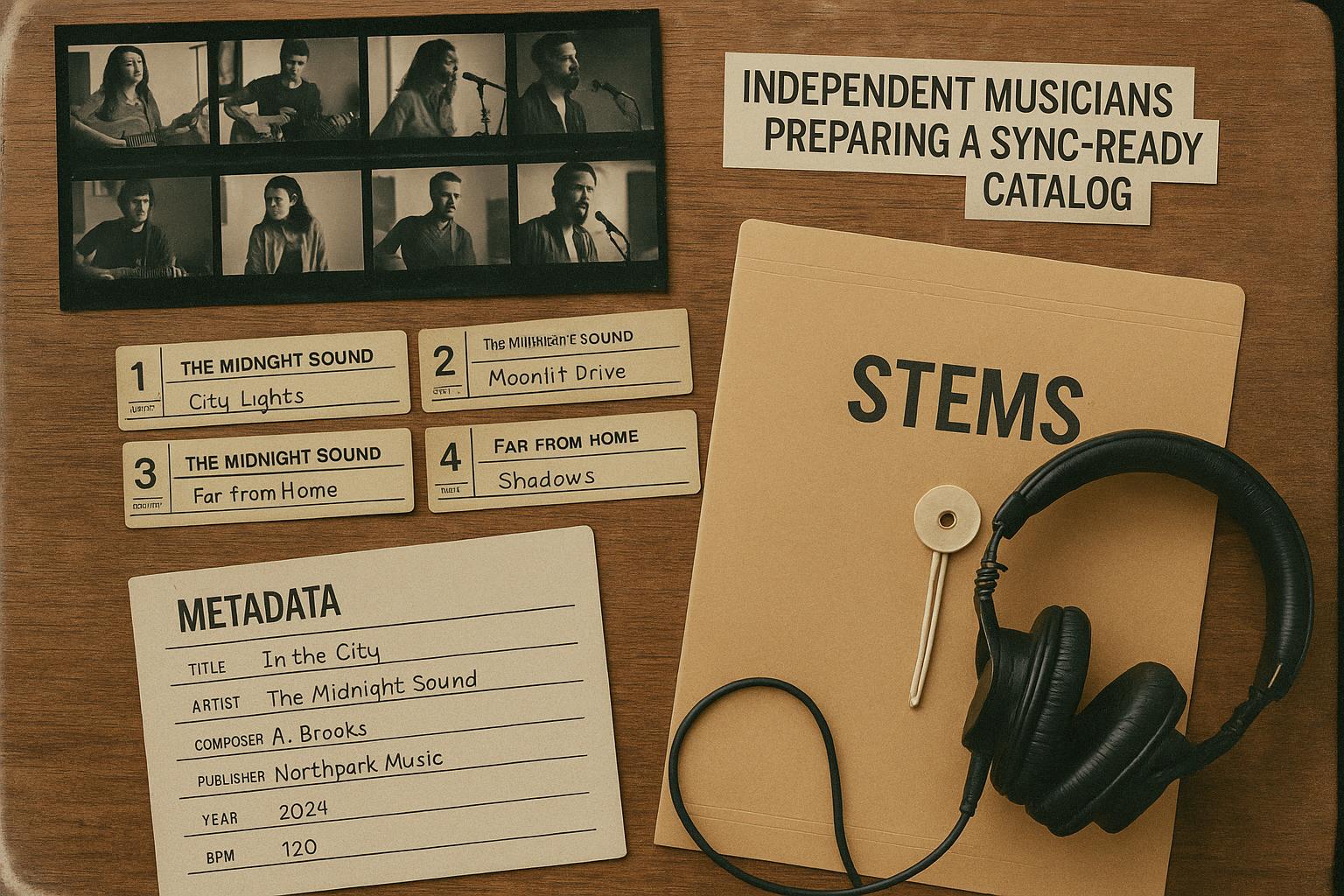
Actionable tip: build a simple, scalable catalog management workflow with a shared drive or cloud-based system that your team can access in real time. This should include a metadata checklist, a folder structure for stems and mixes, and a templates library for cue sheets and license terms.
Sync supervisors are looking for efficiency and reliability. Clear, readily cleared tracks save time and money, which translates into more opportunities to place music. Consider the following essentials for every submission:
Tip for sync supervisors in Los Angeles and beyond: align your release calendar with upcoming productions and film festival cycles. Proactively signal which tracks are ready for quick clearance and which may require additional permissions.
Clear rights ownership and robust metadata are foundational to scalable digital music marketing for placements. This section highlights what to lock down before you pitch.
Pro tip: invest in a centralized metadata protocol across your team. Consistency reduces licensing delays and ensures your music can be re-purposed across multiple formats (streaming, broadcast, ad spots) without renegotiation.
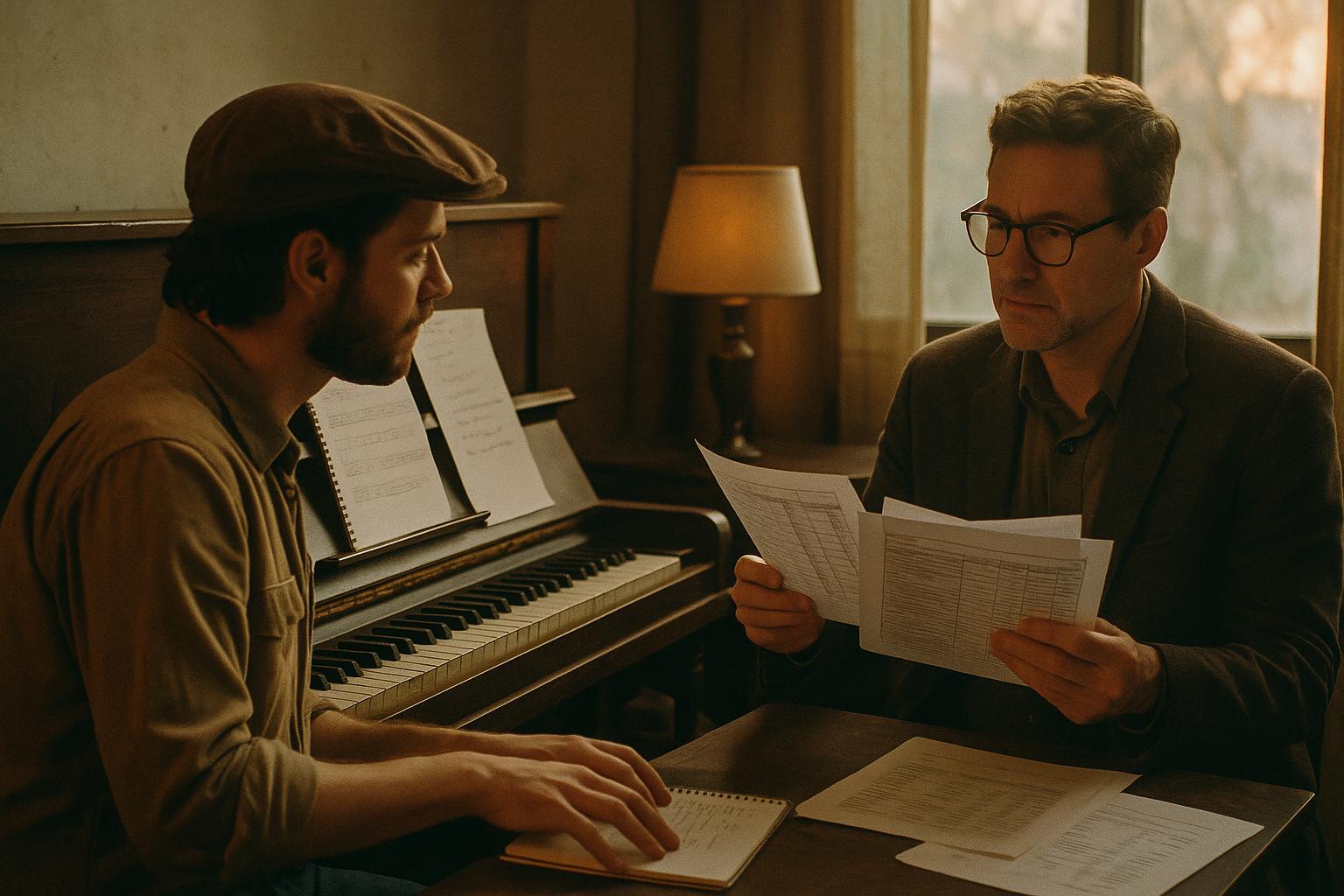
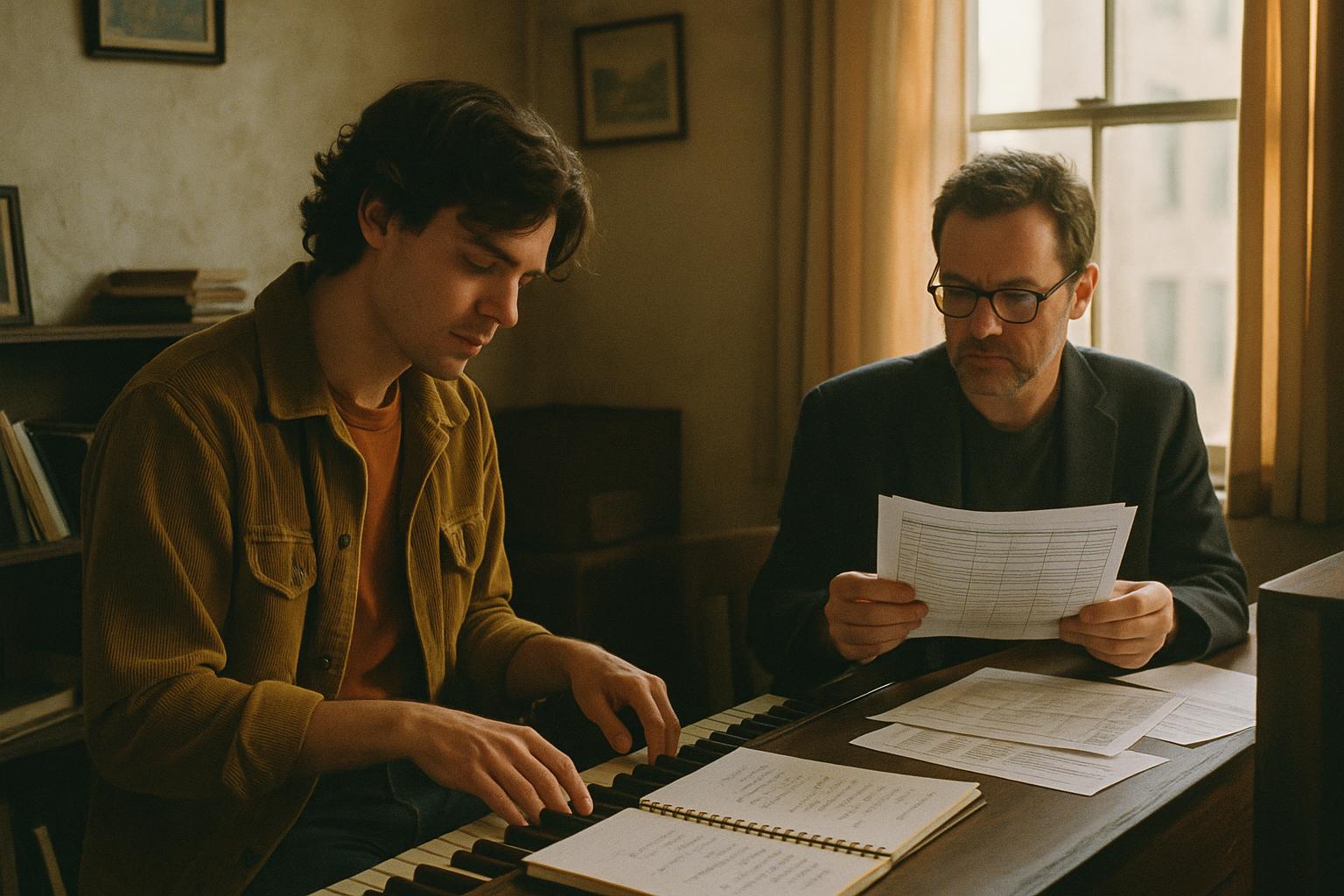
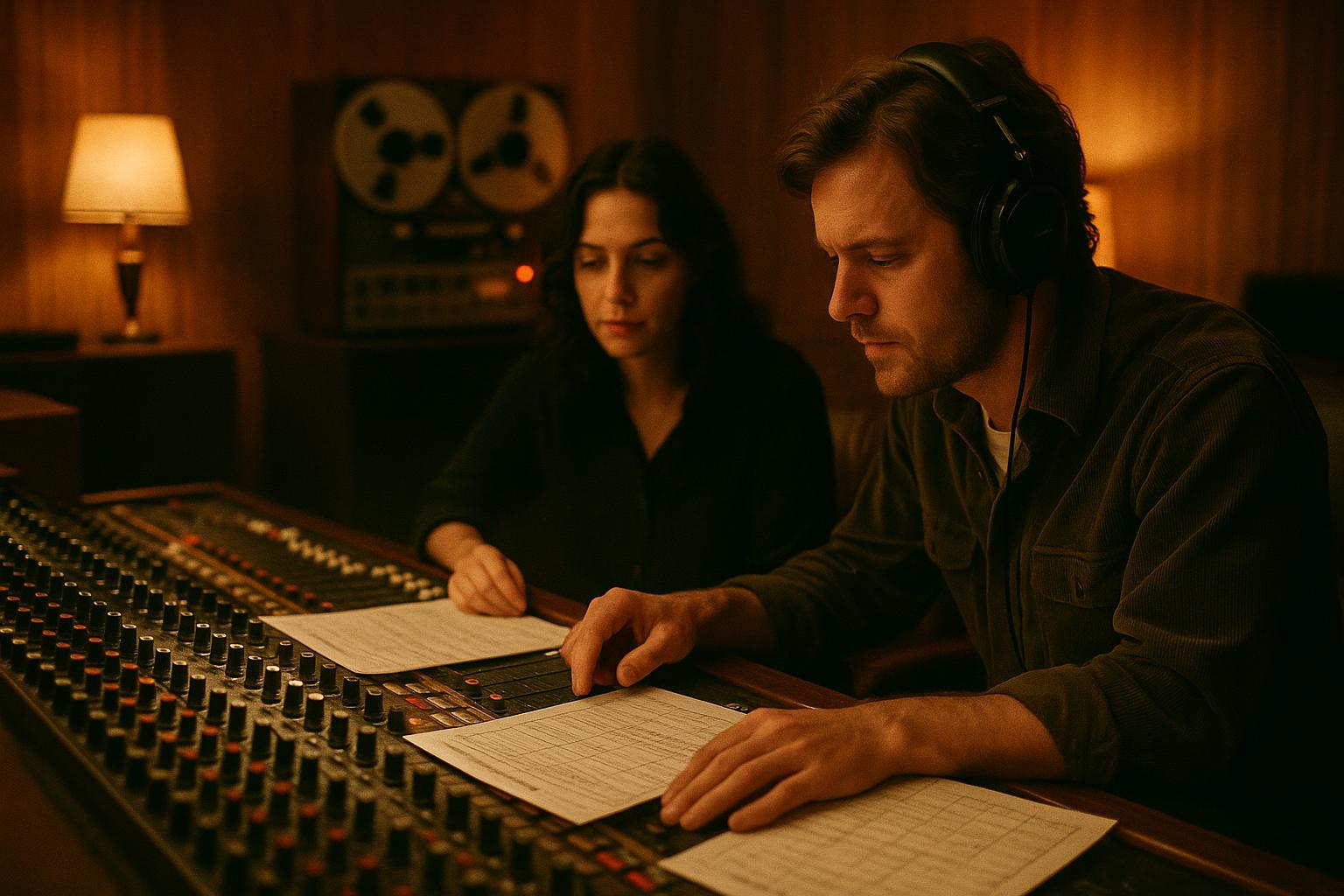
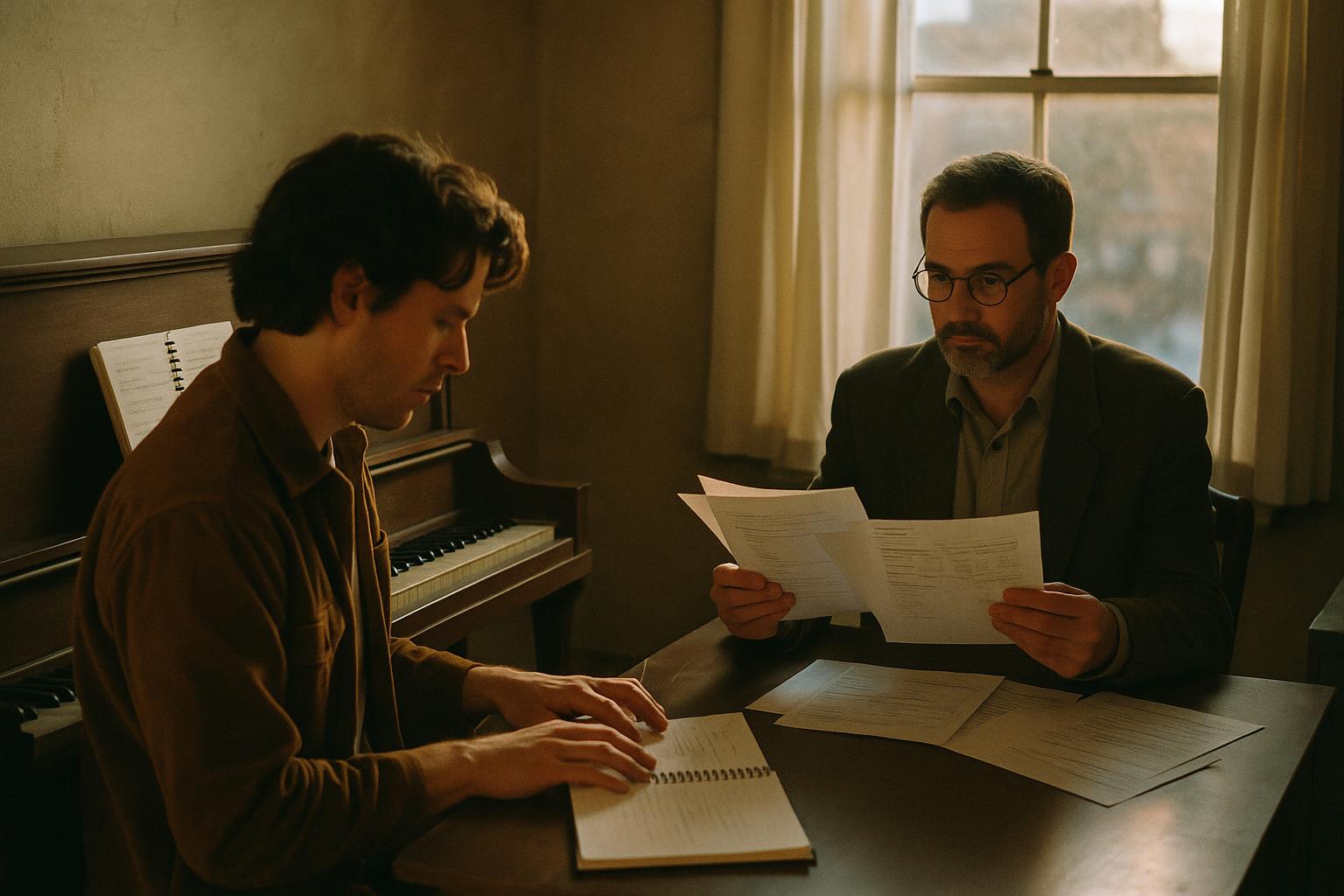
Successful collaborations between producers and songwriters accelerate placement probability. The right workflow ensures alignments from conception through licensing.
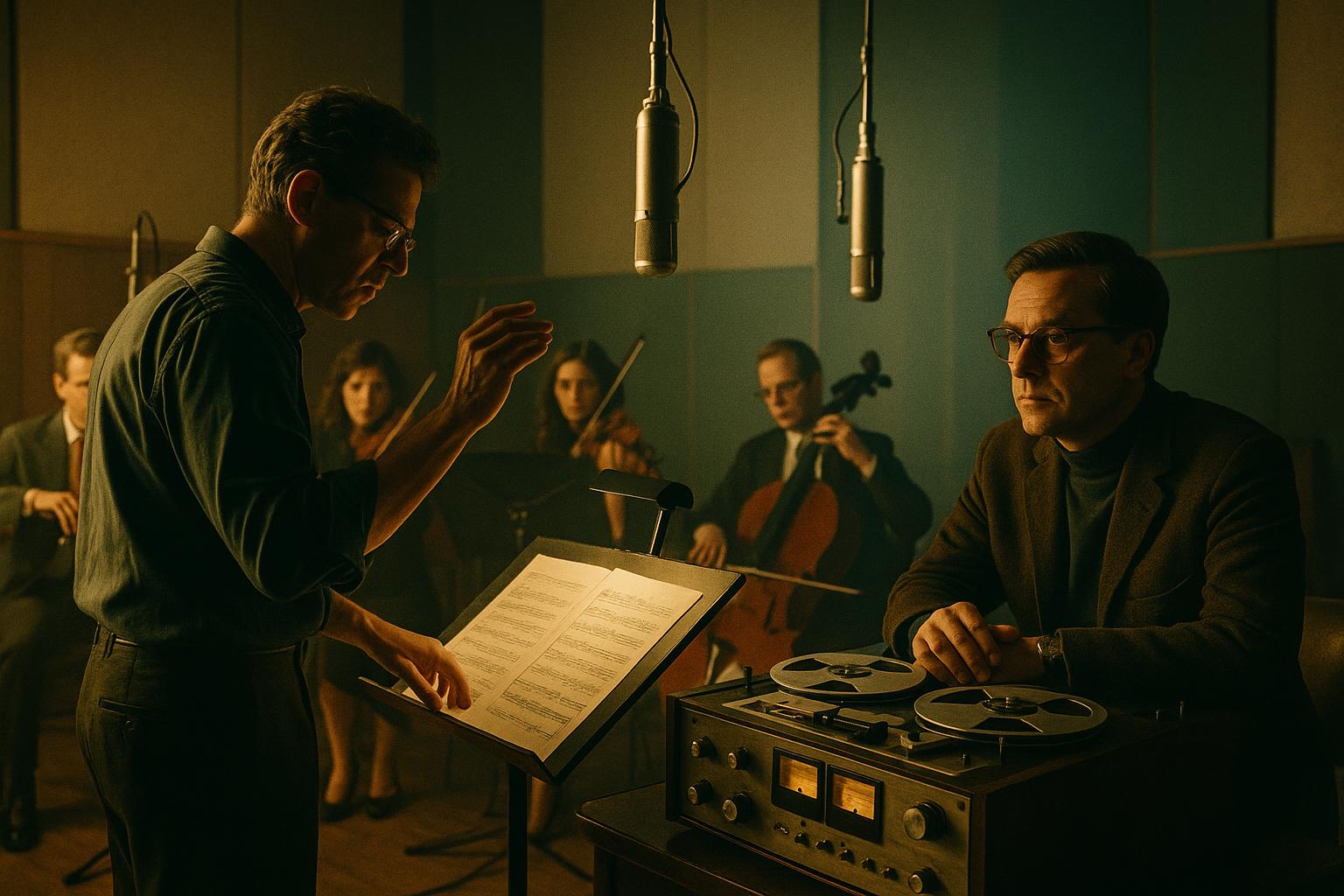
One World Media supports these workflows with end-to-end services, including a sync strategy that aligns creative output with licensing realities, music publishing to protect rights, rights admin to streamline clearance, distribution to maximize reach, and artist development to grow placement-ready capabilities over time.
A Los Angeles–based indie electronic duo builds a focused catalog of 20 tracks, each with vocal stems, instrumental versions, and 15–30 second cues. They implement a metadata and cue sheet template, along with a clear split-sheet for all collaborators. One World Media helps curate a targeted pitch package for film trailers and a streaming series seeking mood-forward electronic music. Within three months, a cue from track 7 is cleared for a high-profile trailer, followed by an additional two placements in a streaming series. The duo gains recurring sync revenue due to their organized delivery of stems, alternative mixes, and ready-made cue sheets. The case demonstrates how Digital music marketing processes, when paired with professional publishing, rights admin, and distribution workflows, can translate into real, repeatable placements rather than one-off licenses.
As you implement these tactics, monitor results and iterate. Track which tracks land placements, how quickly they clear, and which formats (30-second cues, full scenes, or instrumental cuts) generate the most licensing revenue. Over time, your catalog becomes a repeatable instrument for digital music marketing in the screen arena.
Q: How do I start building a placement-ready catalog if I’m a songwriter with limited budget?
A: Begin by prioritizing your strongest, most broadcast-friendly tracks and ensuring you own and can clear all rights. Create stems and instrumental versions for at least half of your tracks, and develop a simple cue sheet template. Partner with a publisher or rights administrator who can guide metadata and ISRC/ISWC assignment, and gradually expand your catalog as you secure your first placements.
Q: What metadata and documentation are non-negotiables for sync licensing?
A: Non-negotiables include accurate artist/composer/publisher names, ownership splits, PRO registrations, ISRC/ISWC codes, and complete cue sheets. Also ensure you have a clean split sheet covering master and publishing rights and a ready package of stems and alternate mixes for quick clearance.
Q: How can One World Media help accelerate placement opportunities in Los Angeles?
A: One World Media offers a holistic suite—sync strategy, music publishing, rights admin, distribution, and artist development—tailored to the LA market. We connect you with local supervisors, manage metadata and cue sheets, and orchestrate licensing workflows that align with studio schedules and ad campaigns, increasing your chances of recurring placements.
Q: What is a realistic timeline from submission to license?
A: Timelines vary by project, but a disciplined workflow reduces time substantially. Generally, expect 2–6 weeks for initial feedback on a well-prepared cue, with potential faster turnaround if limbs like stems, alt mixes, and cue sheets are pre-cleared and ready. For major campaigns, licenses may take 1–3 months, factoring in negotiations and approvals.
For more information, please contact us at support@oneworldmedia.global or call (307) 200-8139.