For established music producers, the difference between a great track and a screen-ready placement often comes down to preparation, metadata, and a reliable rights framework. This guide provides practical steps you can apply today to build a placement-ready catalog, attract sync supervisors, and partner with a trusted ally like One World Media for publishing, rights admin, distribution, and artist development — with a Los Angeles focus where most film, TV, and trailer music briefs originate.
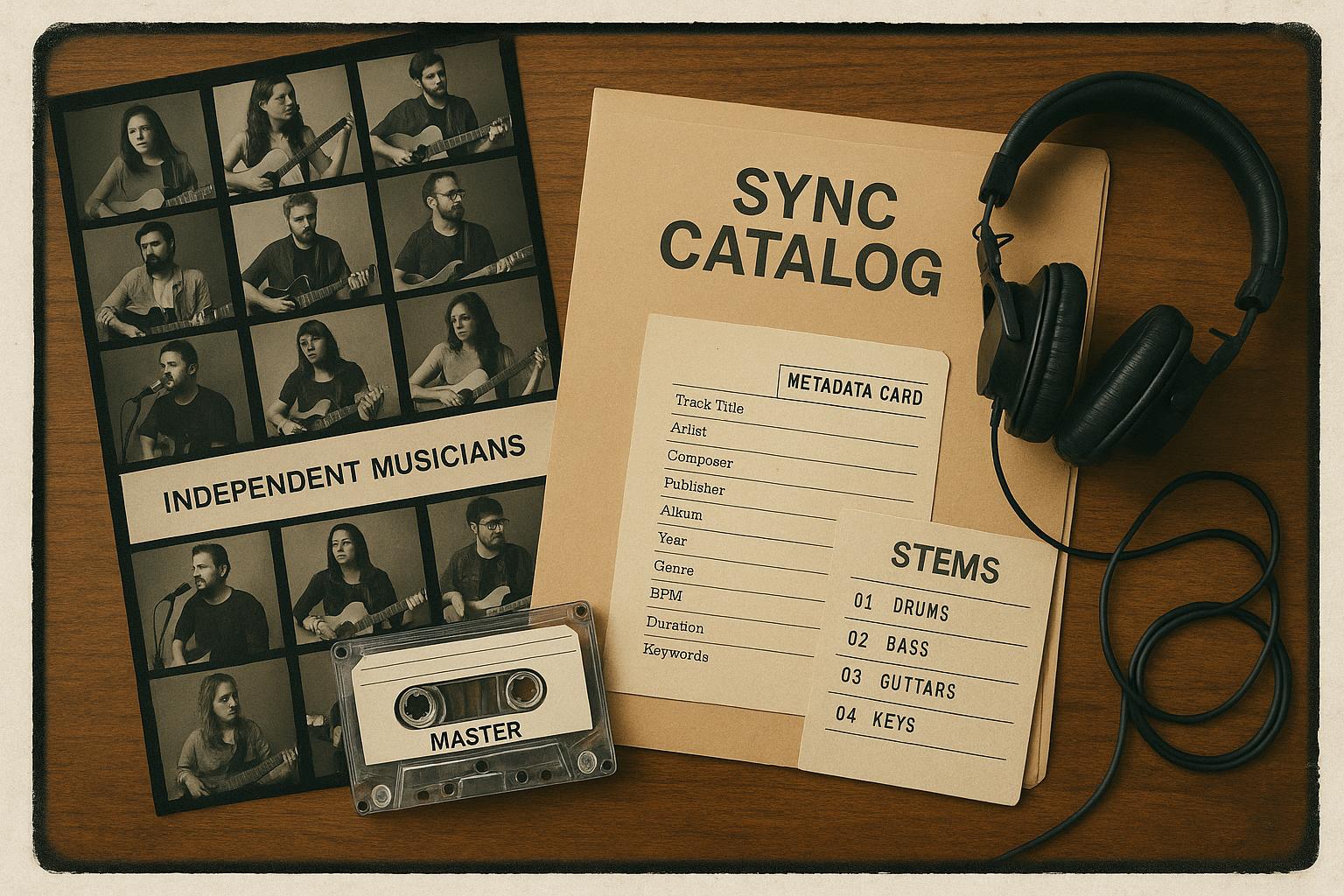
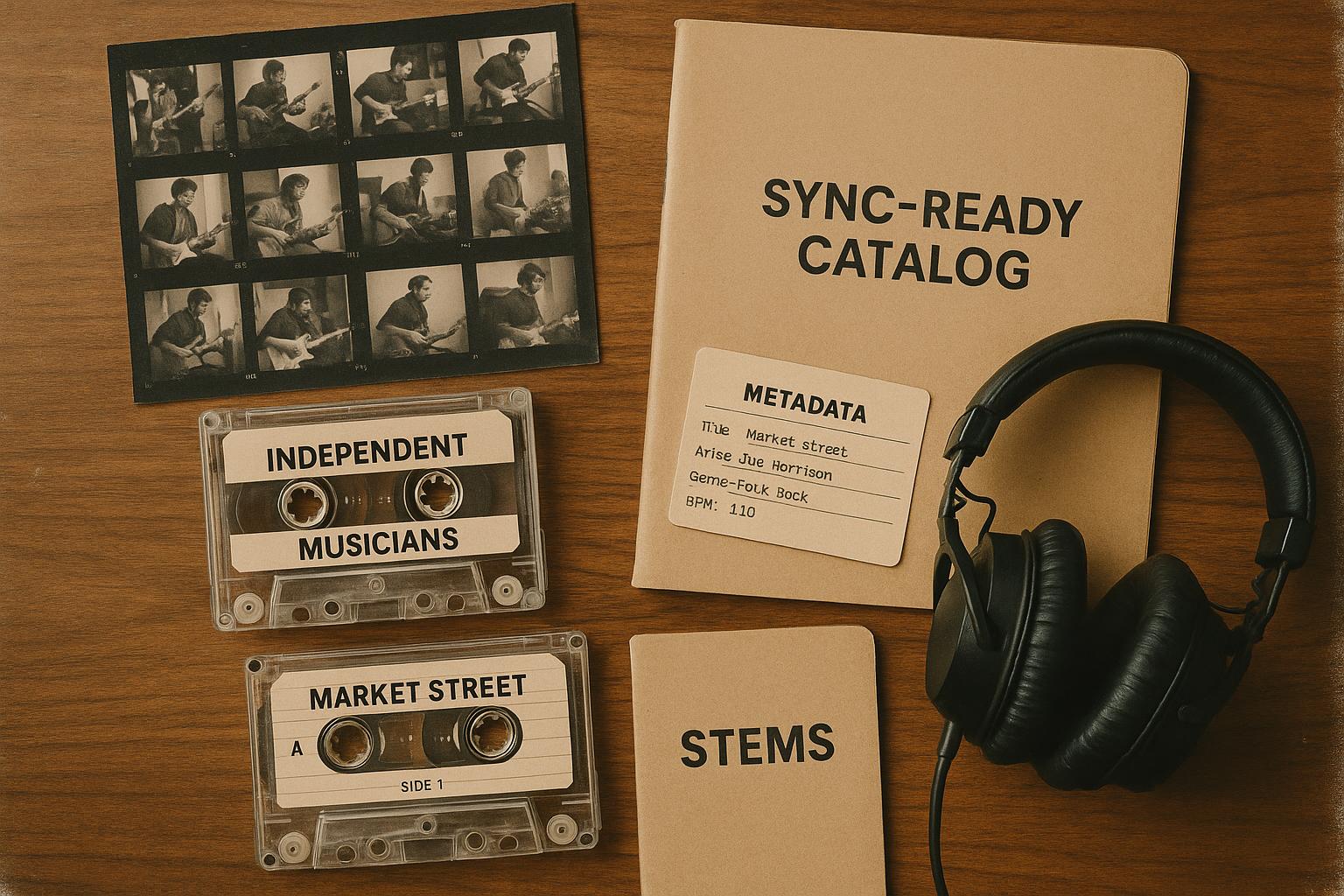
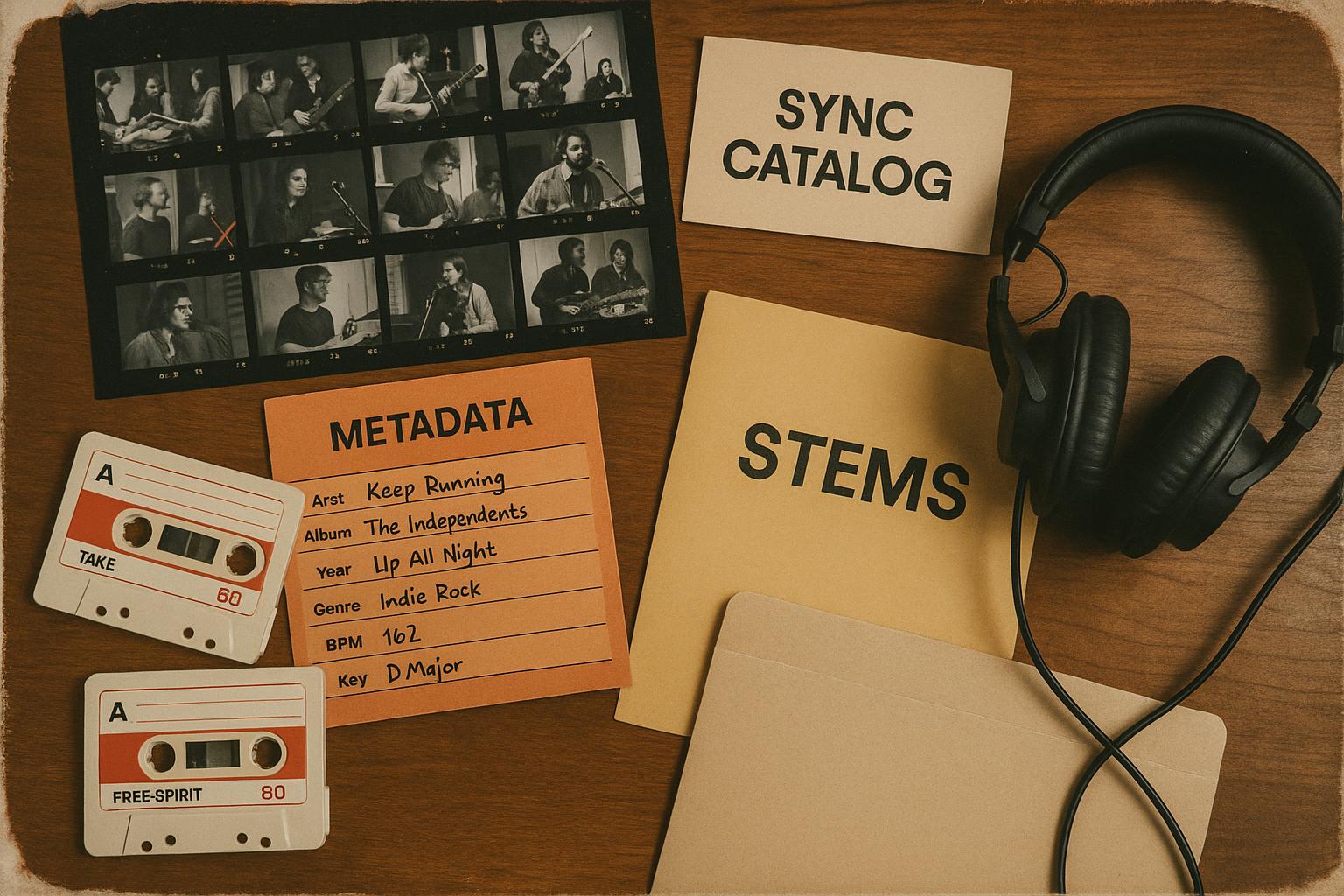
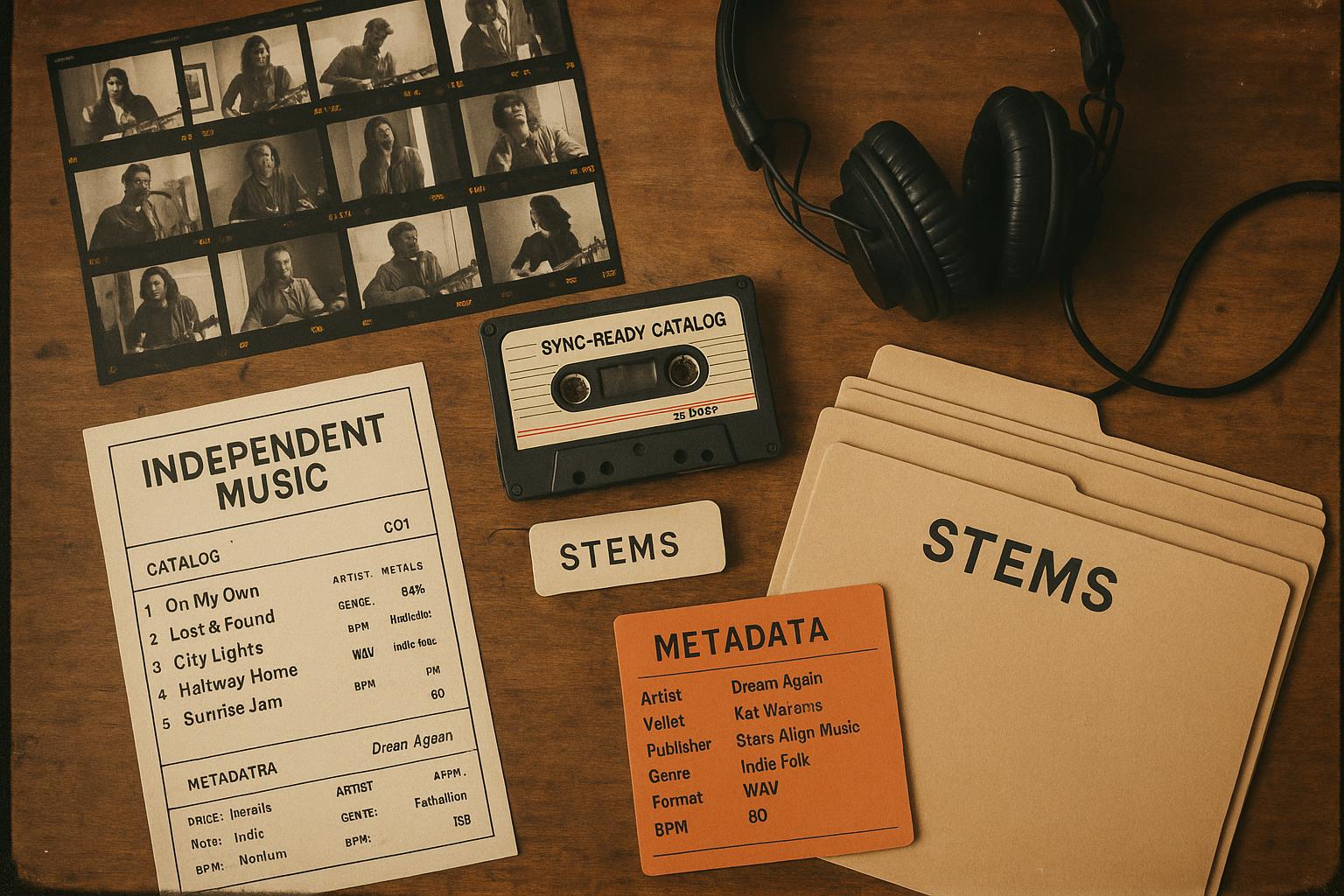
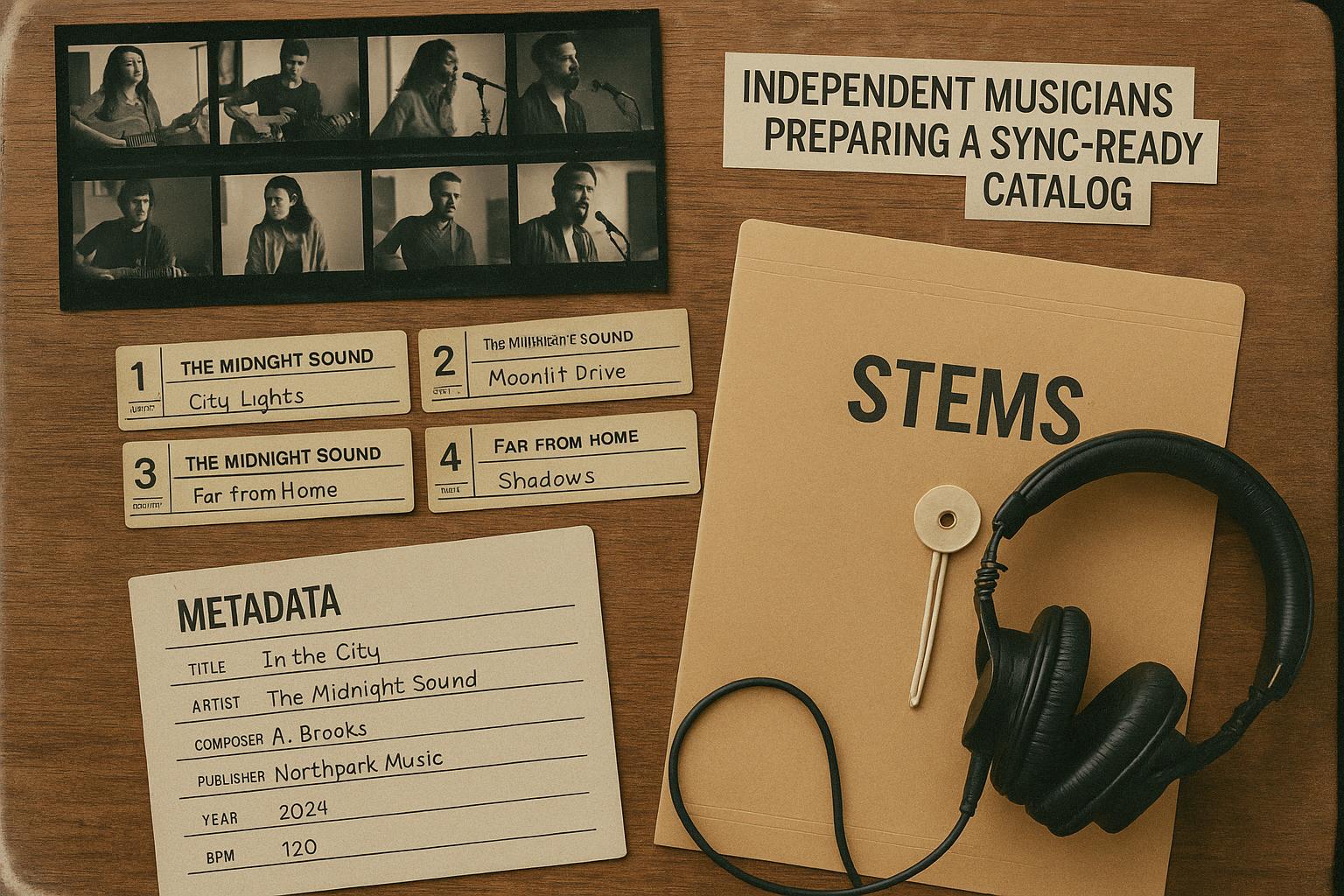
Building a catalog that reliably gets placements starts with organization, accessibility, and the ability to clear quickly. Treat your catalog as a product—each track or suite should answer a supervisor’s brief within seconds. Consider a staged approach: a tight, market-ready short-form cue library, plus a broader second layer of tracks that can be mixed and matched to fit various moods, tempos, and scenes. This section outlines the structure and action steps you can implement now.
Real-world scenario (case study emphasis): In Los Angeles, a veteran producer reorganized a sprawling catalog by genre, added standardized stems, and rebuilt metadata with publisher splits clearly labeled. Within two cycles of outreach to local music supervisors, a 15-second trailer brief from a streaming service found a home in the catalog. The result: a quick clearance path, a confirmed sync deal, and a template for future briefs. This concrete workflow demonstrates how structure and clarity translate to faster placements and recurring sync revenue.
Sync supervisors are the gatekeepers to placements. They need predictable, clear, and fast access to high-quality music with minimal friction. Build a system that anticipates their needs and demonstrates reliability. This section provides the concrete items and practices that output-ready artists should maintain.
Los Angeles remains a hub for film, TV, and trailer music; supervisors here value efficiency, reliability, and clear alignment of a producer’s catalog with current briefs. One World Media’s services—sync strategy, music publishing, rights admin, distribution, and artist development—help producers build and sustain this reliability by removing bottlenecks and accelerating clearance.
The fragility of rights paperwork can derail a placement long after a track has sounded perfect in a cut. The most placement-ready catalogs are built on rock-solid ownership records, precise metadata, and tidy cueing information. This section explains the critical areas to lock down before you pitch to a supervisor or a production.
Rights readiness isn’t just about compliance; it’s a competitive advantage. Producers who demonstrate clarity and prompt responsiveness reduce risk for the supervisor and increase the likelihood of repeat placements. Partnering with a knowledgeable rights administrator or a seasoned sync partner like One World Media can help maintain ongoing accuracy and speed as catalogs grow.
Effective collaboration between producers and songwriters speeds up the process of delivering a brief-ready track. It also helps ensure that the music aligns with a supervisor’s creative brief and licensing constraints. The following workflows promote transparency, efficiency, and placement readiness.
By adopting these collaboration workflows, established music producers can reduce friction in the licensing cycle and position themselves for ongoing sync revenue. The goal is to deliver ready-to-license music that editors can slot into a scene without needing extensive edits or lengthy negotiations. Los Angeles-based briefs often reward proactive collaboration, a strong producer-wriendly track record, and a clear path to clearance—and that’s exactly what One World Media helps you build.
Q: How long does it typically take to land a placement once a brief is received?
A: Timing varies by production, but a well-prepared catalog with clean rights and ready-to-use stems can accelerate approvals to a matter of days or a couple of weeks for most TV briefs. Having a ready-to-sign clearance package and prompt turnaround expectations set with supervisors are key factors in shortening the cycle.
Q: What is the best way for established music producers to approach music supervisors in Los Angeles?
A: Build a concise, supervisor-friendly package: a short reel, a clear contact point, and a metadata-rich catalog. Do not rely on one-off pitches; instead, cultivate relationships by delivering dependable, license-ready music and rapid responses to requests. Align your catalog with common show genres, and offer quick-turnaround demos or stems when a supervisor requests them. Partnering with a company that provides sync strategy and rights administration can streamline this process.
Q: How should publishing and master ownership be handled with collaborators to maximize placements?
A: Use clear split sheets and written agreements from the start. Specify who owns the master and who owns the publishing, and ensure licensing rights cover sync, master use, and performance across intended territories. Keep these documents updated as collaborators change roles or contributions evolve. Establish PRO registrations and ensure ISRC/ISWC metadata is consistently applied across all versions and distributions.
Q: Can One World Media help beyond traditional TV placements to streaming, ads, and trailers?
A: Yes. One World Media offers a comprehensive suite—including sync strategy, music publishing, rights admin, distribution, and artist development—designed to optimize catalog performance across film, TV, streaming, trailers, and advertising. Our Los Angeles focus ensures access to key decision-makers and market opportunities, while the global rights framework supports recurring sync revenue for established producers.
For more information, please contact us at support@oneworldmedia.global or call (307) 200-8139.