Turnkey placements start with a systematized catalog and a clear, scalable strategy
In a competitive landscape where buyers skim hundreds of tracks, sustained placement success comes from disciplined preparation, precise metadata, and creative collaboration. By aligning your catalog, rights readiness, and pitching workflows with the needs of film, TV, trailers, and streaming content, you can unlock recurring sync income. This article outlines actionable steps you can apply today, while positioning One World Media as a trusted partner for publishing, sync strategy, distribution, rights administration, and artist development—especially in Los Angeles’ bustling music-for-media ecosystem.
Building a placement-ready catalog
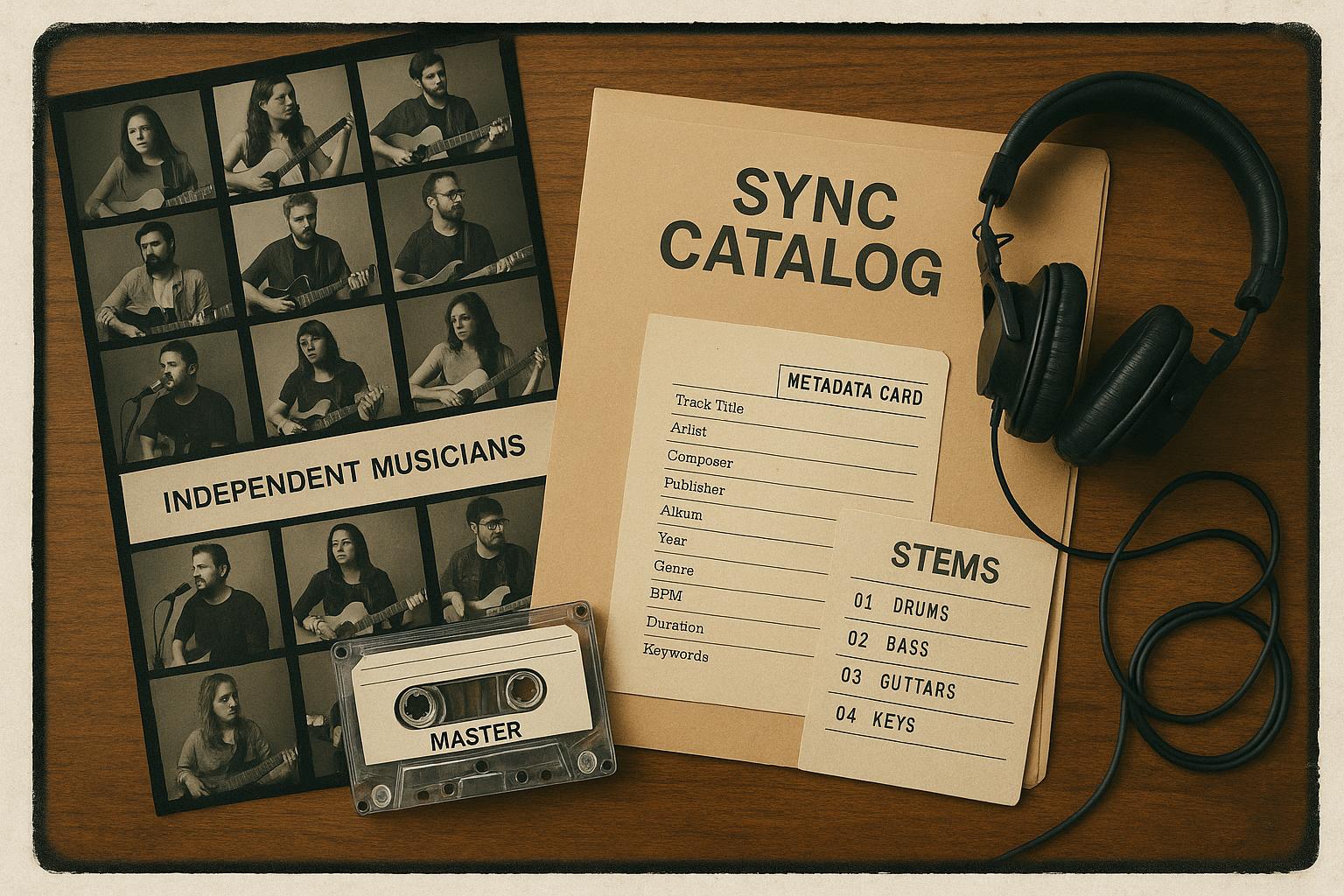
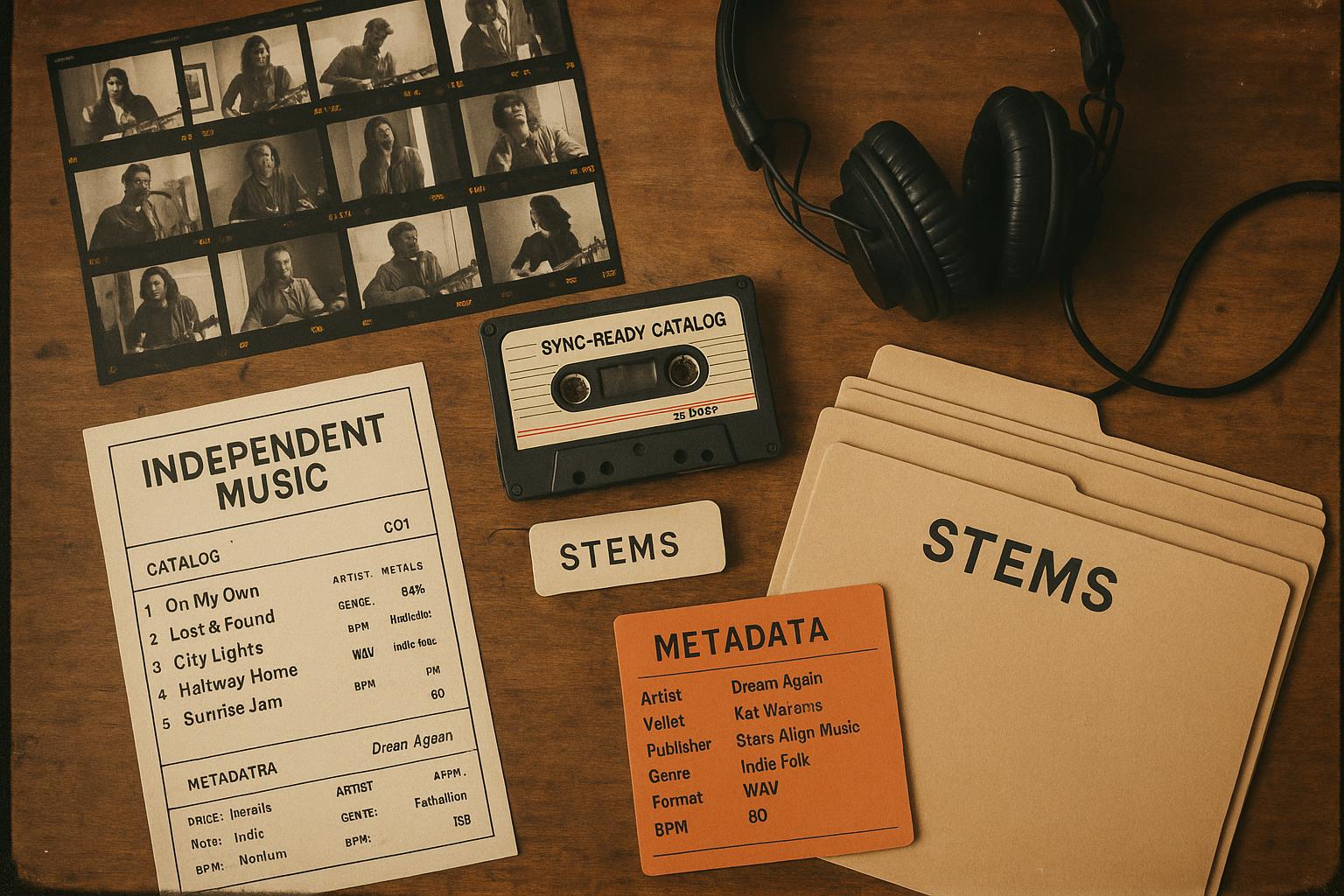
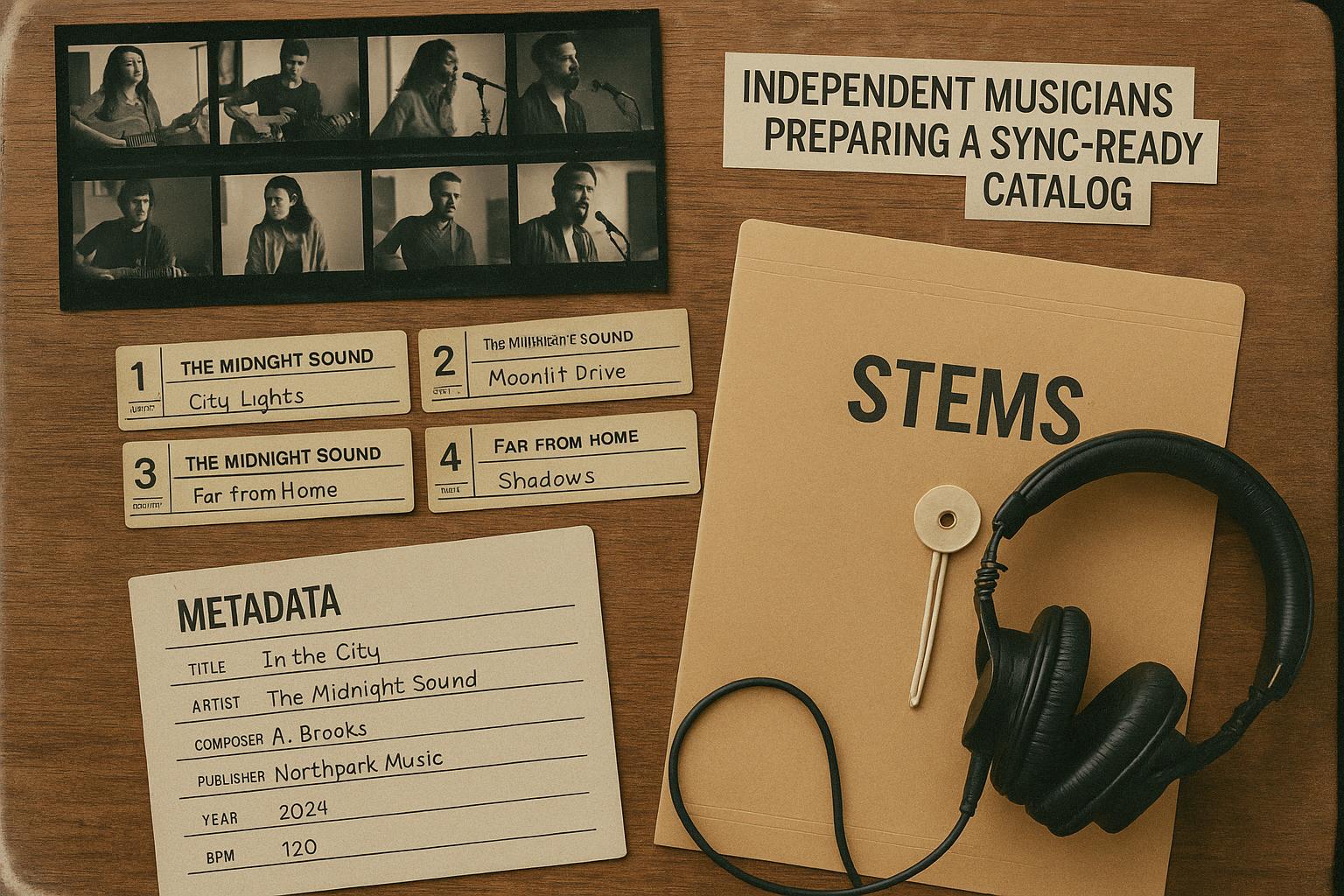
A well-organized catalog is the foundation of any successful sync strategy. Think of each track as a potential brief you could fulfill for a buyer. Below is a practical blueprint to get you placement-ready fast.
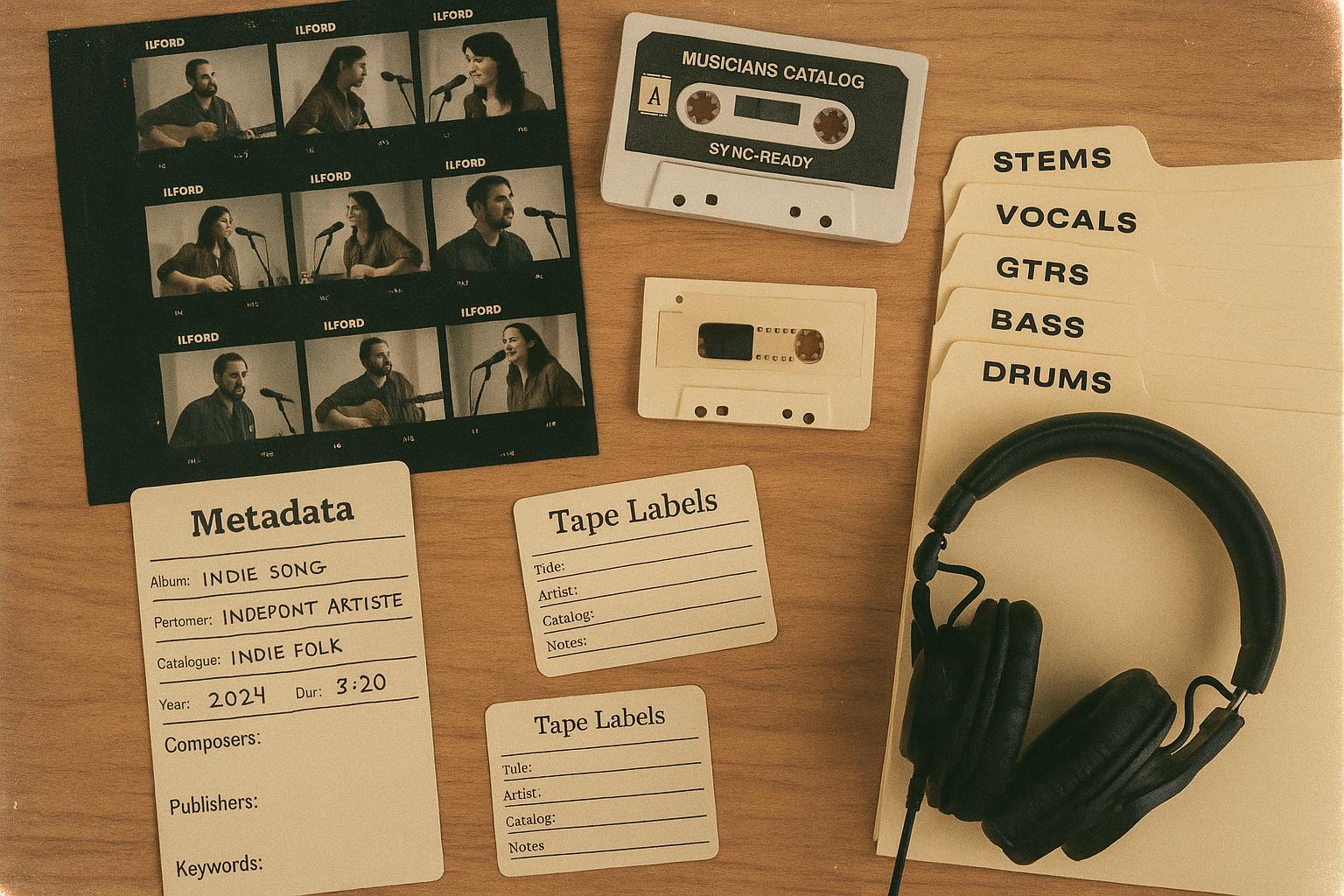
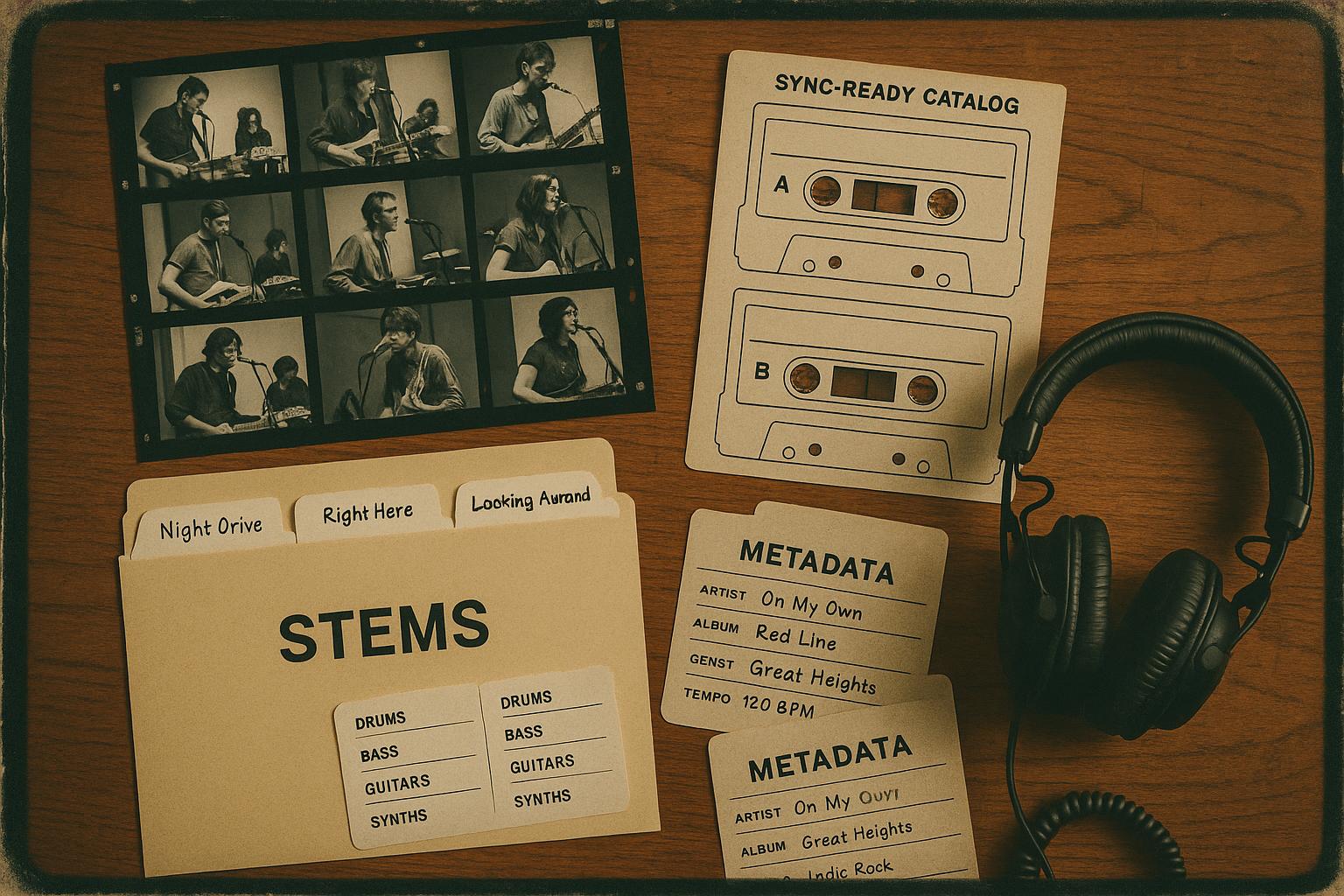
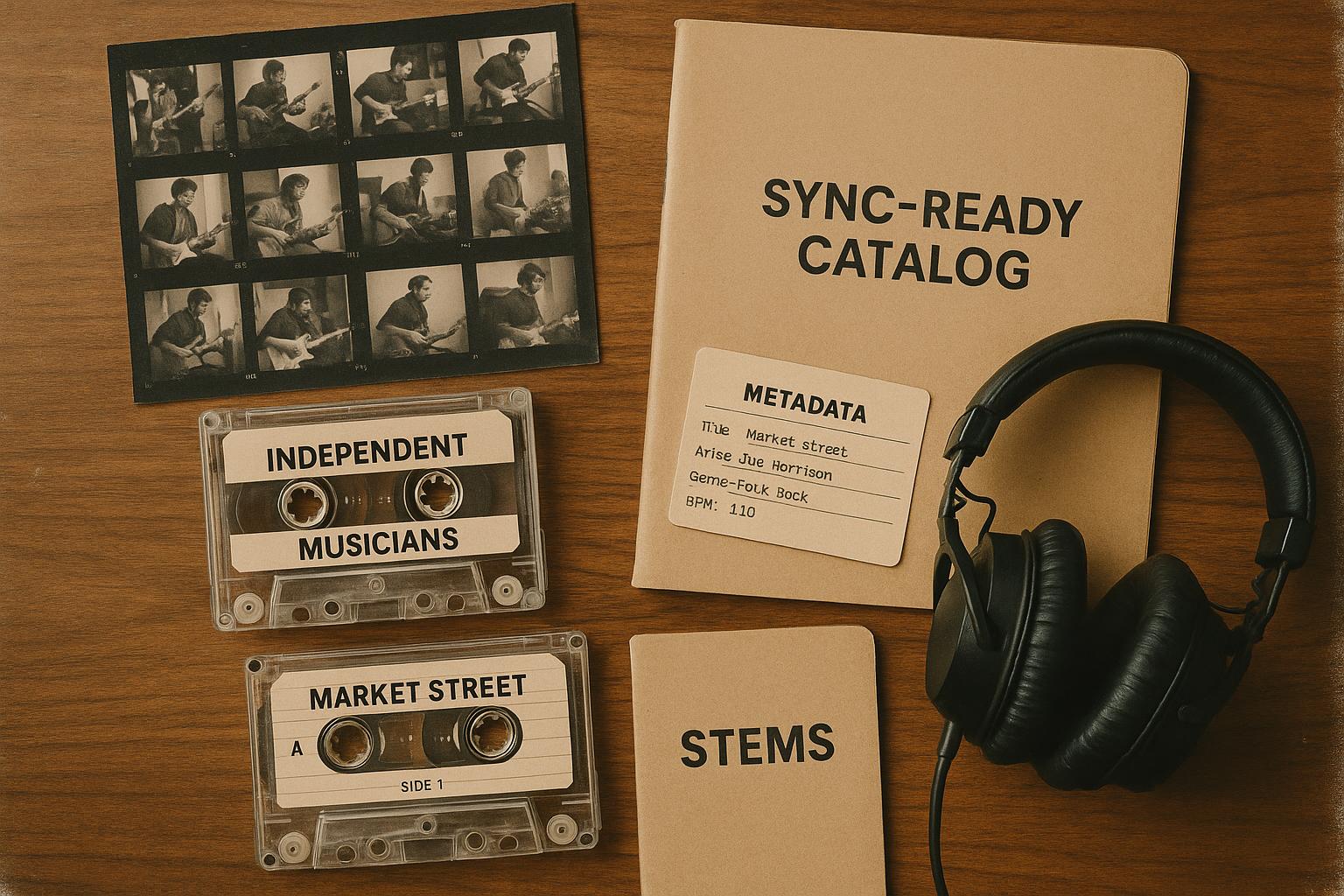
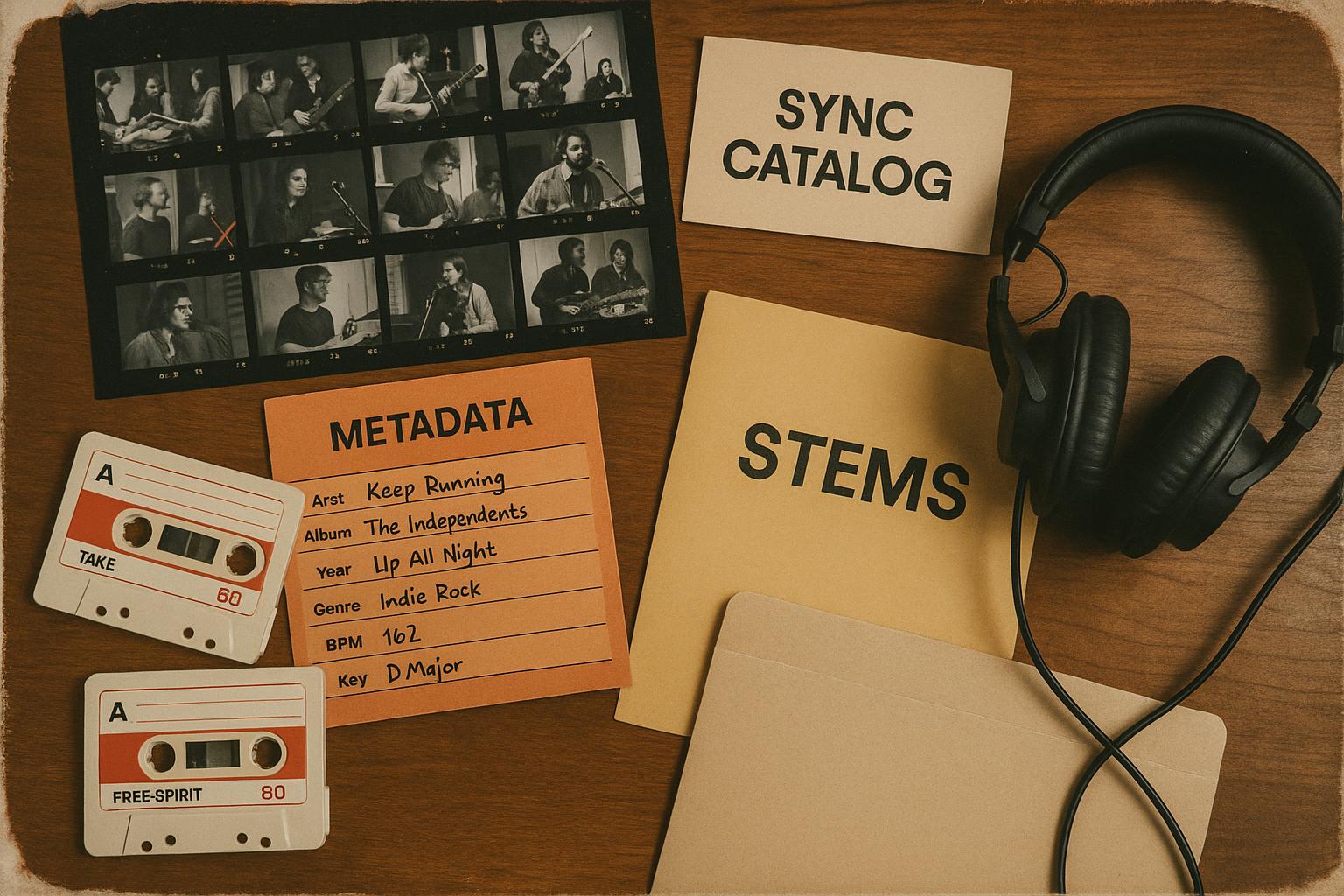
- Clean master files and essential stems: provide the stereo master plus 1–2 stem mixes (e.g., drums, bass, or guitar) to support quick tailoring to brief constraints.
- Clear labeling and version control: track titles, key, BPM, tempo range, mood, and a brief 1–2 sentence note about vibe and potential usage (e.g., “dramedy courtroom scene” or “epic trailer cue”).
- Complete metadata package: ISRC for the master, ISWC for publishing, writer/publisher splits, and PRO affiliations. Ensure the metadata matches your distribution and publishing accounts.
- Rightsholder clarity: clearly identify all contributors and ownership percentages; ensure you have rights to license for all territories and media types you expect to be cleared.
- Licensing and usage notes: include any restrictions (exclusivity, duration, territory), and standard license language you’re willing to grant.
- Cue sheet-ready cues: pre-compile expected cue sheet entries with accurate timing, scenes, and usage notes to speed up clearance post-placement.
- Branding and press-ready assets: one-sheets, short synopses, and social handles for easy pitching and marketing.
Case example: In Los Angeles, an indie electronic duo assembled a 12-track catalog with clean stems and robust metadata, plus a one-page rights summary. A short, case-clean pitch package was prepared for a major streaming trailer. Within 6 weeks, the duo secured a placement and ongoing opportunities through a single licensing house. This outcome wasn’t luck—it was a repeatable process that One World Media helps artists implement through a structured sync strategy, publishing services, and rights administration.
Sync supervisors: what they need from artists
Sync supervisors source track pools daily and must move fast. If you want to become a go-to supplier, deliver with precision and speed.
- High-quality, mix-ready options: provide clear stereo masters, alt mixes (e.g., instrumental, vocal-only), and stems where possible to enable a quick lock-in on a scene.
- Fast turnaround: establish a predictable response time for approvals, license queries, and any requested edits. Build a 24–72 hour workflow window for most requests.
- Metadata discipline: ensure ISRC/ISWC, track title, writers/publishers, PROs, and licensing scope are accurate and consistent across all files and platforms.
- One-stop clearance readiness: readiness to clear for all rights holders in a single license request, avoiding back-and-forth with multiple parties.
- Alt mixes and stems: be prepared to supply instrumentals, vocal stems, and any alternate arrangements to adapt to different scenes or edits.
- Documentation speed: provide a clean cue sheet, royalty contact, and a short licensing brief with usage terms to streamline negotiations.
One World Media supports sync supervisors with a holistic service suite—sync strategy, publishing administration, rights management, and distribution—to ensure catalogs meet the expectations of buyers who are often based in Los Angeles or connected to LA-based production hubs.
Rights and readiness: split sheets, ownership clarity, and cue sheets
Clear rights and metadata reduce legal risk and speed up placements. Use a repeatable, auditable process so buyers and licensors can move quickly.
- Split sheets and ownership clarity: document who owns the master and who owns the publishing rights, including any co-writer arrangements and percentages. Align with your distribution/publishing partners to reflect current ownership.
- Master and publishing ownership: confirm clear chain-of-title for every track. If a track has multiple contributors, ensure every party has signed off on the license terms for sync use.
- PRO registration and identifiers: verify each track’s PRO affiliation, ISRC for the master, and ISWC for publishing. Update any changes in your publishing administrator’s system and distributor records.
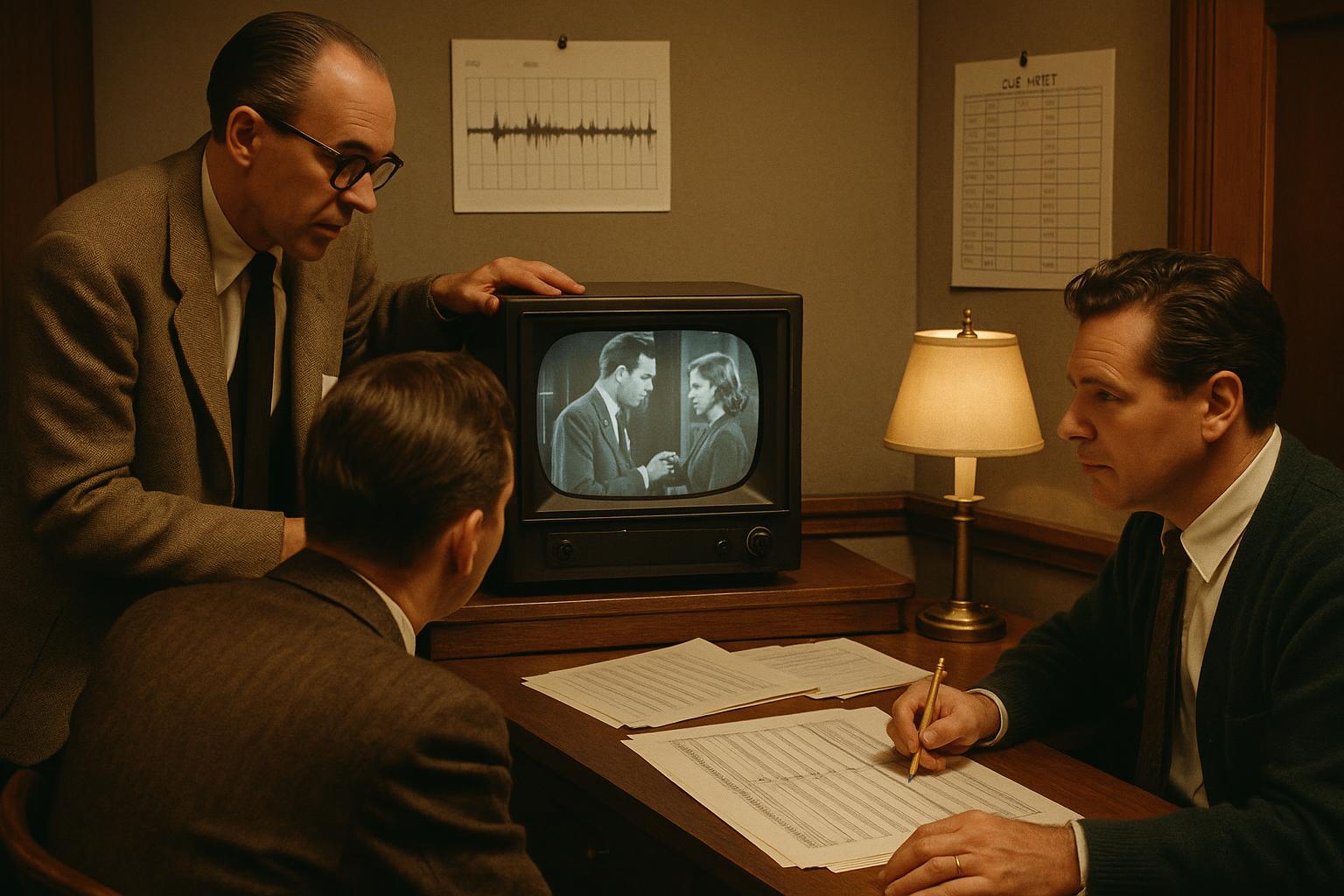
- Cue sheets are non-negotiable: accurate cue sheets match the actual usage of a track in a scene, including timing and source (master vs. master with stems, etc.). Prepare generic cue sheets in advance to expedite post-approval processing.
- Documentation discipline: maintain a centralized, accessible library of license templates, cue sheets, ownership diagrams, and contact information for faster clearance in LA and beyond.
In practice, rights readiness isn’t a one-off task—it’s an ongoing discipline. One World Media’s rights administration, publishing services, and distribution networks help maintain current ownership records, ensure PRO registrations reflect your current catalog, and keep cue sheets aligned with edits across all projects.
Producer and songwriter collaboration workflows that increase placement success
Effective collaboration accelerates approvals, reduces rework, and strengthens the chances of placement. Implement these workflows to align teams and elevate your catalog’s readiness.
- Define placement goals and target briefs: create a living brief bank that describes genres, moods, and typical scene uses. Regularly refresh with feedback from sync teams and supervisors.
- Version control and naming conventions: adopt a standardized file-naming scheme for stems, mixes, and stems variants (e.g., ArtistName_TrackName_Stereo_V1.wav). Use the same scheme across all collaborators to avoid misfiles.
- Versioned stems and alternate arrangements: deliver multiple versions (e.g., tempo-adjusted, acoustic, instrumental) to cover varied scoring needs without re-recording.
- Collaborative project workflows: centralize project files in a shared, accessible workspace with clear ownership and change logs. Use project templates that align with typical sync requirements (pitches, edits, approvals).
- Agreed licensing language and usage rights: maintain a standard set of license templates for film, TV, ad, and streaming uses; ensure every new track aligns with those templates unless a renegotiation is necessary.
- Rapid feedback loop: implement a short-cycle review process with a fixed turnaround time for approvals or suggested edits (e.g., 48 hours for music-supervisor feedback).
In practice, these workflows translate into faster pitches, cleaner approvals, and more consistent opportunities across LA’s film and TV landscape. One World Media can help establish collaborative templates, track ownership, and coordinate between writers, producers, and publishers to keep momentum high and risk low.
Case example: a brief scenario illustrating music promotion strategies in action
Scenario: A Los Angeles–based indie band develops a 6-track catalog with clean stems, alt mixes, and robust cue-sheet-ready metadata. They partner with a local music supervisor who routinely scouts catalog for a forthcoming streaming series. The band uses a standardized pitch package and a fast-turnaround approval process. When the brief lands, they deliver an instrumental edit within 24 hours and provide full stems the next day. The episode editor uses one of the tracks in a montage sequence, resulting in a sync license and a continued pipeline of opportunities through the year. The outcome demonstrates how disciplined preparation, reliable metadata, and responsive collaboration turn opportunities into recurring sync revenue.
FAQ
Q: How long does it typically take to secure a placement once a catalog is organized?
A: Timelines vary by project, but a well-prepared catalog with clear rights and ready stems can shorten the window to 2–6 weeks for many TV or trailer briefs, with longer cycles for major film licensing.
Q: What role does metadata quality play in securing licenses?
A: Metadata quality shapes discoverability and legality. Precise ISRC/ISWC data, correct rights splits, and accurate cue sheets dramatically reduce clearance time and minimize rejections.
Q: Can a small independent artist compete with major catalogues?
A: Yes. A focused catalog with strong metadata, fast-turnaround capabilities, and targeted pitches to the right buyers can outperform larger but poorly organized libraries. The key is consistency and speed.
Q: How should I structure my collaboration with co-writers and producers?
A: Establish clear ownership and licensing terms up front, use standardized project templates, maintain versioned files, and implement a regular review schedule. This reduces disputes and accelerates the path to a sync-ready product.
Contact One World Media
For more information, please contact us at support@oneworldmedia.global or call (307) 200-8139.