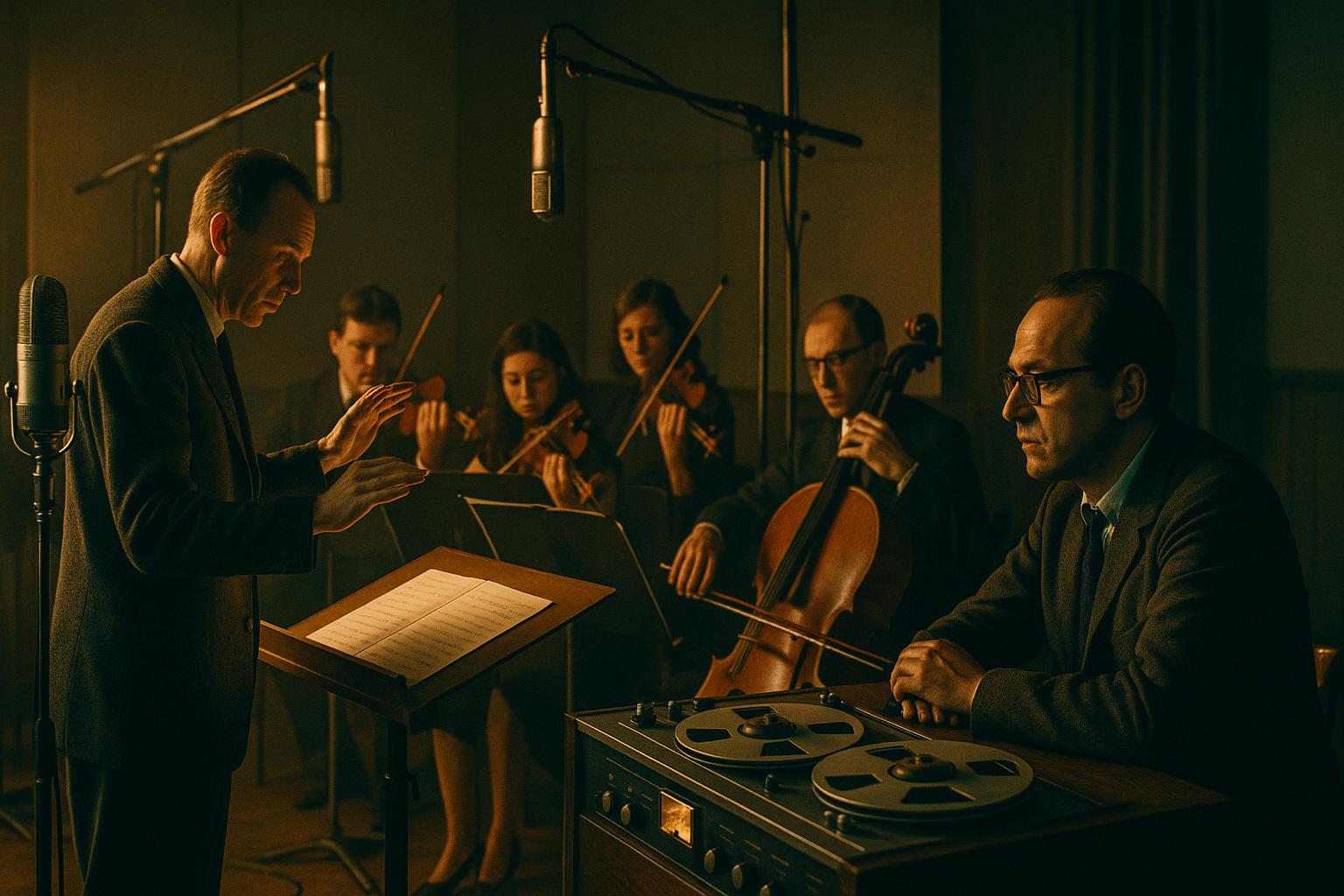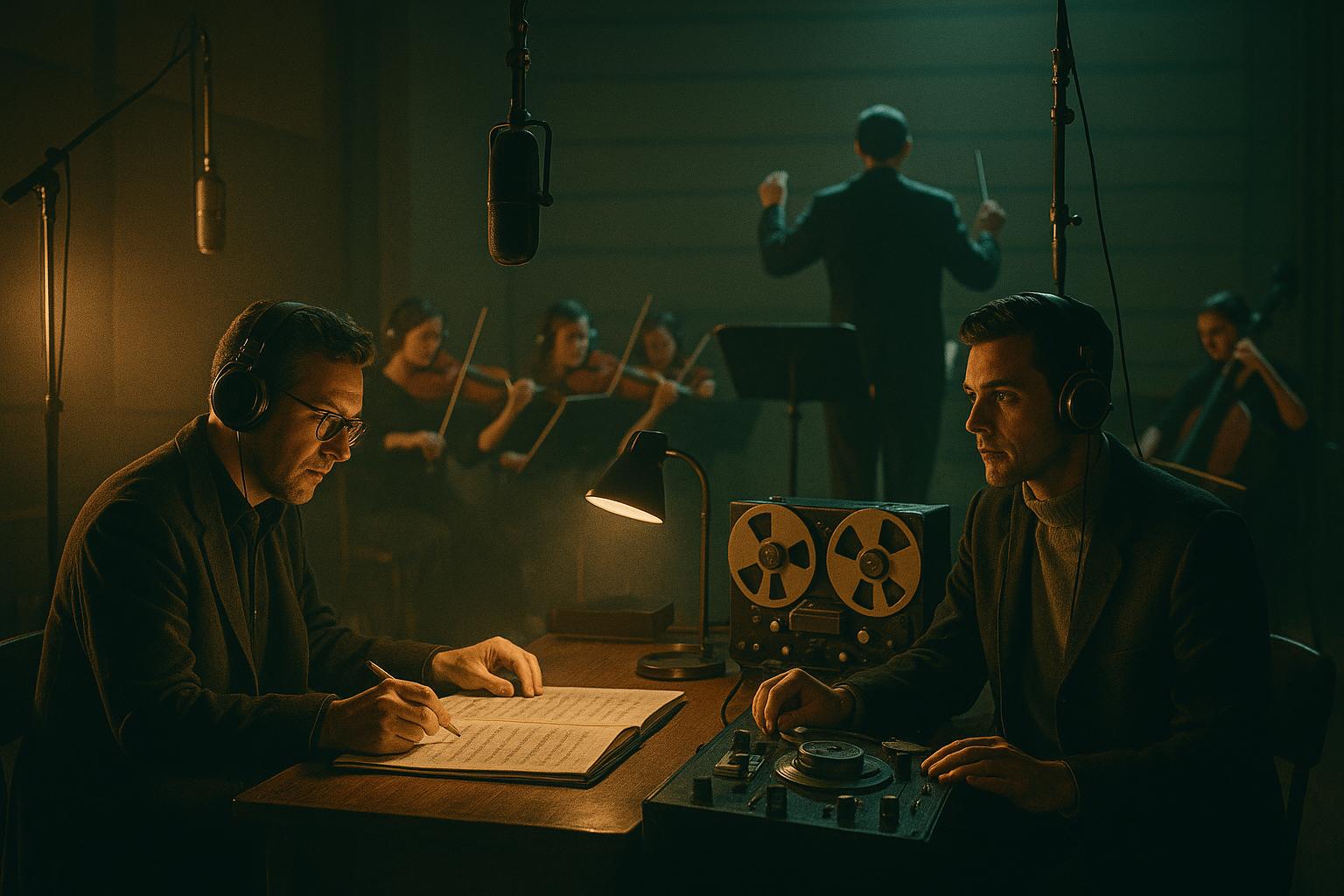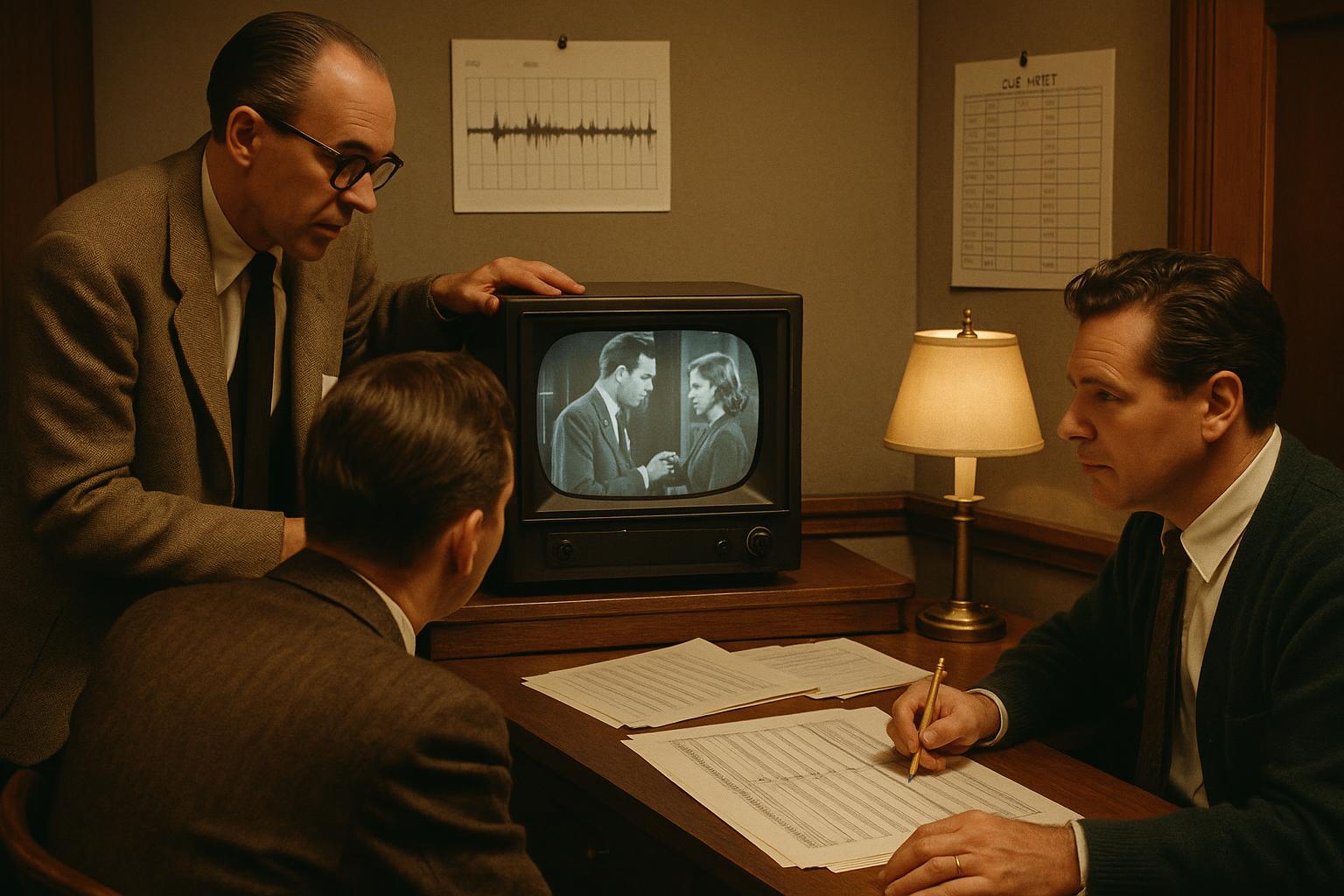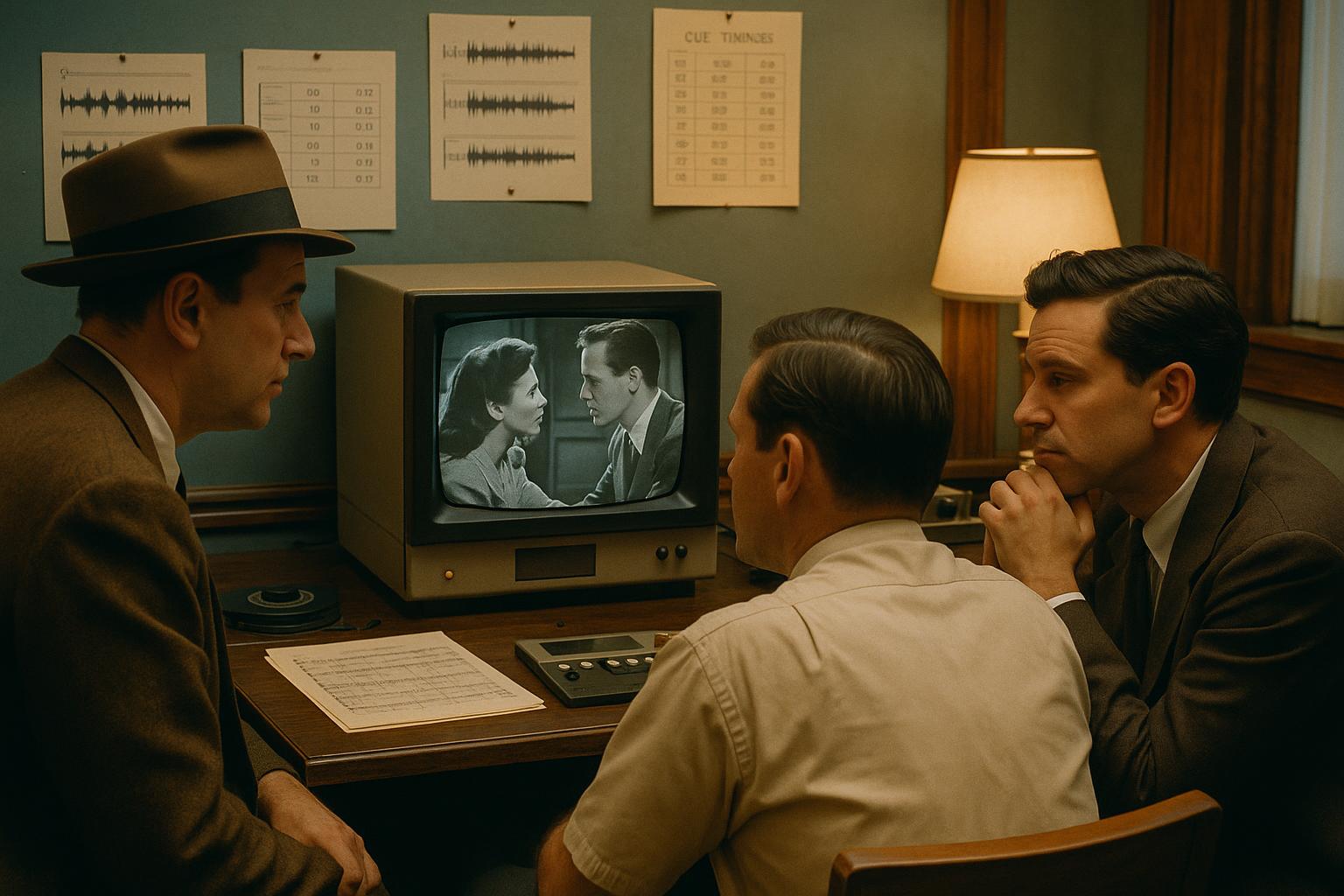
In today’s visual media landscape, connecting musicians and producers with opportunities in visual media synchronization requires a disciplined, actionable approach. This guide blends industry insights with hands-on steps to help you land placements, build recurring revenue, and partner with a trusted ally in publishing, sync, distribution, and artist development—One World Media. While Los Angeles remains a hub for high‑profile opportunities, the strategies below scale across markets and formats, from indie films to streaming series, trailers to ads.
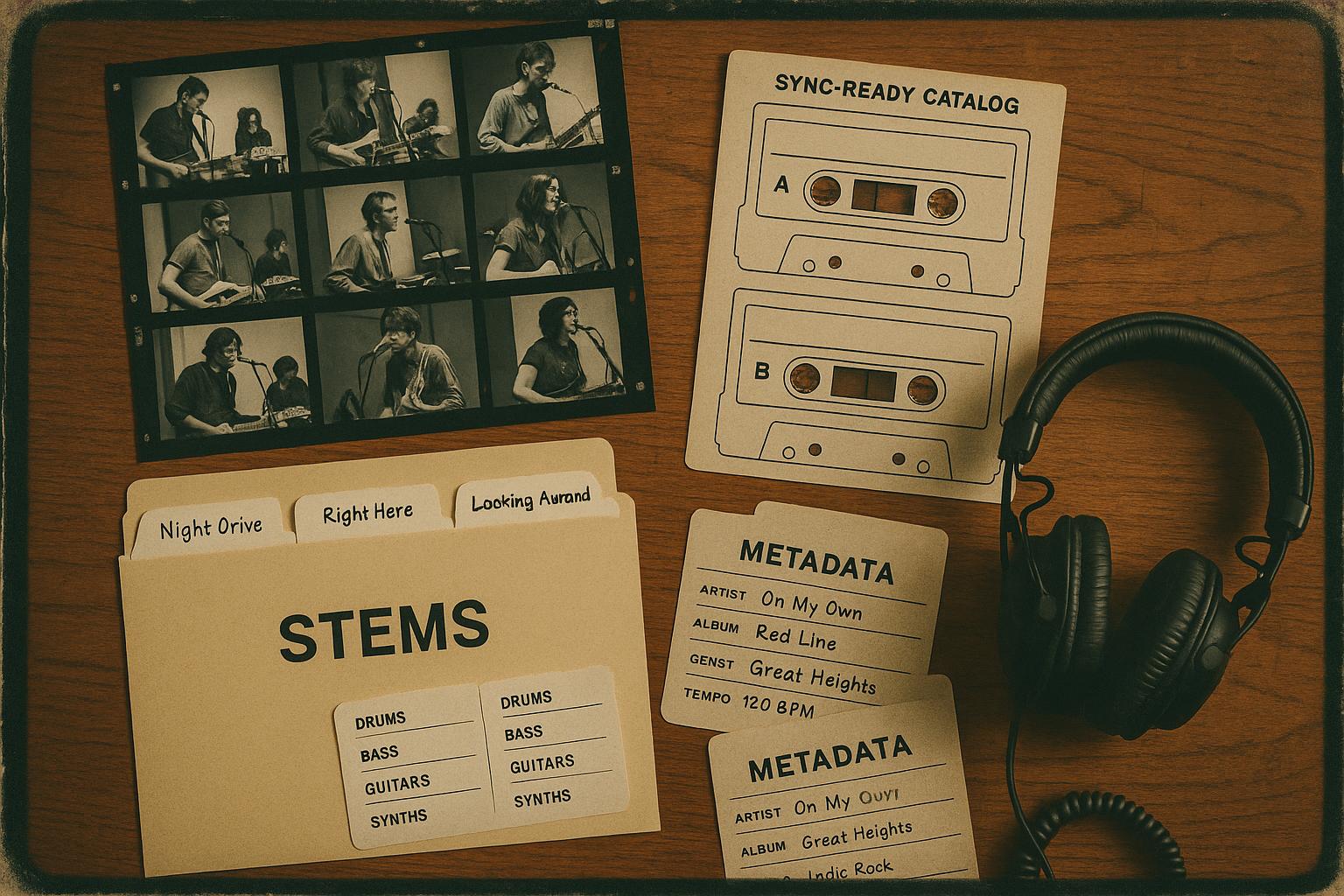
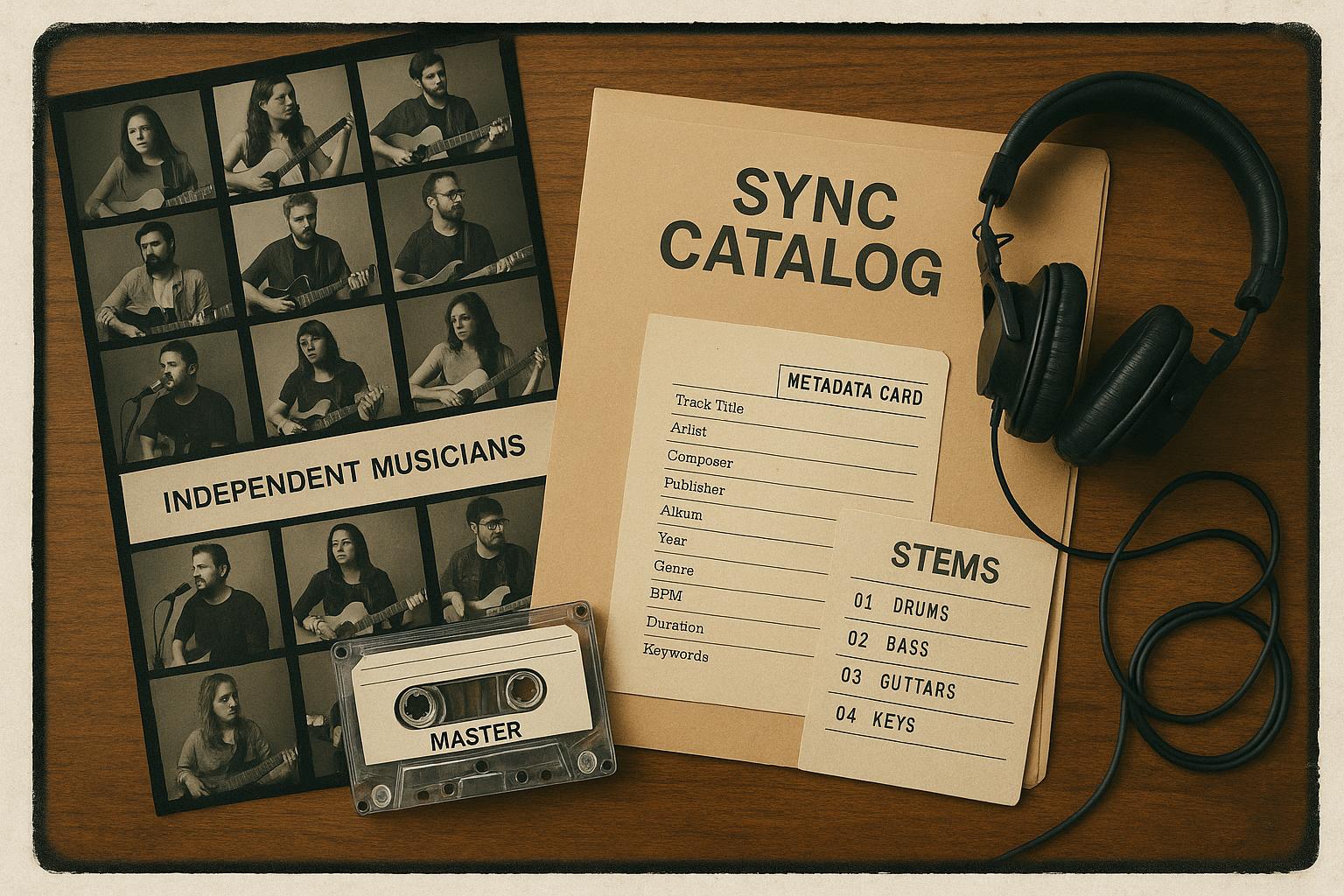
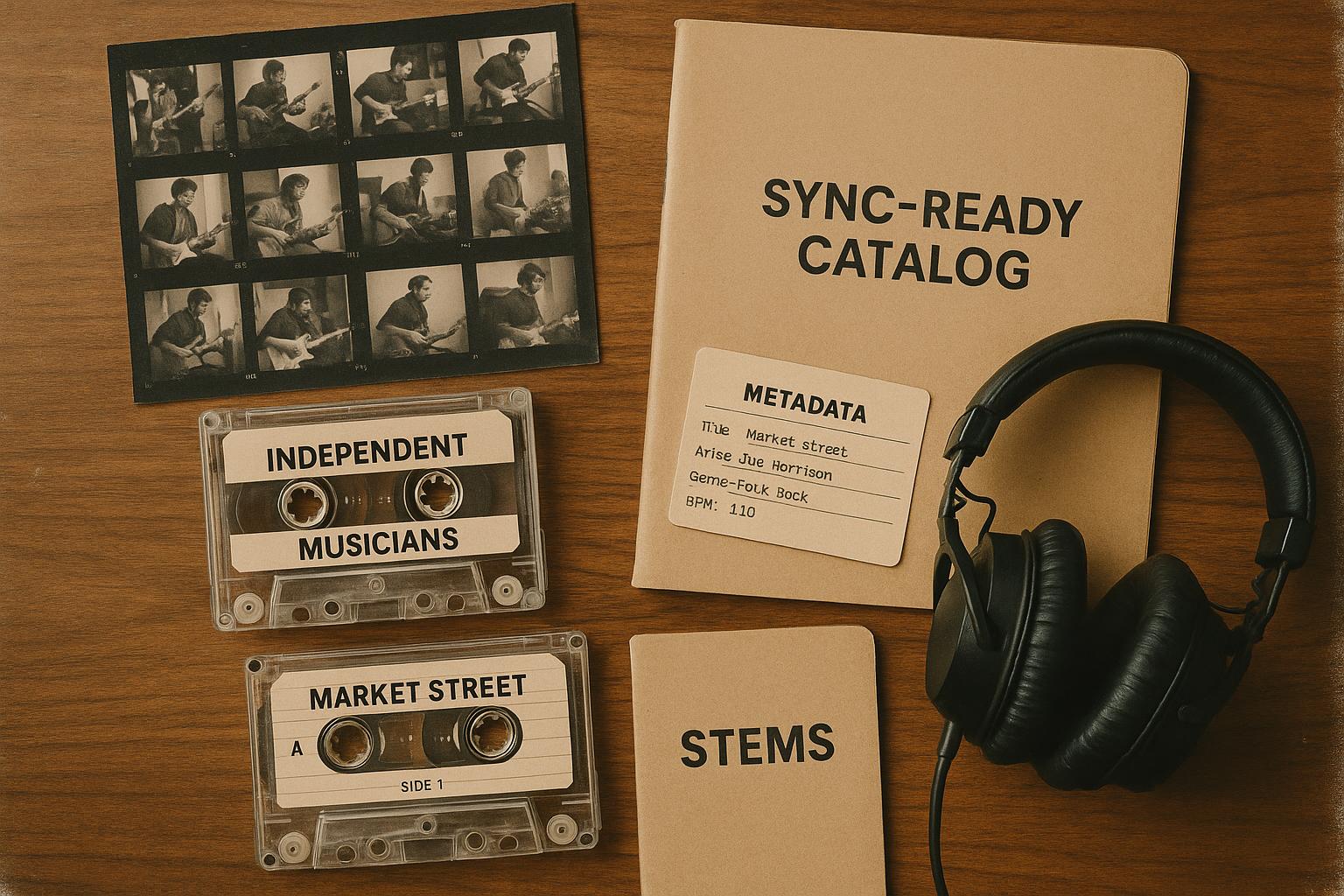
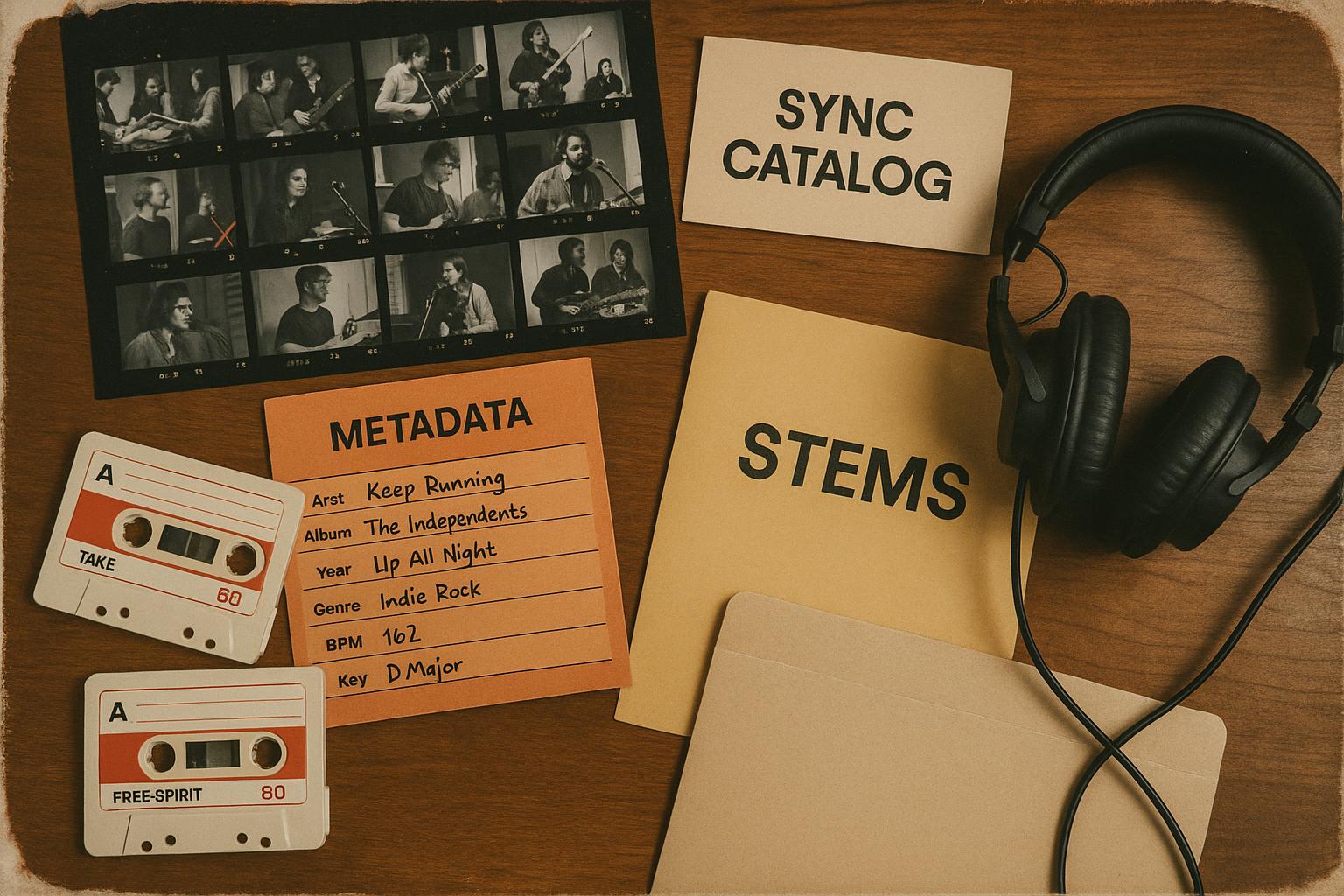
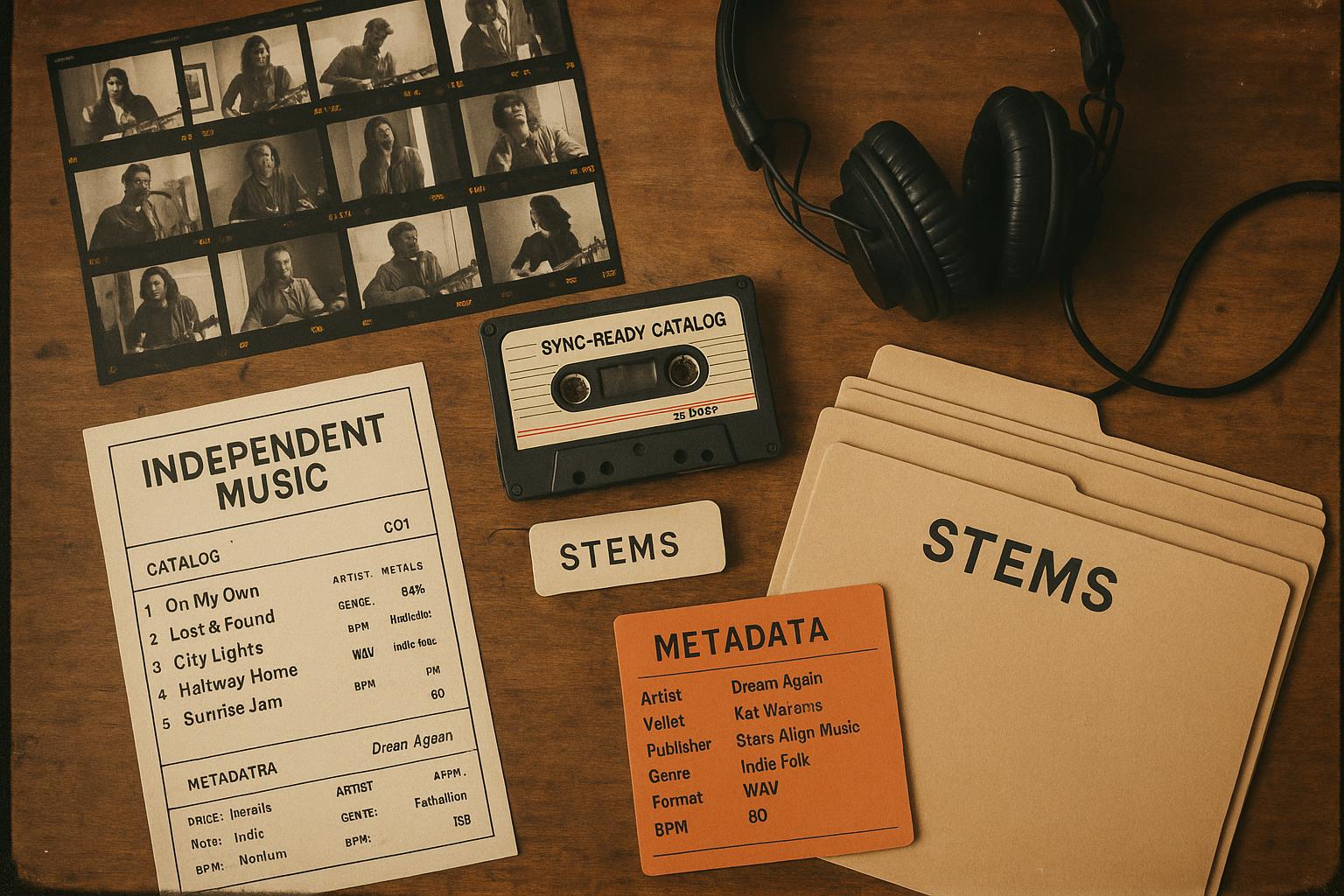
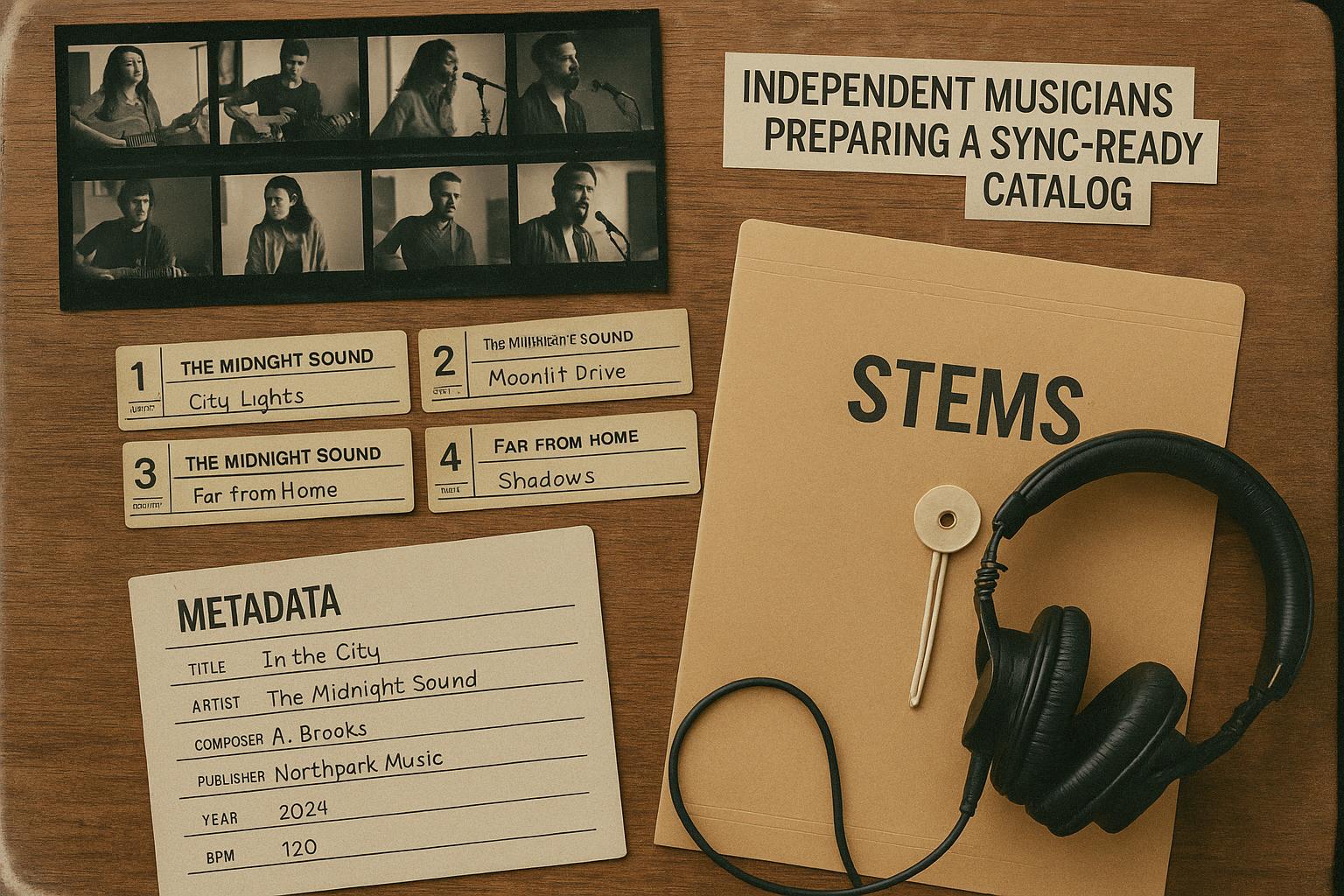
Developing a catalog that attracts syncs means clarity, consistency, and speed. Follow these steps to ensure every track is ready for a brief, a bidding process, or a quick turnaround:
Quick reference checklist:
Practical tip: maintain a living catalog sheet (shared with your team) that tracks which briefs you’ve seen, the status of each track, and upcoming release dates. This discipline accelerates responses to briefs and improves your pitch conversion rate.
Sync supervisors and music supervisors are gatekeepers to placements. They rely on precise data, fast clearance, and reliable deliverables. Here's what they typically require and how to deliver it efficiently:
Workflow tips for faster syncs:
One World Media can support sync supervisors with a streamlined submission pipeline, ensuring metadata accuracy, rights readiness, and fast clearance through our publishing, rights administration, and catalog development services.
Nothing derails a sync pitch faster than ambiguous rights or missing cue documentation. Build a rights-ready posture that reduces back-and-forth and speeds approvals:
Why this matters: broadcasters and streaming platforms audit cue sheets for licensing compliance, and having clean data reduces the risk of post-release disputes and revenue leakage. One World Media guides artists through end-to-end rights readiness—from initial drafting to final cue sheets—so you can execute with confidence.
Successful syncing is often the result of aligned teams and repeatable processes. Implement these collaboration workflows to maximize placement potential and recurring revenue:
Pro tip: build a “sync kit” for each track that includes a 30-second and 60-second edit, two alternate futures (e.g., high-energy and intimate), and a one-page cue card describing mood, tempo, and suggested uses. This accelerates editorial decisions and increases your win-rate.
In Los Angeles, a small independent electronic duo collaborated with One World Media to reframe their catalog for sync opportunities. They delivered clean masters, stems, and instrumental versions, plus precise cue sheets and fully updated metadata. Through a targeted sync strategy, their music was pitched to a mid-budget TV trailer and an upcoming streaming series. The team provided rapid turnarounds on alternate mixes and lived metadata updates as briefs evolved. Within eight weeks, one track was cleared and licensed for use in the trailer, with ongoing opportunities from the same production company for subsequent episodes, establishing a reliable revenue stream. The partnership demonstrated how disciplined catalog development, clear rights, and fast delivery can turn a modest catalog into recurring placement opportunities in visual media synchronization.
Whether you’re a producer building a placement-ready catalog, a songwriter pitching for film and TV, a sync supervisor seeking clearable music, or an independent musician chasing recurring sync revenue, One World Media offers a comprehensive suite of services to accelerate results. Our approach integrates:
While the ecosystem continues to evolve, a strategic, data-informed process anchored by strong metadata, clear ownership, and fast delivery remains the cornerstone of sustainable success in visual media synchronization. Our Los Angeles network and industry partnerships help bridge creativity with opportunity, turning compelling music into compelling visuals.
Q: What is the fastest way to start pitching tracks for sync opportunities?
A: Build a placement-ready library with complete metadata, stems, and alternate mixes, then partner with a sync-friendly distributor or publisher. Create a brief-specific playlist and target projects with similar moods to your tracks, using a clear rights and contact plan.
Q: How important are cue sheets and metadata for licensing?
A: Cue sheets and metadata are essential for lawful licensing, revenue tracking, and auditability. Accurate cue sheets ensure proper reporting to broadcasters and PROs, reducing disputes and delays in royalties.
Q: Should I work with a company like One World Media for publishing and rights management?
A: Yes. A unified partner can streamline sync strategy, publishing, rights admin, distribution, and artist development, delivering faster approvals and more consistent placement results, especially in competitive markets like Los Angeles.
Q: What makes collaboration workflows more effective for placements?
A: Early alignment on briefs, clear ownership, delivery of stems and alternate mixes, rapid feedback loops, and a structured release plan that keeps the catalog fresh and responsive to new briefs.
For more information, please contact us at support@oneworldmedia.global or call (307) 200-8139.