Break into film, TV, and trailer lanes with a strategic approach to music PR agencies
In today’s competitive sync landscape, working with the right Music PR agencies is less about hype and more about a disciplined, data-driven approach. This guide translates practical, real-world tactics into a reproducible workflow that accelerates placements, builds recurring revenue, and strengthens your catalog for licensing across movies, TV shows, ads, and streaming content. At the heart of it all is a partnership with One World Media, delivering integrated publishing, rights administration, distribution, and artist development that keeps your catalog clean, discoverable, and ready for clearance.
Why music PR agencies matter in modern sync strategy
Premium placement requires more than great tracks; it demands a partner who understands the synchronization market, the clearance ecosystem, and the metadata that makes your music searchable and auditable. Music PR agencies today function as orchestrators: they align your creative assets with licensing teams, provide targeted outreach to music supervisors and editors, and coordinate rights, versions, and documentation so that a cue can be cleared quickly. For producers building placement-ready catalogs and songwriters pitching for film and TV, aligning with a capable PR partner can dramatically shorten the path from concept to “green light” and maximize long-term sync revenue.
Practical steps for building placement-ready catalogs
To turn a catalog into a reliable source of sync income, follow these steps as a repeatable workflow. The steps are designed to be executed in a single sprint or a quarterly cycle, with ongoing updates as you add material.
- Audit and segment your catalog by mood, tempo, vocal presence, and potential scene use (drama beds, energetic cues, intimate moments, trailer hooks).
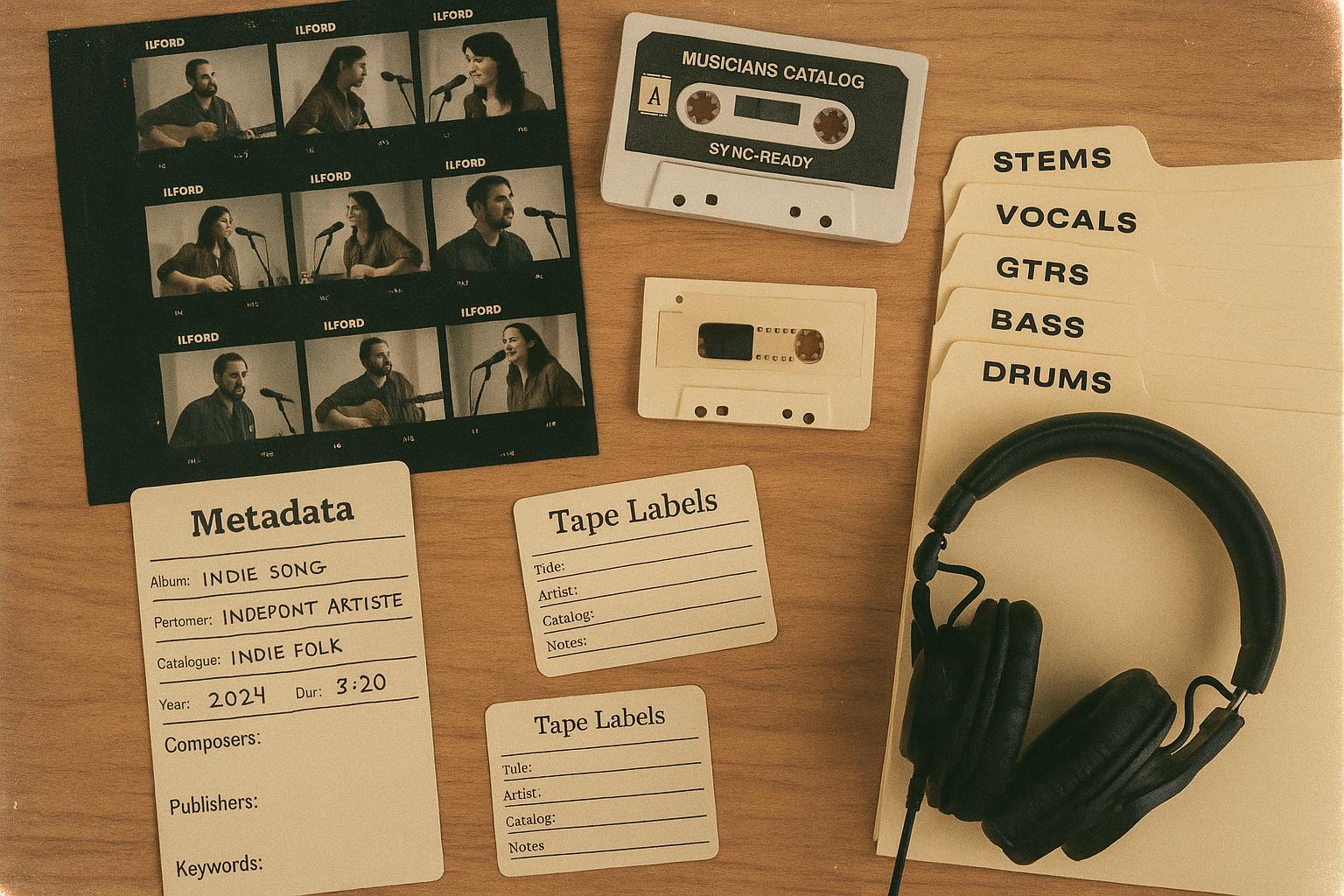
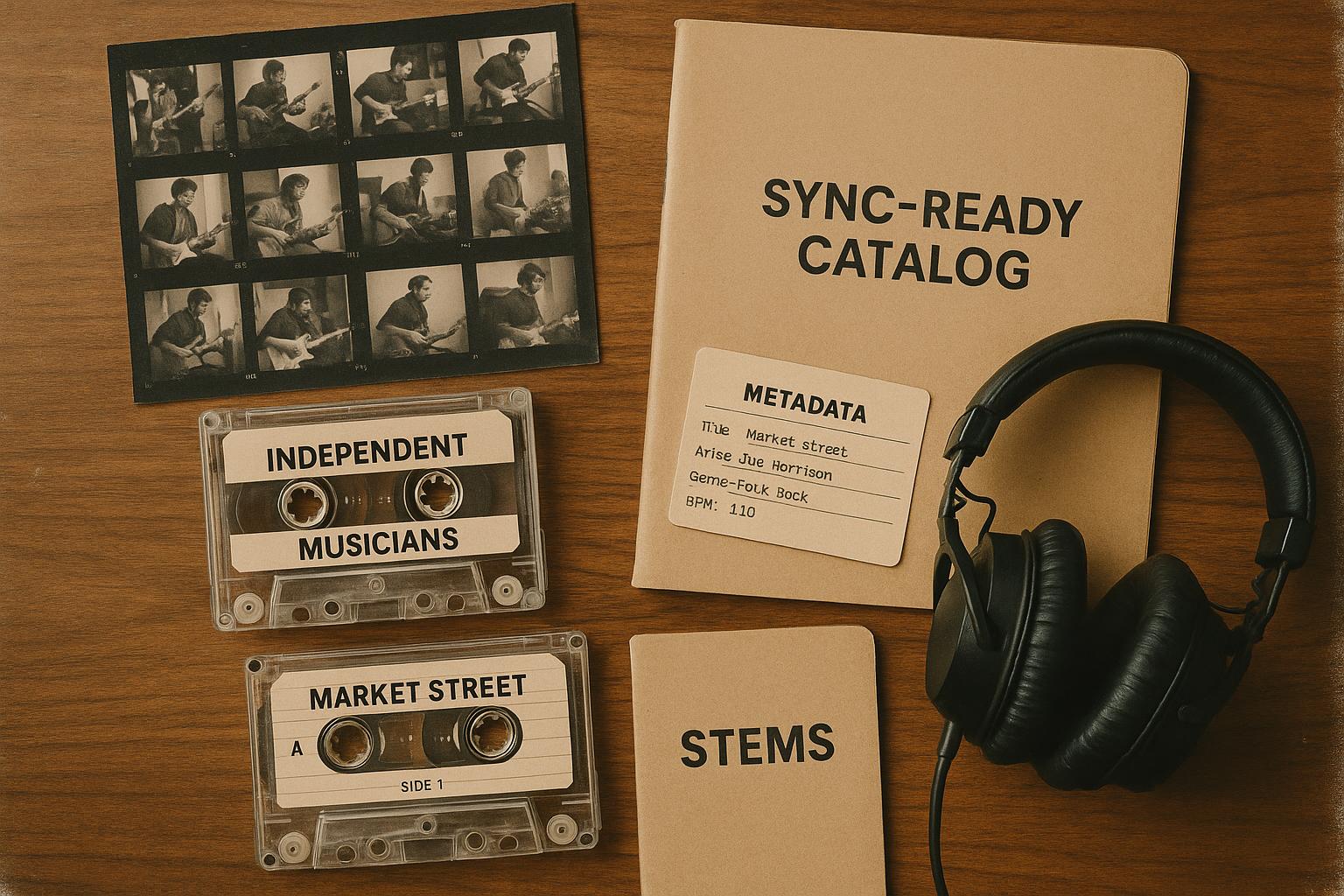
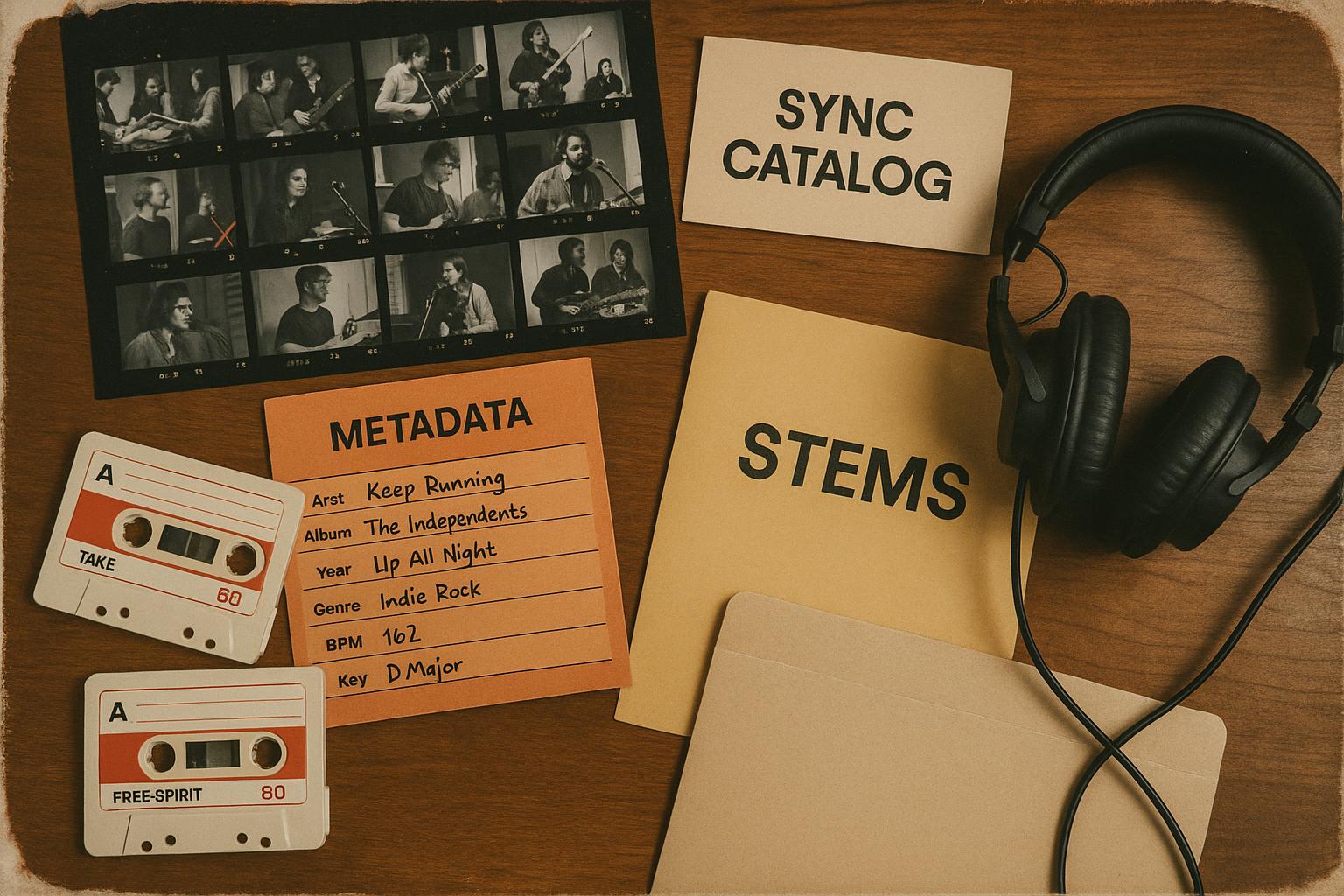
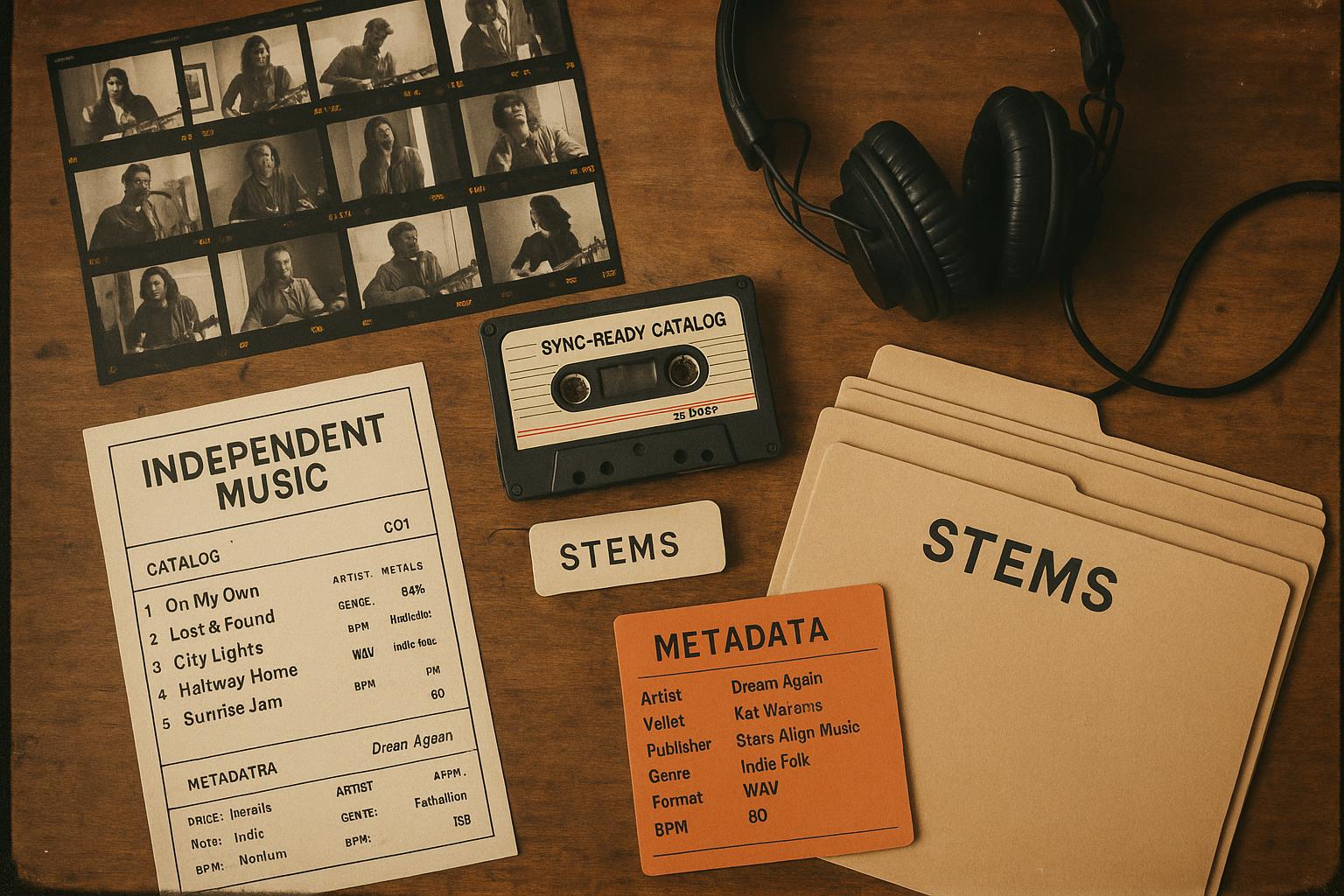
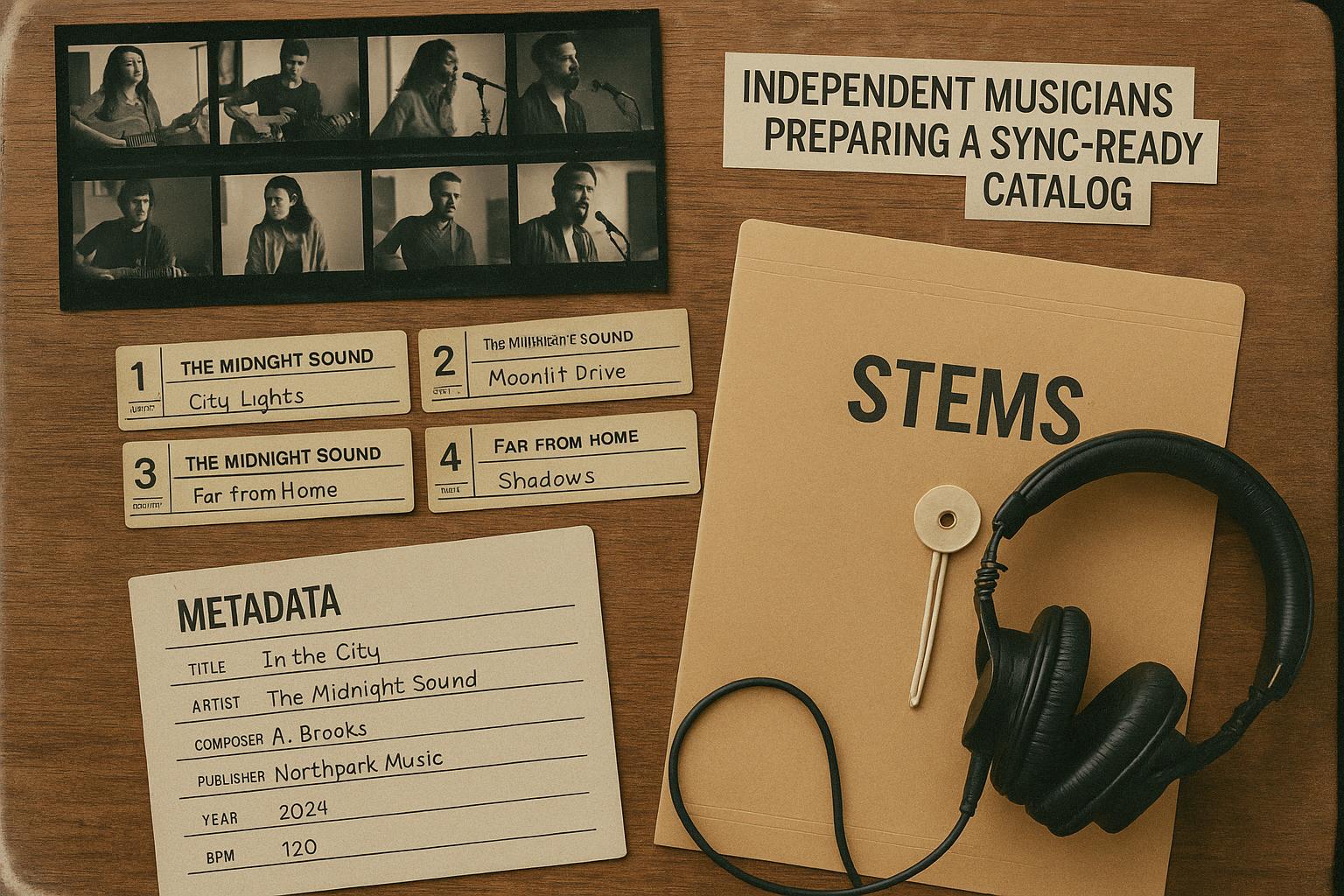
- Lock metadata structure for every track: title, artist, feature credits, composer/publisher, rights ownership, ISRC, ISWC, and PRO details.
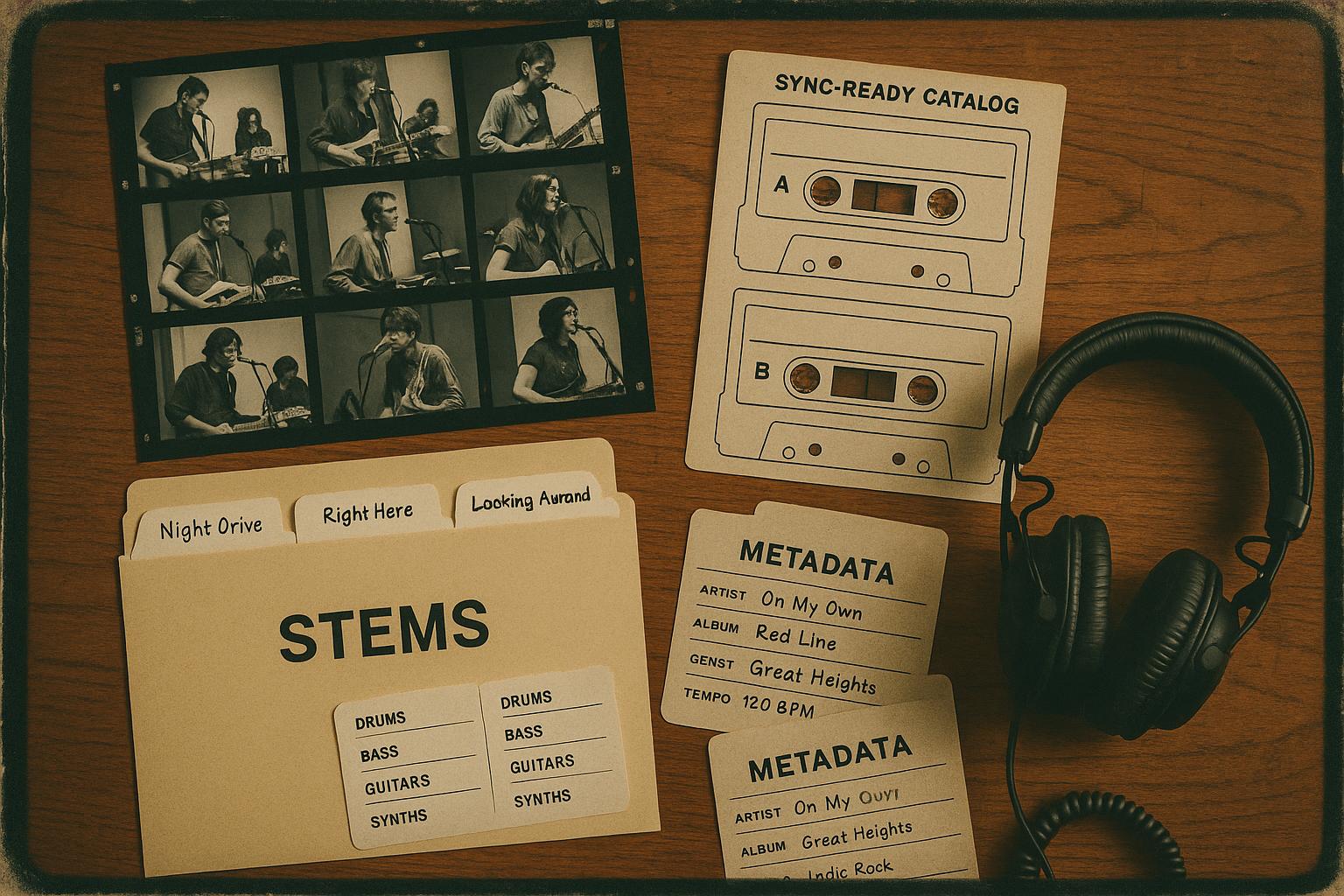
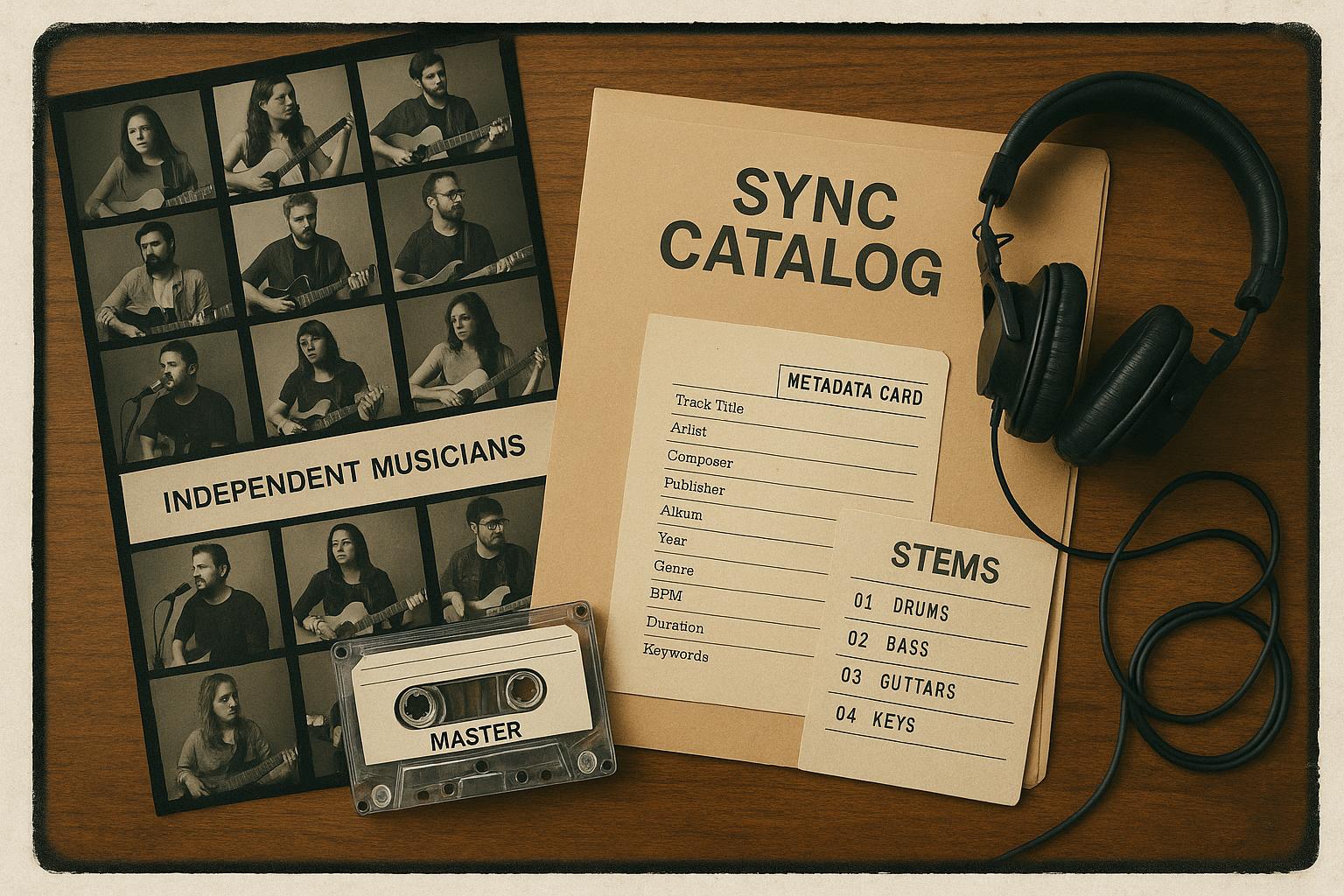
- Prepare production-ready stems and alternate mixes (radio edit, instrumental, remix-friendly versions, and short versions for cues under 15 seconds).
- Create a one-sheet for each track or short album, including suggested sync moments, comparable cues, and licensing notes.
- Assemble master and publishing ownership clarity: confirm who can grant licenses, who collects royalties, and who handles downstream distribution.
- Establish a clear clearance strategy, including a one-stop clearance partner or a list of sample/ interpolation disclosures if applicable.
- Implement a version control and backups system, with release windows, licensing expirations, and track revocation notes.
Metadata quality is non-negotiable. A clean ISRC/ISWC, accurate track titles, and complete credit information ensure music supervisors can source, clear, and pay royalties without chasing down authors or rights holders. Below is a quick metadata quality checklist you can apply today:
- Isrc/ISRC and Iswc fields populated and verified
- Accurate title, artist, publisher, composer, and rights holder names
- Clear credit splits and ownership percentages in the metadata
- PRO registration status and affiliation details
- Catalog version tags (v1, alt mix, instrumental, stem pack)
Rights, metadata, and cue sheets: backbone of fast approvals
Efficient sync licensing hinges on rights clarity and robust documentation. This section outlines the essentials you should have in place before you approach Music PR agencies or licensing teams.
Key components to document and maintain:
- Split sheets that clearly define ownership and revenue shares among all contributors
- Master ownership versus publishing ownership clarity, including non-exclusive licenses if used for catalogs
- PRO registration for all performing rights (ASCAP, BMI, SESAC, PRS, SACEM, etc.)
- ISRCs for every master track and ISWC metadata for compositions
- Cue sheets that record, for each use, the track, duration, rights involved, and license type
Right-ready catalogs are irresistible to sync teams because they cut negotiation time and reduce risk. Misaligned splits or missing cue sheets can derail an otherwise strong pitch. With One World Media’s comprehensive rights admin and publishing services, you maintain clarity across master, publishing, and licensing status, enabling faster approvals and ongoing revenue.
Real-world scenario: a case example of a music PR agency driving a trailer placement
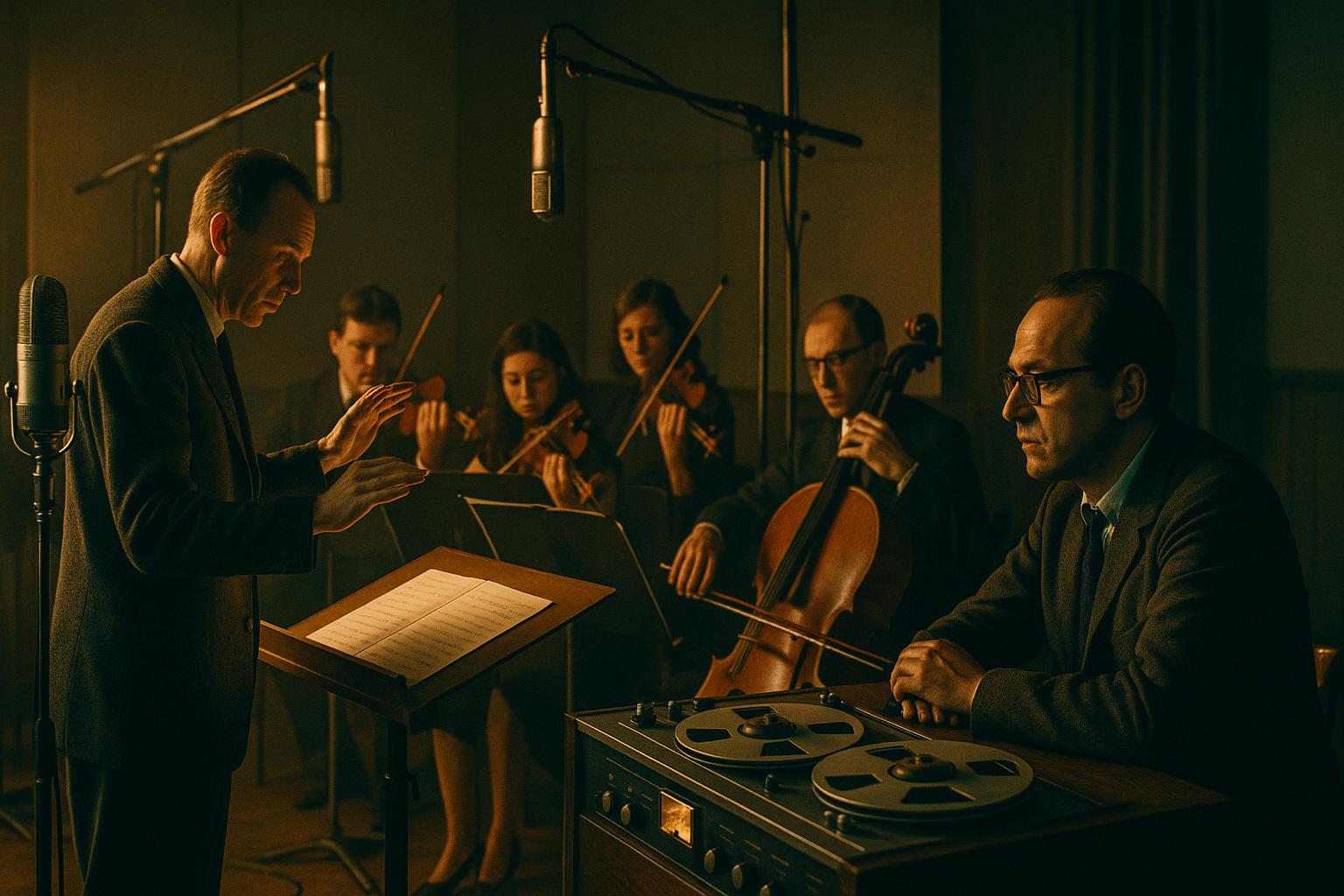
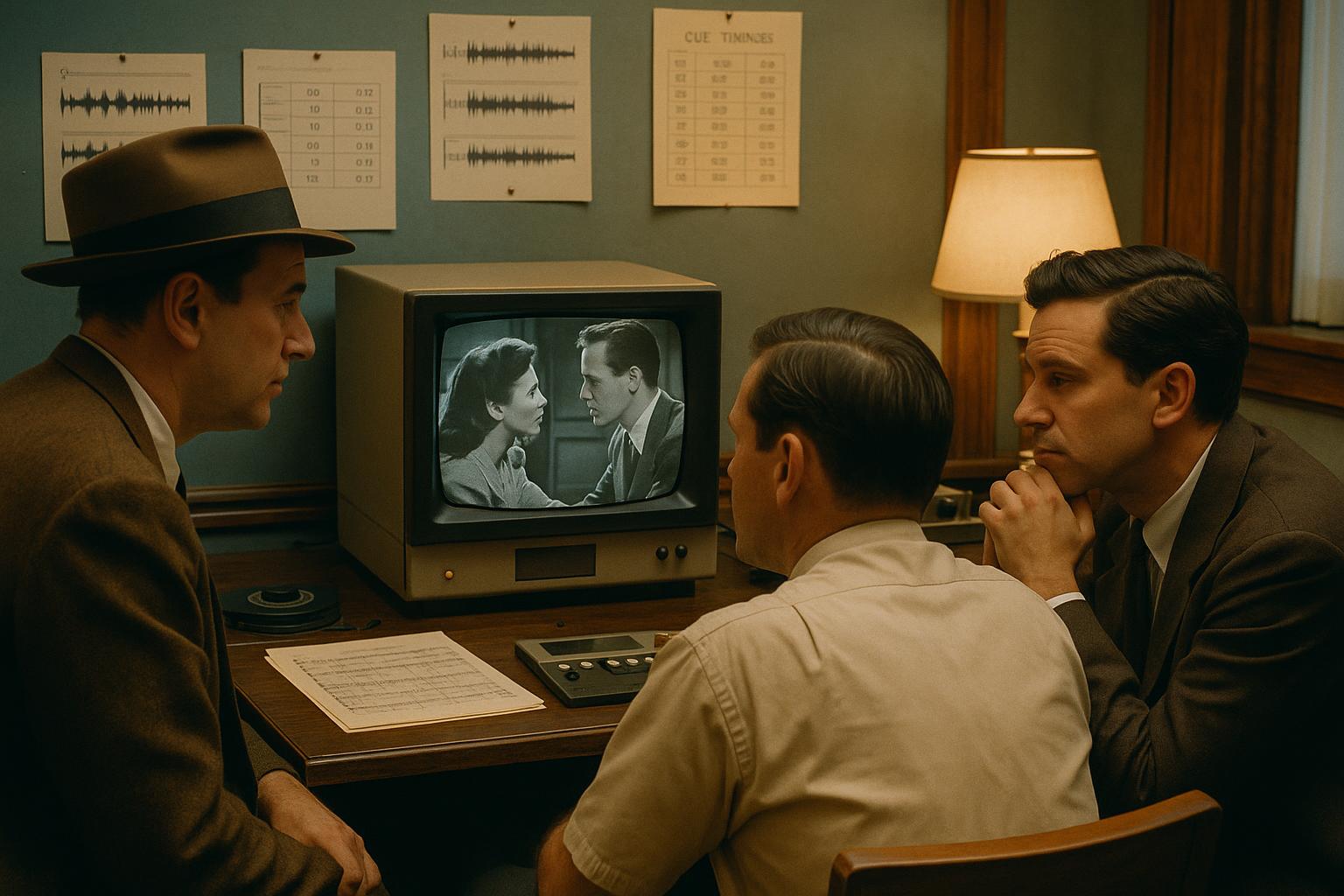
A mid-tier indie rock band in Los Angeles, with a catalog of 14 tracks, partners with a boutique Music PR agency specializing in TV and trailer syncs. The agency conducts a metadata clean-up sprint, bundles a cohesive mood-driven playlist, and secures one-stop clearance for a 30-second trailer. They deliver stems and an alternate instrumental version to the licensing team, along with a ready-to-sign cue sheet and split sheets. Within six weeks, the trailer editors select one track, and a second cue is pitched for a mid-season montage.
The result: a high-visibility placement in a major streaming-service trailer, a surge in streaming numbers across all platforms, and ongoing interest from warm music supervisor leads. The band experiences recurring licensing inquiries for both new episodes and international promos. Importantly, the agency’s process demonstrates how proactive metadata discipline, clear ownership, and a readiness package accelerate closed deals—especially in a market anchored by Los Angeles-based studios and networks.
Sync supervisors: what they need from artists
This section is tailored for the people who actually clear the licenses: music supervisors, editors, and sync licensing coordinators. If you’re an artist, manager, or producer, aligning with these expectations will improve your hit rate and speed of payment.
From the supervisor’s perspective, the essentials are:
- Metadata quality: accurate track data, credits, and ownership information; consistent naming conventions across platforms
- One-stop clearance: where possible, a single point of contact or a clearly defined license package that covers master and composition rights
- Alt mixes, stems, and instrumental versions: ready-to-use assets to fit different edit timings and loudness targets
- Fast turnaround: rapid responses to licensing requests, including clarifications, missing information, or additional materials
- Clear cue sheets and licensing terms: precise usage details, duration, territory, and license type
How to operationalize this: maintain a dedicated “sync pack” for each track containing stems, instrumentals, a fully populated metadata sheet, a one-page licensing overview, and a ready-to-execute cue sheet. This reduces the back-and-forth and increases the likelihood of timely clearance, which is especially important for fast-moving trailer edits and episodic turnarounds.
Producer/songwriter collaboration workflows that increase placement success
Successful placements come from tight, repeatable collaboration patterns that align creative output with licensing realities. The following workflow is designed to be practical, scalable, and friendly to a Los Angeles–based production cycle.
Recommended collaboration workflow:
- Set up a shared project workspace (cloud-based, with version history) that includes stems, alternate mixes, and a centralized metadata repository.
- Agree on ownership and licensing terms at the outset: who controls master rights, publishing, and which territories are covered by standard licenses versus bespoke agreements.
- Schedule regular syncs (biweekly or monthly) to review new material, discuss potential sync use cases, and align on target supervisors and shows.
- Institute a cue-sheet-first mentality: prepare cue sheets with every track, including exact durations for expected leads, underscores, and stingers
- Create a “turnaround kit” for quick licensing requests: ready-to-sign documents, sample clearance notes, and a list of alternate mixes
- Test-via small, low-risk placements first (short-form promos, student films, non-broadcast use) to gather feedback and refine processes
Why this matters for LA-based creators: Los Angeles remains a hub for film, TV, and advertising, with frequent licensing windows that favor teams who can deliver fast, well-documented, and fully prepared assets. A consistent workflow demonstrated to Music PR agencies signals reliability and increases the probability of reprised placements across seasons and campaigns.
FAQ
Q: How do I get started with a Music PR agency if I’m an independent artist or producer?
A: Begin with a clean, catalog-ready package: a metadata template per track, a field-tested playlist of cues by mood, stems and alt mixes, plus a rights and ownership summary. Research agencies that specialize in your genre and target networks, then present a concise pitch deck showing what you offer, recent placements (if any), and how you can collaborate on a publisher-friendly rights approach. Partnering with One World Media can help ensure your publishing, rights admin, and distribution are aligned to maximize impact.
Q: What makes a catalog "placement-ready" from a licensing perspective?
A: A placement-ready catalog is metadata-rich, has clearly defined ownership, includes stems and alternate mixes, and is accompanied by ready-to-sign cue sheets and licensing terms. It also provides a one-stop clearance option or a clearly defined licensing path. Agencies value predictability and speed, which comes from thorough documentation and a track record of reliable turnarounds.
Q: How should I approach rights ownership when collaborating with others on a track?
A: Use formal split agreements and ensure all contributors are registered with a PRO, with clearly defined publishing and master ownership. Maintain up-to-date metadata, and keep a living document that records any changes in credits or ownership. This reduces disputes and streamlines negotiations with supervisors and publishers.
Q: How can I measure whether a sync partnership is delivering value?
A: Track the number of placements secured, the average time to clearance, license value, and downstream revenue (streams, licensing fees, and broadcast royalties). Monitor catalog growth and repeat placements over time, and solicit feedback from licensing teams to refine your materials and workflows. Regular audits with a partner like One World Media can help optimize your strategy.
Leveraging One World Media services for ongoing revenue
The right partner should offer a suite of services designed to maximize long-term sync income and catalog health. One World Media provides a cohesive stack: sync strategy, music publishing, rights admin, distribution, and artist development. This integration reduces the friction between creation and clearance, while maintaining a clear line of sight to revenue.
Key benefits you can expect:
- Strategic sync outreach and targeting to music supervisors, editors, and licensing houses
- Music publishing administration including ownership tracking, PRO registration, and licensing compliance
- Efficient rights management and cue-sheet generation to expedite approvals and royalty collection
- Distribution services to monetize tracks on streaming platforms and digital marketplaces
- Artist development programs to grow your catalog’s depth, consistency, and brand alignment
Los Angeles-centric workflows are especially powerful. The city’s dense production environment means opportunities arise quickly, but competition remains high. A partner with deep LA networks and a proven process can help you stand out, secure repeat placements, and build a steady stream of sync revenue while maintaining artist-friendly terms and transparent reporting.
Contact One World Media
For more information, please contact us at support@oneworldmedia.global or call (307) 200-8139.