Unleash film placements and recurring sync income with state-of-the-art recording technology
In a media landscape where every scene demands precise mood, cadence, and emotional impact, leveraging cutting-edge tools is no longer optional—it's essential. High-fidelity capture, modular stems, and rapid delivery workflows are the difference between a track that sits on a shelf and one that appears in trailers, episodes, ads, and streaming campaigns. At One World Media, we help producers, songwriters, and sync supervisors transform great songs into placement-ready assets through a comprehensive suite of services: sync strategy, music publishing, rights admin, distribution, and artist development. With a strong emphasis on practical execution and Los Angeles’ fast-moving scene, you can build a durable, scalable catalog that consistently earns sync revenue.
How to build a placement-ready catalog with cutting-edge tools
Creating a catalog that movie and TV teams can license in minutes requires discipline, standardization, and technical excellence. Here is a practical blueprint you can apply today.
- Standardize audio quality and formats: deliver masters at 24-bit, 44.1/48 kHz (with higher-resolution options where possible) and provide stems in commonly requested channel configurations (stereo, 5.1, or stems suitable for upmix).
- Deliver alt mixes: include vocal up/down versions, instrumental tracks, and radio edits to accommodate different edit lengths and storytelling needs.
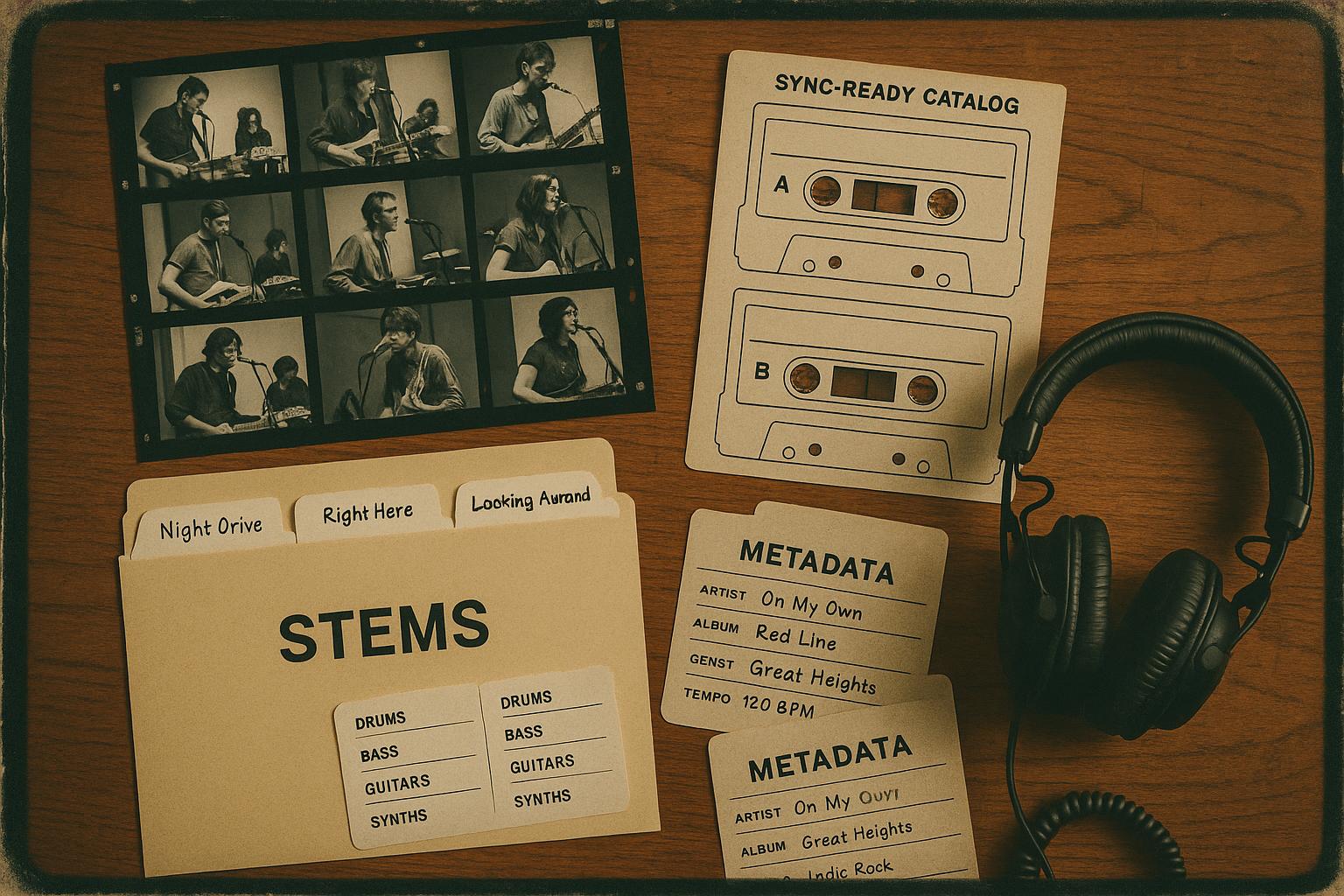
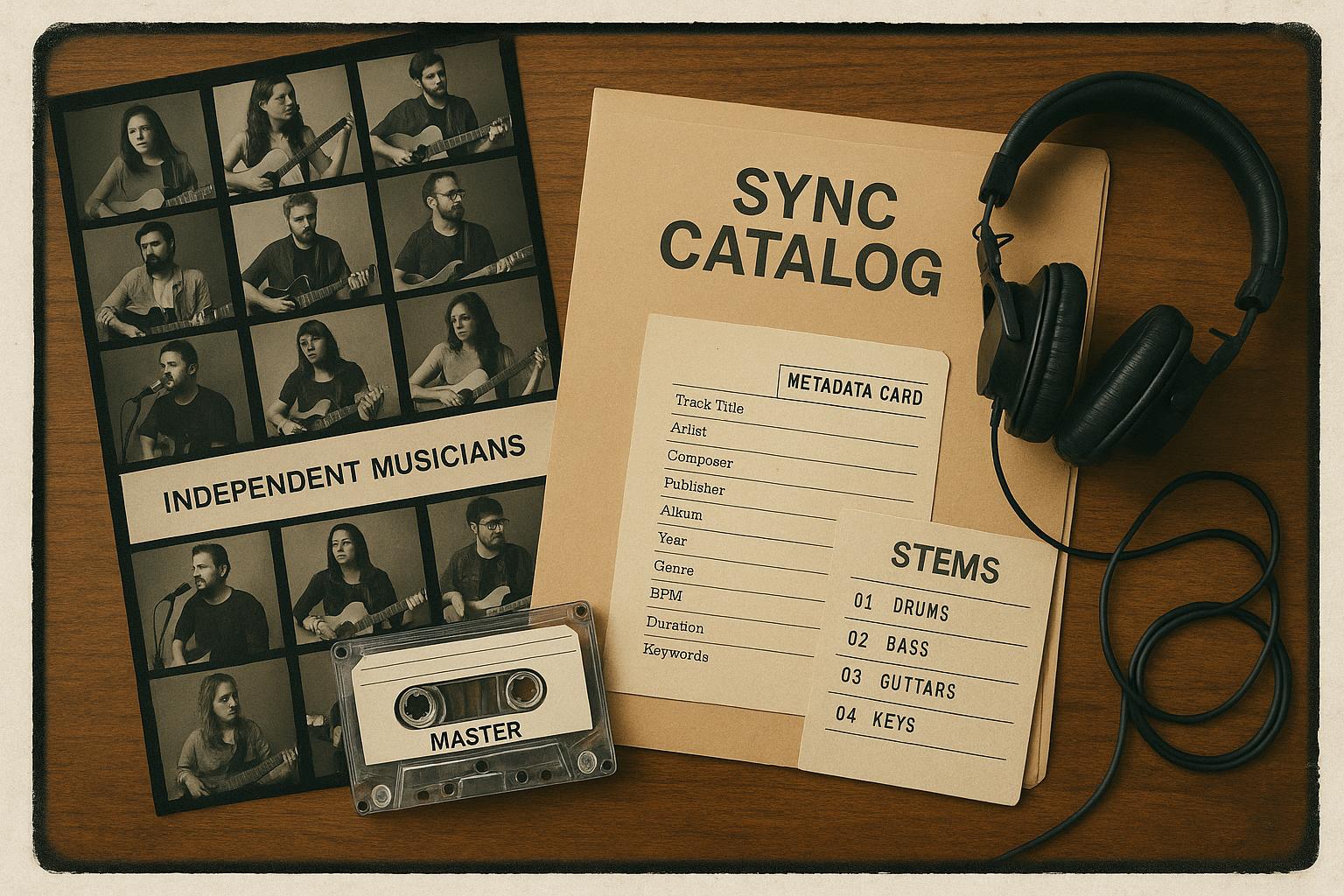
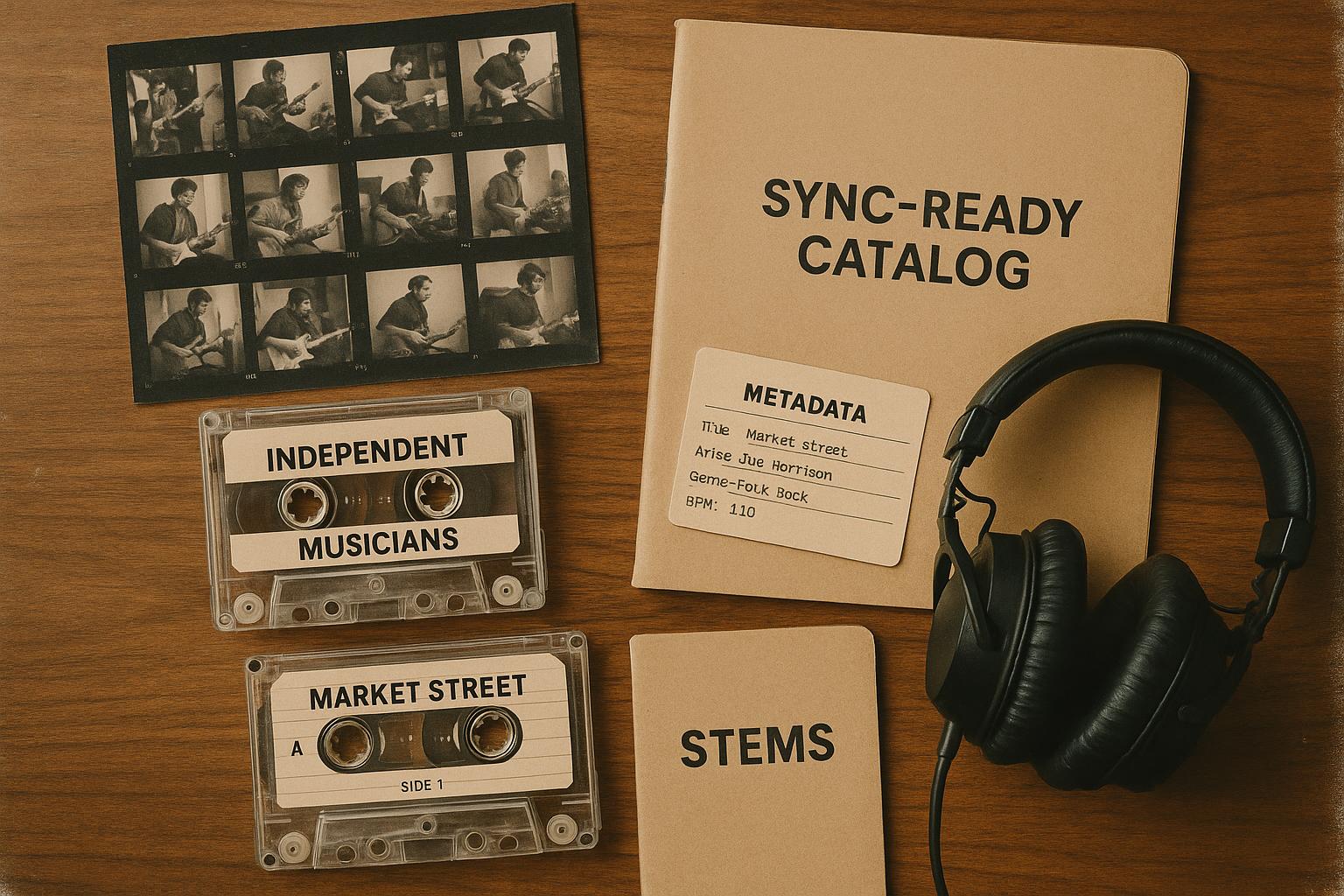
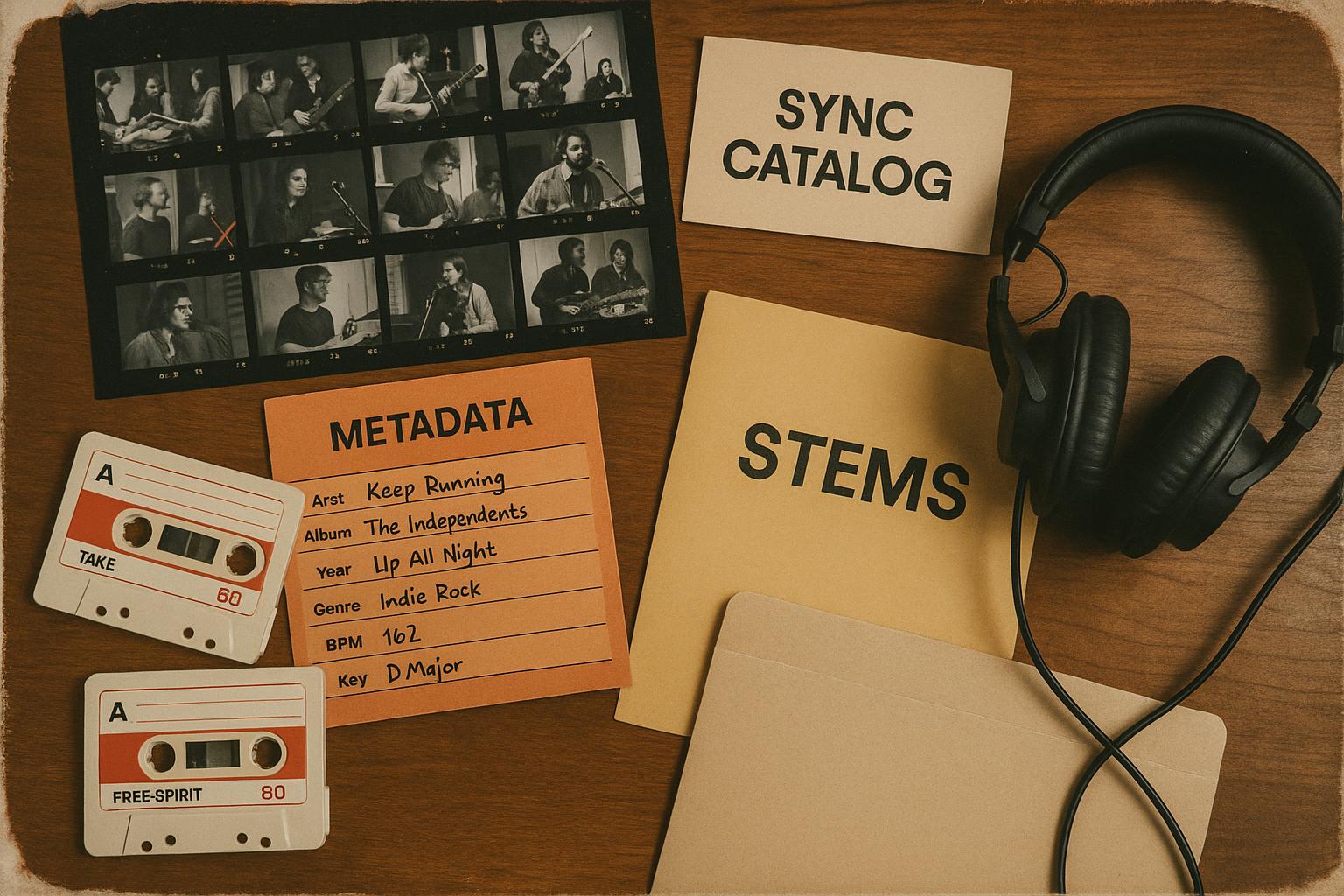
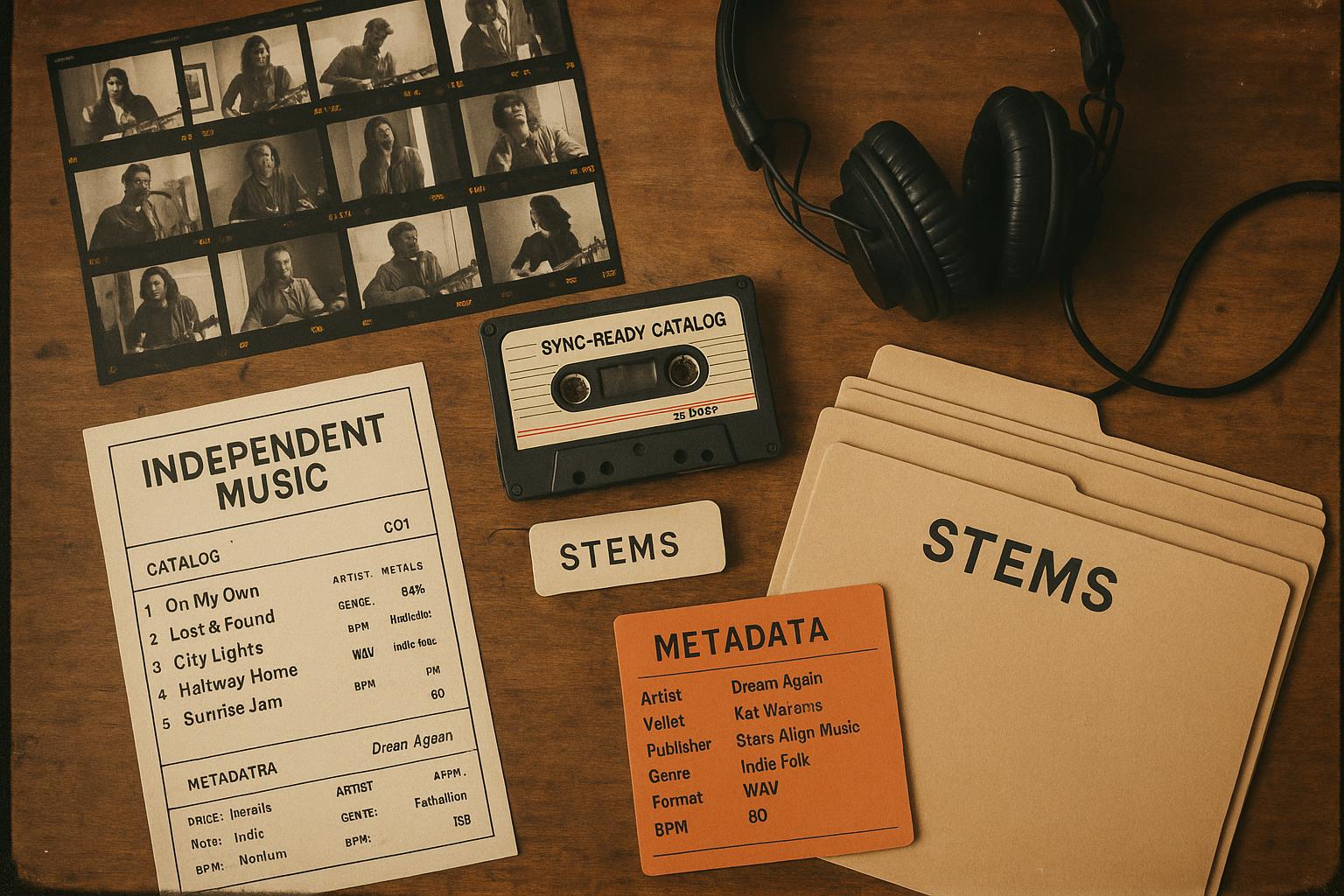
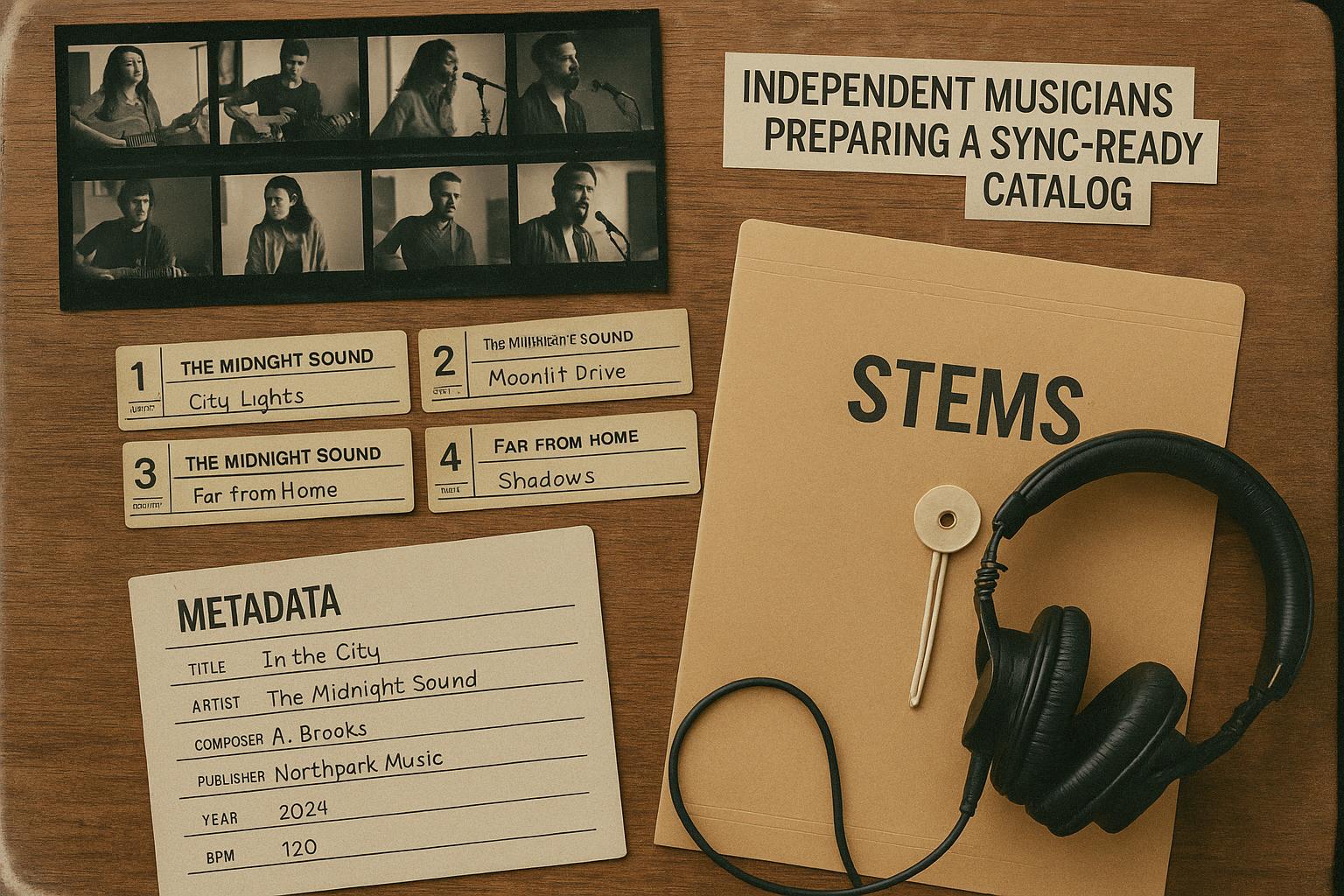
- Metadata discipline: accompany each track with complete metadata — title, artist, writers, publishers, PROs, ISRC, release date, tempo, key, mood, and potential usage notes.
- Create modular stems: build a core loop with percussion, bass, and harmony stems that can be repurposed to match various scenes and transitions.
- Rights clarity upfront: document ownership splits, publishing rights, and master ownership clearly, and register them with the appropriate PROs.
- Catalog maintenance: set a cadence for refreshing materials, updating metadata, and retiring tracks that no longer fit current licensing briefs.
- Audit your catalog: identify high-sitness cues that align with popular film and TV genres (drama, action, tween/young-adult dramas, thrillers) and catalog growth opportunities.
- Tag and organize metadata: implement a consistent schema across tracks so buyers can search by mood, tempo, instrumentation, and scene use.
- Prepare stems and alt mixes: ensure every master has a corresponding set of stems and alternate versions for quick scene adaptation.
- Register and verify rights: confirm ISRC for the master and ISWC for the composition; assign publisher and writer splits and lock PRO registrations.
- Deliver to key partners: share via a trusted rights management platform and coordinate with a dedicated sync strategy team to accelerate pitches.
- Track, pitch, optimize: monitor licensing requests, collect feedback from supervisors, and refine your catalog with new materials and updated metadata.
Real-world scenario: modern tech helping land a trailer cue
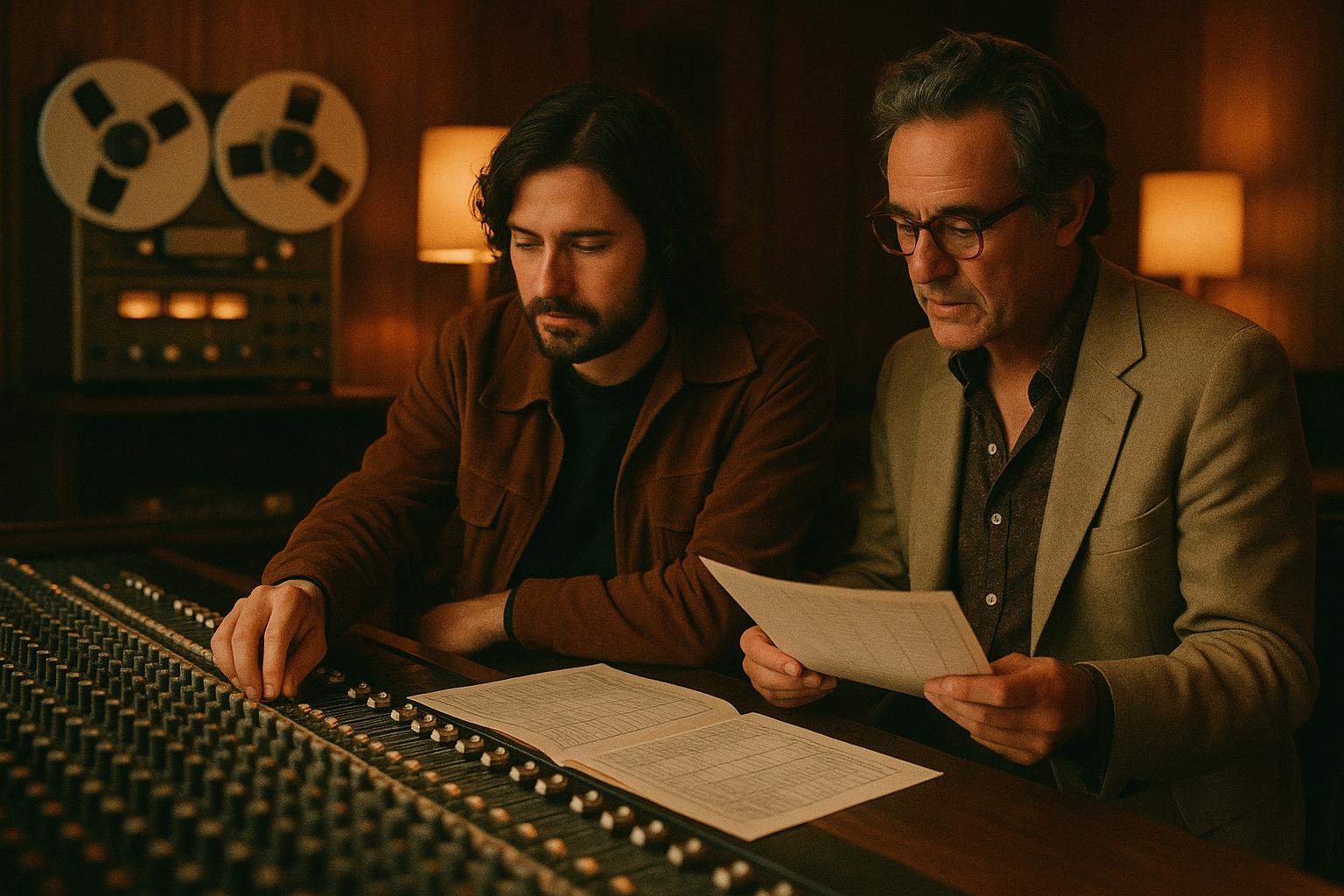
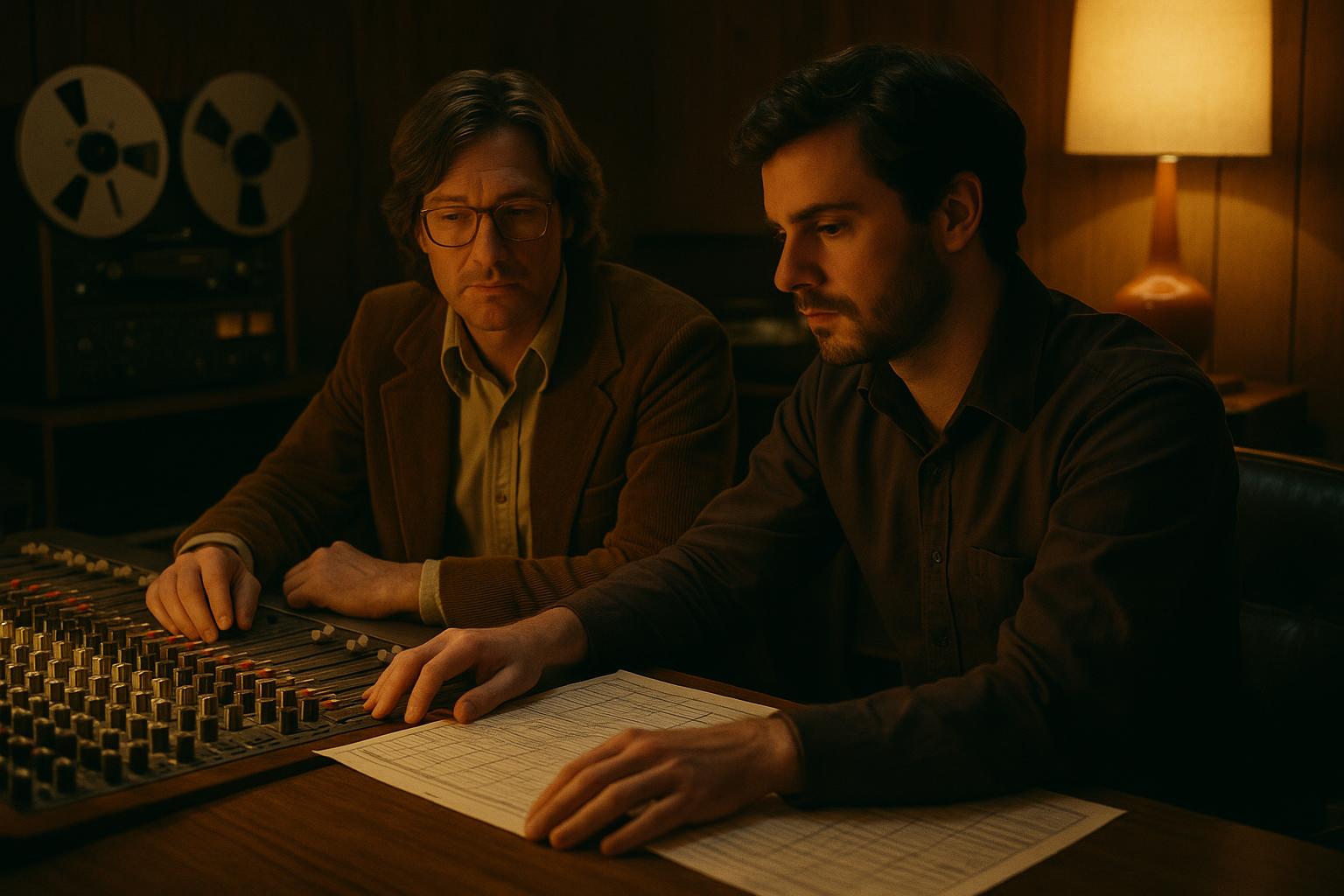
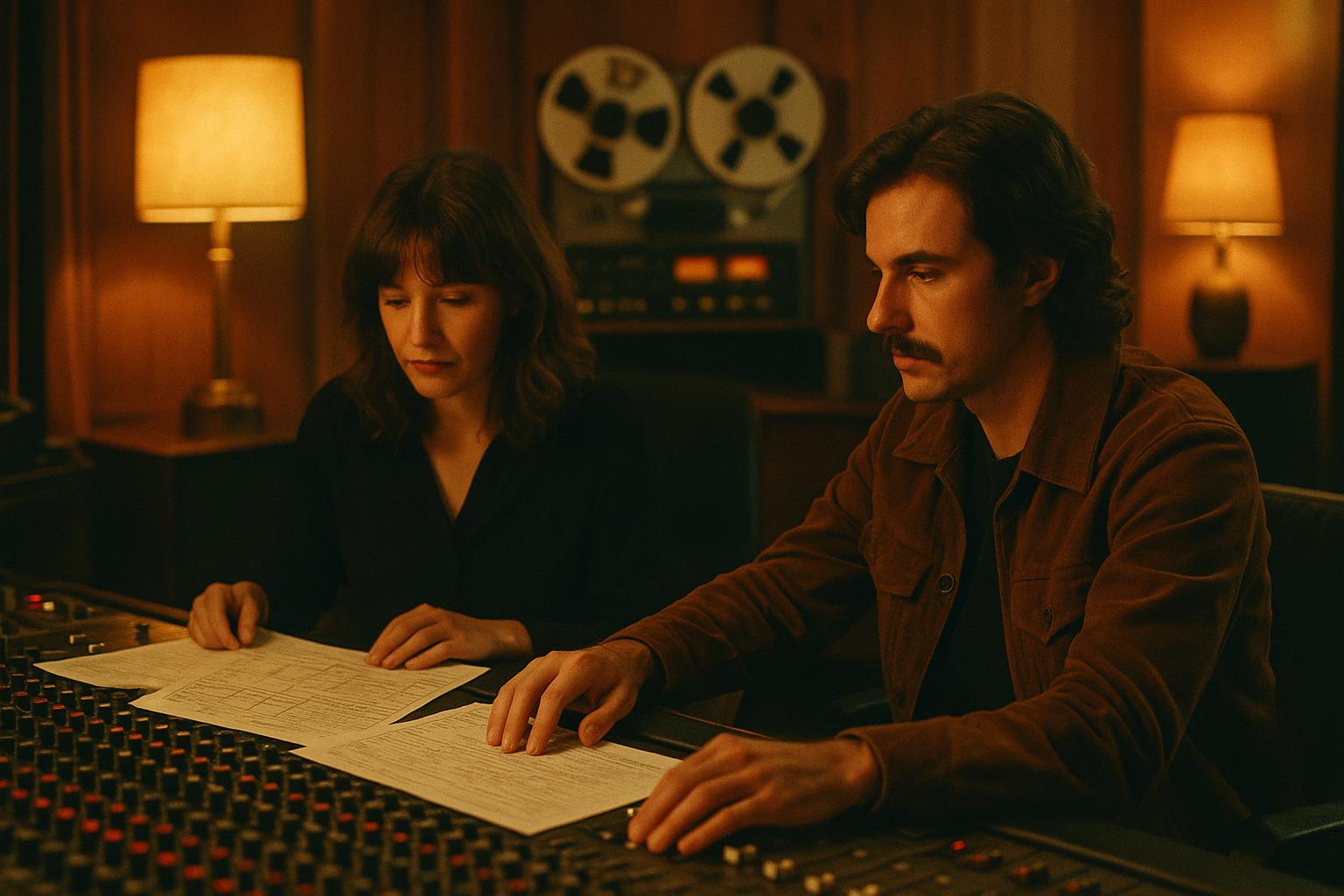
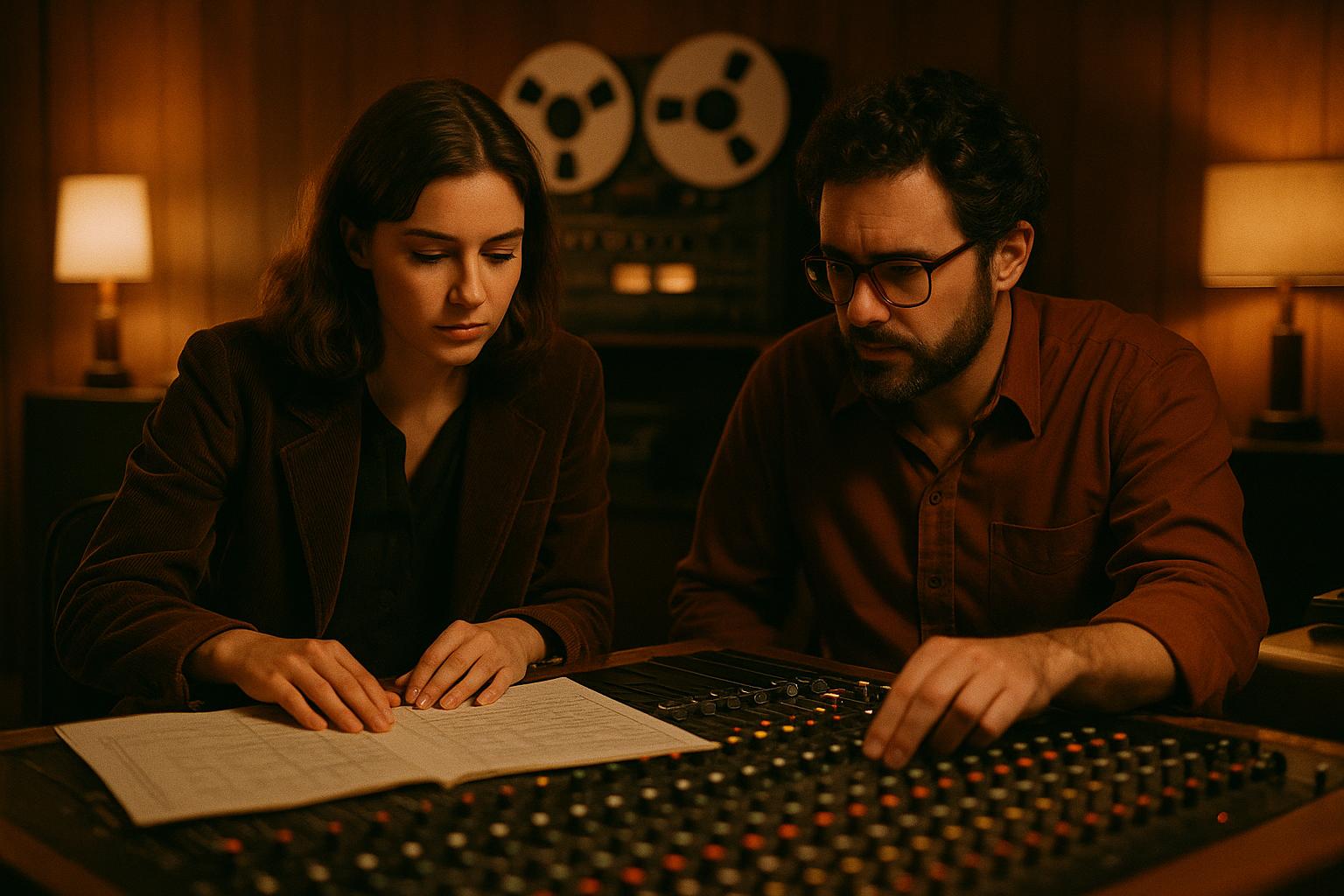
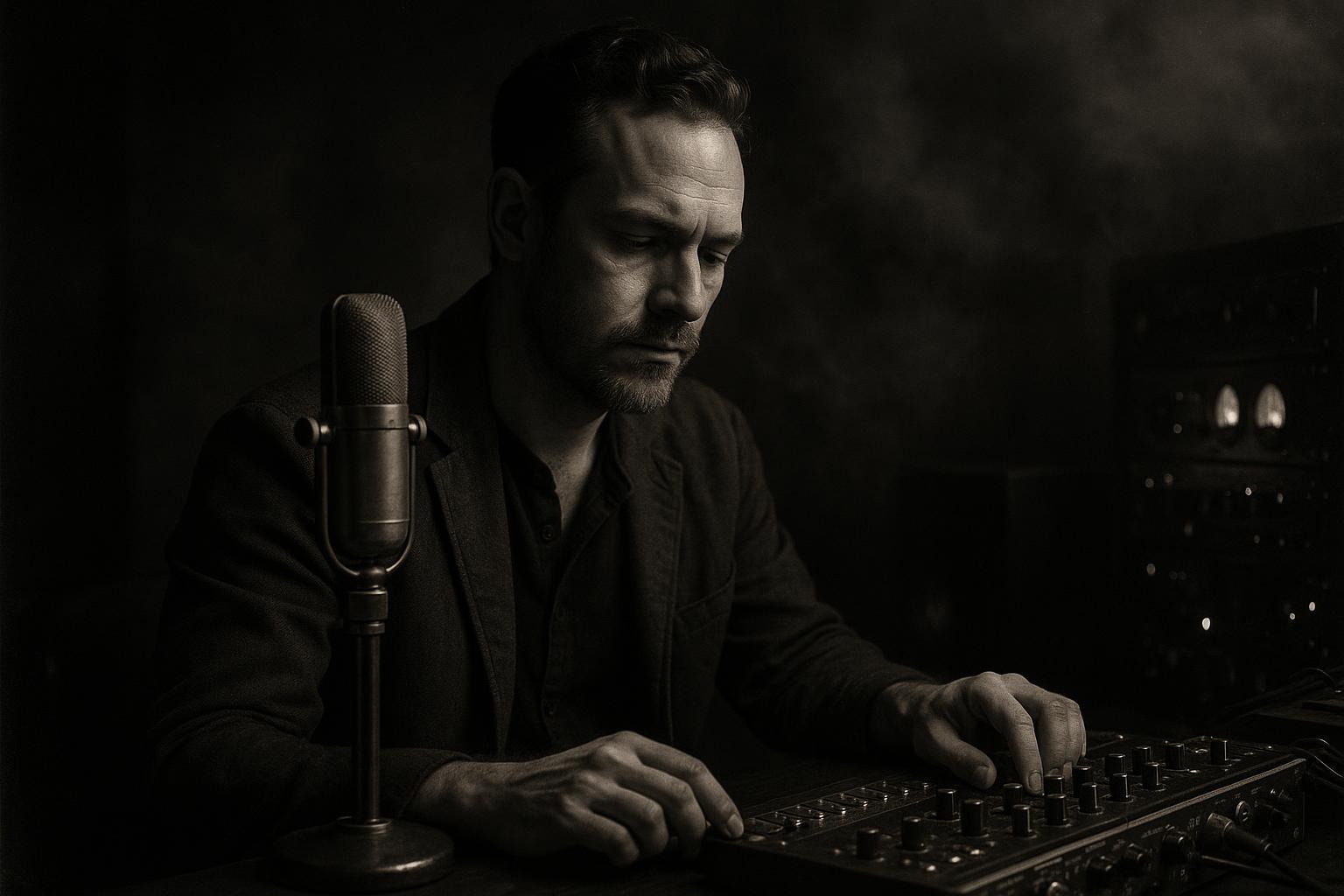
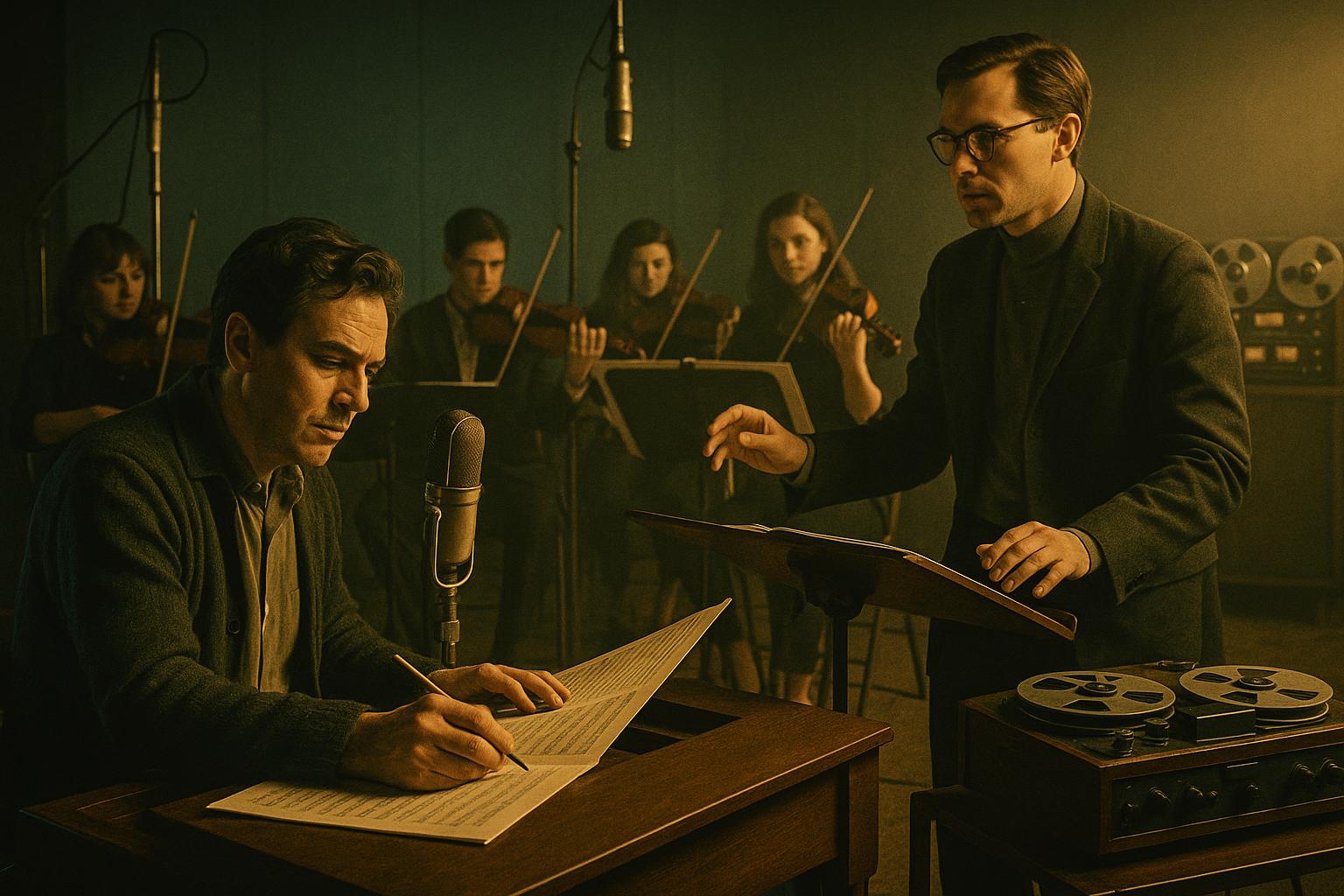
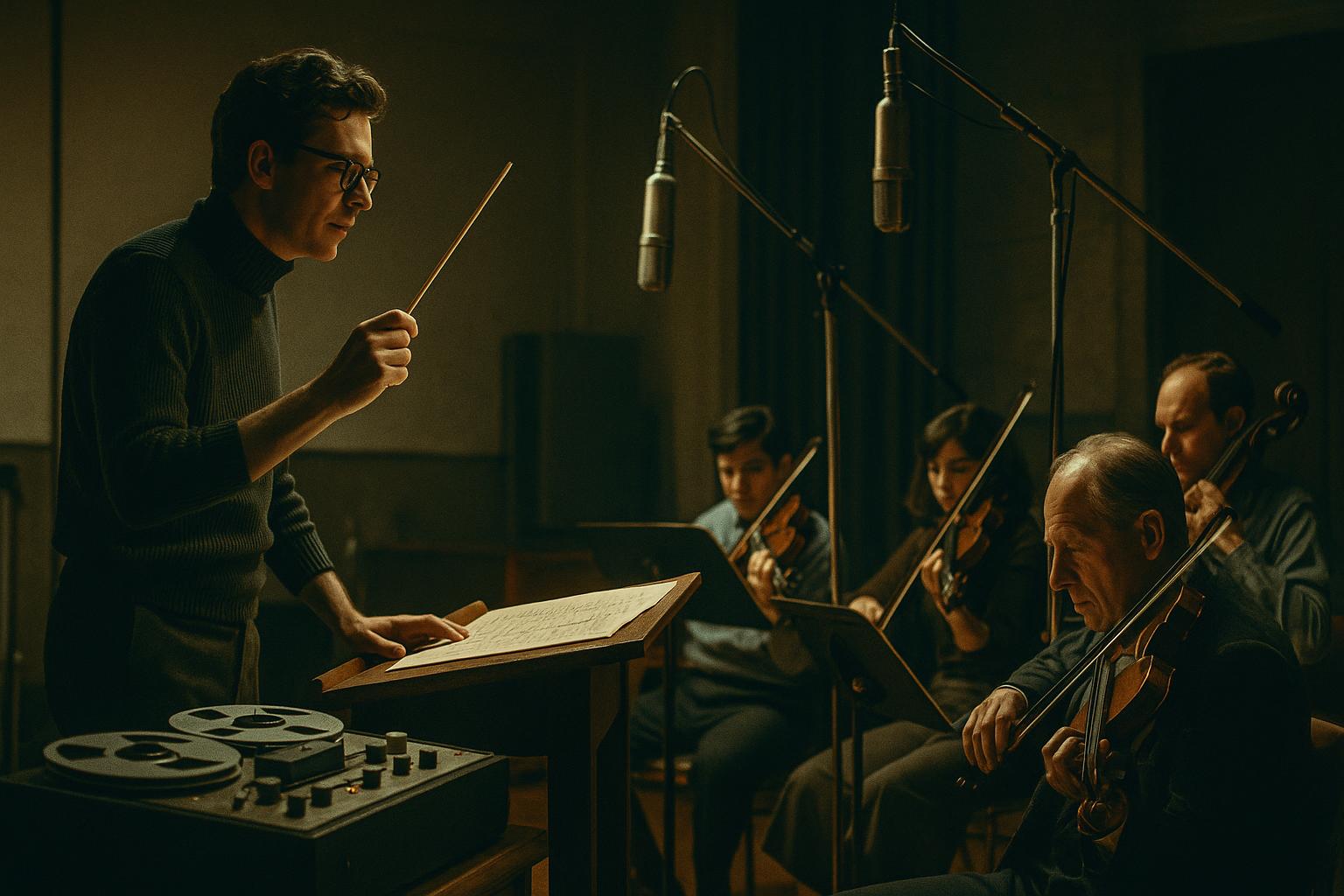
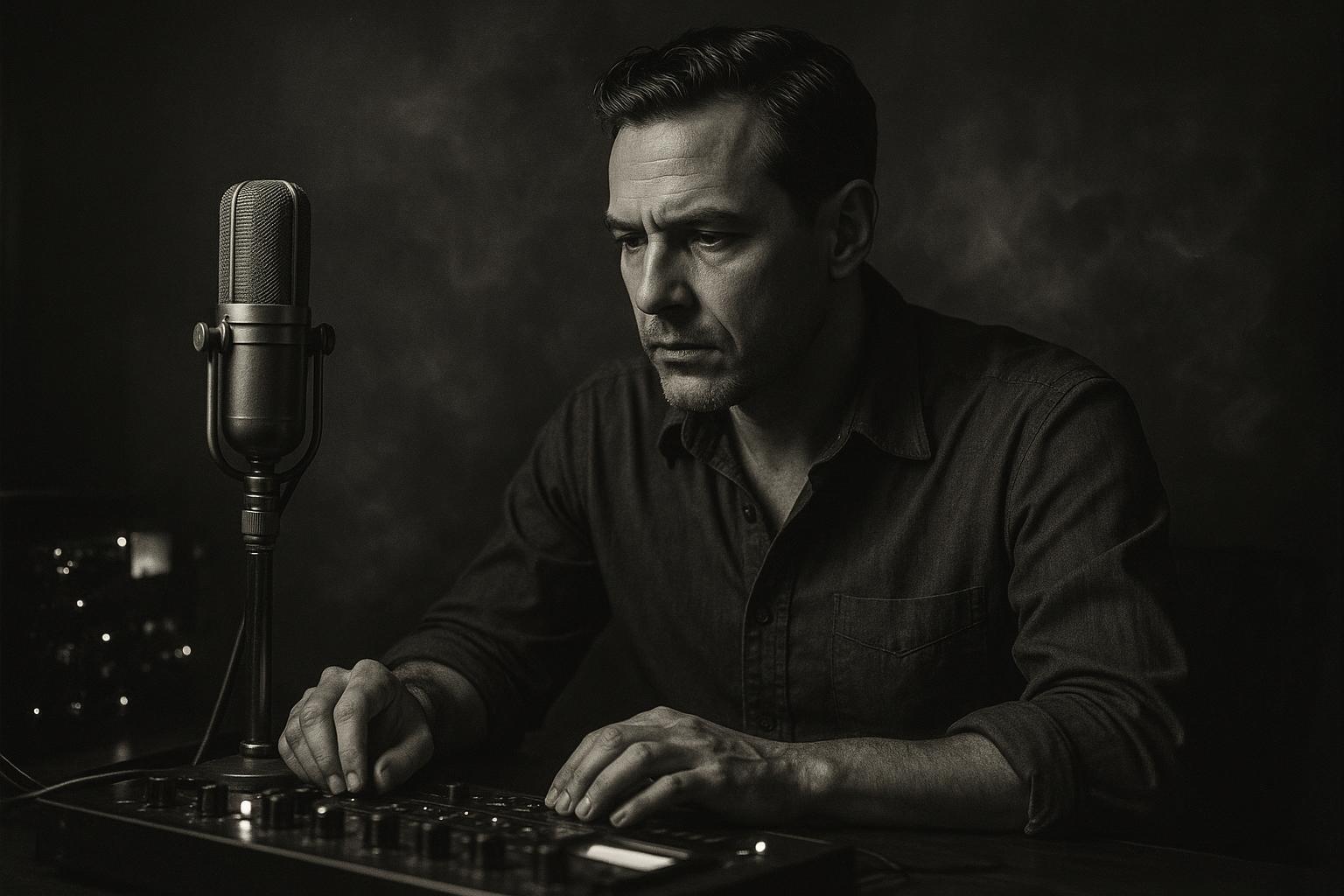
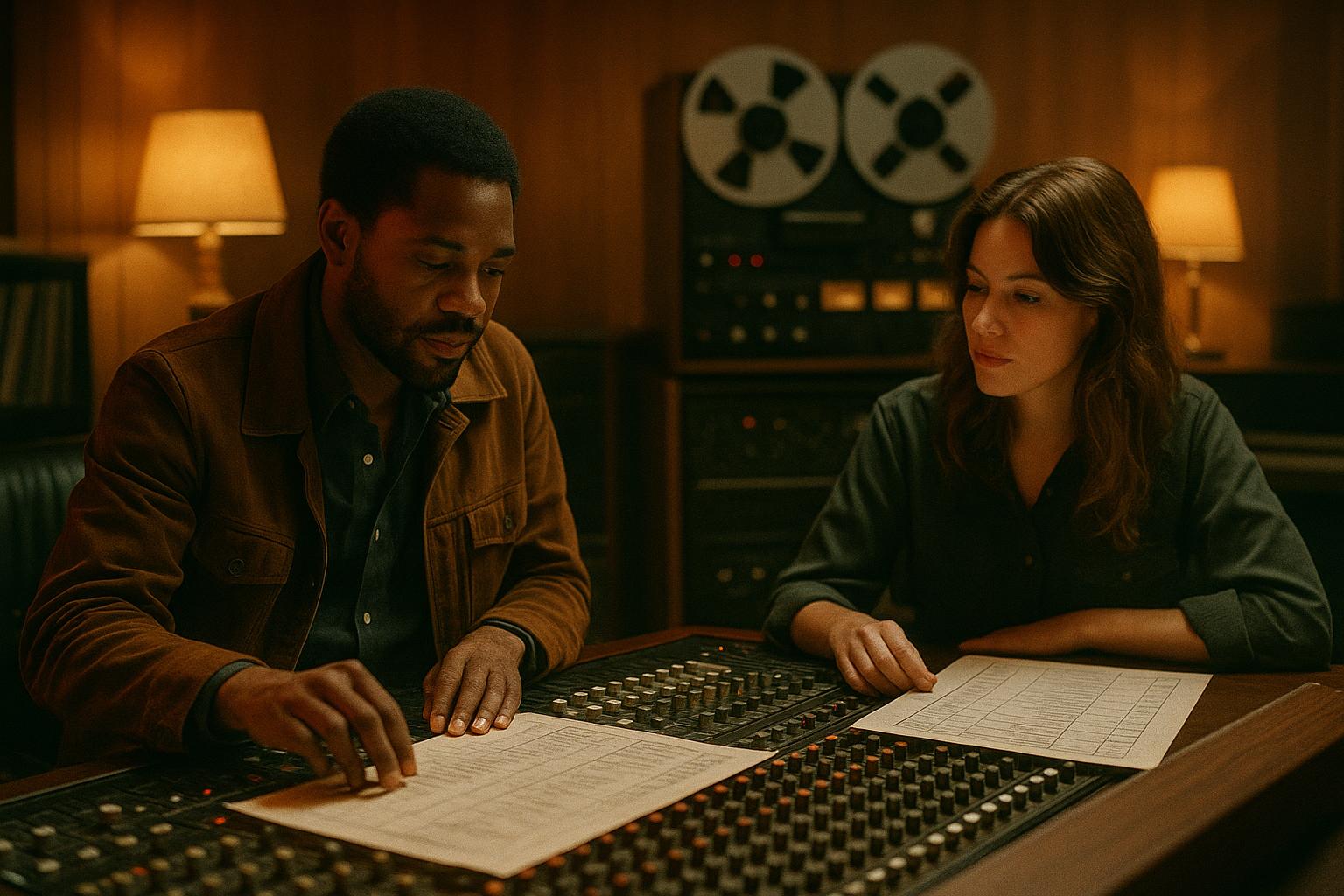
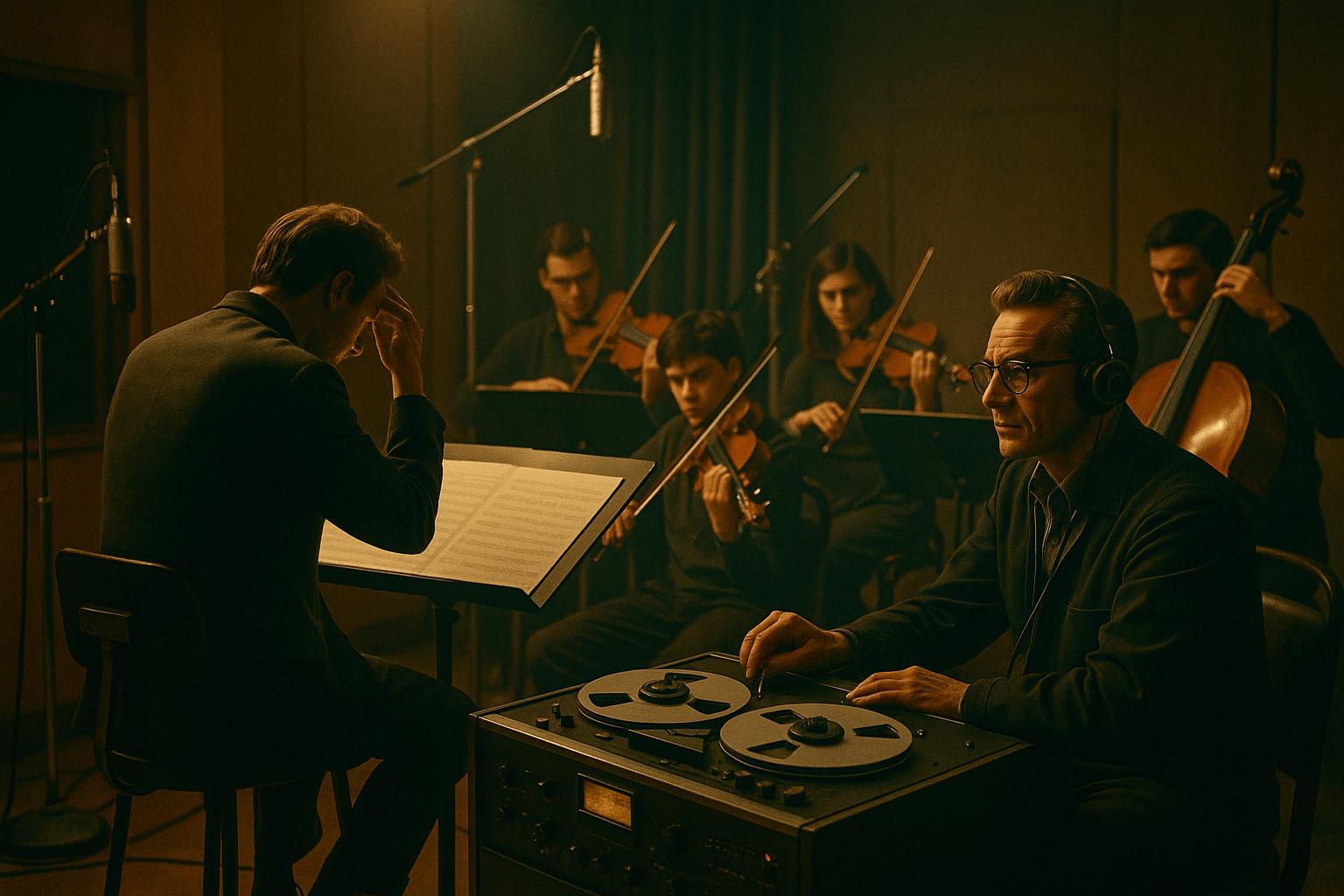
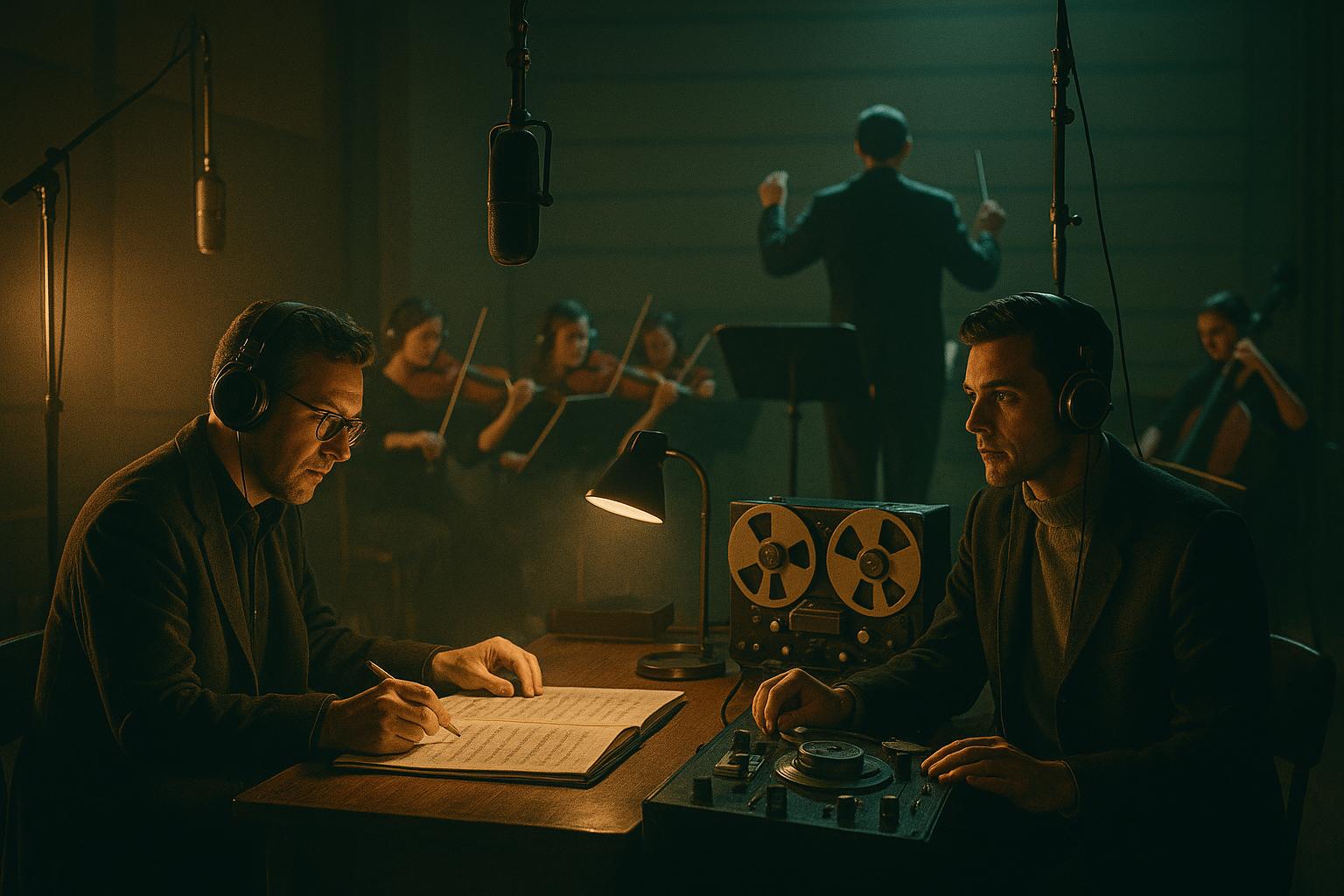
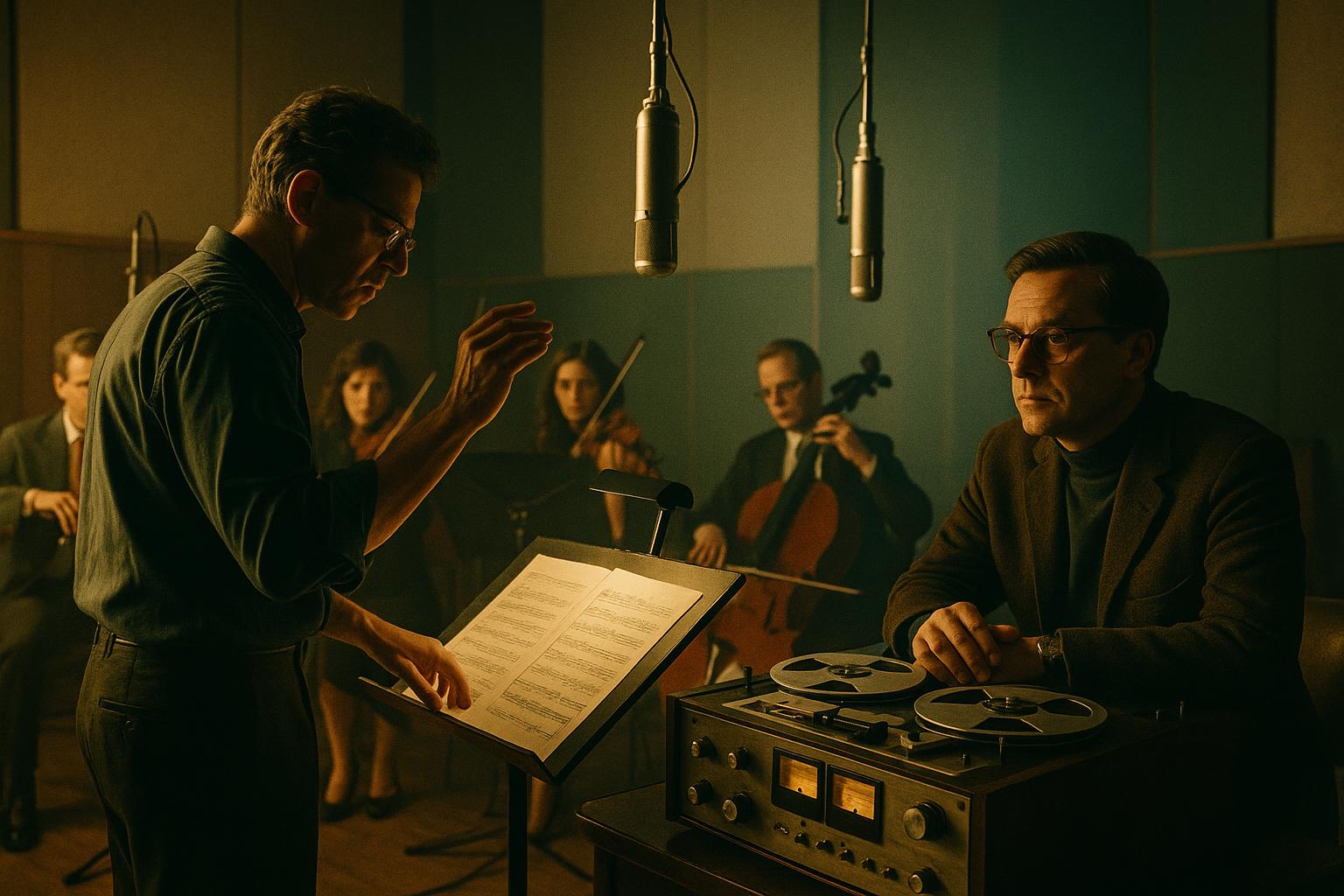
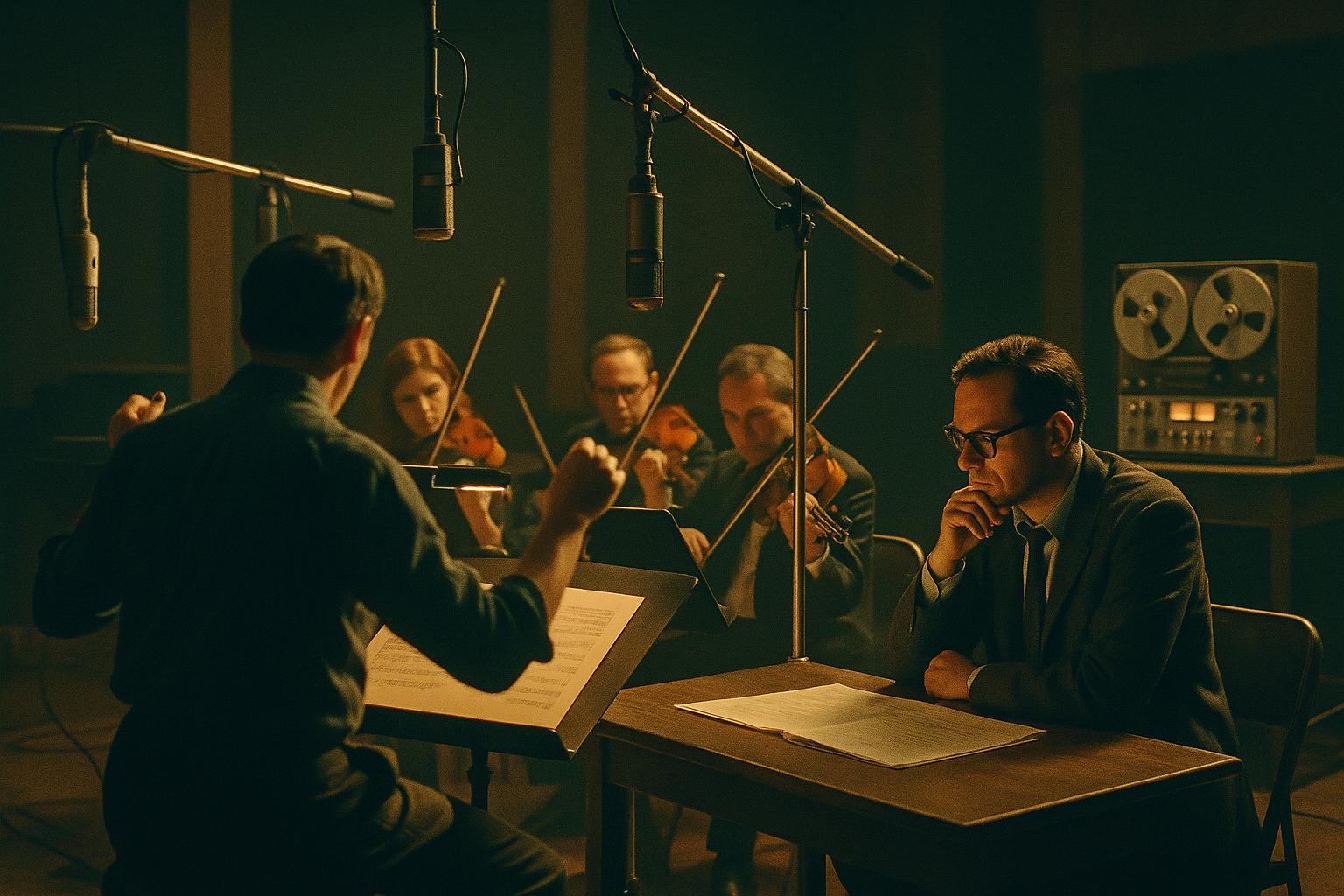
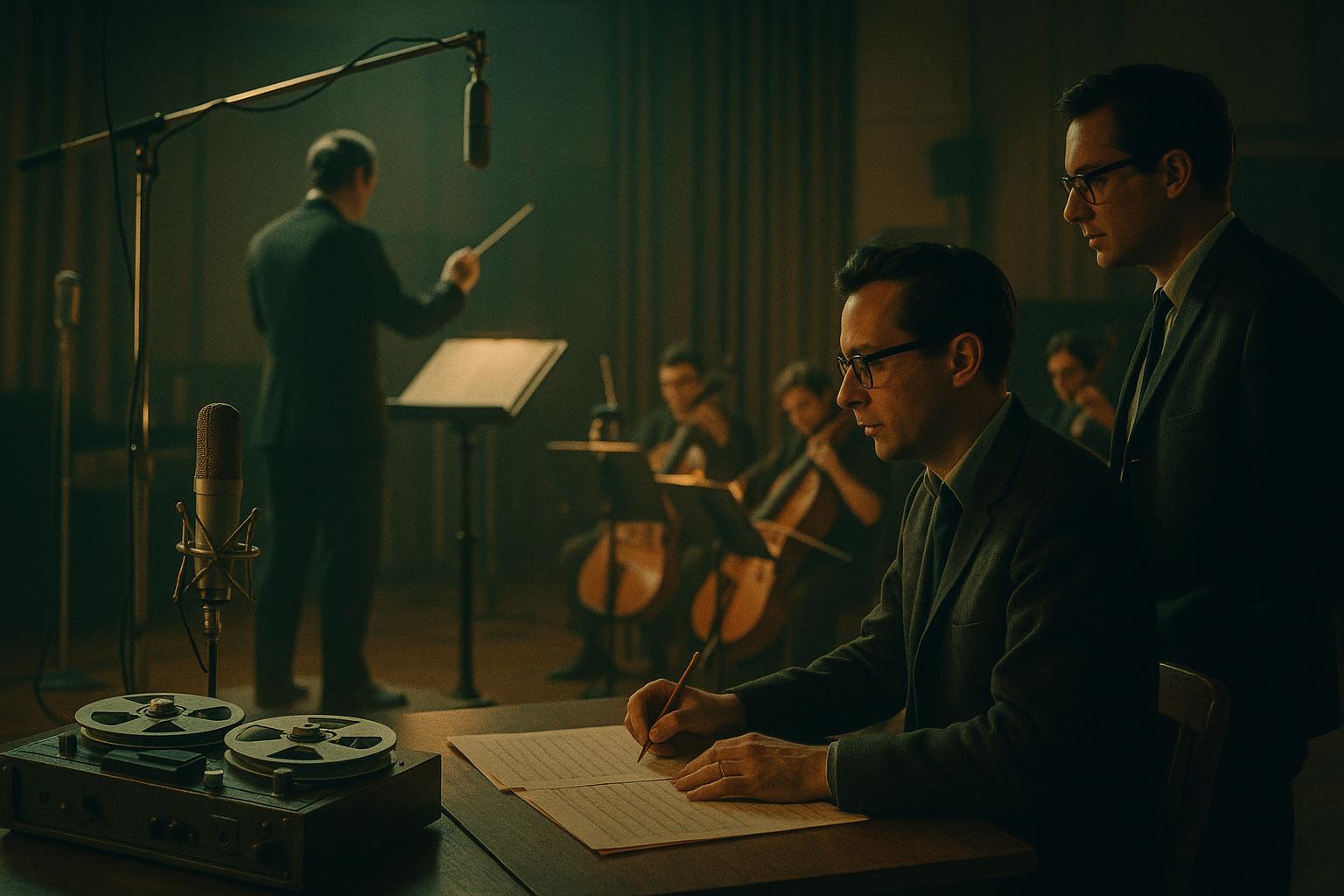
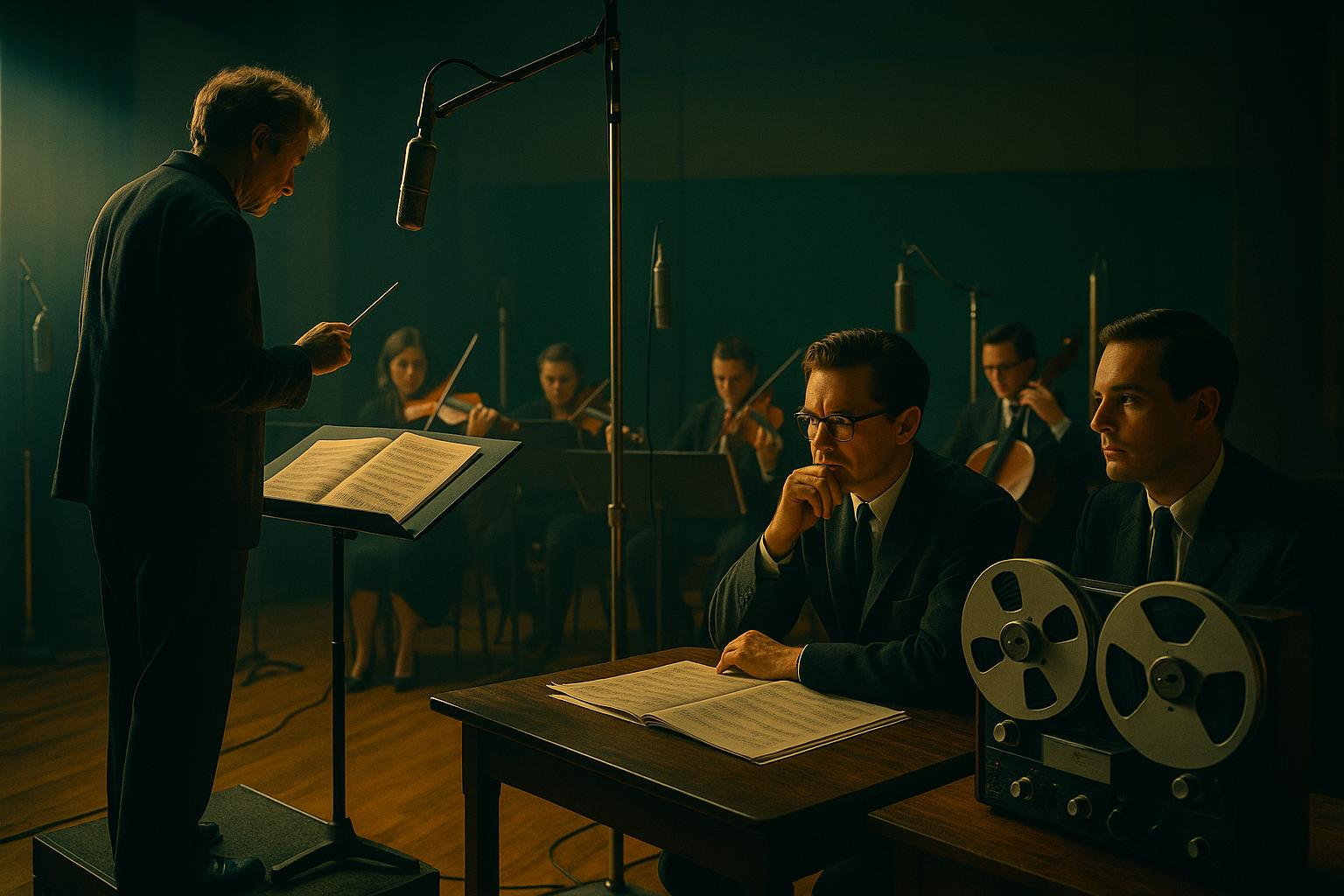
In Los Angeles, a mid-career composer used state-of-the-art recording technology to craft a high-impact trailer cue. They captured clean, resonant drums, lush strings, and evolving synth textures in a treated room, then produced multiple stems (drum, bass, strings, synth) and alt mixes within a tight 24-hour window. The producer delivered stereo masters, instrumental versions, and a metadata-ready cue sheet with precise timing. Pitched through a strategic sync plan with One World Media, the cue cleared quickly for a major action trailer, leading to a six-figure license and ongoing opportunities across streaming campaigns and broadcast. The case demonstrates how modern tools, paired with disciplined rights administration and a clear sync strategy, can turn a fast turnaround into repeat placements.
Rights readiness and metadata: how to speed clearance
Clearance processes stall when critical information is missing or misaligned. Build these foundations to keep pitches moving quickly.
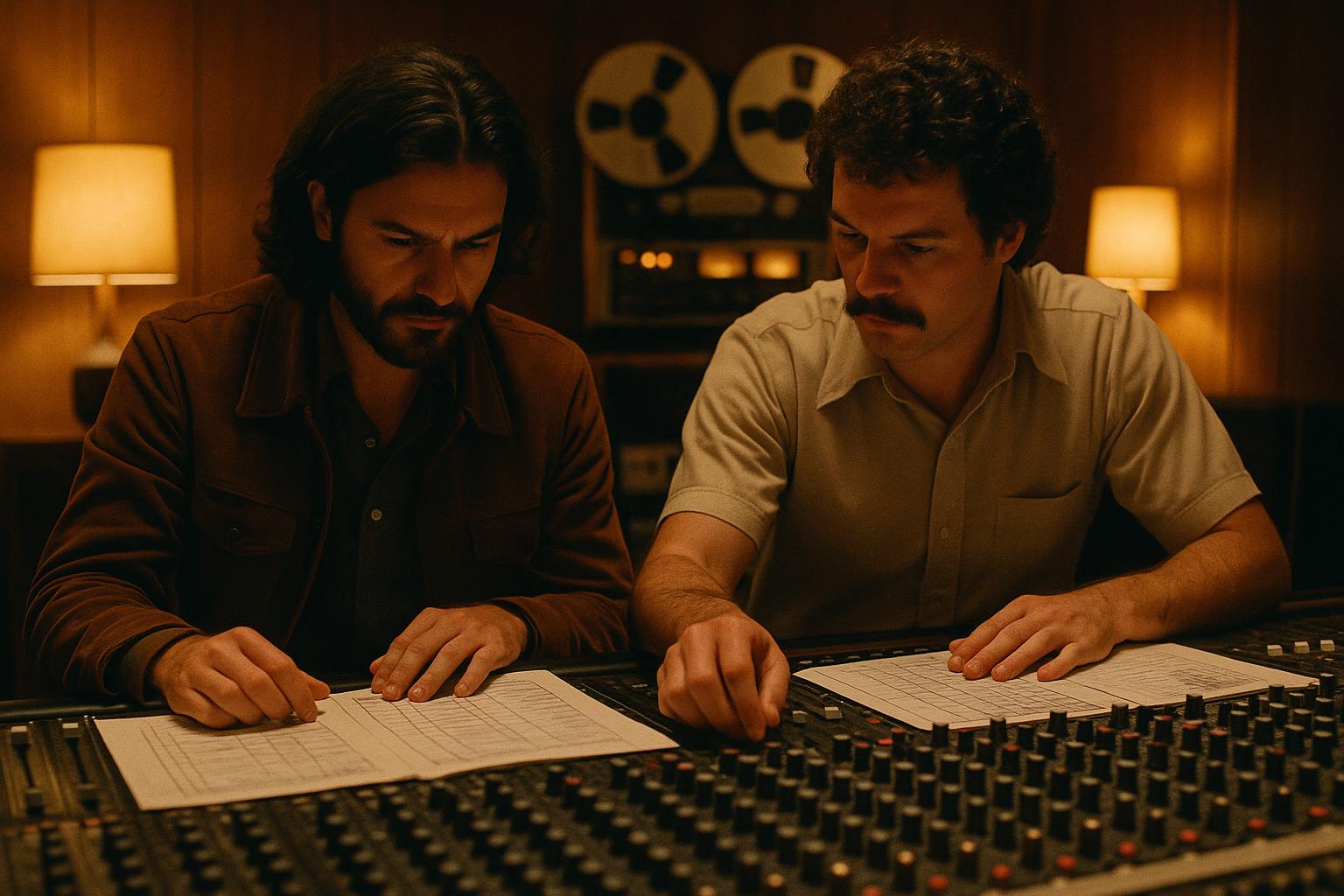
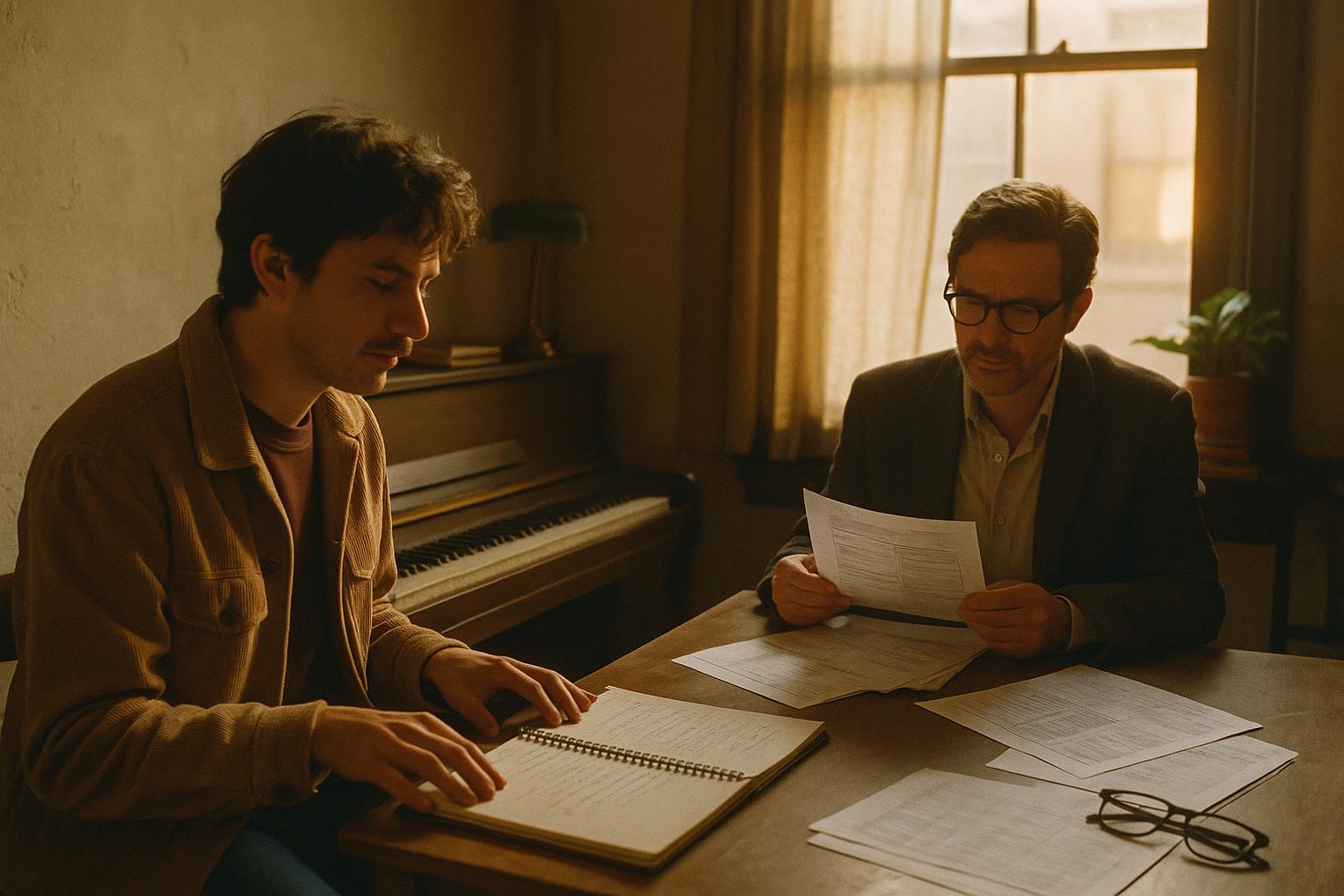
- Split sheets and ownership clarity: define exactly who owns the composition and the master, and lay out percentage splits clearly to avoid conflicts later.
- Master vs publishing ownership: identify who controls licenses for master use and who controls publishing rights for the composition.
- PRO registration: ensure works are registered with the correct performing rights organization(s) and that details align with the catalog.
- ISRC/ISWC metadata: attach accurate codes to each master and composition; ensure these codes travel with every deliverable.
- Cue sheets: maintain precise timing, scene descriptions, and usage notes for every usage instance; this speeds post-audit and royalty reconciliation.
- Licensing terms readiness: specify scope (territory, duration, media), and be prepared to adjust for multi-territory campaigns or multi-platform distributions.
Sync supervisor playbook: what they need from artists
Sync supervisors operate at the intersection of art and commerce. They value deliverables that reduce friction and accelerate approvals. Here’s what to bring to the table.
- Metadata quality: ensure track data, writer/publisher information, and contact details are accurate and consistent across all files.
- One-stop clearance readiness: provide an organized package identifying all rights holders and the precise licenses requested, ideally with one point of contact for clearance questions.
- Alt mixes, stems, instrumental versions: supply a flexible set of formats that can be rapidly integrated into edits and temp tracks.
- Fast turnaround: designate a responsive liaison and implement a turnaround protocol for edits, changes, and clarifications.
- Proactive cue sheets: supply timing and scene descriptors that align with rough cuts and subsequent edits.
- Flexible licensing options: offer adaptable licenses (short-term, long-form, territory-specific) to match different placement scenarios.
Producer and songwriter collaboration workflows that increase placement success
Effective collaboration accelerates placements, particularly in the Los Angeles network where many opportunities originate. Adopt these workflows to reduce friction and improve outcomes.
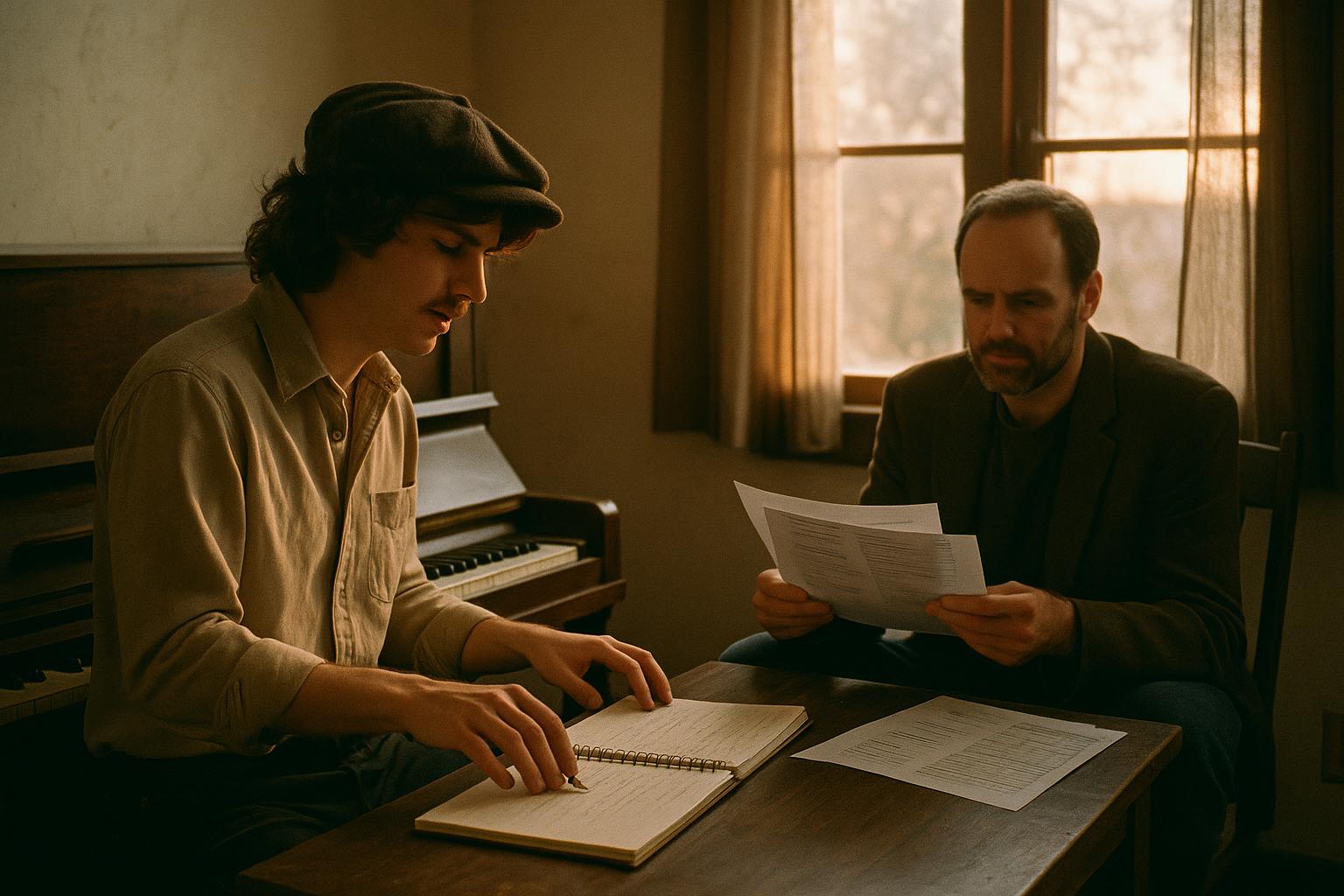
- Define the brief together: align on mood, tempo, instrumentation, and the narrative context before recording begins to minimize later rewrites.
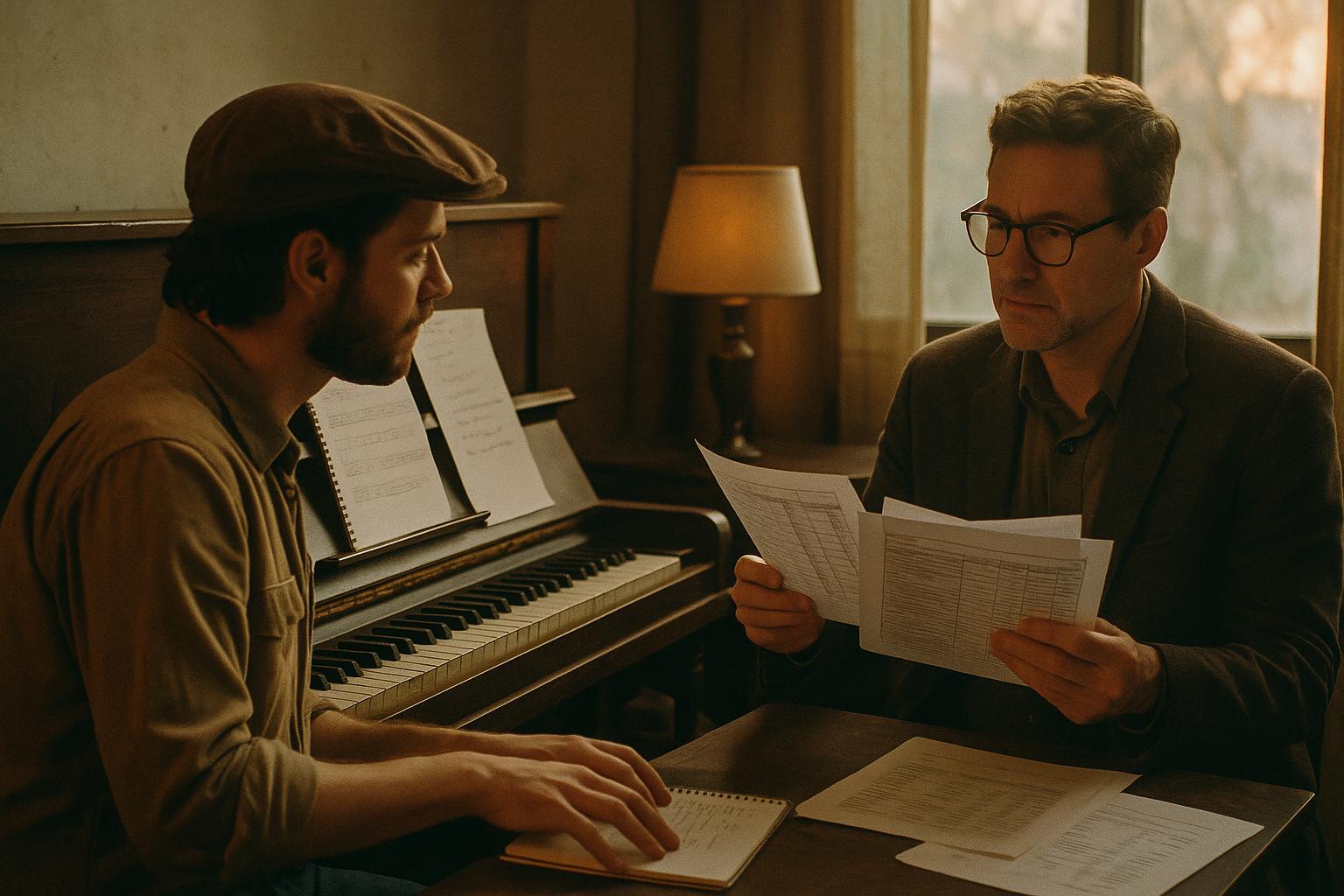
- Establish clear splits and ownership in writing sessions: use a pre-agreed split sheet and register publishing early to avoid ownership disputes later.
- Use shared project templates: standardize master delivery, stems, and metadata templates so all collaborators can plug into the same system.
- Version control and archiving: maintain a centralized catalog with version numbers, notes, and expected uses for quick reference during pitches.
- Implement rapid review cycles: schedule concise feedback windows with actionable items and a designated point of contact.
- Coordinate with a trusted rights partner: engage a sync strategy and rights admin team to streamline licensing, distribution, and catalog development as you scale.
FAQ
Q: How long does it take to place music in film/TV after submitting demos?
A: Timelines vary by project, but a typical window is 2-6 weeks for initial consideration. Faster turnarounds occur when metadata is clean, stems and alt mixes are ready, and the producer has a clear brief. In urgent briefs, decisions can happen in days.
Q: What formats and stems should I deliver?
A: Deliver stereo masters at 24-bit/44.1 or 48 kHz, plus stems (drums, bass, harmony, synths, strings, etc.), instrumental versions, and vocal/mix variants. Include alt mixes (radio edit, long-form, etc.) and ensure all files are clearly labeled and metadata-rich.
Q: How do I ensure my metadata is ready for sync licensing?
A: Use a consistent metadata schema across all tracks: title, artist, writers, publishers, PROs, ISRC/ISWC, release date, tempo, key, mood, and licensing notes. Validate the metadata against your distribution and rights platform, and attach cue sheets where applicable.
Q: How can One World Media help my catalog scale into major film/TV placements?
A: We offer a holistic approach: strategic sync planning, publishing administration, rights management, distribution, and artist development. Our LA-centric network accelerates placements with producers, supervisors, and post houses, while our workflows ensure metadata integrity, clearances, and timely deliverables.
Contact One World Media
For more information, please contact us at support@oneworldmedia.global or call (307) 200-8139.