Turn your music into screen-ready assets: a practical guide to securing film, TV, and streaming placements
Build a placement-ready catalog: the foundation of success
Great placements start with a catalog you can trust. Producers and sync teams need to move quickly, so your music infrastructure should be as clear as a clean cut. This section outlines the essential elements that turn a demo into a ready-to-license asset. Think of it as Music career advice designed for authors, producers, and publishers who aim for recurring sync revenue through film, TV, trailers, ads, and streaming content.
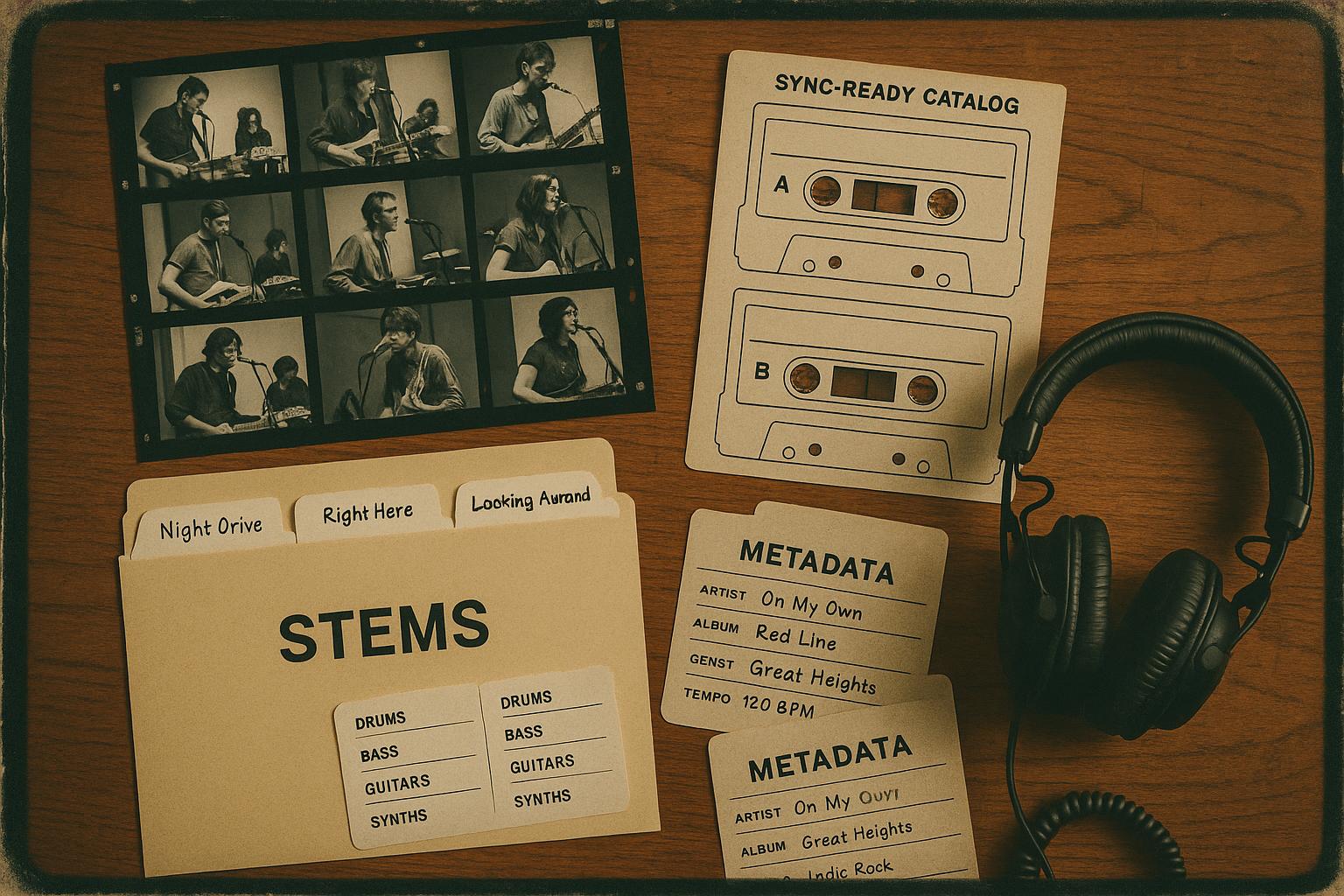
- High-quality masters: deliver lossless WAV/AIFF at standard sample rates (44.1kHz or higher), with properly mastered versions suitable for dialogue-heavy scenes and action cues.
- Clear ownership and splits: have up-to-date split sheets that identify master and publishing shares for every collaborator, including producers, writers, and featured artists.
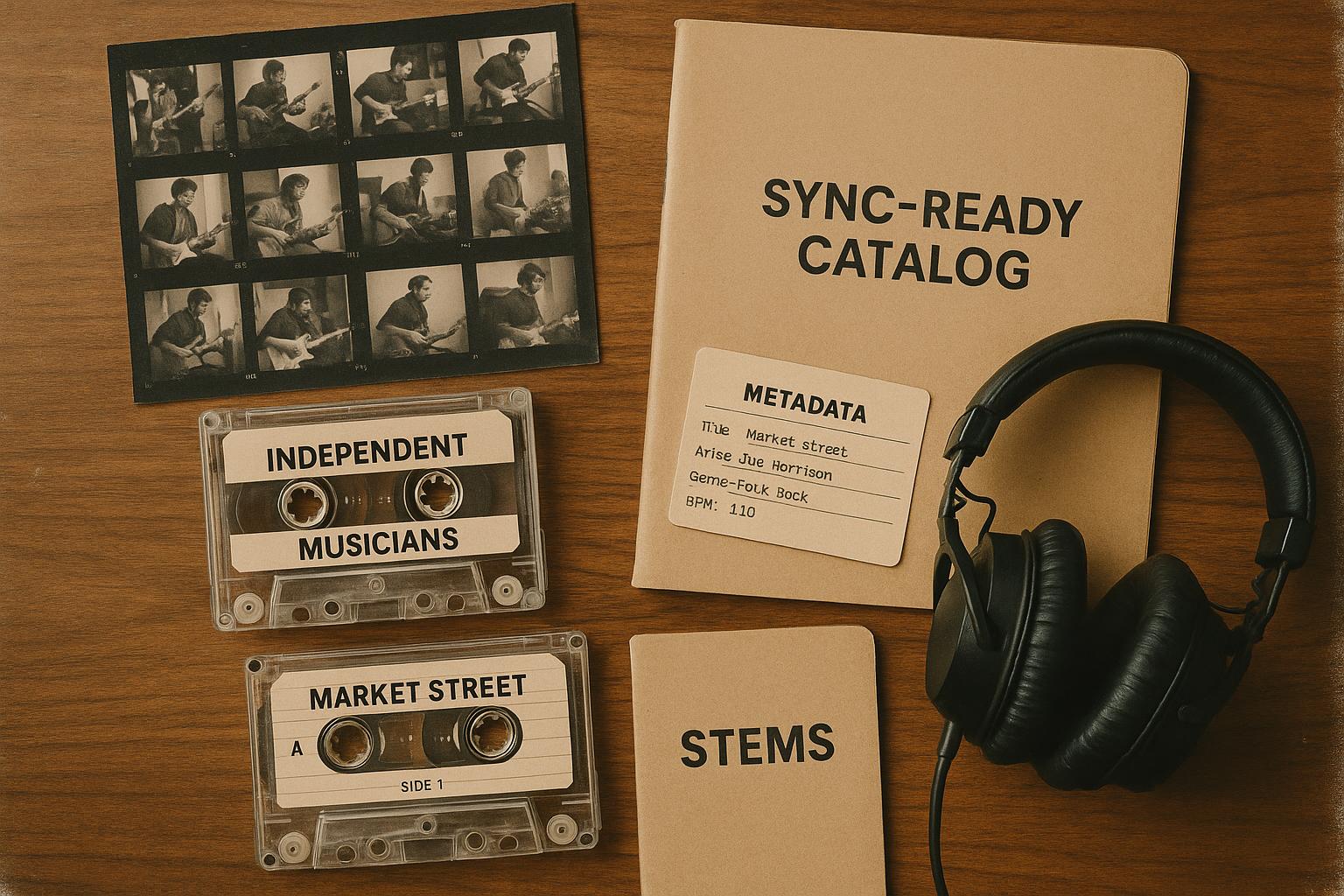
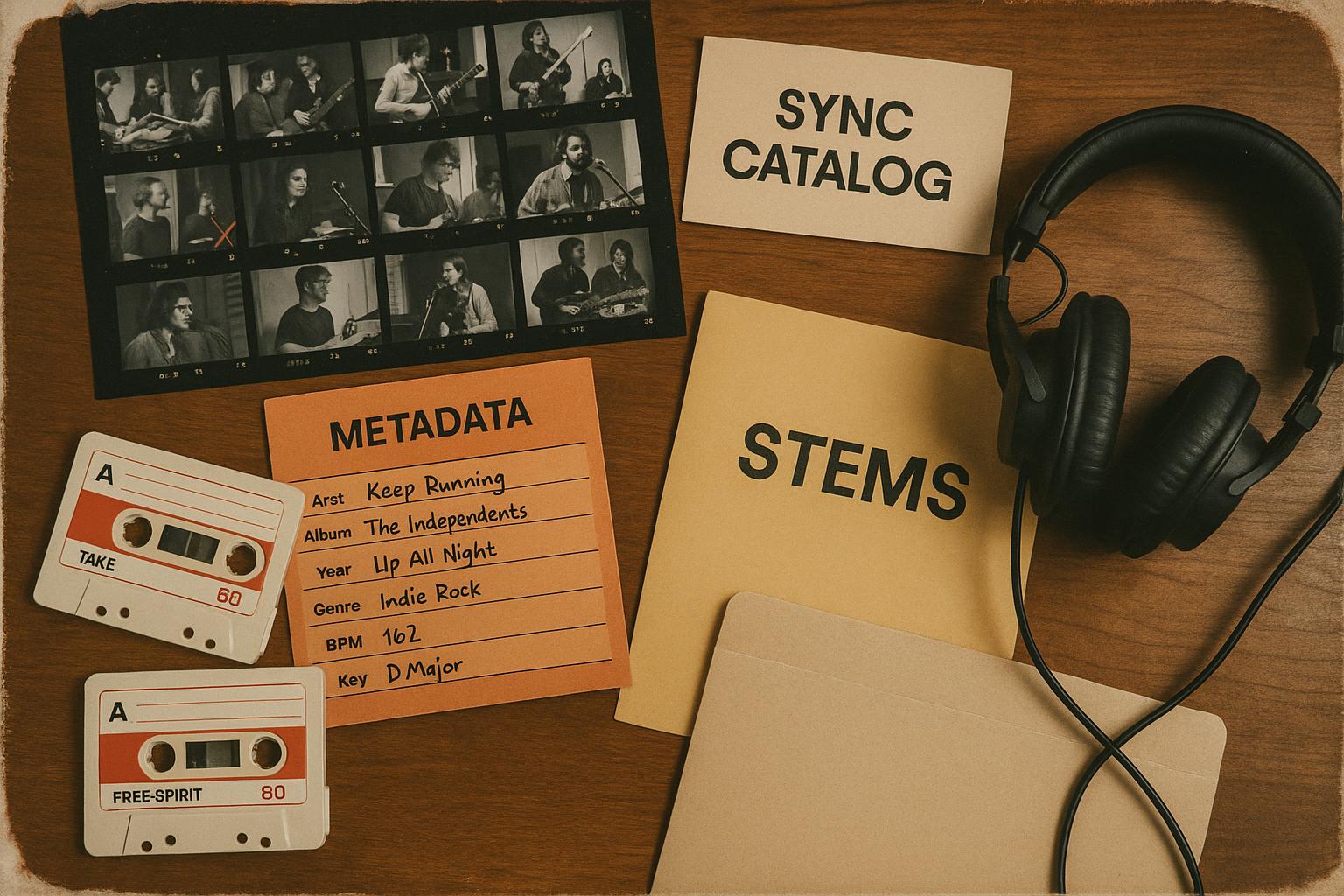
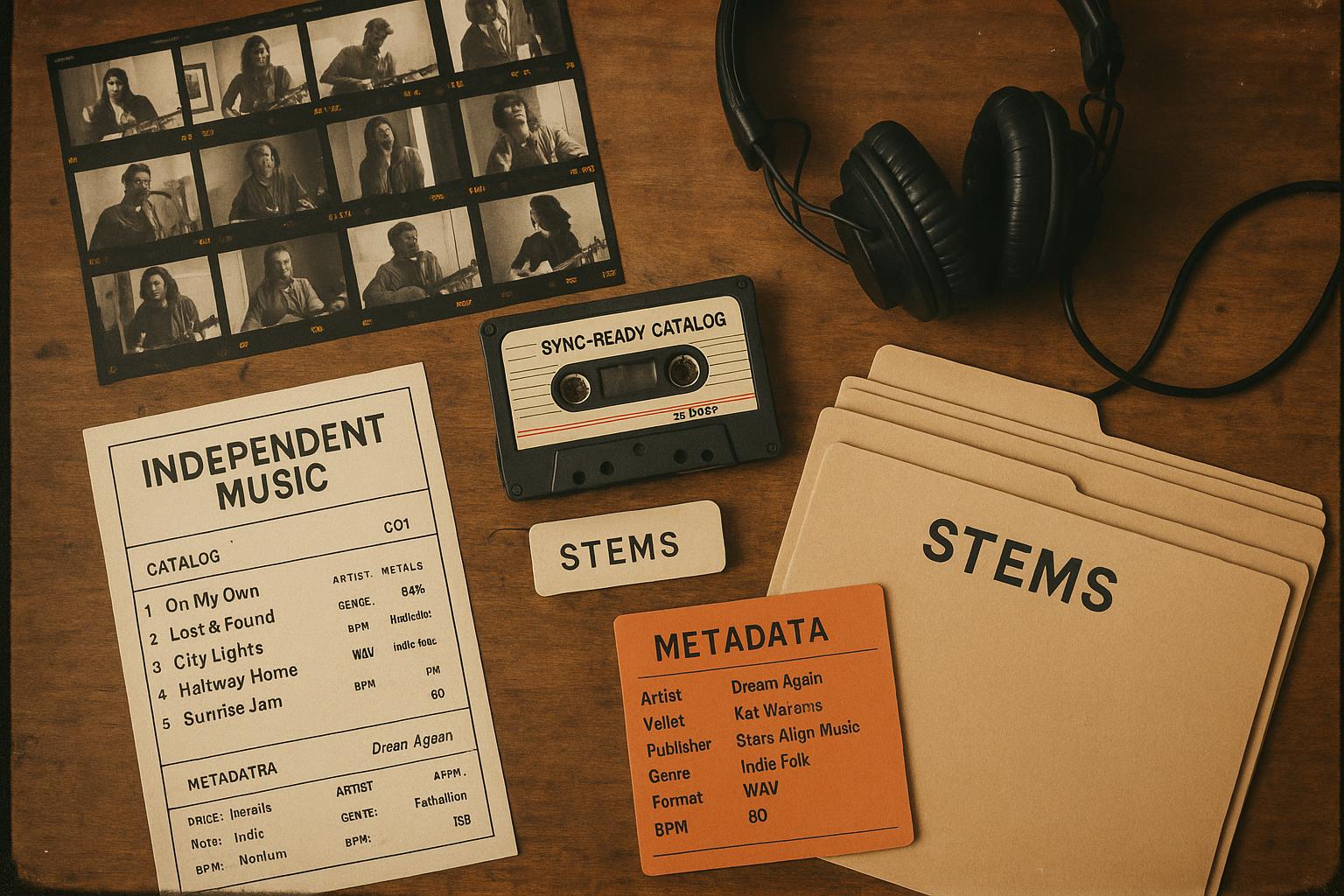
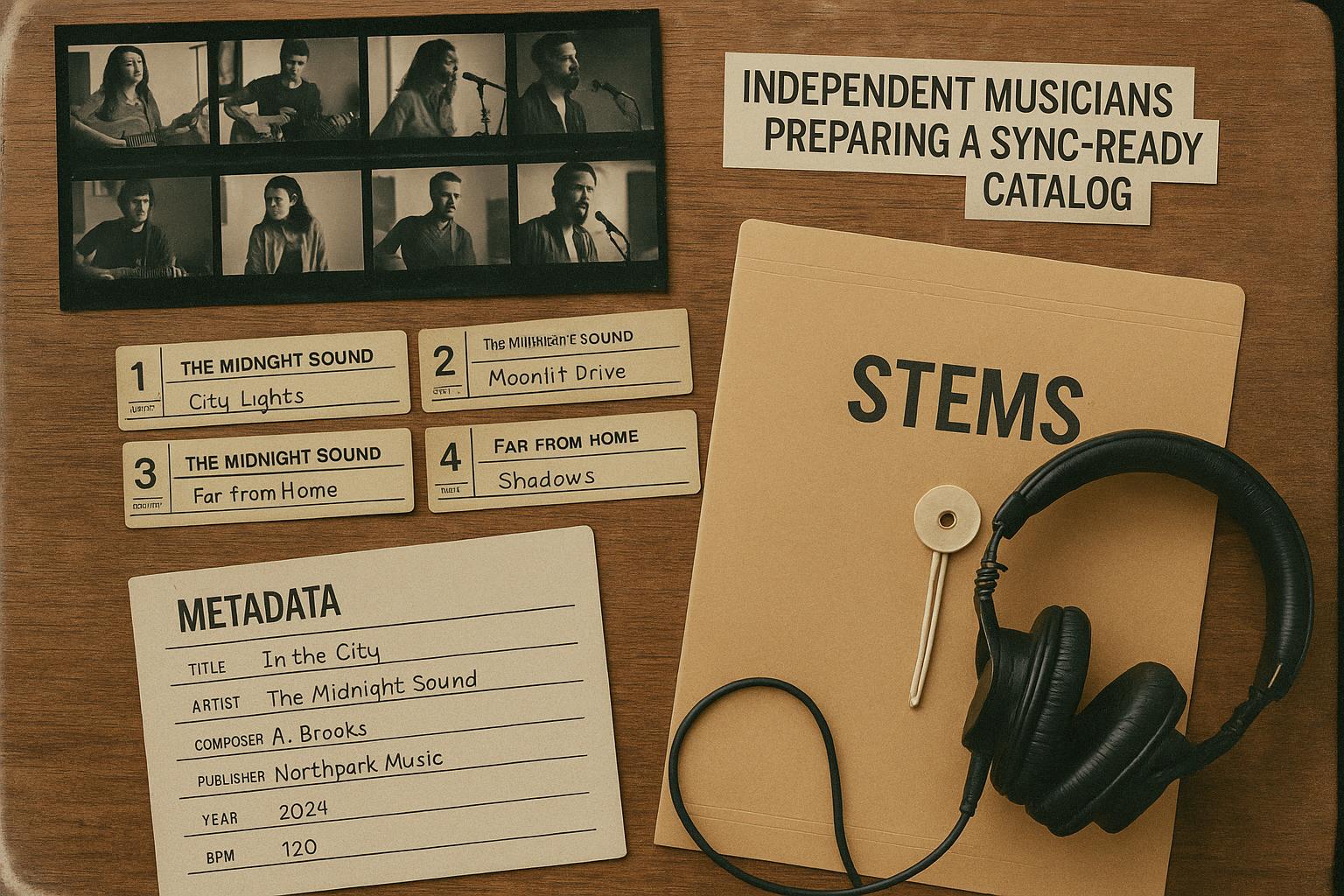
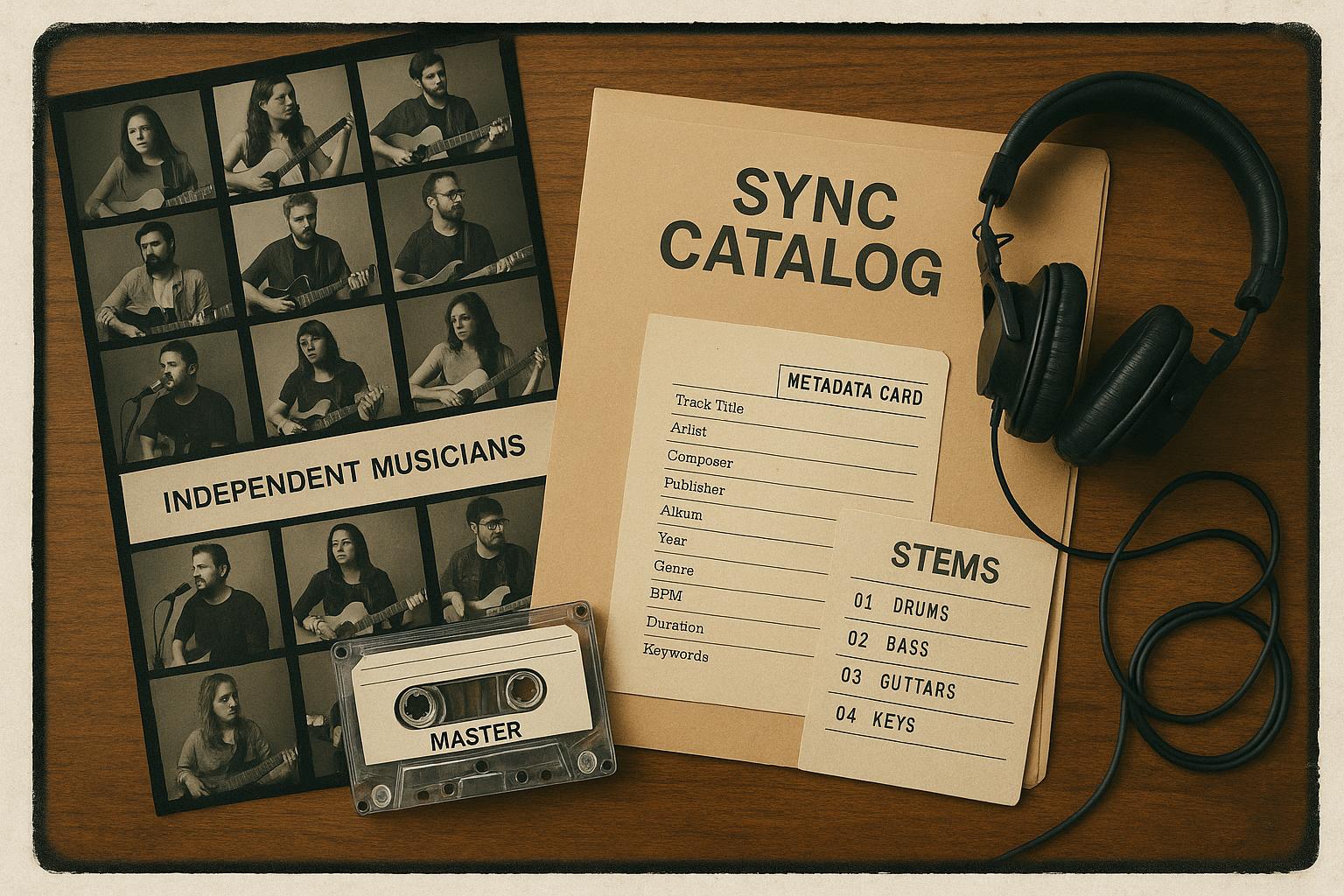
- Accurate metadata: include track title, artist credits, songwriter and publisher credits, ISRC for the master, and ISWC for the composition.
- Alternate versions and stems: provide vocal/band stems, instrumental versions, and short alternate mixes to fit different scenes or moods.
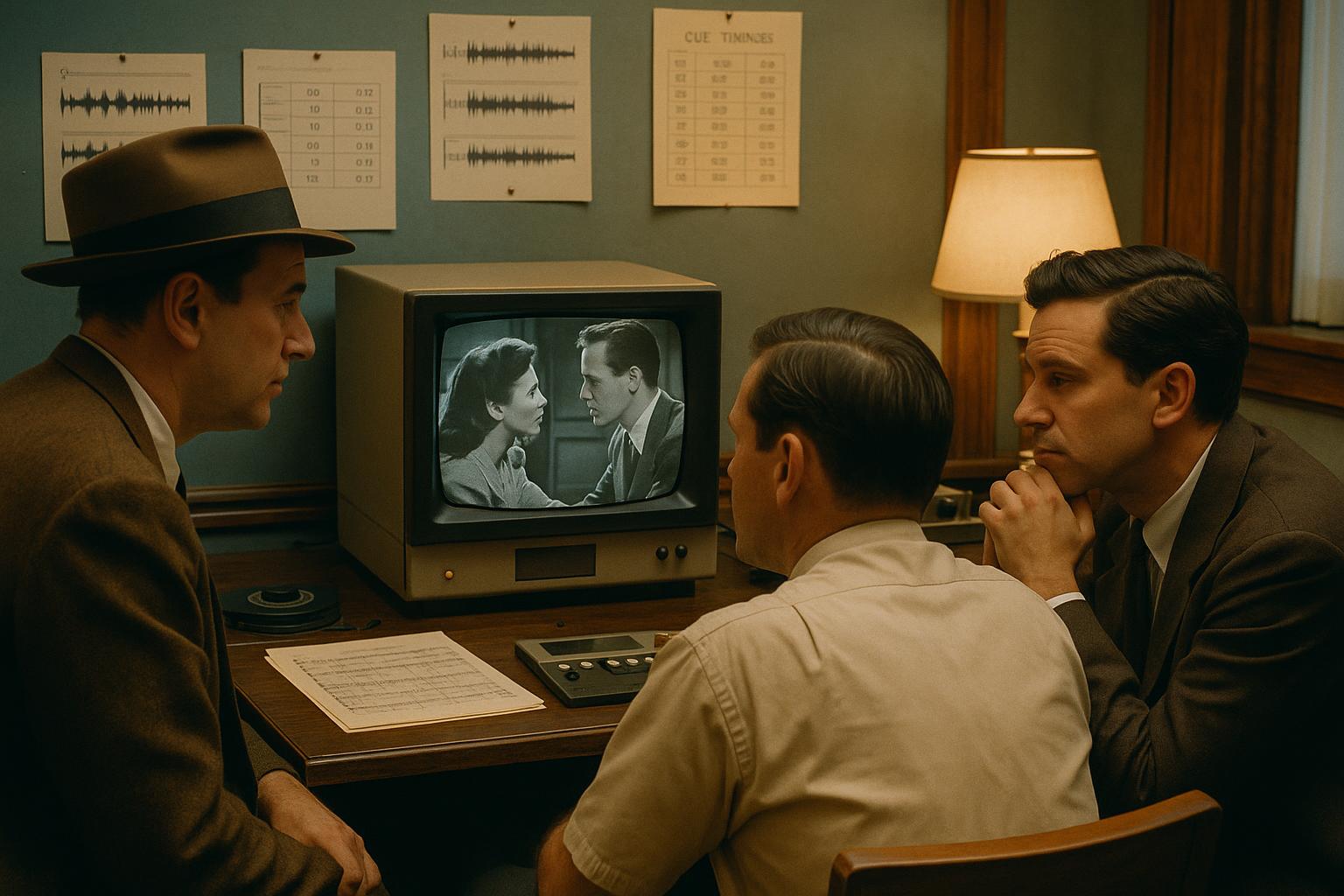
- Cue sheet readiness: plan to capture cue metadata quickly after use to ensure proper licensing and royalties.
- Usage-ready branding: ensure artwork, artist bios, and synopses align with potential placements and can be quickly repurposed for end credits, trailers, or scene cards.
Sync supervisor playbook: what they need from artists
Sync supervisors are your fastest route to placements in film, TV, and streaming content. They work under tight deadlines and need clean, ready-to-clear music. The following checklist reflects practical expectations and helps you create a package that gets auditions and approvals rather than just pings on an inbox.
- Metadata quality: precise track titles, artist names, composer credits, PRO affiliations, and accurate ISRC/ISWC codes.
- One-stop clearance readiness: confirm you can clear all rights (master, publishing, synchronization) in one submission or provide a clean, consolidated clearance statement.
- Alt mixes and stems: include vocal mixes, instrumental versions, and multi-track stems (drums, bass, guitar, keys) to accommodate dialogue, sound design, or scene-specific needs.
- Instrumental versions: ready for background cues where vocals may clash with dialogue or sound effects.
- Fast turnaround: designate a contact person and response SLA (e.g., respond to requests within 24–48 hours) for approvals, revisions, and new versions.
- Clear rights language: a short, producer-friendly license outline and any usage restrictions (territory, duration, media type) to speed negotiations.
- Delivery-ready materials: packaged with clean naming, versioning, and well-organized folders to minimize back-and-forth.
Rights and readiness: tidy your paperwork before you pitch
Rightful ownership and clean metadata are the gatekeepers of successful sync deals. Without them, even a great track may stall. This section covers the critical documents and data that enable quick licensing and accurate royalty flow, and it highlights Music career advice that reduces friction in negotiations.
- Split sheets: align all contributors with explicit percentages, roles, and contact information to prevent disputes and simplify settlements.
- Master vs publishing ownership: clearly define who owns the master recording and who owns the underlying composition; document any licenses or sublicenses.
- PRO registration: verify that the songwriter(s) and publisher(s) are registered with the appropriate PROs (e.g., ASCAP, BMI, SESAC) and that the catalog is tied to the correct writer and publisher IDs.
- ISRC/ISWC metadata: include precise codes in your metadata payloads and pitch decks to ensure traceability and royalties.
- Cue sheets: understand and implement cue sheet practices to record when, where, and how a track is used in a production.
Producer and songwriter collaboration workflows that increase placement success
Collaborative workflows can dramatically raise the odds of a placement being approved and cleared. Streamlined processes help you move from concept to licensed music quickly, which is essential in a fast-paced sync landscape. Here are practical workflows you can implement now.
- Define upfront rights and goals: before writing, sign a simple collaboration agreement that specifies ownership, splits, and intended usage for sync placements.
- Establish naming and versioning standards: use consistent file naming (artist_track_key_version) and keep a single source of truth for stems and alternate mixes.
- Use a shared project workspace: deploy a cloud-based project hub (folder structure, access roles, and milestone dates) to track approvals, revisions, and delivery timelines.
- Pre-create cue-ready metadata templates: populate templates with fields for ISRC/ISWC, credits, PROs, and licensing terms; reuse across pitches.
- Schedule regular check-ins: weekly or biweekly syncs to review potential cues, discuss feedback from supervisors, and align on revisions.
- Maintain fast revision cycles: establish a 24–48 hour turnarounds for alternate mixes, stems, or small changes to keep momentum with supervisors.
Step-by-step workflow to win placements
The following practical sequence is designed to convert a catalog into actionable, pitch-ready assets. You can apply these steps in parallel to accelerate results.
- Audit and tag your catalog: review each track for readiness, assign mood and tempo tags, and confirm metadata accuracy.
- Match tracks to project genres and cues: align each track with common film/TV moods (tension, romance, humor, action) and target media types.
- Produce versatile assets: deliver stems, vocal and instrumental versions, and alternate mixes; keep all versions clearly labeled.
- Package a compelling pitch kit: include a one-page synopsis, 2–3 strongest cues, short synopses for each track, and visually consistent artwork.
- Identify decision-makers: map production companies, networks, streaming platforms, and music supervisors most likely to respond to your genre and mood.
- Pitch with precision: send targeted cues with clear usage terms, proposed licensing scope, and a short integration narrative for the scene.
- Track responses and iterate: record feedback, refine metadata, revise stems and mixes, and re-pitch quickly if needed.
- Measure and optimize: monitor which cues generate the most interest, refine your catalog, and scale successful patterns across similar projects.
Real-world scenario: case example from a Los Angeles-based artist
In a recent case, an independent producer in Los Angeles with a modest catalog partnered with One World Media for a sync strategy that emphasized metadata quality, clear rights, and fast delivery. The team audited the catalog, established a simple but robust split-sheet process, and prepared stems and instrumentals for several tracks. They targeted a popular streaming series with a music supervisor known to favor alternative indie pop with cinematic textures. Within four weeks, one cue—delivered as a high-fidelity master with stems and an instrumental version—was evaluated and cleared for a mid-season trailer and two episodes. The track appeared in a pivotal montage, contributing to strong engagement metrics and renewed interest in catalog expansion. This scenario illustrates how disciplined preparation, professional rights administration, and a responsive collaboration workflow can translate Music career advice into tangible placements and ongoing sync revenue through One World Media’s sync strategy, publishing, rights admin, distribution, and artist development services.
Why Los Angeles matters for placements and how to leverage the city’s ecosystem
Los Angeles remains a global hub for film, television, and streaming production. Proximity to studios, post houses, music supervision firms, and a dense network of managers and publishers can shorten the path from concept to clearance. Even if you work remotely, aligning with LA-based partners or a locally active publisher can yield faster feedback, more timely cue approvals, and stronger relationships with decision-makers. For artists and producers seeking Music career advice that translates into recurring revenue, a strategic presence in LA—and access to One World Media’s LA-area publishing, sync strategy, and distribution networks—can be a significant multiplier.
For sync supervisors: what you need from artists
This section is specifically tailored for the people who procure and license music for screen content. If you’re building a catalog with sync in mind, use these criteria as your performance targets to minimize friction and speed up approvals.
- Metadata accuracy and completeness: ensure every track has clean credits, PRO details, and codes; keep metadata consistent across all versions.
- One-stop clearance readiness: provide a definitive license scope and confirmation of rights for the master and composition in a single package.
- Alt mixes and stems ready to go: supply a full set of mixes and stems that allow scene-specific editing without re-recording.
- Instrumental versions: include high-quality instrumentals for dialogue-heavy scenes or to avoid clashes with voiceover.
- Fast turnaround commitments: assign a primary contact and agreed response times for approvals and revisions.
- Clear licensing terms: provide concise, producer-friendly license language that can be slotted into deals quickly.
Partnering with One World Media: services that streamline placements
One World Media provides end-to-end support to transform ambitious catalogs into reliable placement pipelines. Our Music career advice is backed by practical services in:
- Sync strategy: identify the right projects, genres, and targeting strategies to maximize placement probability.
- Music publishing and rights admin: handle split sheets, licensing, PRO registrations, and ownership clarity to accelerate deals.
- Distribution: prepare and deliver music to streaming platforms and licensable catalogs with metadata integrity.
- Artist development: build catalog depth, genre positioning, and collaboration workflows that align with industry needs.
FAQ
Q: How long does it typically take to place a track after it’s catalog-ready?
A: Timelines vary by project and supervisor workloads, but a well-prepared catalog with clear rights can move from initial pitch to placement within 2–8 weeks. In series with tight schedules, multiple tracks may be cleared within days after a supervisor sees a strong fit.
Q: What paperwork should I have in place before approaching publishers or supervisors?
A: Ensure you have up-to-date split sheets, explicit master vs publishing ownership, PRO registrations, accurate ISRC/ISWC metadata, and cue-sheet readiness. Prepare a concise usage license outline and a clean, searchable track dossier for each cue.
Q: How can One World Media help my catalog translate into consistent placements?
A: We offer a comprehensive suite—sync strategy to target the right projects, publishing and rights administration to ensure clean licensing, distribution to speed market access, and artist development to scale your catalog and recurring revenue. Our LA-focused network enhances opportunities for close collaboration with supervisors and studios.
Q: Do I need to be located in Los Angeles to succeed in sync licensing?
A: Not strictly. You can build a successful placement track record remotely, but proximity to LA can accelerate relationships, feedback, and approvals. A partner like One World Media can bridge geographic gaps, providing access to local networks, timely guidance, and hands-on support in the LA market.
Contact One World Media
For more information, please contact us at support@oneworldmedia.global or call (307) 200-8139.