Turn Your Songs into Screen-Ready Placements: Mastering the Sync Path with One World Media
In today’s competitive media landscape, the difference between a great track and a proven placement often comes down to strategy, format readiness, and access to decision-makers. At One World Media, we specialize in turning music into programmatic, revenue-generating assets through a cohesive set of services: sync strategy, music publishing, rights admin, distribution, and artist development. Los Angeles remains a pivotal hub for film, television, trailers, and streaming content, but success now hinges on a scalable, data-informed approach that connects your catalog with the right producers and directors.
A practical roadmap to getting music into film, TV, trailers, and ads
Building a placement-ready catalog isn’t a mystery. It’s a repeatable process that blends creative readiness with clear administration and targeted outreach. Here’s a practical framework you can start applying today.
- Audit and organize your catalog by mood, tempo, and style so you can match cues to scenes quickly.
- Audit rights and ownership: confirm who owns masters and publishing, and who can authorize licenses.
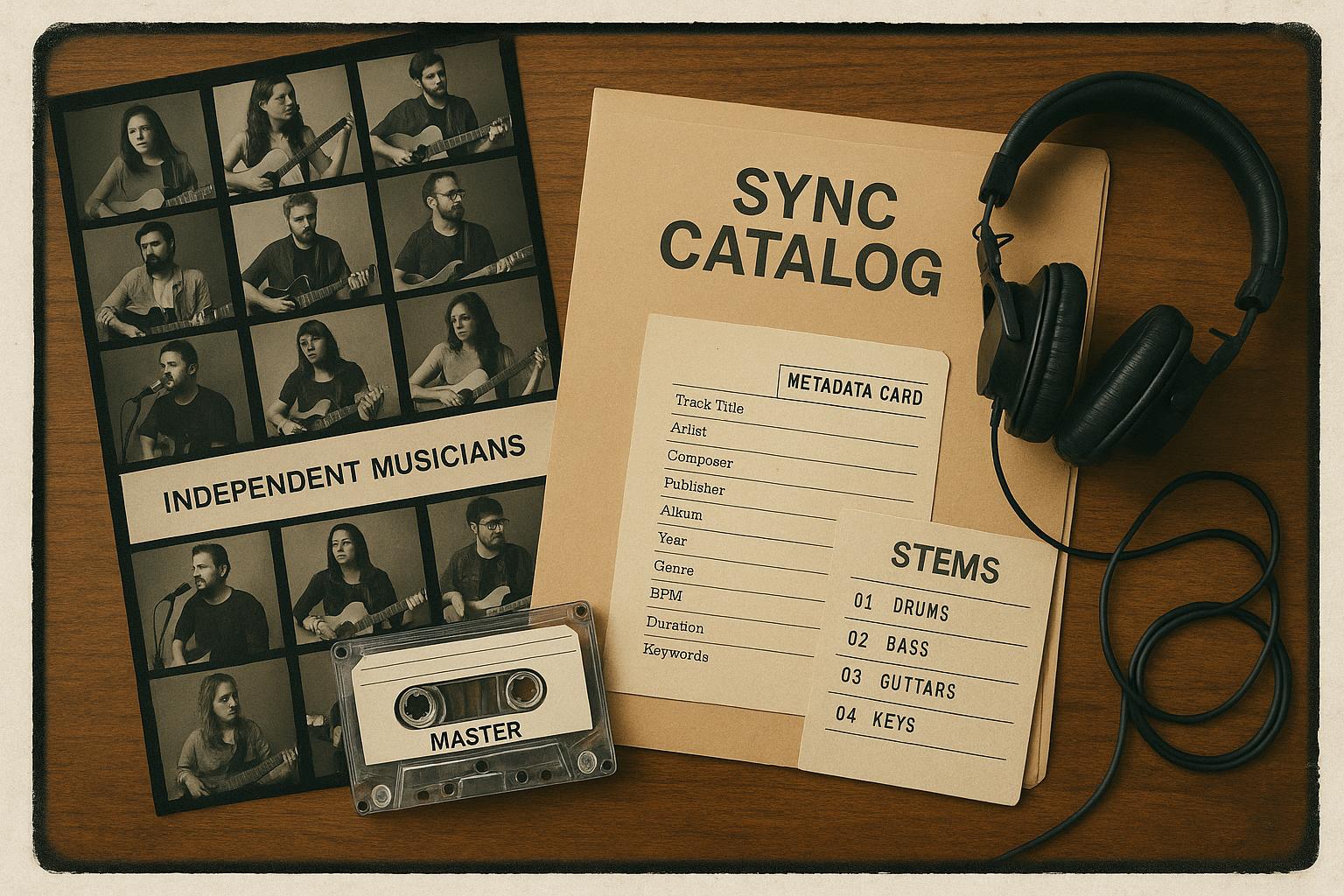
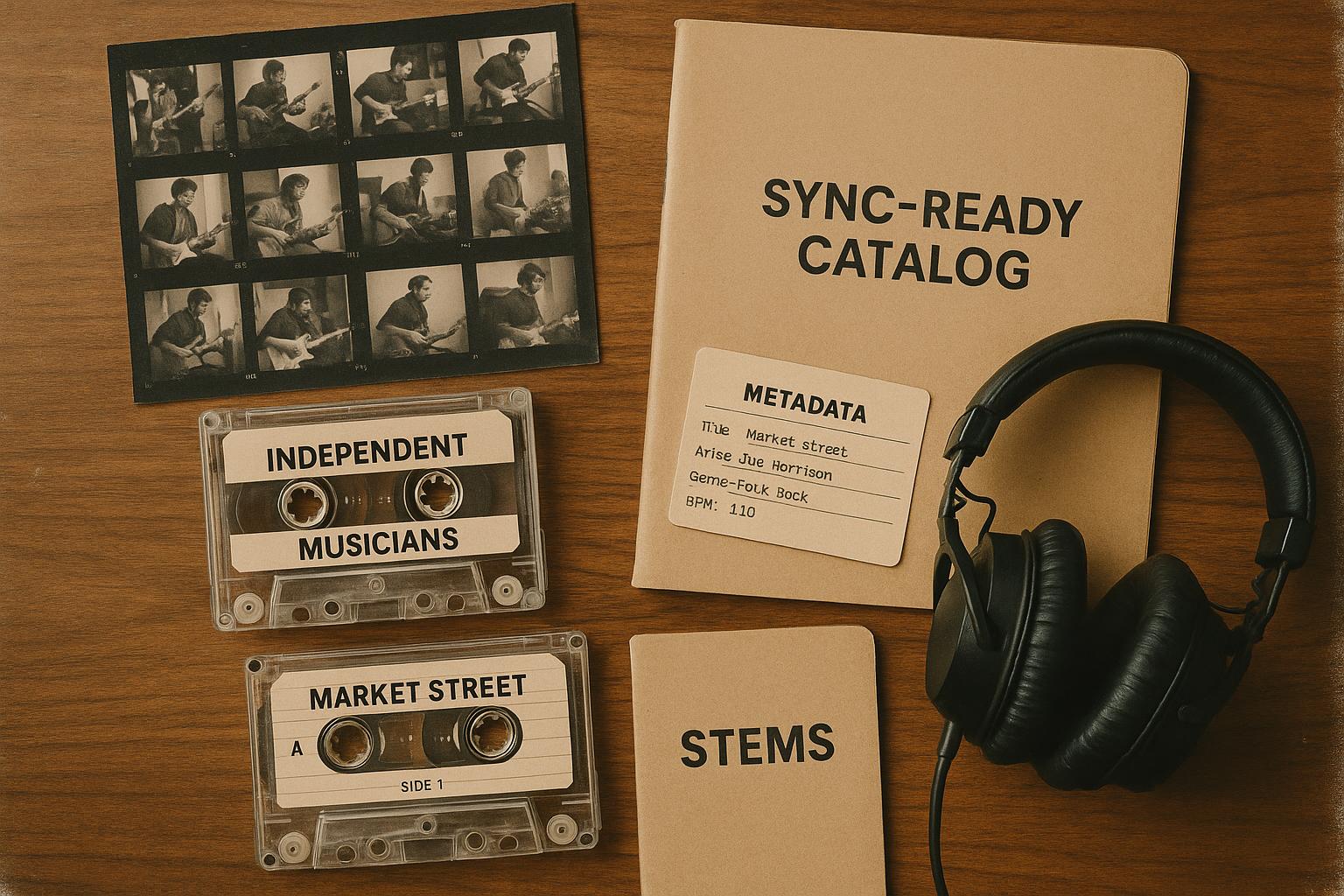
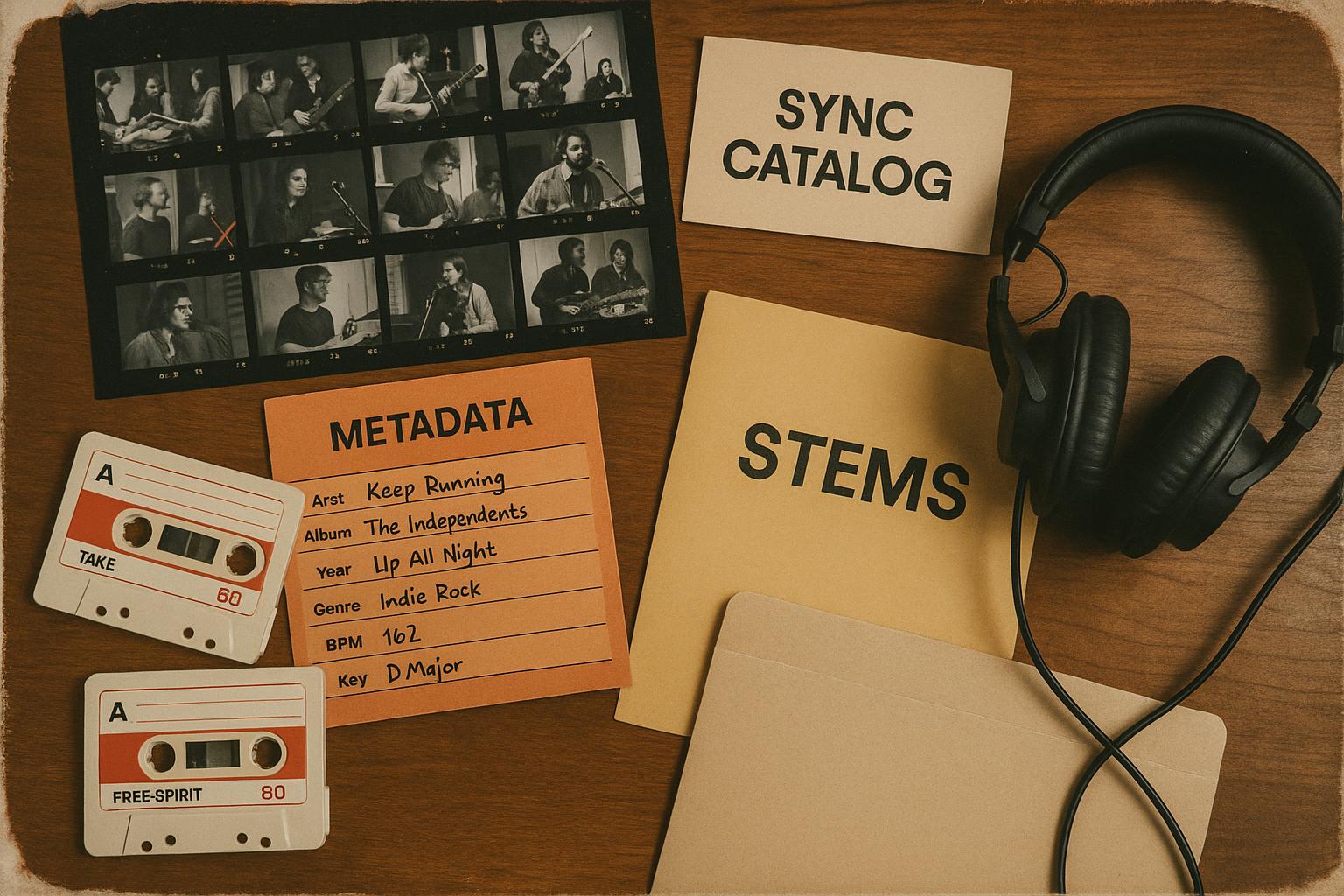
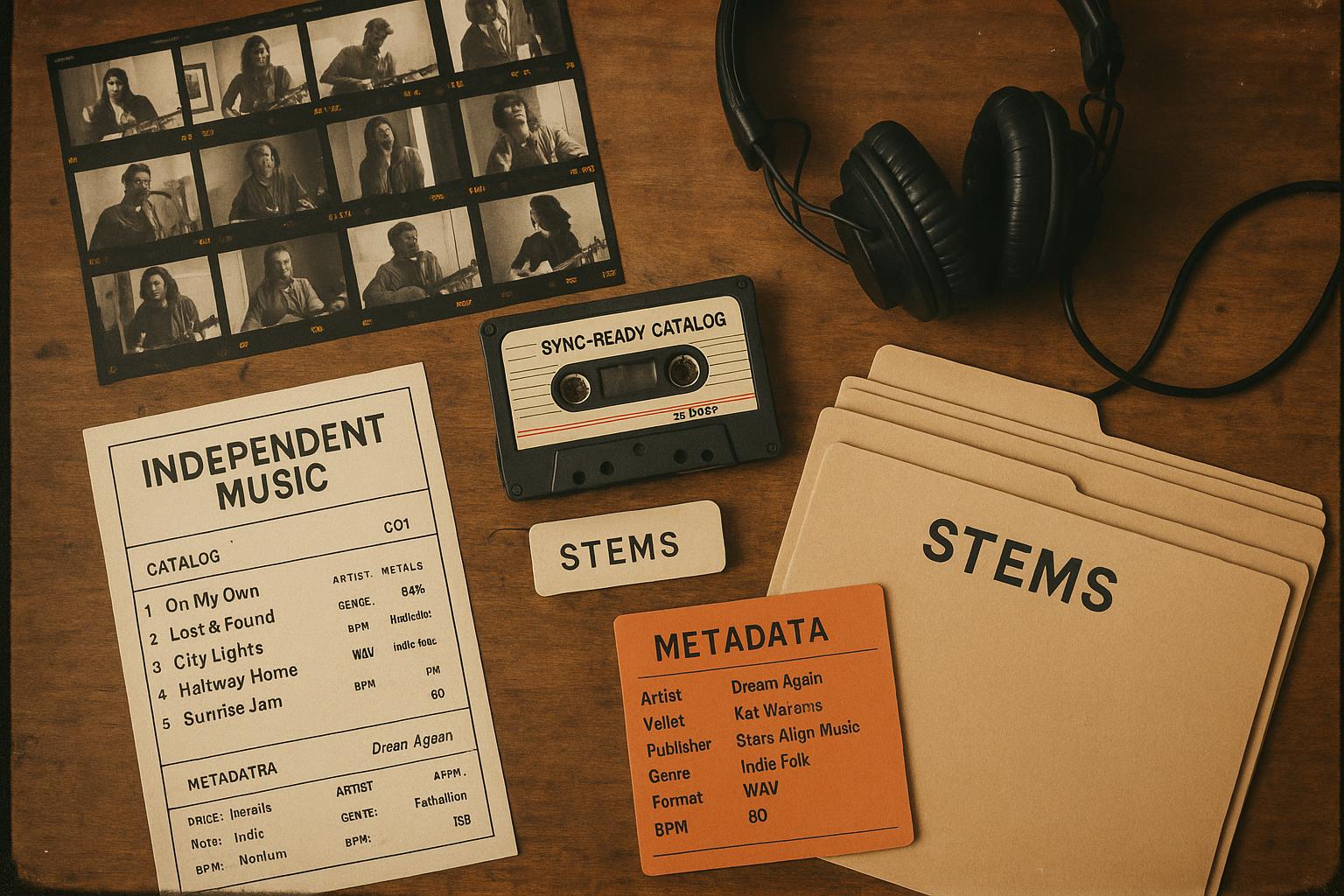
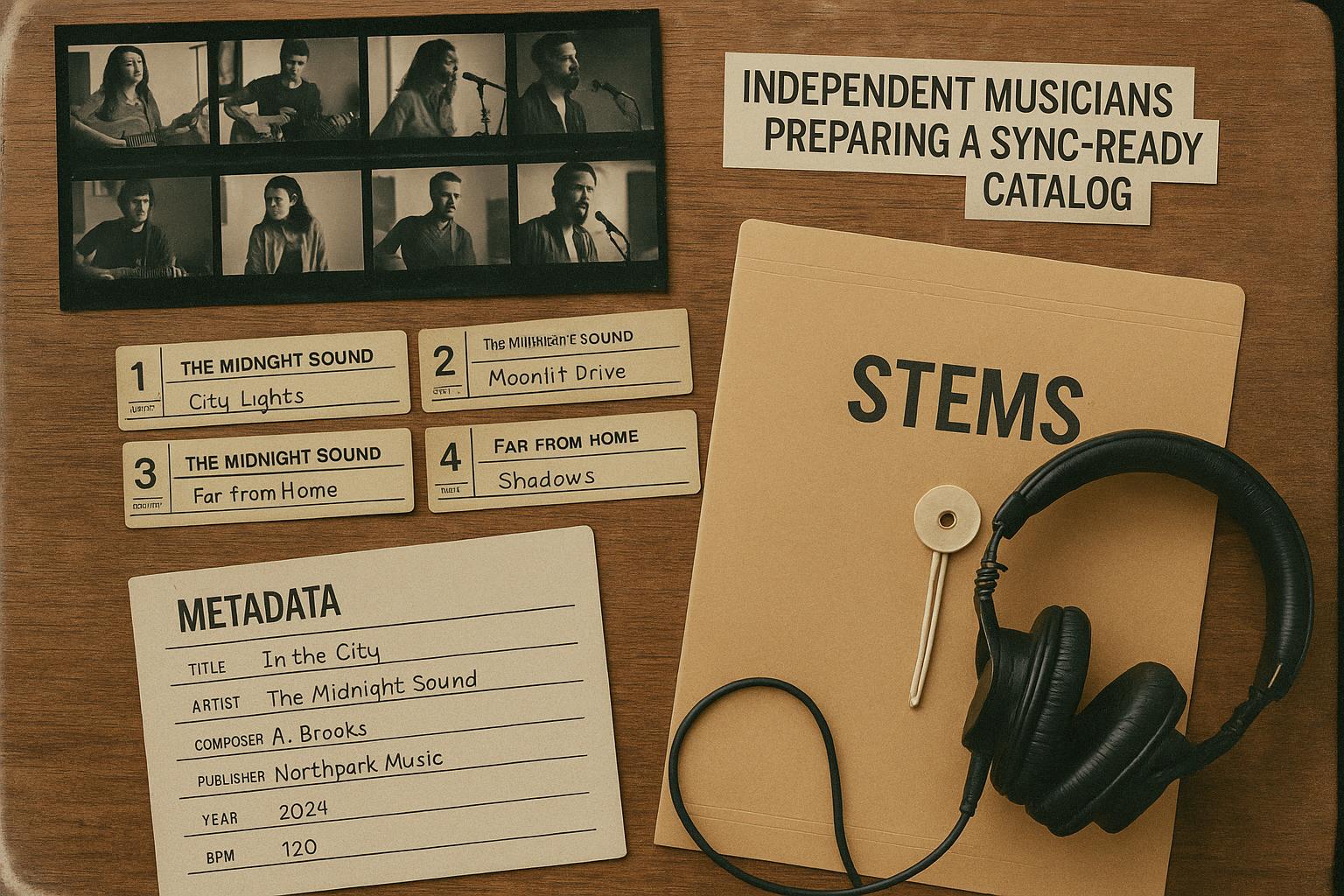
- Prepare metadata and digital assets: accurate titles, artist credits, composer credits, ISRC, ISWC, and contact information.
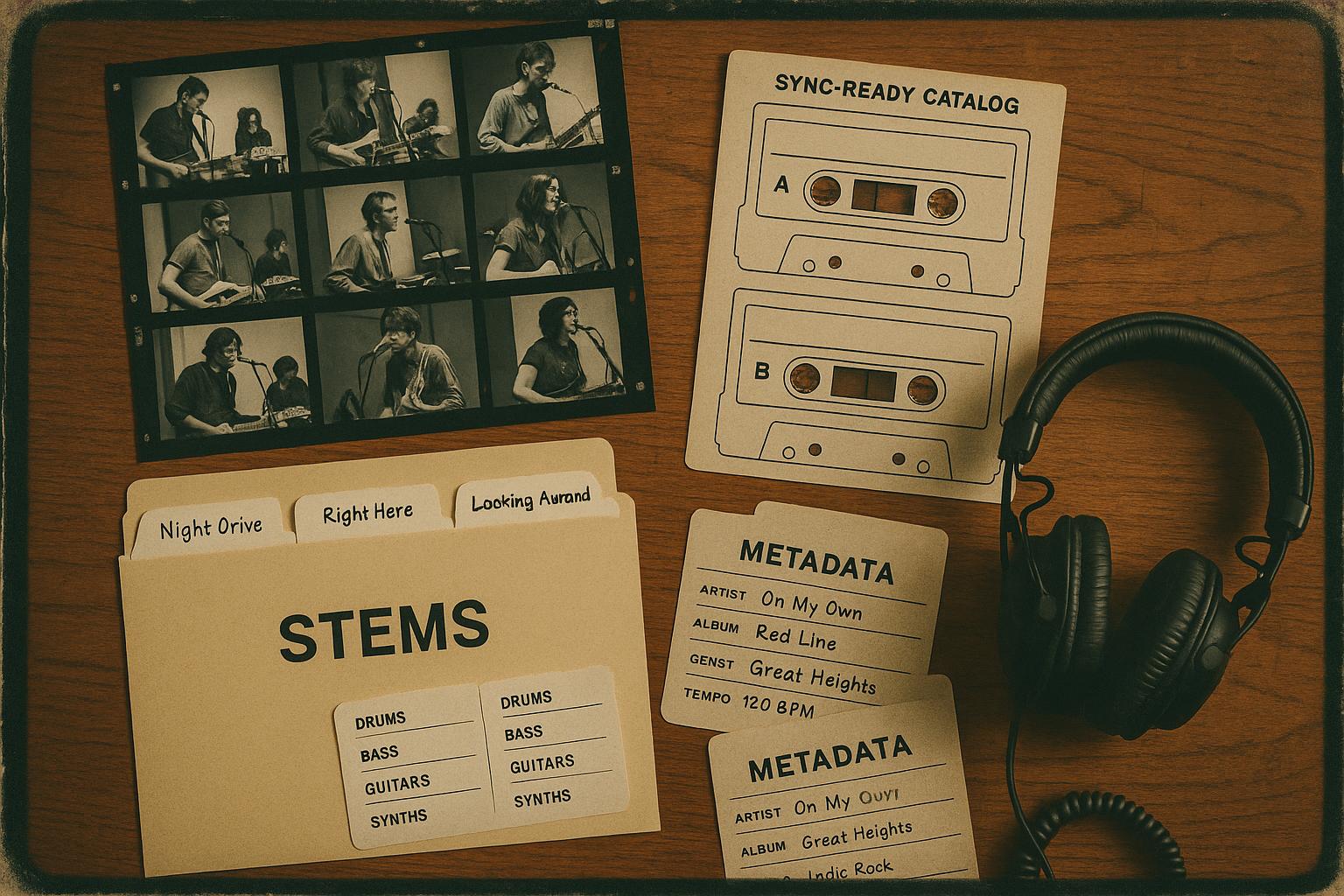
- Create stems and alternate mixes: instrumentals, underscore versions, and short-form edits for quick syncing.
- Register and document rights: ensure PRO registrations are current, and cue sheets are ready for fast clearance.
- Develop a targeted pitch plan: identify producers, supervisors, and directors whose current projects align with your material.
- Step 1: Build placement-ready components for every track (stems, instrumentals, edits, metadata).
- Step 2: Create a clear rights framework (who can clear what, what remains in license, and how revenue is split).
- Step 3: Establish a consistent delivery cadence for quick-sync opportunities (fast turnarounds, alternate mixes, and updated cue sheets).
- Step 4: Execute targeted outreach to adjacent markets (film, TV, ad agencies, and trailer houses) with case-based briefs that illustrate fit for each project.
- Step 5: Integrate feedback into your catalog development and distribution plan to keep your catalog evergreen for ongoing opportunities.
In practice, the process is iterative. You’ll learn which cues consistently outperform others, which metadata fields matter most to sync supervisors, and how to react when studios request last-minute edits. Our approach at One World Media coordinates these elements so you can focus on writing and performing while we handle the strategic alignment and outreach that drive placements.
What sync supervisors need from artists: metadata quality, one-stop clearance, alt mixes, stems, instrumental versions, fast turnaround
- Metadata quality: Ensure track title, artist, composer credits, performer credits, ISRC, ISWC, and publishing company details are accurate and complete. A clean metadata profile reduces clearance time dramatically.
- One-stop clearance readiness: Provide a clear, consolidated license path that covers master rights and publishing rights where possible, or a simple, transparent split if a traditional one-stop is not feasible.
- Alt mixes and stems: Supply radio edits, underscore versions, instrumentals, and stem bundles (drums, bass, keys, etc.) to fit various cues and edit lengths.
- Instrumental and vocal versions: Ensure both versions are readily deliverable for dialogue-heavy scenes or vocal-removed cues.
- Fast turnaround: Establish an agreed turnaround SLA (for example, 24–72 hours) for cue requests, approvals, and delivery of updated materials during late-stage production windows.
- Clear credits and contact points: Provide a primary contact for licensing and a secondary contact for rights administration, plus a ready-to-use credit narrative for end credits and metadata downstream.
For producers and sync supervisors in Los Angeles and beyond, having these elements in place accelerates decision-making and increases the likelihood of a placement. When you engage with One World Media, we align your delivery workflow with the expectations of top-level supervisors, ensuring your music remains a reliable, high-quality option during fast-moving production cycles.
Rights readiness: split sheets, master/publishing ownership clarity, PRO registration, ISRC/ISWC metadata, and cue sheet importance
- Split sheets and ownership clarity: Clearly document who owns the master, who owns the publishing, and how proceeds are split for each track. This reduces disputes during licensing and ensures timely payouts.
- Master and publishing ownership clarity: Define whether you own both or have a publisher with administration rights, and outline any third-party rights (performer, arrangement, sample-based elements) that may require separate clearance.
- PRO registration: Confirm current registrations with your Performing Rights Organization (BMI, ASCAP, SESAC, etc.) so that royalties are correctly reported and collected.
- ISRC/ISWC metadata: Ensure each track has an accurate ISRC for master identification and an ISWC for publishing attribution, plus linked composer and publisher information.
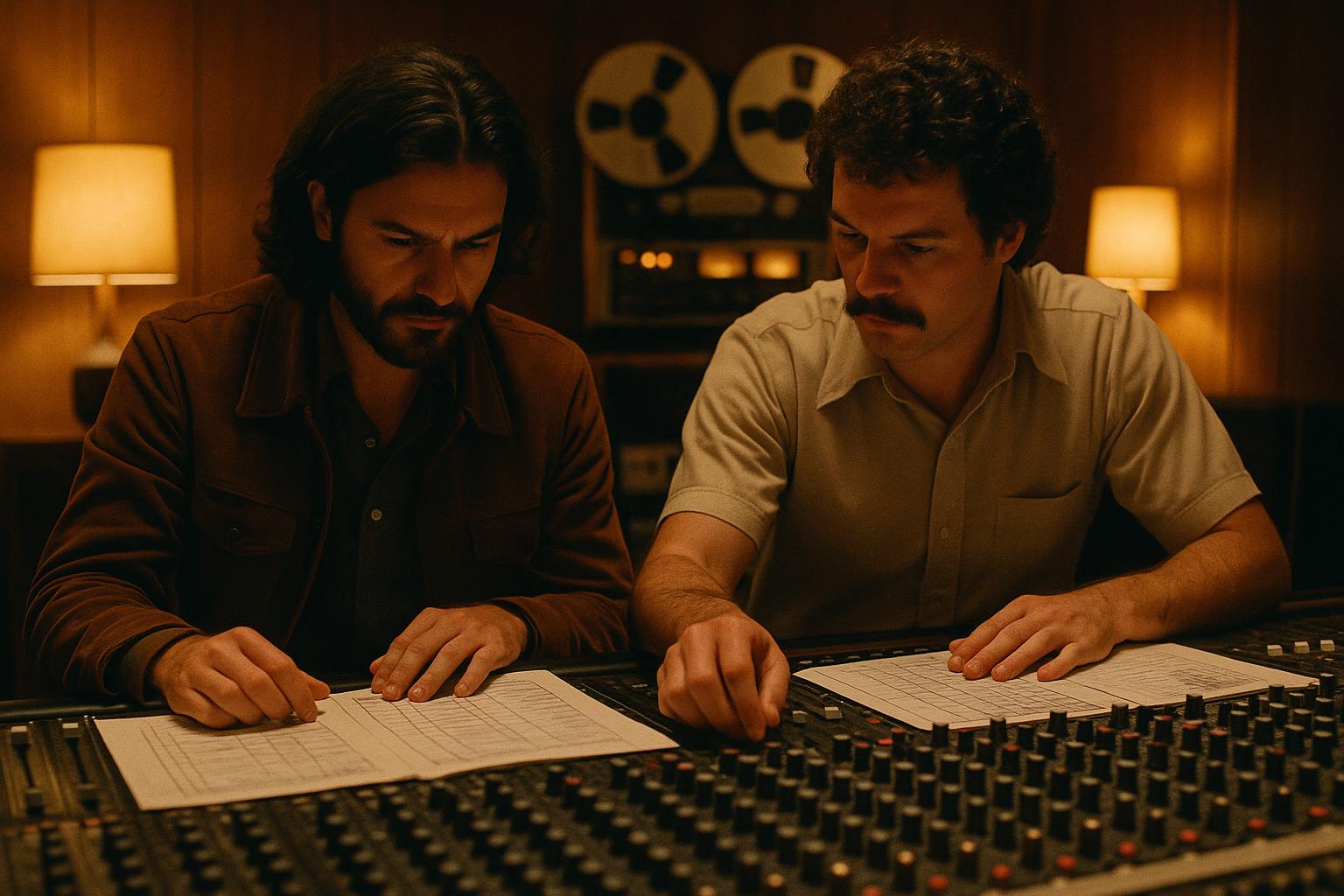
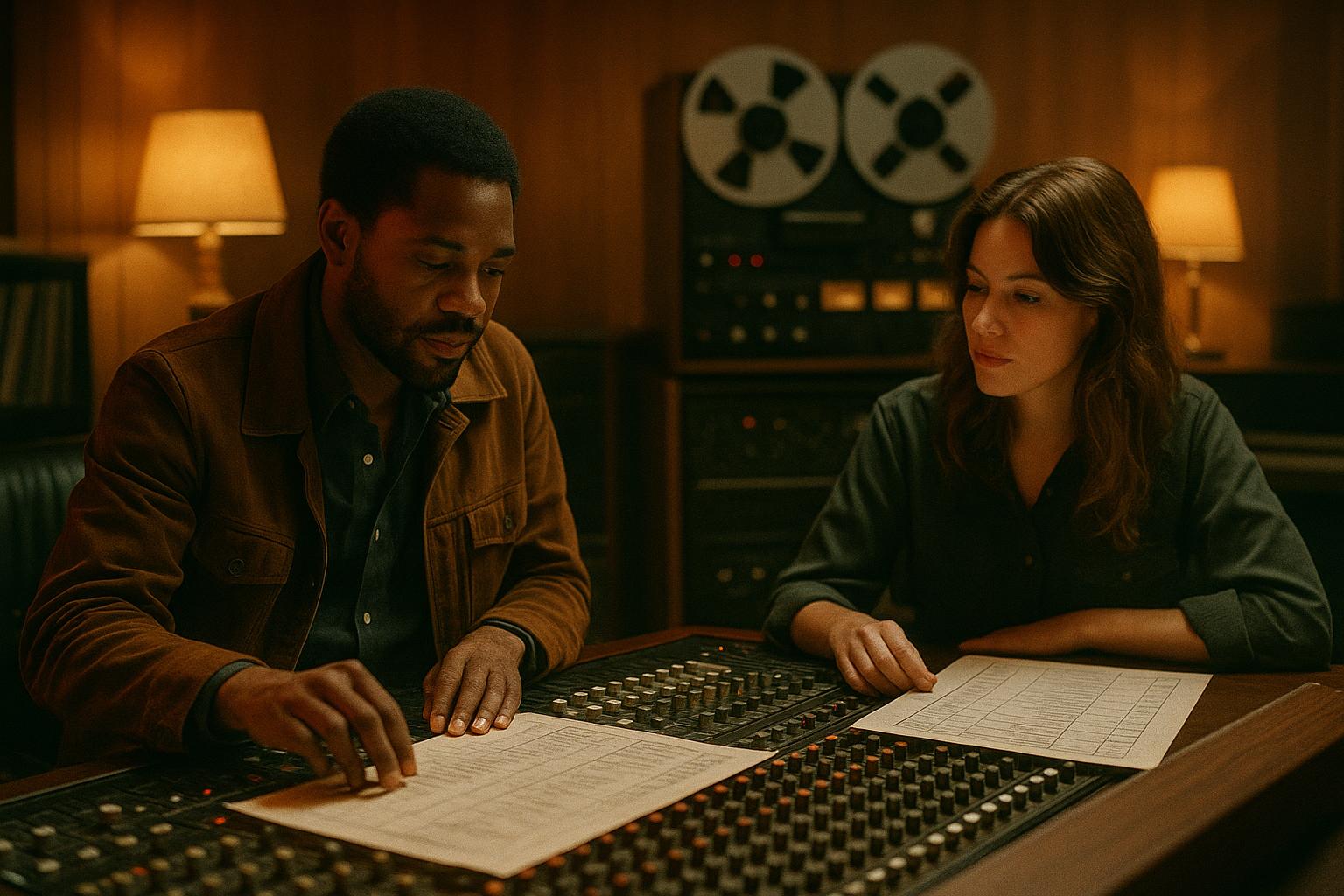
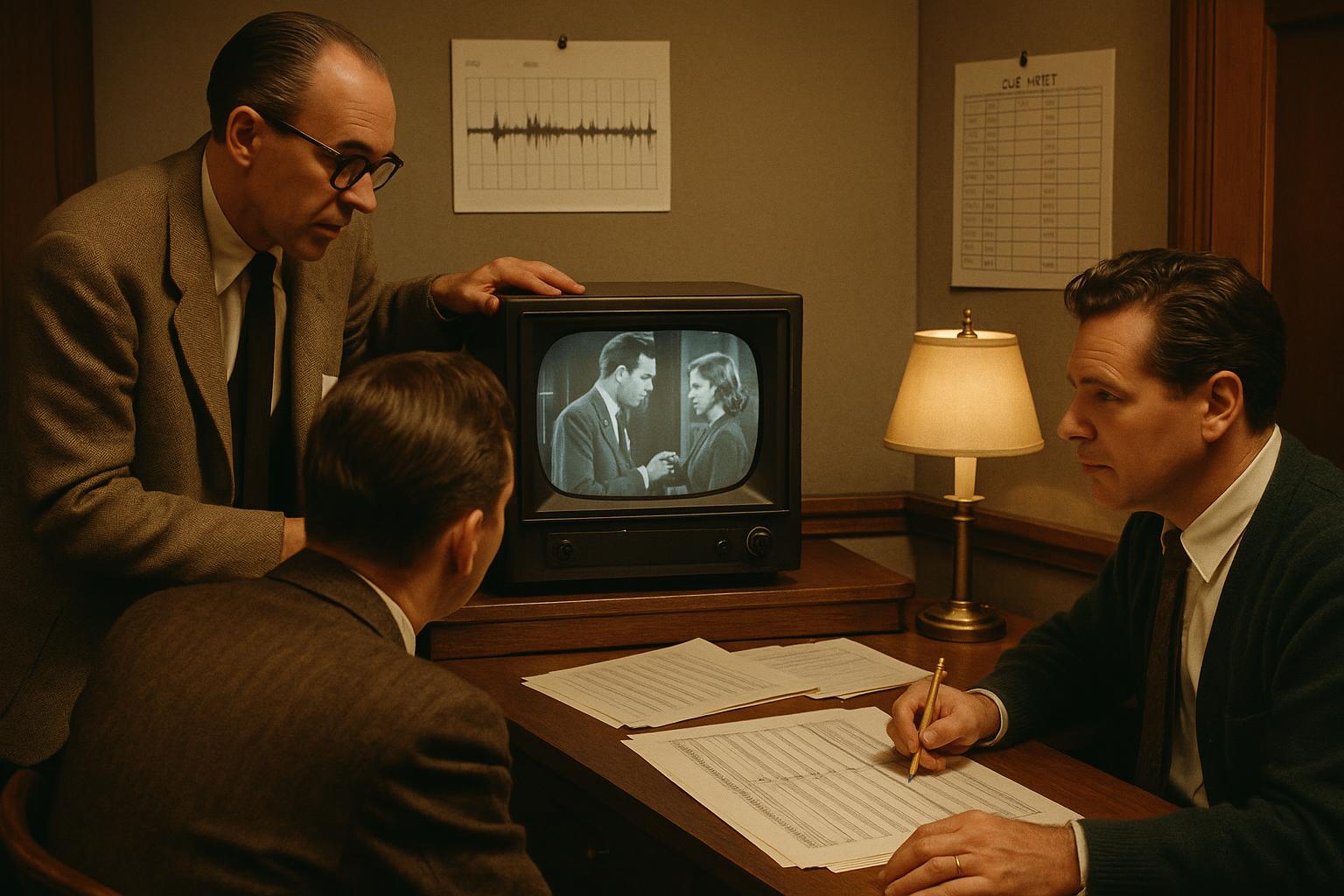
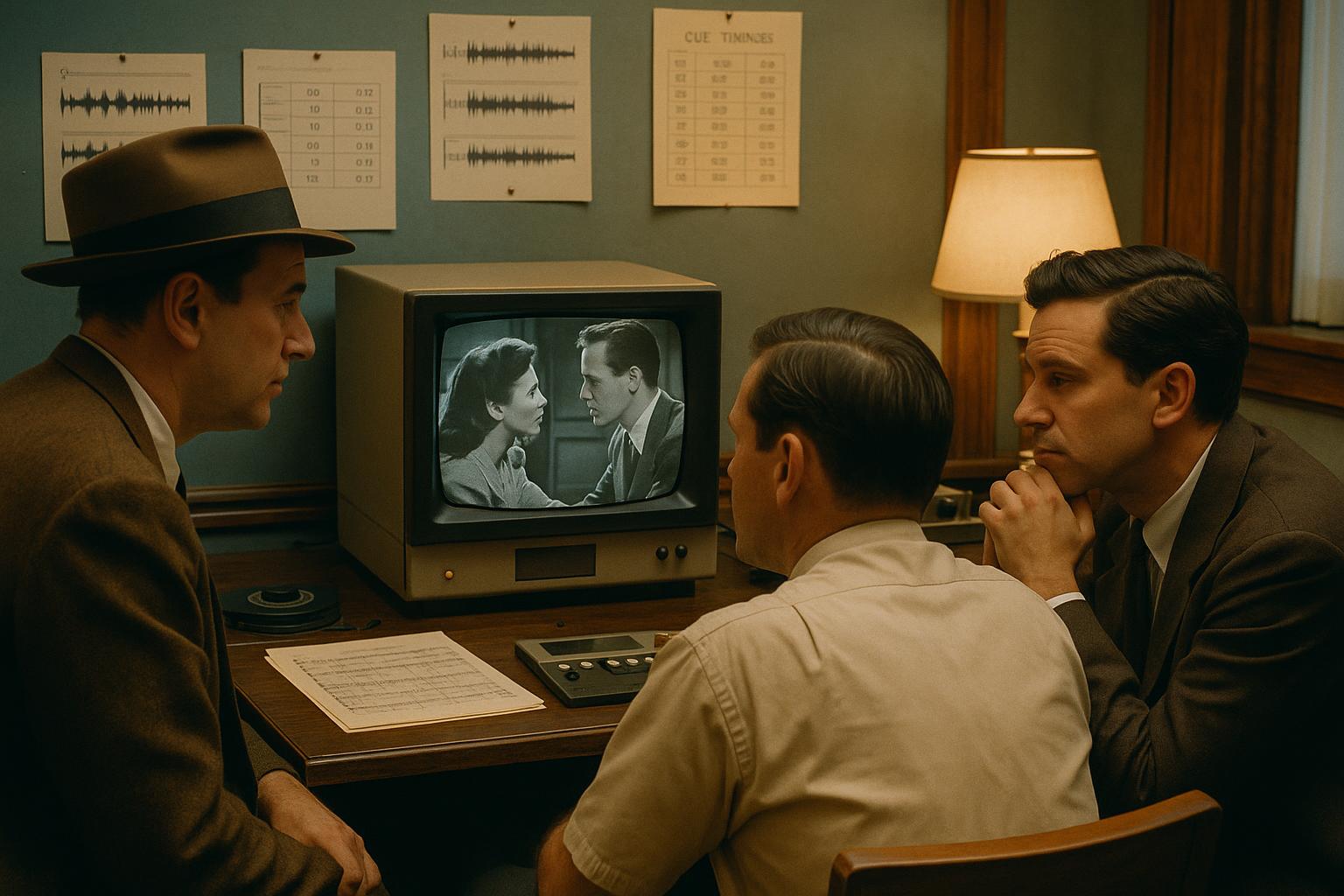
- Cue sheet importance: Prepare detailed cue sheets with track names, timings, scenes, licensing terms, and rights-holders information to streamline post-production clearance and royalty tracking.
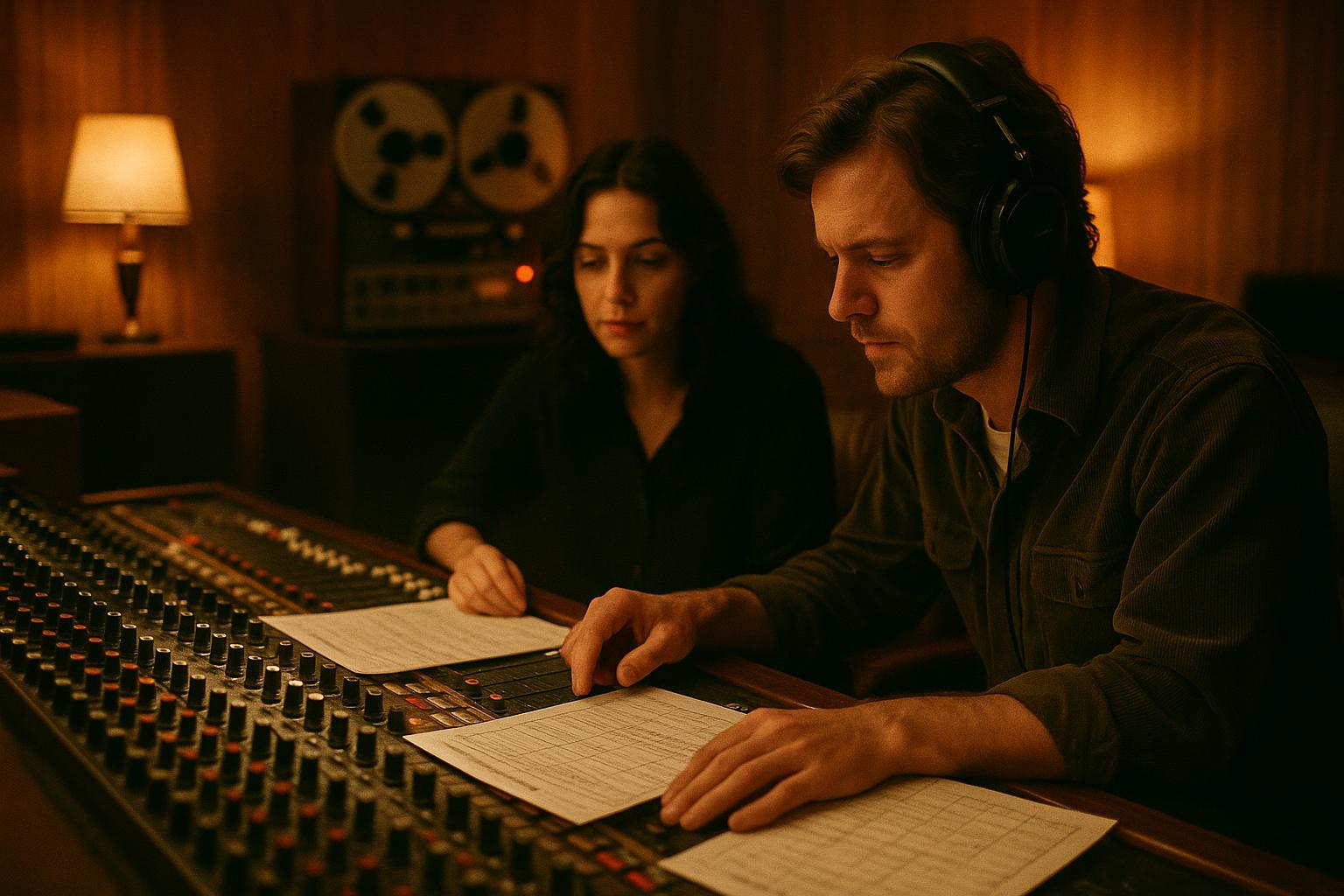
When rights readiness is treated as a product, not an afterthought, you accelerate clearance cycles and improve revenue capture. One World Media guides artists through this landscape, ensuring alignment across sync strategy, publishing administration, and global distribution so your catalog remains compliant and market-ready.
Producer-songwriter collaboration workflows that boost placements
- Joint brief development: Collaborate with producers and directors early to craft a precise brief, including mood, tempo, and narrative function of the cue. This reduces time spent on unsuitable material.
- Shared project calendars: Use synchronized timelines for drafts, revisions, approvals, and cue sheet submissions to prevent bottlenecks.
- Versioning discipline: Deliver a standardized set of versions for each track (main, underscore, instrumental, stems) so supervisors can pick the best fit without back-and-forth.
- Clear licensing templates: Prepare ready-to-sign license templates for master and publishing, with upfront terms and revenue splits agreed, reducing negotiation frictions.
- Pre-cleared workflow: When possible, pre-clear key collaborators or provide clear PR/crediting agreements to avoid delays in post-production.
- Iterative feedback loops: Establish a feedback protocol after every pitch, so future submissions improve with each project and align more closely with supervisor preferences.
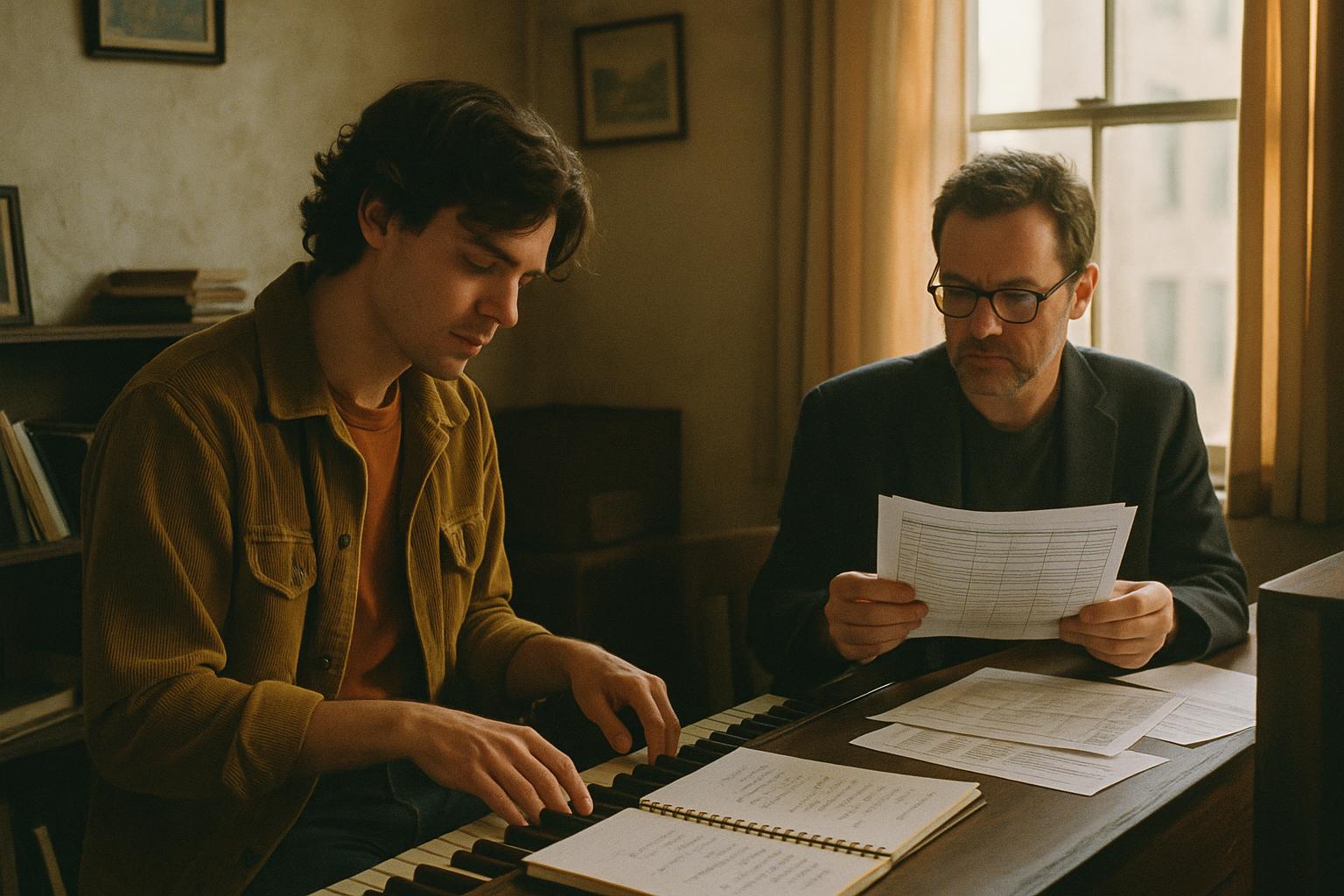
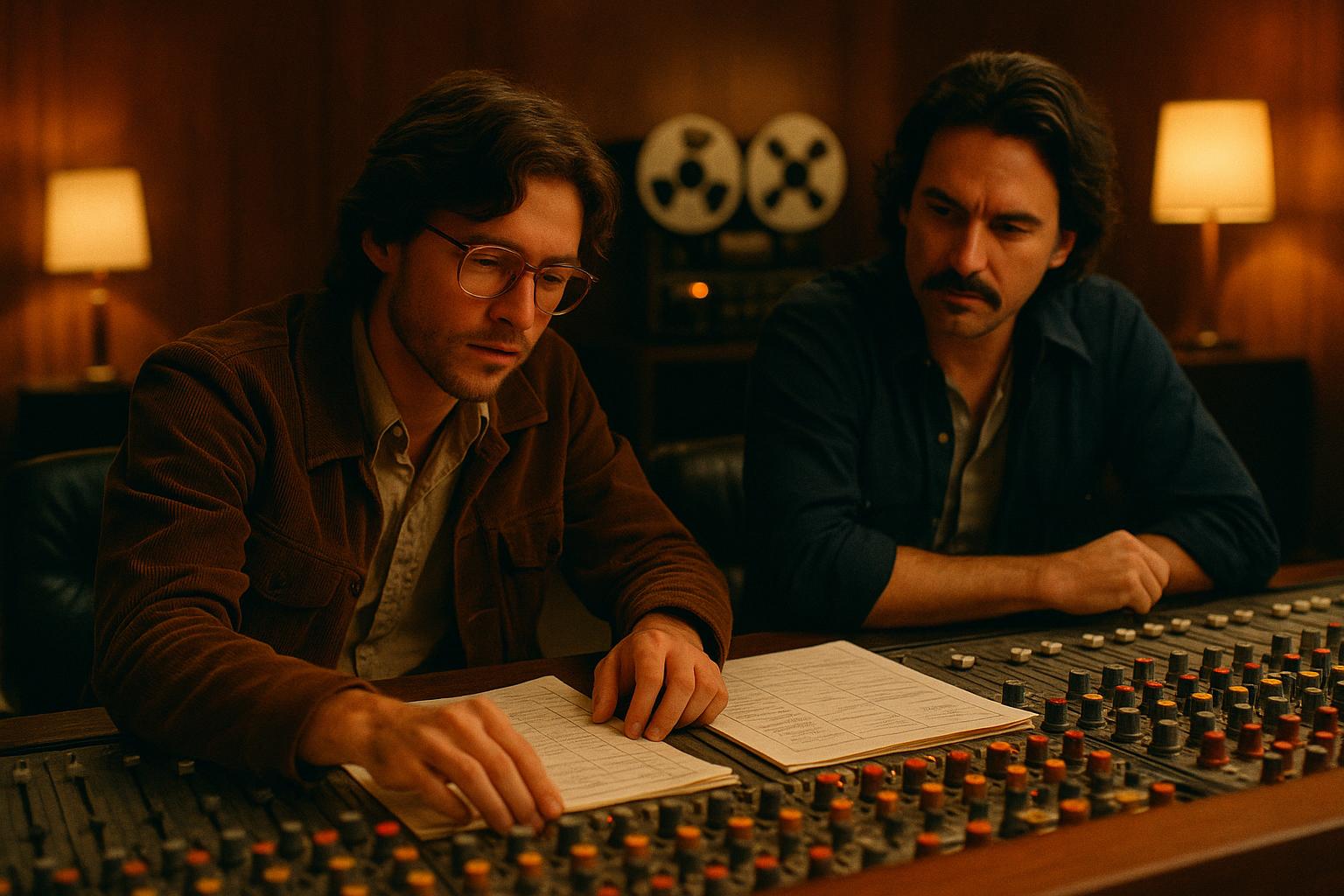
Collaboration between producers and artists is a competitive advantage. A structured workflow reduces cycle times, increases win rates, and builds a reputation for reliability—an outcome directly supported by One World Media’s end-to-end services: sync strategy, music publishing, rights admin, distribution, and artist development. In Los Angeles’ fast-moving ecosystem, a proven collaboration framework can turn a promising demo into a recurring source of sync revenue.
Case study: from a piano demo to a high-profile trailer — a real-world scenario
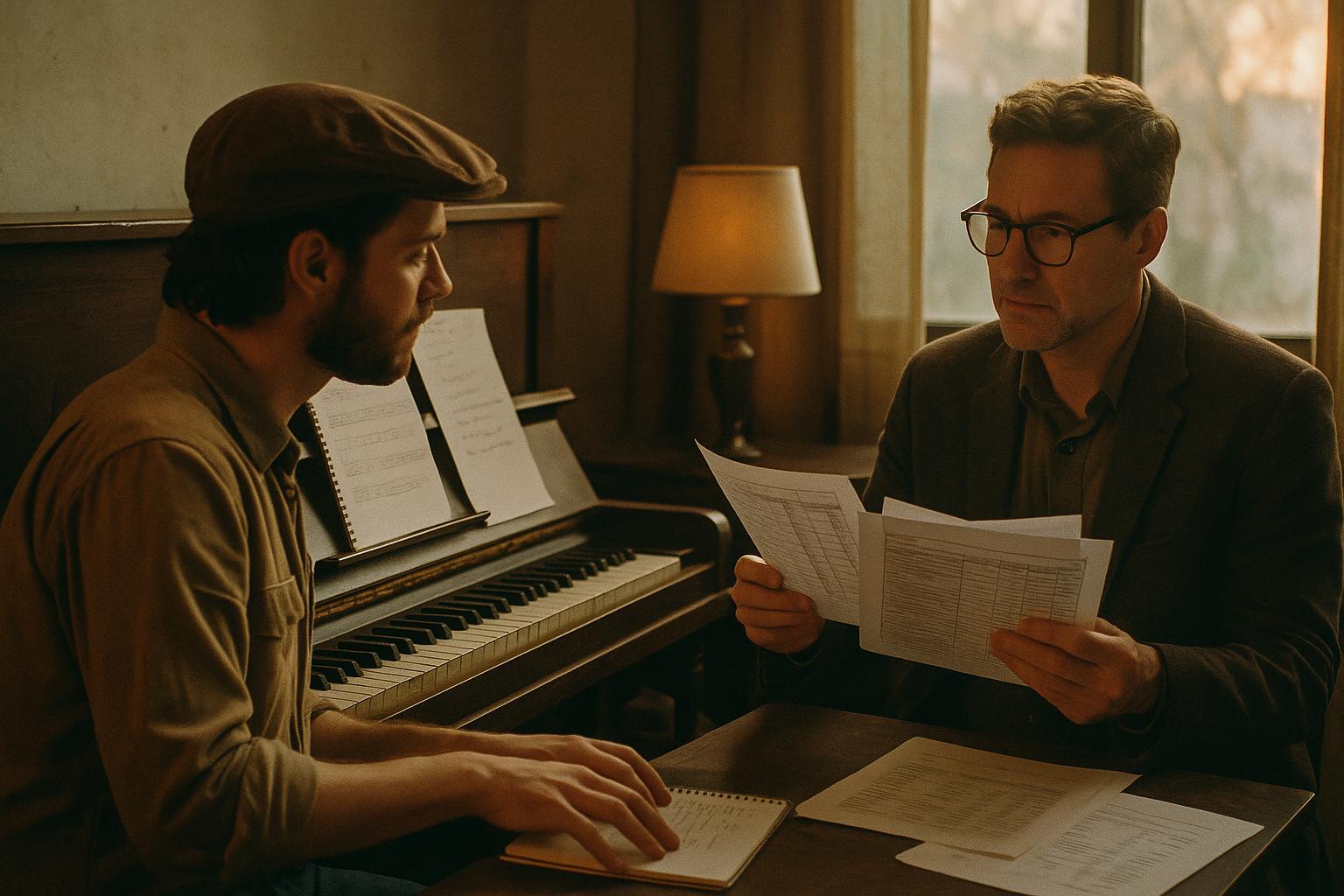
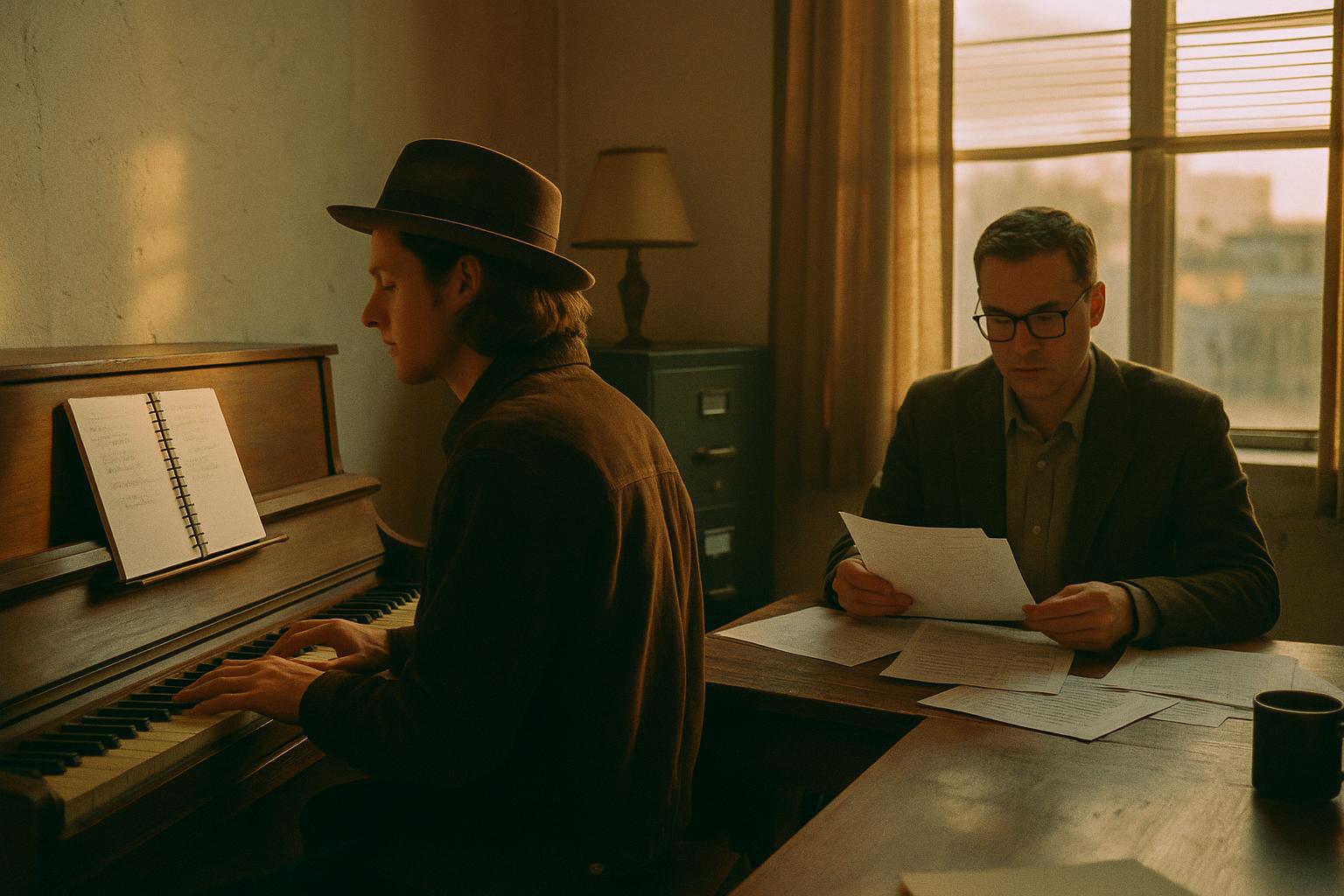
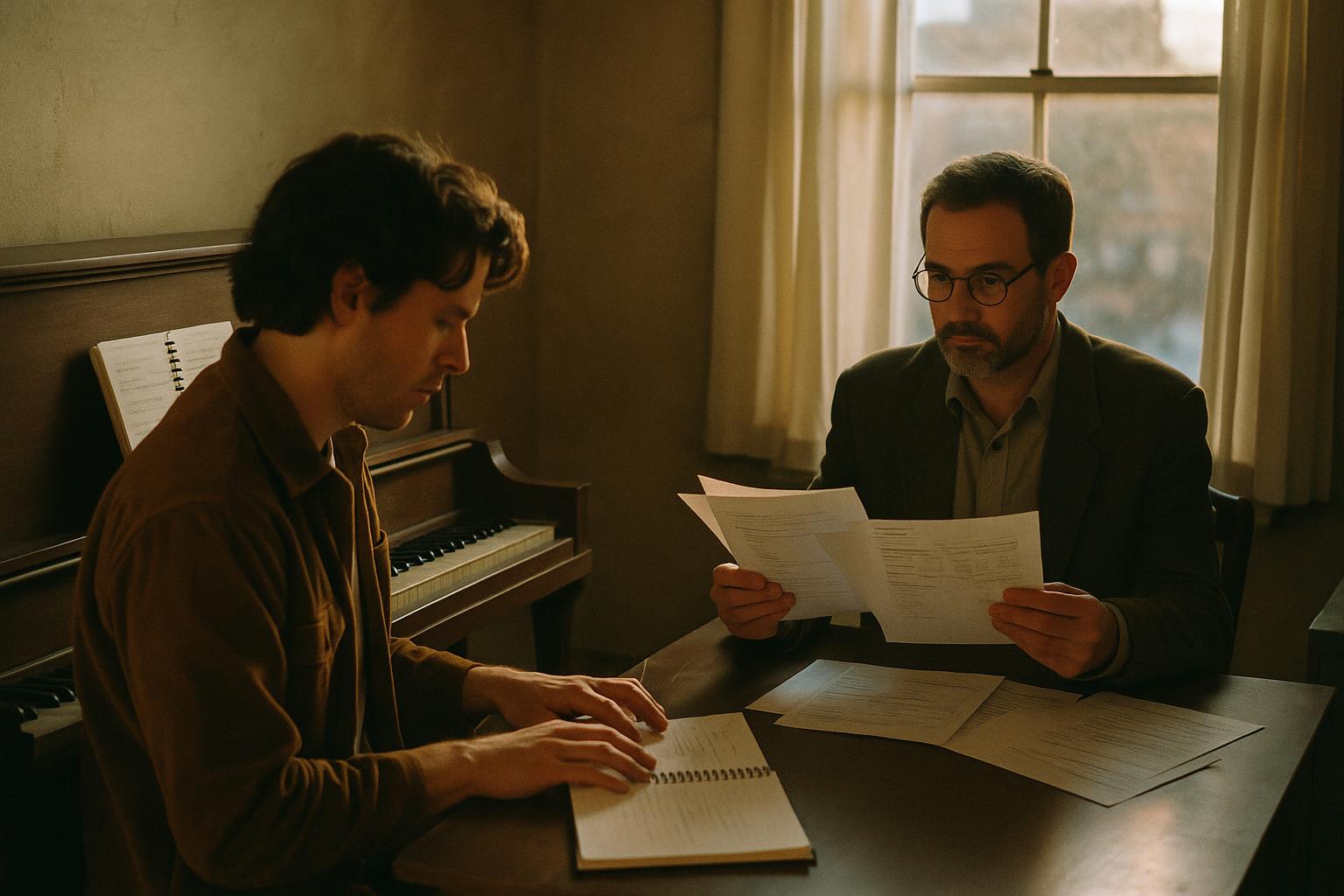
A mid-level artist in Los Angeles approached One World Media with a single piano demo that captured a moody, cinematic vibe. The track was simple but emotionally potent, with clear vocal comping that could be adapted for dialogue-laden scenes. Here’s how the process unfolded:
- Rights and readiness: We aligned master and publishing ownership, registered ISRC/ISWC, and prepared a cue-sheet-ready package with a detailed crediting plan for end credits.
- Stems and alternatives: We delivered a full stem set (drums, piano, and ambient textures) plus a stripped-down instrumental version to accommodate dialogue overlays and different cut lengths.
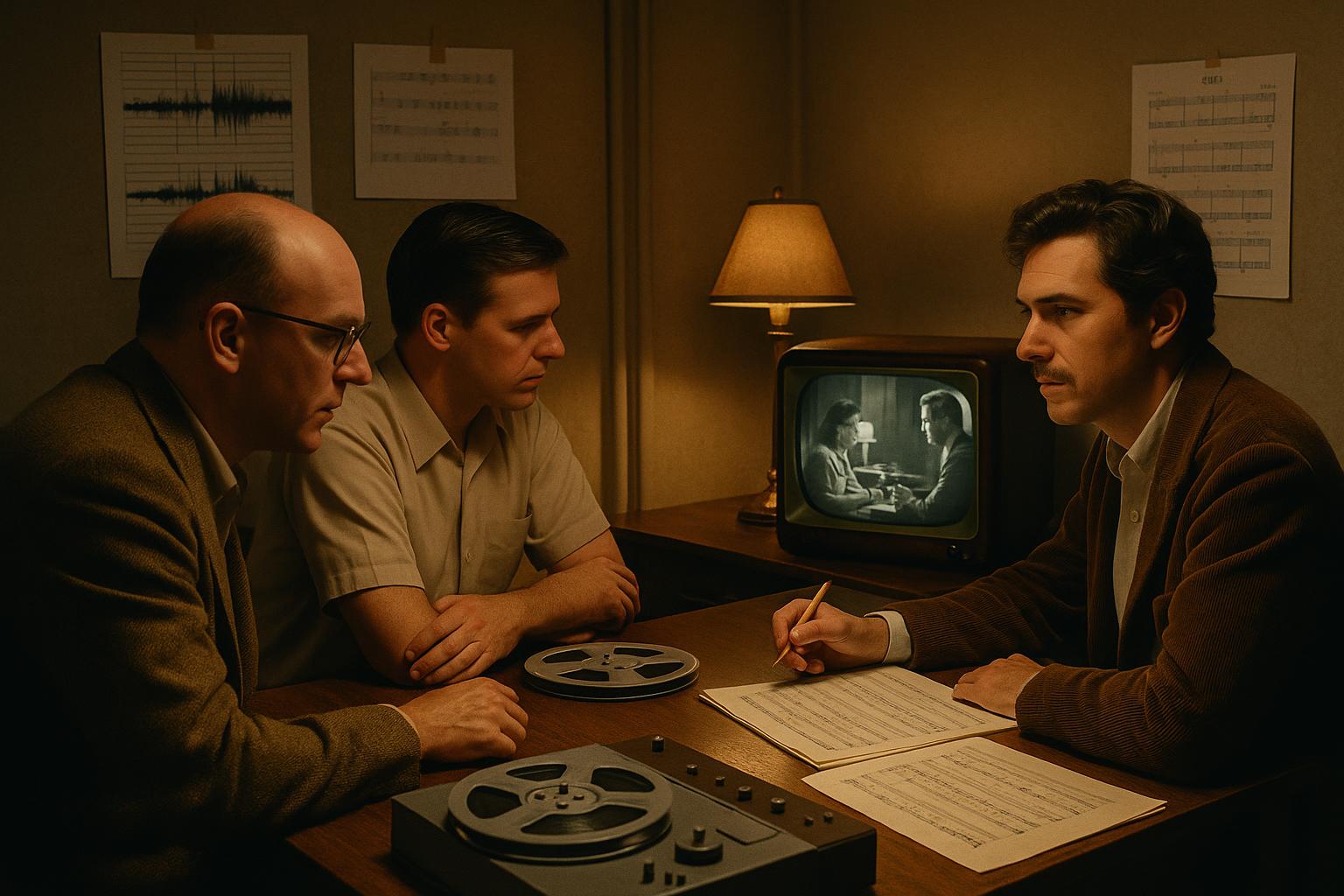
- Sync strategy: We identified a major U.S. trailer house and a streaming doc project in Los Angeles that were actively seeking moody, lyrical cues. We pitched the track with a narrative brief that connected the mood to the trailer’s visual arc.
- Collaboration workflow: The artist collaborated with the producer to adjust a couple of bars to synchronize alternative edits to the forecasted trailer cuts, ensuring timing compatibility without compromising the track’s emotional core.
- Outcome: The track secured a prominent trailer placement and is now generating ongoing revenue through publishing and distribution channels, supported by ongoing artist development and catalog expansion advised by One World Media.
This scenario illustrates how a well-prepared catalog, combined with strategic outreach and responsive production workflows, can deliver tangible, recurring placements. The key is not just the song itself but how it’s packaged, cleared, and pitched—elements that One World Media coordinates to maximize results for independent musicians and composers seeking ongoing sync revenue.
Frequently Asked Questions
Q: How long does it typically take to land a placement after a track is pitched?
A: Timelines vary by project and need, but targeted campaigns with well-prepared metadata, stems, and clear licensing terms typically yield opportunities within 4–12 weeks. In fast-turnaround windows (films, trailers, or streaming campaigns), you may see shorter windows, especially with strong, right-sized assets and responsive producers.
Q: Do I need to own all rights to pitch my music, or can I work through a publisher?
A: You can pitch with clear agreements in place, but many artists work with a music publisher or rights admin partner to simplify licensing, administer splits, and ensure global clearance. One World Media specializes in publishing, rights admin, and syncing strategies to streamline this process.
Q: Should I provide stems, alternate mixes, and instrumental versions for every track?
A: Providing stems and alternate mixes significantly expands your synchronization options and reduces time-to-approval for cueing. It’s highly recommended for catalog entries intended for film, TV, and trailer use, and aligns with sync supervisor expectations.
Q: What markets or content types yield the best results for independent musicians?
A: In Los Angeles, film and television remain high-value markets, with streaming media and ads offering steady revenue streams. Success comes from a diversified approach: targeted film/TV pitches, trailer libraries, ad campaigns, and streaming content, all supported by robust rights management and distribution strategies.
Contact One World Media
Ready to accelerate your catalog’s placement potential? Our team provides comprehensive support—from strategic roadmaps and rights administration to high-touch outreach and on-going artist development. We help you build a durable pipeline of placements, protect your rights, and monetize your music across publishing and distribution channels. With an emphasis on practical, measurable outcomes, we position your catalog for recurring sync revenue and long-term growth.
For more information, please contact us at support@oneworldmedia.global or call (307) 200-8139.