Sign emerging artists by building a placement-ready catalog that sings on screen
In a competitive film, TV, and streaming landscape, the fastest path to consistent sync revenue is a strategically organized catalog that producers, sync supervisors, and studios can trust at a glance. sign emerging artists is not a one-off flyer but a repeatable system: curated music, rock-solid rights, precise metadata, and a collaborative workflow that turns pitches into placements. For professionals in Los Angeles and beyond, the city remains a powerful launchpad for trends, talent, and executive connections. This guide breaks down practical, actionable steps you can apply today to attract film and TV opportunities while positioning One World Media as your trusted partner for publishing, sync strategy, rights administration, distribution, and catalog development.
Crafting a placement-ready catalog for film and TV
A well-structured catalog speeds up approvals and reduces back-and-forth. Think like a DP watching a scene: you need the right mood, tempo, and tonal color in a single listen. This section outlines the concrete elements you should assemble and how to present them to decision-makers.
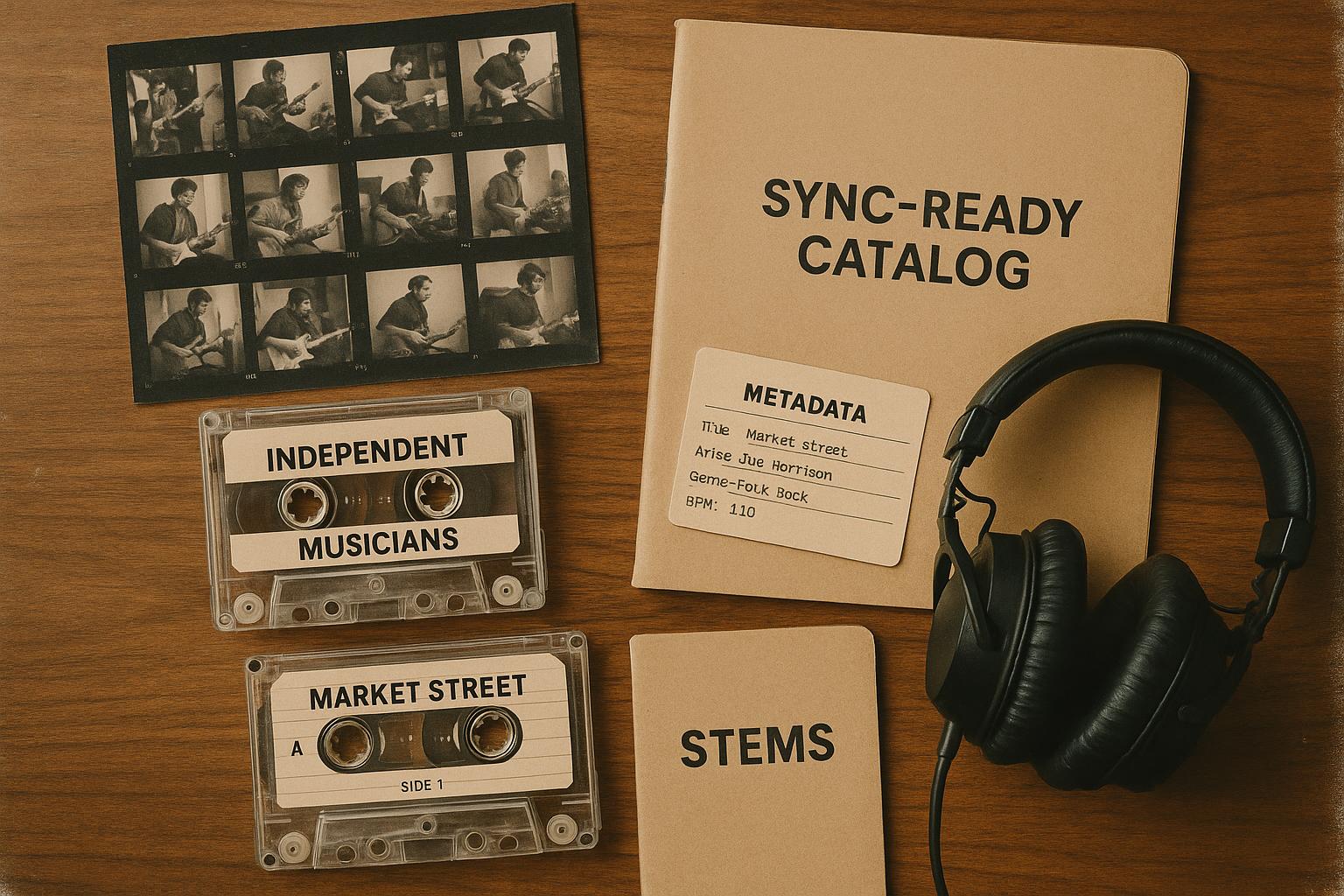
- Curate a concise, high-impact submission: 3–6 tracks per artist that span core moods (uplifting, tension, atmospheric, drama) and formats (full tracks, instrumentals, alt mixes).
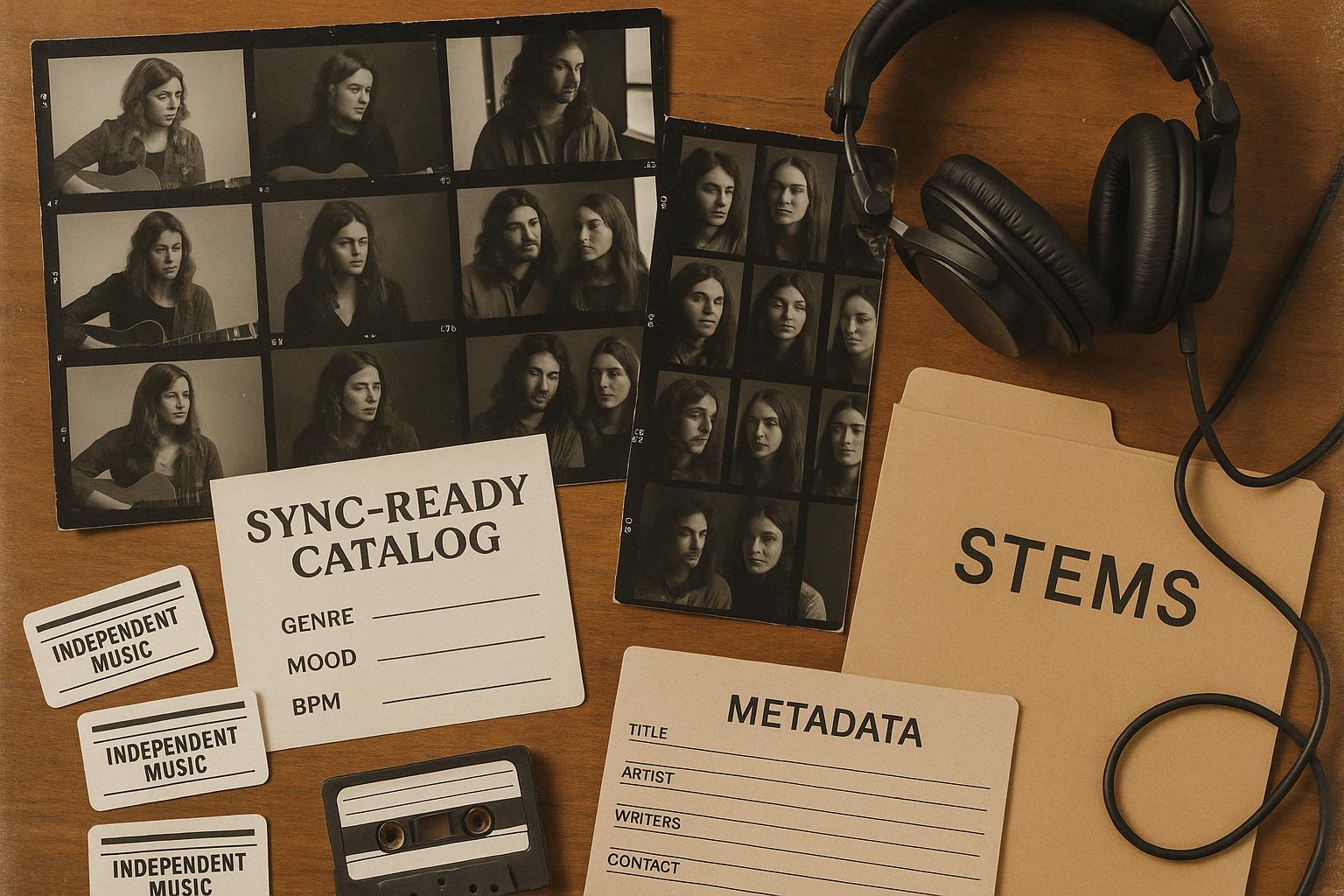
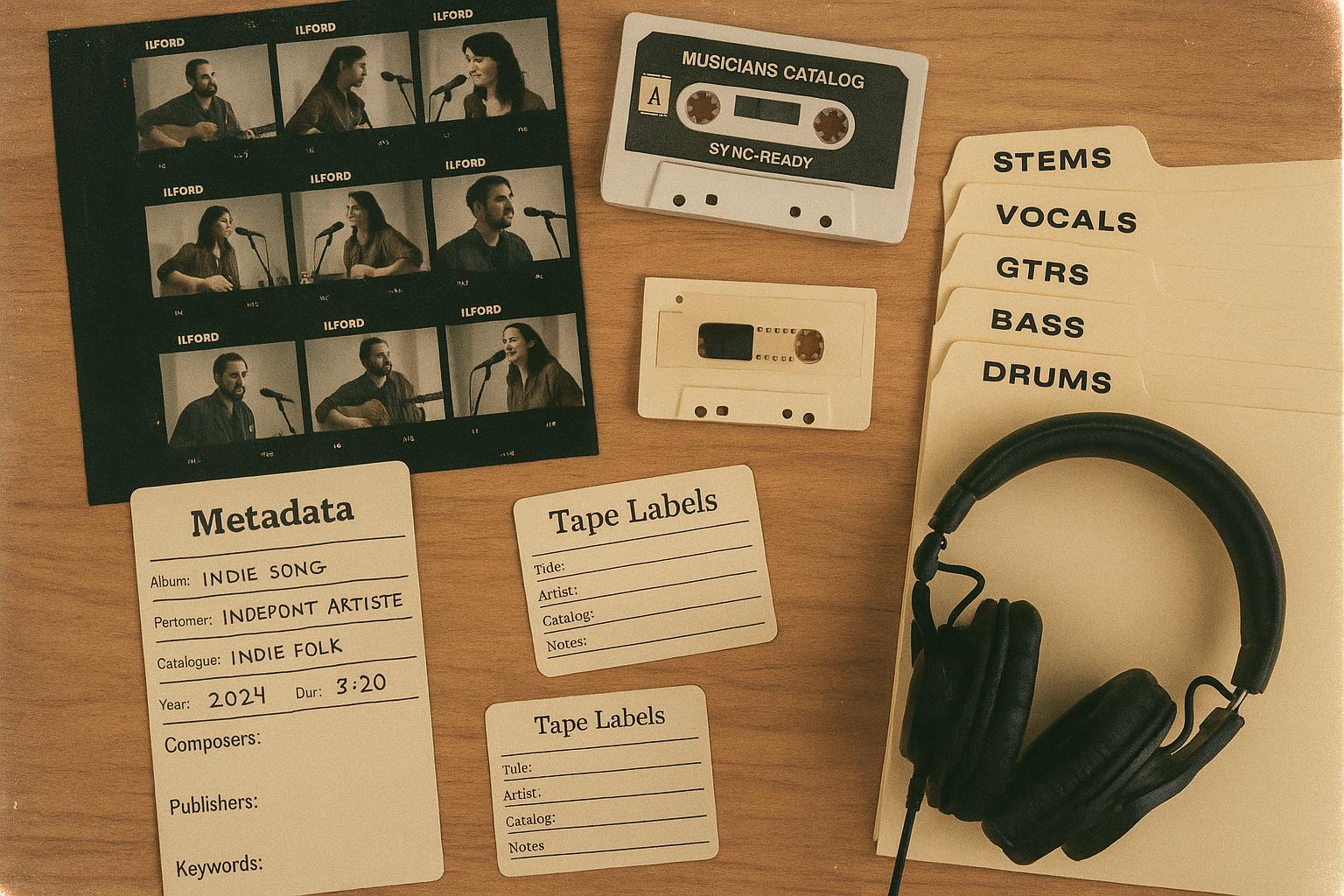
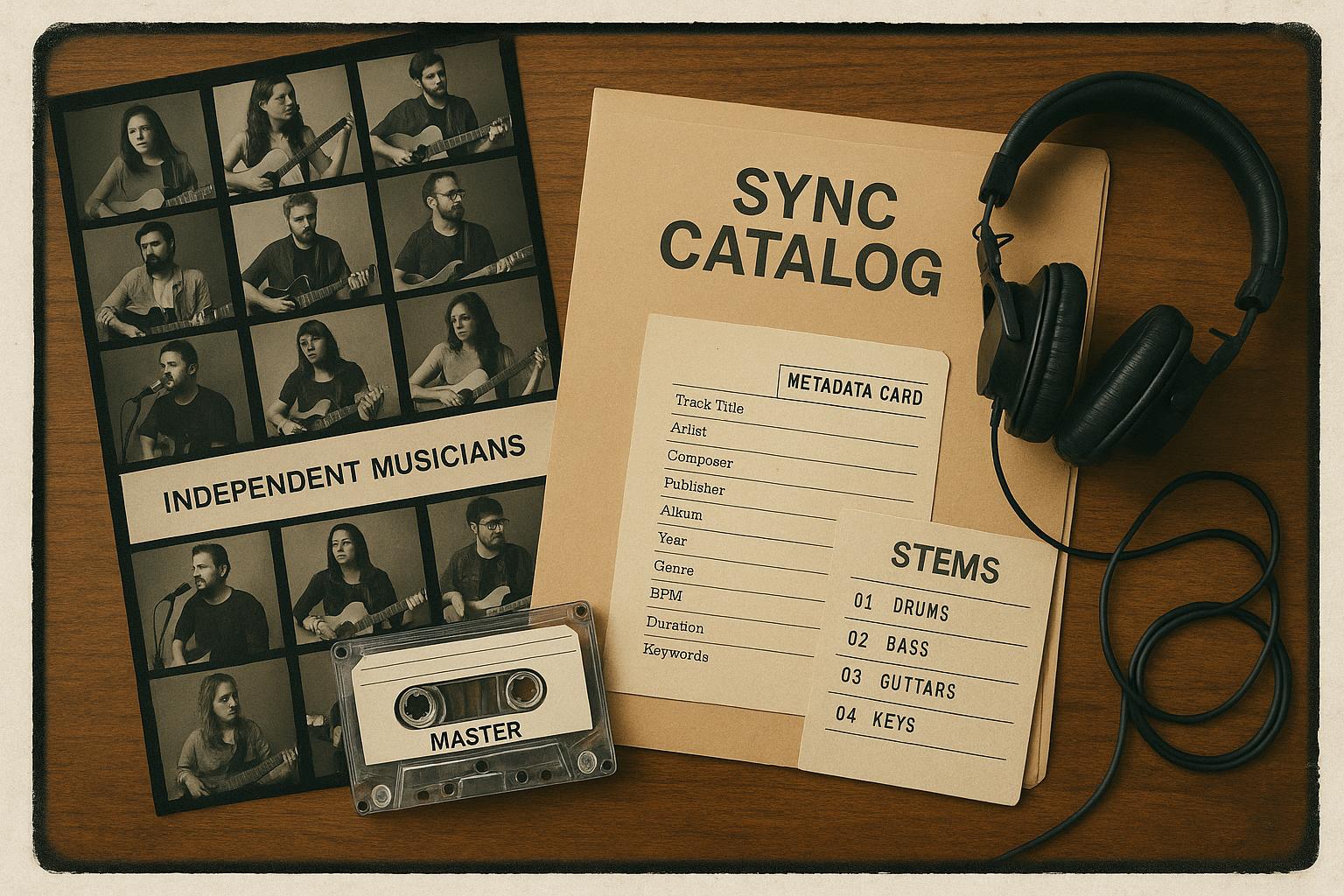
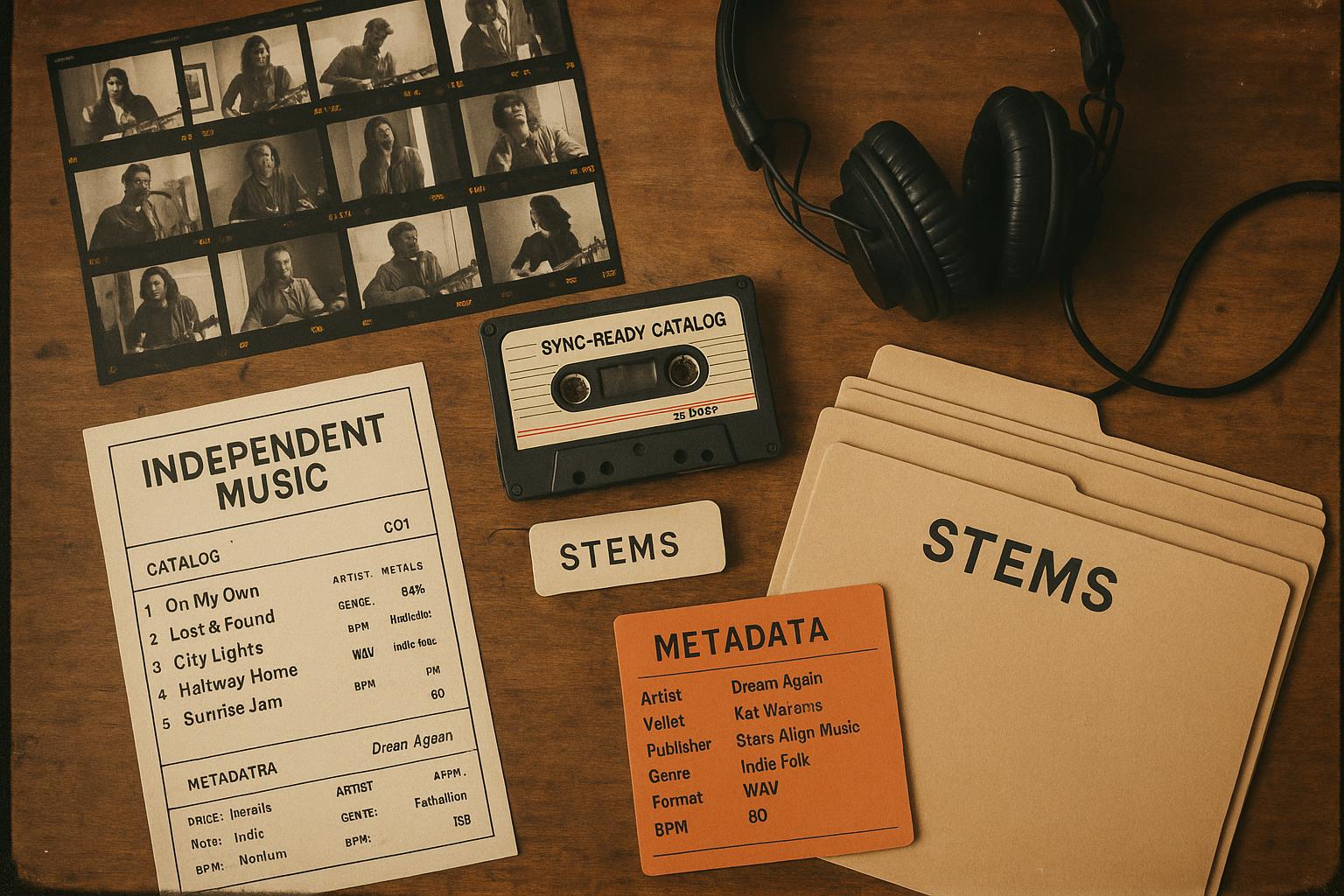
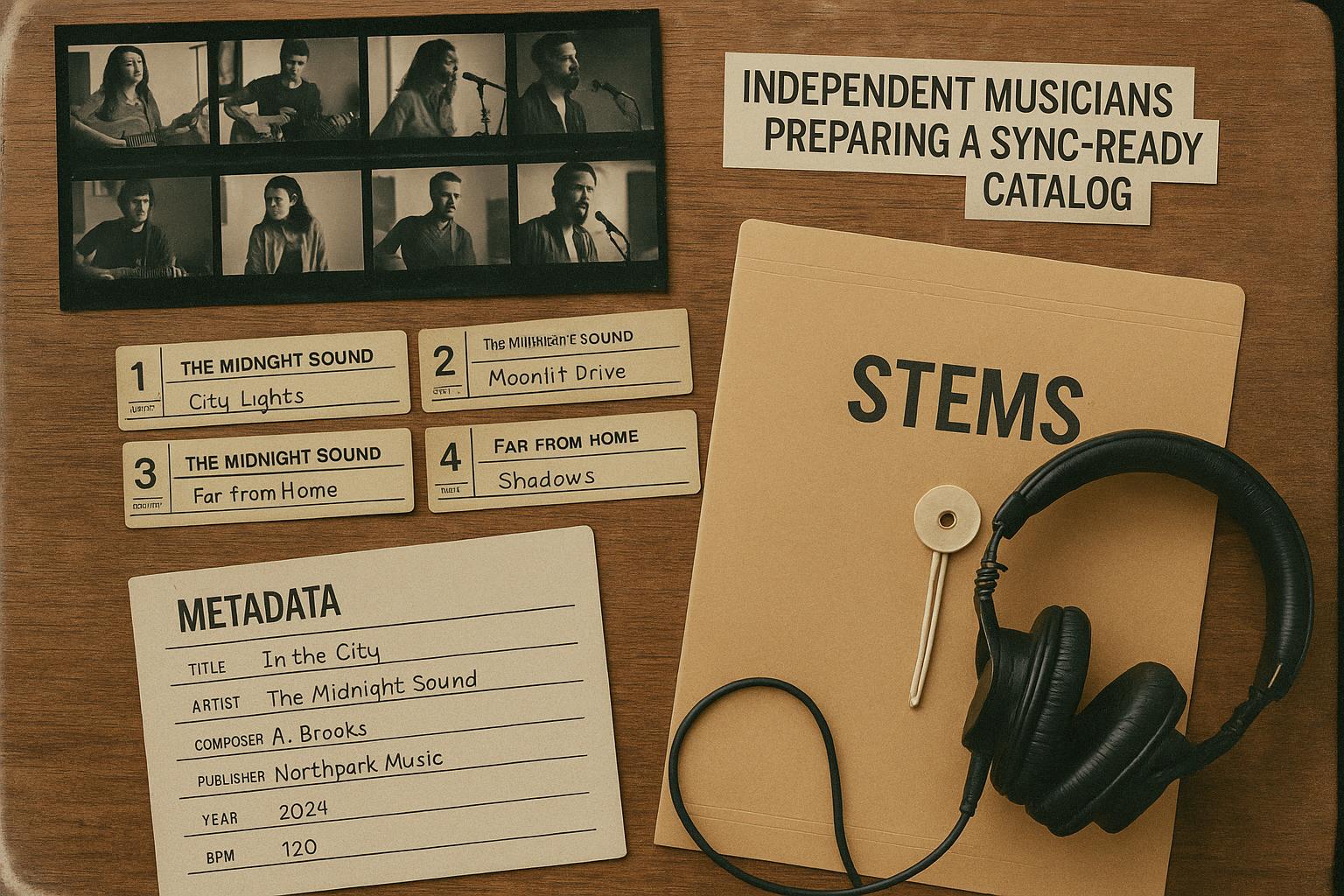
- Provide stems and alternate mixes: vocal stems, instrumental versions, and a radio edit for dialogue-heavy scenes.
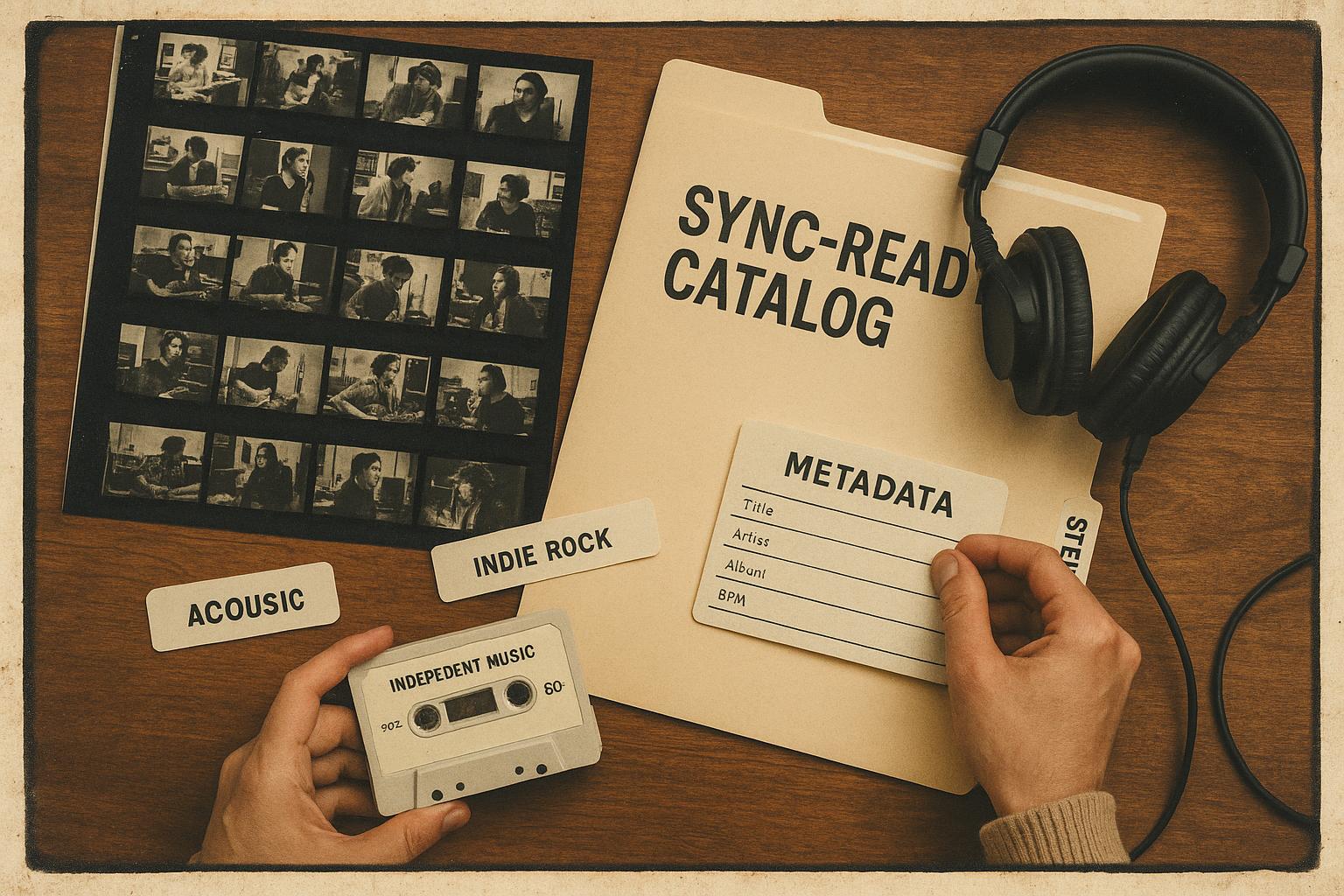
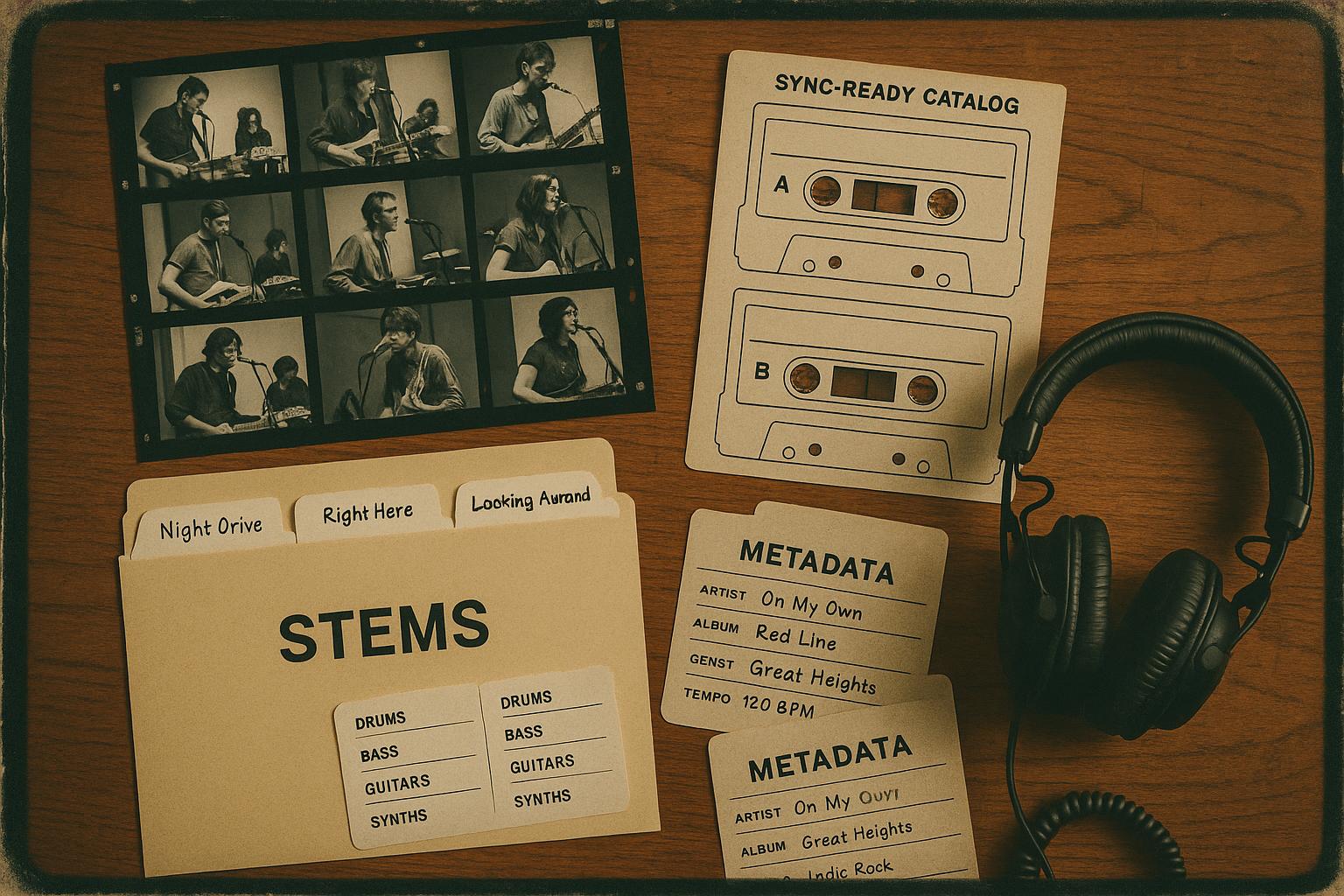
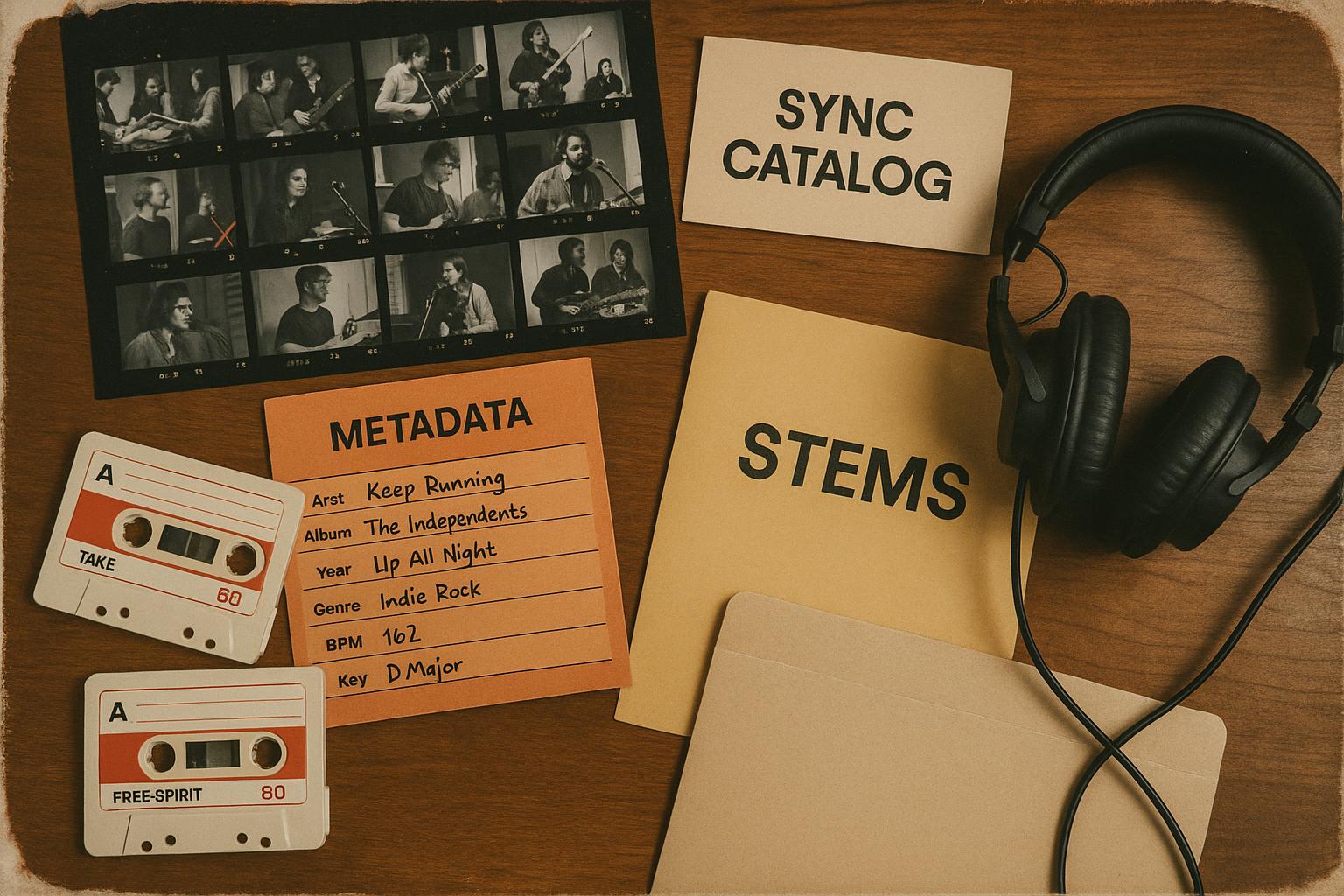
- Attach metadata that travels with the file: track title, artist, album, composer credits, publisher, master owner, tempo, key, duration, mood, and suggested uses (e.g., opening, chase, end credits).
- Include production notes: recording location, equipment, notable collaborators, and any licensing caveats (e.g., sample clearances).
- Offer clear usage rights: synchronization license availability, duration, territories, and exclusivity terms if applicable.
- Build submission packs that are easy to scan within 60–90 seconds.
- Label tracks with consistent naming conventions to avoid confusion in review rooms.
- Keep master files organized with easily accessible stems and alternate mixes.
- Maintain a living catalog that you refresh quarterly, emphasizing growth and new collaborators.
- Track performance and feedback to refine future pitches and track selection.
Metadata, rights, and readiness: essential groundwork
Right metadata and clear rights are the fastest way to move from audition to approval. This section translates legal and data requirements into actionable steps you can implement now.
- Split sheets and ownership clarity: document who owns master recordings and publishing shares, and how revenue will be split among collaborators. Use formal agreements for co-writes and featured artists.
- Master ownership and publishing ownership clarity: define these upfront to prevent disputes during clearance.
- PRO registration: ensure every track is registered with the appropriate performing rights organization (ASCAP, BMI, SESAC in the US). Align publisher and songwriter registrations for accurate royalty collection.
- ISRC/ISWC metadata: assign ISRCs to masters and ISWCs to compositions; embed identifiers in all digital files and metadata payloads.
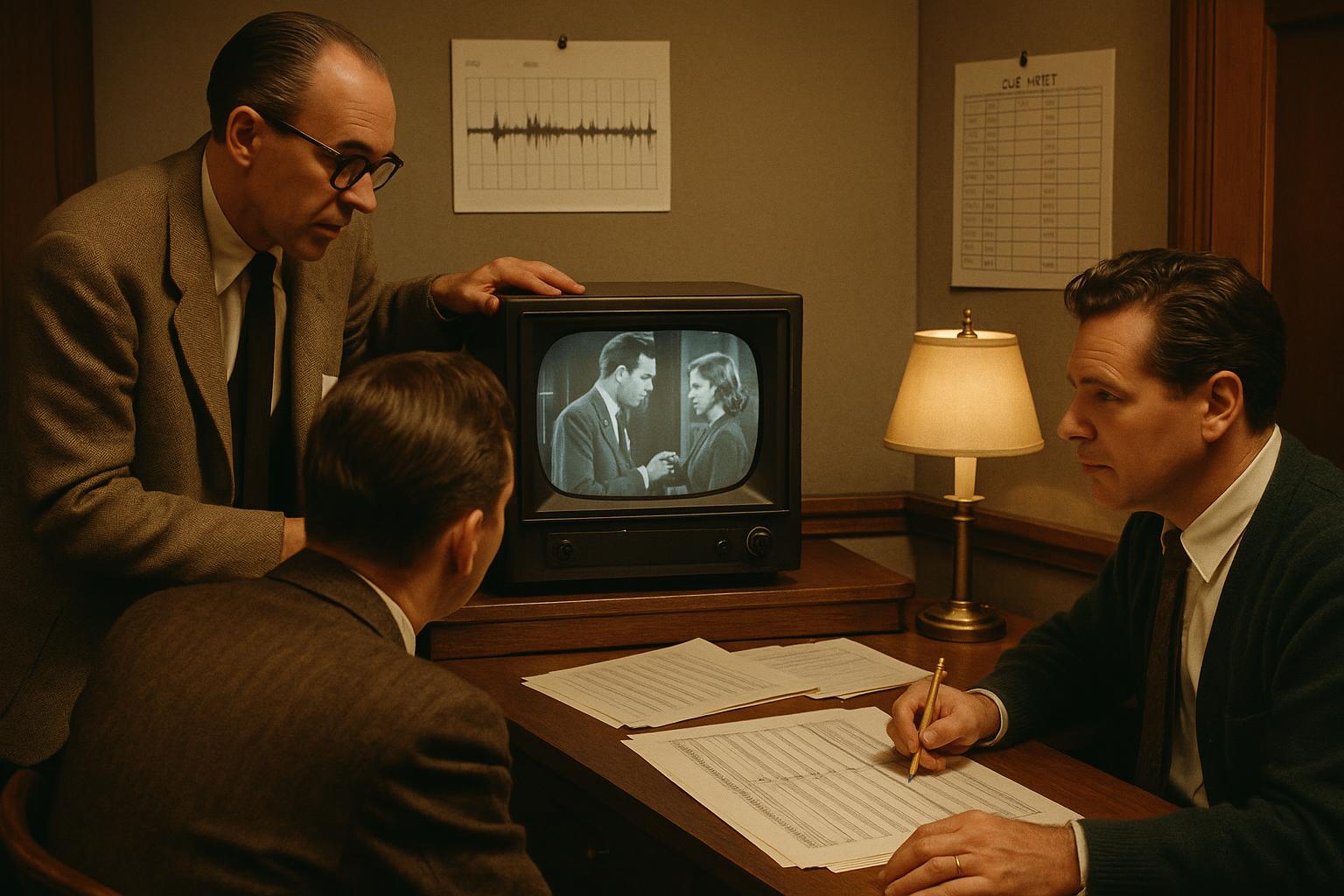
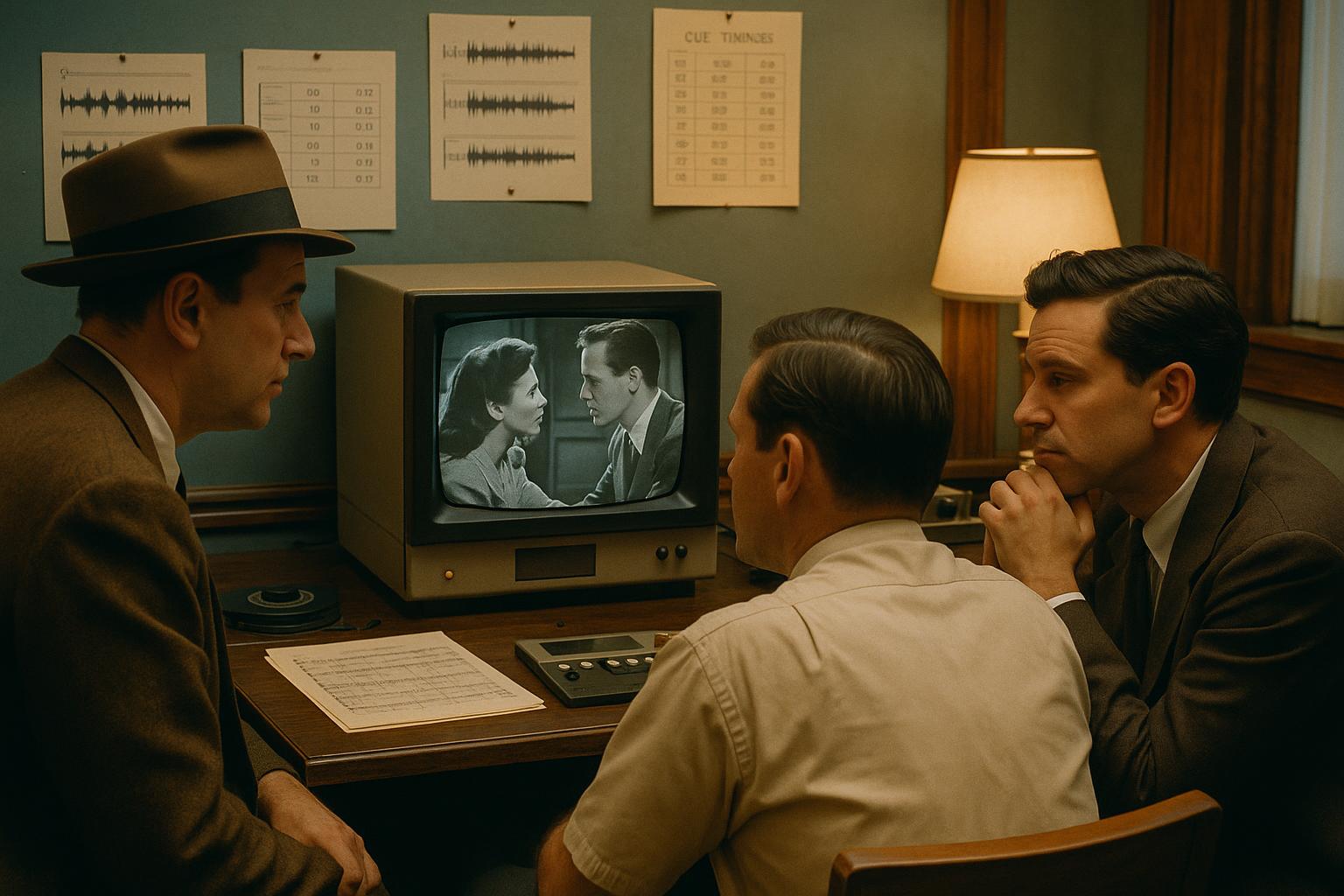
- Cue sheets: develop robust cue sheets that map each track to scene timing, duration, and usage; this accelerates international clearance and royalty reporting.
What sync supervisors need from artists
Sync supervisors are balancing hundreds of pitches weekly. They value predictability, speed, and clear rights. This section highlights the must-haves that reduce friction and accelerate approvals.
- High-quality metadata: complete, accurate, and standardized across all files and platforms.
- One-stop clearance readiness: ready-to-sign licensing terms and clear ownership information to expedite multi-party approvals.
- Alt mixes and stems: provide vocal tracks, instrumentals, and stems for dialogue-scene flexibility and re-editability.
- Instrumental versions: clean versions suitable for background scoring and montage sequences.
- Fast turnaround: a committed schedule for quick responses to revisions, cue changes, and new scene prompts.
- Clear track descriptions and usage ideas: brief notes about mood, tempo, and where the track tends to work best.
Practical tip: create a one-page fact sheet per track with key metadata fields, a short synopsis, recommended scene types, and a contact point for approvals. This streamlines the supervisor’s workflow and increases the chance of a hit.
Producer and songwriter collaboration workflows that increase placement success
Great collaborations translate into more consistent, placement-ready material. This section outlines workflows that keep teams aligned, protect rights, and accelerate approvals.
- Pre-alignment on goals and ownership: use a simple, standardized agreement at the outset (who owns what, who gets what share, who handles licensing).
- Version control and update cadence: implement a shared project space (DAW templates, session notes, stems, and alternate mixes) with versioned deliverables and milestones.
- Regular sync strategy sessions: monthly check-ins to discuss target genres, potential placements, and upcoming LA production opportunities.
- Clear pacing for writing and production sprints: define weekly targets for new tracks, revisions, and metadata completion.
- Post-release rights management: align on publishing administration, royalty collection, and catalog updates after any placement.
- Transparent communication with distributors and publishers: maintain consistent feeds for tempo, key, and versioning to ensure metadata integrity across platforms.
Structured collaboration accelerates placements. When artists, producers, and publishers align on split sheets, responsibilities, and timelines, you reduce friction and move more quickly from concept to cue.
Case study: navigating a fast-track placement for an emerging artist
A Los Angeles–based production company was scoring a mini-series and needed a mood track for an emotional bridge scene. The manager pitched a rising artist whose catalog had been curated for TV drama but lacked polished metadata and stems. Action taken:
- Owner splits documented, with publishing and master rights clearly assigned to the artist and the producer team.
- ISRC/ISWC codes applied; metadata embedded in every audio file; cue sheet template completed for the scene length and edit style.
- Full stems (vocals, drums, bass, synths) and instrumental versions created; alternate mixes labeled for dialogue and montage uses.
- One-page track sheets submitted to the supervisor, matching scene mood and tempo; a short synopsis and suggested placement notes included.
- Fast approval cycle established: supervisor granted a 48-hour turnaround for revisions and clearance confirmations.
Result: the track was cleared for a pivotal montage and then leveraged for additional episodes, generating recurring sync interest and ongoing catalog licensing inquiries through One World Media’s publishing, sync strategy, and rights admin services. This case illustrates how sign emerging artists can scale from a single cue to a sustained placement program with the right workflow and metadata discipline.
Rights and readiness: master, publishing, and metadata
This section ties together the operational aspects that keep a catalog compliant and negotiable in high-pressure scenarios.
- Split sheets and ownership clarity: define who earns what and when; formalize agreements before pitching.
- Master vs publishing ownership: clearly designate ownership to prevent last-minute clearance delays.
- PRO registration: confirm that both masters and compositions are properly registered to ensure timely royalty collection.
- ISRC/ISWC metadata: verify entries in all distribution feeds and maintain consistency across platforms.
- Cue sheet importance: create time-stamped cue sheets aligned with production notes; ensure accuracy for cross-border rights and royalties.
Sync strategy, publishing, distribution, and catalog development with One World Media
One World Media offers a holistic suite to support sign emerging artists from discovery to recurring sync revenue. Our approach combines:
- Sync strategy planning: target-specific cues, genres, and show formats; maintain a dynamic outreach calendar for LA and national opportunities.
- Music publishing and rights admin: clearances, licensing negotiations, and revenue collection across territories and platforms.
- Distribution and catalog development: optimized file delivery, metadata governance, and catalog updates for consistent pitching.
- Artist development: coaching on branding, pitch decks, and demo refinement to maximize placements and long-term growth.
Practical tip: build a quarterly catalog refresh plan that adds new artists, revises metadata templates, and tests new sync outreach channels. This ongoing program strengthens your catalog’s placement velocity and revenue potential, especially for producers and writers in Los Angeles and beyond.
Frequently Asked Questions
Q: What is the most important thing to prepare before pitching for film and TV?
A: Clean metadata, clear rights ownership, and a ready-to-export set of stems, instrumentals, and alt mixes. A concise one-page track sheet helps supervisors assess fit quickly.
Q: How can One World Media help signs emerging artists reach more opportunities?
A: We provide a comprehensive suite—sync strategy, music publishing, rights admin, distribution, and catalog development—designed to streamline approvals, accelerate placements, and build recurring sync revenue for artists.
Q: How should I format cue sheets for cross-border clearance?
A: Provide detailed timing, track title, composer and publisher credits, ownership splits, and usage notes. Ensure metadata aligns with PRO registrations and ISRC/ISWC identifiers to speed clearance and royalties globally.
Q: What qualifies as a placement-ready track?
A: A placement-ready track has a clean master, final mix, stems and instrumental versions, accurate metadata, clear rights ownership, and a well-prepared cue sheet that maps to a potential scene.
Case study wrap-up: practical takeaways for producers and songwriters
For producers building placement-ready catalogs, the key takeaways are to standardize metadata, maintain complete stems and alternates, and establish clear ownership from day one. For songwriters and artists, invest in professional packaging—pro-quality demos, consistent naming, and a collaborative workflow that aligns with producers and publishers. In Los Angeles, where opportunities move quickly, a disciplined catalog development program, backed by One World Media’s sync strategy, publishing, and distribution services, creates measurable results and durable relationships for sign emerging artists.
Contact One World Media
For more information, please contact us at support@oneworldmedia.global or call (307) 200-8139.