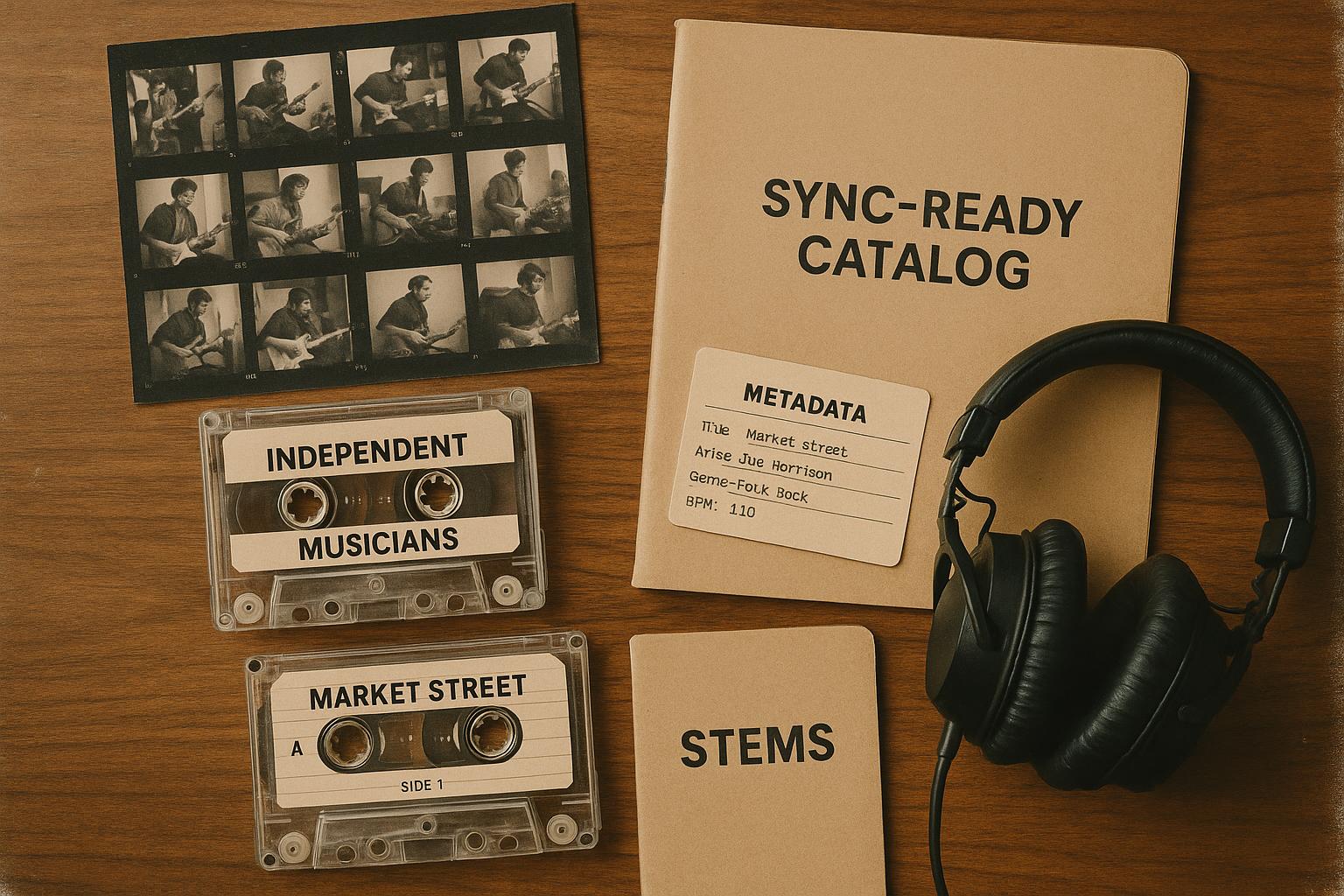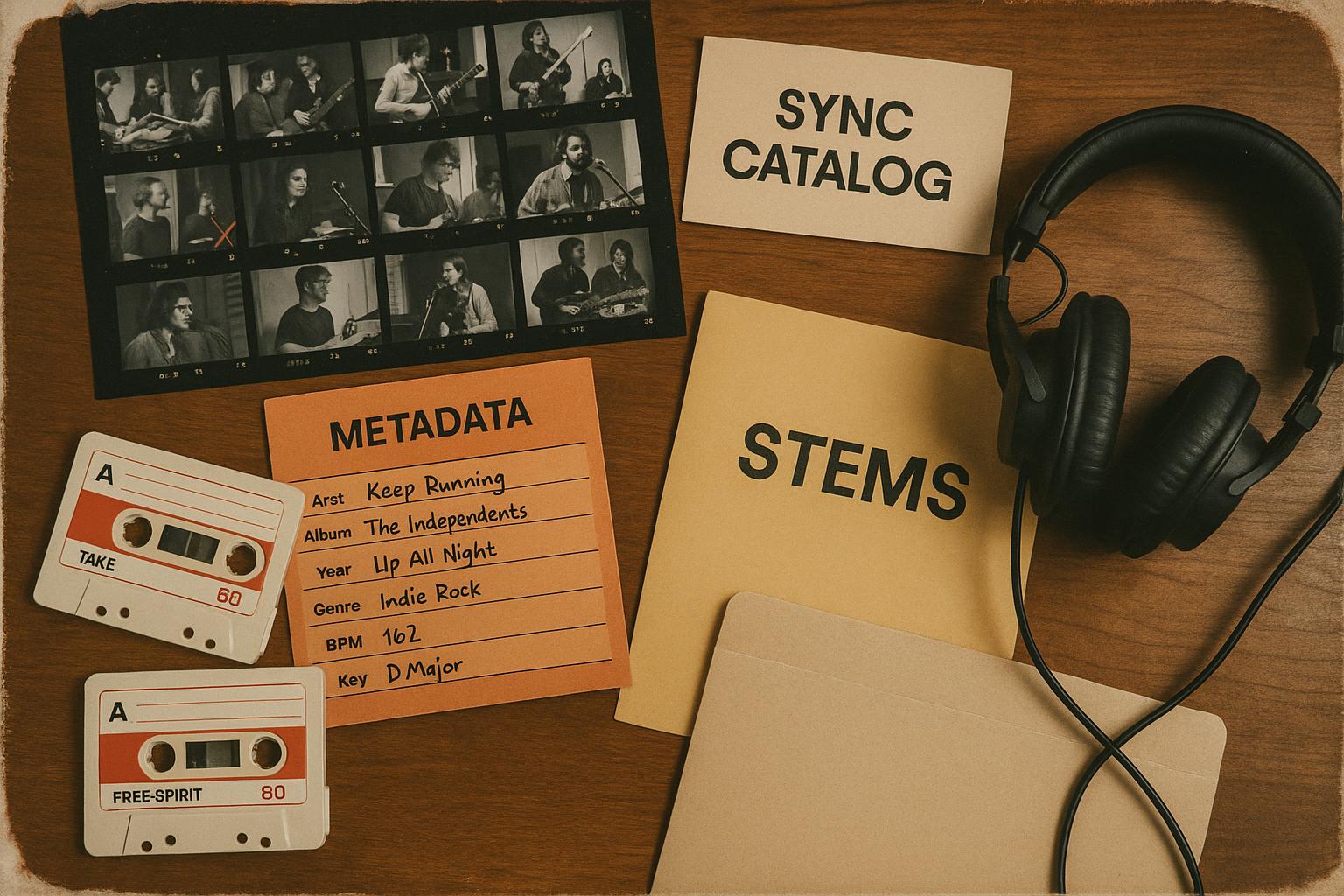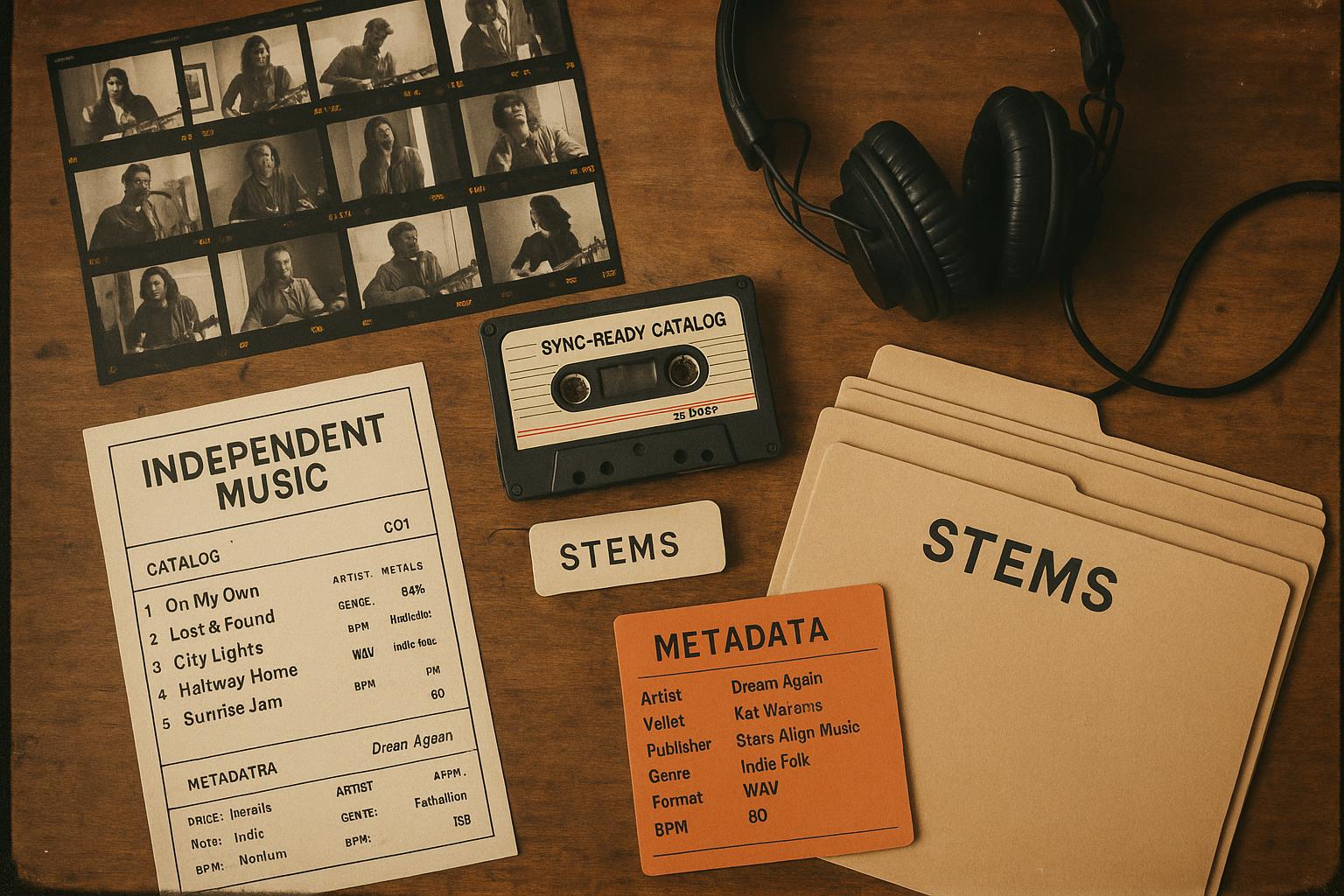
Behind every hit, there is a smart strategy for music publishing. It’s not just about writing great songs; it’s about ensuring those compositions generate ongoing revenue, are properly licensed, and reach audiences across film, TV, ads, streaming playlists, and more. This practical guide will demystify music publishing, show you how to protect your rights, and provide actionable steps you can start today—whether you’re an artist, producer, or content creator.
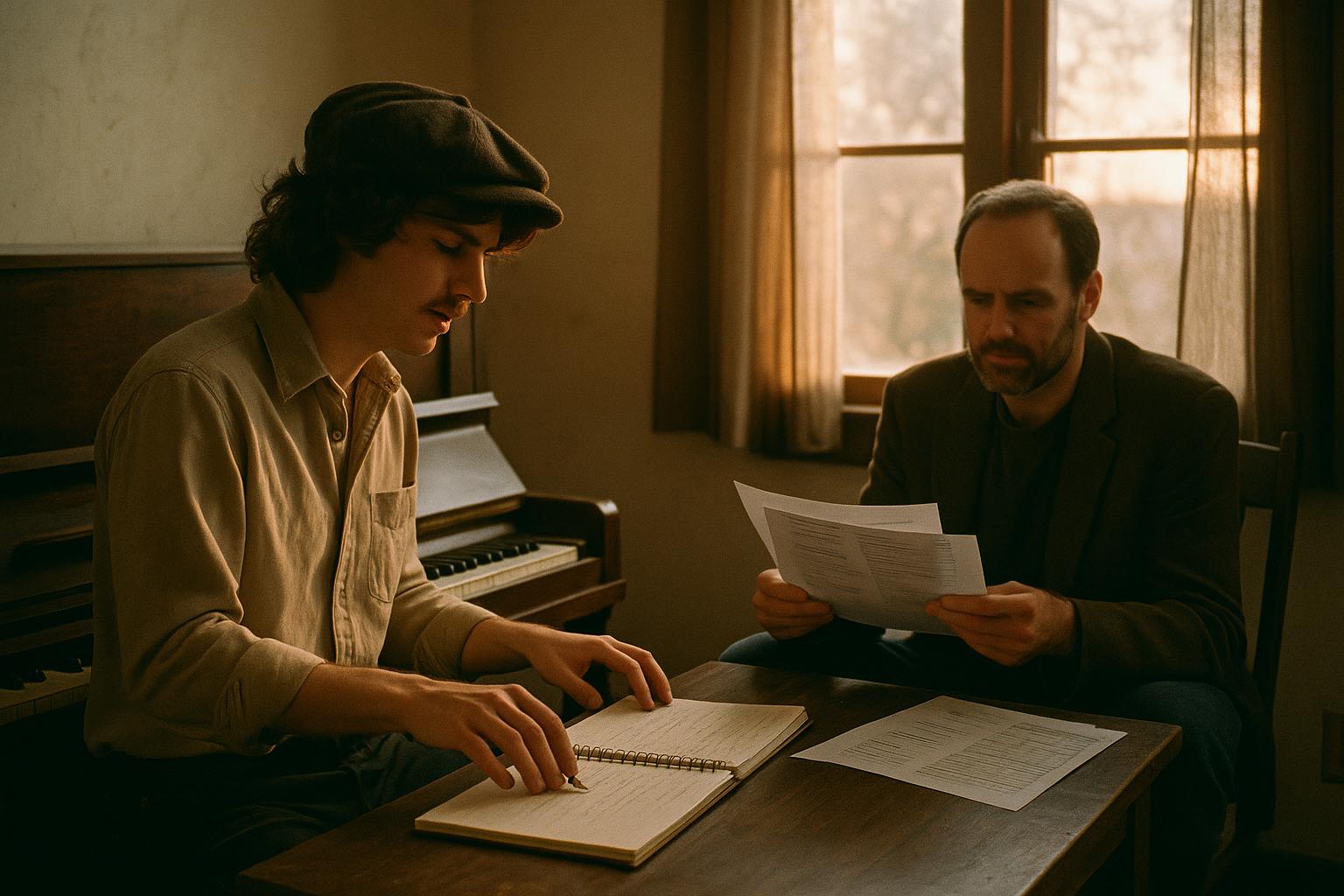
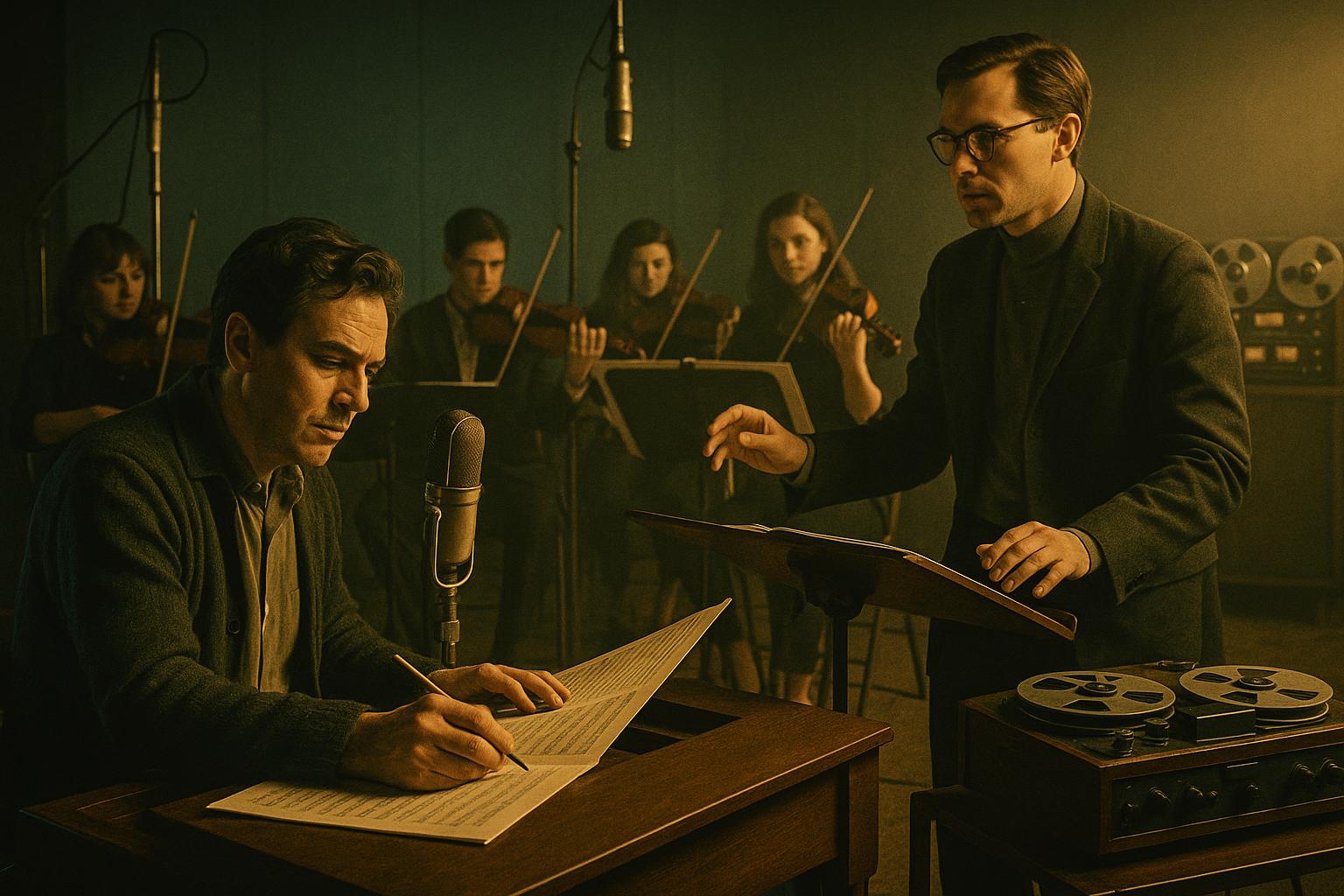
Music publishing refers to the ownership, licensing, and administration of a musical composition—the underlying melody, lyric, and arrangement—not the actual recording (that’s typically covered by a separate set of rights). When a song is used in a movie, on a ringtone, or streamed on a playlist, the publishers and songwriters receive mechanical, performance, and sometimes synchronization fees. For creators who contribute to a song—even if you didn’t perform on the final recording—your rights can still earn money through music publishing.
Every creator who contributes to a song can be part of the music publishing equation. Here’s who typically benefits:
There are several revenue streams within music publishing, each with its own licensing path and reporting cycle. Understanding these is the first step to maximizing earnings.
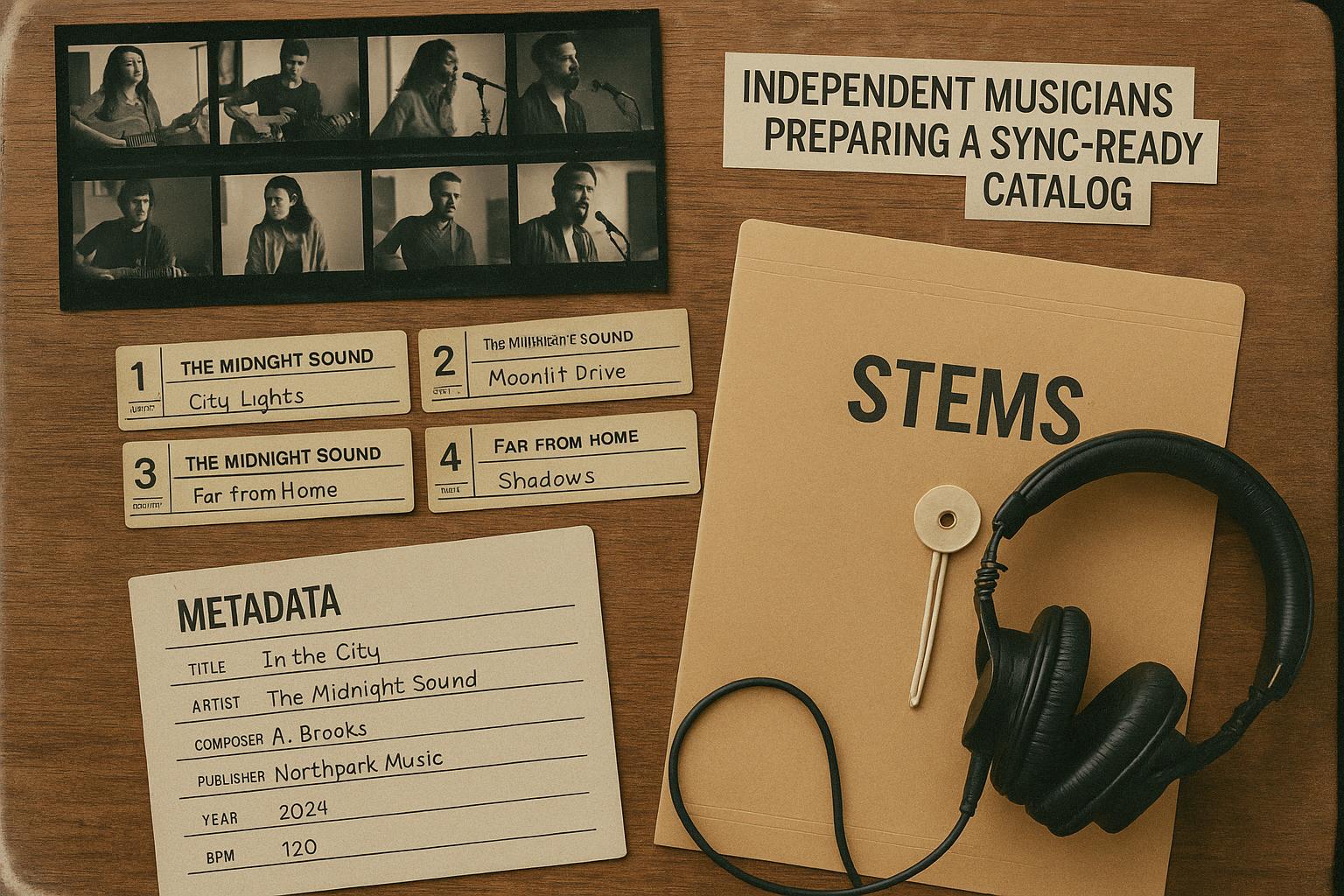
Case Study 1 — Indie artist X partners with a boutique publisher and a qualified sync supervisor. Within 12 months, their catalog secured two high-profile sync placements in a TV drama and a major streaming campaign. The result: a 40% increase in annual publishing revenue, broader international presence, and stronger negotiating leverage for future licenses. The artist also benefited from improved metadata hygiene and more accurate crediting across streaming services.
Case Study 2 — A producer-artist signs with a full-service publisher to administer the catalog and actively pursue placement opportunities. After three quarters, they landed a national ad campaign and a feature film trailer. Revenue streams grew not only from licensing but from expanded mechanical royalties due to better catalog organization and international registrations. The collaboration also delivered guidance on track structure, hit-potential, and timing for future releases.
Case Study 3 — Content creator with a library of short-form music uses a licensing-focused publisher to gain clearance for social media campaigns and viral video projects. Although the catalog is smaller, strategic licensing and credit control resulted in consistent quarterly publishing income and more reliable reporting. One World Media contributed strategic counsel, coordinating rights clearances and ensuring alignment with brand partners.
Partnering with a credible publisher or administration team can dramatically simplify the process and improve results. A strong partner helps with:
One World Media stands out in this space with a comprehensive suite of services that align with your publishing goals. Based in Los Angeles and serving the surrounding areas, we blend music publishing expertise with top-tier sync supervision, audiobook production, and distribution solutions to help you monetize your catalog across global platforms. Whether you’re building a new catalog or optimizing an existing one, our team can tailor a publishing strategy that fits your ambitions.
We invite artists, producers, and creators to explore how a focused music publishing strategy can unlock new revenue streams and protect your rights. One World Media brings credible industry relationships, a track record of successful placements, and in-depth knowledge of the publishing landscape in Los Angeles and surrounding areas.
For more information, please contact us at support@oneworldmedia.global or call (307) 200-8139.
What exactly is music publishing?
Music publishing covers the ownership, licensing, and administration of the musical composition, ensuring writers and publishers receive royalties when the song is used or performed publicly. It focuses on the rights to the composition itself, not the recording.
Do I need a publisher if I’m self-publishing?
Self-publishing is possible, but a publisher or administration service can dramatically increase licensing opportunities, ensure accurate credits, maximize royalty collection, and handle complex rights across territories. A strategic partner can also help with international registrations and timely reporting.
How are publishing royalties paid?
Publishing royalties come from multiple sources, including mechanical royalties for song copies and streams, performance royalties from public performances, and synchronization fees for licensed uses in media. Payments flow through PROs and collecting societies, publishers, and administration partners, with periodic statements detailing earnings by song and territory.
What’s the difference between a publisher and a PRO?
A PRO (Performance Rights Organization) collects performance royalties on behalf of songwriters and publishers when a work is publicly performed. A publisher administers the rights to the composition itself, negotiates licenses (including syncs), and assembles royalty streams from multiple sources. In practice, publishers often work with PROs to maximize collections.
How long does it take to license a song for a sync placement?
Timing varies by project. A straightforward request may take days to weeks, while larger campaigns or placements in film/TV can take several weeks to months. A seasoned sync supervisor and publishing partner can streamline negotiations, clearance, and contract terms to accelerate opportunities.
Ready to elevate your music publishing strategy with a trusted partner? One World Media offers proven expertise in publishing, sync supervision, audiobook production, and distribution from our Los Angeles hub and in surrounding areas. We help artists, producers, and creators turn songs into sustainable revenue, with clear rights, reliable reporting, and strategic placements that move the needle.
To explore how we can support your catalog and career, reach out today. For more information, please contact us at support@oneworldmedia.global or call (307) 200-8139.