Get your music into ads and screens: practical, placement-first strategies for rapid sync revenue
In today’s advertising landscape, high-quality music can elevate a campaign from good to unforgettable. For producers building placement-ready catalogs, songwriters pitching for film and TV, and sync supervisors sourcing clearable, compelling tracks, the path to placements is as much about systems as it is about songs. This guide provides actionable, implementable steps to maximize opportunities in
Music for advertising, while showing how One World Media can streamline publishing, sync strategy, rights administration, distribution, and artist development.
Why Music for advertising opens doors across film, television, trailers, ads, and streaming campaigns
Advertising music sits at the intersection of creativity and commerce. Brands seek tracks that fit a brief, evoke emotion quickly, and can be cleared without friction. Because ad cycles are fast and budgets often require quick turnarounds, there’s real value in having a catalog that is clean, metadata-rich, and rights-clear.
Key opportunities include:
- 15–30 second spots for TV and social, where pop hooks and concise moods win.
- Cinema campaigns and trailer placements that demand cinematic textures and dynamic stems.
- Streaming campaigns and video campaigns that favor adaptable cues, instrumental variations, and vocal alternatives.
- Brand-backed content and experiential marketing where custom cues can become signature sounds.
One World Media supports these efforts with a cohesive suite: sync strategy, music publishing, rights admin, distribution, and artist development, all tailored to the fast-moving needs of advertisers and content producers. In Los Angeles, where film, TV, and advertising ecosystems converge, a streamlined process and clear rights management become competitive advantages.
Building a placement-ready catalog: a step-by-step workflow you can implement today
A disciplined workflow reduces friction when a brief lands. Use the steps below to structure your catalog for rapid, clearance-ready pitching.
- Define target briefs and vibes. Create a short list of genres, tempos, and moods that align with common ad categories (youthful energetic, warm intimate, cinematic epic, etc.).
- Create production-ready tracks with fast-cut variations. For each track, produce: a main version, a brief radio edit (15–20 seconds), and an instrumental version.
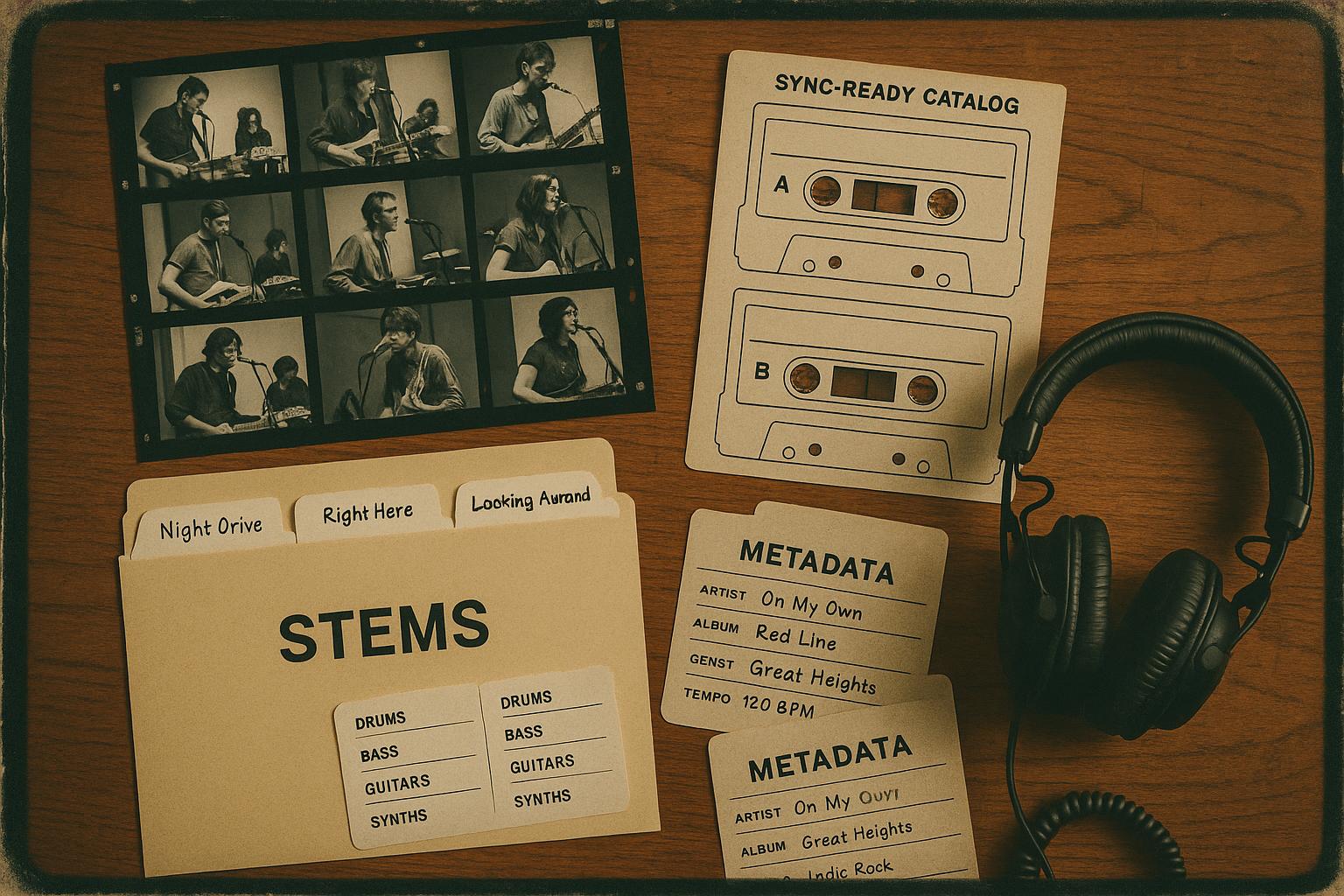
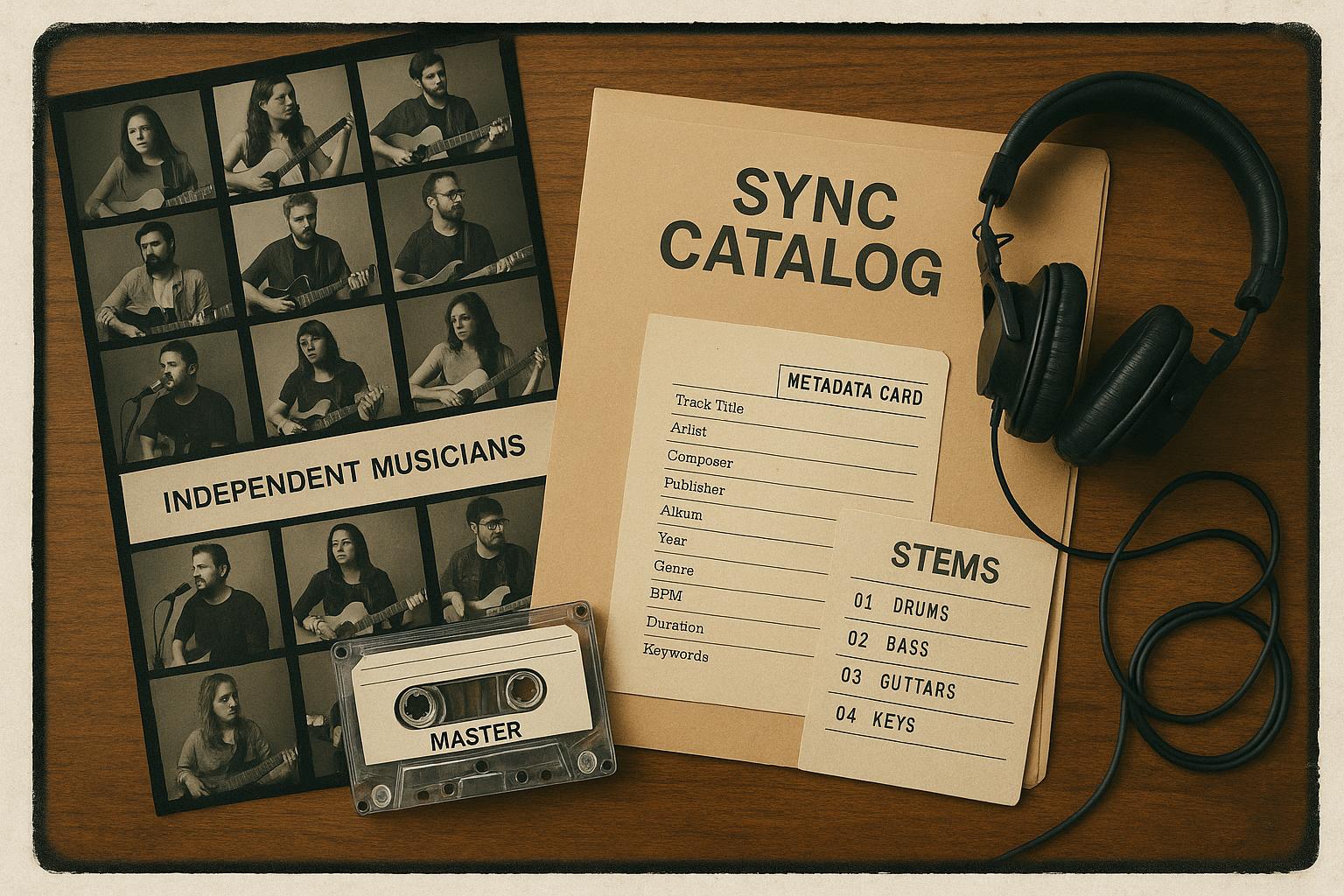
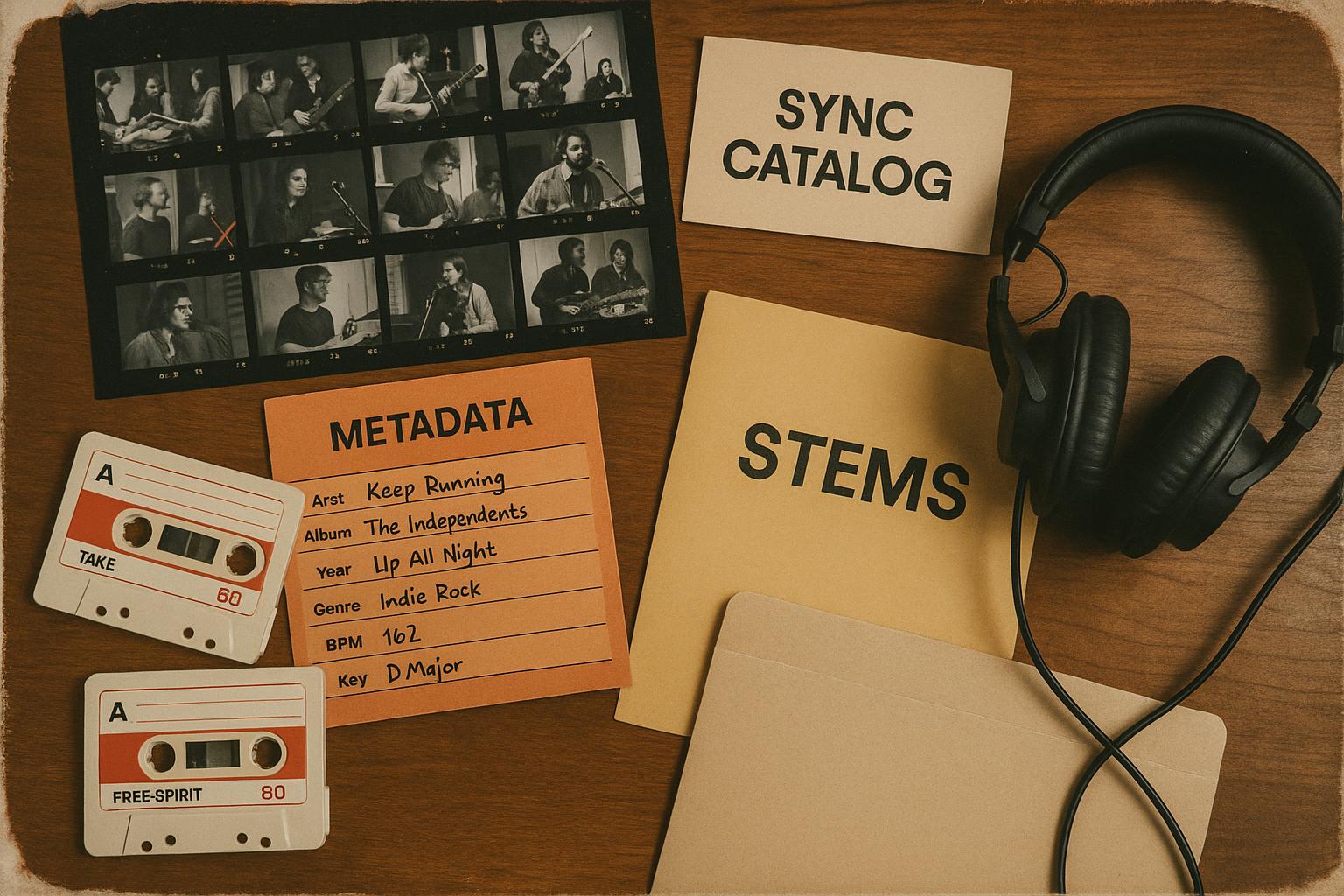
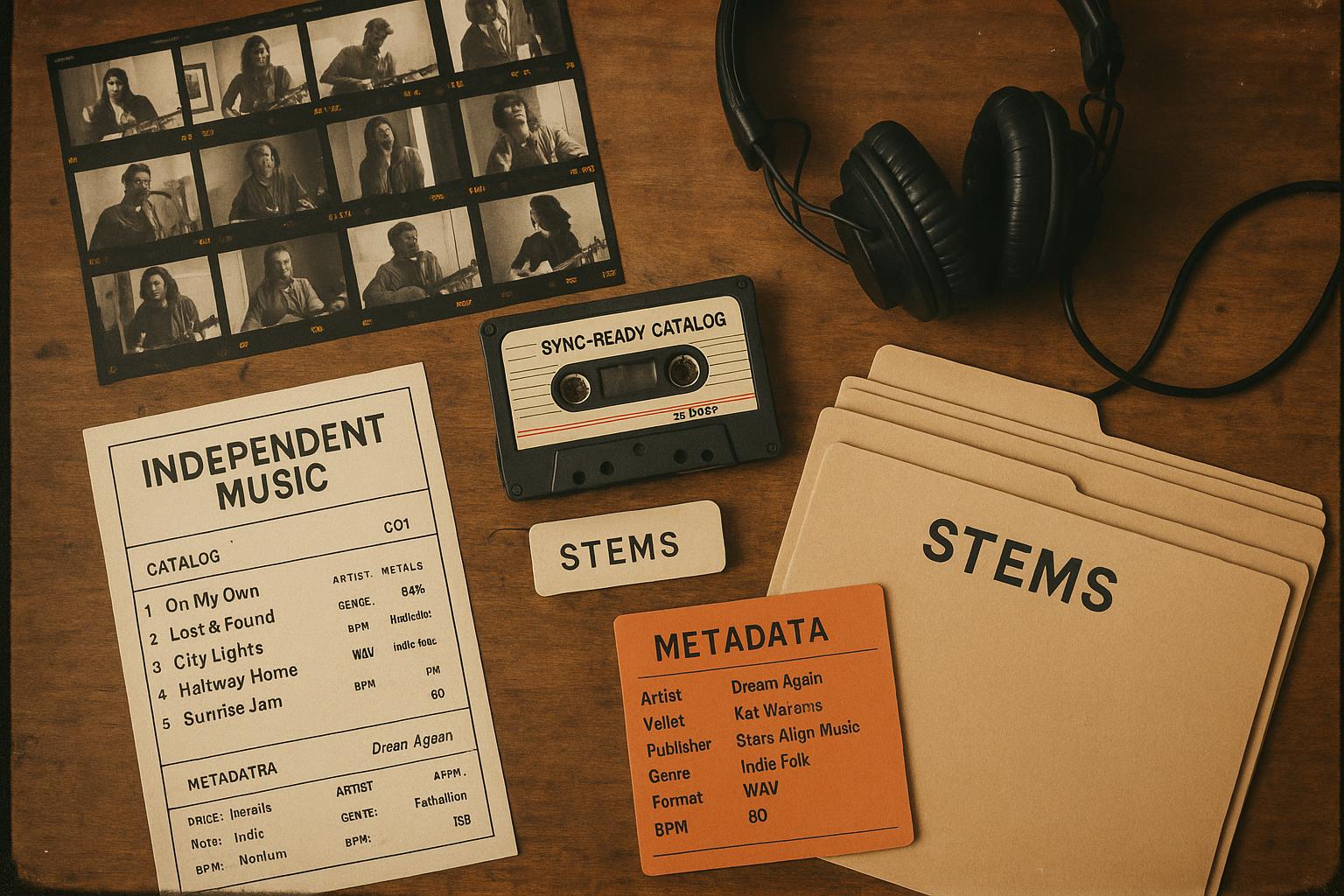
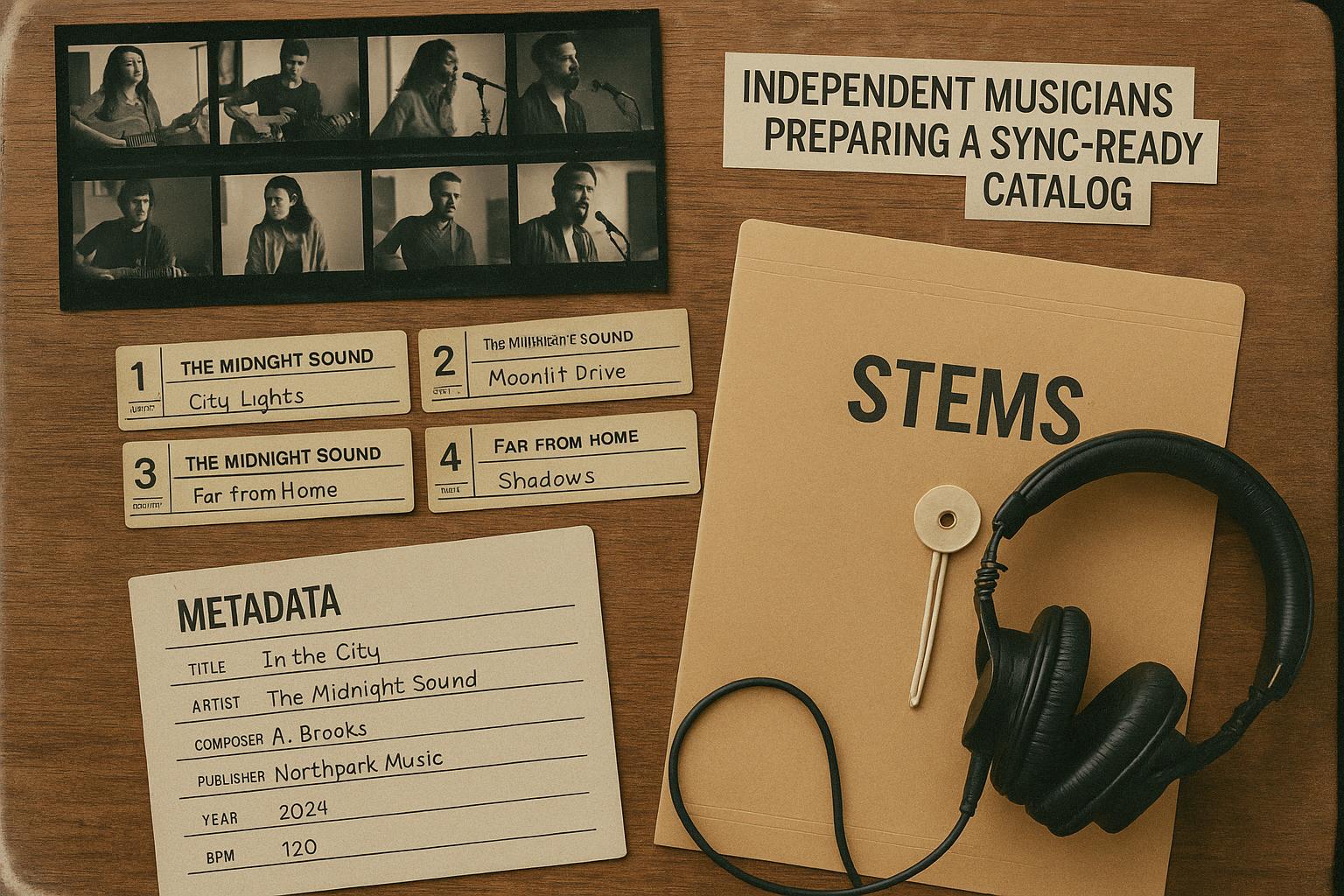
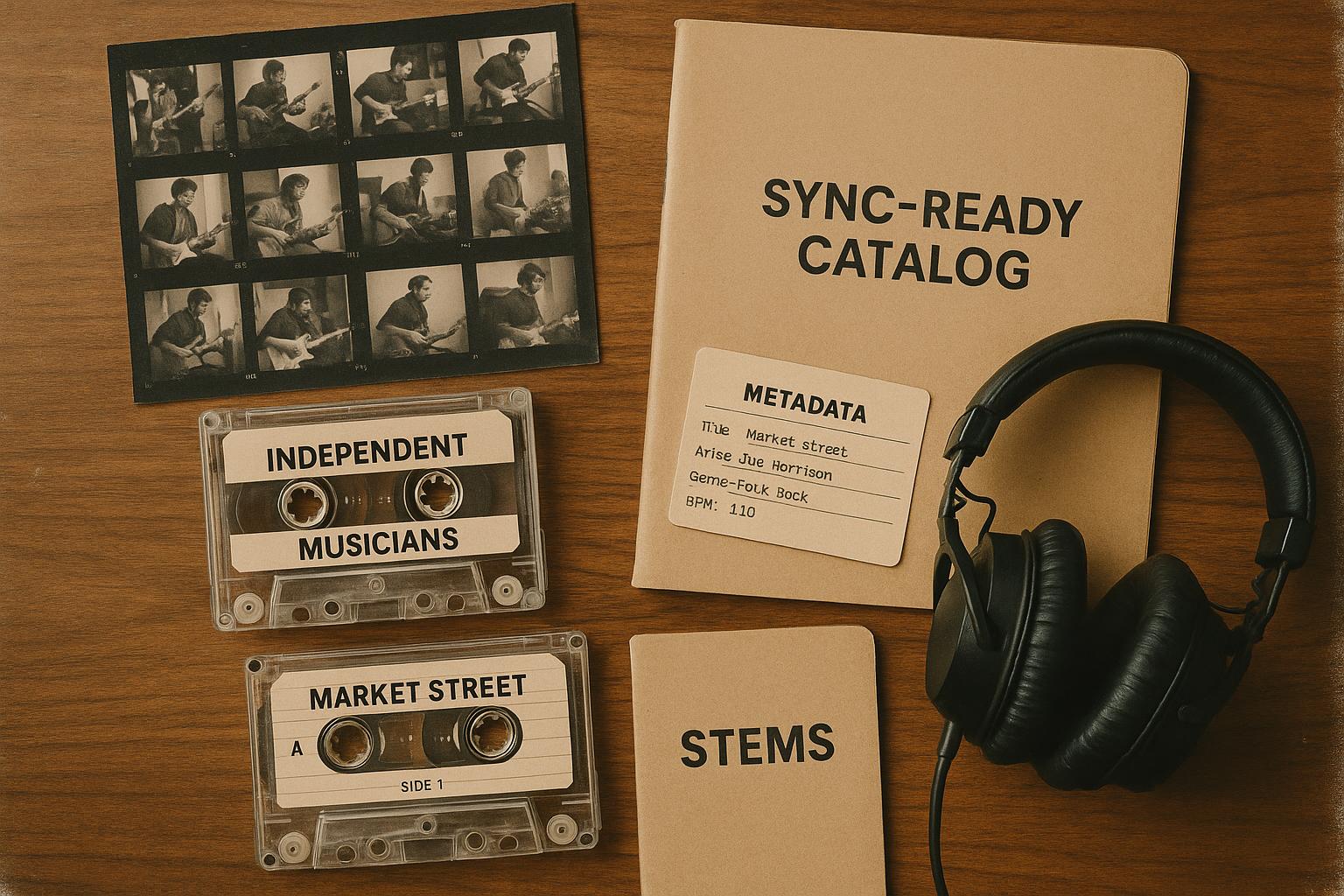
- Label and organize assets methodically. Use a consistent folder structure: Master, Instrumental, Stems, Alternate Mixes, Reference, and Demos. Rename files with a standard naming convention that includes track title, artist, version, BPM, and key if relevant.
- Prepare robust metadata. Include track title, artist, composer, publisher, PROs, ISRC, ISWC, BPM, key, length, and a short mood description. Attach a detailed cue sheet-ready note for each track.
- Assemble stems and alternate mixes. Provide at least: stems for drums, bass, synths, vocal (if applicable); a clean vocal version; and a minimal, atmospheric version for underscore-heavy briefs.
- Secure clearances in advance. Confirm master ownership, publishing ownership, and all third-party rights (samples, interpolation risk, etc.). Prepare a one-stop clearance package whenever possible.
- Prepare reference reels. Create 10–15 second highlight clips that demonstrate how the cue feels in context without requiring a full song listen, ideal for quick client approvals.
- Set up a client-facing metadata deck. Include track list, brief-ready notes, suggested uses, and contact information for easy licensing.
- Establish a rapid-response pipeline. Define a turnaround time for revs, additional stems, or alternate edits so you can respond within agency deadlines.
To operationalize this, maintain a simple project board for each track: owner, status, due dates, versions, and rights notes. This level of discipline not only accelerates pitches but also reduces back-and-forth with rights holders, which is a frequent bottleneck in ad syncs.
Rights readiness and metadata essentials: split sheets, ownership clarity, and cue importance
The most consequential factor in getting quick approvals is rights clarity and metadata accuracy. A clean, unambiguous rights framework speeds negotiations, reduces last-minute rejections, and improves acceptance by agencies and brands.
What to lock in and document:
- Split sheets and ownership clarity. Define who owns the master recording, who owns the publishing, and which parties hold existing agreements or licenses. Ensure all collaborators are named with exact percentages and roles (producer, writer, artist, vocalist, sampler, etc.). One World Media can help draft publisher and artist splits, align on master/publishing ownership, and facilitate transparent equity structures.
- PRO registration. Confirm that the work is registered with the appropriate Performing Rights Organization(s) (ASCAP, BMI, ASCAP/BMI for multiple territories, or others as relevant). Ensure writer and publisher details are current to avoid royalty fragmentation and delays in license payouts.
- ISRC and ISWC metadata. Attach a valid ISRC for the master and an ISWC for the song work. Cross-check metadata at the time of release to ensure consistency across platforms, licensing databases, and cue sheets.
- Cue sheets. Prepare complete, accurate cue sheets for every usage. Agencies and broadcasters rely on cue sheets for royalty distribution, and missing data leads to delayed payments and disputes later in the project cycle.
- Documentation for cue sheets. Include tempo, key, duration, original version vs. remix, and whether the cue is a vocal or instrumental. Note any guest performers or sample sources with source clearance dates.
- Version control and provenance. Maintain a clear archive of versions, including the original stems, alternative mixes, and any master edits. This reduces confusion for editors, mix engineers, and licensing teams.
Pro tip: tie metadata to the specific license route. If you anticipate a one-stop clearance, ensure that the metadata package explicitly lists rights holders, contact points, and the scope of use (advertising, regional broadcast, streaming, trailer, etc.). This makes the process easier for sync supervisors who must move fast in high-pressure timelines.
Sync supervisor perspective: what they need from artists to move fast
Sync supervisors are the gatekeepers who translate a brand brief into a workable licensing package. Meeting their needs can dramatically shorten time-to-pitch and increase the chance of a placement.
What to deliver and maintain:
- High-quality metadata. Ensure accuracy for track title, artist, composer, publisher, and PROs, plus ISRC/ISWC codes at the top of every asset. Clean metadata reduces licensing delays and misattribution.
- One-stop clearance readiness. Whenever possible, supply a single, consolidated clearance package that covers master use, publishing, and any necessary samples or interpolations. If a one-stop option isn’t feasible, provide a clearly defined rights matrix and contact points.
- Alt mixes and stems. Provide a vocal-and-instrumental split, plus alternate mixes (e.g., ambient underscore, high-energy edit) to accommodate different edit scenarios and budget constraints.
- Instrumental versions. Many ad briefs require instrumental or nearly instrumental music. Ensure you have high-quality instrumentals ready for fast licensing.
- Fast turnaround. Establish and communicate a guaranteed turnaround window for edits, remixes, or clarifications. In LA's bustling production scene, agencies often expect 24–72 hour response windows; plan accordingly.
- Readiness for revisions. Be prepared to pivot quickly if a brief shifts (tempo change, mood tilt, different vocal take, etc.). Proactively build a system where revisions can be delivered within the agency's schedule.
- Clear usage scopes. Include the intended use, geographic scope, media types, duration of the license, and any integration notes (sound design, voiceover, on-screen lyrics).
If you’re positioned as a reliable partner who can deliver clearances, stems, and timely revisions, you’re much more likely to become a go-to source for sync supervisors—especially in the competitive Los Angeles ecosystem where many brands and agencies require swift, compliant solutions.
Producer and songwriter collaboration workflows that increase placement success
Successful collaborations hinge on aligned goals, clear processes, and continuous iteration. The following workflows help teams move from concept to licensed asset quickly and efficiently.
- Align on briefs and target briefs. Before the first note is written, create a shared brief document that captures mood, tempo, instrumentation, target show or ad type, and any brand-specific constraints. Use a go/no-go decision process to decide which tracks advance.
- Define clear ownership and duties. Assign roles (producer, writer, vocalist, mix engineer, publisher, and manager) and set expectations for who handles licensing, metadata, and rights administration. Use a simple contract or memo to capture these roles.
- Build a shared digital workspace. Use a cloud-based delivery system with version control, where stems, alternate mixes, and cue sheets are stored, labeled, and accessible to all collaborators.
- Versioning discipline. For every track, maintain a version ladder: Version A (draft), Version B (final mix), Version C (instrumental), Version D (alternate mix), Version E (cue-sheet ready). This reduces confusion during fast licensing rounds.
- Pre-clearance planning. Where feasible, pre-negotiate or pre-clear certain elements (e.g., non-master licenses, sample clearances) to speed up agency approvals. Document any pending rights and expected timelines.
- Regular check-ins and milestone reviews. Schedule weekly syncs during active briefs to review progress, address blockers, and adjust timetables for delivery windows aligned with ad schedules.
- Test briefs and mock pitches. Create internal mock pitches that simulate agency briefs. Use these exercises to validate whether the catalog meets the real-world needs of editors, supervisors, and brands.
- Leverage analytics for iteration. Track which tracks secure quick approvals, which require revisions, and which fail to clear. Use these insights to refine future catalog additions, BPM ranges, and mood descriptors.
A well-structured collaboration workflow not only accelerates licensing but also strengthens the relationship with agencies and brands, encouraging repeat business and recurring sync revenue. This is a core advantage of a holistic partner approach that blends sync strategy, publishing, distribution, and artist development under One World Media.
Real-world scenario: a case example of a 30-second ad placement
In a recent Los Angeles-driven campaign, an independent electronic duo, now signed through a strategic publisher, created a 30-second cue designed for a car brand’s social reel. They produced three variants: a punchy vocal version, a concise instrumental edit, and a moody underscore version. The brief called for a “bright, optimistic vibe with a modern edge” and emphasis on clearance simplicity.
Within 48 hours of a client brief, the team delivered the main version, an instrumental, and a stems pack, plus a 10-second reference reel. They included a complete cue sheet and ISRC/ISWC metadata, with a detailed rights matrix for master and publishing ownership. The agency executed a one-stop clearance for the master use and publishing, with a clear note about any samples used and steps to clear them.
The campaign ran in multiple markets and generated a measurable uplift in streaming for the artist’s catalog as well as opportunities for a longer-term sync deal. The brand’s social assets reused the 15-second edits as paid-tiers, expanding the exposure beyond the initial campaign. The outcome underscored how a disciplined, metadata-rich approach combined with rapid asset delivery can convert a single brief into ongoing revenue and broader visibility—an ideal example of how strategic catalog development, clear rights administration, and proactive collaboration lead to placement success.
FAQ
Q: How do I start building a catalog specifically for Music for advertising placements?
A: Start by identifying the most common ad briefs you encounter (brands, agencies, or networks). Create a handful of tracks for each mood, along with instrumental versions and short edits. Establish robust metadata, secure clearances, and prepare stems. Build a simple rights matrix for each track and integrate it into your catalog workflow so editors can license quickly. Partner with a rights-savvy team (or service) to ensure ISRC/ISWC, cue sheets, and PRO registrations are accurate from day one.
Q: What is the quickest path to a one-stop clearance?
A: Prioritize tracks with clear, uncontested ownership and minimal third-party samples. For these, assemble a master license and publishing license into a single, consolidated document, and attach full metadata, stems, and alt mixes. Proactively list any exceptions and contact points for follow-up. When a one-stop is not possible, provide a clean rights matrix and pre-authorization from all parties to speed negotiations.
Q: How can I collaborate effectively with producers and songwriters to increase placements?
A: Establish a shared brief template and versioning system, define roles and ownership from the outset, and maintain a centralized workspace for assets and metadata. Schedule regular check-ins, run mock briefs, and use feedback loops to refine the catalog. Invest in pre-cleared stems and instrumental versions so editors can license with minimal friction. Partner with a trusted distributor and publisher to manage rights efficiently and to ensure timely payouts.
Q: What role does metadata quality play in the licensing timeline?
A: Metadata quality directly affects licensing speed. Accurate ISRC/ISWC, correct PRO information, complete cue sheets, and precise track descriptors reduce back-and-forth with rights holders and editors. Poor metadata often leads to delays, misattribution, or rejected submissions. Make metadata a non-negotiable part of every asset delivered.
Contact One World Media
For more information, please contact us at support@oneworldmedia.global or call (307) 200-8139.