Placement-ready music publishing: turn your catalog into ongoing sync revenue
Music supervisors, film producers, and streaming platforms increasingly rely on catalogs that are clear, metadata-rich, and pitch-ready. For independent musicians, producers, and songwriters, mastering the publishing side is not a luxury—it’s a competitive advantage. This guide explains how to position your music for film, TV, trailers, ads, and streaming content, while highlighting how One World Media can support you with sync strategy, music publishing, rights admin, distribution, and artist development—anchored in the Los Angeles ecosystem where most screen-based placements happen.
Why music publishing powers placements
Publishing isn’t just about owning rights. It’s about making your music easy to license, easy to clear, and easy to pitch. When your catalog is organized, properly registered, and ready for clearance, every pitch becomes a legitimate, fast-moving proposal rather than a roadblock. A strong publishing framework improves your chance of being featured in a placement, reduces negotiation time, and delivers predictable income streams from sync royalties, tones of licensing fees, and master/publishing splits handled correctly.
Build a placement-ready catalog: from files to pitches
A practical, repeatable process ensures your music is always pitch-ready. Follow these steps to assemble and maintain a catalog that sync teams can trust.
- Audit your catalog for licensing feasibility. Flag tracks with ambiguous samples, uncleared loops, or third-party elements that complicate clearance.
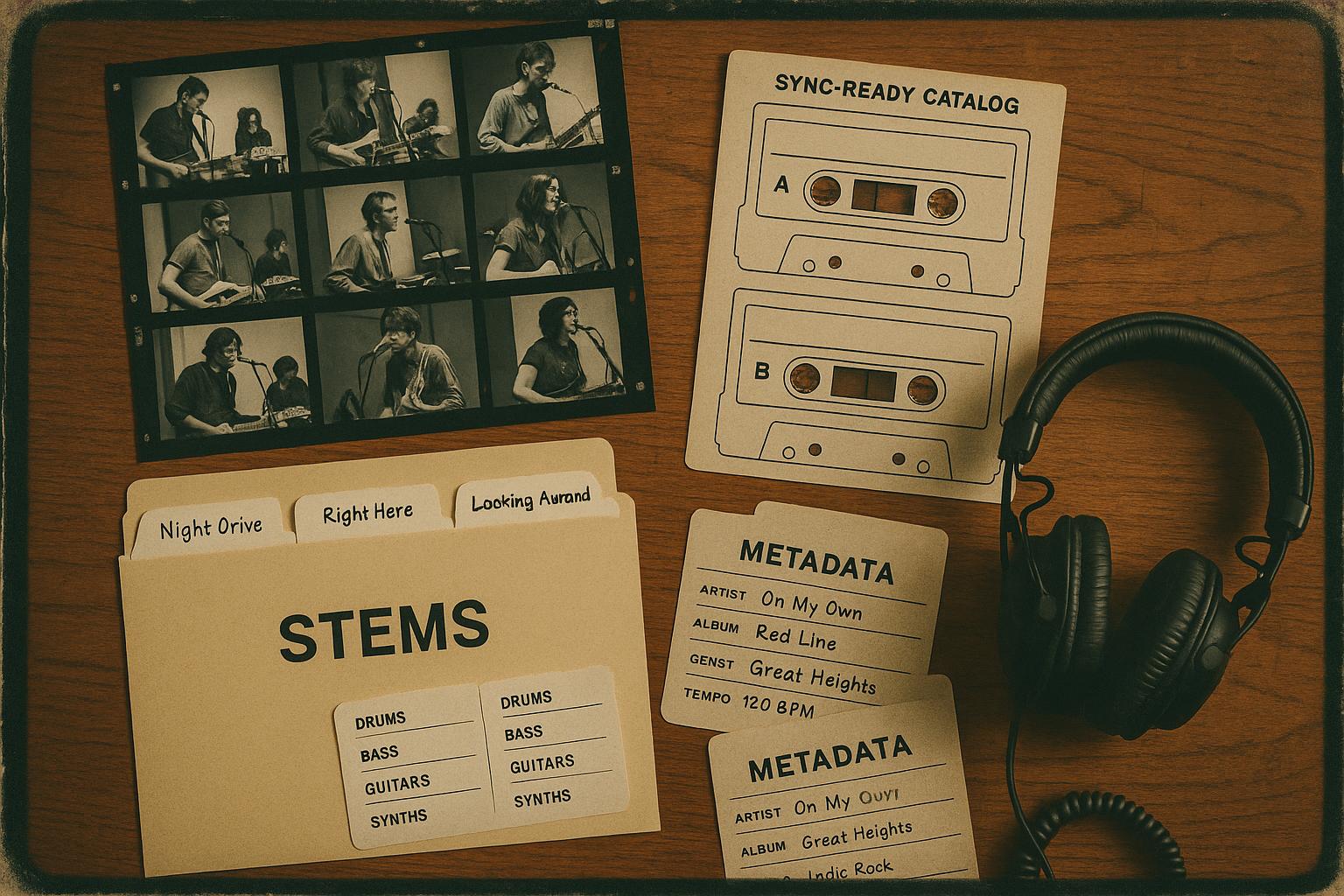
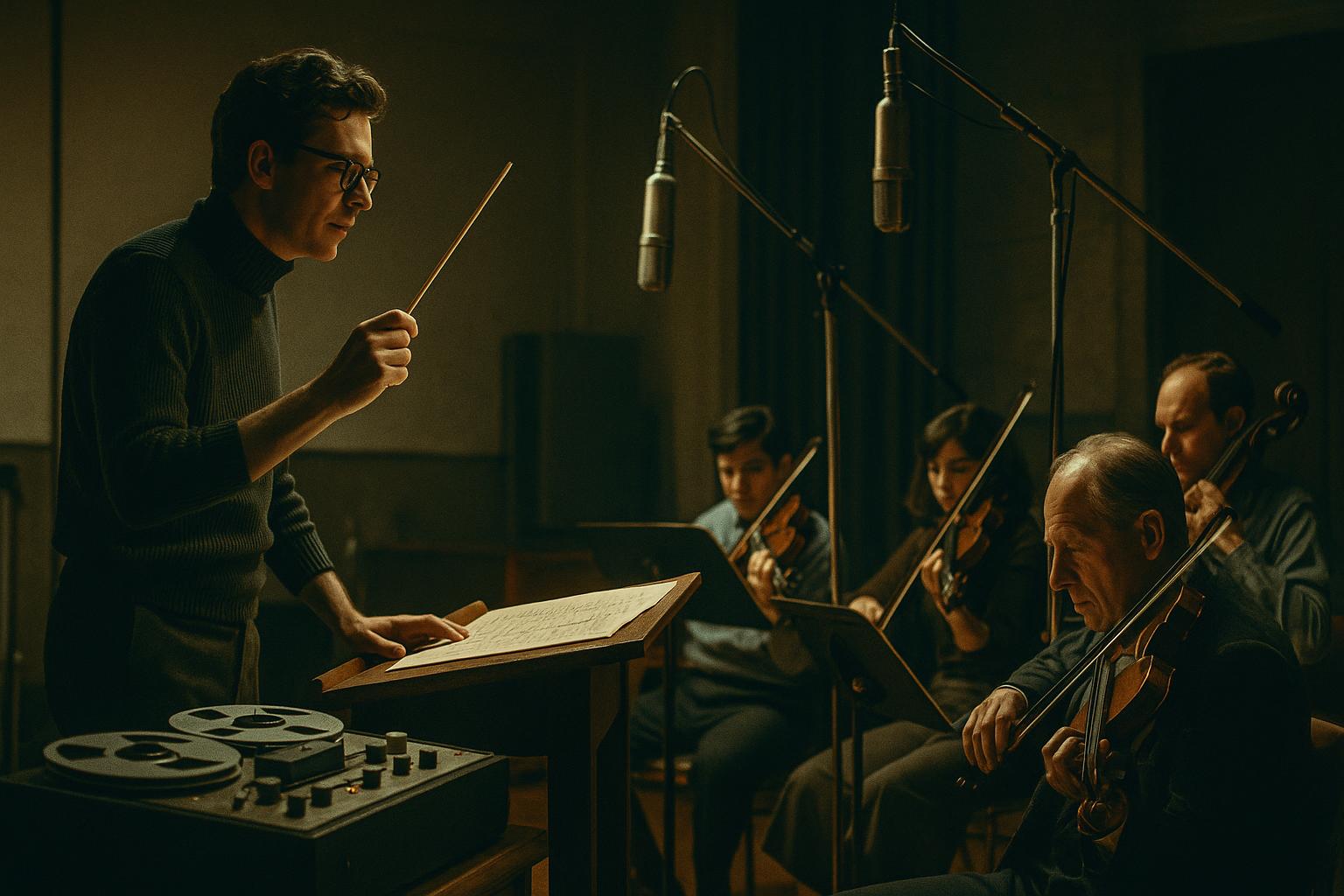
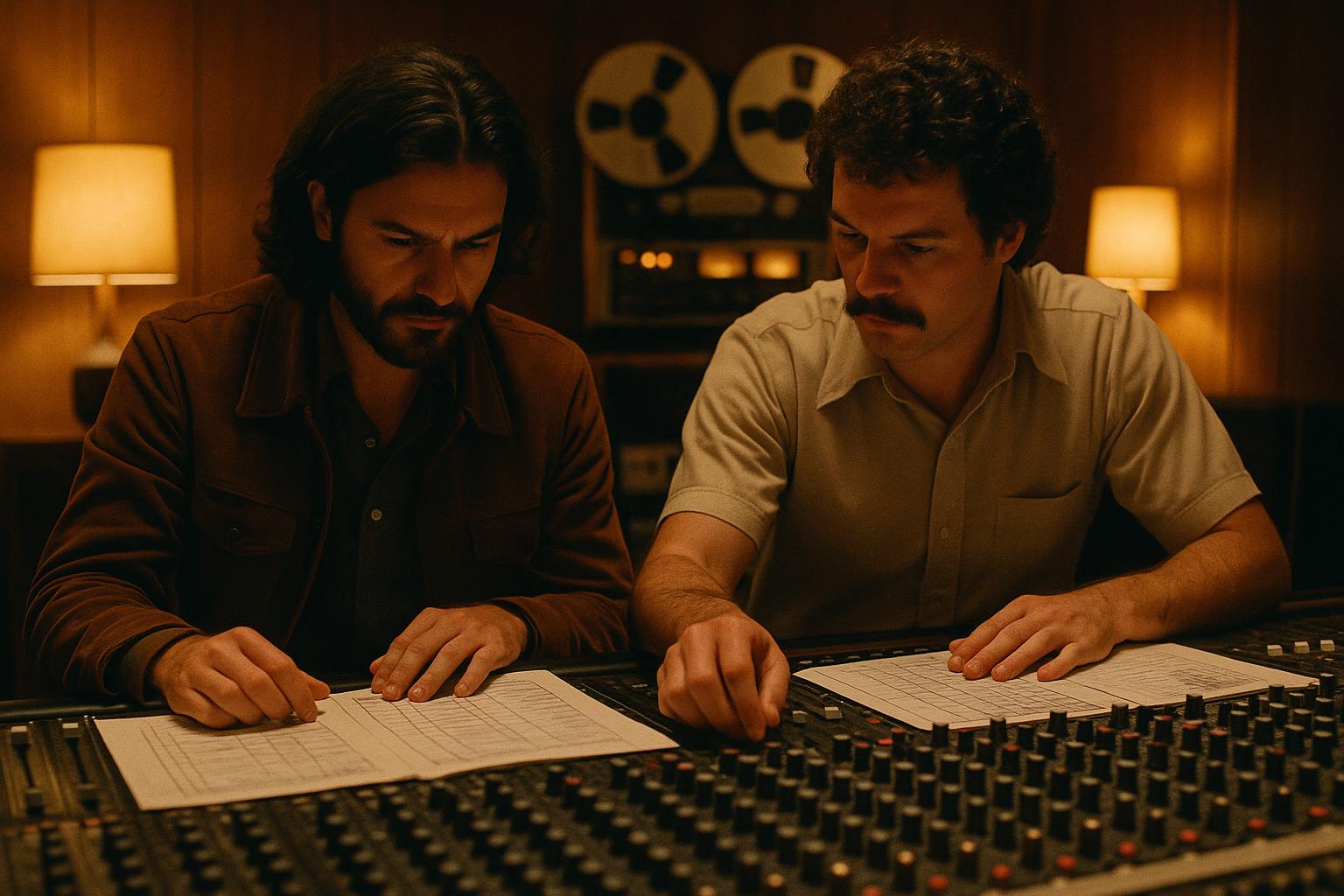
- Deliver high-quality masters with clean stems and instrumental versions. Ensure mix consistency and suitable mastering loudness for broadcast.
- Prepare alternate versions. Shorter edits, radio edits, and mood variants give supervisors flexible options for dialogue-heavy scenes or pacing requirements.
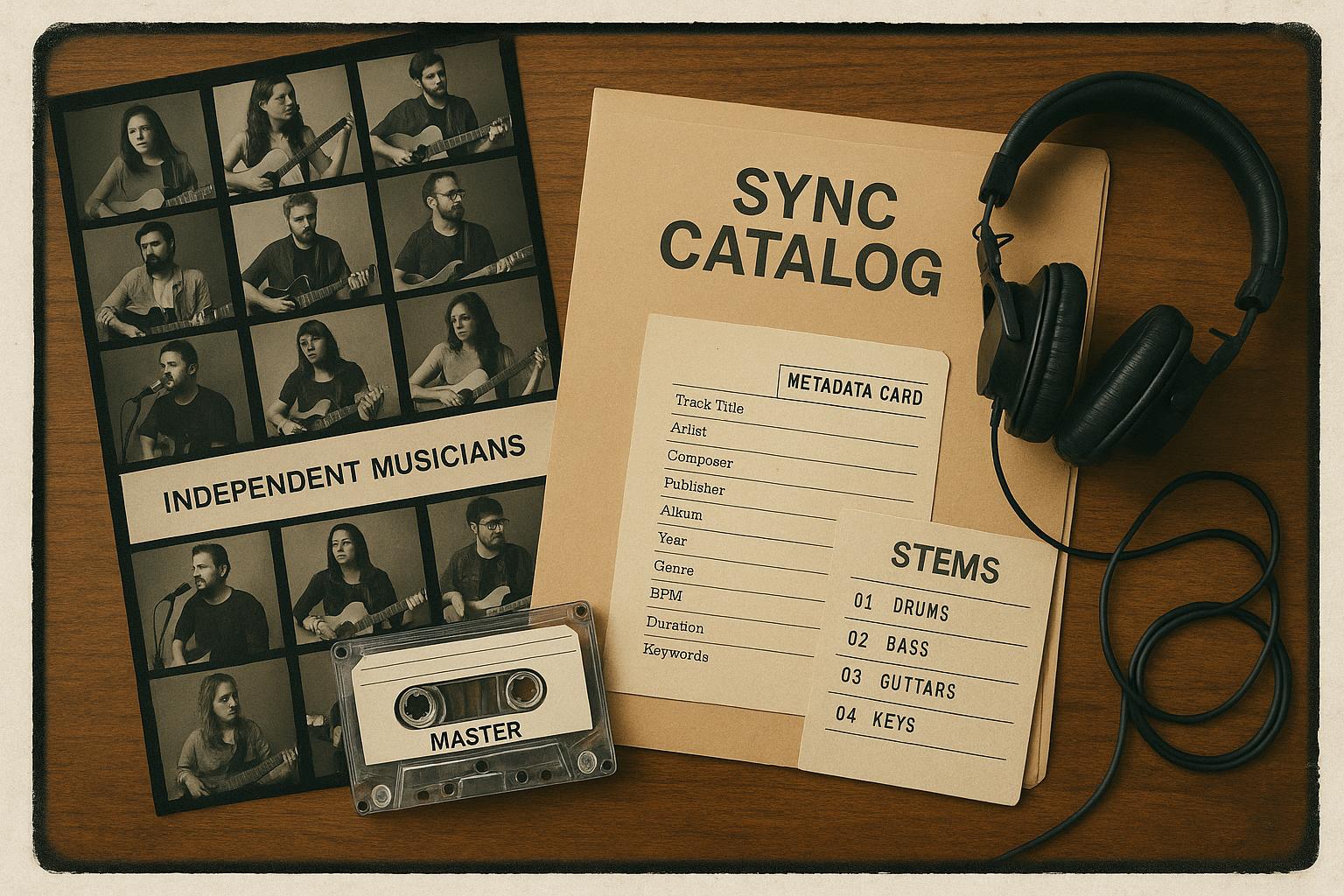
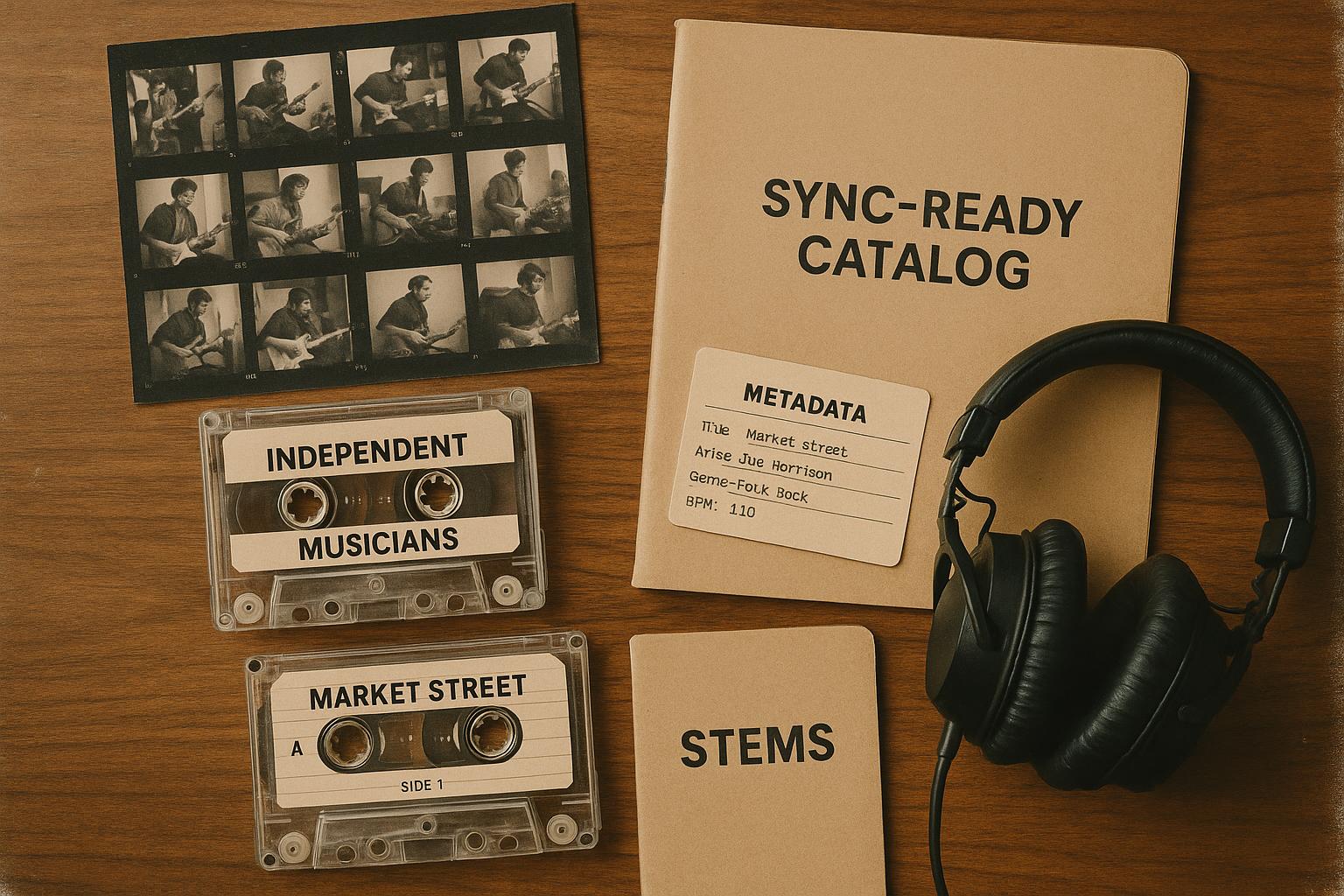
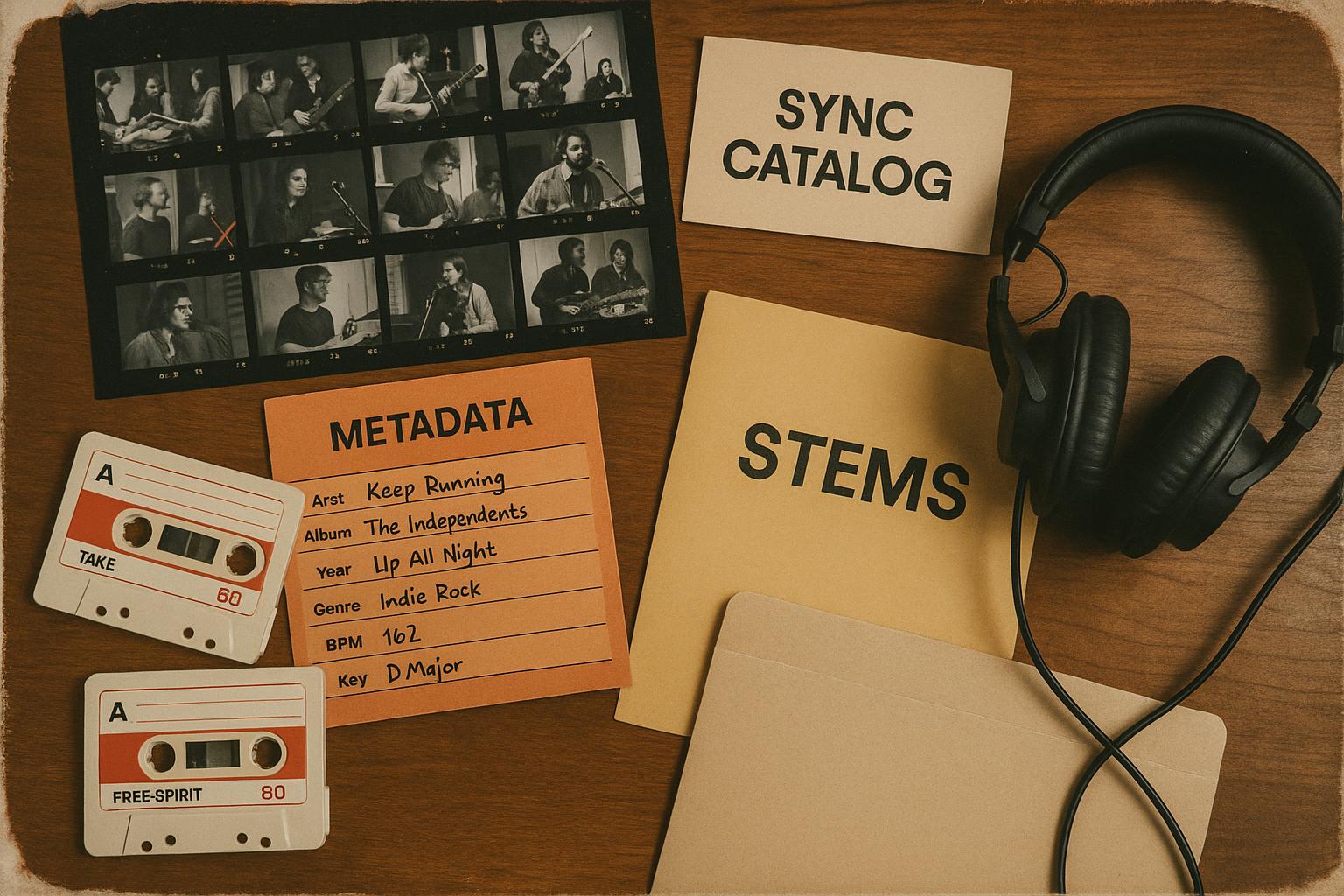
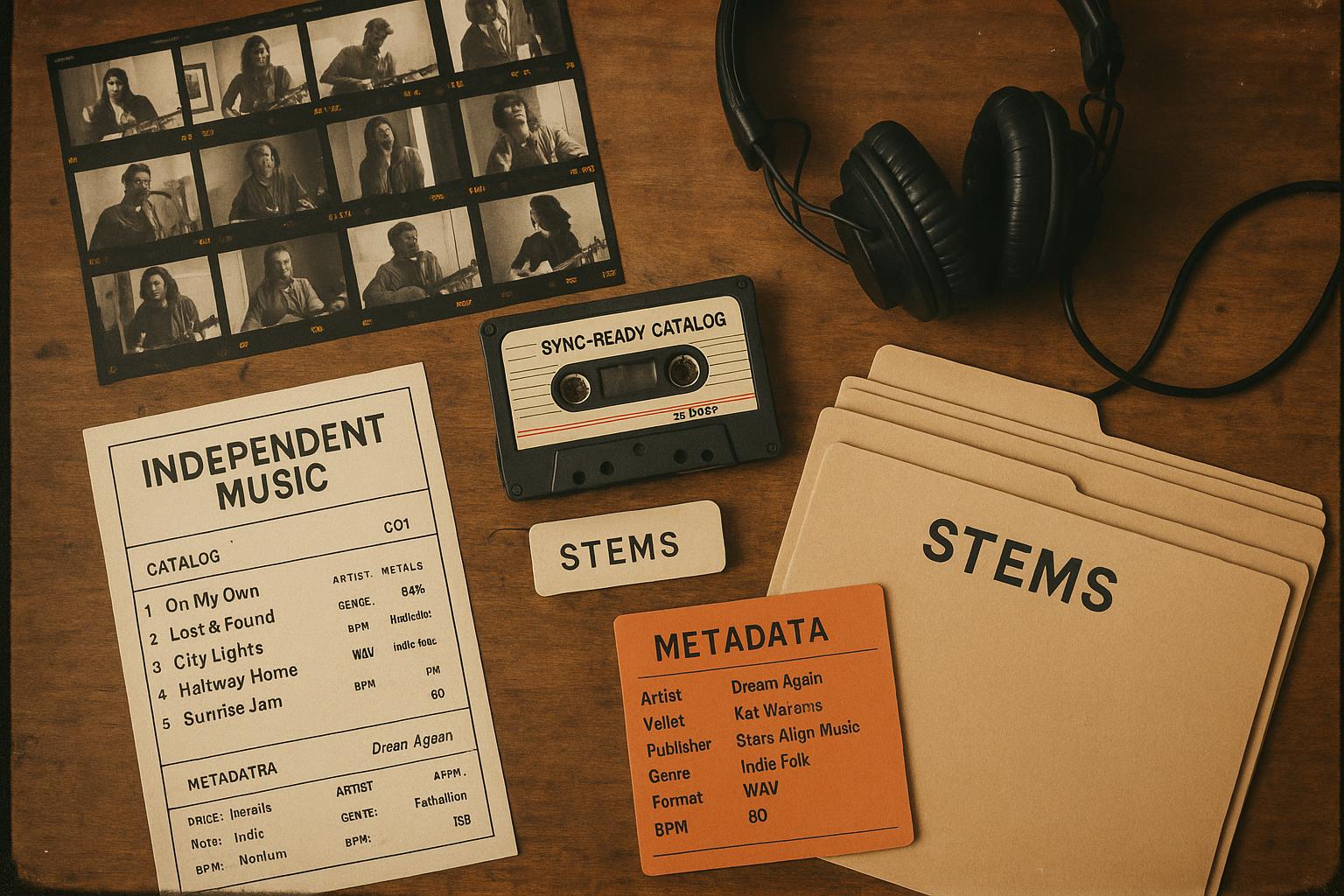
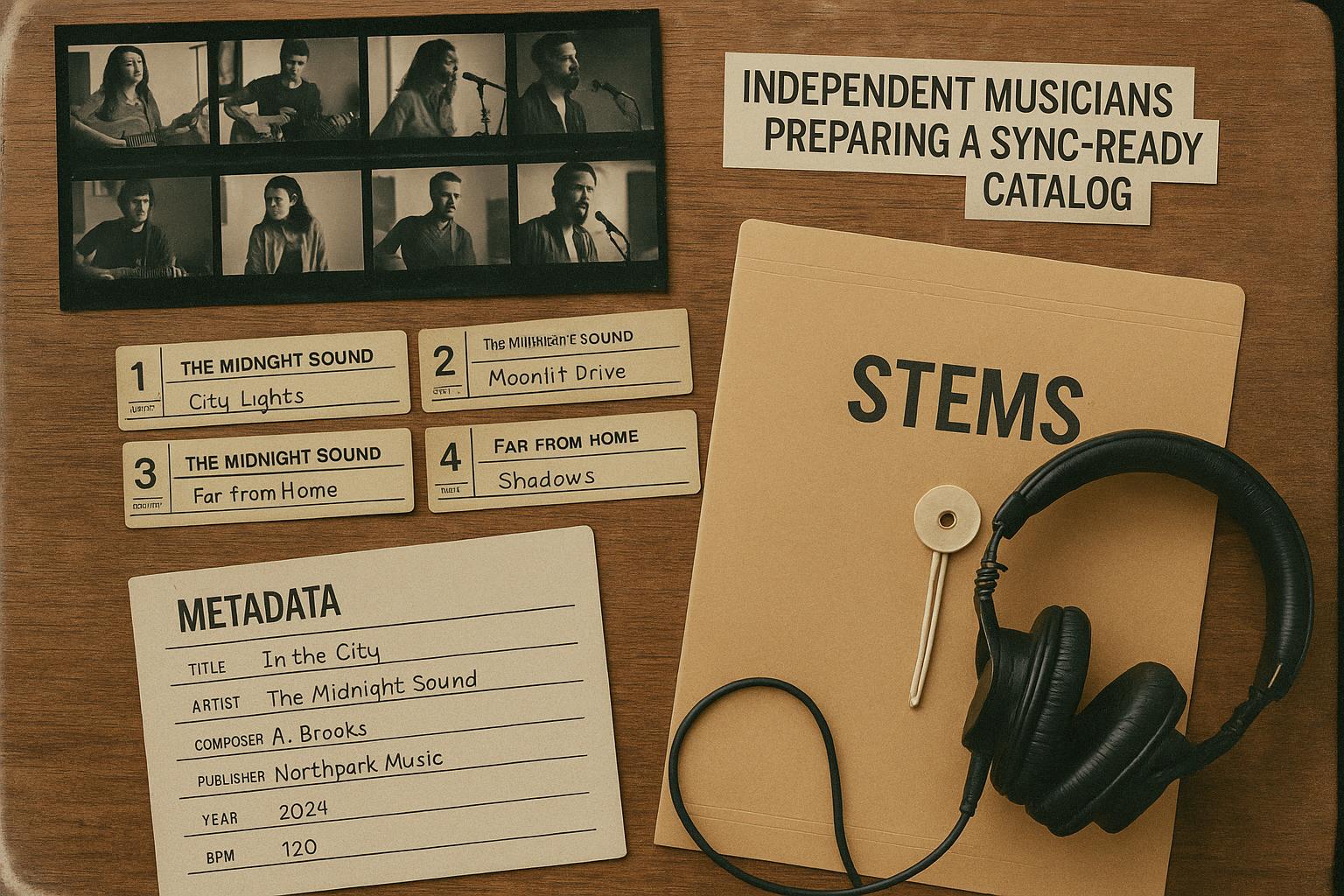
- Polish metadata and cue packaging. Attach accurate track titles, artist credits, ISRCs, ISWC if applicable, and a concise one-line usage note for each cue.
- Create a professional pitch deck. Include track previews, suggested scene-matches, and licensing notes; keep it scannable for busy supervisors.
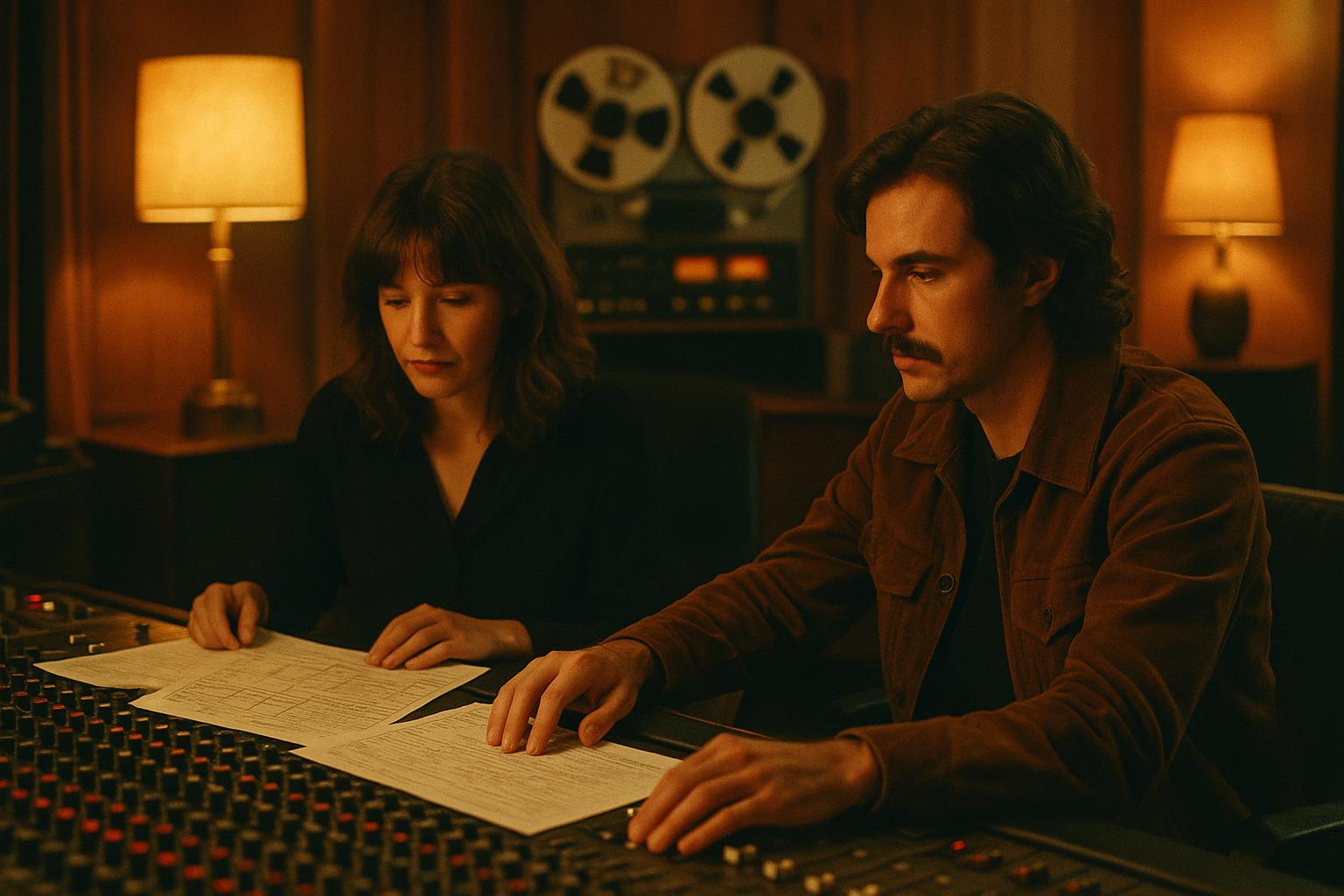
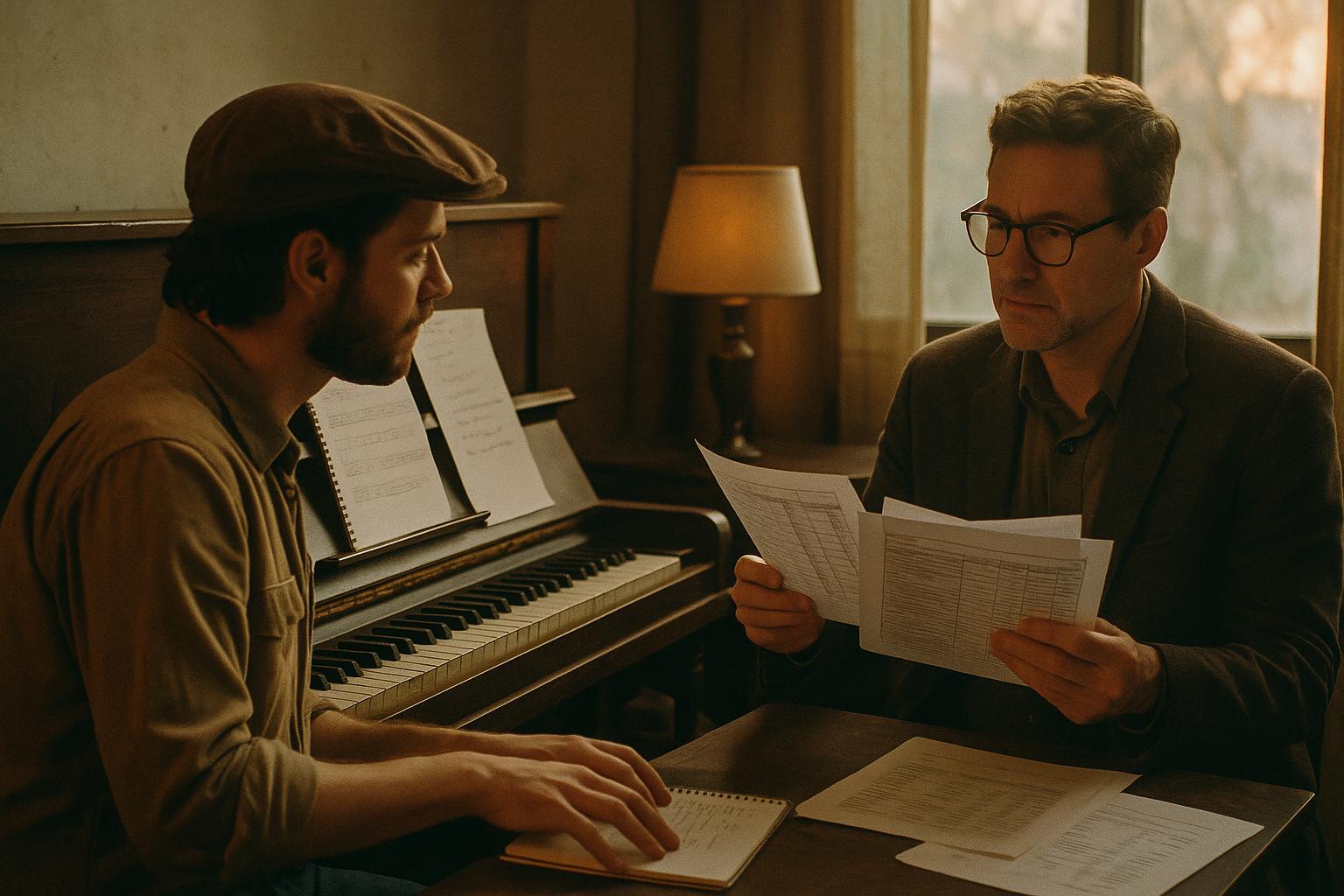
- Set up rights and registrations. Confirm who owns master and publishing, collect split sheets, and ensure PROs are registered for all collaborators.
As you assemble, lean on a trusted partner to streamline this workflow. One World Media offers a holistic approach—sync strategy, music publishing, rights admin, distribution, and artist development—helping you scale from indie projects to high-volume placements in Los Angeles and beyond.
Rights readiness and metadata essentials
Clear rights and precise metadata are non-negotiable in the licensing process. A small error can derail a cue’s clearance or delay a hundred pitches.
- Master and publishing ownership clarity. Have written agreements that specify who controls master uses, publishing splits, and any collective rights limitations.
- Split sheets. Document all contributors, ownership percentages, and royalty terms; keep these updated as collaborations evolve.
- PRO registration. Ensure each writer’s PRO information is current and matched to the correct credits in your catalogs.
- ISRC/ISWC metadata. Record accurate codes and ensure they travel with the asset across platforms and distributors.
- Cue sheet importance. Prepare cue sheets promptly after licensing deals; accurate usage data drives proper royalty payments.
With robust rights readiness, publishers, music supervisors, and distributors can clear a cue in hours rather than weeks, creating a more reliable path to recurring sync income. One World Media’s rights admin service specializes in these readiness tasks—keeping catalogs compliant, up-to-date, and attractive to licensing partners.
Sync supervisors: what they need from artists
This section outlines the exact materials and processes that speed up approvals for supervisors sourcing music.
- Metadata quality. Consistent credits, correct spellings, and properly matched track IDs in every file.
- One-stop clearance readiness. Clear ownership and rights across all territories and formats to avoid vendor-by-vendor negotiations.
- Alt mixes and stems. Provide radio edits, instrumental versions, and alternate stems to accommodate dialogue, sound design, or remix needs.
- Stems and stems-ready files. Ensure high-quality stems (drums, bass, guitars, vocals) are clean and labeled correctly for easy remixing or re-mixing.
- Fast turnaround. Establish expectations for quickest possible responses on licensing questions, re-ups, or updated cue sheets.
Tips for speed and reliability:
- Maintain a centralized catalog with standardized file-naming, versioning, and metadata fields.
- Create a rapid-response workflow for clearance inquiries, including a designated point of contact on your team.
- Offer pre-cleared, production-ready tracks with license-ready language that aligns with common project budgets.
Producer/songwriter collaboration workflows that increase placement success
Collaborative workflows reduce friction when pitching and licensing. The following practices help teams move swiftly from creation to clearance.
- Joint catalog development. Build a shared library with clear ownership, consistent naming, and standardized file formats to simplify pitching.
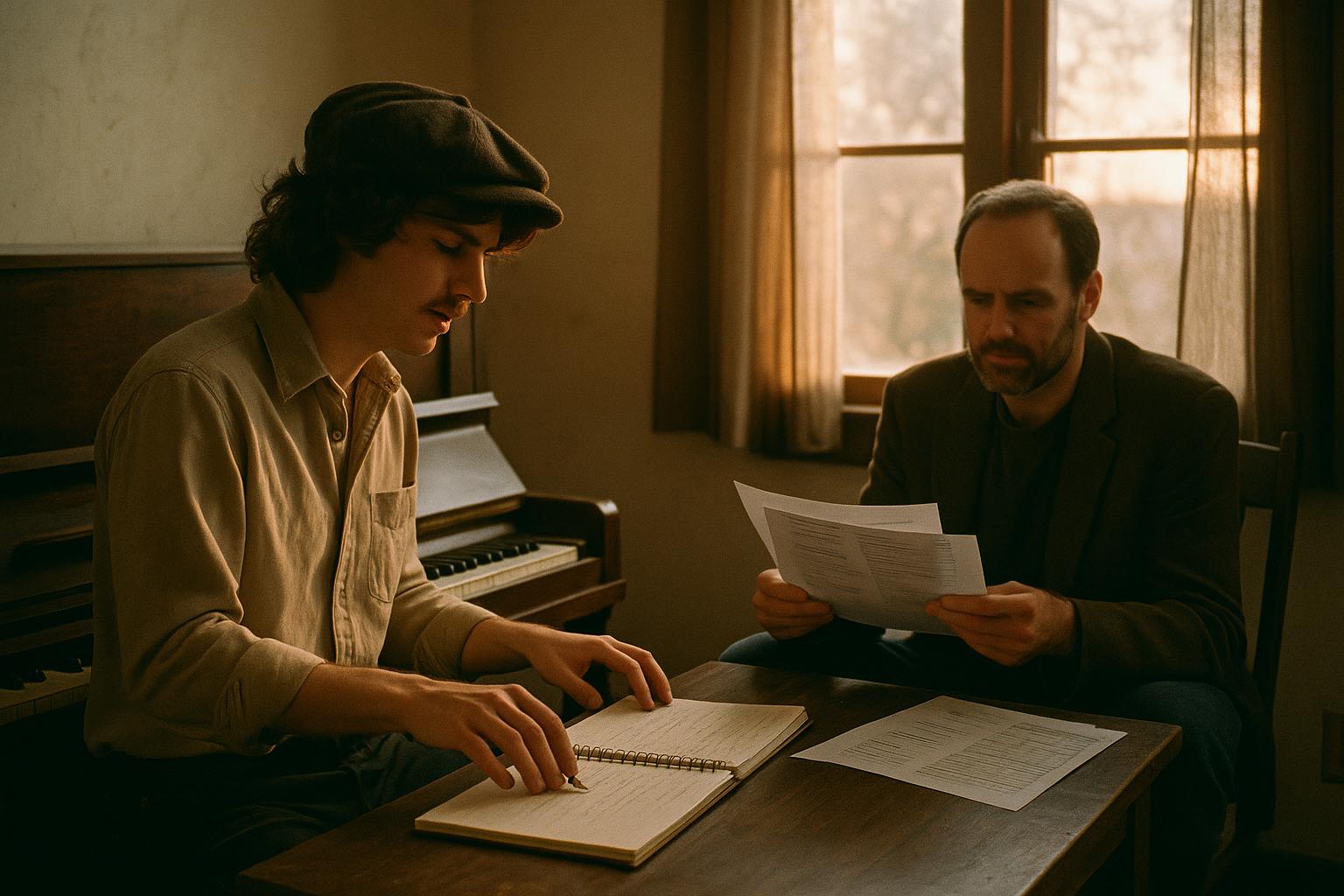
- Defined roles and decision rights. Clarify who handles pitches, negotiations, and post-licensing paperwork; designate a primary rights admin contact.
- Version control and versioning. Maintain a single source of truth for each cue—master versions, publishing versions, stems, and alt edits—tracked via a collaborative workspace.
- Standard pitch decks. Create templates including mood notes, potential scene matches, tempo ranges, and reference tie-ins to licenses you already hold.
- Clear tempo, mood, and instrumentation guidelines. Align on sonic identity so every track can slot into multiple scenes without a long-tail negotiation.
- Clearance-ready agreements. Use pre-approved licensing terms for common usage scenarios (ads, TV, film trailers) and ensure these terms transfer across territories.
When producers and songwriters align around a repeatable, licensed-ready workflow, you shorten the path from screening room to screen time. One World Media can tailor a collaborative process that matches your catalog’s strengths and your team’s bandwidth, accelerating placements while protecting rights and revenue.
Case study: a real-world music publishing scenario
In Los Angeles, a small indie team built a catalog of 40 tracks focused on moody alt-pop and cinematic ambience. They partnered with a publishing and sync agency to clean up metadata, register ISRC/ISWC, and standardize stems and versions. The agency created a 12-track pitch package tailored for a returning streaming series that values atmospheric cues over dialogue pauses. Within three months, a single cue was placed in a pivotal trailer, and two additional tracks were pitched for a season-long arc. The team began receiving ongoing sync inquiries, along with several PRO-registered royalties from streaming and broadcast. The workflow emphasized clear ownership, quick clearance, and reliable cue sheets—demonstrating how strategic music publishing work can convert a modest catalog into a recurring revenue stream, especially in a hub like Los Angeles where placements move quickly and volume matters.
FAQ
Q: What is the difference between music publishing and master rights, and why does it matter for licensing?
A: Music publishing covers the songwriting copyrights and related rights, while master rights pertain to the actual recorded performance. Licensors typically need both clearances to license a track. Publishing protection ensures you receive performance royalties, while master rights control the use of the recording itself. A strong publishing strategy supports longer-term licensing and ongoing revenue.
Q: How long does a typical sync clearance process take once a pitch is submitted?
A: It varies by project and territory, but with organized metadata, ready stems, and clear ownership, many standard licensing requests can be cleared in 5–15 business days. Urgent requests or complex territorial clearances may take longer, but a streamlined workflow reduces delays significantly.
Q: Can One World Media help with rights admin, distribution, and catalog development?
A: Yes. One World Media offers a comprehensive suite, including sync strategy, music publishing, rights administration, distribution, and artist development. We tailor the approach to your catalog, goals, and the Los Angeles market to maximize placements and revenue.
Q: What practical steps can a creator take today to improve placement chances?
A: Start with a catalog audit, correct ownership and metadata, prepare stems and alt versions, assemble a pitch deck, and establish a fast-response clearance workflow. Regularly update cue sheets and ensure PRO registrations are current. Consider partnering with a publishing and sync partner to scale effectiveness and reach.
Contact One World Media
For more information, please contact us at support@oneworldmedia.global or call (307) 200-8139.