Turn your catalog into a placement powerhouse with smart publishing, clearance, and sync strategy
In today’s film, TV, trailer, advertising, and streaming ecosystems, the difference between a good catalog and a revenue-generating catalog is deliberate management of rights, precise metadata, and a clear path to clearance. For independent musicians, composers, and producers building placement-ready catalogs, a strategic approach to
Artist management means aligning music publishing, rights administration, distribution, and catalog development with the fast-paced needs of producers, sync supervisors, and rights holders. With the right partner—like One World Media—you can accelerate pitches, unlock recurring sync revenue, and scale your catalog for opportunities in Los Angeles and beyond.
Strategize for placement-ready catalogs: structure, taxonomy, and deliverables
A placement-ready catalog is not just a bunch of songs; it’s a curated ecosystem designed for quick licensing. Here’s how to build it, step by step:
- Define sonic briefs and mood blocks: categorize tracks by tempo, mood, and instrumentation so supervisors can quickly identify candidates for scenes, trailers, or ad spots.
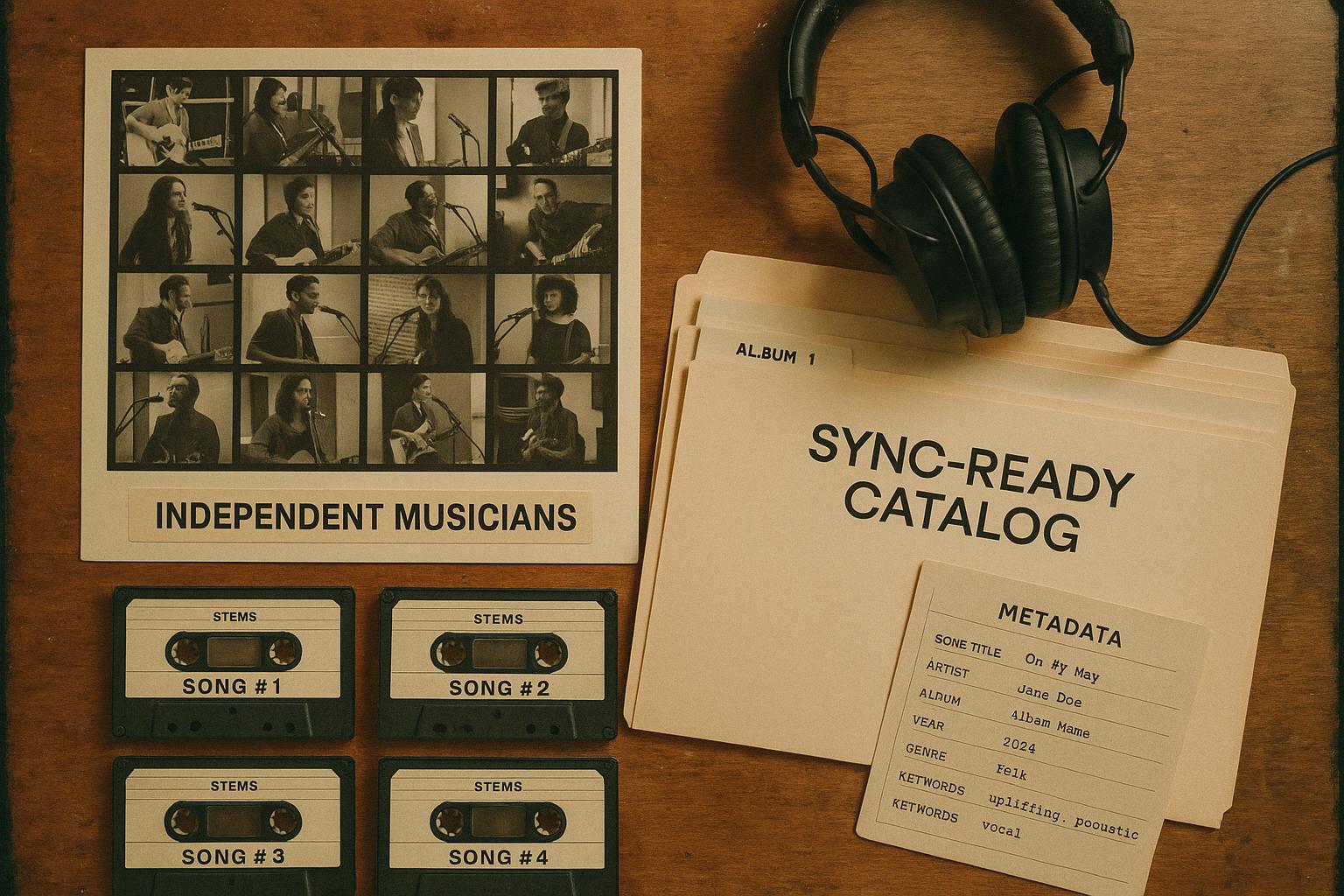
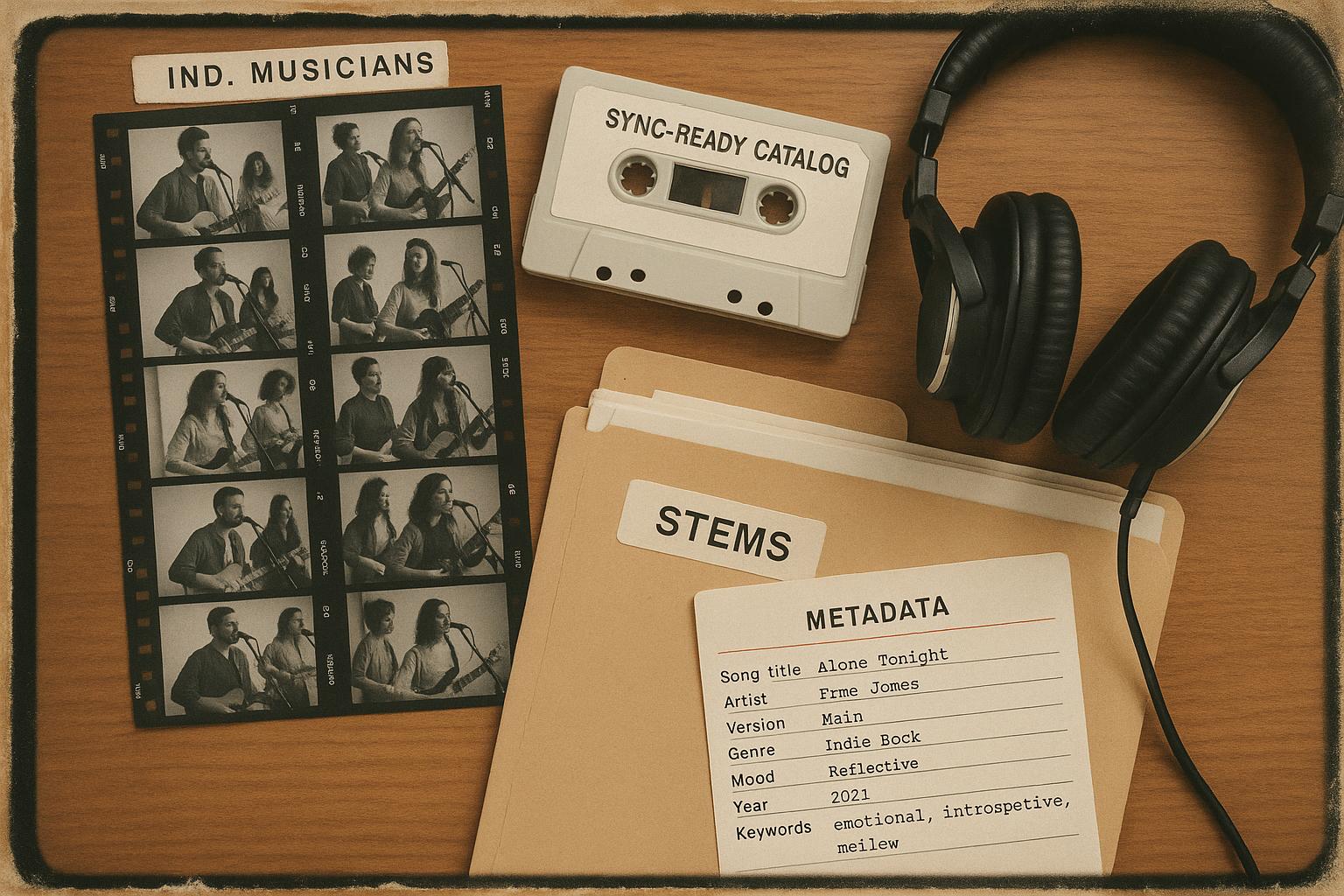
- Build a robust metadata framework: attach accurate ISRC, ISWC, track titles, artist names, publishing entities, ownership splits, and contact points to every item.
- Create stem-ready and alternate mixes: provide clean stems (drums, bass, guitar, keys) and alternate mixes (radio edits, instrumental versions, or TV-friendly edits) to simplify clearance and adaptability.
- Centralize rights and ownership data: maintain a shared catalog with master/publishing splits, PRO registrations, and cross-referenced cue sheets.
- Establish a clear distribution and rights strategy: leverage a partner forRights Admin, publishing administration, and distribution to keep catalogs current and searchable in major platforms.
Practical tip: maintain a living catalog sheet (Google Sheet or a rights-management system) that links each track to its metadata, assets, licenses, and contact queue. This is your first line of defense against mislabels, missed credits, and delayed approvals.
One World Media’s services—sync strategy, music publishing, rights admin, distribution, and artist development—are designed to support producers and songwriters in building placement-ready catalogs that scale. LA-based teams and global networks mean faster introductions to decision-makers and more efficient clearance paths.
Rights readiness: the backbone of fast, clean clearances
Clear, accurate rights data is the backbone of every successful sync. The better your rights readiness, the faster you’ll move through legal checks and into approvals.
- Split sheets and ownership clarity: document who owns the master and who owns the publishing on every track. Include each contributor’s percentage and contact details for rights clearance.
- Master and publishing ownership clarity: confirm whether master rights are controlled by an artist, label, or aggregator, and whether publishing is controlled by writers, publishers, or a combination.
- PRO registration: ensure each track is registered with the appropriate Performing Rights Organization (ASCAP, BMI, SESAC, or corresponding international bodies) and that writer and publisher data match the catalog records.
- ISRC/ISWC metadata: embed correct ISRC (master) and ISWC (work) codes in your metadata, and verify they align with your license and payout records.
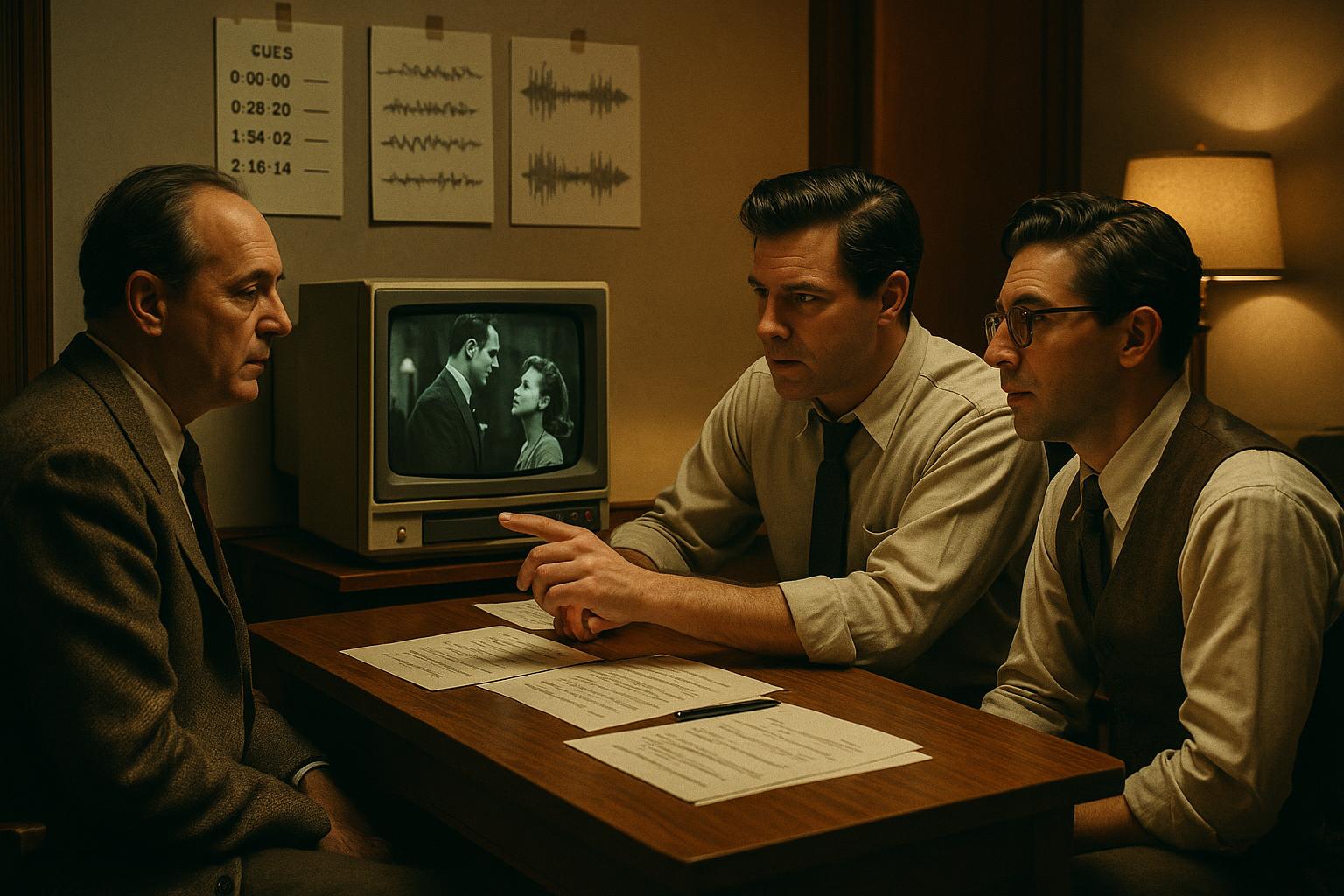
- Cue sheet importance: prepare cue sheets that precisely describe usage for every licensed track (episode, duration, cue number, and timing) to support accurate royalties and post-clearance audits.
Tip for
Artist management teams: create a standardized rights packet for each track that includes a master ownership statement, publishing splits, official credits, and a ready-to-send cue sheet template. This reduces back-and-forth during negotiations and speeds the licensing cycle.
Clearance and licensing workflow for film, TV, ads, and streaming
A consistent clearance workflow prevents stalled negotiations and protects your rights. Follow these steps to keep licenses moving efficiently:
- Inventory audit: identify every track intended for a placement, confirm ownership, and gather all asset versions (masters, stems, instrumentals, and alternate mixes).
- Rights clearance map: map each track to the potential rights holders (artists, producers, publishers, labels, and administrators) and collect contact details.
- License templates and boilerplates: prepare license agreements that cover master use, synchronization, and regional rights, plus term and territory details.
- Asset delivery norms: deliver the highest-utility assets upfront (stems, instrumental mixes, and clean master files) and ensure encoding and metadata meet platform standards.
- Turnaround commitments: set realistic turnaround times with clear escalation paths and a fast-track option for urgent requests (short-form trailers or promos).
- Final approvals and credits: confirm license grants, ensure credits are correctly listed in cue sheets and metadata, and provide final delivery documentation to the supervisor.
Implementation note: partner with a rights administrator who can handle master/publishing splits, track registrations, and post-license reporting. This ensures you’re not juggling multiple contracts or chasing down paperwork after the fact.
What sync supervisors need from artists to move fast
Sync supervisors are your frontline allies in getting placements accepted. Meeting their needs reduces cycle time and increases the likelihood of repeats. Here’s what they typically require:
- Metadata quality that travels with every asset: accurate track names, composer credit, publisher, and contact information, plus ISRC/ISWC codes.
- One-stop clearance where possible: the fewer parties to contact, the faster the clearance. If you can provide blanket or pro-available licenses, it’s a major time saver.
- Alt mixes and stems: provide instrumentals, vocal-free versions, and alternate edits for various contexts (TV dialogue, ads with voiceovers, etc.).
- Instrumental versions and stems: give clean stems to facilitate remixing, re-editing, or custom cue creation by the supervisor.
- Fast turnaround: establish a rapid-response channel (email or deal desk) for urgent requests and guarantee response windows to minimize delays.
Section-specific note for sync supervisors: at One World Media, we streamline these requests by pre-packaging assets with consistent naming conventions, ready-to-send cue sheets, and a fast clearance route, tailored for LA-based production pipelines and international studios.
Producer and songwriter collaboration workflows that increase placements
Strong collaboration between producers, songwriters, and artists is a proven driver of placement success. Adopt these workflows to maximize placement opportunities:
- Co-creation sprints with clear briefs: set a short window to create tracks that fit known show styles or trailer vibes, then produce multiple versions to increase fit probability.
- Joint rights and credit planning: define upfront who holds masters and publishing, who will handle releases, and how credits will appear on screen and in metadata.
- Shared project templates: use standardized project templates with predefined metadata fields, stems, and alternate mixes so new tracks can be quickly cataloged and delivered.
- Versioning discipline: label versions consistently (e.g., TrackName_v1_STEMs, TrackName_v2_MAster) to avoid asset mix-ups during clearance.
- Regular sync reviews: schedule periodic check-ins with the sync team to align on upcoming show seasons, trailer cuts, and licensing windows.
Industry practice: integrate
Artist management strategy with a dedicated sync pipeline—clear ownership, fast turnarounds, and a pipeline of ready-to-license materials. One World Media supports this integration through targeted sync strategy, music publishing, rights admin, distribution, and ongoing artist development, with a focus on Los Angeles and global markets.
Real-world scenario: artist management in action
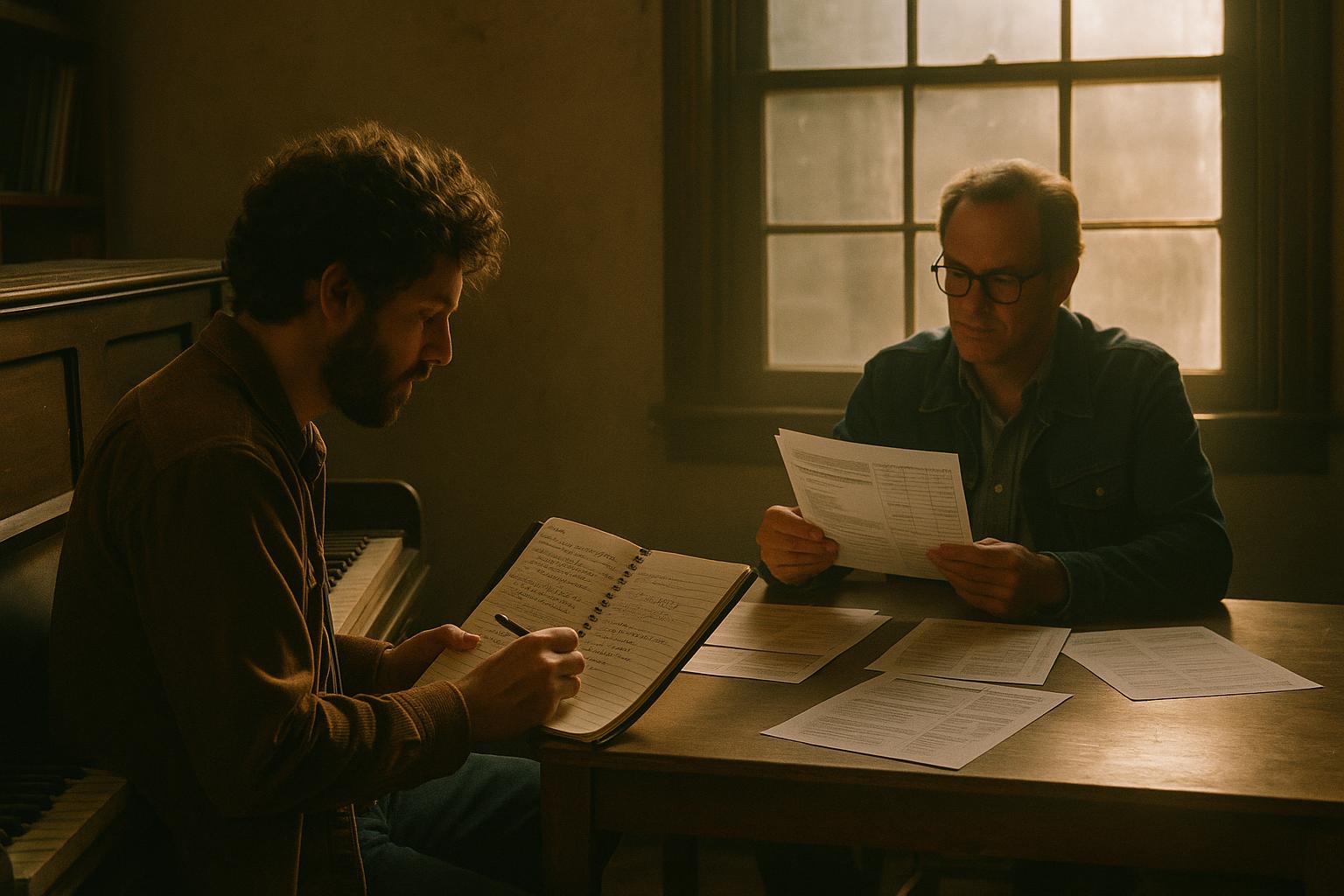
An independent artist based in Los Angeles built a placement-ready catalog through a focused
Artist management program. The manager aligned publishing splits with co-writers, secured PRO registrations, and delivered a catalog with high-quality stems and instrumental versions. When a streaming series requested a dramatic cue for a season-lean trailer, the sync supervisor praised the metadata quality and fast delivery of the stems, enabling immediate clearance across multiple territories. A revised cue sheet was submitted alongside the license, reducing post-license royalty questions. Within six months, two tracks from the catalog landed in a network TV promo and a feature-length trailer, generating recurring sync revenue and new publishing relationships. This case demonstrates how deliberate catalog building, metadata discipline, and a responsive management approach can convert independent music into reliable, film-friendly assets—while reinforcing the value of a trusted partner for publishing, sync, distribution, and catalog development.
Rights readiness and producer collaboration: a practical checklist
- Build a master/publishing ownership matrix for every track and share it with your sync partner.
- Ensure all metadata fields align with PRO and licensing records.
- Prepare a bundled asset package (stems, instrumentals, vocal mixes) for every track.
- Establish a rapid-response contact channel for urgent sync requests.
- Create a quarterly catalog health check with your team to refresh registrations, cue sheets, and credits.
FAQ
Q: What is the first step to start licensing music for film and TV?
A: Begin with a comprehensive inventory and rights audit: identify ownership, gather assets (stems and edits), and verify metadata (ISRC/ISWC) and PRO registrations. Then consolidate this information into a rights packet and align with a publisher/rights administrator to accelerate clearance.
Q: How can independent artists improve their chances of getting placed?
A: Build a placement-ready catalog with clear ownership, high-quality stems and alternate mixes, consistent metadata, and a clear licensing path. Work with a strategic partner to develop targeted pitches for specific producers, shows, and ad campaigns, and maintain regular communication with sync supervisors.
Q: What should a producer provide to artists to maximize placement success?
A: A clear brief with expected mood, tempo, scene type, and runtime, plus prompt feedback on drafts, and a fast track clearance option. Providing a ready-to-license package (stems, instrumental versions, proper cue sheets, and ownership details) reduces delays and increases the likelihood of approvals.
Q: Why is metadata quality important for music licensing?
A: Metadata acts as the licensing roadmap; incorrect or missing data can stall clearance, miscrediting, and delayed royalty payments. Accurate ISRC/ISWC codes, writer/publisher splits, and cue sheet details ensure smooth negotiations and timely royalties.
Contact One World Media
For more information, please contact us at support@oneworldmedia.global or call (307) 200-8139.