Readers focused on building placement-ready catalogs, pitching for film and TV, and maximizing recurring sync income will find a clear, action-oriented path through today’s evolving market. By aligning catalog strategy with current Music industry trends, you can attract higher-budget sync opportunities, streamline clearance, and accelerate payments. This guide blends practical workflows with concrete services from One World Media—covering publishing, rights administration, distribution, sync strategy, and artist development—so you can move from concept to clearable, placement-ready music.
Opportunities in music licensing have shifted dramatically as content formats diversify and streaming platforms mature. A disciplined approach to catalog strategy ensures your music is ready for a wide spectrum of placements—from episodic TV and streaming trailers to video ads and user-generated content on social networks. Key forces shaping Music industry trends include the rise of short-form content, tighter rights management expectations, and a growing demand for high-quality stems and alternate mixes for spot usage. To succeed, you need to build a catalog that’s clearly organized, thoroughly documented, and fast to clear.
For practitioners in Los Angeles and beyond, leveraging a regional network of producers, publishers, and supervisors is critical. One World Media’s integrated services—sync strategy, music publishing, rights admin, distribution, and artist development—are designed to help catalogs scale with confidence, not just with hope.
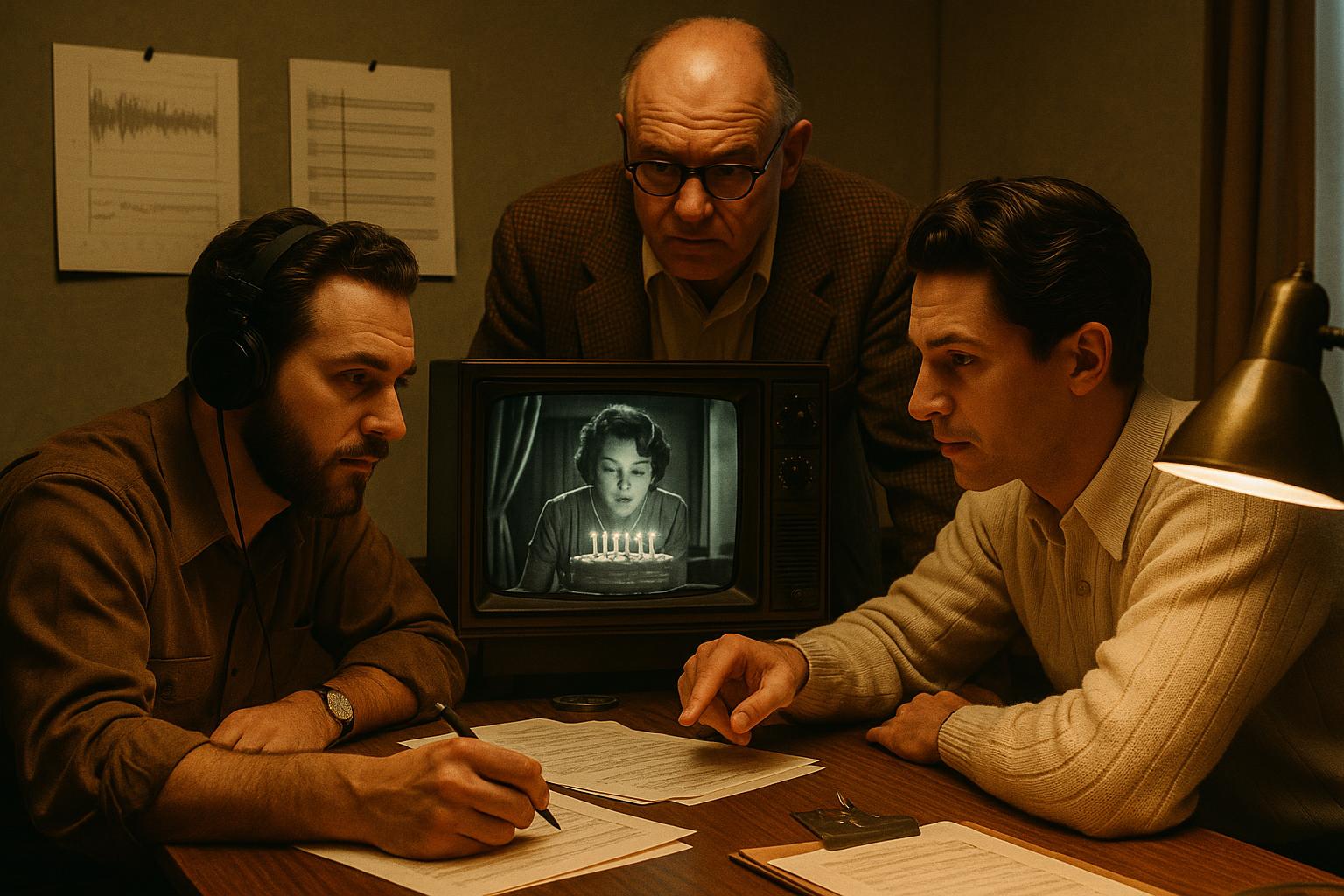
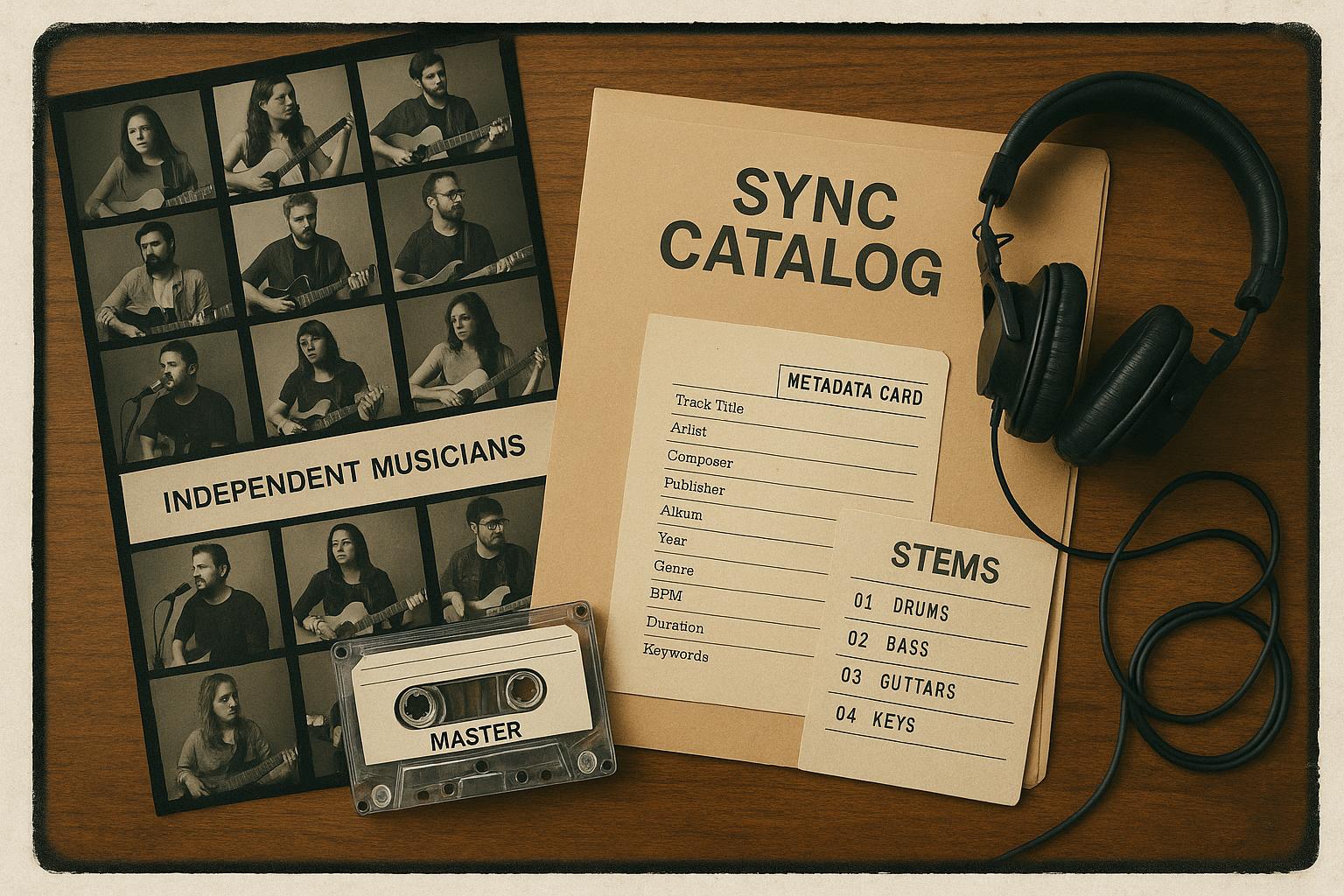
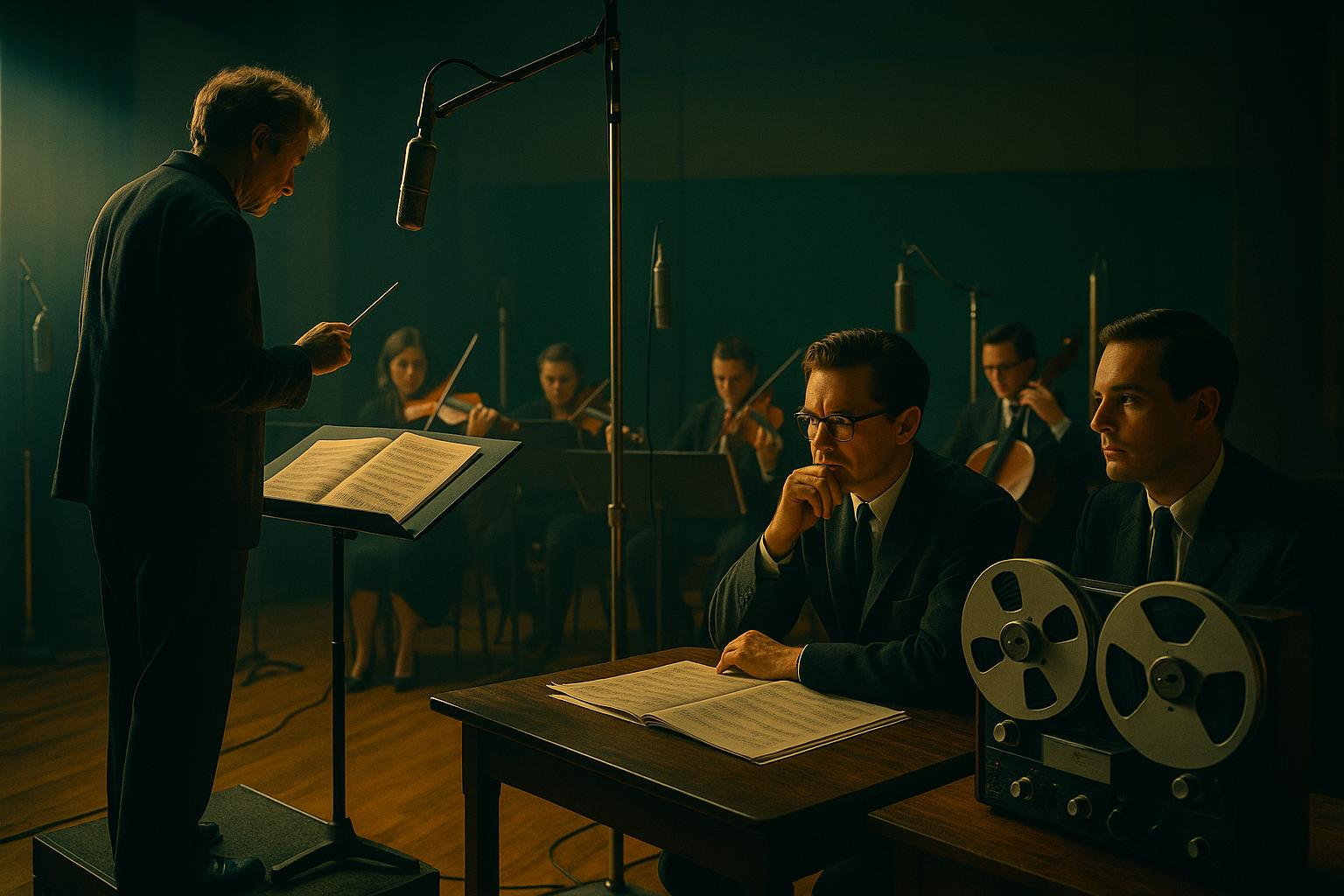
Case example: A mid-career songwriter in LA partners with a local production house to build a placements-focused catalog. They begin by auditing metadata, confirming ownership, and consolidating master/publishing splits. The publisher provides a cloud-based workflow, enabling the songwriter to submit stems (DRY and wet versions), instrumental cuts, and note-friendly cue sheets with ISRC and ISWC metadata. A senior sync supervisor in town discovers a soundtrack-ready track in a high-end streaming library and requests a immediate alternate edit and a 30-second teaser edit for a trailer. Within 72 hours, the songwriter delivers the requested alt mix and stems, with accurate cue timing notes. The supervisor clears the one-stop rights with the publisher’s administration team, and a rights-ready agreement is signed. Within weeks, the track appears in a major streaming trailer, followed by placement in a season arc of a popular LA-based drama. The result: recurring sync income, a clearer catalog map, and a repeatable workflow for future placements.
Takeaway: aligning metadata, clear ownership, and fast-delivery capabilities with a strong LA-based sync network increases both initial placements and ongoing synchronization revenue. This is where a partner like One World Media—with its focus on sync strategy, publishing, rights administration, distribution, and artist development—becomes a strategic asset for independent musicians and producers alike.
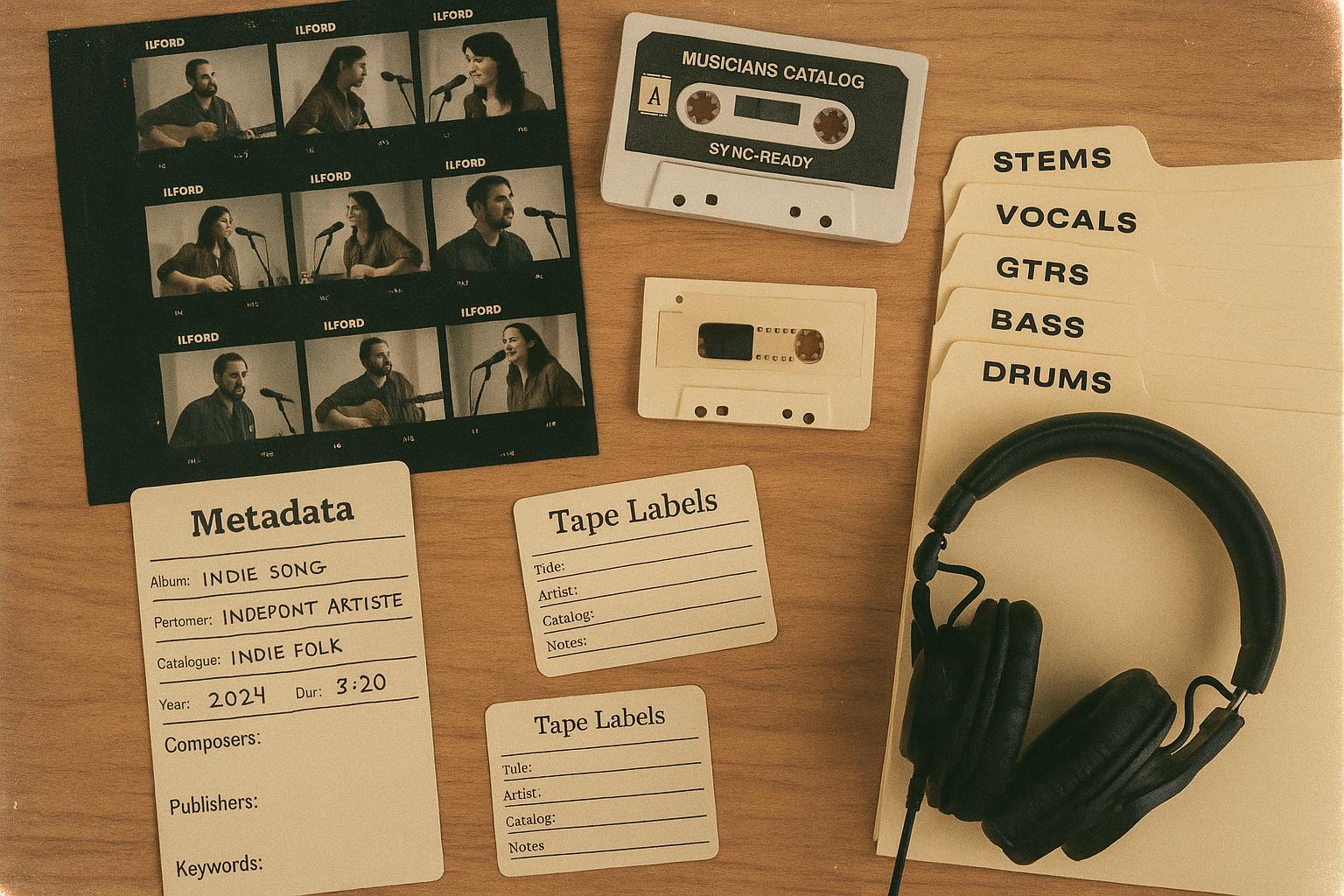
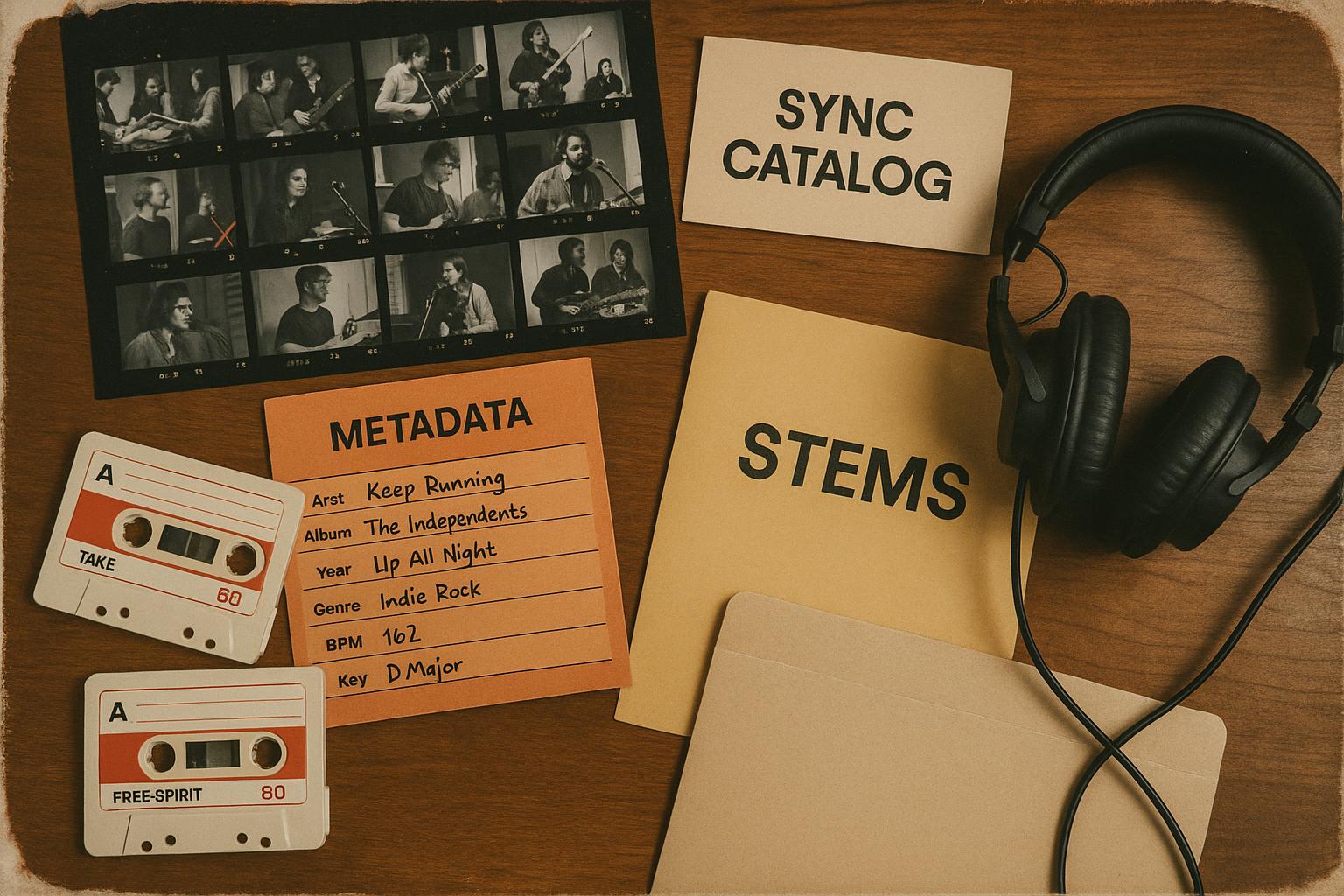
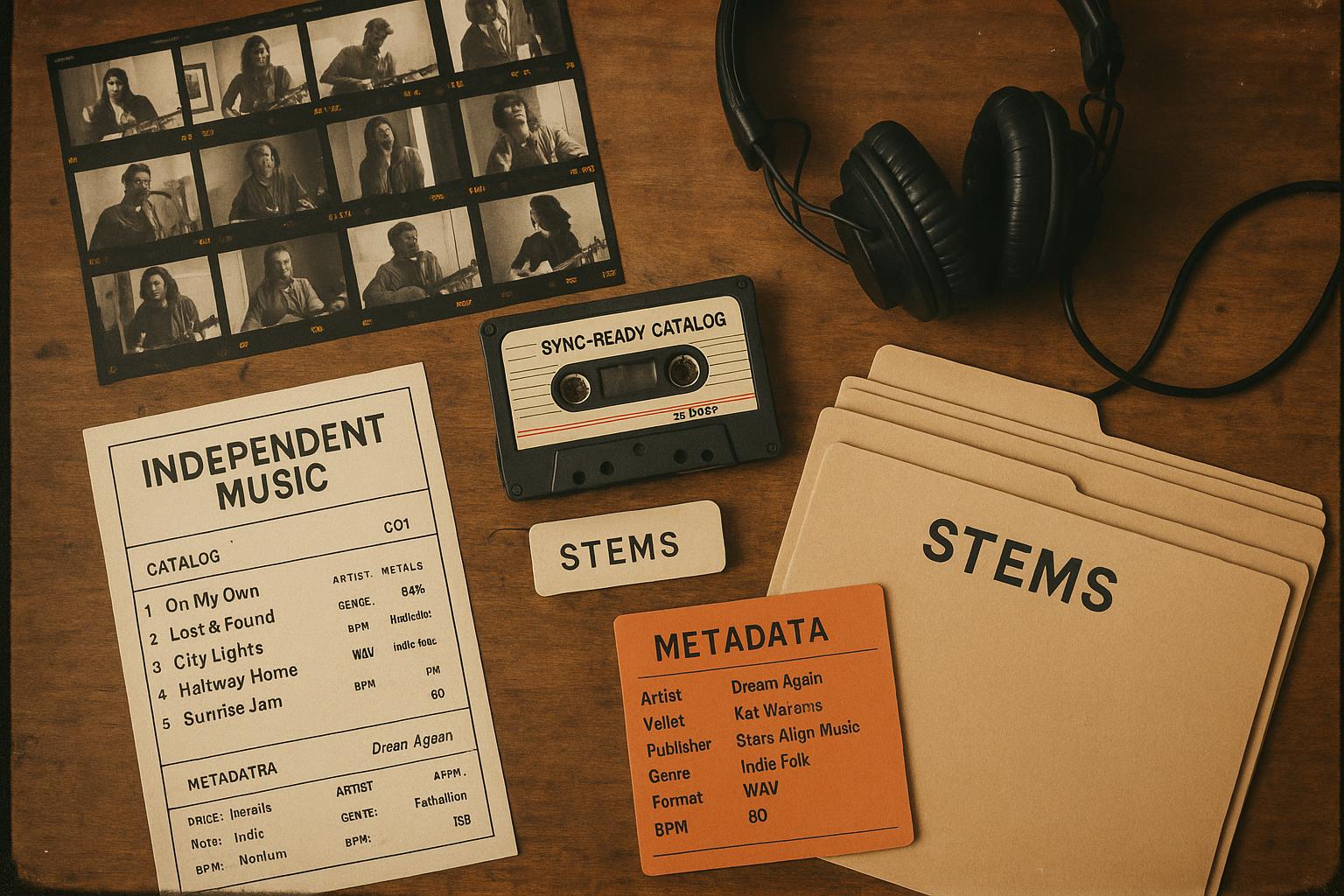
Building a right-ready catalog requires meticulous attention to ownership, documentation, and accessibility. The better your rights readiness, the faster a supervisor can clear a cue and lock in a deal. The essentials include.
Proactive management of these elements reduces clearance risk, speeds up sync licensing, and supports consistent payments. One World Media’s rights administration and catalog development services help you implement standardized metadata templates, automate cue sheet generation, and maintain ongoing PRO registrations, so your catalog stays “forever ready” for new opportunities.
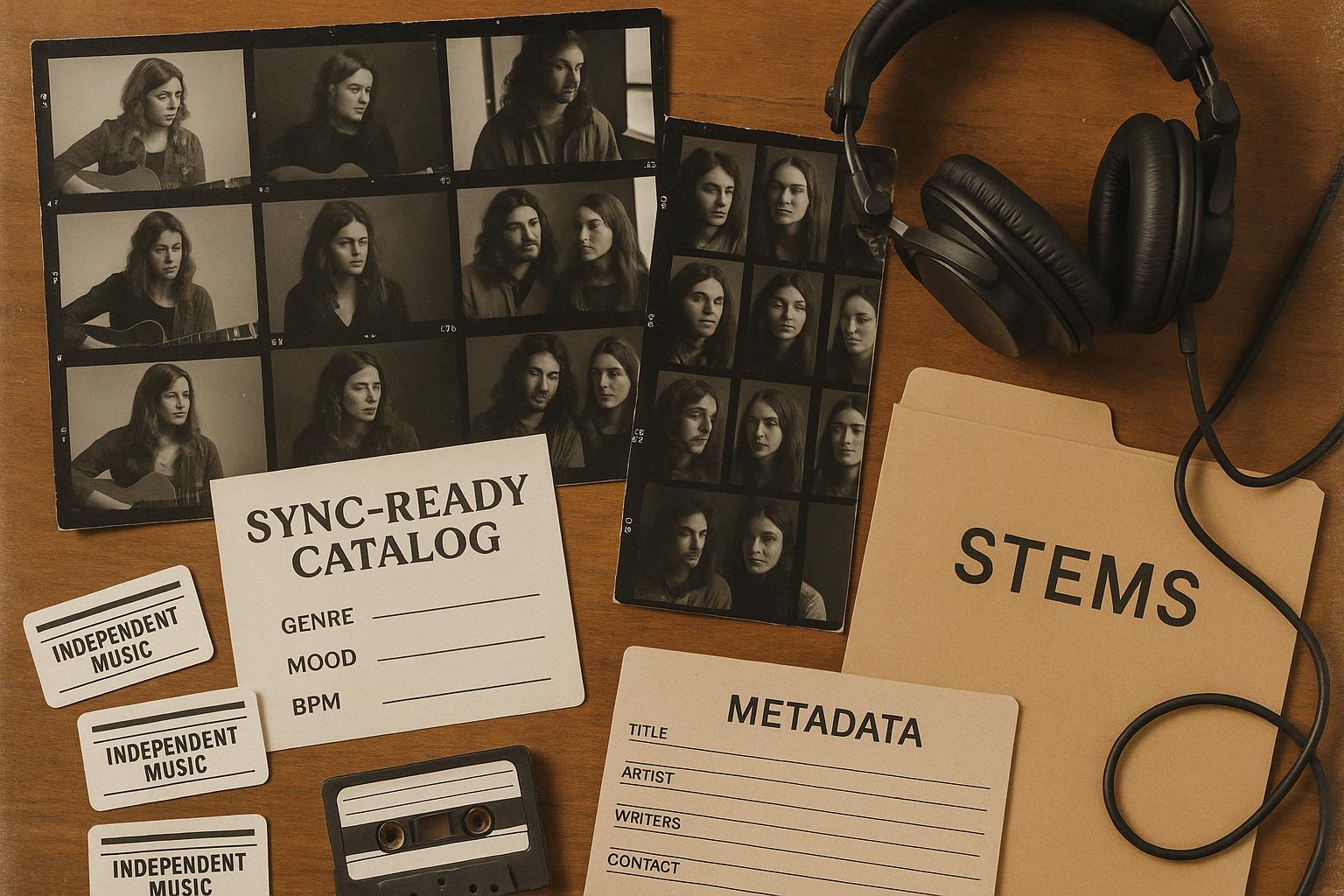
Sync supervisors juggle tight production schedules and complex clearance landscapes. Knowing what they need—and delivering it consistently—can be the difference between a rejected cue and a fast-tracked placement. The essentials you should routinely provide include:
Having a single point of contact within One World Media—for publishing, distribution, sync strategy, and rights administration—means a shorter clearance path, fewer back-and-forth delays, and a higher likelihood of ongoing placements. This is especially valuable in Los Angeles’ fast-paced entertainment ecosystem, where every day matters for a track’s placement trajectory.
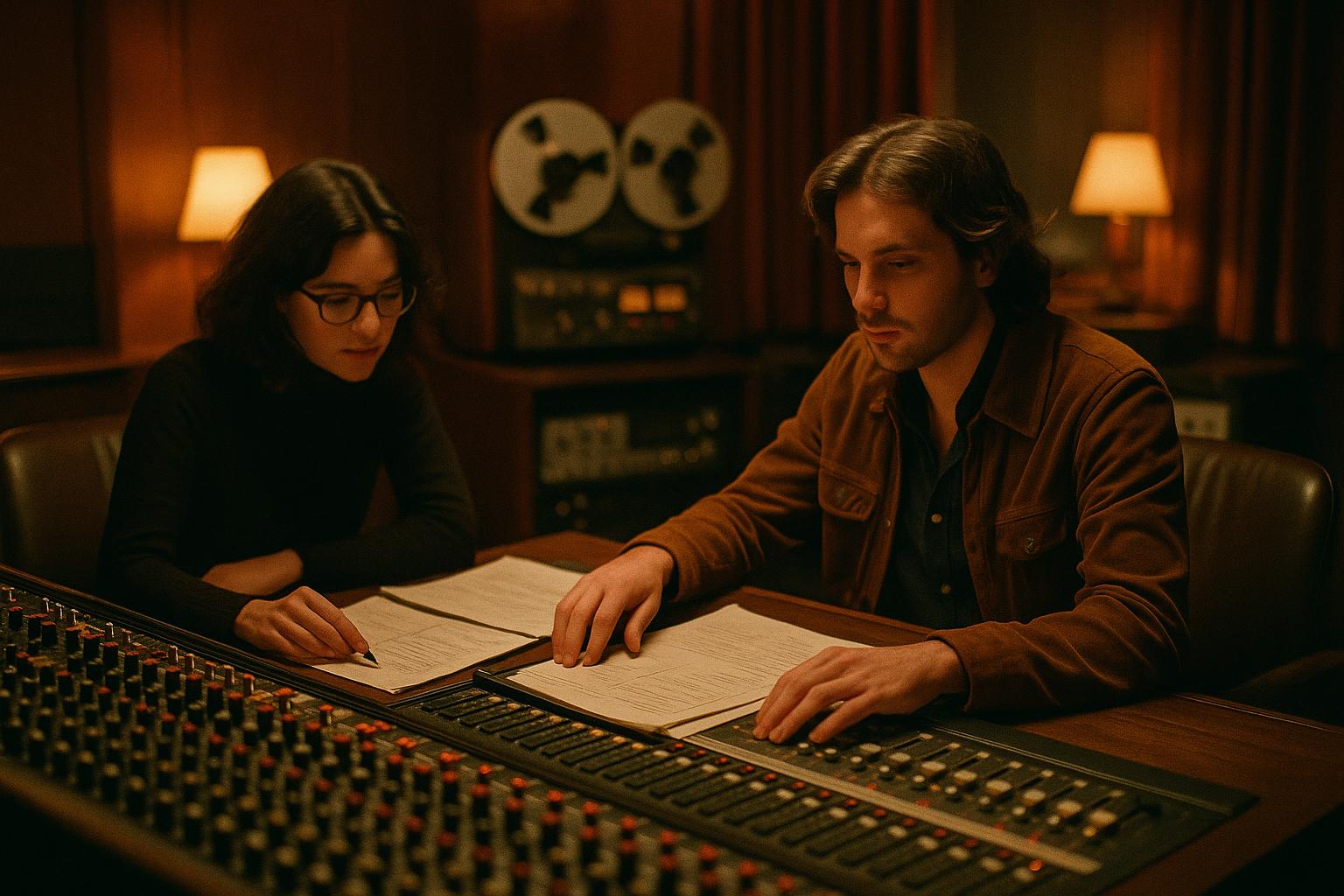
Effective collaboration between producers and songwriters is a powerful accelerator for placements. Structured workflows help ensure that every iteration moves toward market-ready status with minimum friction. Consider adopting the following approach:
Benefits of this structured workflow include faster clearance, higher-quality metadata, and more predictable revenue streams. By coordinating via One World Media’s integrated services—sync strategy, publishing, rights admin, distribution, and artist development—you ensure your catalog can scale with placements rather than stall at submission.
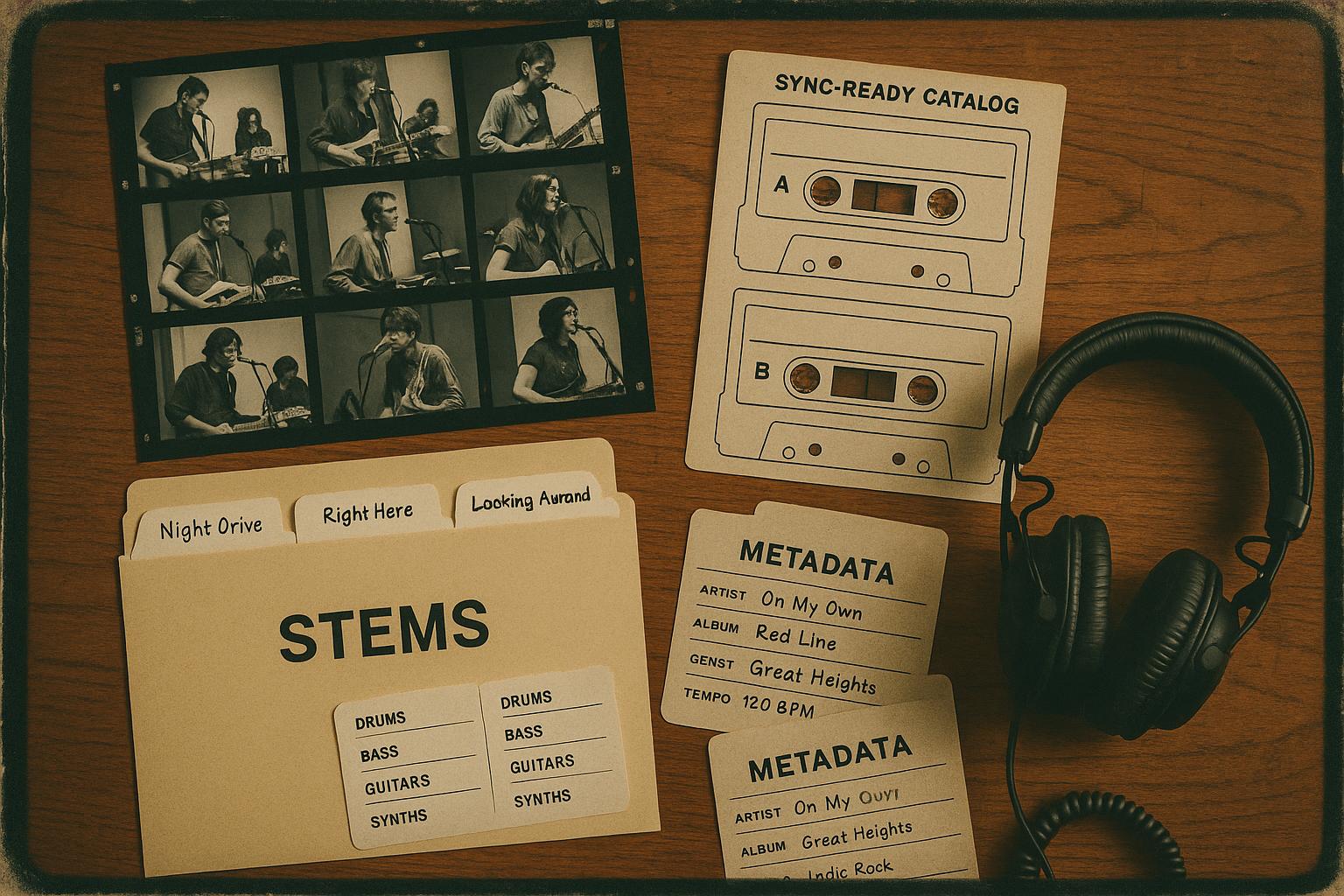
Catalog strategy is the backbone of durable sync income. A well-structured catalog that emphasizes metadata integrity and scalable workflows will attract more placements and fewer clearance bottlenecks. Practical steps to implement now:
With these practices, your catalog becomes an investment-ready asset for film studios, TV networks, advertising agencies, and streaming platforms. One World Media’s catalog development, publishing, and distribution services are designed to build, maintain, and monetize this asset base efficiently, while ensuring artists receive ongoing development opportunities and revenue streams.
Q: How can independent artists begin getting placements quickly?
A: Start with a metadata audit and rights map. Normalize your credits, confirm ownership splits, register with your PRO, and assemble stems and instrumental versions. Create editor-ready edits (30–60 seconds) and deliver them with clear cue sheets. Partner with a publisher or licensing agent who can provide sync strategy, rights administration, and a clear path to placements.
Q: What metadata is most important for sync placements?
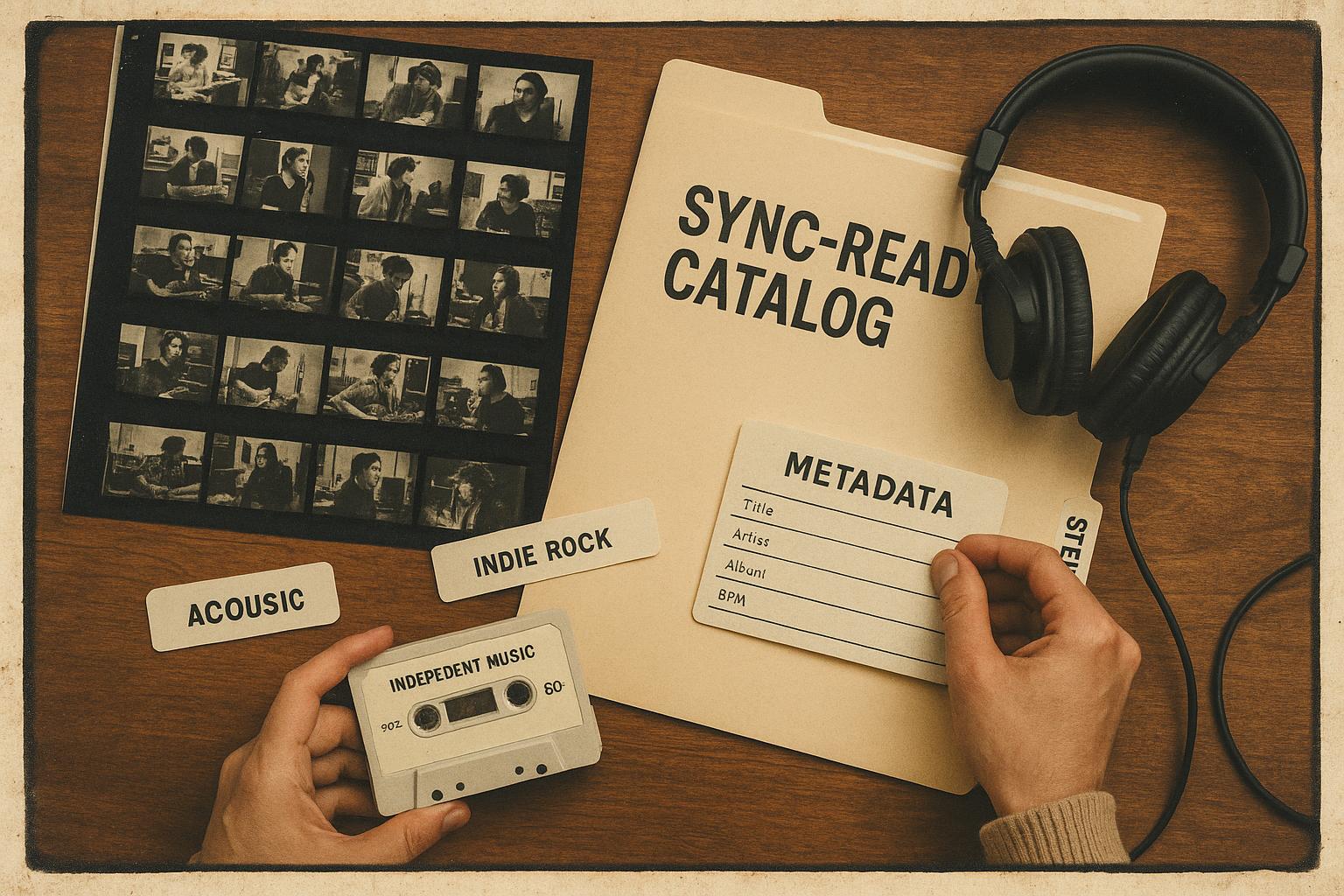
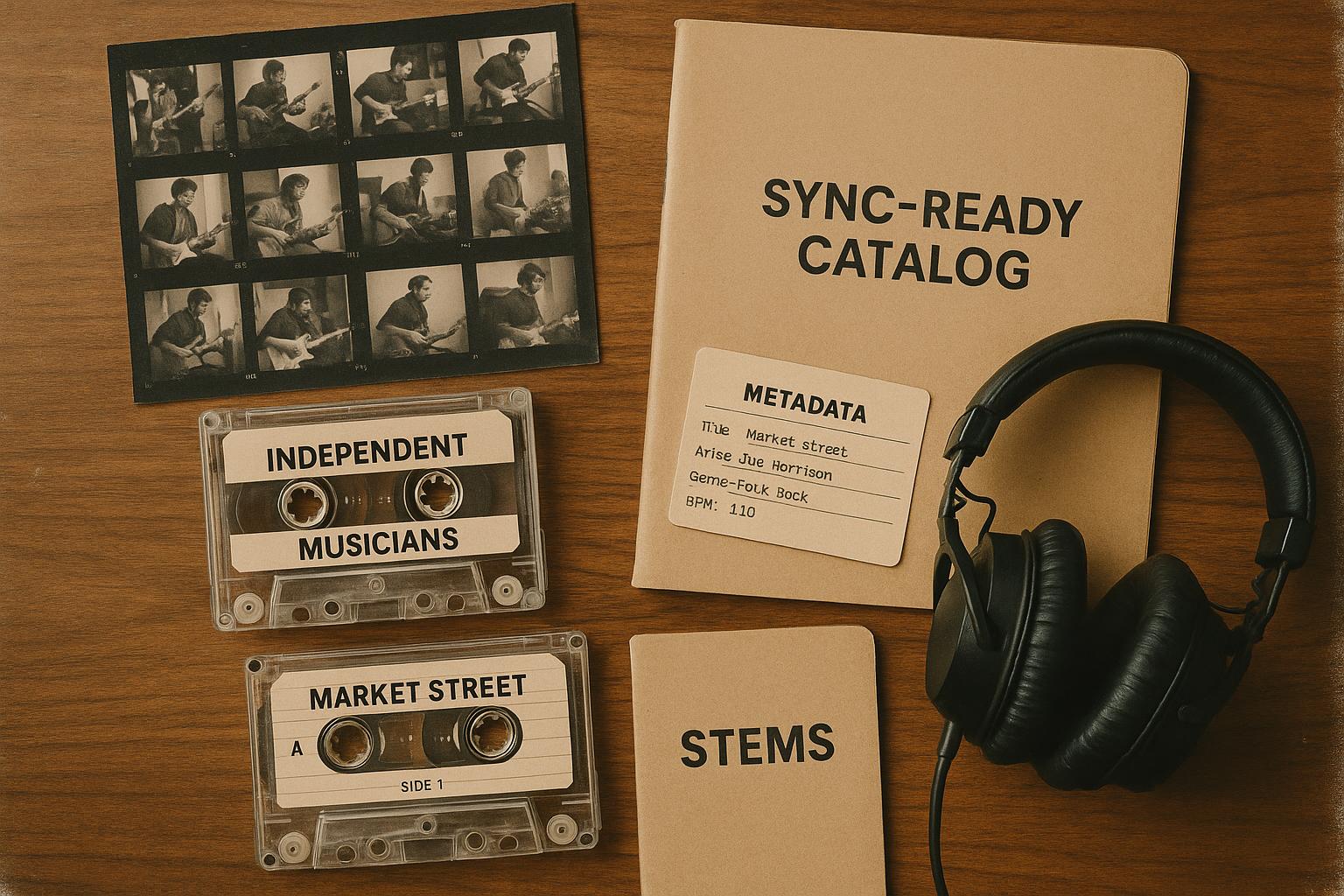
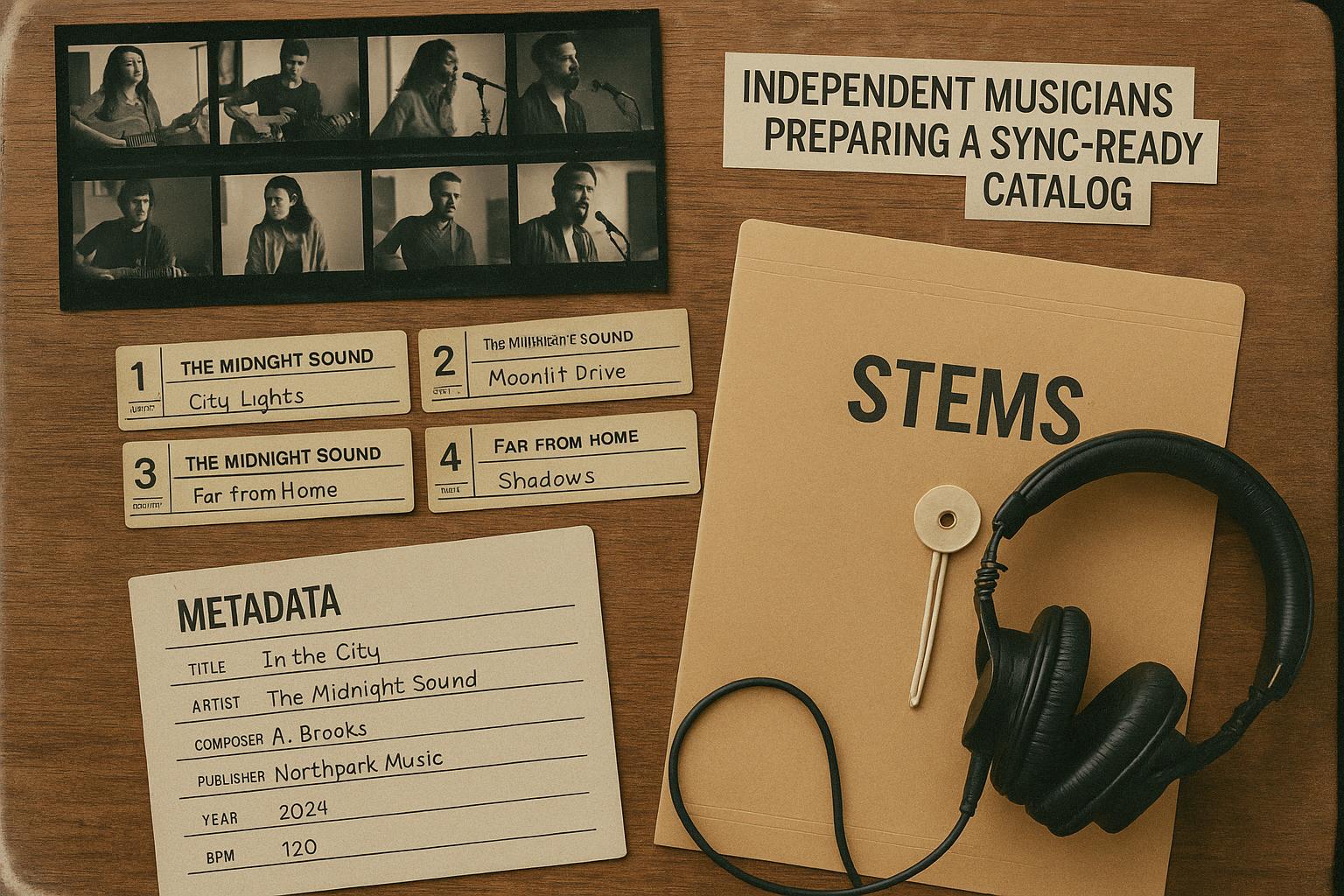
A: Track title, artist name, composer credits, publisher information, ISRC, ISWC, BPM, key, mood, genre, and a precise description of usage rights. Also include scene timing references and cue-length notes to speed up clearance.
Q: How long does clearance typically take, and how can you expedite?
A: Clearance times vary, but prepared metadata, clean ownership documentation, and ready-to-use stems/instrumental versions speed responses. Working with a rights administrator who can manage one-stop clearance and provide ready cue sheets helps reduce turnaround from weeks to days.
Q: How does One World Media help with publishing, sync, distribution, and artist development?
A: We provide a cohesive, end-to-end approach: strategic sync planning, publishing administration, rights management, distribution to DSPs, and ongoing artist development. This integrated model speeds placements, ensures accurate royalty flows, and builds durable, placement-ready catalogs, particularly valuable for producers and writers in Los Angeles and beyond.