Unlock reliable placements with a laser-focused plan for catalogs, metadata, and scalable sync income
In today’s film, television, trailer, and streaming landscape, sync supervisors are looking for music that is ready to clear, easy to pitch, and wired for fast approvals. This article delivers practical, field-tested strategies to help producers build placement-ready catalogs, writers pitch confidently for film and TV, and independent artists tap into recurring sync revenue. As a trusted partner, One World Media offers end-to-end support in sync strategy, music publishing, rights admin, distribution, and artist development, with a particular pulse on the Los Angeles ecosystem where most high‑impact placements originate.
Catalog strategy: building placement-ready catalogs
A well-structured catalog is the backbone of scalable sync income. The aim is to present tracks that match real production briefs, with every file, version, and code pre-cleared and easy to license. A disciplined catalog also speeds up sync supervisors’ review time and increases the likelihood of repeat placements across episodes, promos, and trailers.
- Define target placements: dramas, comedies, reality, trailers, and branded content; map each category to mood, tempo, and instrumentation.
- Audit for readiness: verify owner, license status, and who can grant master and publishing rights; fix any gaps before pitching.
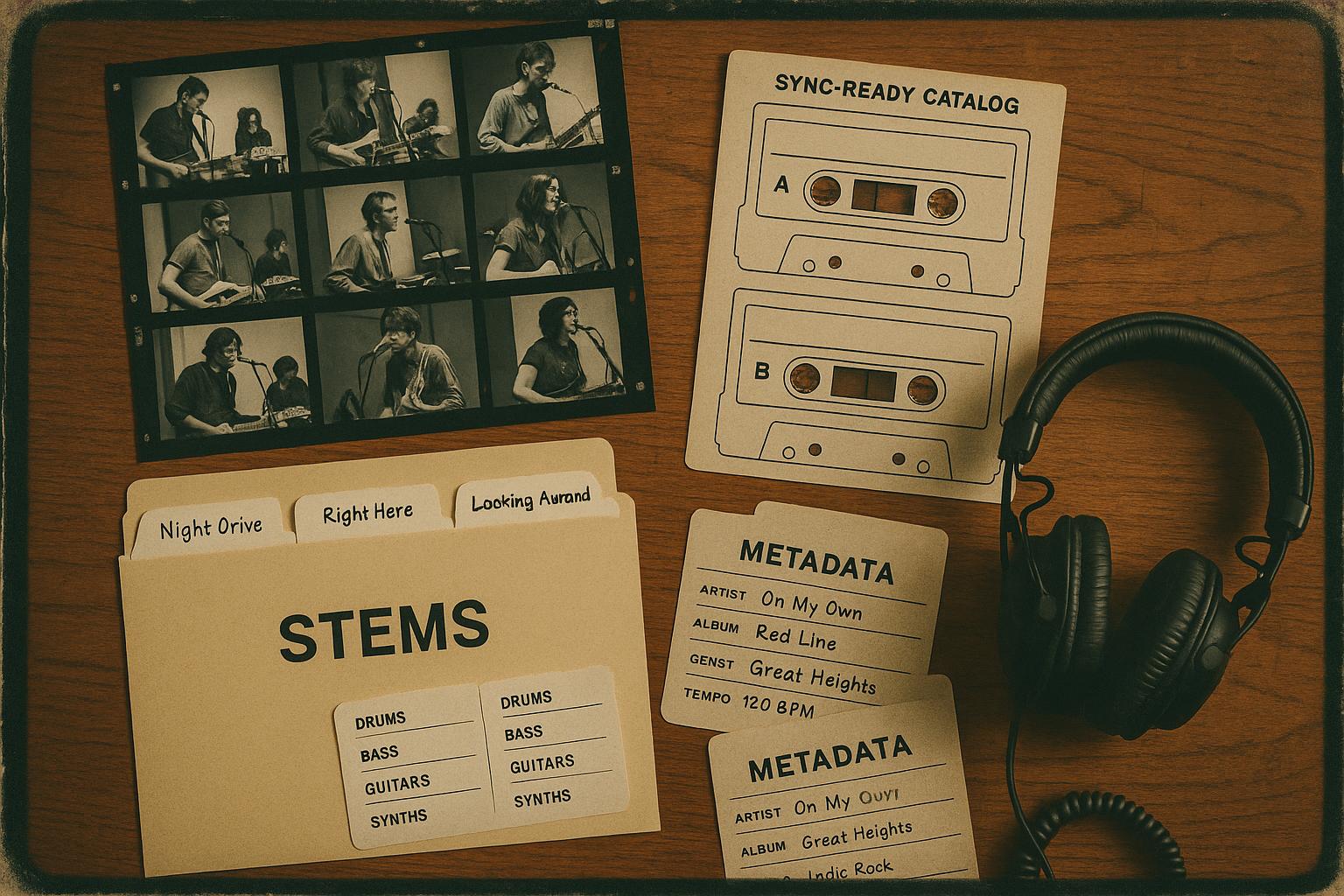
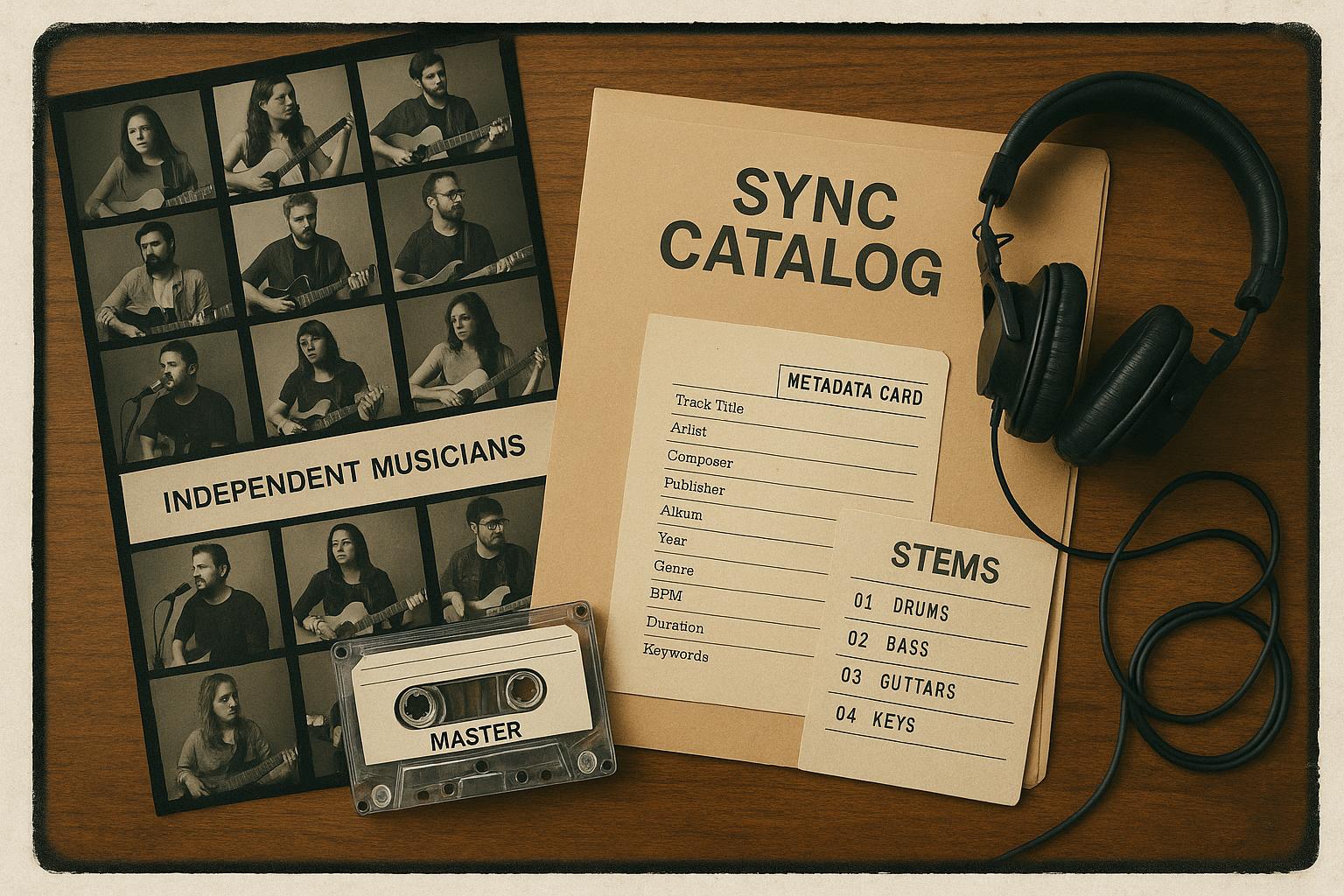
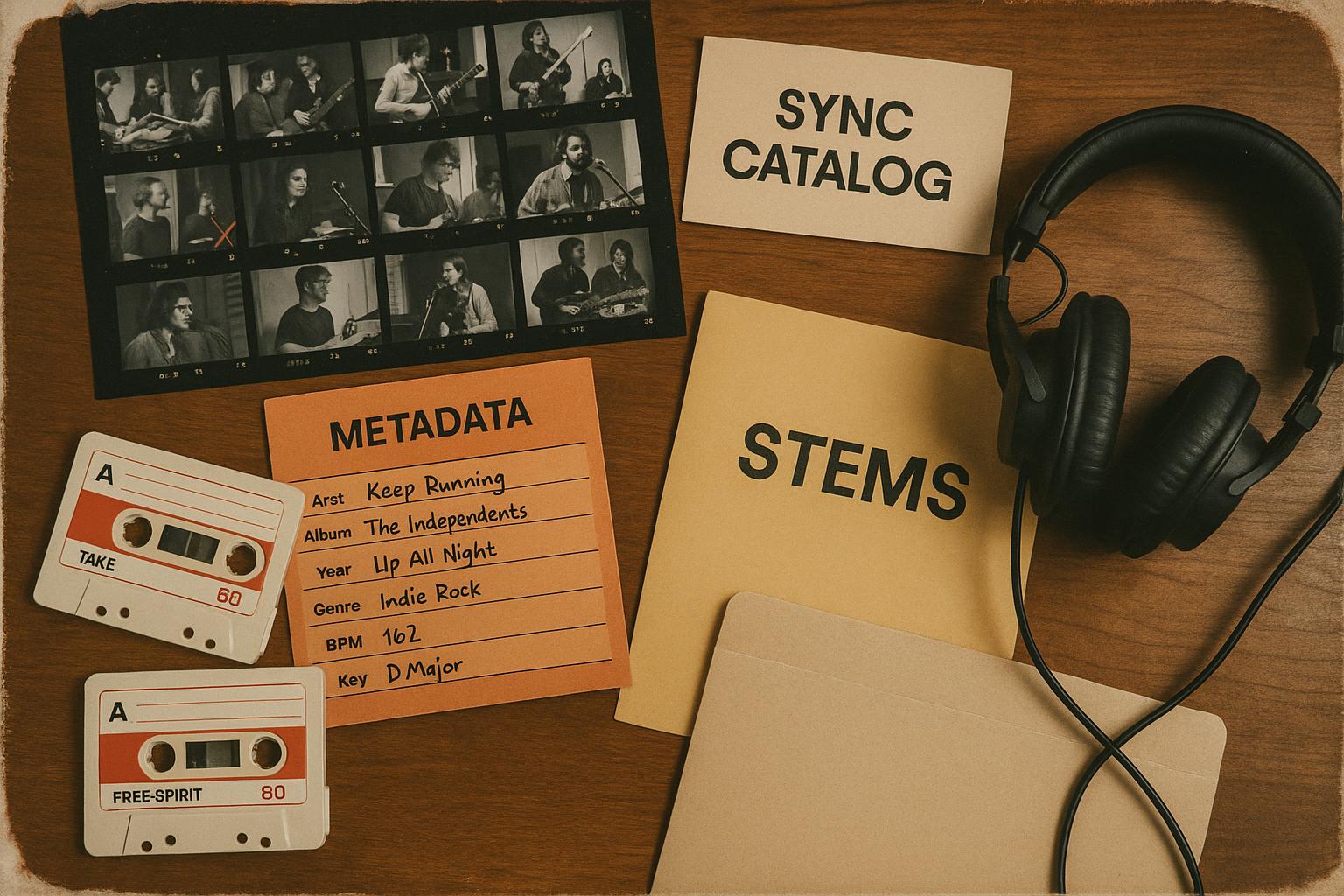
- Versioning discipline: deliver full stems, instrumental versions, and alt mixes (e.g., vocal, piano, and stripped-down beds) to maximize flexibility in post‑production.
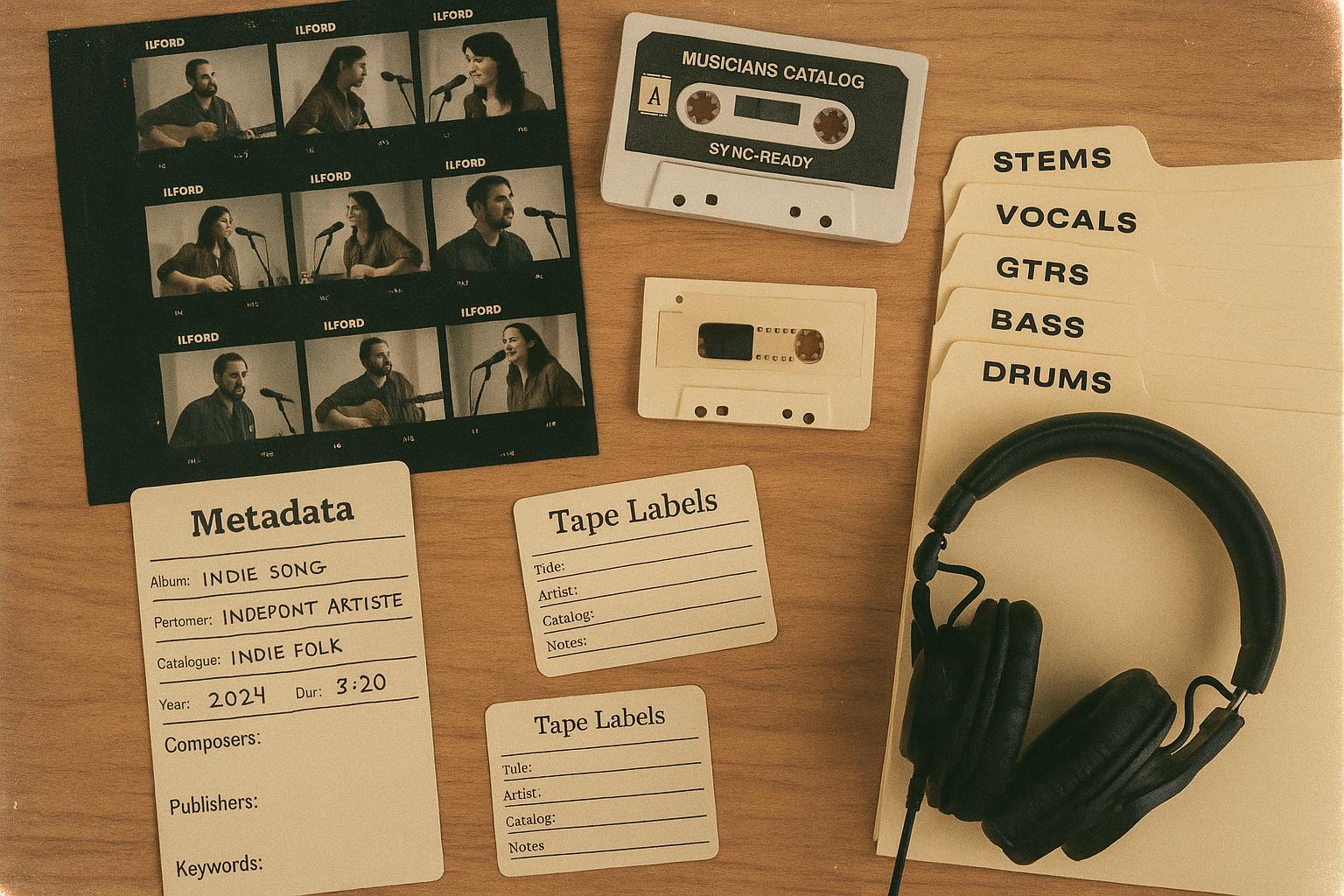
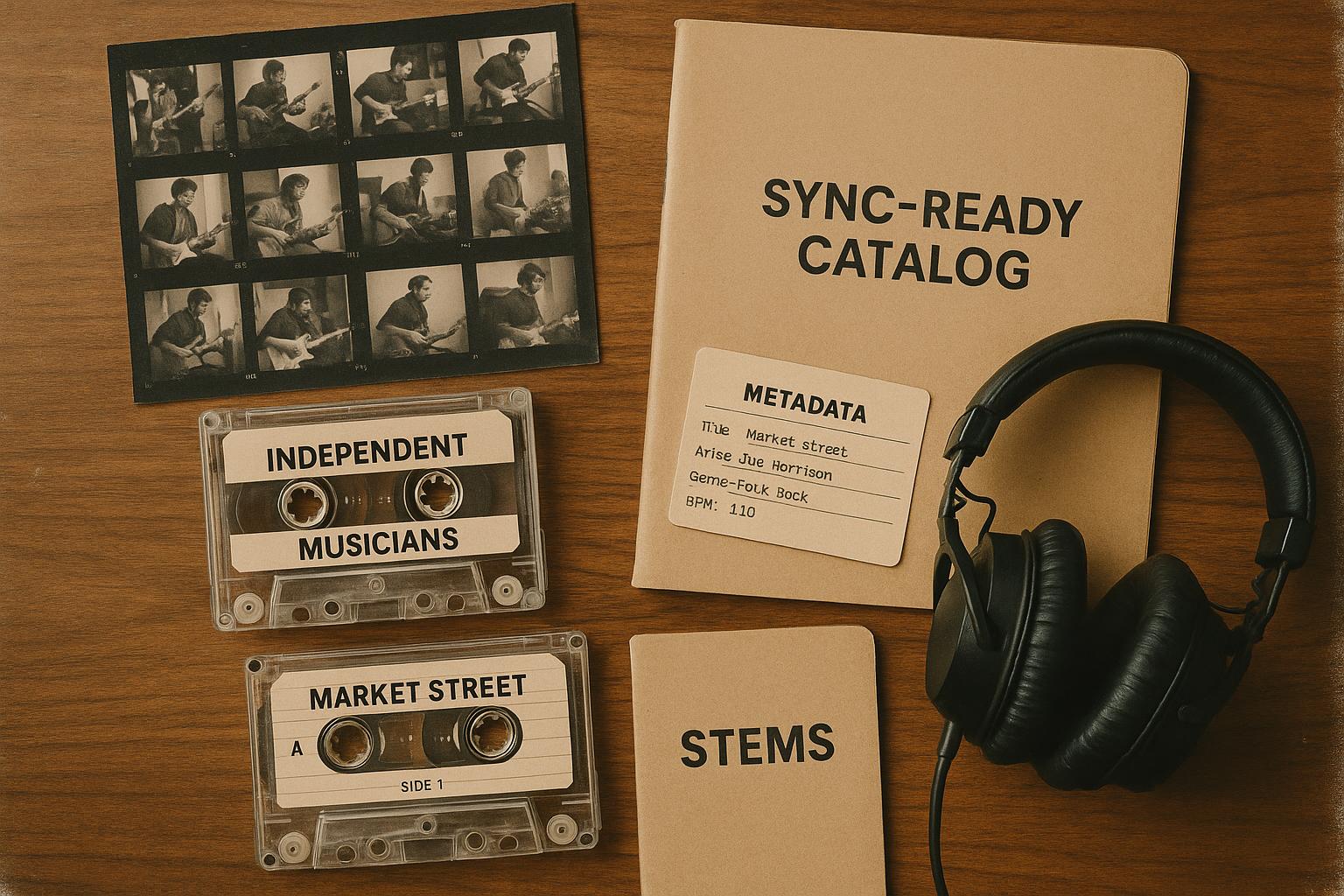
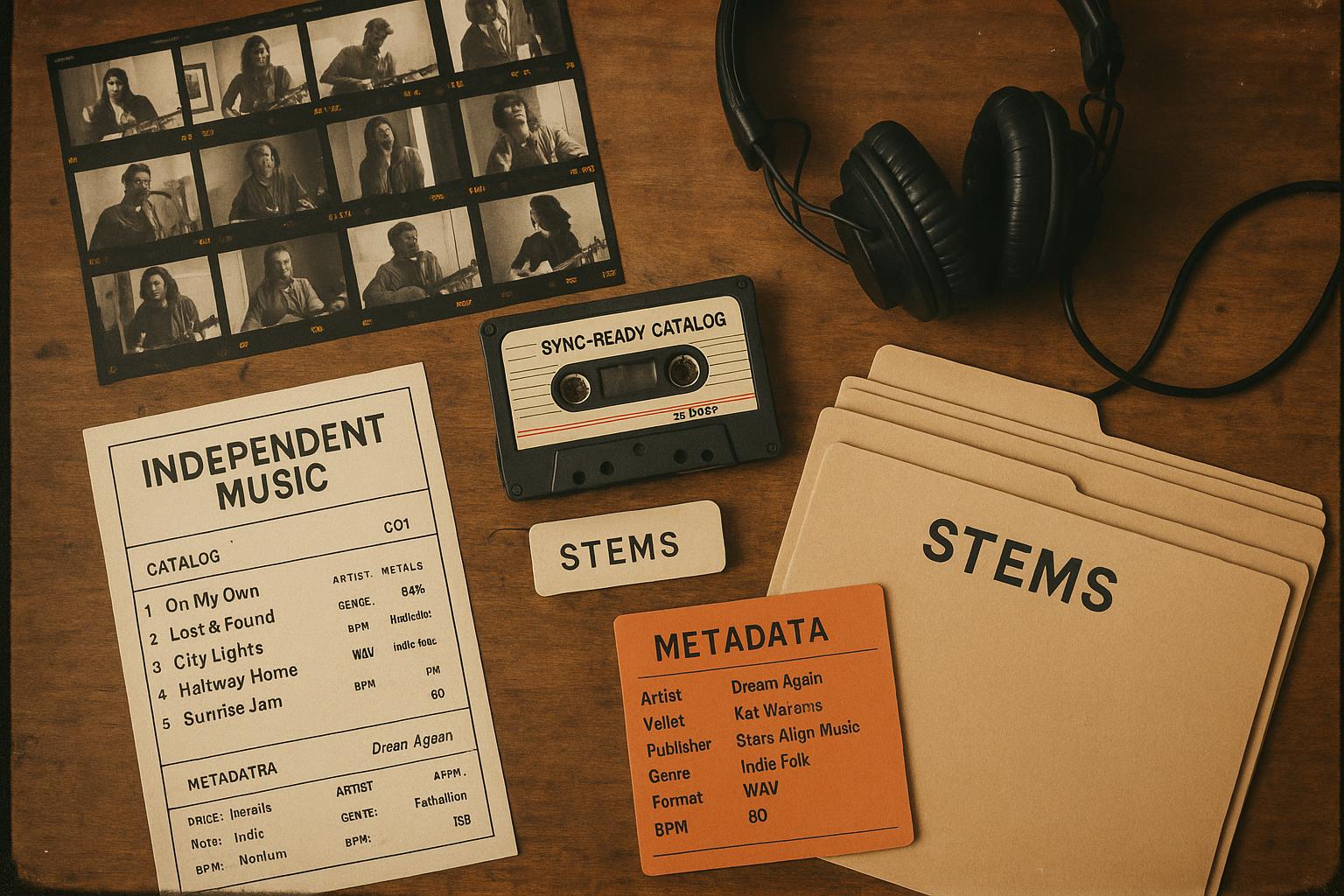
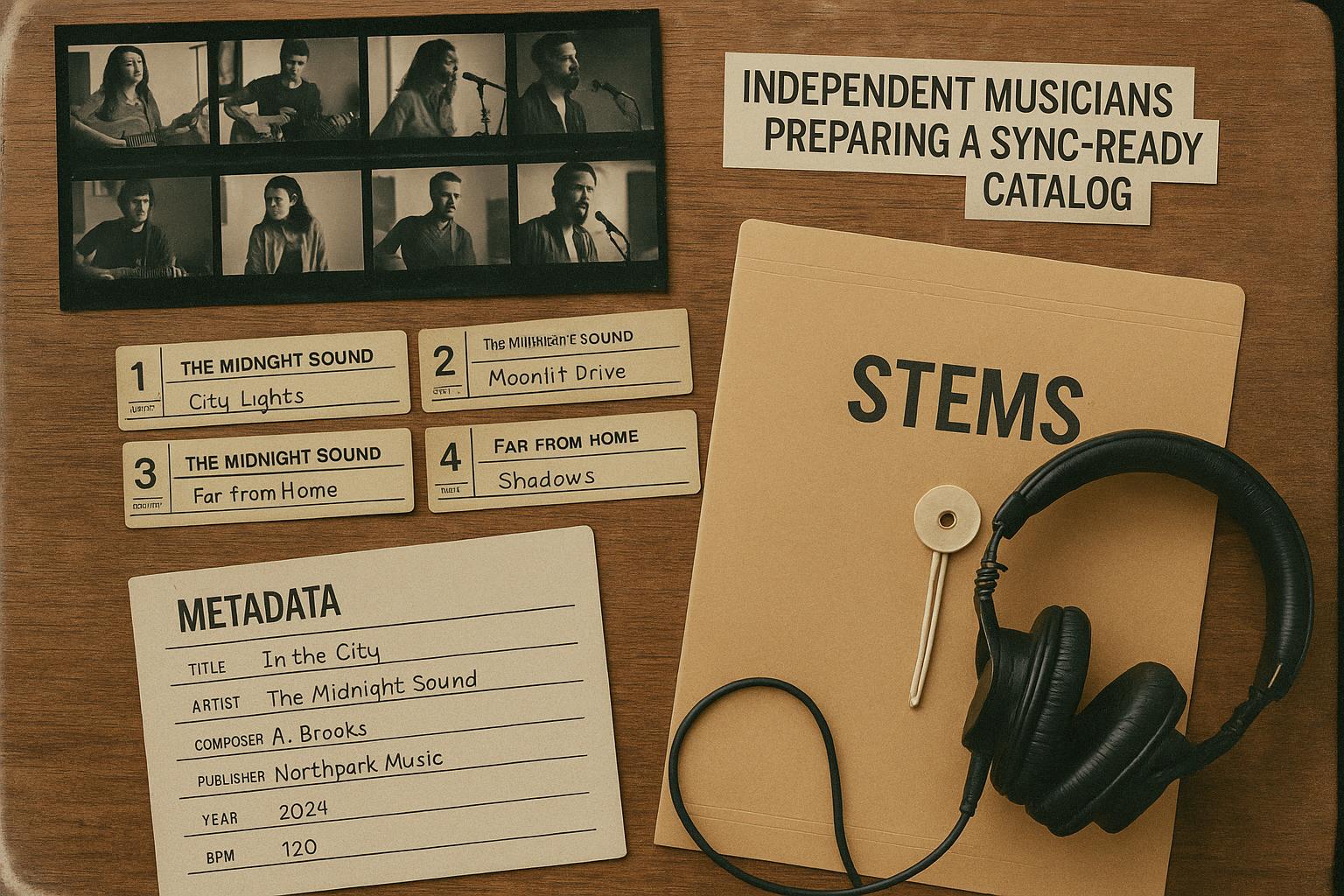
- Metadata hygiene: standardize fields (title, artist, composer, publisher, PRO, ISRC, ISWC, BPM, key, mood, tempo, duration) and ensure consistency across platforms and files.
- Packaging and formats: provide high‑quality WAV/AIFF files, separately labeled stems, and clear cue references; include time-stamped cue notes for editors.
- Rights clarity: attach concise license terms, usage scopes, and any limitations to each track’s metadata packet.
- Ongoing QA and refresh: schedule quarterly catalog refreshes, retire stale cues, and add fresh material aligned with current production briefs.
Case example: In Los Angeles, a boutique production house rapidly cleared a cue from a well‑organized catalog after the sync supervisor saw clearly labeled stems and an instrumental version ready for immediate licensing. The outcome was a fast clearance and two additional placements in the same season, demonstrating how a focused catalog translates to tangible sync income.
What sync supervisors need from artists
To earn repeated placements, sync supervisors expect accuracy, reliability, and deliverables that minimize friction in clearance and editing. Meeting these needs consistently builds trust and increases the chance of ongoing collaborations with producers, editors, and studios.
- Metadata quality: precise track metadata, including correct titles, artist names, composer(s), publisher(s), PRO information, and unique identifiers (ISRC, ISWC) that align with the cue sheets.
- One-stop clearance readiness: clearances that do not require chasing multiple rights holders or ambiguous licenses; where possible, provide a single, consolidated licensing package.
- Alt mixes, stems, and instrumental versions: ready-to-use options for different scenes, intensities, and marketing cuts.
- High-quality deliverables: clean, properly mixed/mastered tracks with appropriate loudness and headroom; include reference notes for editors.
- Fast turnaround: the ability to respond to requests for new edits, timings, or file re-delivery within tight deadlines (often within 24–72 hours).
- Cue sheet readiness: prepared cue sheets or a clear process to generate them promptly after an approval, ensuring accurate royalty tracking.
Rights and readiness: split sheets, ownership clarity, PRO registration, ISRC/ISWC metadata, and cue sheets
Rights clarity is the engine that powers smooth licensing. When all essential rights data is correct from the outset, negotiations move faster and the risk of post-approval disputes dwindles. This section outlines the concrete elements you should have aligned before you start pitching aggressively.
- Split sheets and ownership clarity: document who owns the master, who owns the publishing, and how royalties are split; ensure all parties sign off on the terms before licensing.
- Master vs. publishing ownership clarity: distinguish between mastering rights and publishing rights, and confirm who has agency to authorize licenses for the intended usage.
- PRO registration: register or verify composer and publisher information with appropriate PROs (e.g., ASCAP/BMI/CSAD) and keep data synchronized with metadata packets and cue sheets.
- ISRC/ISWC metadata: ensure each master track has an ISRC and each publishing track has an ISWC, and that these identifiers are embedded in audio files and metadata records.
- Cue sheet importance: create and submit accurate cue sheets for TV episodes, films, trailers, or streaming campaigns to accurately report usage and royalties.
Producer/songwriter collaboration workflows that increase placement success
Successful collaborations reduce back‑and‑forth, accelerate delivery, and improve the odds of a placement. The following workflow combines practical project practices with rights and metadata discipline so you can ship ready-to-pitch music that sync supervisors can act on quickly.
- Start with a precise brief: gather show context, target scene type, mood, tempo, and any required sizzle cues; document intended license scope and deadlines.
- Create a collaboration charter: agree on rights ownership, splits, delivery formats, and metadata standards; store the agreement in a shared, version-controlled workspace.
- Set up a production template: pre-create track templates with fields for title, tempo, key, mood, stems, and alt mixes; attach a standard cue note and license terms.
- Version control and file naming: implement a consistent naming convention for stems, mixes, and master files; include ISRC/ISWC references in filenames as appropriate.
- Metadata at the source: embed or attach complete metadata in every file package; ensure export metadata matches catalog records and cue sheets.
- Deliver ready-to-pitch files first: provide high‑quality stems and instrumental versions, plus brief cut-down edits tailored to typical 15–30 second promo spots.
- Pilot quick-turnaround pitches: for each target brief, supply a 1–2 sentence pitch with screenshot references of how the cue would align with the scene.
- Loop in the sync supervisor early: share a draft version of the cue and solicit feedback before final mastering; update versions promptly based on notes.
Case example: A Los Angeles–based writer-producer team followed this workflow for a season‑opening trailer cue. By delivering a fully labeled stem set, alt mix, and a 20‑second cut with a ready cue sheet, they secured a placement within 10 days of submission and opened a pathway for a second trailer in the same campaign.
FAQ
Q: How long does it typically take to land a placement after submitting a catalog?
A: Timing varies by production cycle and network urgency. For well-prepared catalogs with complete metadata, pitch materials, and ready-to-clear rights, initial opportunities can materialize in as little as 2–6 weeks, with larger series and streaming campaigns sometimes taking longer due to approvals and legal review.
Q: What metadata fields are essential for syncing music to on-screen content?
A: Core fields include title, artist, composer, publisher, PRO, ISRC for the master, ISWC for publishing, tempo, key, mood, duration, and licensing terms; plus clear credits and contact information. Consistency across all platforms and cue sheets is critical to prevent royalty leakage.
Q: How can I speed up clearance and approvals?
A: Keep metadata clean and consistent, ensure you have a one-stop clearance or clearly documented rights holders, deliver stems and instrumental versions, provide quick turn-around files in standard formats, and maintain a straightforward licensing one-pager that editors can reference without delay. Working with a trusted partner like One World Media can streamline publishing, rights admin, and distribution so your catalog stays "pitch-ready."
Q: How can One World Media help with publishing, sync, rights admin, distribution, and catalog development?
A: We offer end-to-end services designed for speed and scale: strategic catalog development tailored to placement opportunities, comprehensive publishing administration and rights management, proactive sync strategy, targeted distribution to licensing markets, and artist development programs that align songwriting and production with industry demands—complemented by a Los Angeles‑centric network of editors, music supervisors, and producers.
Contact One World Media
For more information, please contact us at support@oneworldmedia.global or call (307) 200-8139.