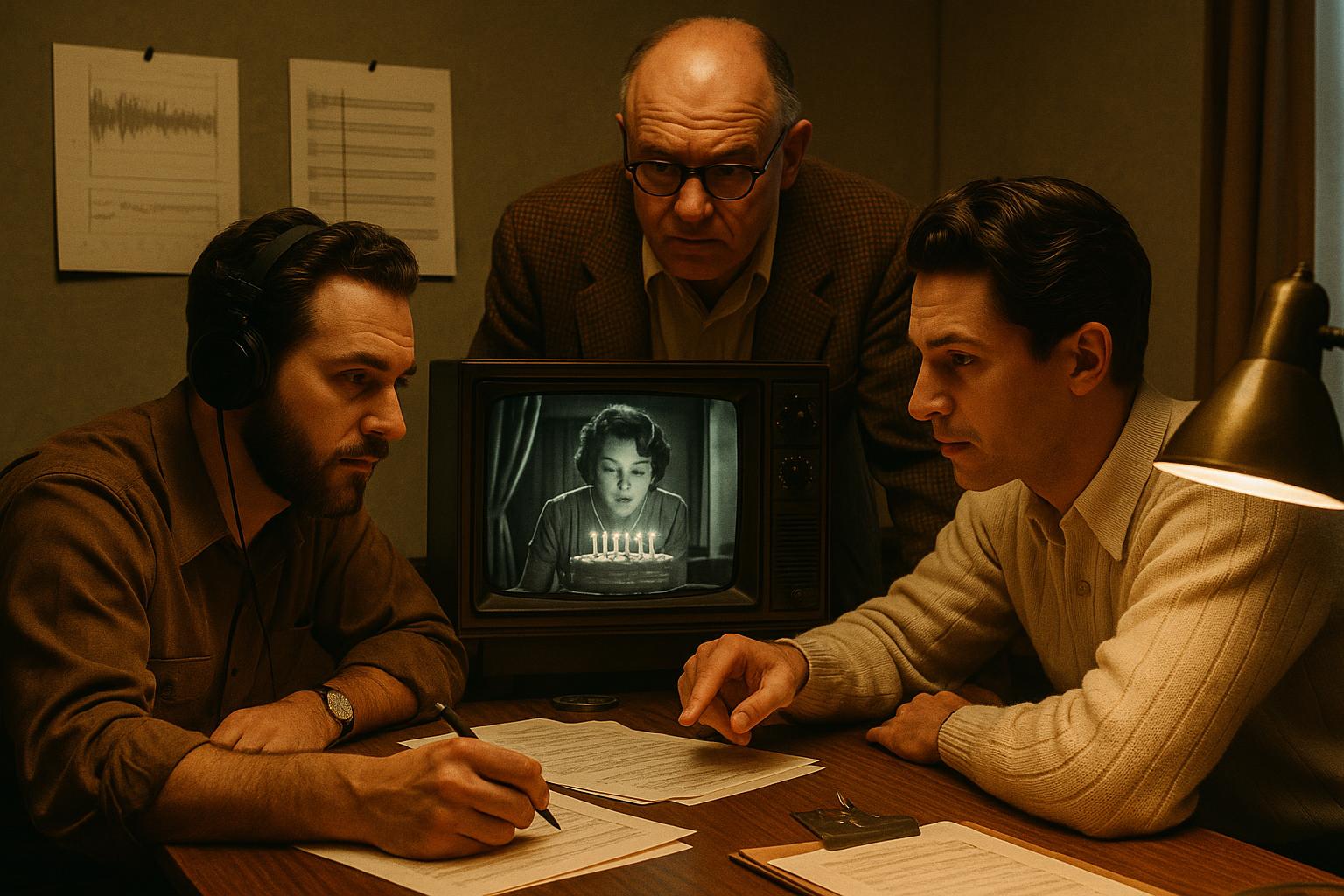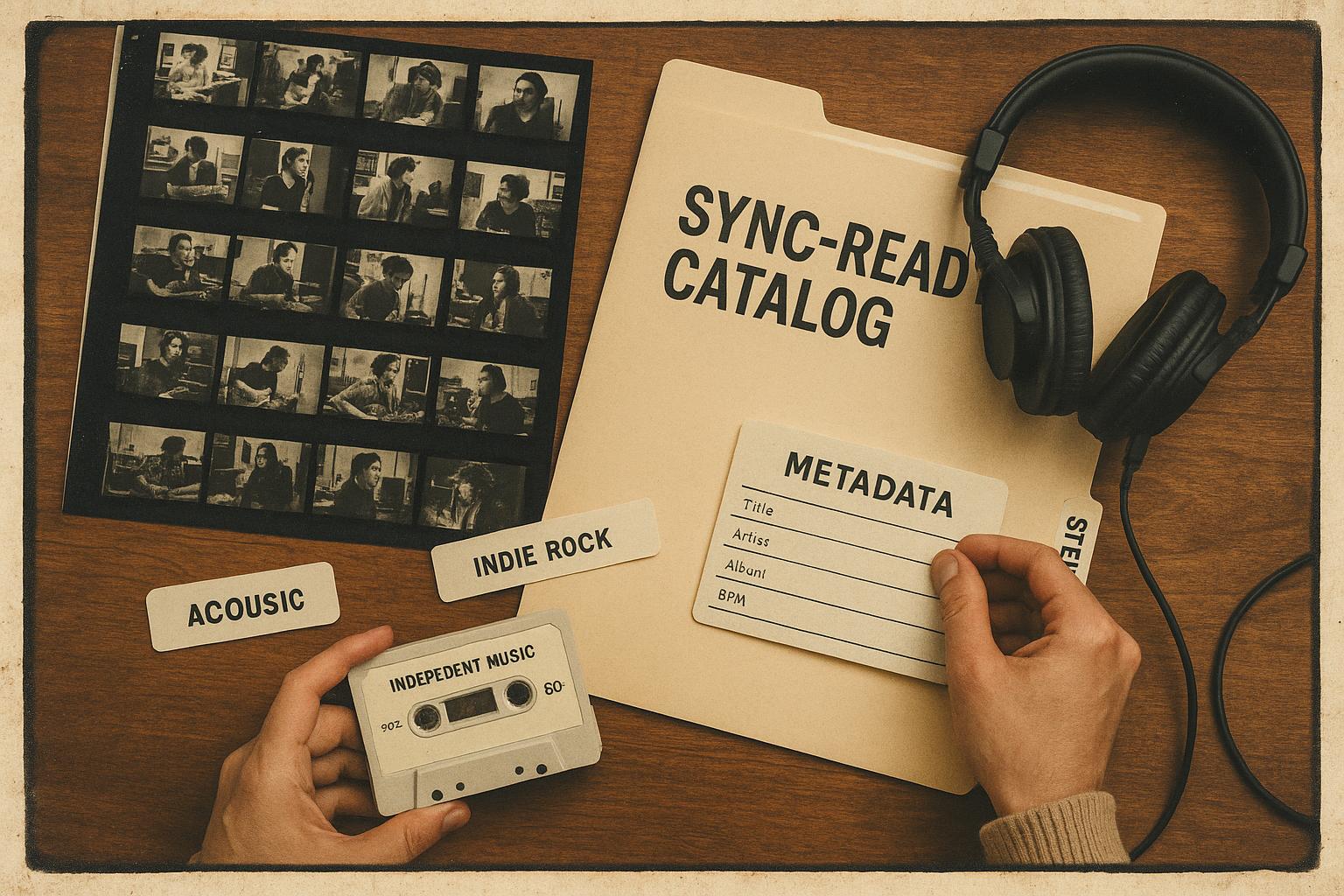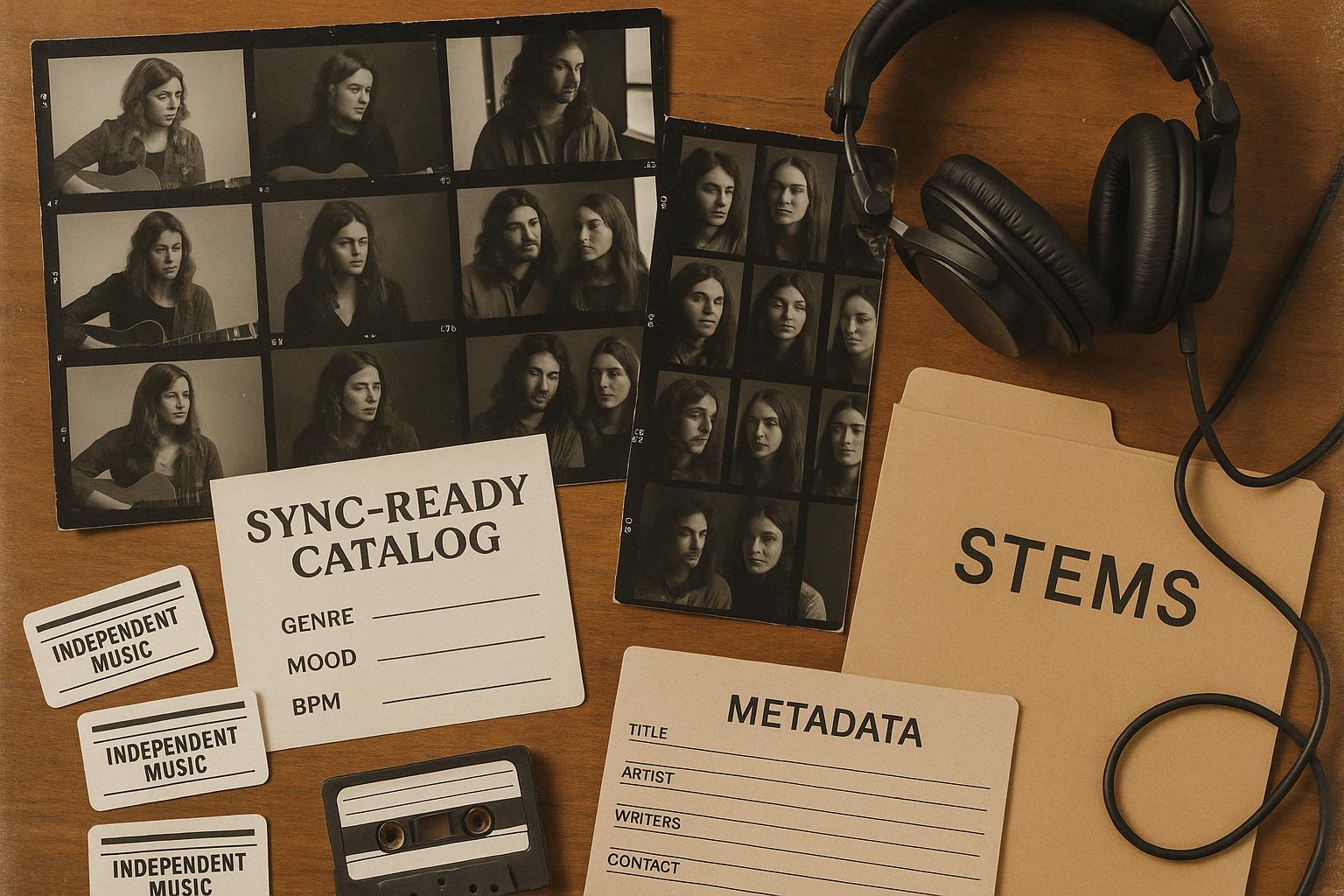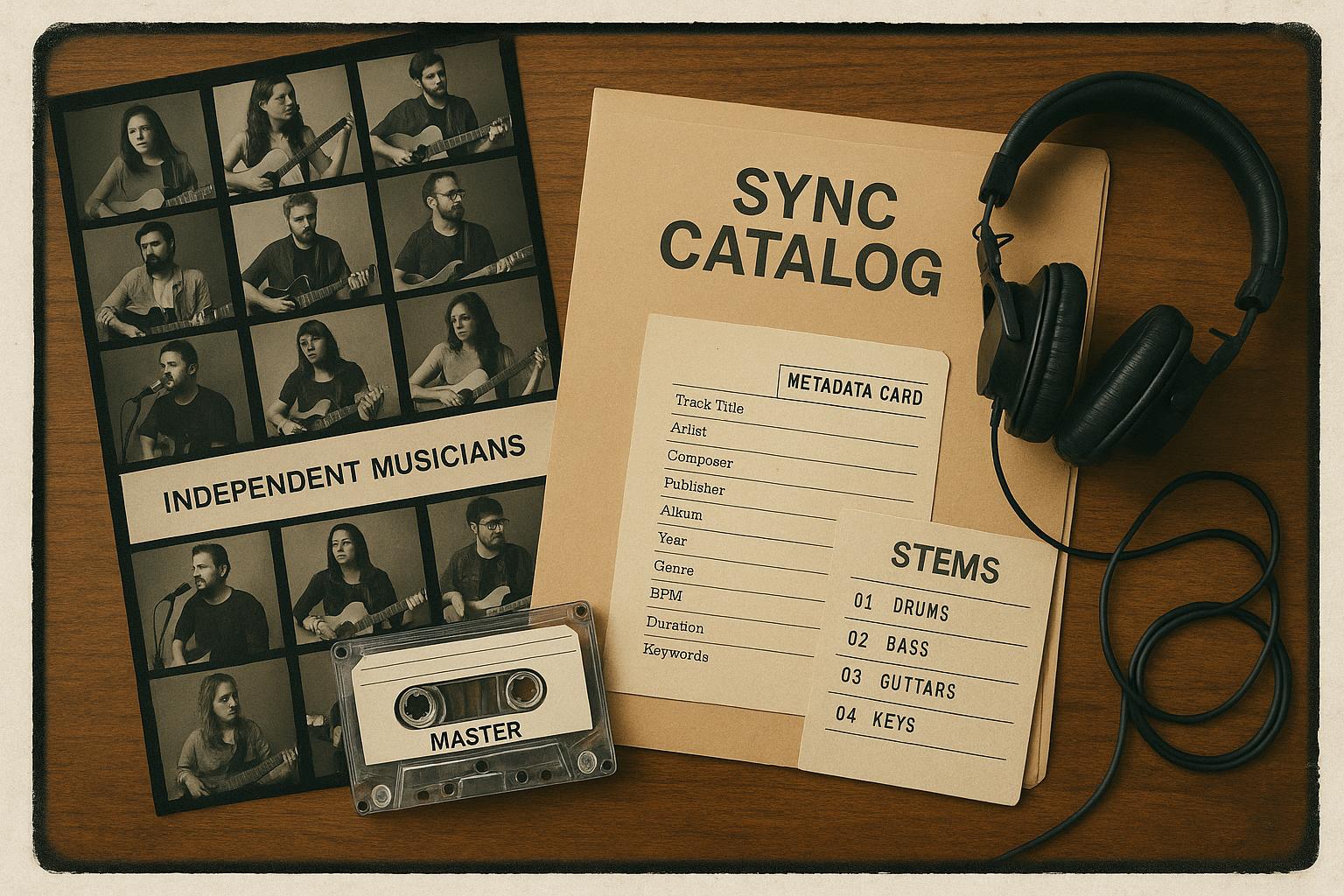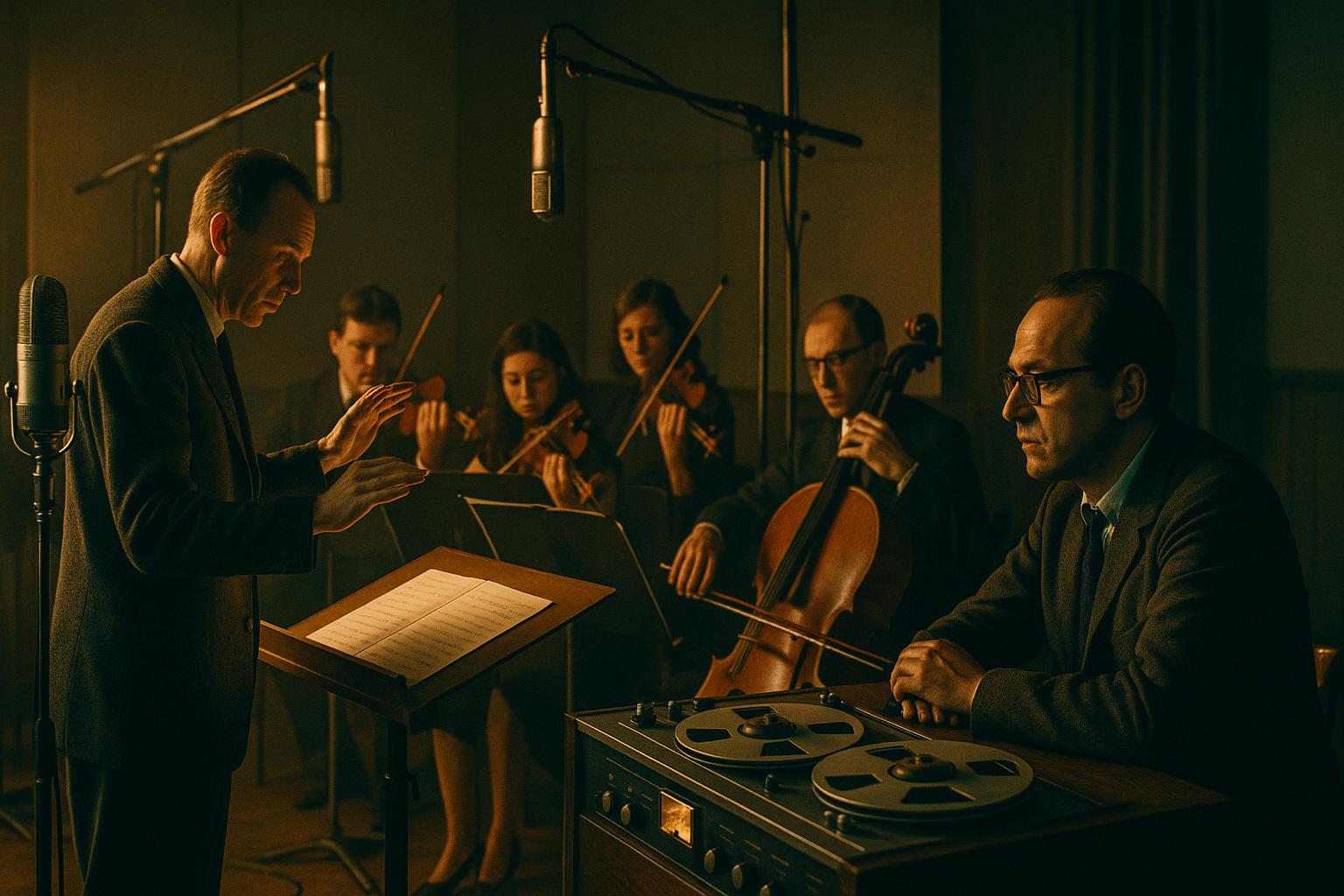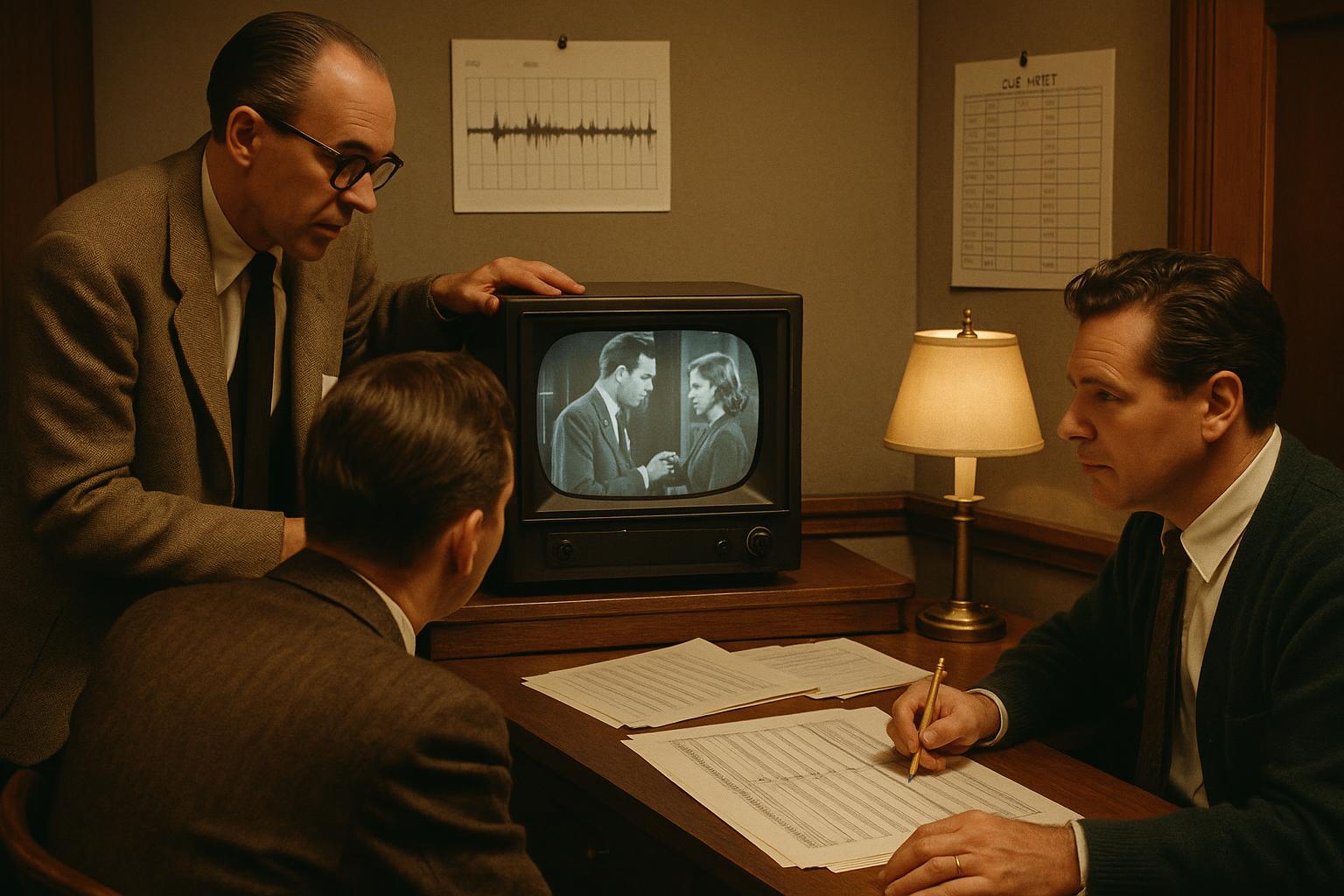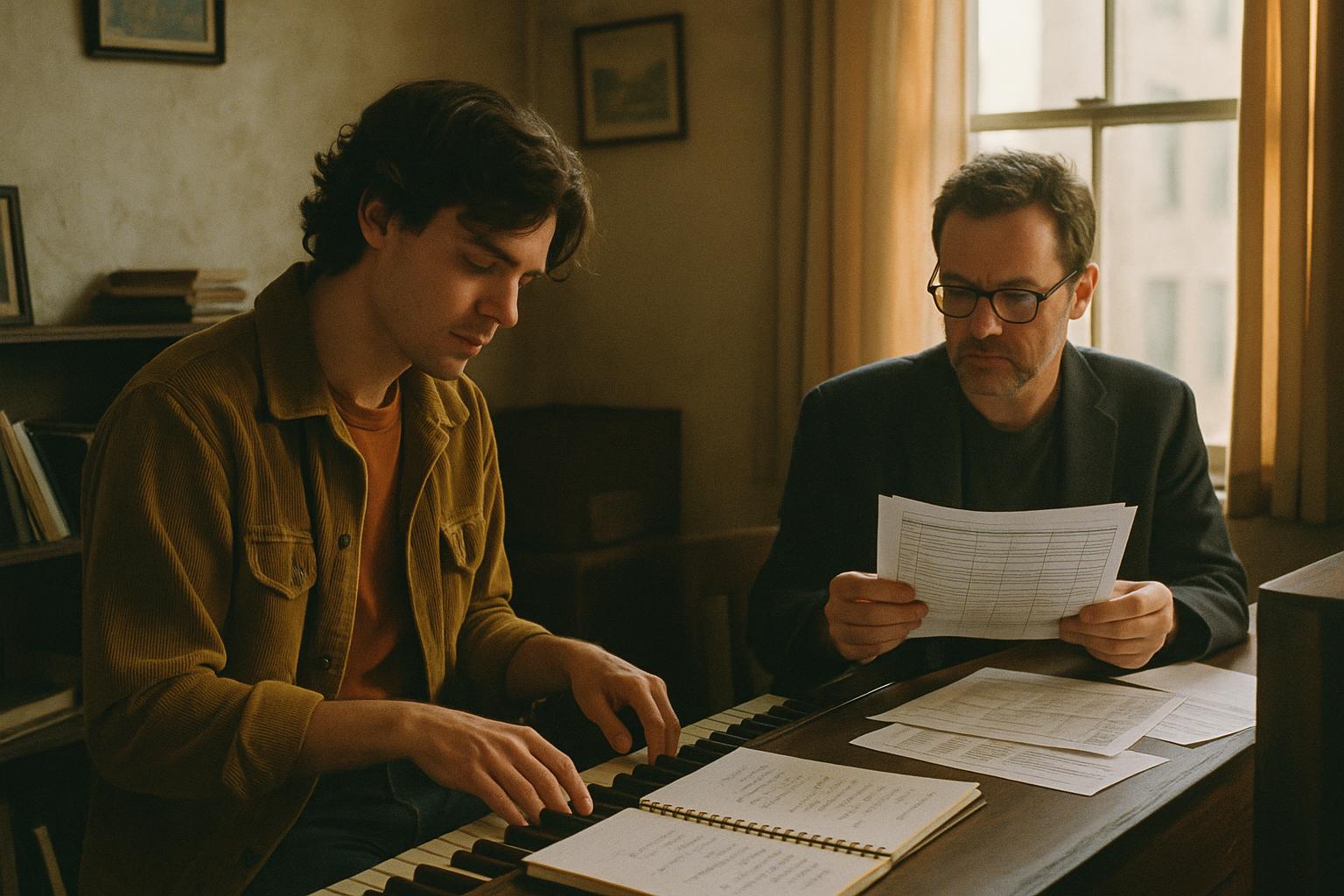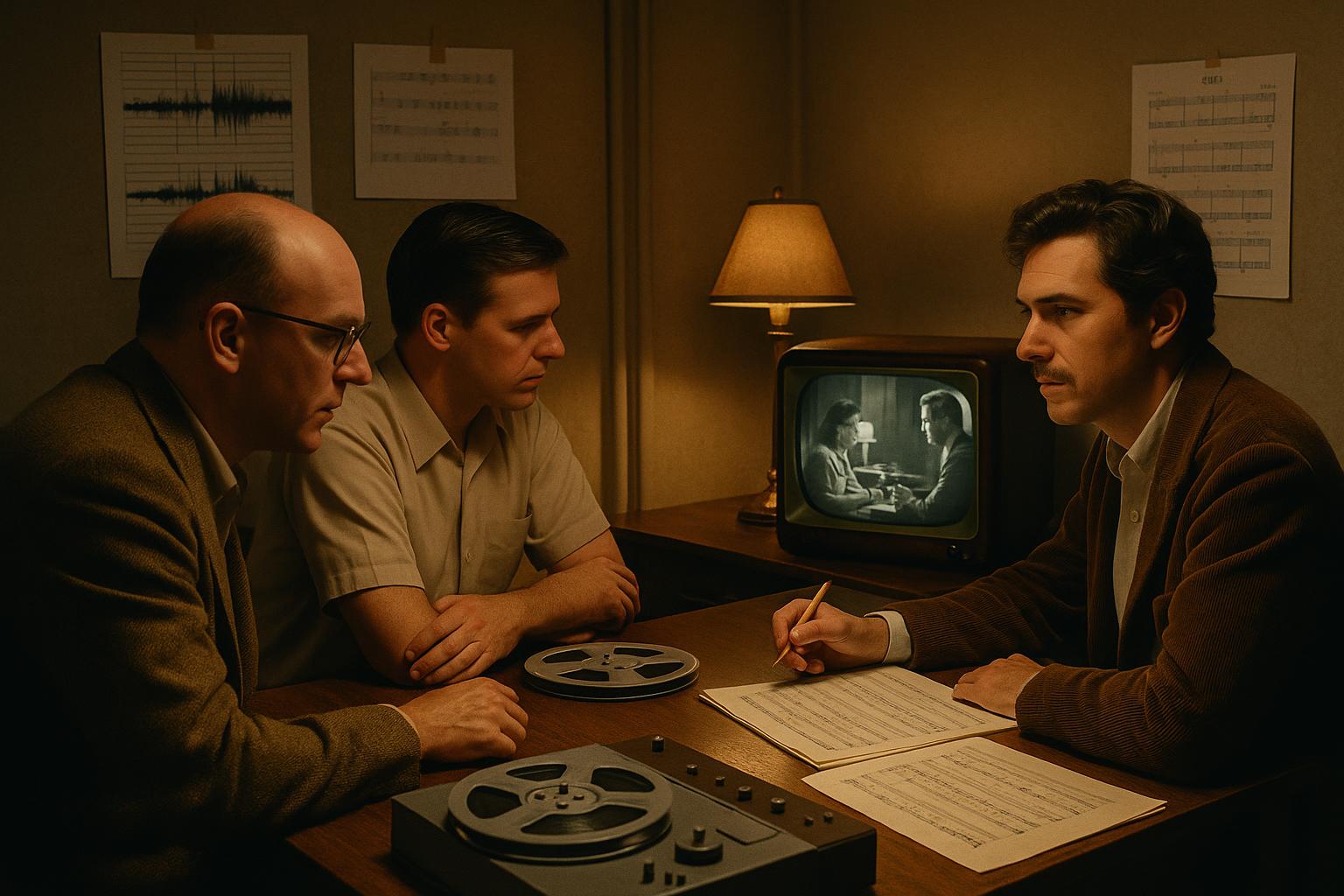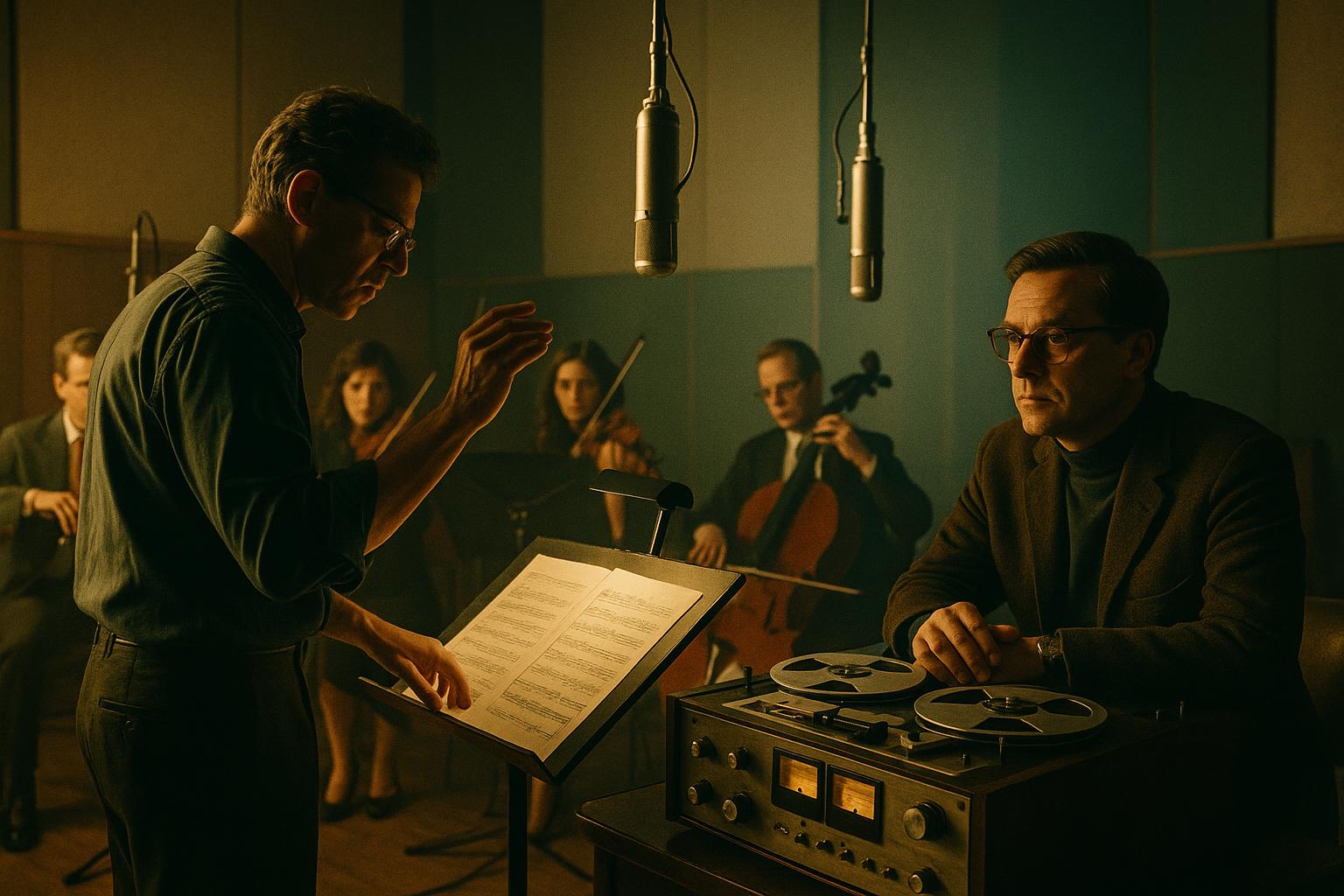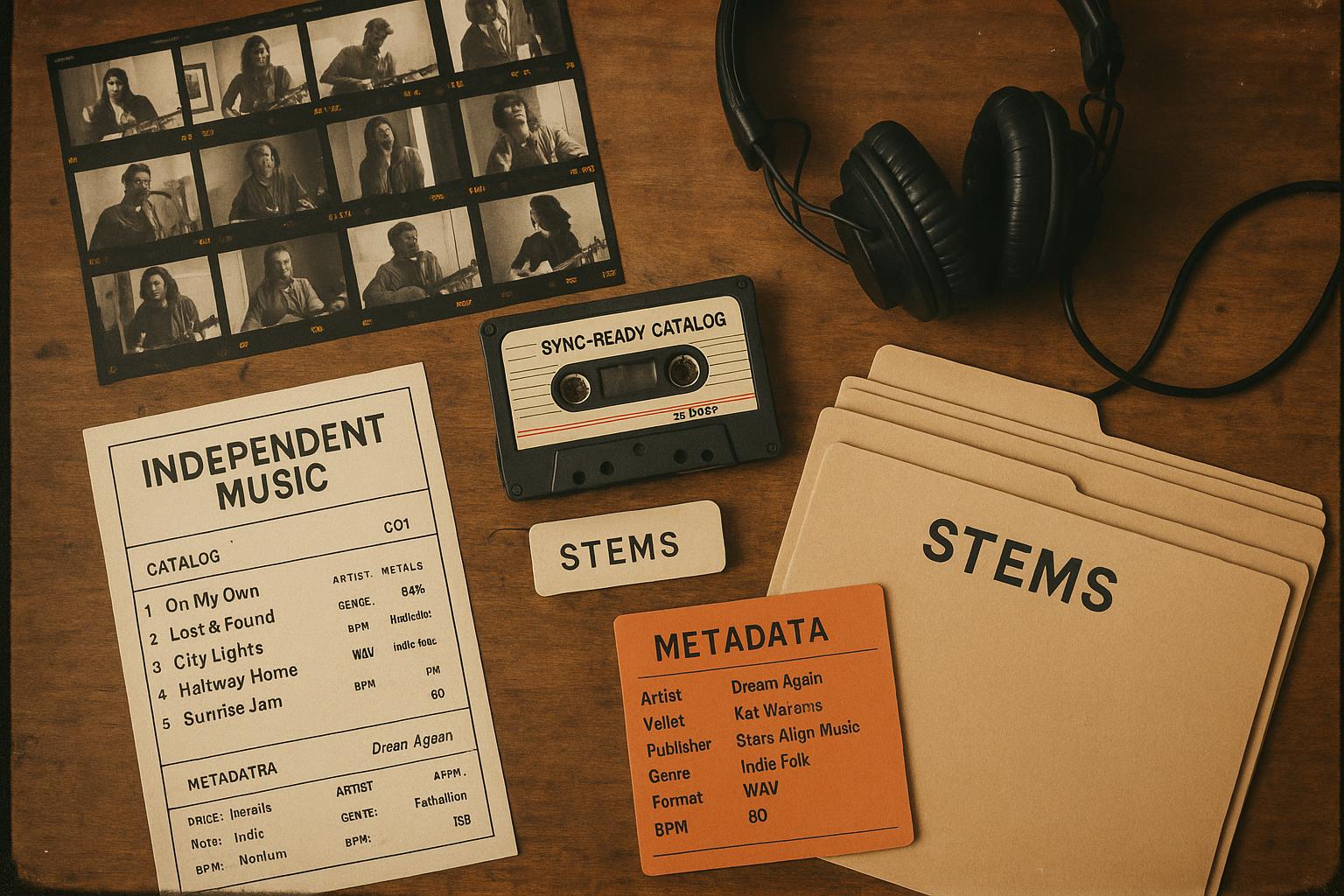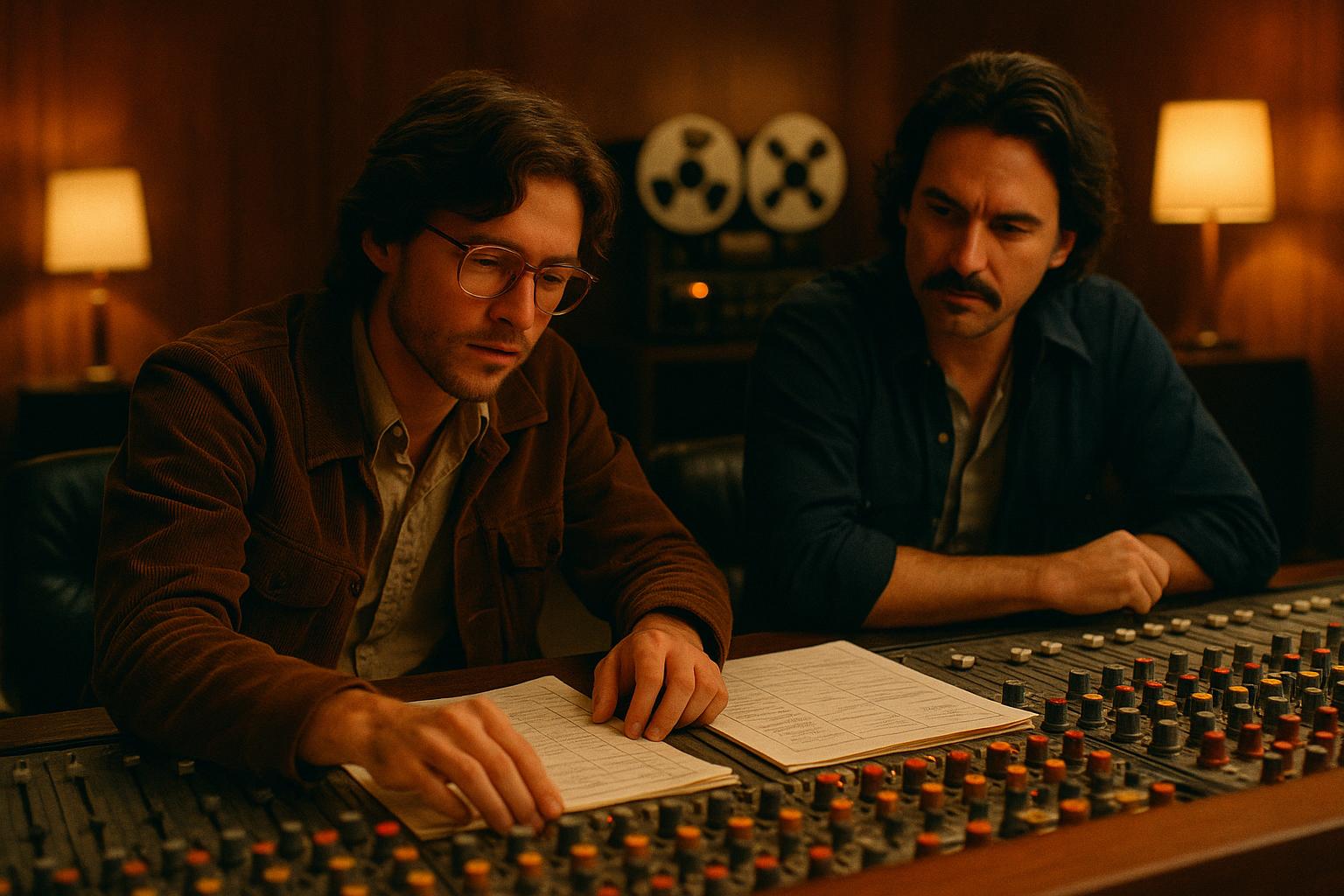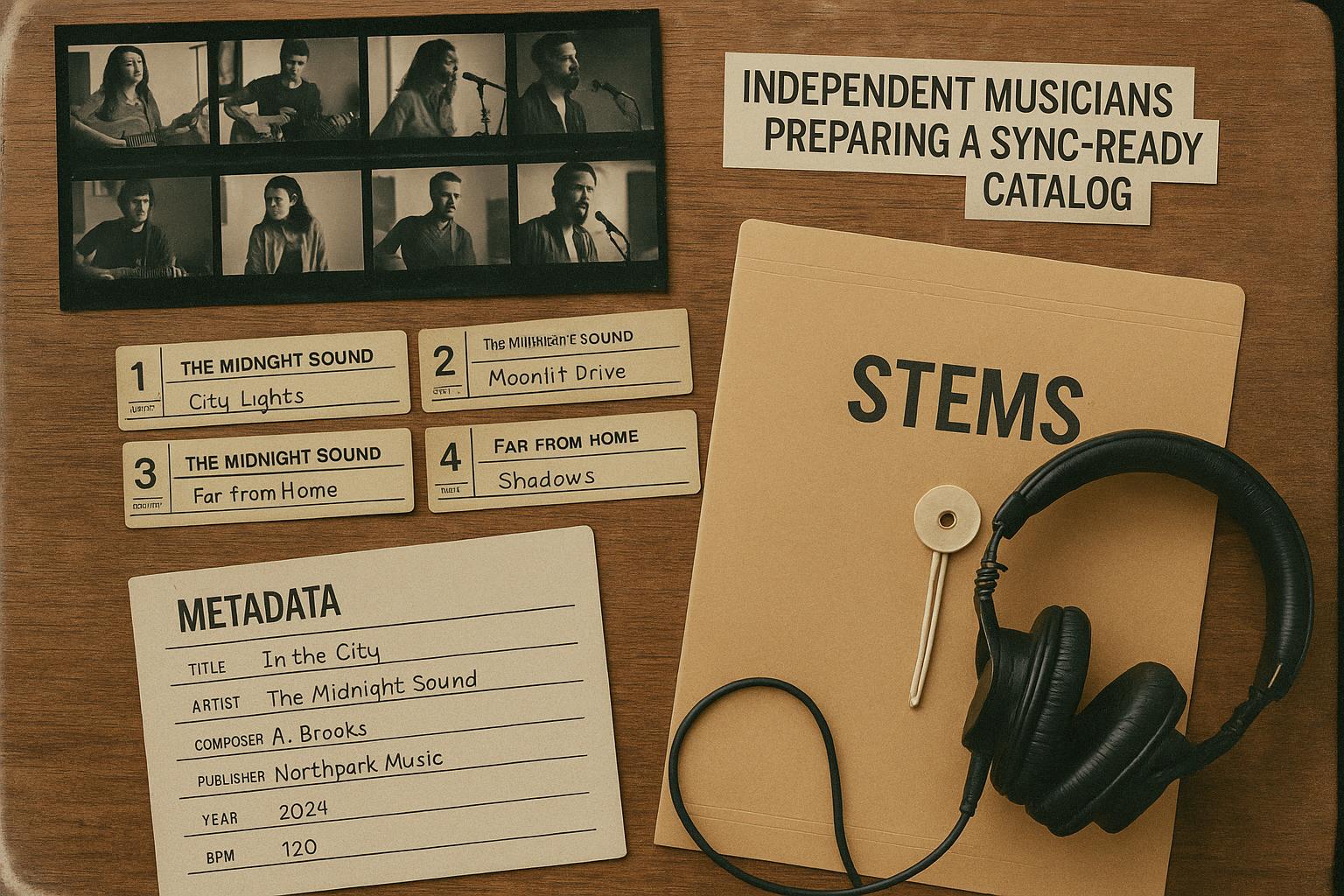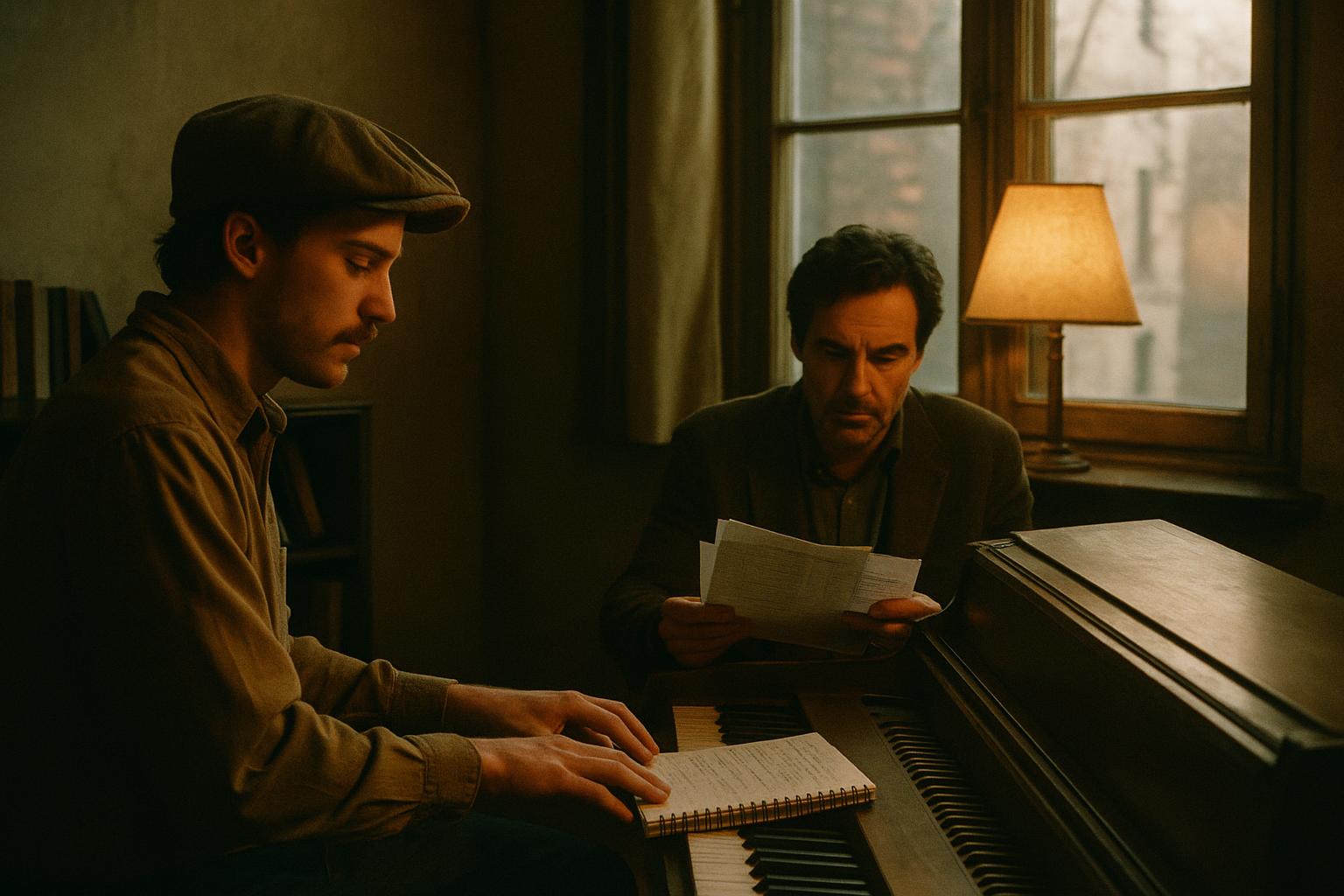
For producers building placement-ready catalogs and songwriters pitching for film and TV, a solid framework of Music business contracts is your fastest lane to clearances, recurring sync income, and long-term catalog value. This guide blends practical, actionable steps with a strategic view of publishing, sync, distribution, and catalog development — with One World Media as your partner in organizing metadata, securing rights, and delivering ready-to-license music across all media, including the Los Angeles production ecosystem.
Contracts aren’t just legal guardrails; they are the operating system for your placements. Clear agreements help you:
In practice, a well-structured contract set supports every stage of the lifecycle—from creation and registration to clearance and distribution. By aligning your internal workflows with external expectations (sync strategy, publishing, rights admin, distribution, and artist development), you position your catalog as a reliable partner for film, TV, trailers, ads, and streaming content. This is especially important in Los Angeles, where the pace of production demands clear language, predictable terms, and immediate readiness.
Rights readiness is the backbone of fast, reliable placements. Before you pitch, verify and document the following elements:
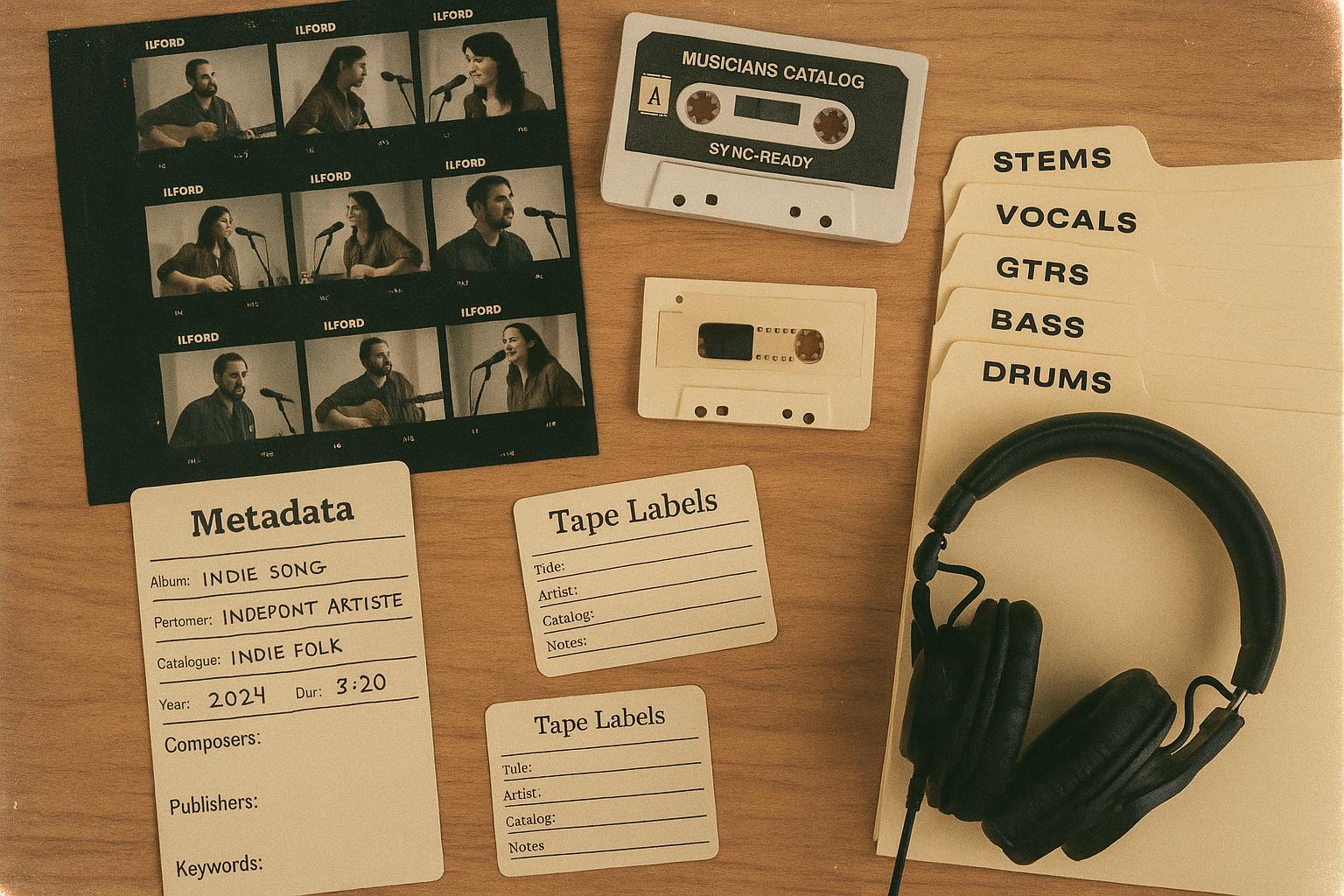
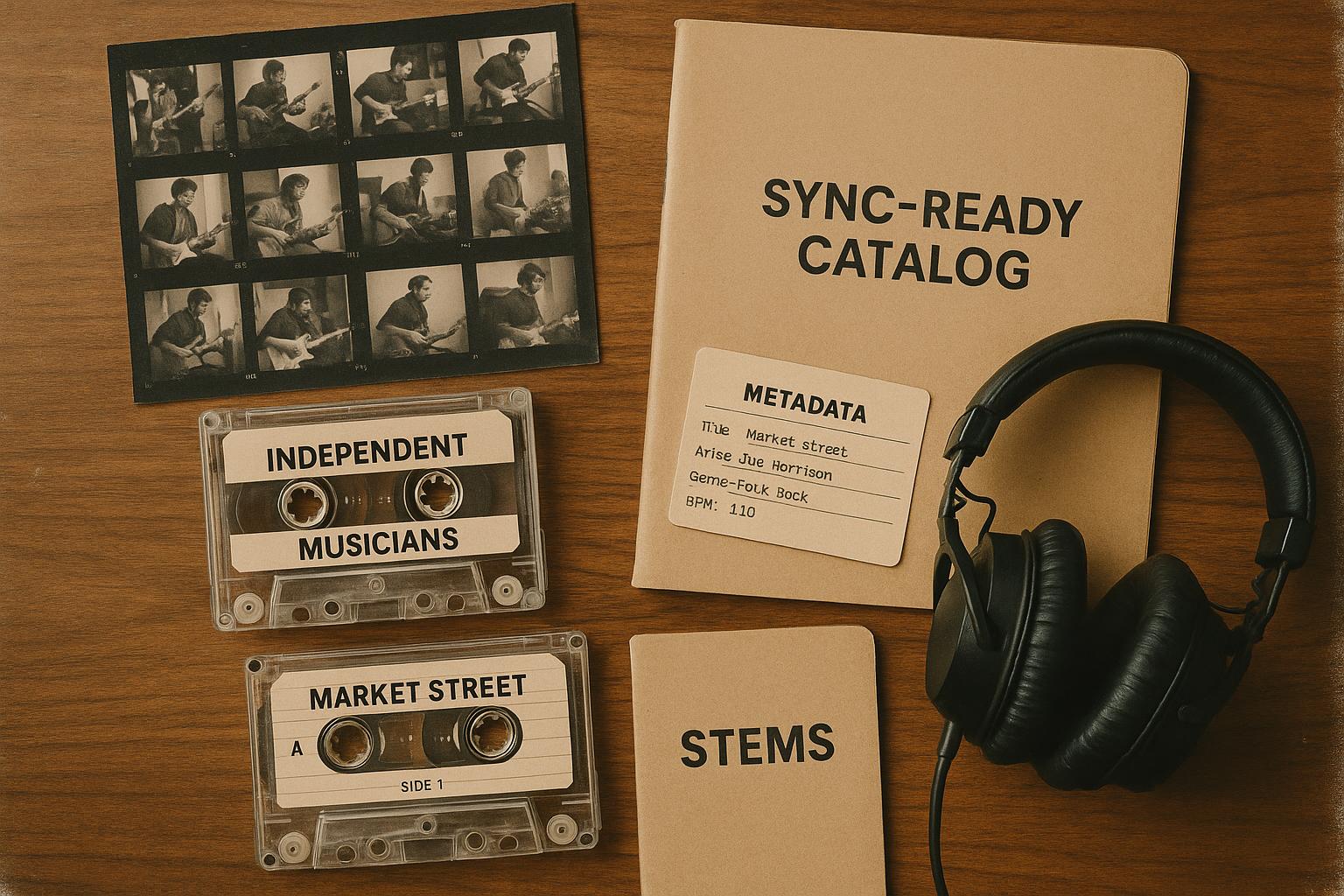
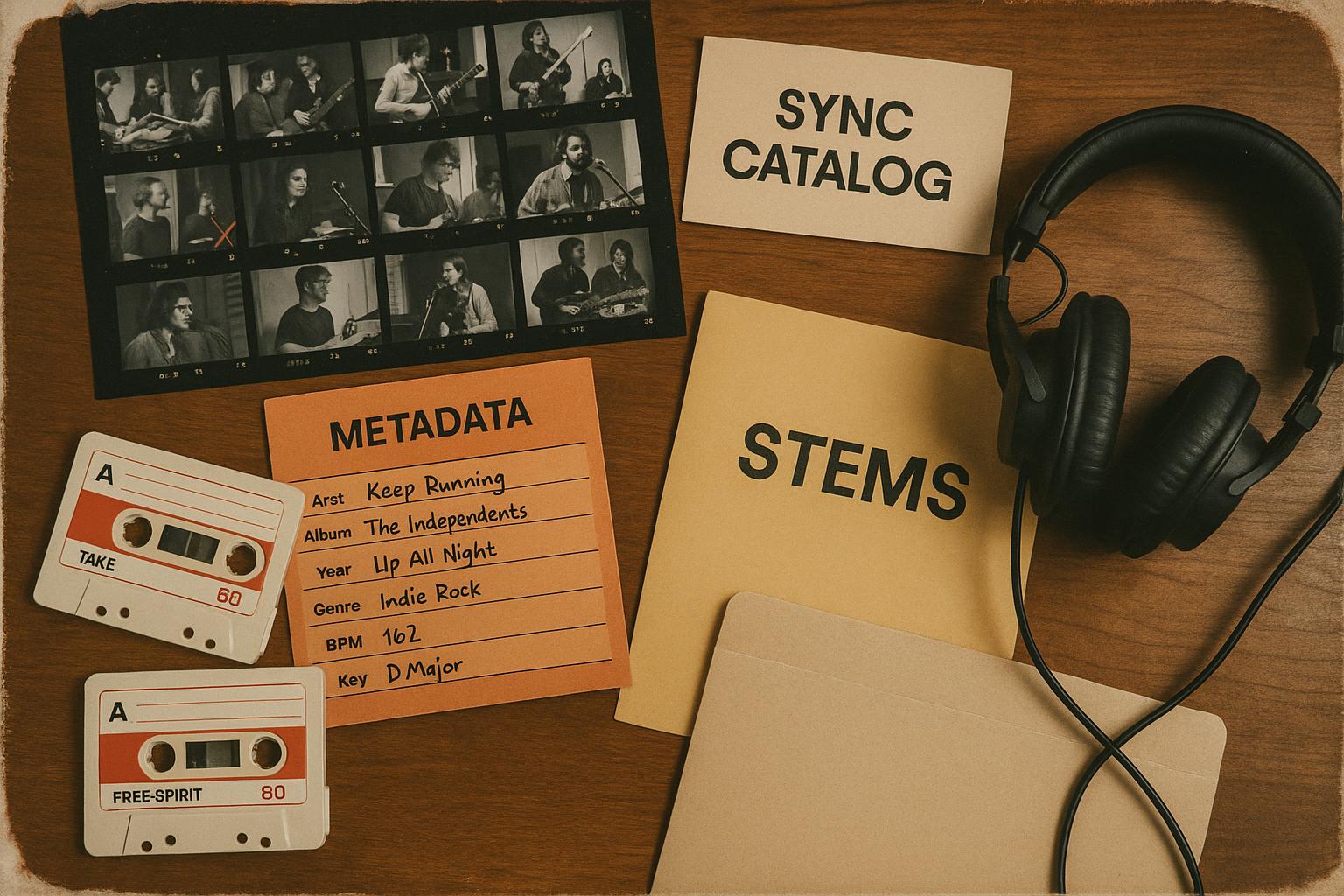
To streamline this process, create a metadata-first workflow where all new tracks receive a provisional ISRC, ISWC, and initial split sheet at the studio, then get finalized in your rights admin system before delivery to a sync opportunity. This minimizes delays and surprises during clearance cycles.
Sync supervisors value speed, accuracy, and reliability. Here are essential requirements and practical tips you can implement today:
One World Media can support sync supervisors with a streamlined process: a robust metadata pipeline, rights administration, and a ready-to-license catalog, plus a dedicated sync strategy that aligns catalog development with client needs in LA’s competitive environment.
The most placement-ready catalogs emerge from intentional collaboration workflows. Implement these patterns to improve outcomes:
In practice, a well-orchestrated workflow turns creative output into a predictable revenue engine. One World Media supports these workflows with integrated services: sync strategy guidance, music publishing, rights admin, distribution, and artist development, helping you harmonize creative and commercial outcomes.
Pro tip: keep a running “placement-ready” checklist for each track and a quarterly catalog refresh to maintain momentum with film, TV, and streaming opportunities. This discipline is especially valuable in Los Angeles, where production schedules and sync requests move quickly.
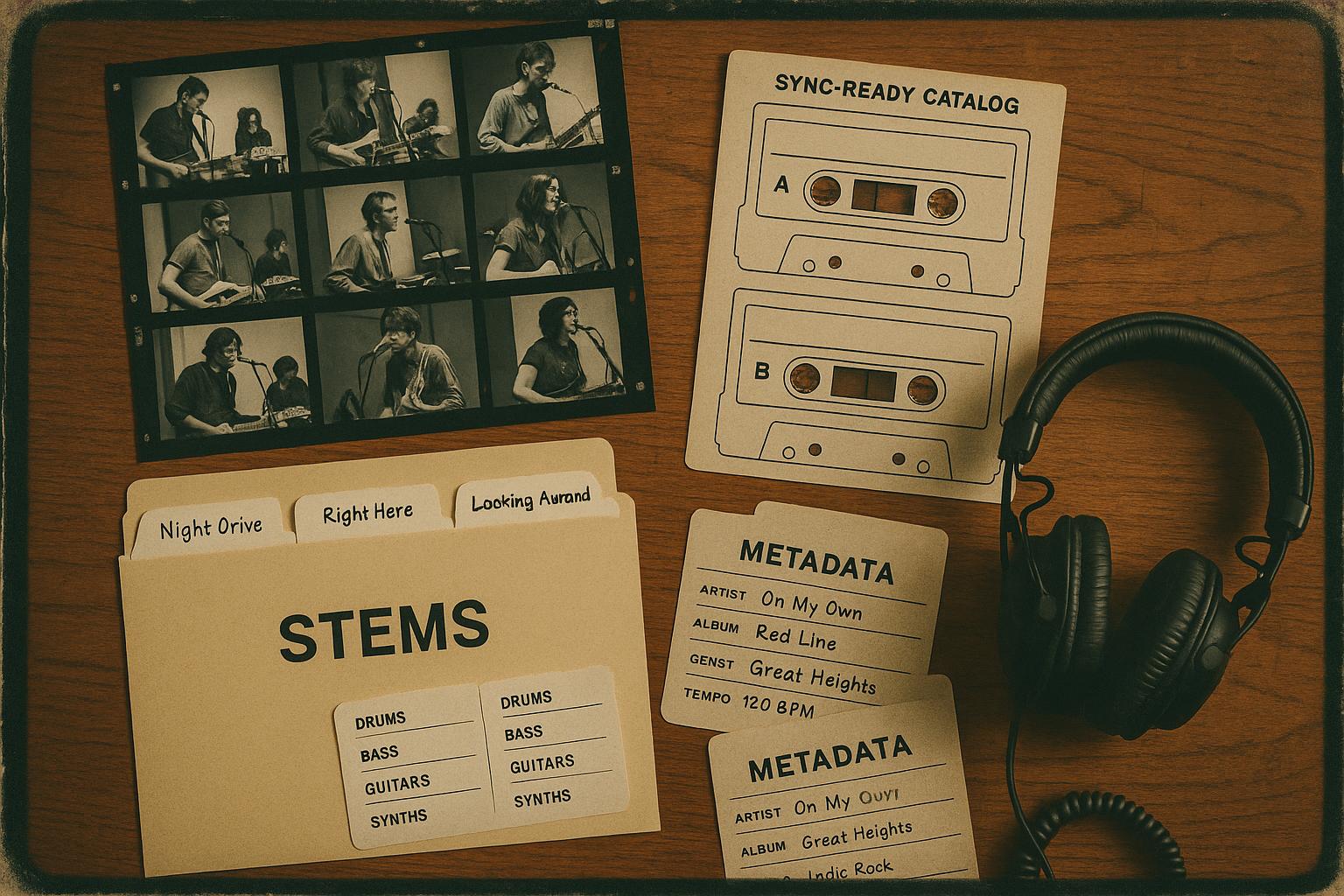
A Los Angeles-based producer teamed with a songwriter to launch a placement-focused catalog. They began with a clearly defined split-sheet process, established a standard set of license templates, and registered every track with ISRC/ISWC identifiers. They delivered stems, instrumental versions, and alternate mixes, along with comprehensive cue sheets and metadata in a single, organized package for every track.
Within three months, two tracks secured placements in a narrative trailer and a streaming series, generating independent sync revenue and recurring licensing inquiries. The key was the upfront contract clarity that prevented last-minute negotiations, and the ready-to-license deliverables that minimized production hold times. The collaboration workflow enabled both parties to focus on creative output while revenue flowed through One World Media’s rights administration, publishing, and distribution support.
This case shows how a disciplined approach to contracts and data, coupled with a robust sync strategy and active artist development, can translate into real, timely placements and ongoing revenue on the West Coast marketplace.
Q: What is the difference between a master use license and a synchronization license?
A: A master use license covers the actual recording (the master) and allows its use in a specific media project. A synchronization license covers the right to synchronize a musical composition (publishing rights) with visual media. Most placements require both licenses: one for the master recording and one for the underlying composition.
Q: Do I need to register with a PRO if my music is instrumental or royalty-free?
A: Yes. PRO registration ensures the writers and publishers are tracked for performance royalties whenever your music is publicly performed, streamed, or broadcast. Even instrumental pieces generate performance royalties, and proper PRO registration helps you collect every eligible cent.
Q: Should I use a work-for-hire agreement or an assignment for placements?
A: Work-for-hire and assignment structures serve different strategic goals. Work-for-hire can simplify ownership clarity when you want to ensure the client or production company owns the master for a specific project, while assignments transfer ownership to you in some cases. Your choice should align with your catalog strategy, revenue goals, and how you want to handle future licensing. Consult a reputable rights management advisor when framing these terms.
Q: How long does the clearance process typically take?
A: Turnaround times vary by project complexity and the number of rights holders involved. For straightforward, fully-cleared tracks with clean metadata and proper cue sheets, a typical clearance window is 3–10 business days. If third-party rights or samples are involved, expect longer timelines and the need for additional documentation.
For more information, please contact us at support@oneworldmedia.global or call (307) 200-8139.