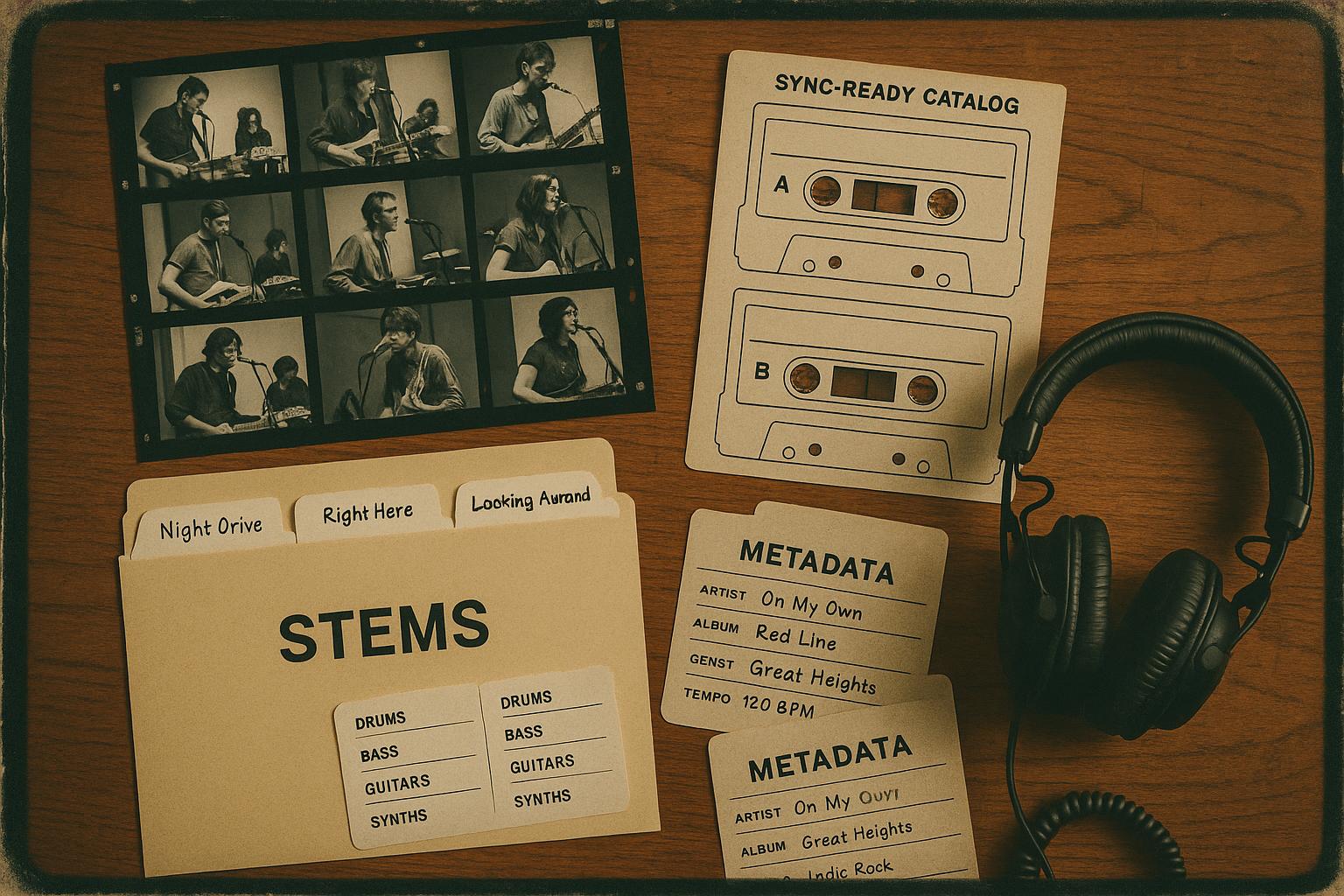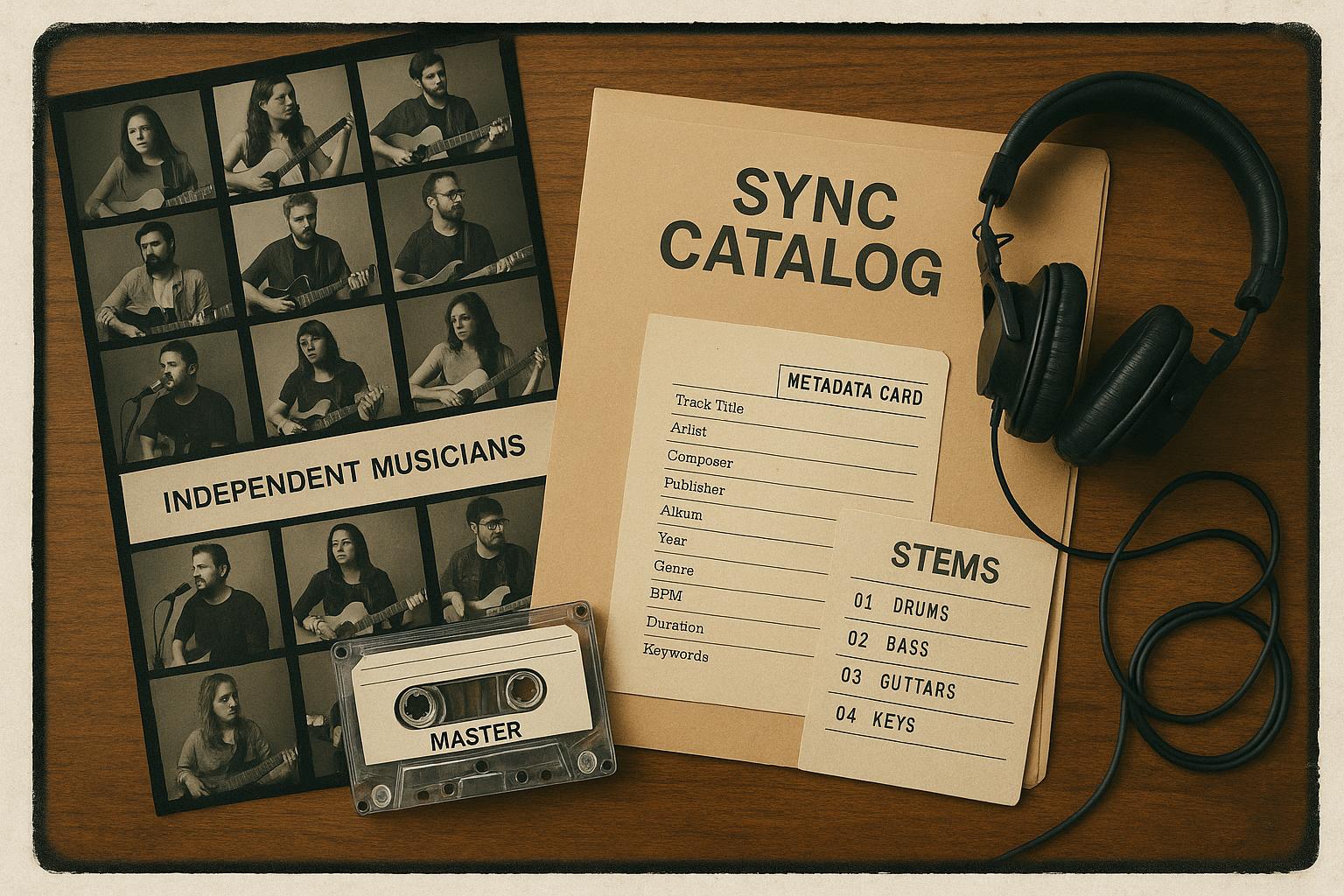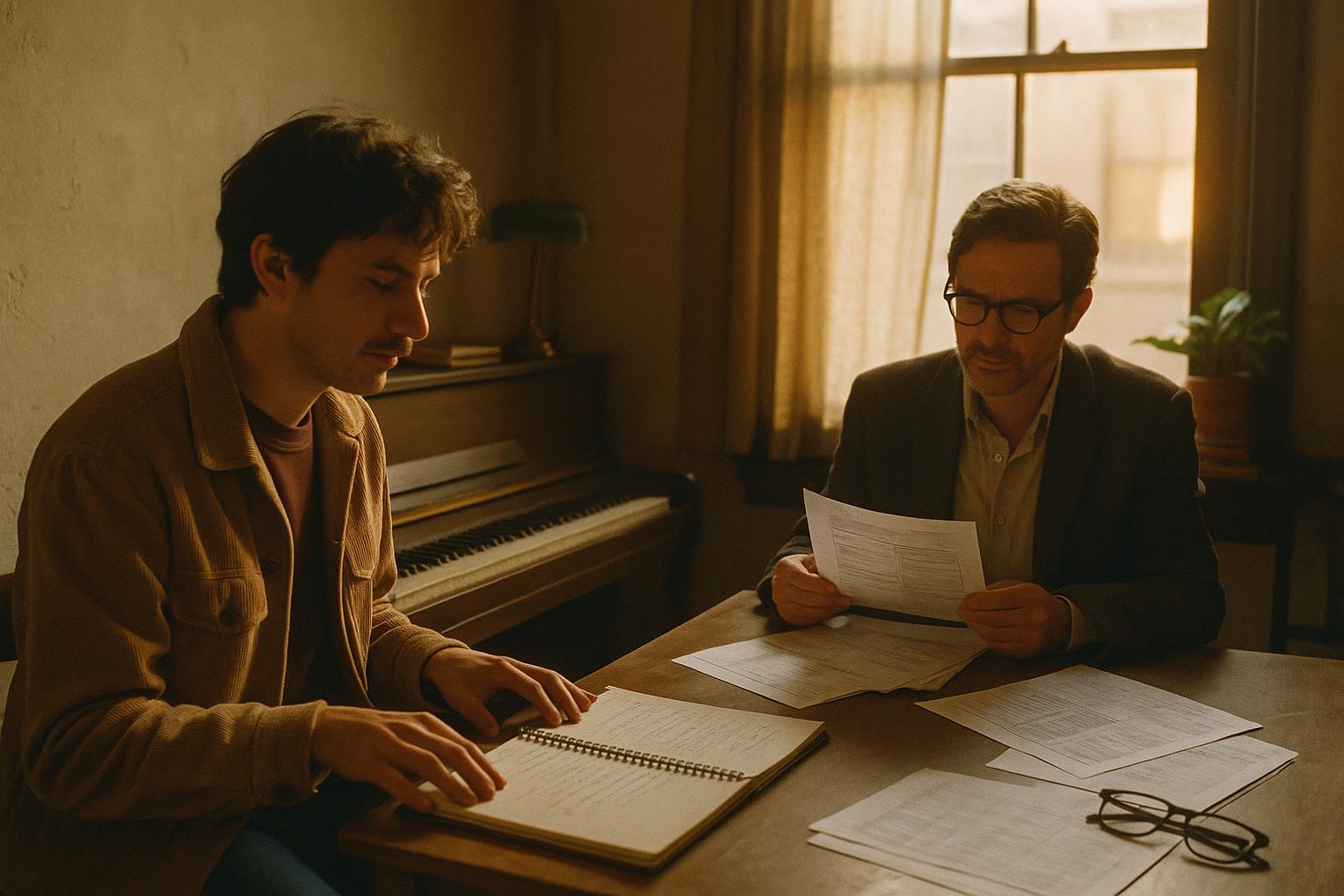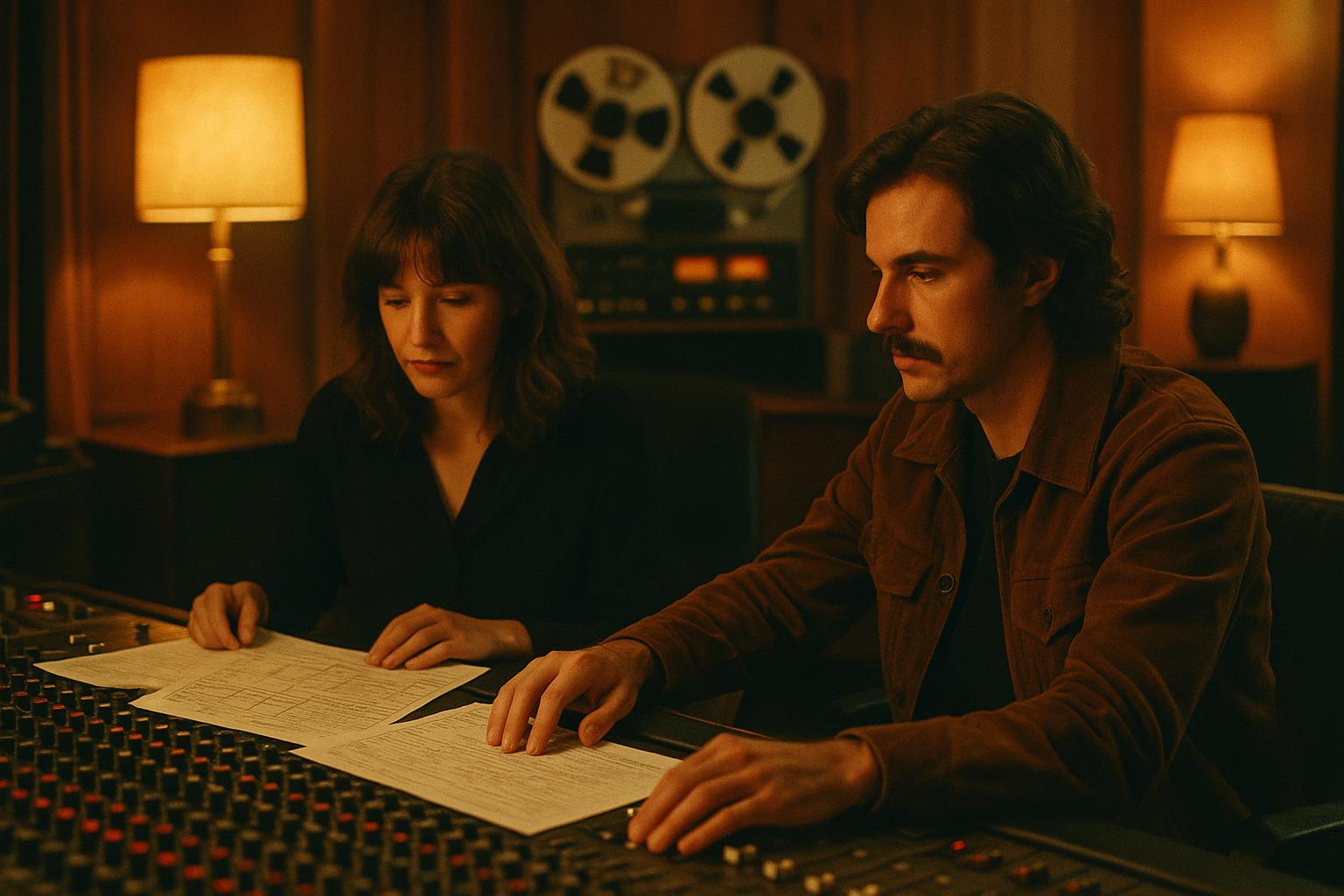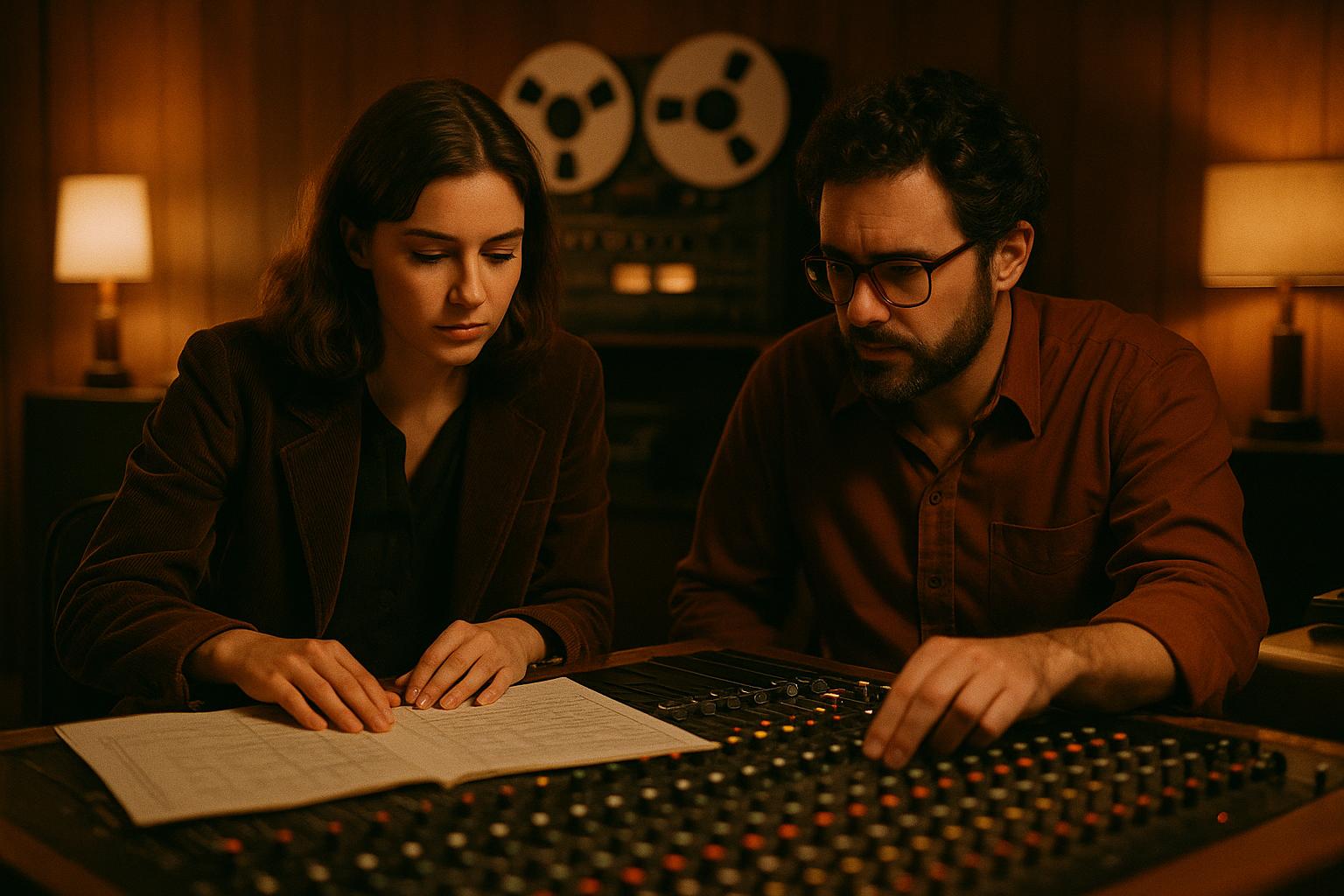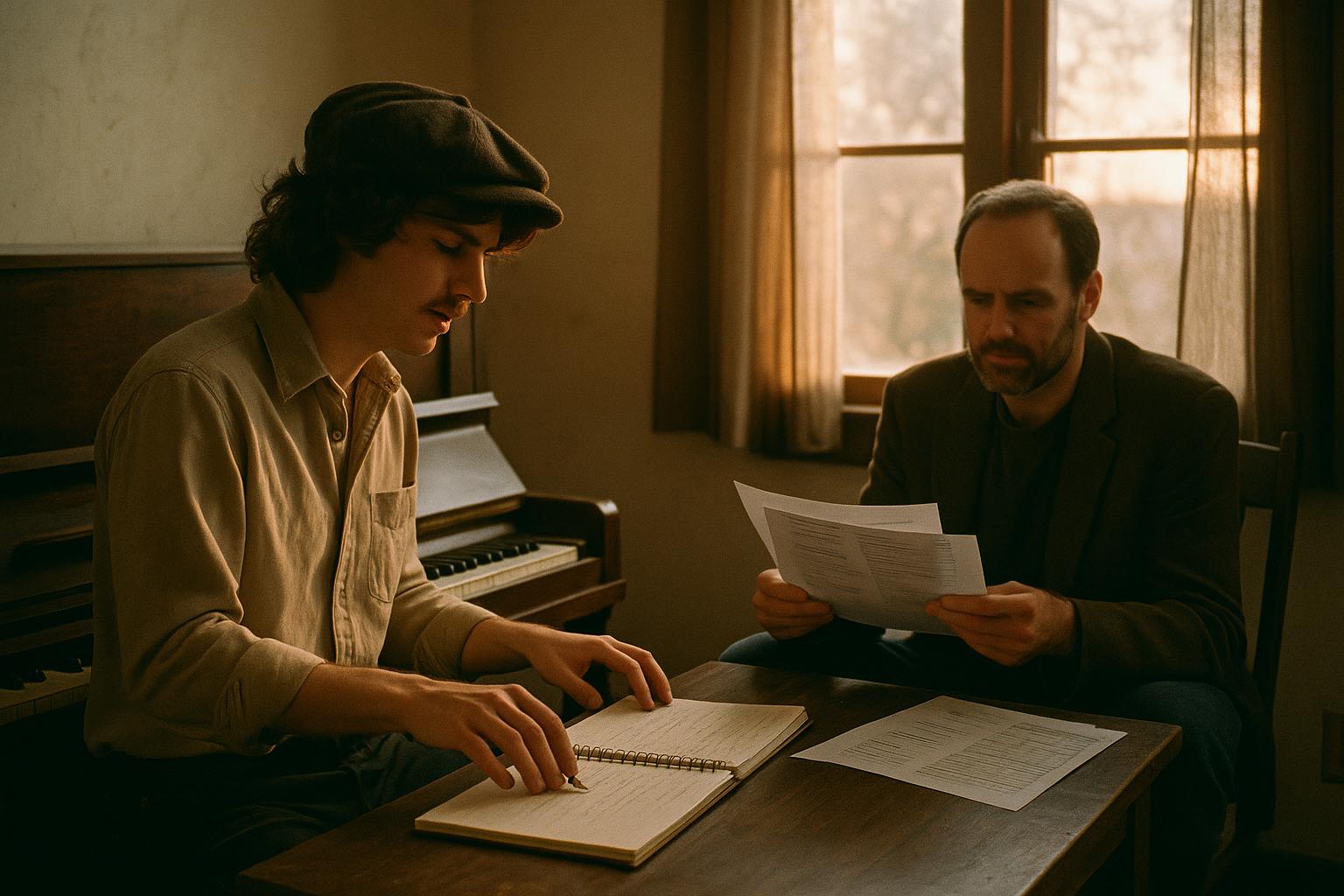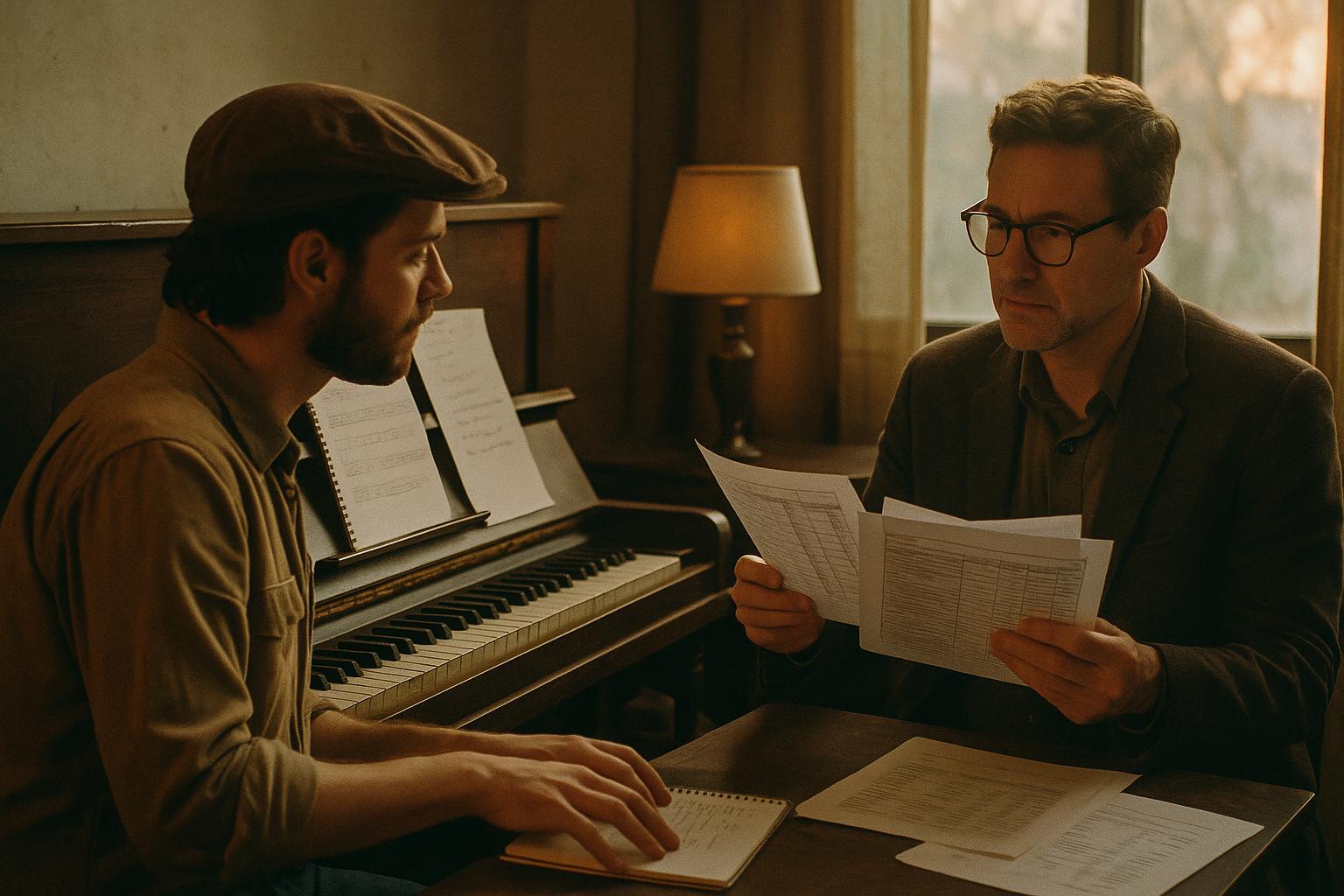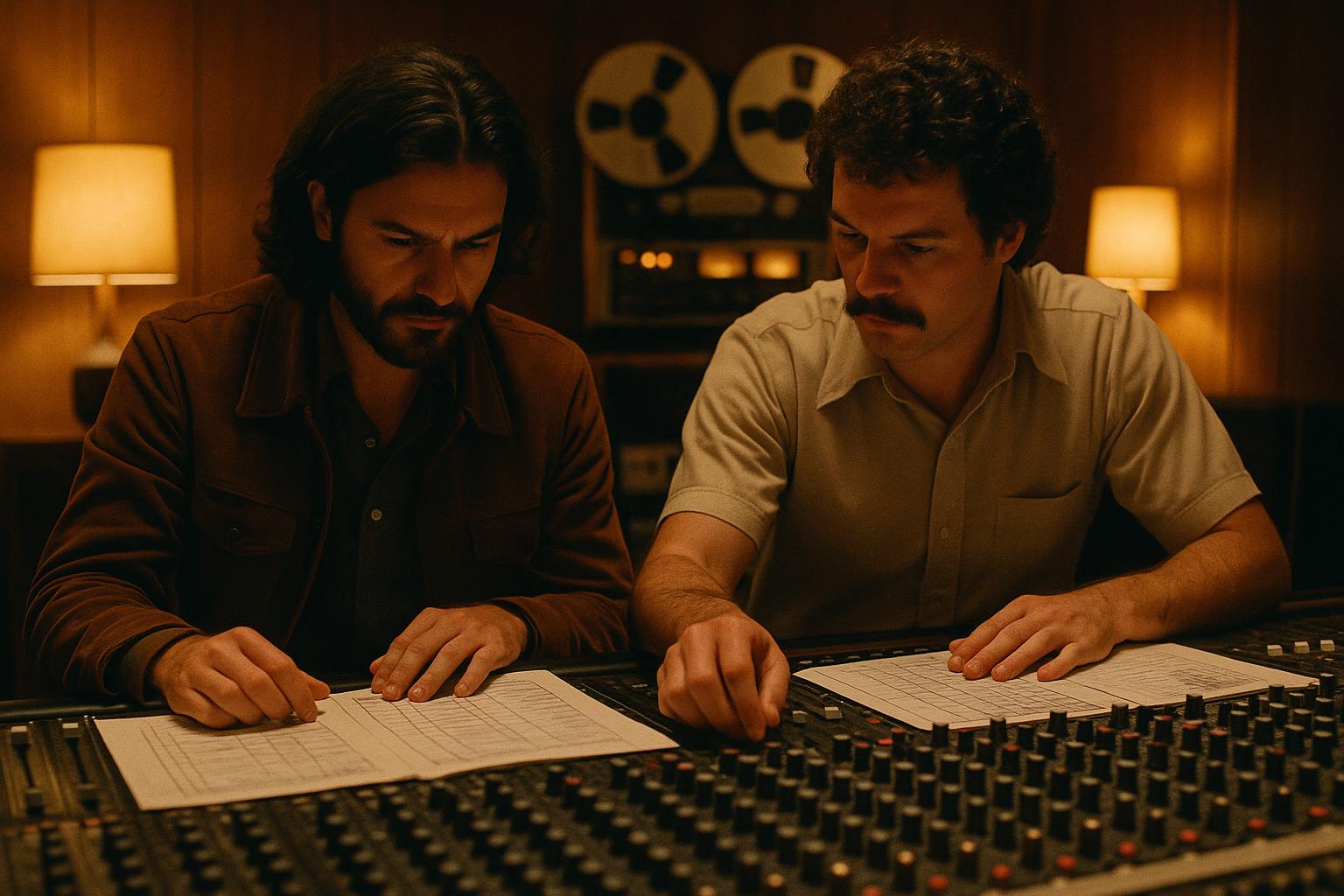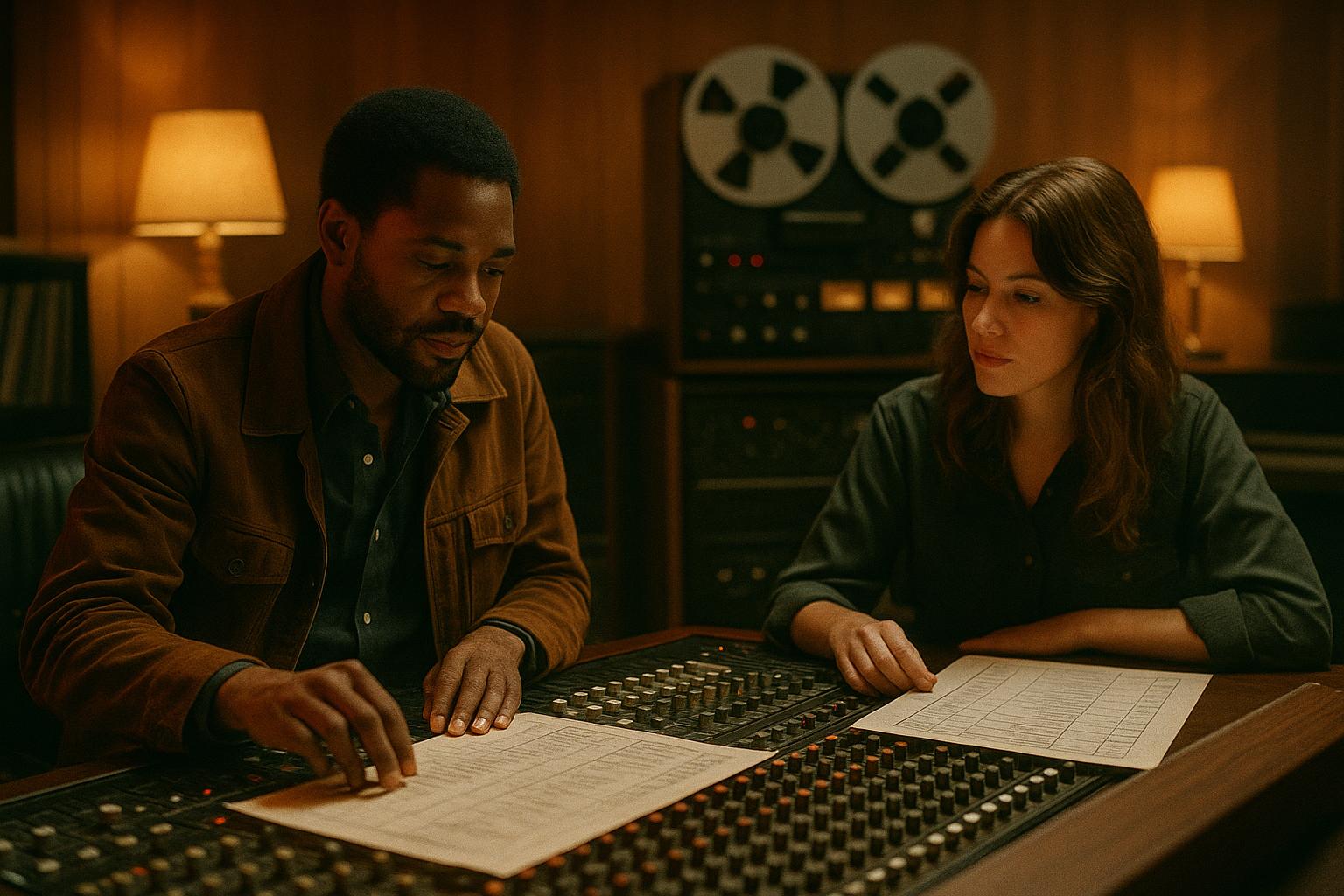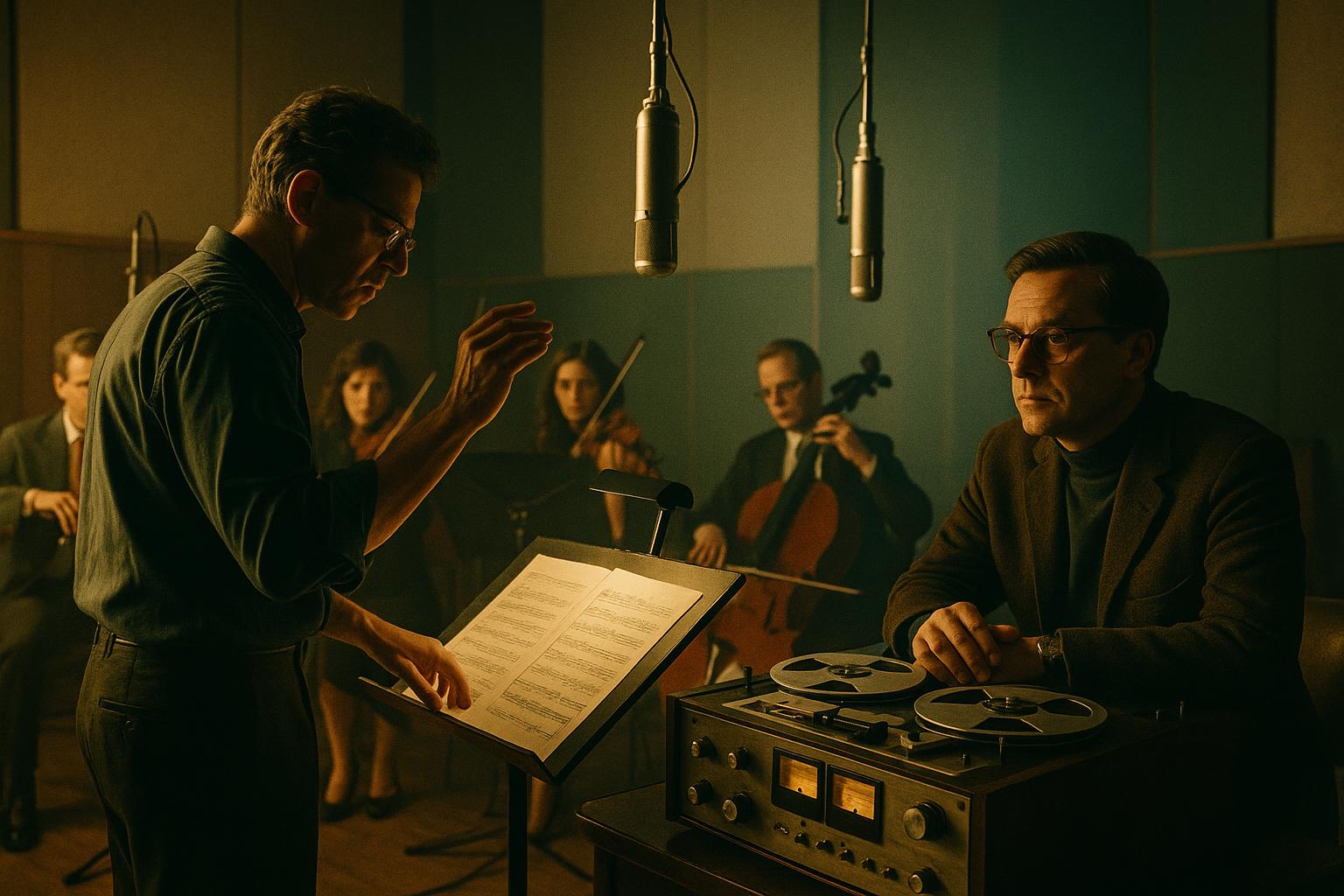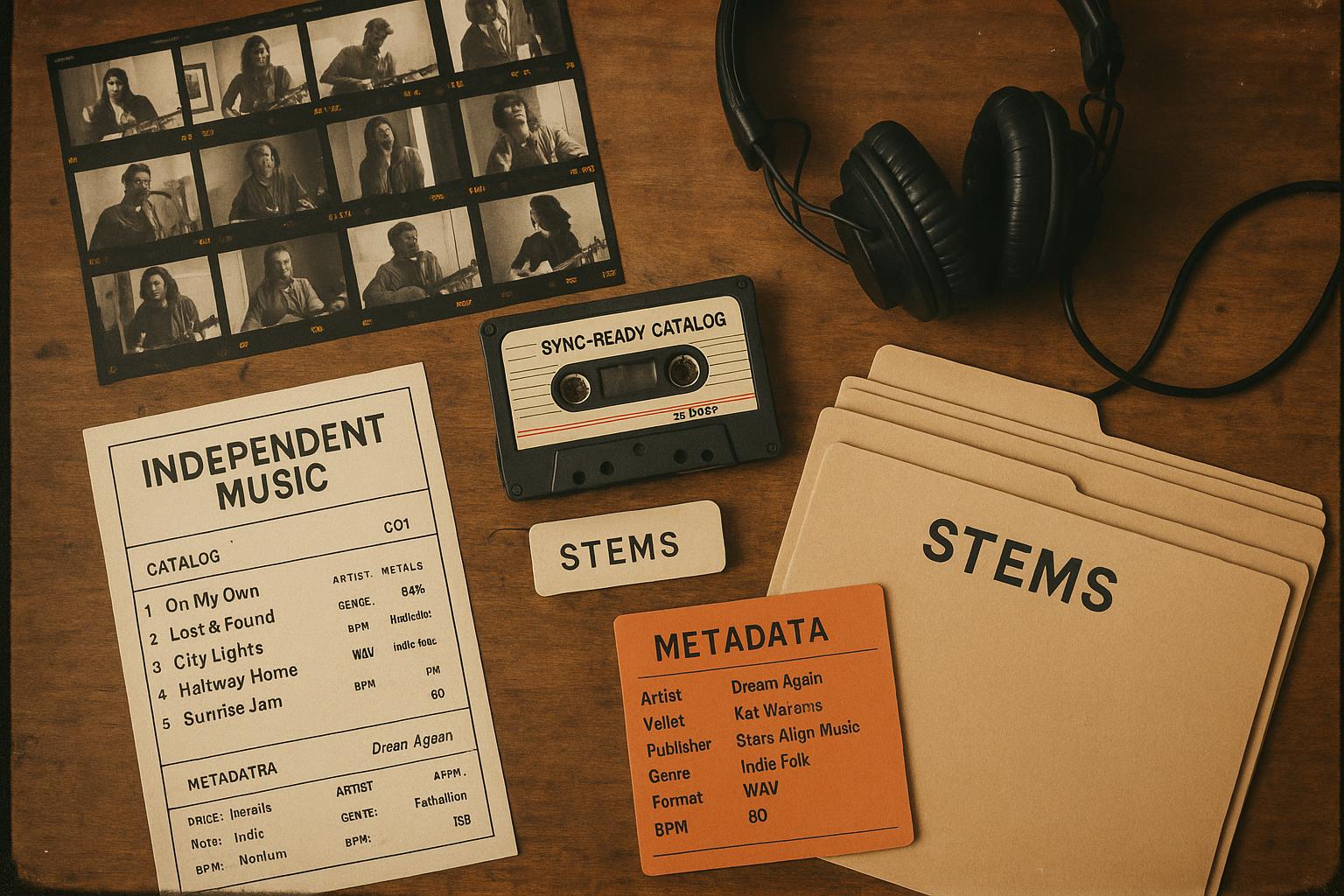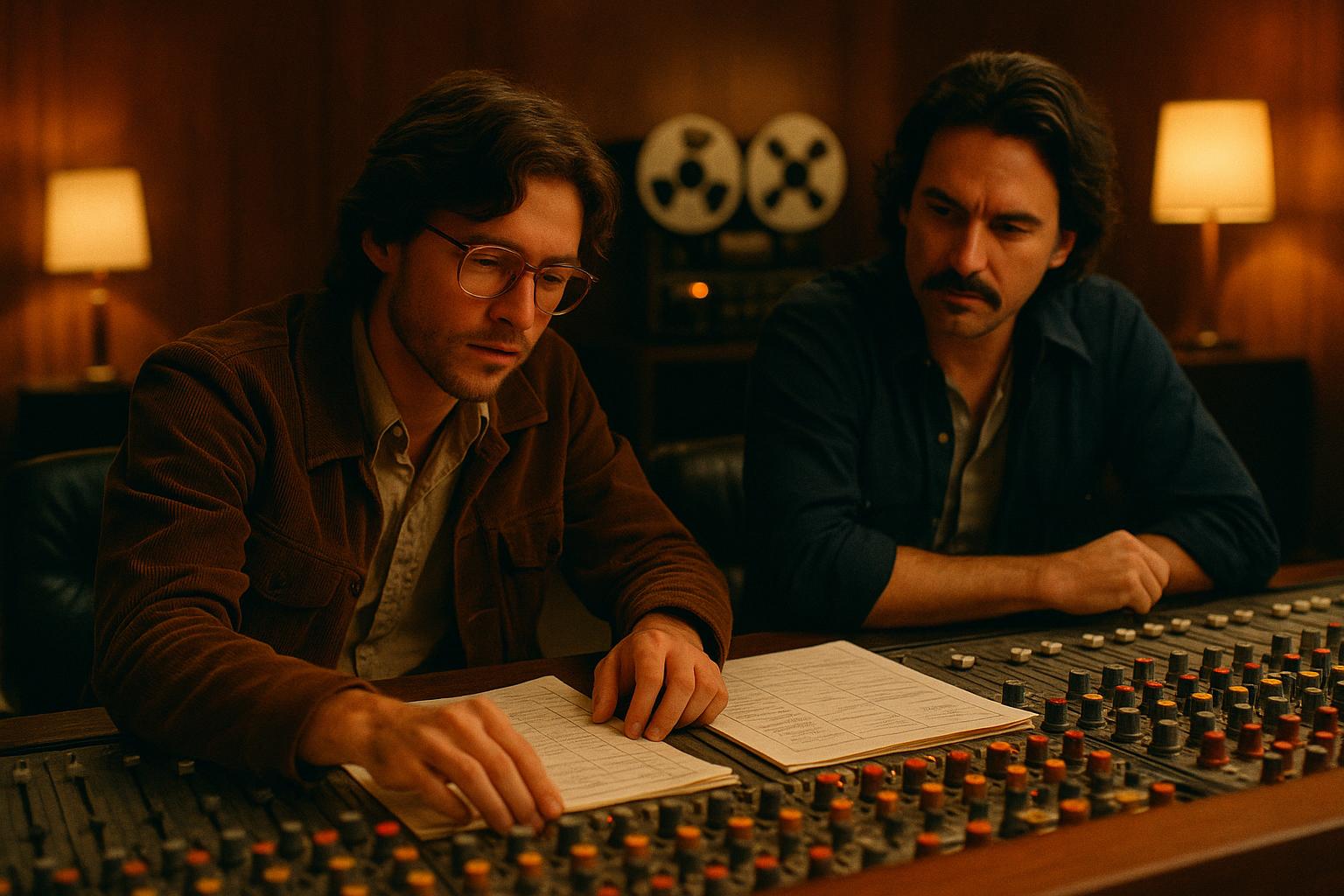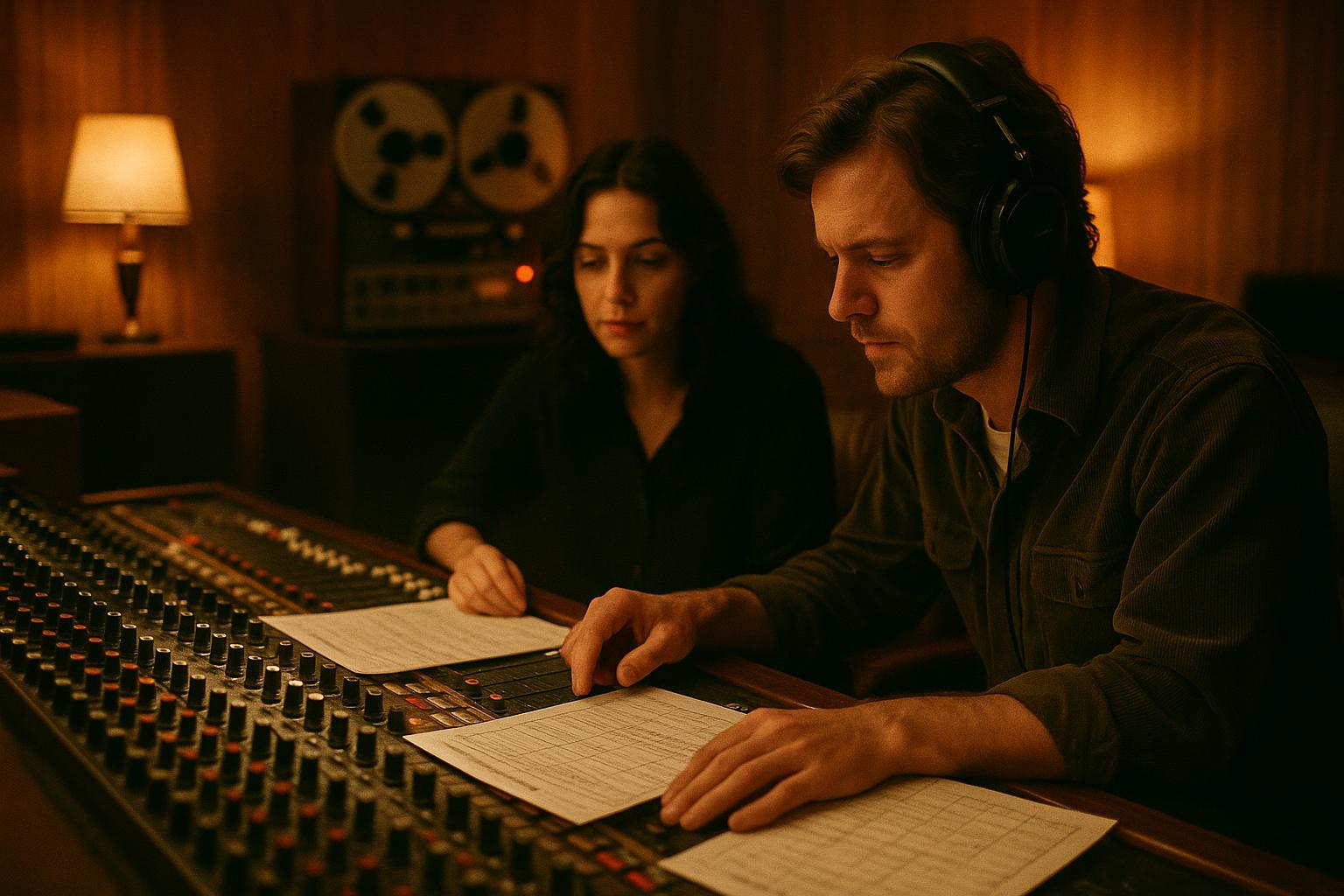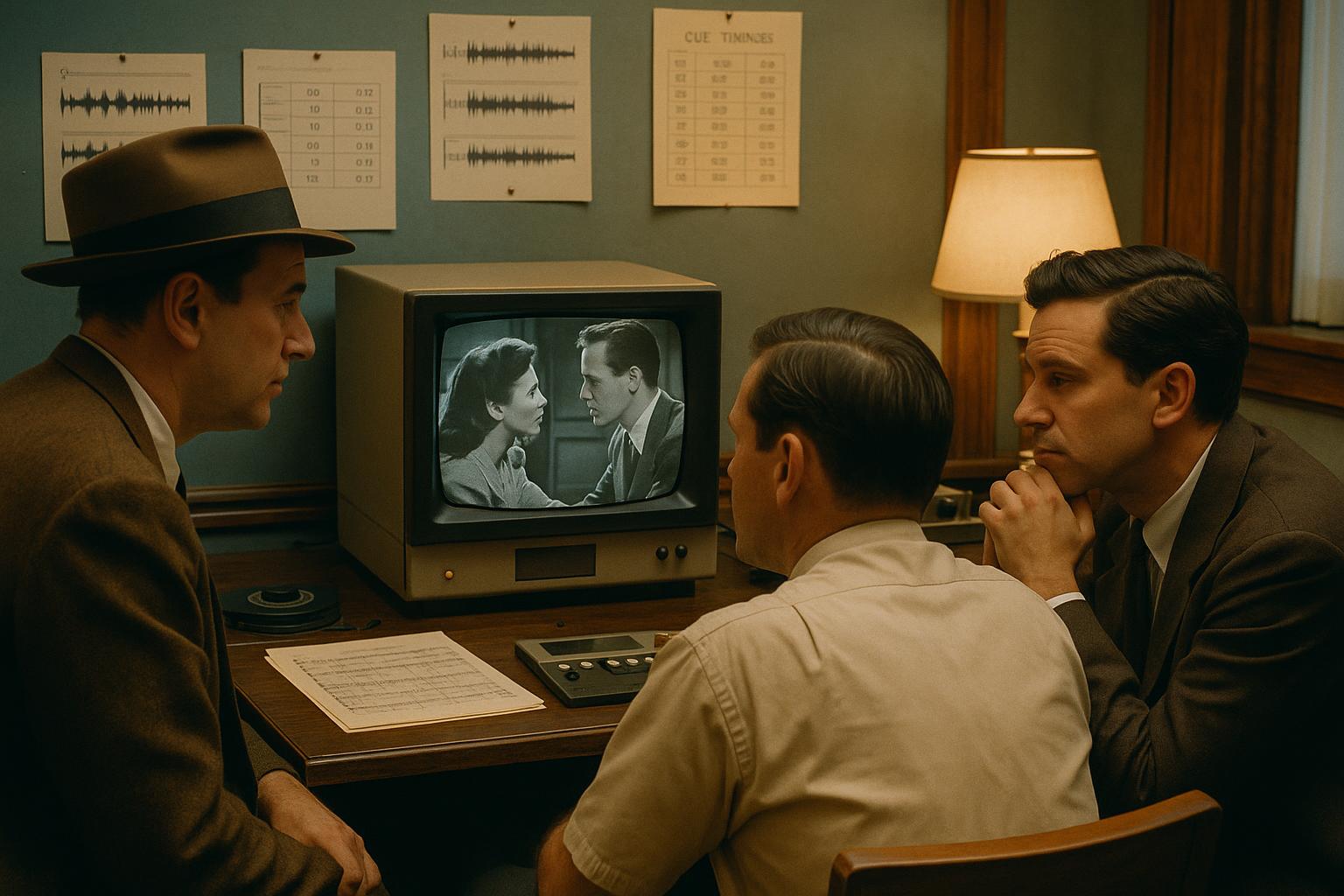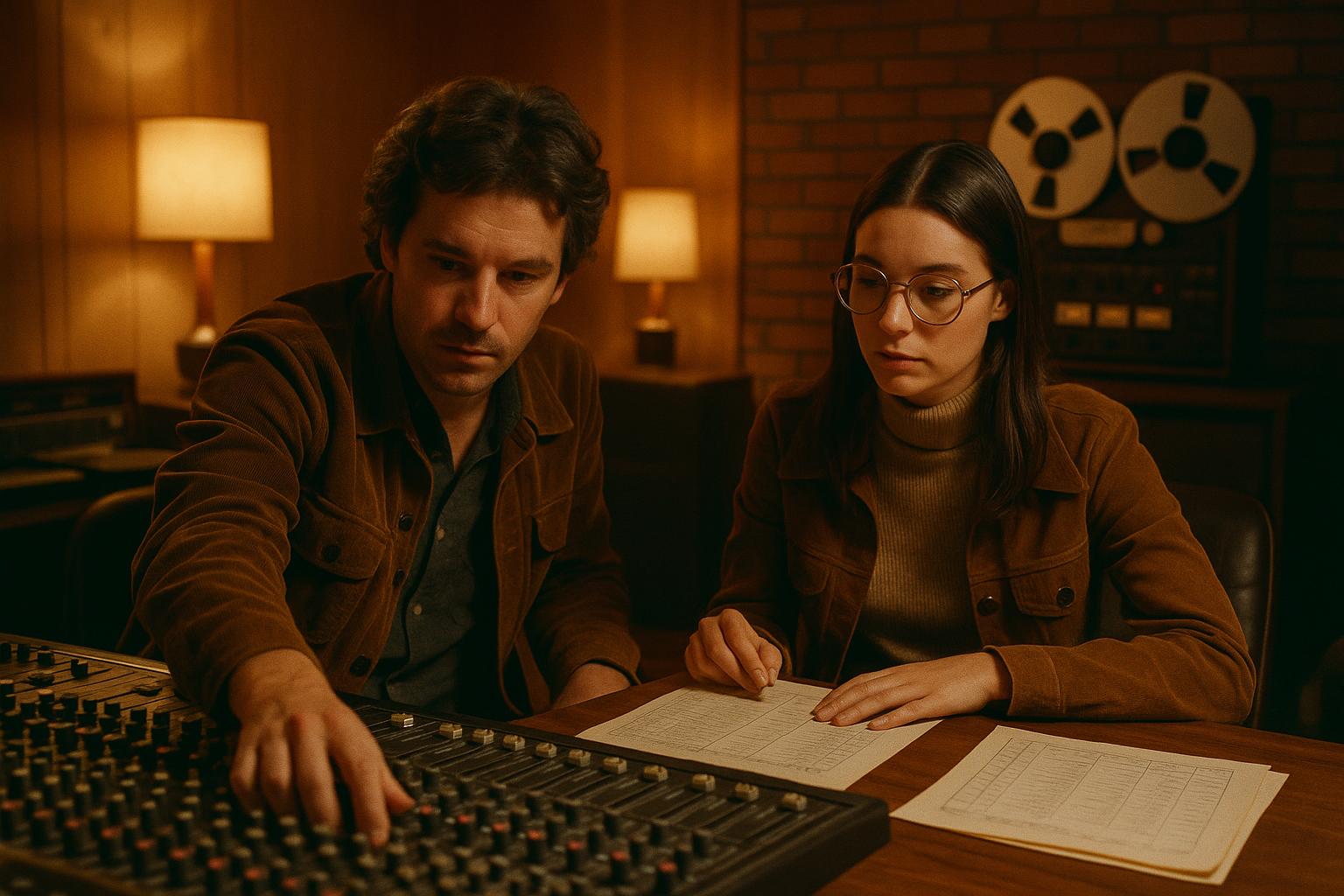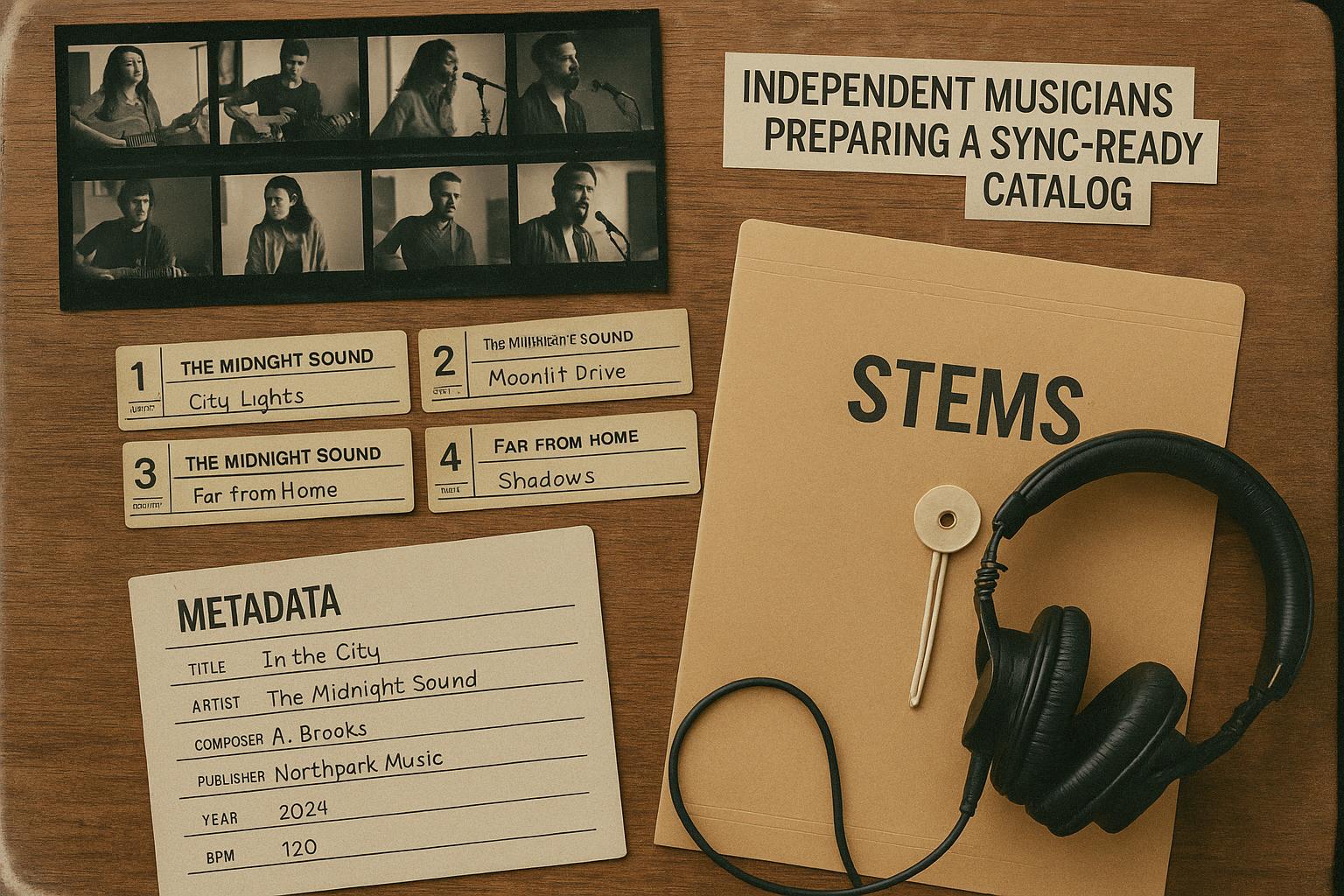
Smart Music monetization happens when every asset you own is cataloged, rights-cleared, and ready for immediate licensing across film, TV, trailers, ads, and streaming content. This guide distills actionable steps for producers building placement-ready catalogs, songwriters pitching for screen, sync supervisors sourcing clearable music, and independent artists aiming for steady sync revenue. With One World Media as your partner for sync strategy, music publishing, rights admin, distribution, and artist development, you can move from discovery to placements with clarity and speed—especially in the Los Angeles ecosystem where opportunities move fast.
A robust licensing program starts with crystal-clear rights and meticulous metadata. Here’s how to get ahead of the curve and minimize licensing friction with every potential partner.
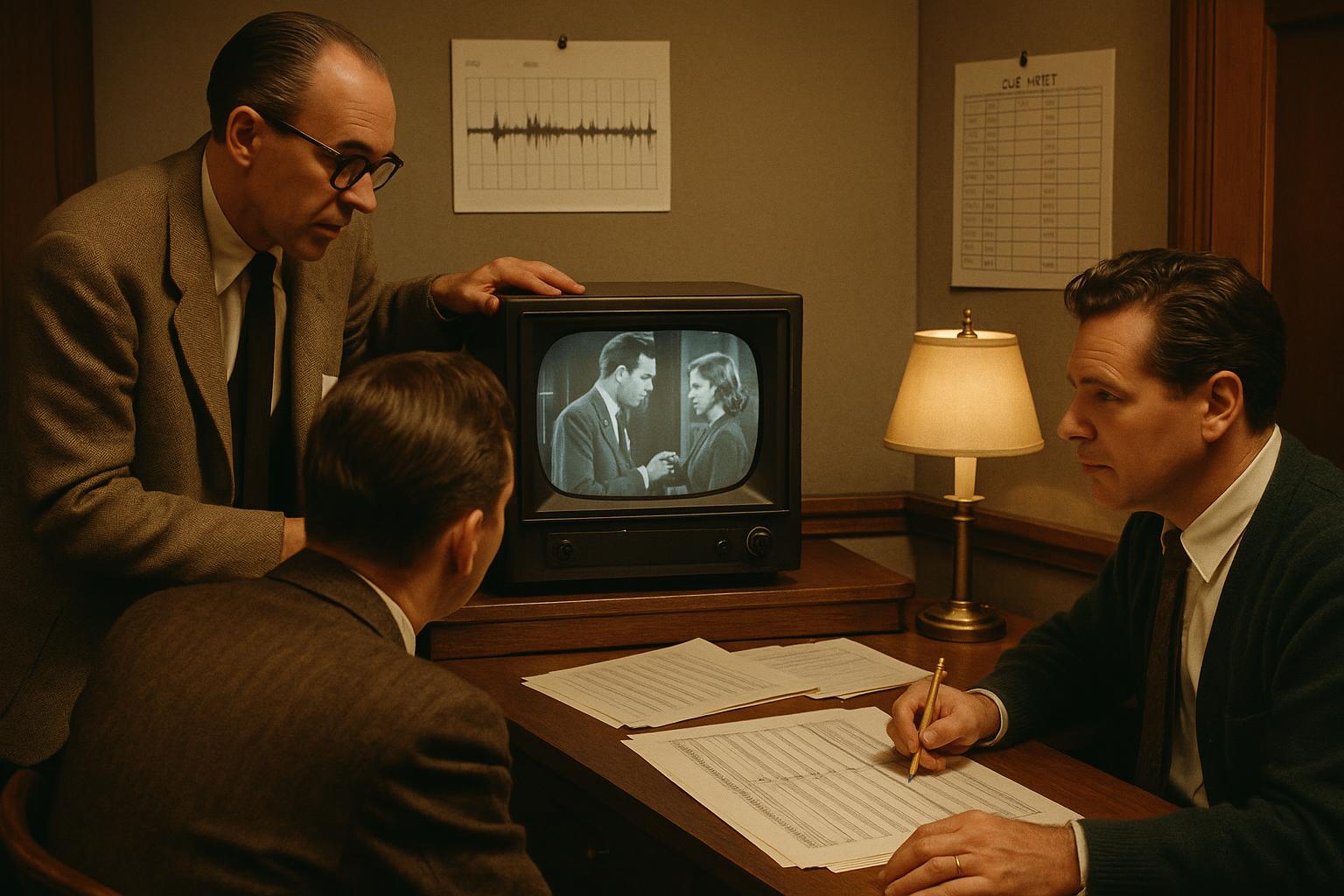
Practical tip: create a quarterly audit checklist to verify rights, registrations, and metadata accuracy. Schedule a quarterly call with your publishing partner or admin team to reconcile splits, confirm new ISRCs/ISWCs, and update cue sheets tied to new placements.
In Los Angeles, where many post houses, music supervising agencies, and production companies operate on tight schedules, having a clean, fast, and legally solid package dramatically improves your odds of securing ongoing sync revenue.
Embedding these workflows reduces back-and-forth, speeds up approvals, and creates reliable paths to recurring placements. One World Media’s holistic approach—covering sync strategy, publishing, rights admin, distribution, and artist development—helps you coordinate between writers, producers, and supervisors, particularly in the Los Angeles market where the pace of deals is intense.
Case: A Solo Electronic Producer based in Los Angeles built a compact 12-track catalog with strong, cinematic moods suited for trailer work and indie TV. By investing in stems, a TV-friendly alternate mix, and rigorous metadata, they created a portfolio attractive to LA-based music supervisors. After collaborating with One World Media on a clean rights profile, ISRC/ISWC registration, and cue-sheet discipline, two tracks were licensed for a national car trailer and a streaming series promo within four months. The publisher and distributor services ensured quick licensing agreements, and the artist began receiving recurring sync income as new episodes and trailers surfaced every few months. This ramp-up demonstrates how strategic packaging, precise metadata, and one-stop clearance can translate into sustained, predictable revenue. The approach also reinforced the artist's profile in a competitive Los Angeles market where studios, editors, and publishers seek reliable, clearable music that fits tight post-production schedules.
Practical takeaway: treat every release as a potential license. Build your catalog with the same quality standards you’d apply to a major label release, and align your rights, metadata, and delivery to the needs of busy supervisors and editors. With One World Media’s dedicated sync strategy, publishing, and distribution services, independent musicians can scale from discovery to repeat licensing in the real-world Los Angeles ecosystem.
Q: What is the fastest path to recurring sync income?
A: Build a curated, rights-cleared catalog with robust metadata, stems, and alternate mixes, then partner with a trusted rights administrator and a proactive sync strategy team. Target a steady flow of opportunities in LA’s film/TV ecosystem and maintain regular cue-sheet submissions to PROs. Consistency and clarity beat sprinting, especially when licensing cycles are long and negotiation windows are tight.
Q: How should metadata be structured for sync licensing?
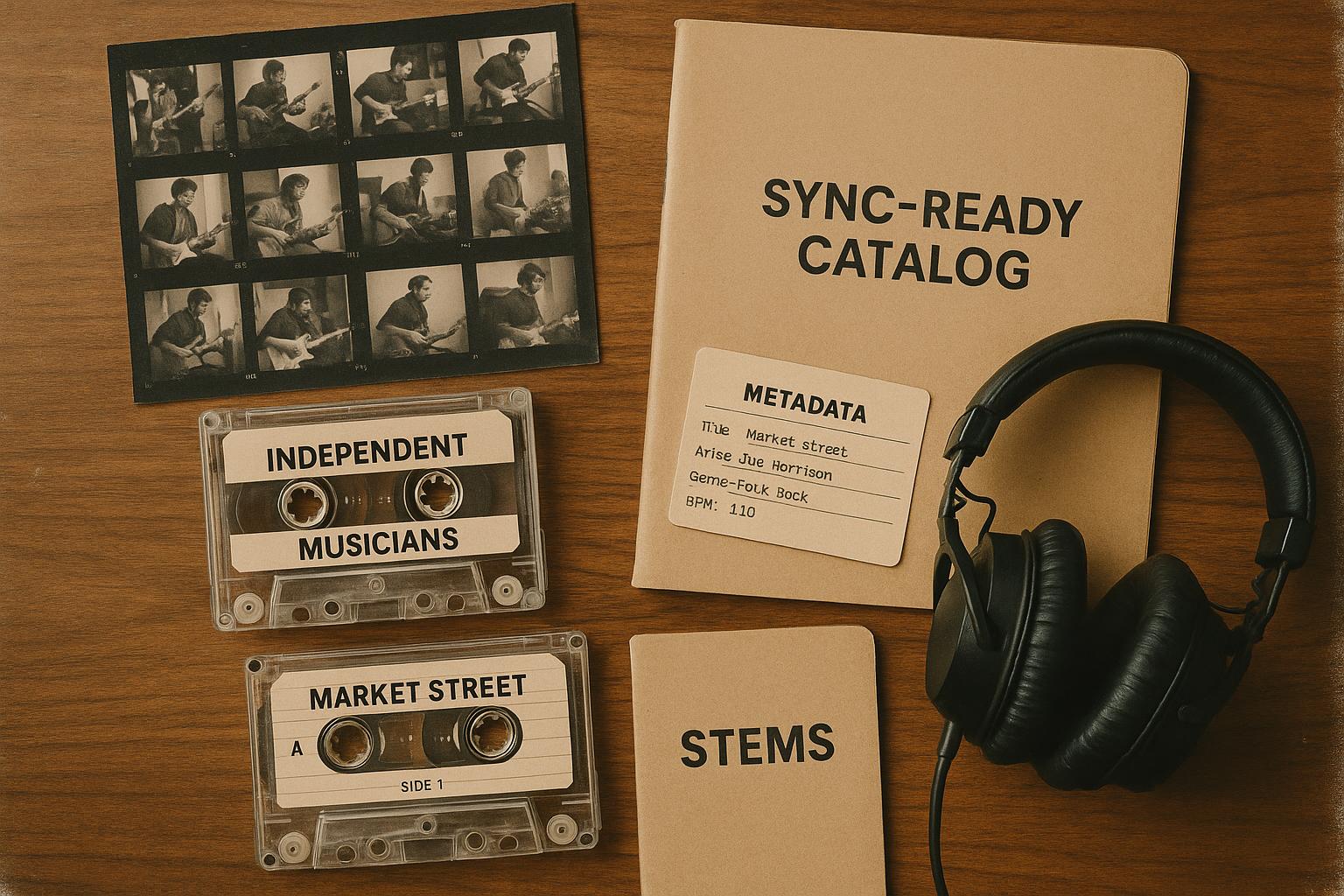
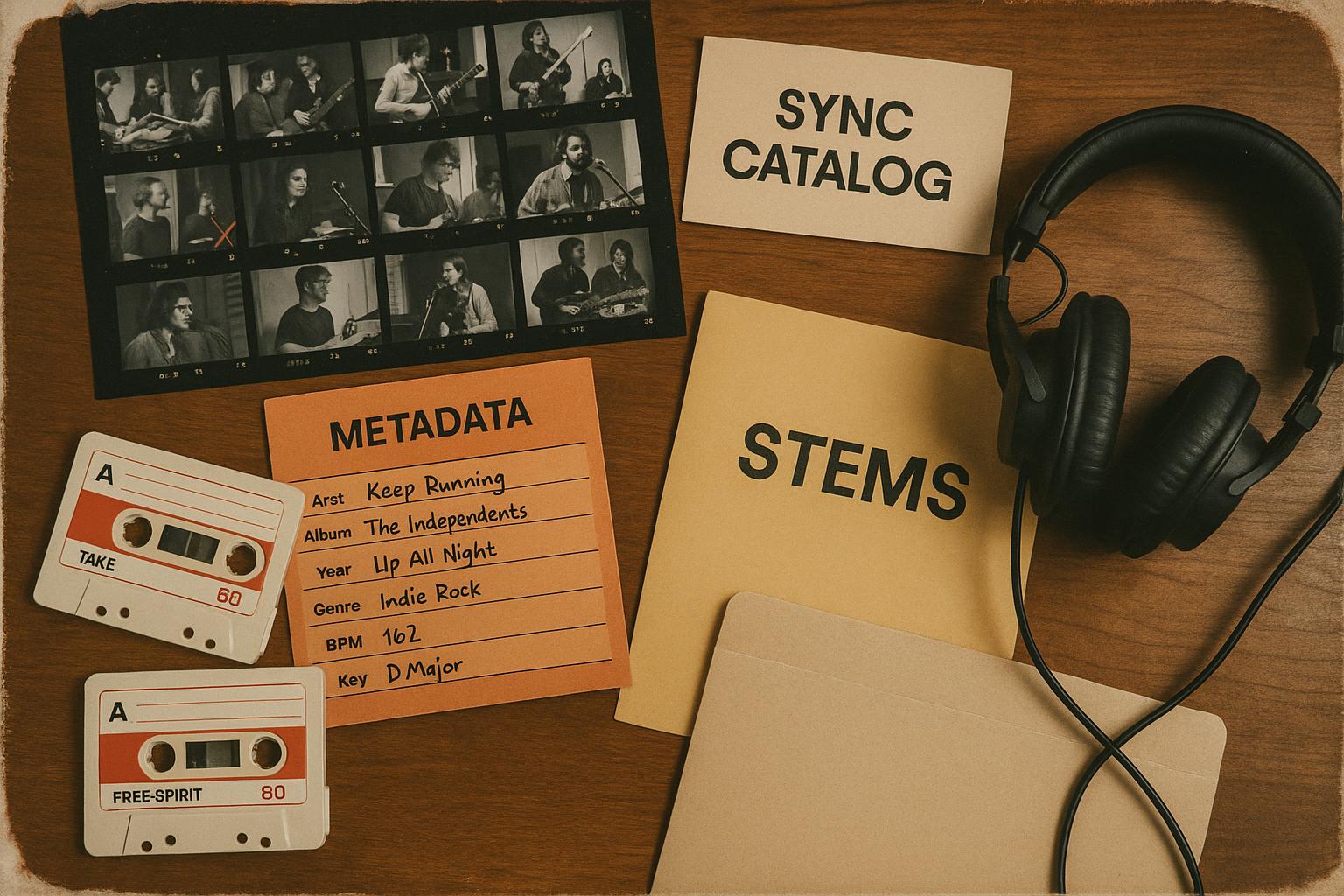
A: Use a consistent schema across all tracks: track title, artist credits, writer/publisher credits, ISRC/ISWC codes, PRO affiliations, contact info, license terms, and version notes. Include scene- or mood-tag metadata and ensure timestamps and cue references are ready for cue sheets. Maintain a living metadata document that is updated with every new version or adaptation.
Q: Do I need to register with a PRO and how often should cue sheets be updated?
A: Yes. PRO registration ensures you receive performance royalties for broadcast, streaming, and public performances. Update cue sheets whenever you license a track or when its usage changes. Timely cue sheets are essential for accurate payments and can speed up settlements during licensing cycles.
Q: What should a producer do to pitch for film/TV effectively?
A: Prepare a tight, scene-focused pitch package: a short catalog of 6–12 tracks that match common cues (dramatic, action, emotional, intimate). Include stems, alternate mixes, release notes, and a clear rights profile. Provide a ready-to-license brief and suggest a few potential use cases (e.g., opening montage, chase sequence, end credits). Leverage a publishing + sync strategy partner to handle licensing, metadata, and cue sheets, especially in LA where opportunities are abundant but competitive.
One World Media offers comprehensive solutions for Music monetization through strategy, publishing, rights administration, distribution, and artist development. Our team helps you build a placement-ready catalog, navigate rights and cueing, and establish collaboration workflows that heighten placement odds for film, TV, trailers, ads, and streaming content—particularly in the Los Angeles market. We work with producers, songwriters, and sync supervisors to align creative with legal and operational readiness, delivering measurable results for catalogs of all sizes.
For more information, please contact us at support@oneworldmedia.global or call (307) 200-8139.