Kickstart the indie music promotion engine: practical routes to film, TV, trailers, and streaming placements
In a crowded landscape, turning independent music into recurring sync income requires a repeatable system. This guide covers practical strategies for building a placement-ready catalog, pitching with impact, ensuring rights readiness, and collaborating like pros—so you can secure opportunities in movies, TV, trailers, ads, and streaming content. You’ll also see how One World Media can support your journey with targeted sync strategy, music publishing, rights admin, distribution, and artist development.
Indie music promotion isn’t a buzzword; it’s a disciplined process that starts with organization, clarity, and timely execution. Los Angeles remains a pivotal hub for opportunities, but a well-run workflow can win placements across global studios, networks, and streaming platforms.
Build a placement-ready catalog for sustainable sync income
A catalog that’s easy for supervisors to clear and reuse is the foundation of ongoing placements. Focus on consistency, accessibility, and readiness to unlock fast wins.
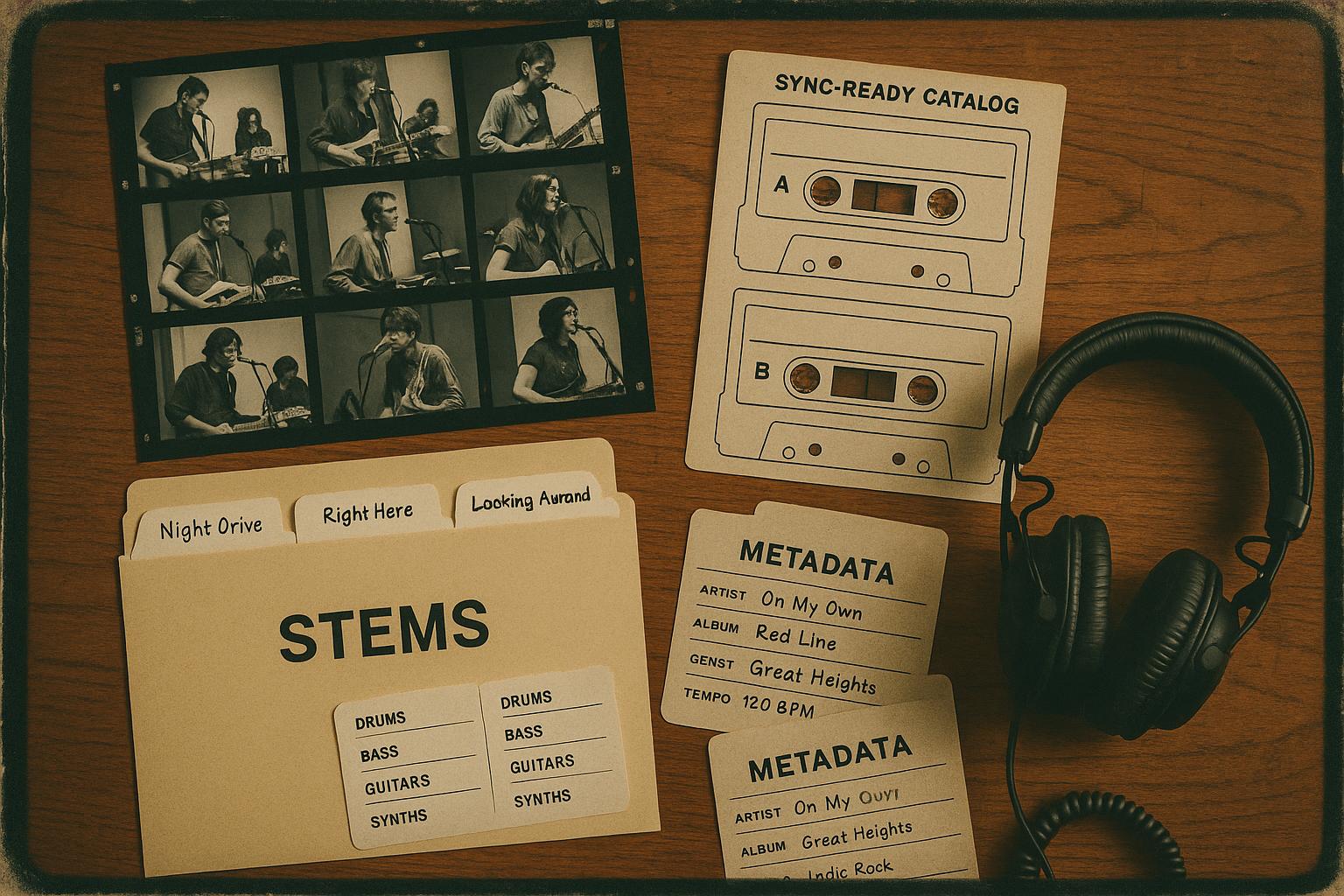
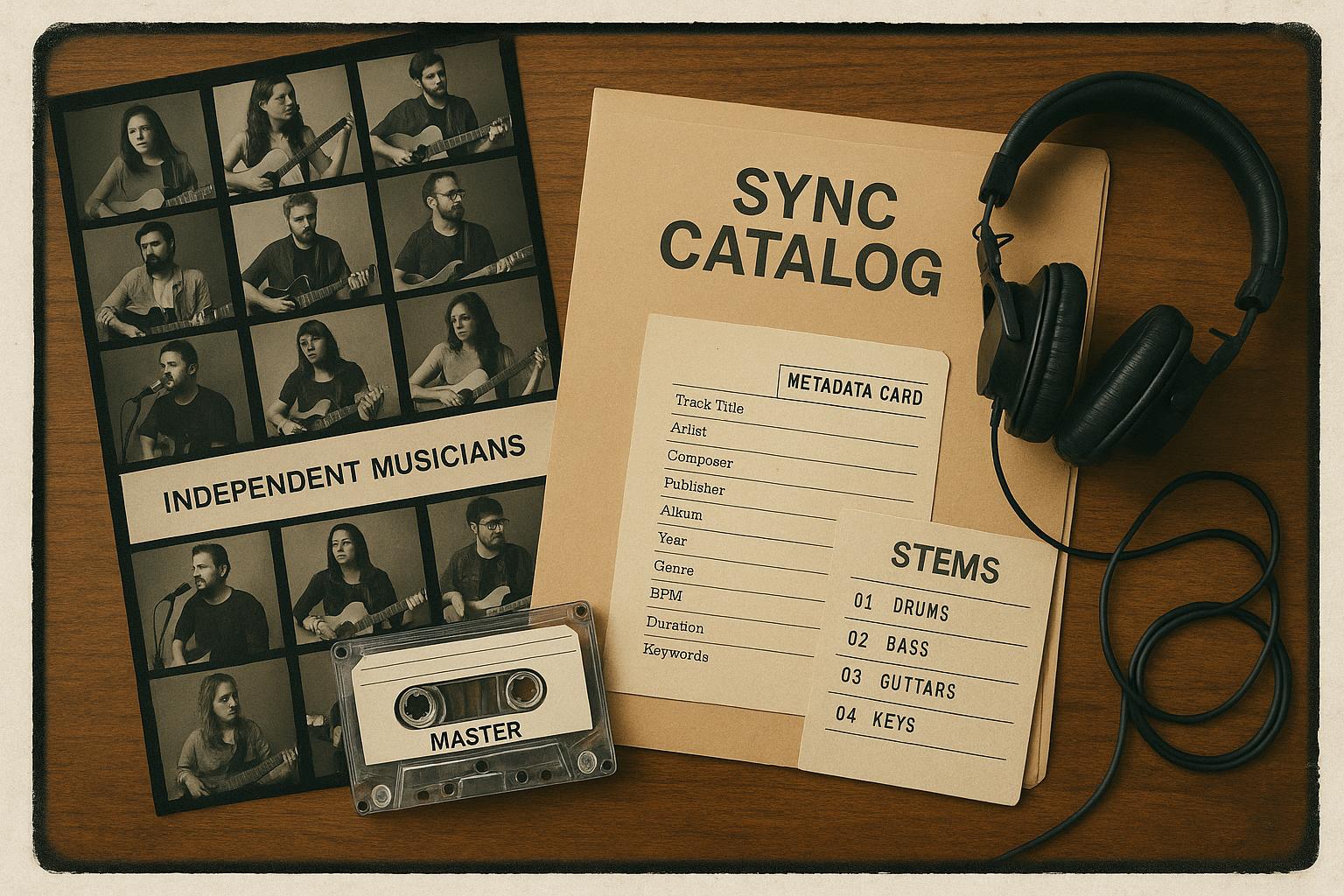
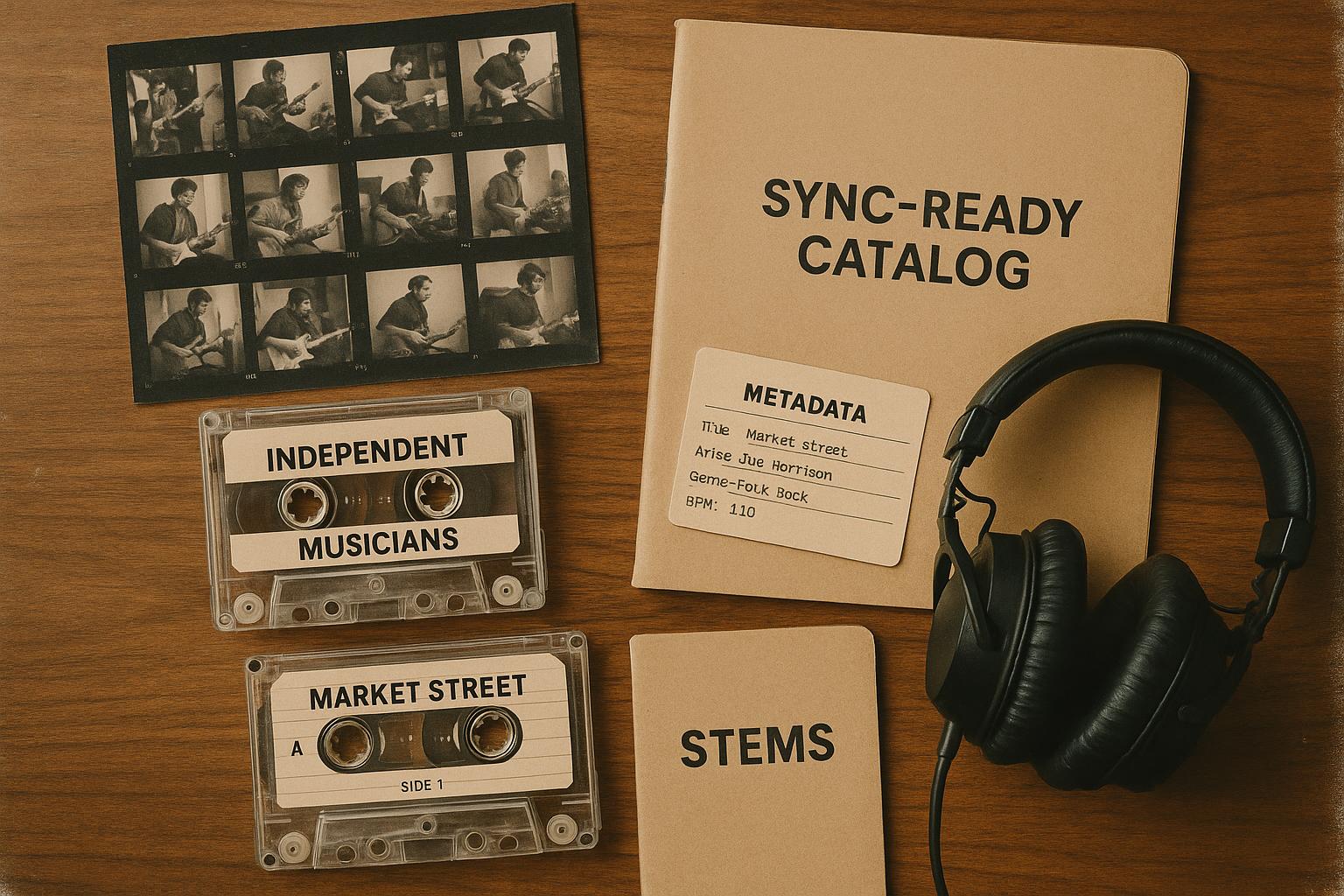
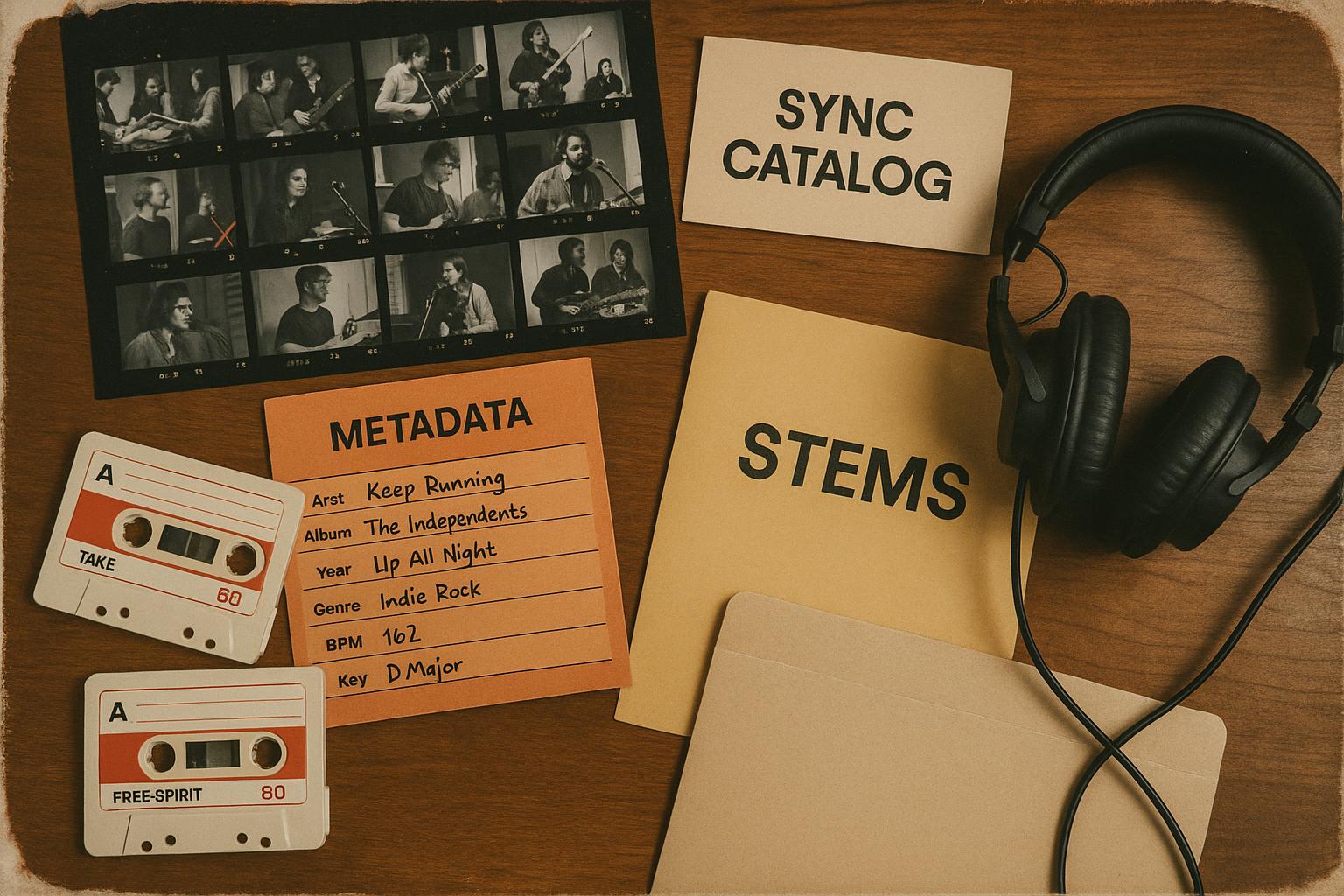
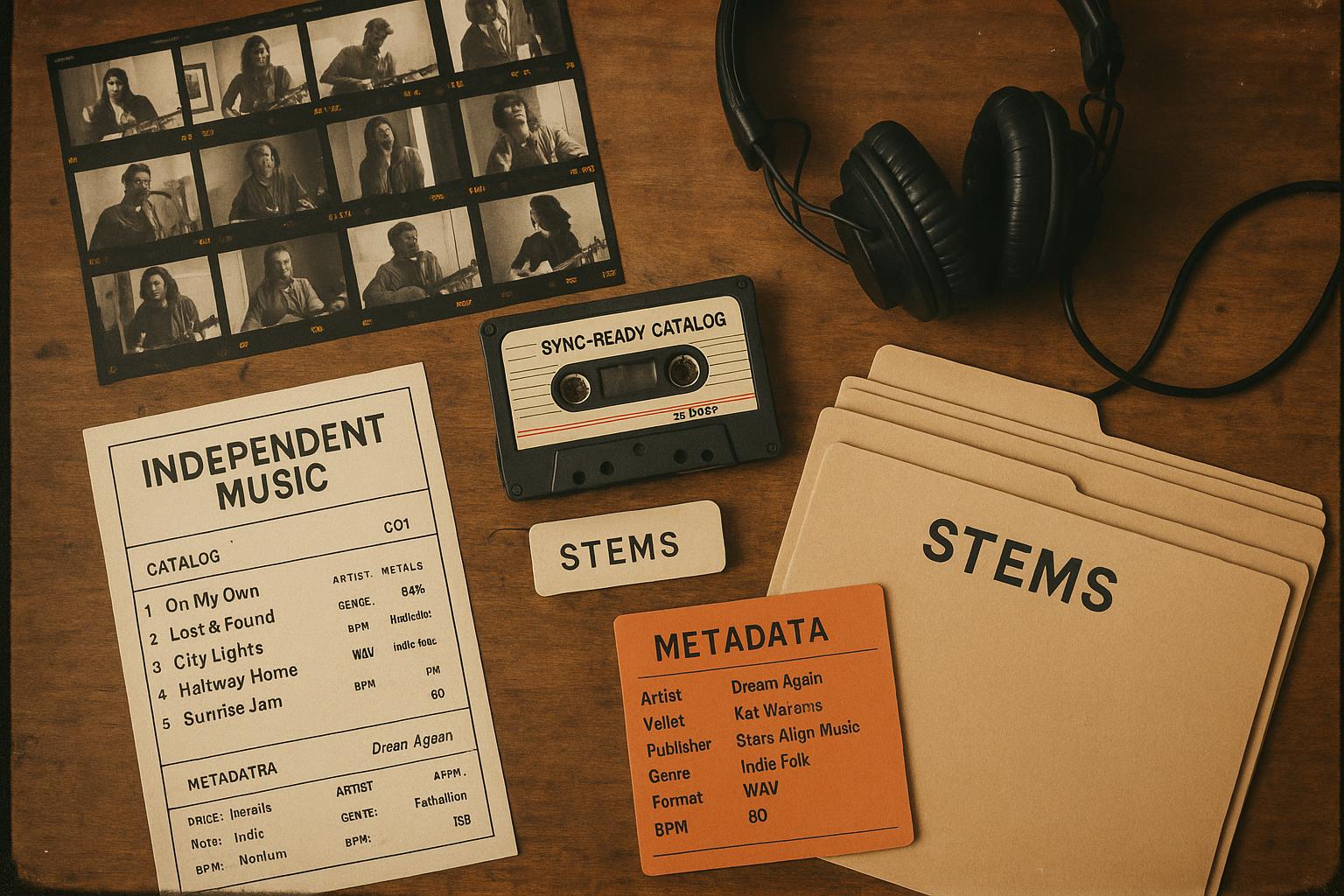
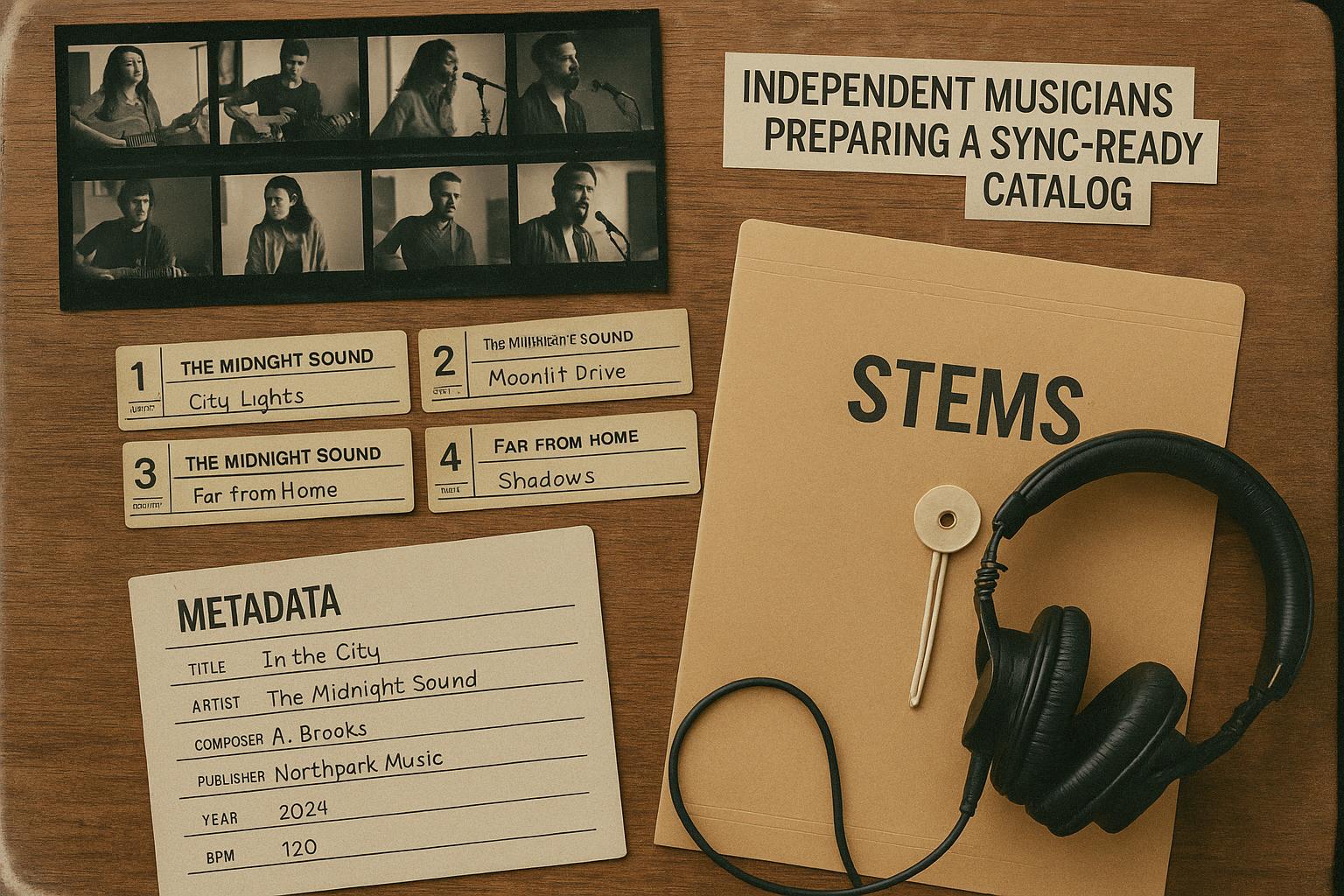
- Clear metadata: track title, artist, composer, copyright holder, and PRO information in a standardized format.
- Stems and alternate mixes: provide full vocal stems, instrumental stems, and a few alt mixes (radio edit, score mix, and a tempo/feel variant).
- Tempo, key, and duration: include BPM, musical key, and typical usage length (30s, 60s, 90s) for timing in scenes.
- Cue-friendly labeling: concise, descriptive track names and a short one-page note about mood and potential scenes.
- Clear ownership and rights status: confirm publishing and master rights, and provide a ready-to-license statement.
- File delivery standards: high-quality WAV/AIFF files, properly tagged and organized for easy ingestion.
- Usage-ready versions: provide clean, uncompressed masters and approved broadcast-ready masters for quick pitching.
Practical tip: start with a core catalog of 20–40 tracks that you can pitch within 24–48 hours. Build out from there with consistent metadata templates and standardized stems. This approach scales well for both producers and songwriter-owners aiming for repeat placements.
Pitching for film, TV, and trailer opportunities: step-by-step
A targeted, repeatable pitching process increases win rates and speeds up approvals. Use this framework to approach supervisors in LA and beyond.
- Audit your catalog for sync-readiness: confirm stems, alt mixes, and metadata accuracy for every track.
- Research target supervisors and projects: identify shows, films, trailers, and brands actively seeking indie music in your genre.
- Craft a concise pitch package: a one-sheet for the track or the catalog, a brief mood note, and a cue example that fits a typical scene.
- Personalize outreach: reference a recent project or trailer where similar music fit, and explain why your track matches the tone.
- Offer ready-to-license options: one-stop clearance where possible, with clear license terms and a suggested usage window.
- Attach or link to high-quality audio previews and stems: ensure easy auditioning by the supervisor and their team.
- Track responses and iterate: maintain a simple CRM or spreadsheet to monitor pitches, responses, and follow-ups.
Tip for fast wins: pair high-concept tracks with practical usage notes (e.g., “upbeat chase cue for a 30-second montage” or “emotional vocal verse for a character moment”). This helps supervisors imagine the music in their scenes and reduces back-and-forth.
Rights readiness and catalog governance for confident sync licensing
Clear rights and accurate metadata are non-negotiable for successful placements. This section outlines the core elements you must have dialed in.
Key readiness areas:
- Split sheets: clearly define ownership percentages for all writers and contributors, with sign-offs from all parties.
- Master and publishing ownership clarity: identify who controls master rights and who holds publishing rights for each track.
- PRO registration: ensure all writers are registered with their Performing Rights Organization and that the track is linked to the correct publisher.
- ISRC and ISWC metadata: assign ISRC codes to masters and ISWC codes to works to enable accurate tracking and royalty distribution.
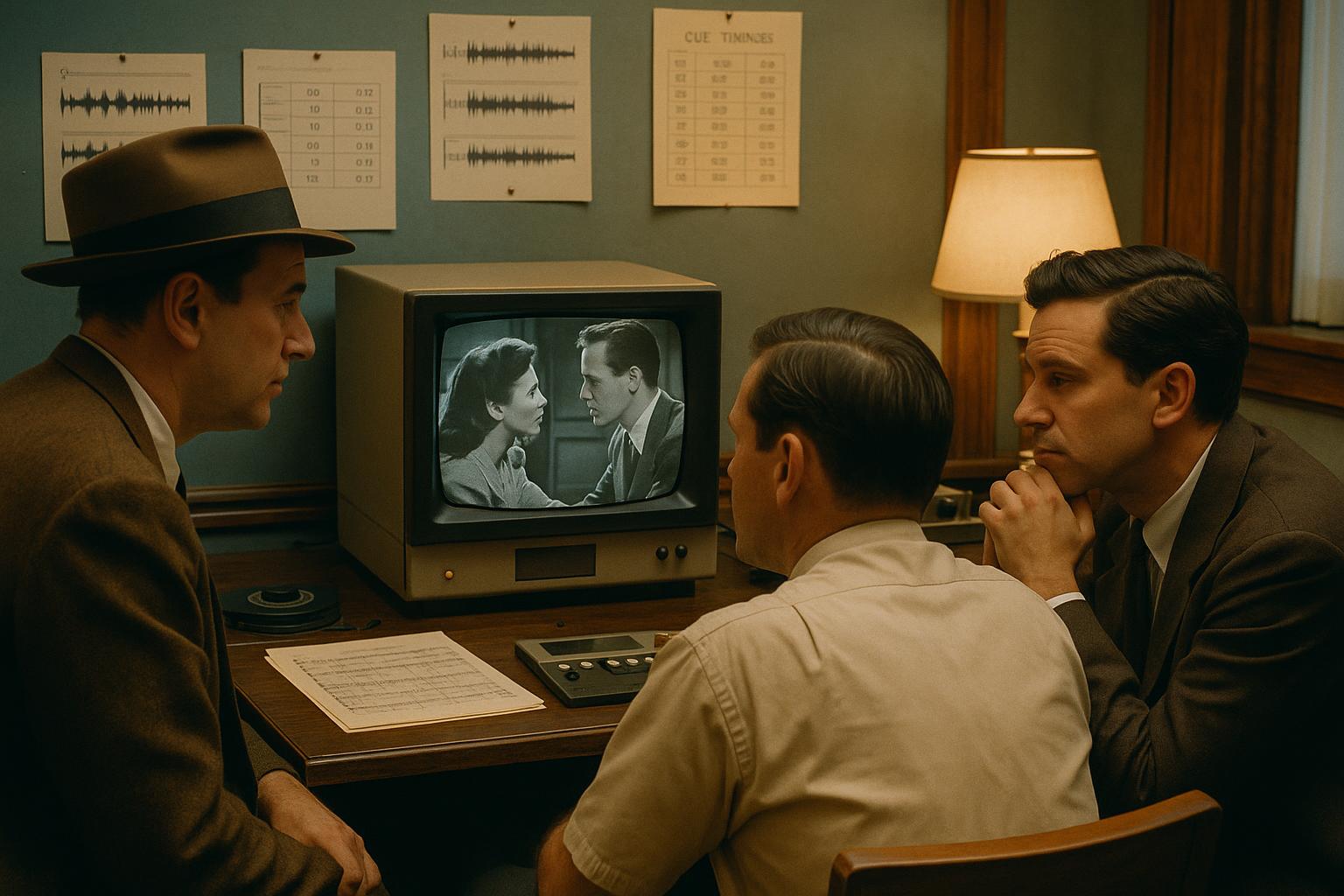
- Cue sheets: prepare cue sheets promptly when a placement occurs to capture usage details for royalties and licensing records.
Automation and accuracy reduce denial risk at the clearance stage. Align your catalog governance with industry-standard templates and keep documents accessible to your sync team, publisher, and rights administrator. One World Media can streamline this process through comprehensive publishing services, rights administration, and streamlined distribution, helping you stay audit-ready as you scale.
Sync supervisor checklist: what they need from artists
This section is tailored to the needs of professionals who source clearable music for screen content. Meeting these requirements accelerates placements and reduces friction.
- Metadata quality: precise, standardized metadata (title, artist, composer, writer percentages, PROs, ISRC/ISWC).
- One-stop clearance readiness: where possible, provide licenses or clearances in a single package to simplify approvals.
- Alt mixes: include at least one alternative mix per track for different scenes or moods.
- Stems and instrumental versions: supply vocal stems, instrumental stems, and any score-over tracks to cover a wide range of cues.
- Fast turnaround: respond quickly to clearance requests, revisions, or additional metadata needs to keep production timelines on track.
- Watermark-free previews: provide clean previews for evaluation without watermarks or encoded files that hinder review.
- Legal and paid-up rights: confirm you own or control the rights to all elements in the track (no unresolved samples or third-party issues).
In practice, supervisors in Los Angeles often operate under tight schedules. Providing a robust, ready-to-use package reduces delays and increases the likelihood of a second or third placement from the same project or show.
Producer–songwriter collaboration workflows that increase placement success
Well-designed collaboration workflows reduce friction, speed up approvals, and lead to more consistent, placement-ready material. Implement these practices to boost outcomes.
- Define clear ownership and publishing splits up front: use written agreements and standardized templates for all collaborations.
- Use shared project templates: maintain consistent stems, naming conventions, and mix templates across all tracks.
- Standardize stems and mixes: always deliver vocal stems, instrumental stems, and two alt mixes per track to maximize use cases.
- Establish a clear version-control process: track edits, who approved what version, and final master status for licensing.
- Pre-clear samples and ensure originality: avoid non-cleared elements; maintain documentation for all elements used.
- Coordinate release and publishing timelines: align catalog updates with pitching cycles and potential show needs.
- Track results and iterate: analyze which cues land with supervisors and replicate the successful elements in new tracks.
Effective collaboration accelerates growth in sync revenue. A synchronized workflow is a key facet of comprehensive artist development, and it pairs well with One World Media’s published services—publishing, rights admin, distribution, and strategic artist development—to create scalable, repeatable success in the sync market.
Case study: indie promotion in action
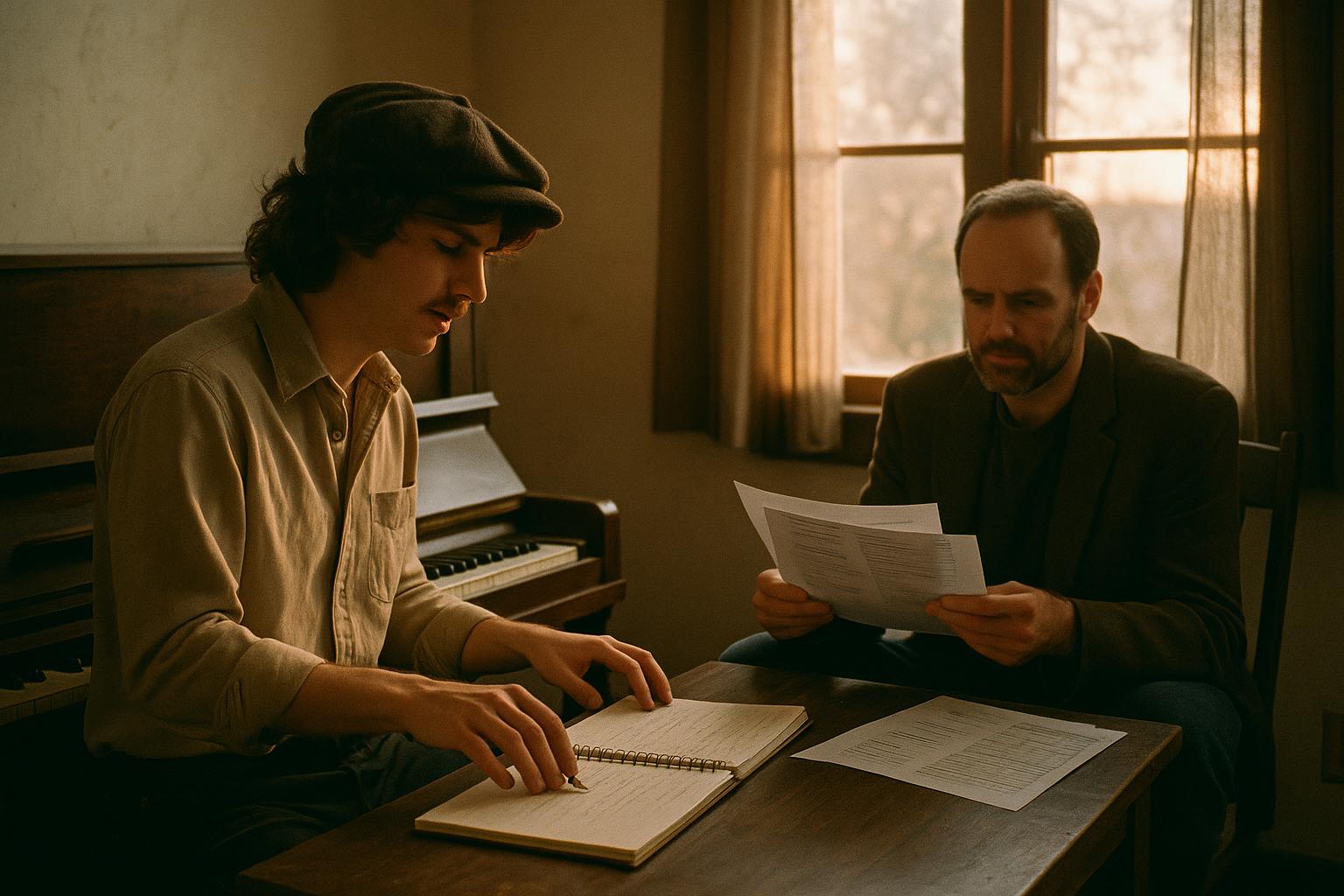
A small Los Angeles-based producer-songwriter duo built a 24-track catalog over 12 months, focusing on metadata accuracy, consistent stems, and two alt mixes per track. They paired this with targeted outreach to LA-based editors and a simple CRM to maintain relationships. Within eight weeks of launching a focused pitch campaign, a drama series pitched for a 60-second montage placed one track as a key mood cue, followed by another placement in a trailer for a regional film festival. The project used one-stop clearance in the license package, and cue sheets were prepared promptly after the approvals. Within six months, the duo secured ongoing sync work with three additional productions and began recurring revenue through ongoing publishing and distribution support. This scenario illustrates how disciplined catalog development, targeted pitching, and a ready-to-license approach can translate into tangible placements and revenue—and how One World Media can support every step, from sync strategy to publishing, rights admin, distribution, and artist development.
FAQ
Q: How long does it typically take to place a track once it’s ready?
A: Timing varies by project, but with a well-prepared catalog and proactive outreach, many indie placements occur within 2–6 weeks. Faster outcomes are possible when you have ready stems, alt mixes, and accurate metadata to share with supervisors.
Q: Do I need to register with a PRO and obtain ISRC/ISWC codes?
A: Yes. PRO registration ensures you receive performance royalties, and ISRC/ISWC codes enable accurate tracking of master and work rights across platforms and cue sheets. This is essential for reliable compensation and licensing records.
Q: What can I do to smooth the clearance process for a placement?
A: Provide a complete, clear licensing package (preferred licensing model or one-stop clearance when possible), ensure all elements are owned or properly licensed, and respond quickly to any clearance questions or edits. Having stems and alternate mixes ready also speeds up the process.
Q: Why should I work with a partner like One World Media?
A: A partner with expertise in sync strategy, music publishing, rights admin, distribution, and artist development can accelerate placements, ensure legal and metadata accuracy, optimize revenue streams, and provide a scalable path from initial pitches to recurring sync income. LA-based opportunities and relationships are often a focus, but global opportunities are within reach with the right processes.
Contact One World Media
For more information, please contact us at support@oneworldmedia.global or call (307) 200-8139.