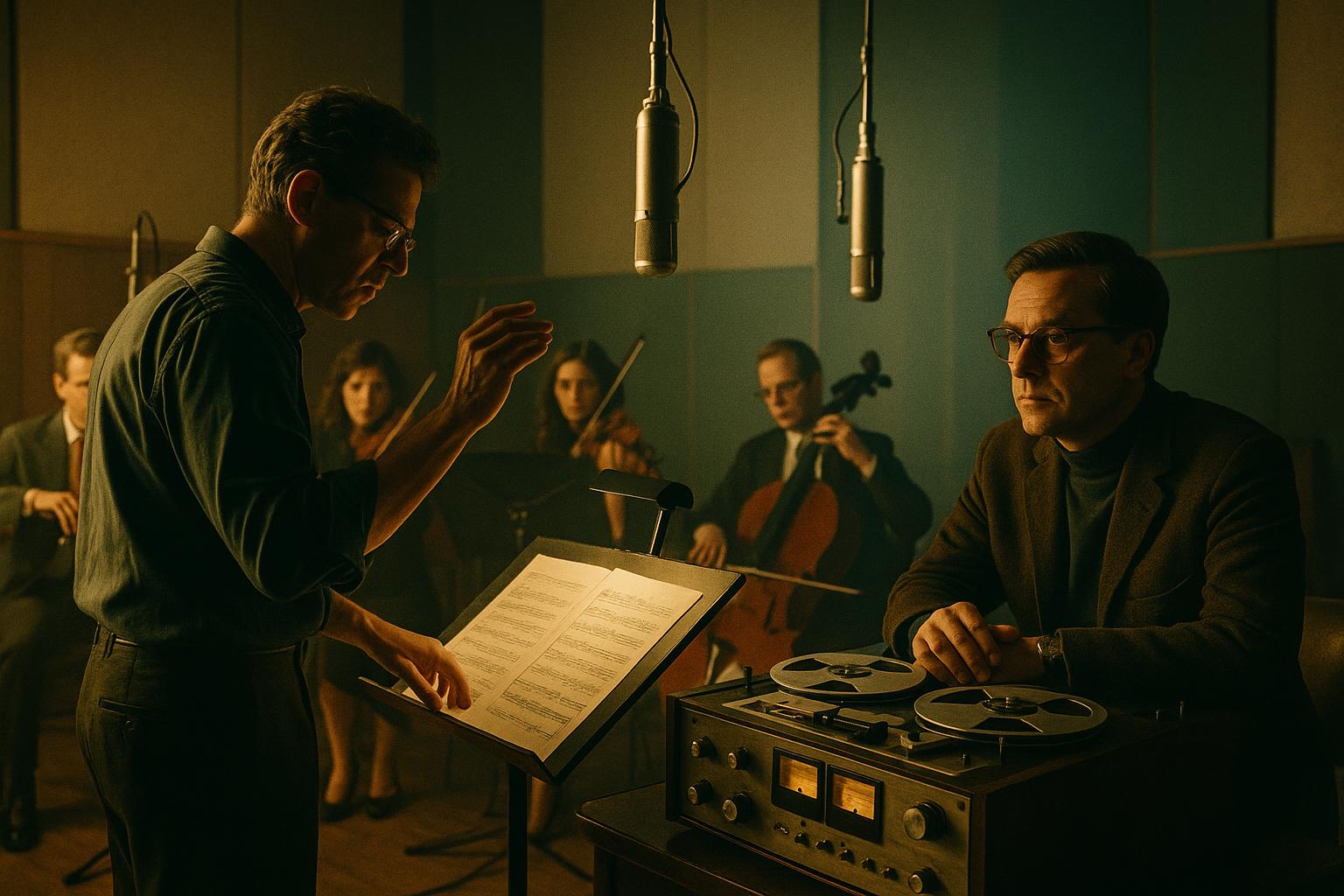
For producers building placement-ready catalogs, songwriters pitching for film and TV, and sync supervisors sourcing clearable, high-quality music, a purpose-built music publishing platform is a strategic force multiplier. It harmonizes rights management, metadata discipline, and catalog strategy with practical workflows that speed approvals, unlock licensing opportunities, and drive recurring sync revenue. In this guide, you’ll learn concrete steps to leverage such a platform—while seeing how One World Media’s blend of publishing, sync strategy, and distribution services can streamline your path to placements in movies, series, trailers, ads, and streaming content.
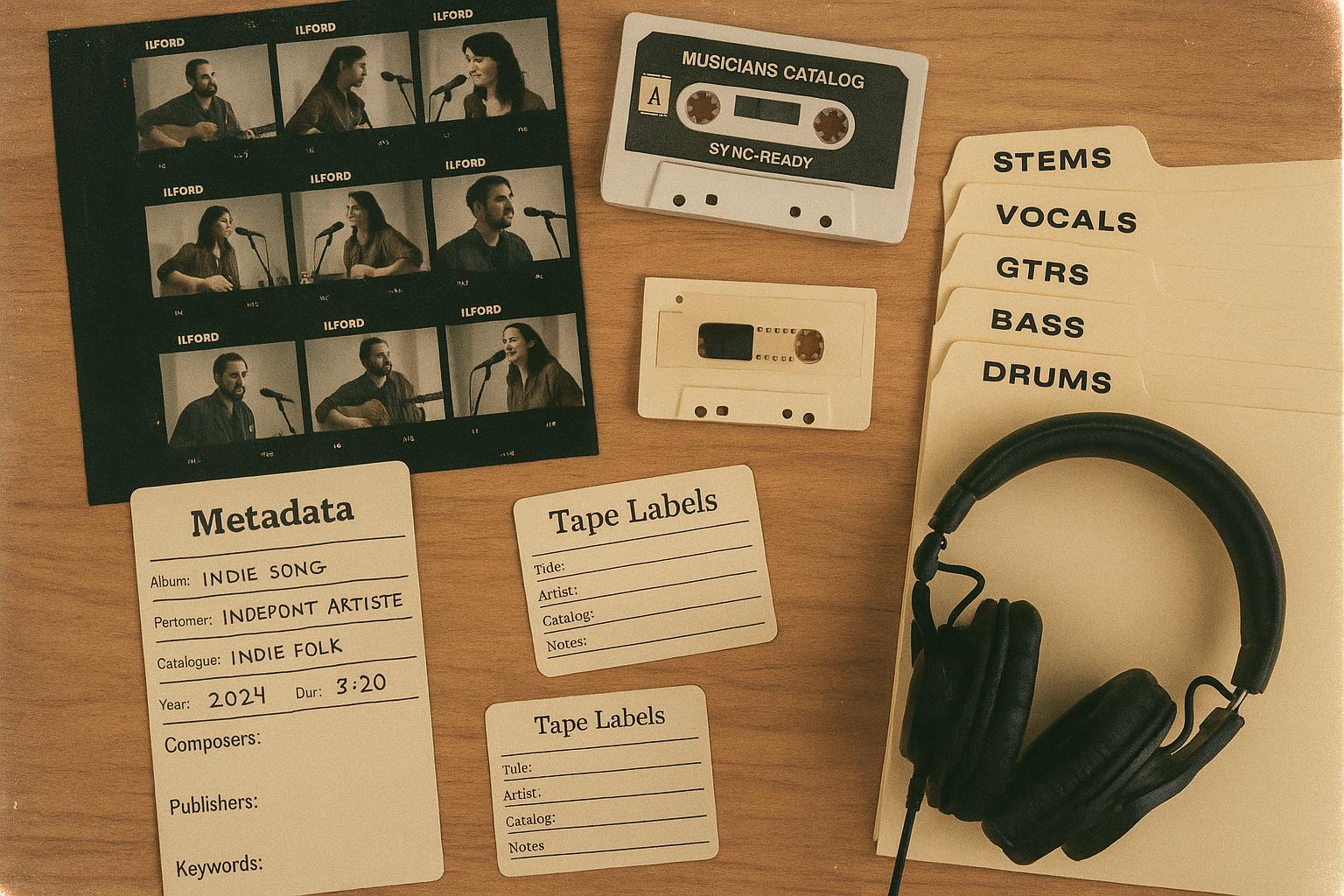
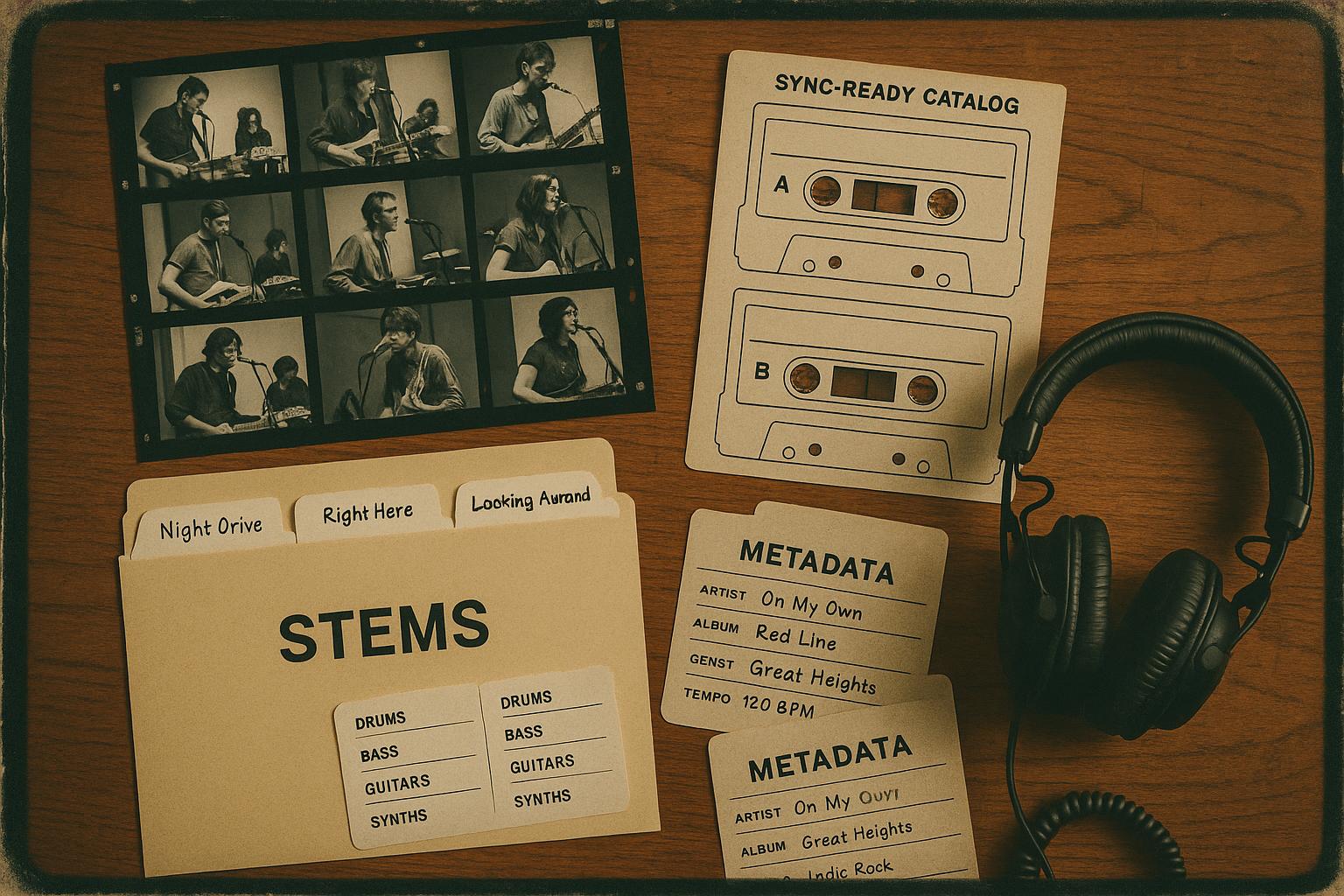
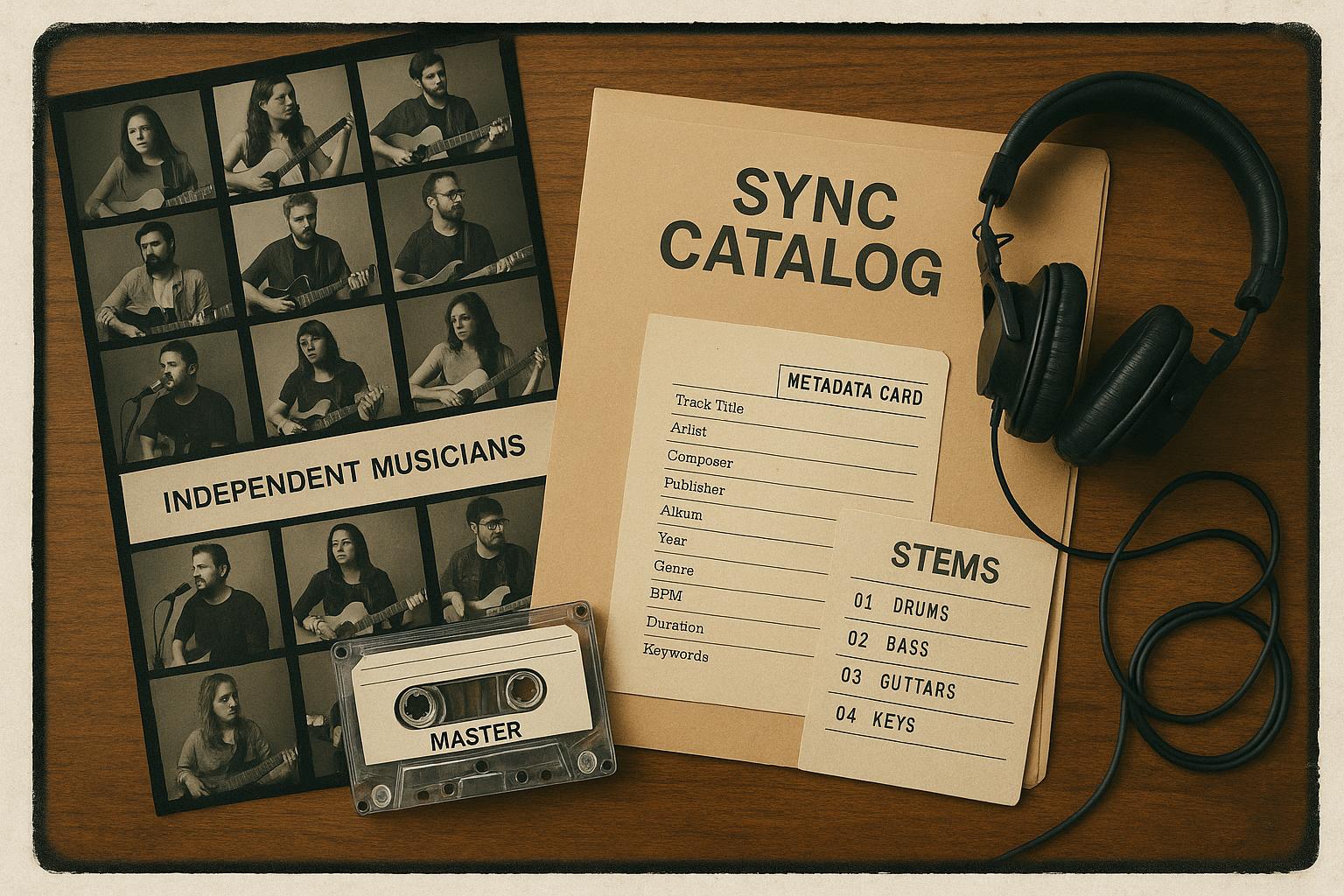
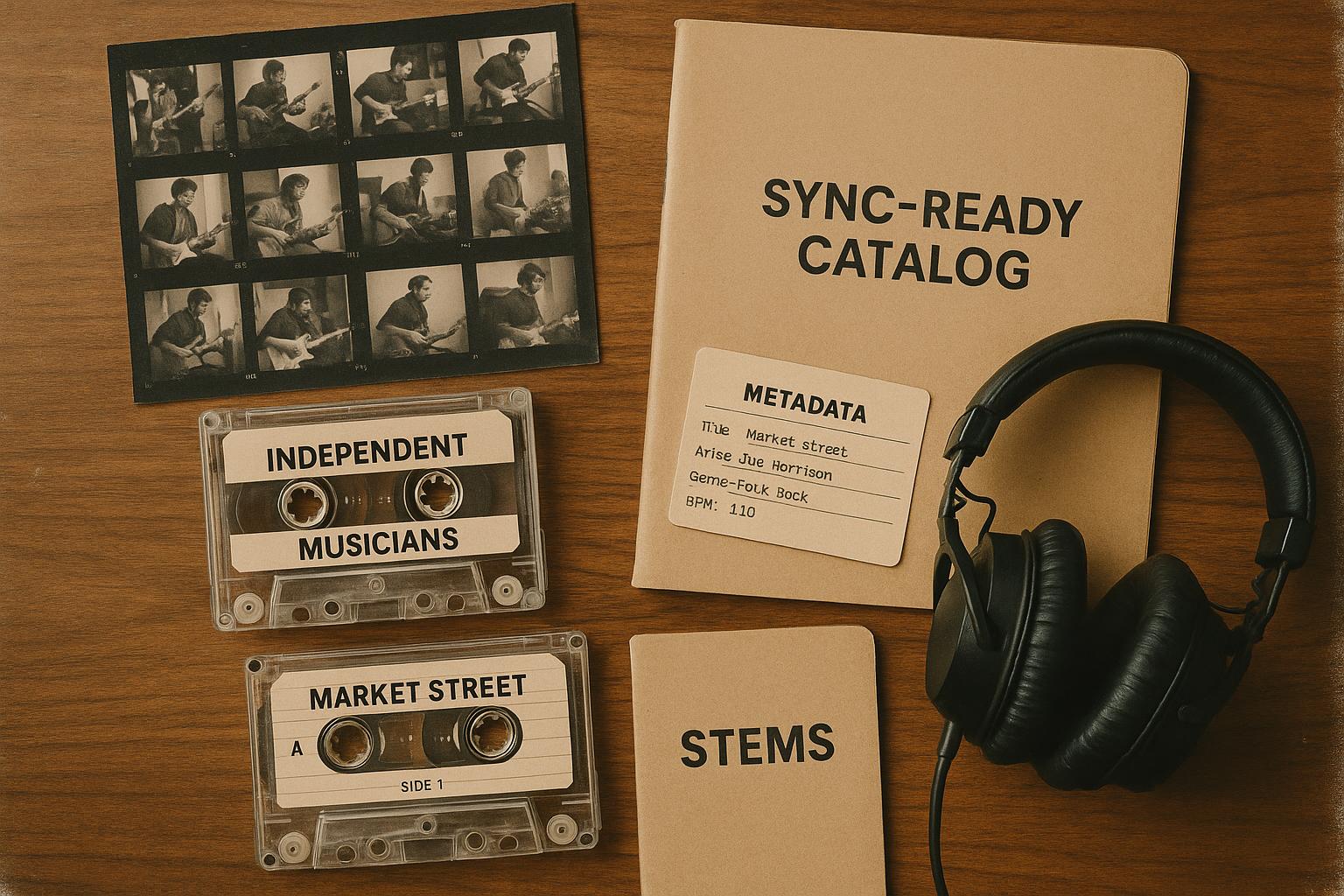
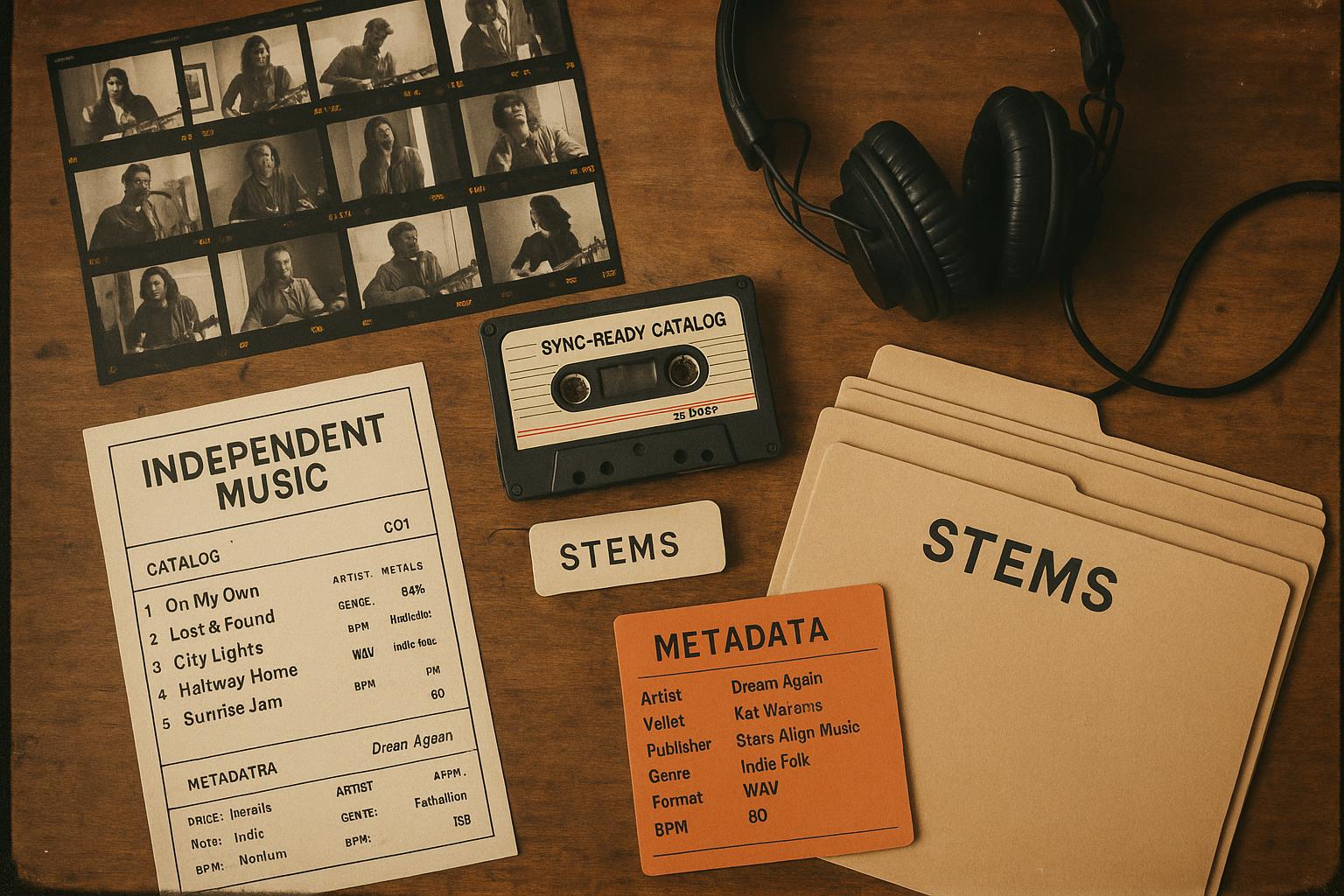
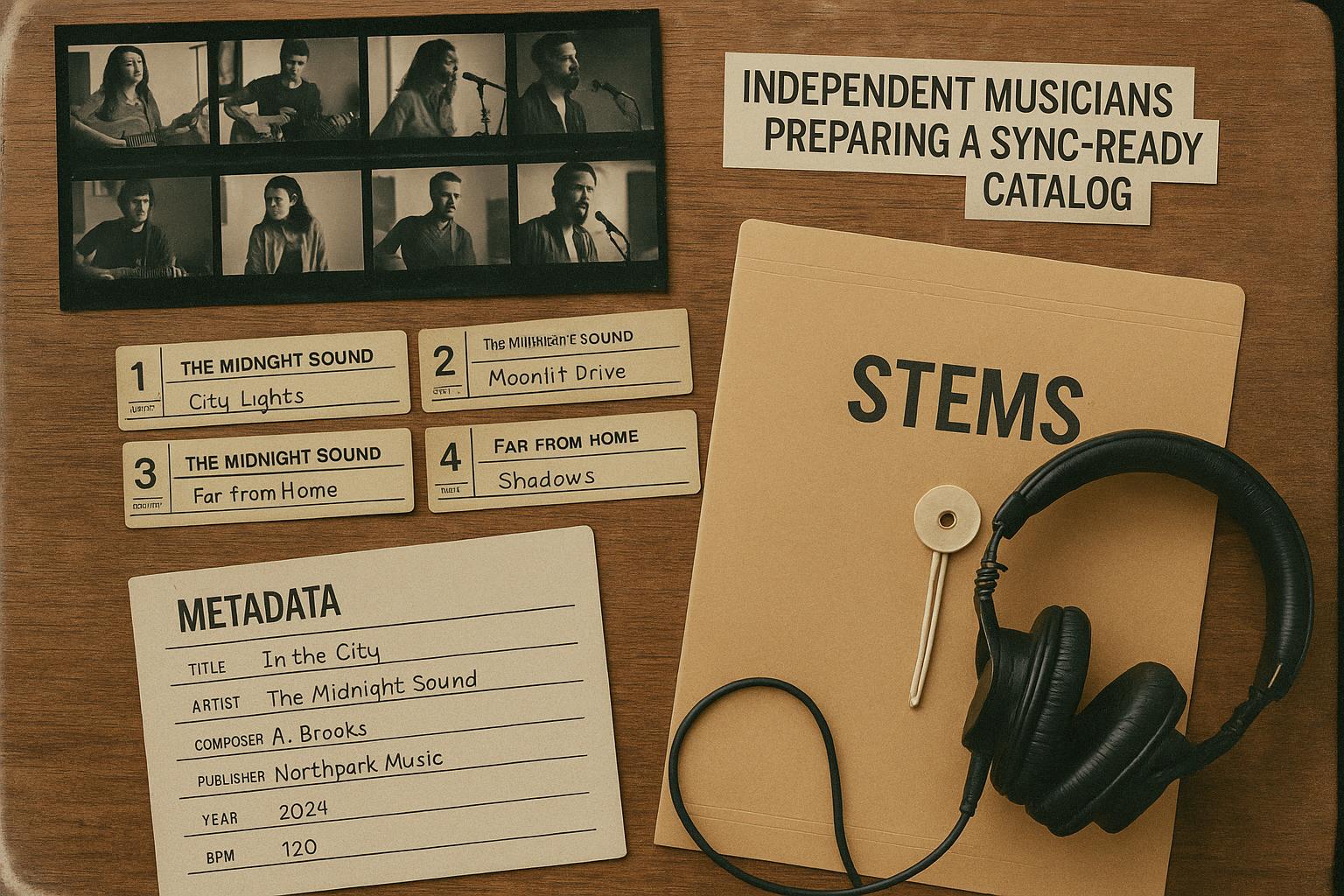
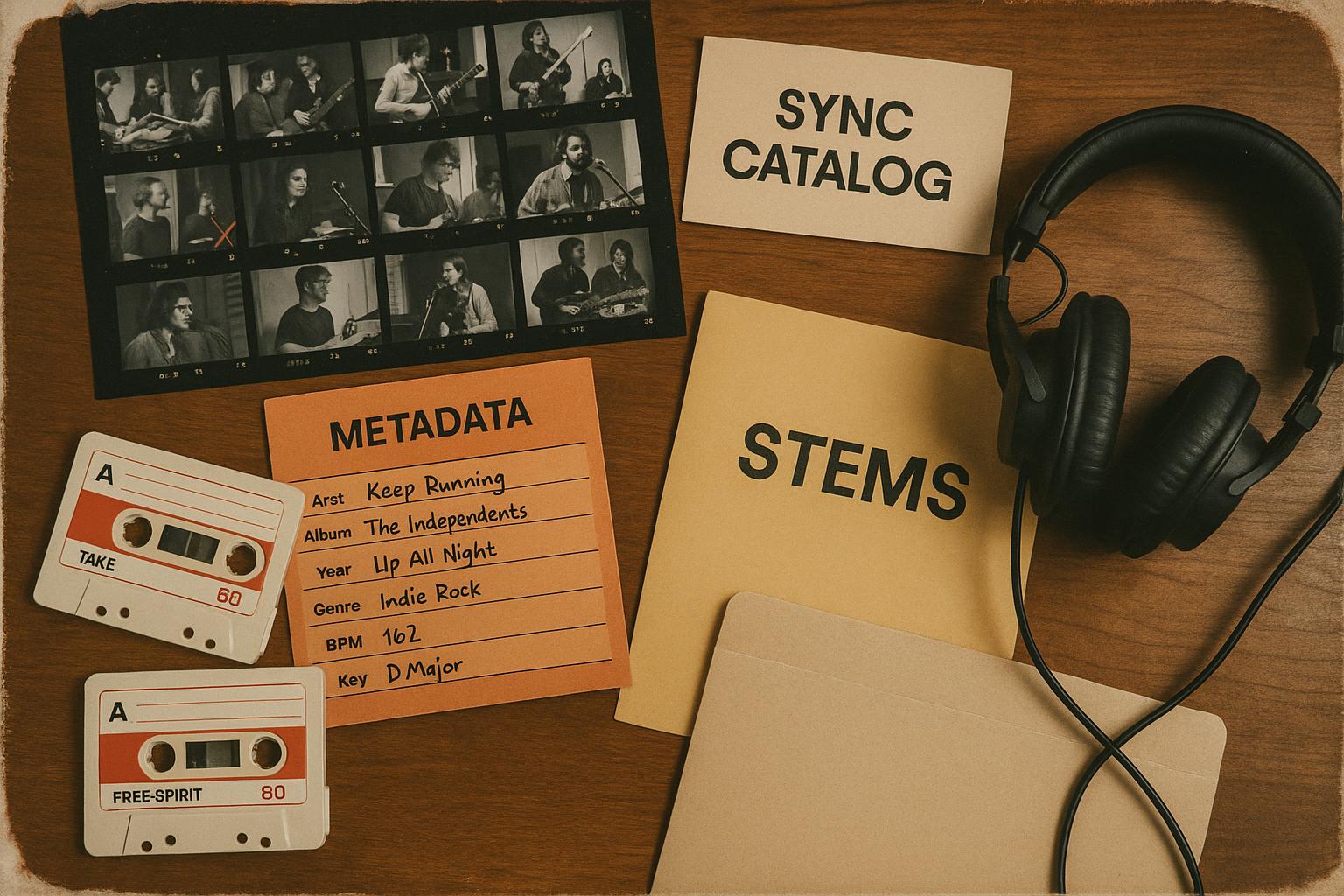
Metadata quality and catalog structure are the rails that keep sync opportunities moving. A music publishing platform that captures comprehensive, industry-standard metadata and organizes your catalog with clear tagging makes it easier for rights holders, sync supervisors, and licensing teams to find, evaluate, and clear tracks quickly.
Key metadata fields to standardize (at minimum):
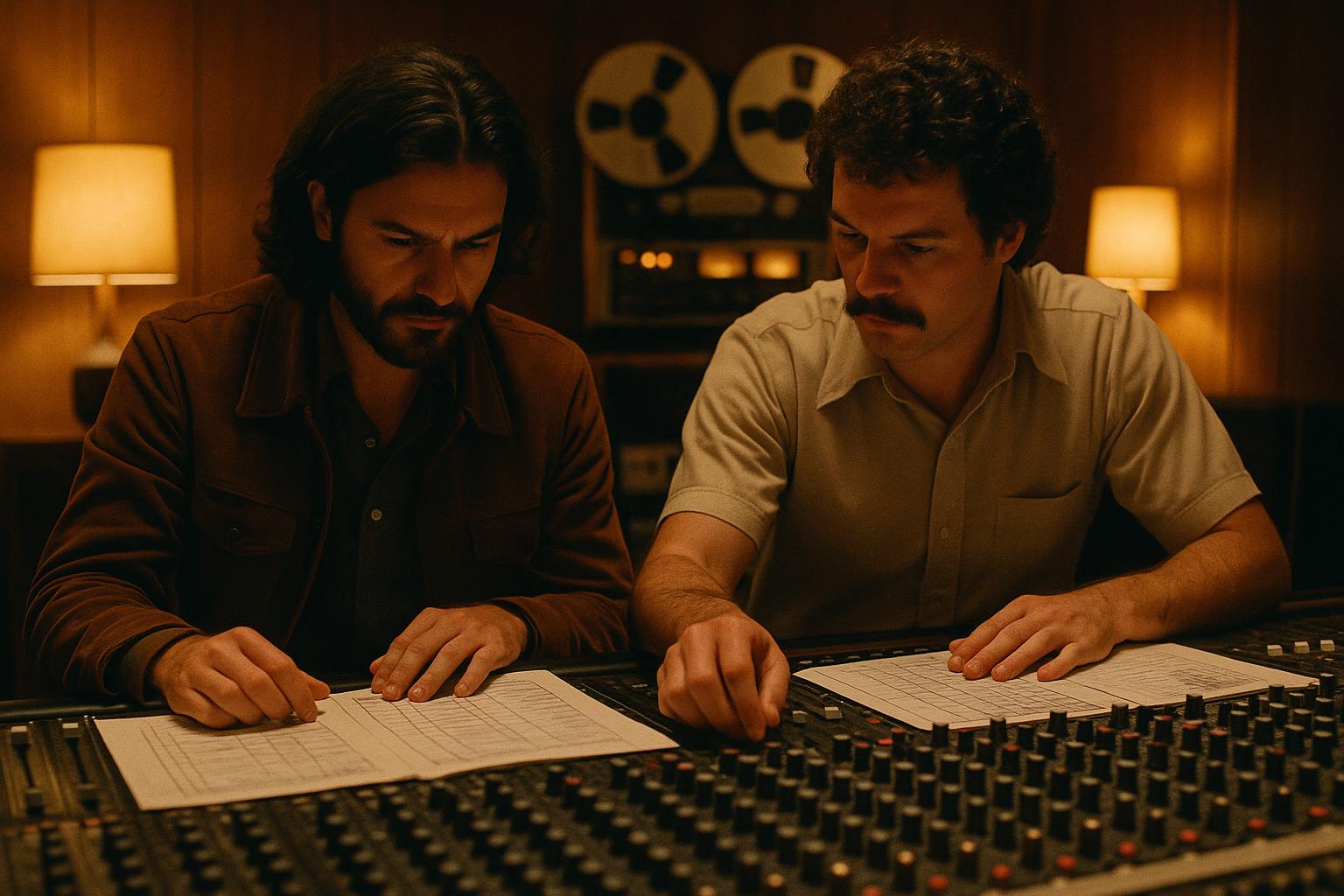
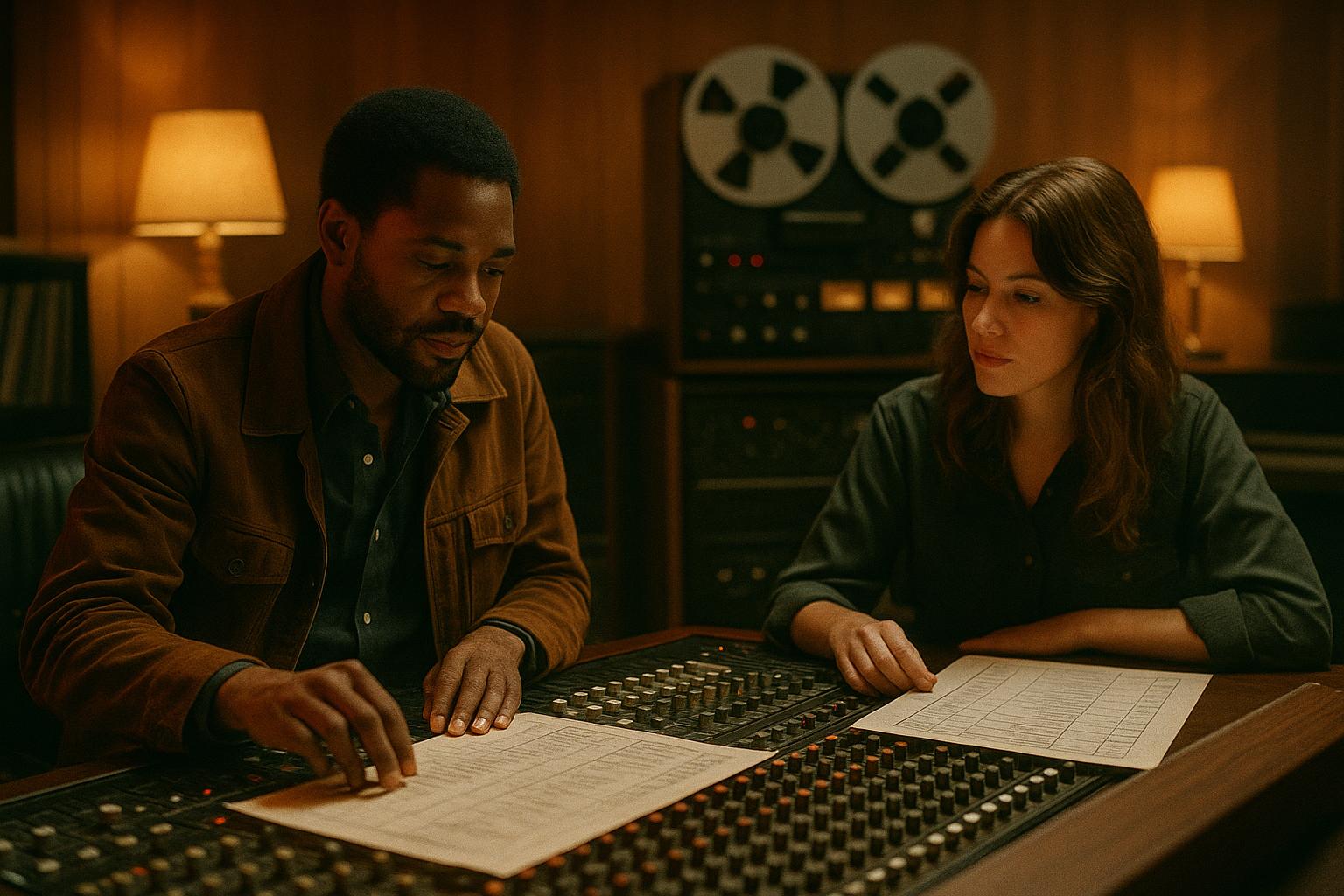
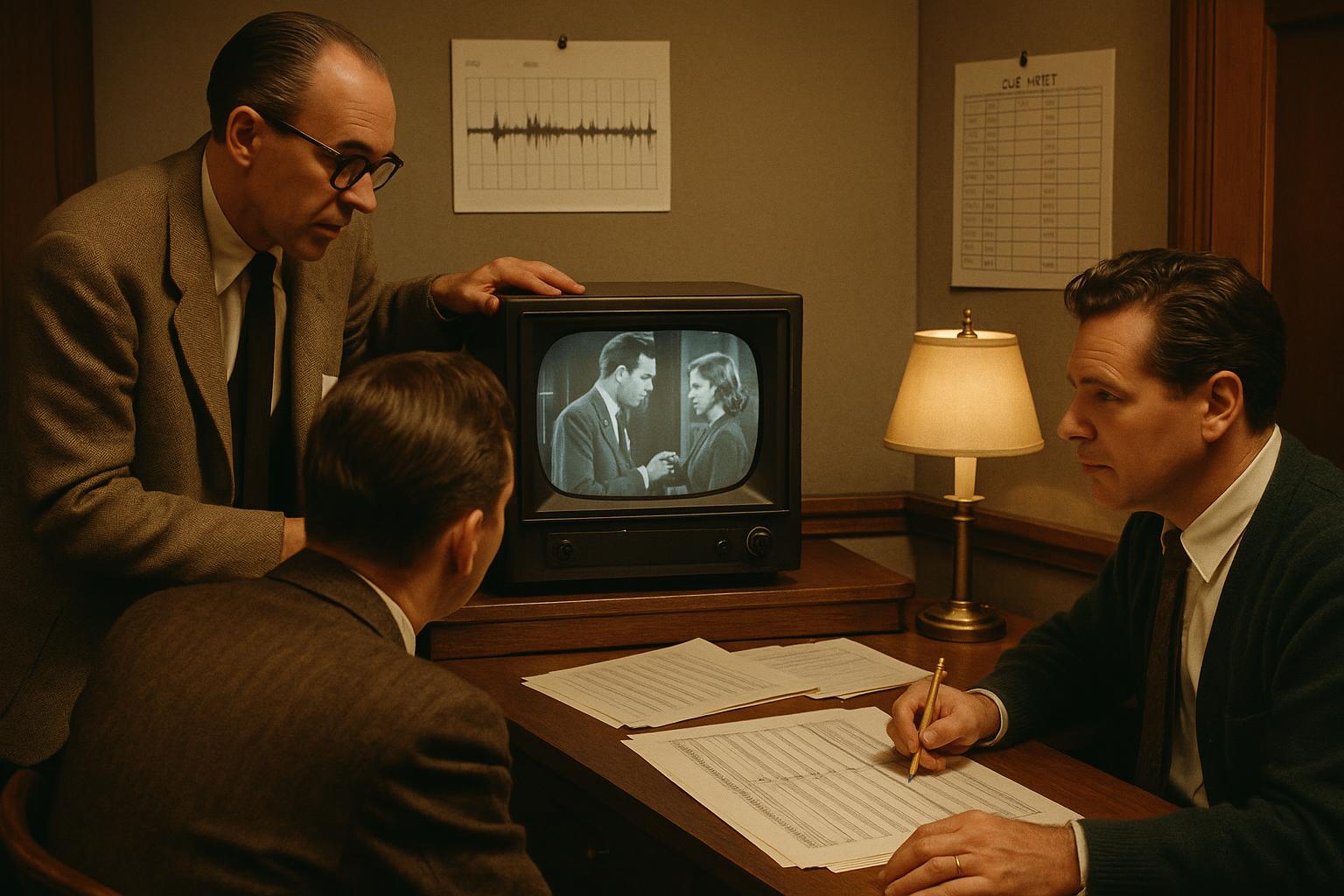
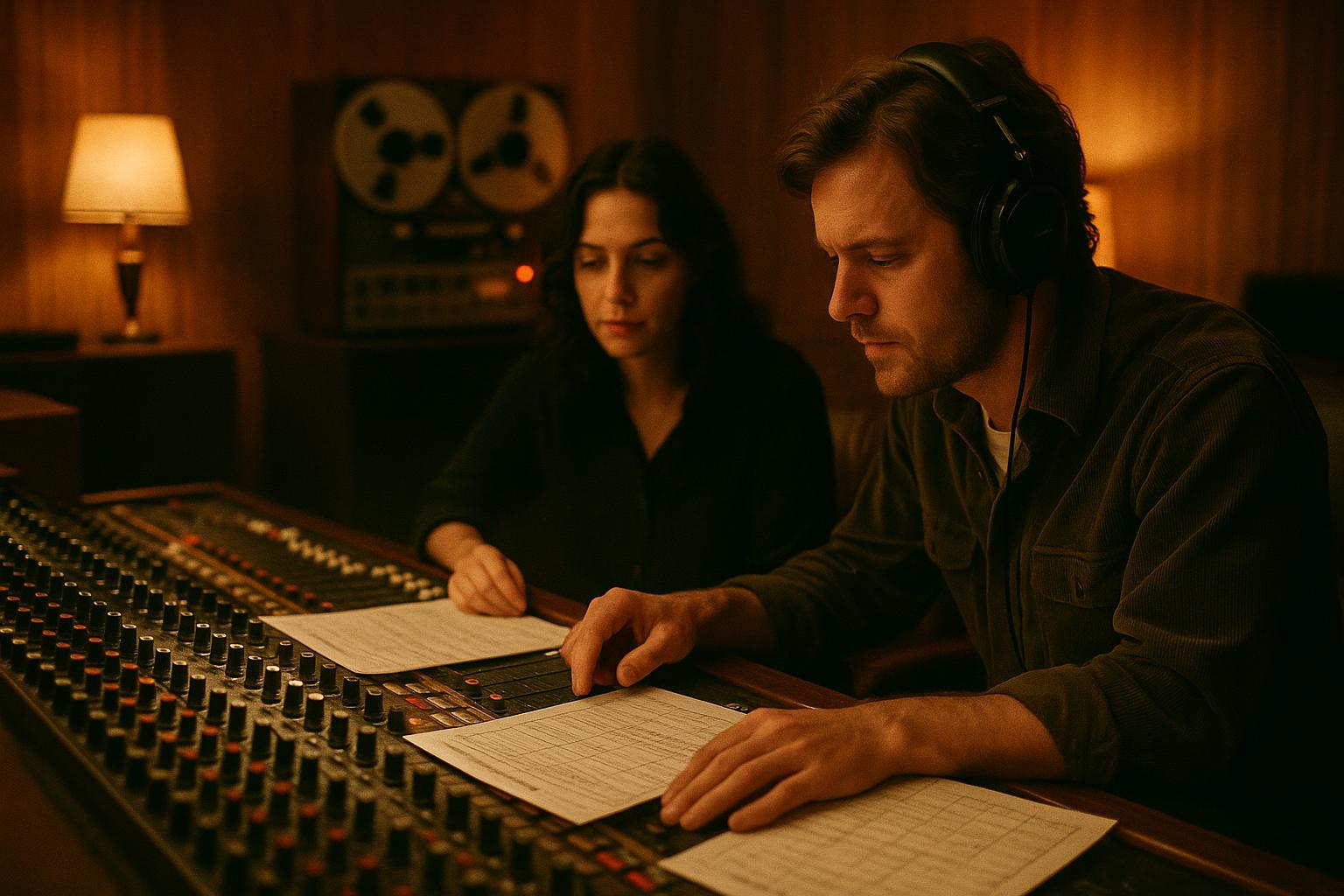
Cue sheets are your licensing lifeblood. They translate on-screen usage into official royalty records, ensuring that writers, publishers, and performers are fairly compensated. A robust music publishing platform should generate, store, and export cue sheets in industry-standard formats (e.g., for film, TV, and broadcast licensing).
Case example: A small LA-based production company partnered with One World Media to publish a catalog of synth-driven cues. By migrating to a metadata-rich platform with consistent ISRC/ISWC tagging and automatic cue-sheet generation, they secured three mid-level trailers and two streaming-series placements within eight weeks. The key was a clean taxonomy, fast-access search filters, and stems-ready versions that tailored to each brief. This real-world scenario underscores how strong metadata and catalog discipline accelerates clearance and increases win rates.
Practical tip: Build catalog playlists and mood-based collections inside the platform. Sync supervisors and editors often search by vibe or scene type, not just track name. Curated collections speed up matching and shorten cycle times for approvals.
Nothing halts a placement faster than ambiguous rights or missing registrations. A thoughtful rights readiness workflow ensures that every track in your catalog has clear ownership, complete registrations, and accurate cue data. This reduces back-and-forth with lawyers, accelerates licensing, and protects against misattribution or revenue leakage.
Crucial components:
LA-area practitioners know the importance of a well-run rights program due to the city’s density of film, TV, and advertising activity. A music publishing platform that supports rights administration, automatic PRO syncing, and integrated cue-sheet generation is especially valuable in this market, where licensing windows can be tight and opportunities abundant.
Real-world scene: A production house in Santa Monica needed a quick clearance on a dynamic pop track for a documentary trailer. The rights team relied on the platform’s linked ISRC/ISWC data and an auto-generated cue sheet to finalize licensing within 48 hours, enabling a rapid cut before the festival deadline. This is the kind of efficiency a robust rights framework unlocks, especially in fast-moving LA markets.
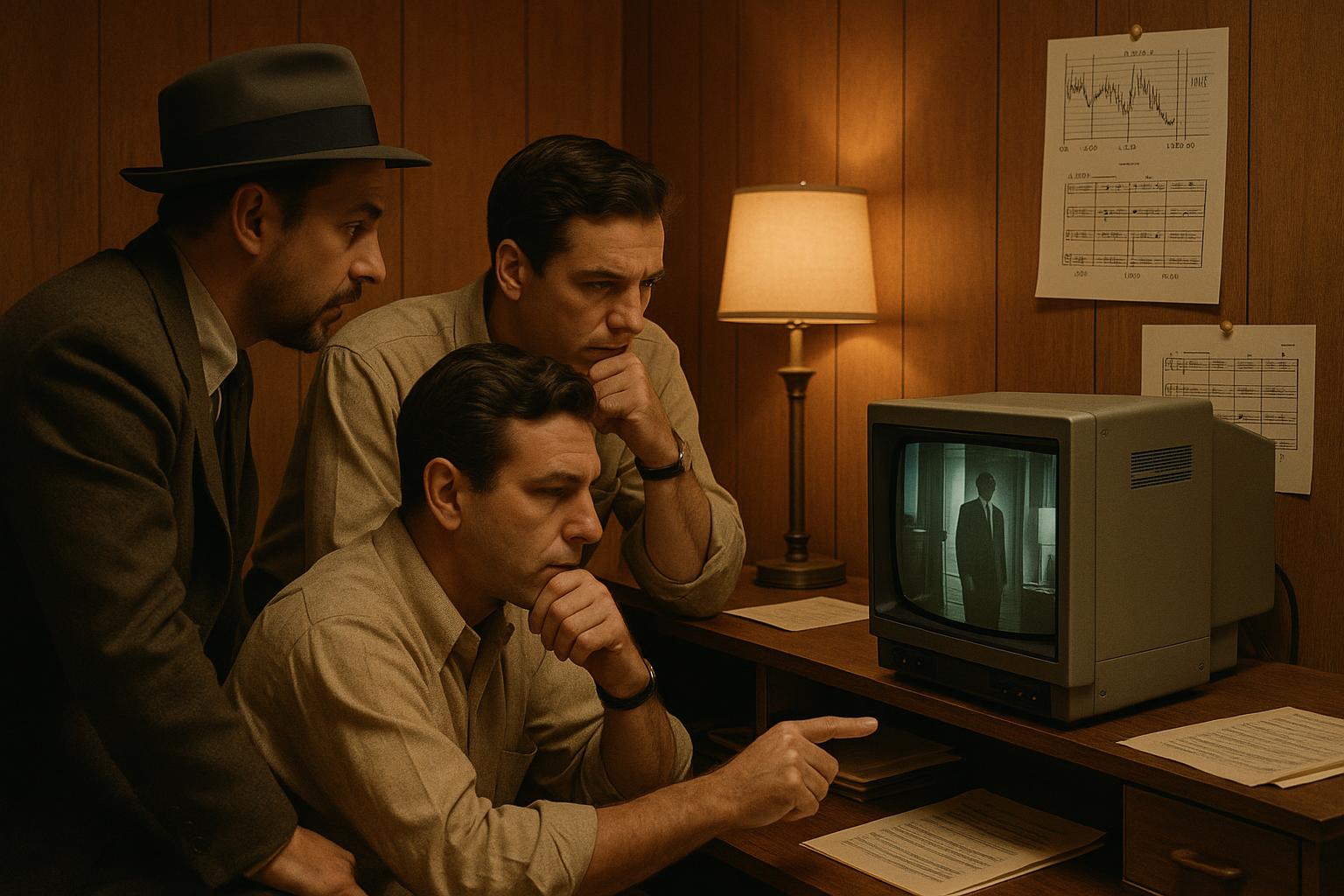
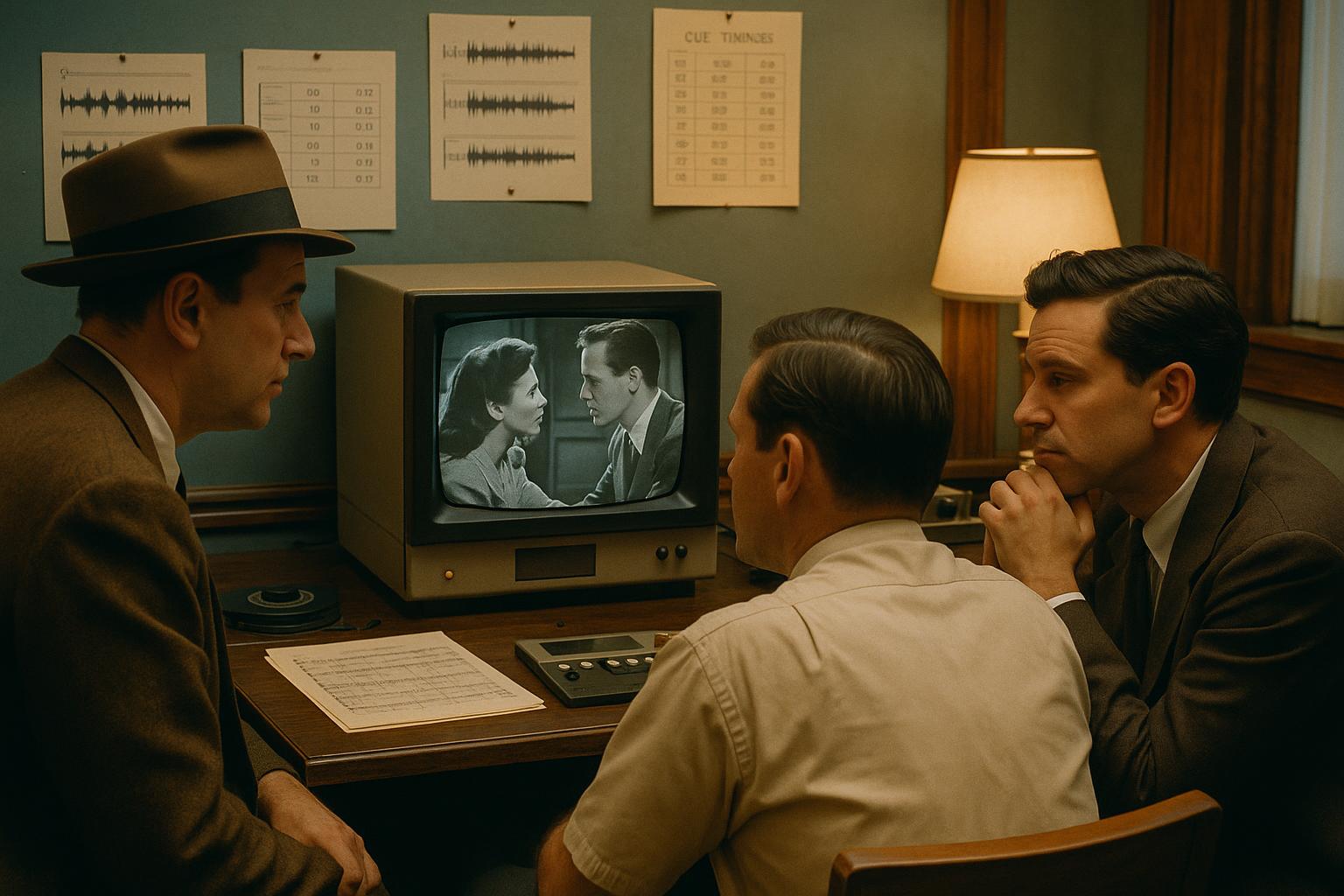
Sync supervisors are often pressed for time and depend on clear metadata, transparent rights, and immediate access to deliverables. A music publishing platform designed for sync can dramatically improve placement conversion rates by meeting these needs head-on.
What they typically require from artists and catalogs:
Practical guidance for editors and supervisors: tag tracks by potential scenes (e.g., opening montage, emotional moment, action cue) and provide a quick, non-legal-ready summary of rights. A platform that centralizes all licensing documents, versions, and cue sheets reduces back-and-forth and helps supervisors stay within project timelines. In Los Angeles’s competitive landscape, speed and precision matter more than ever.
Implementation tip: create a dedicated “Sync Readiness” sub-collection for each track that includes: 1) one-page licensing overview, 2) available versions, 3) stems, 4) complete cue sheet, and 5) fastest-approval contact. This minimizes the hold time on high-priority briefs.
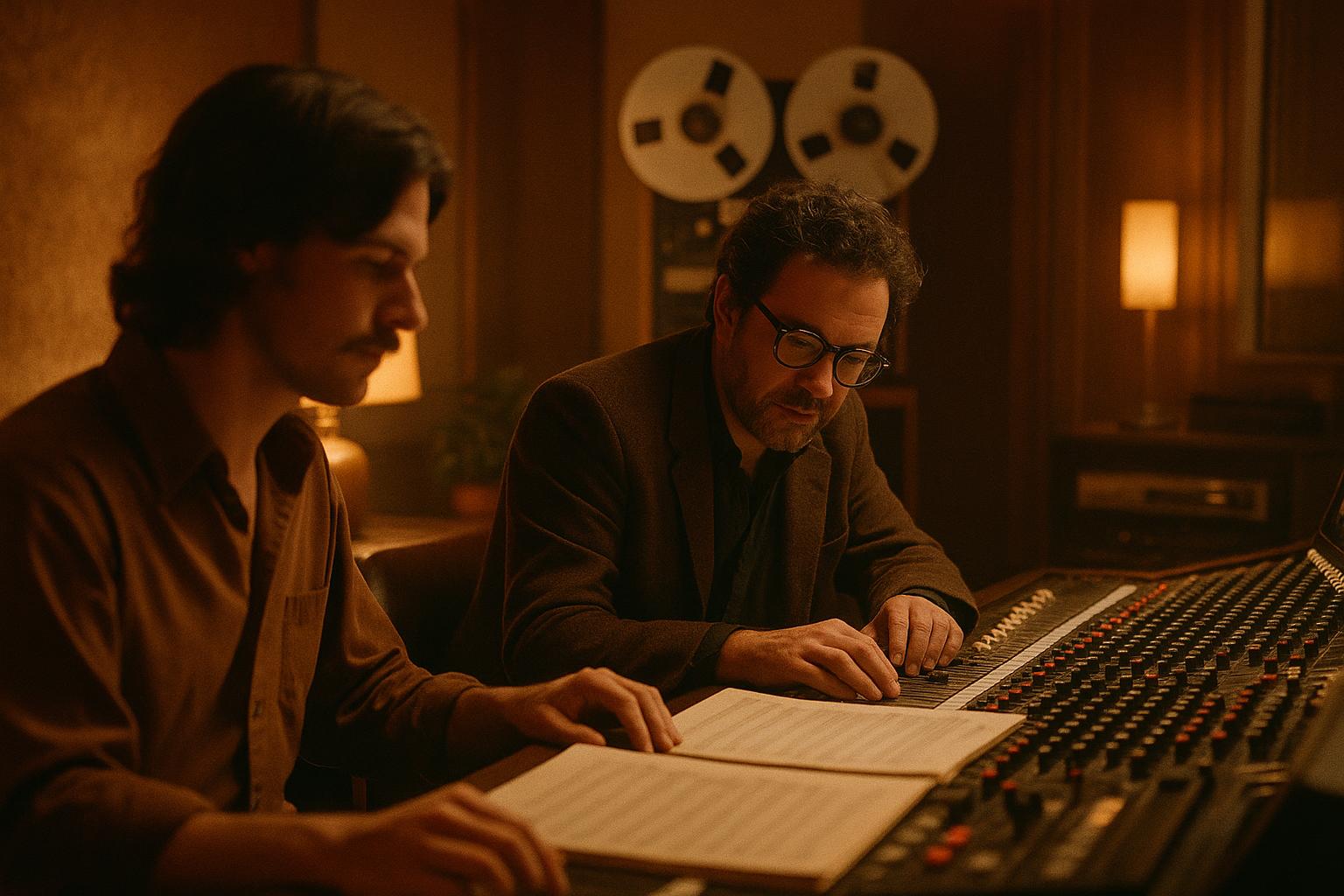
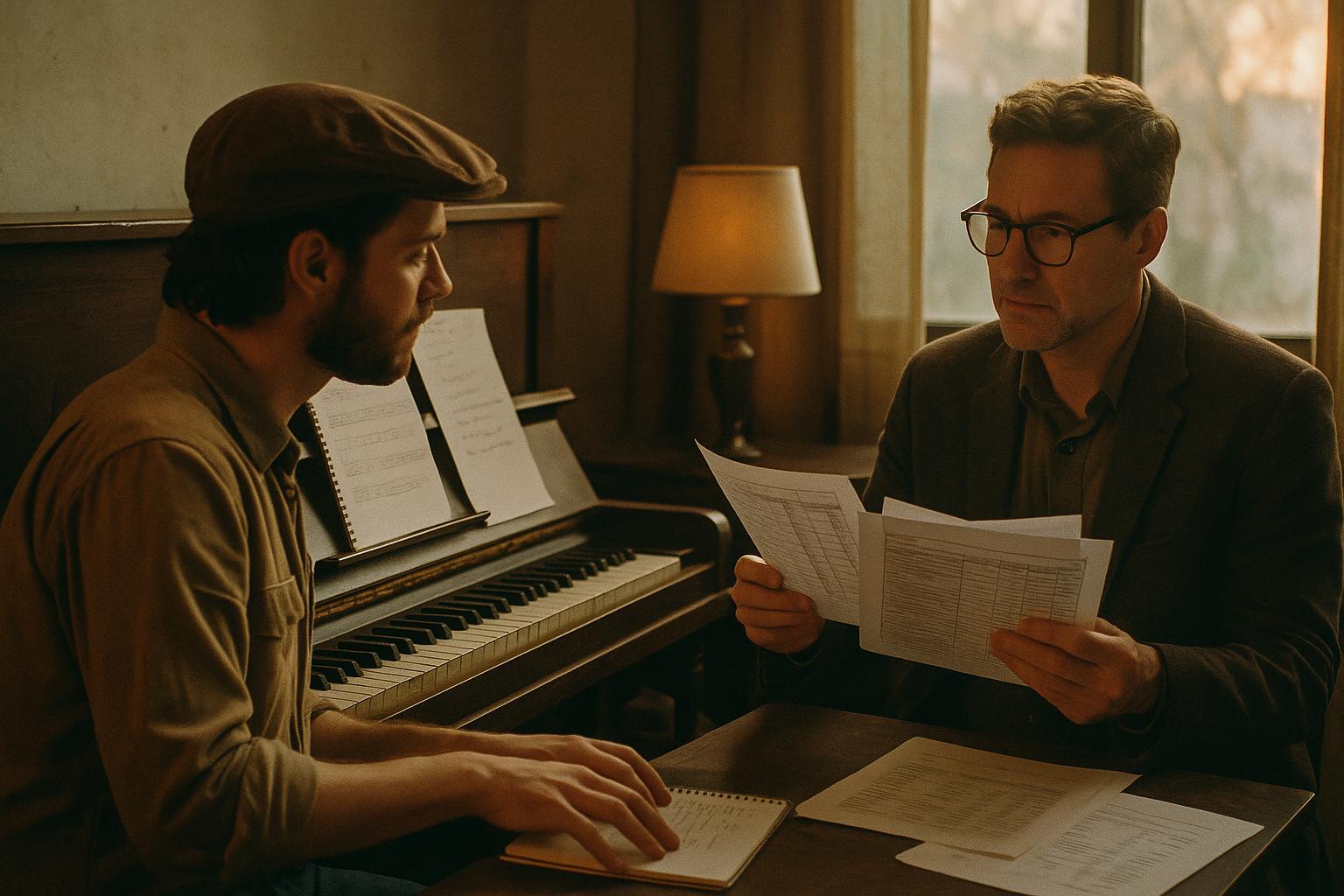
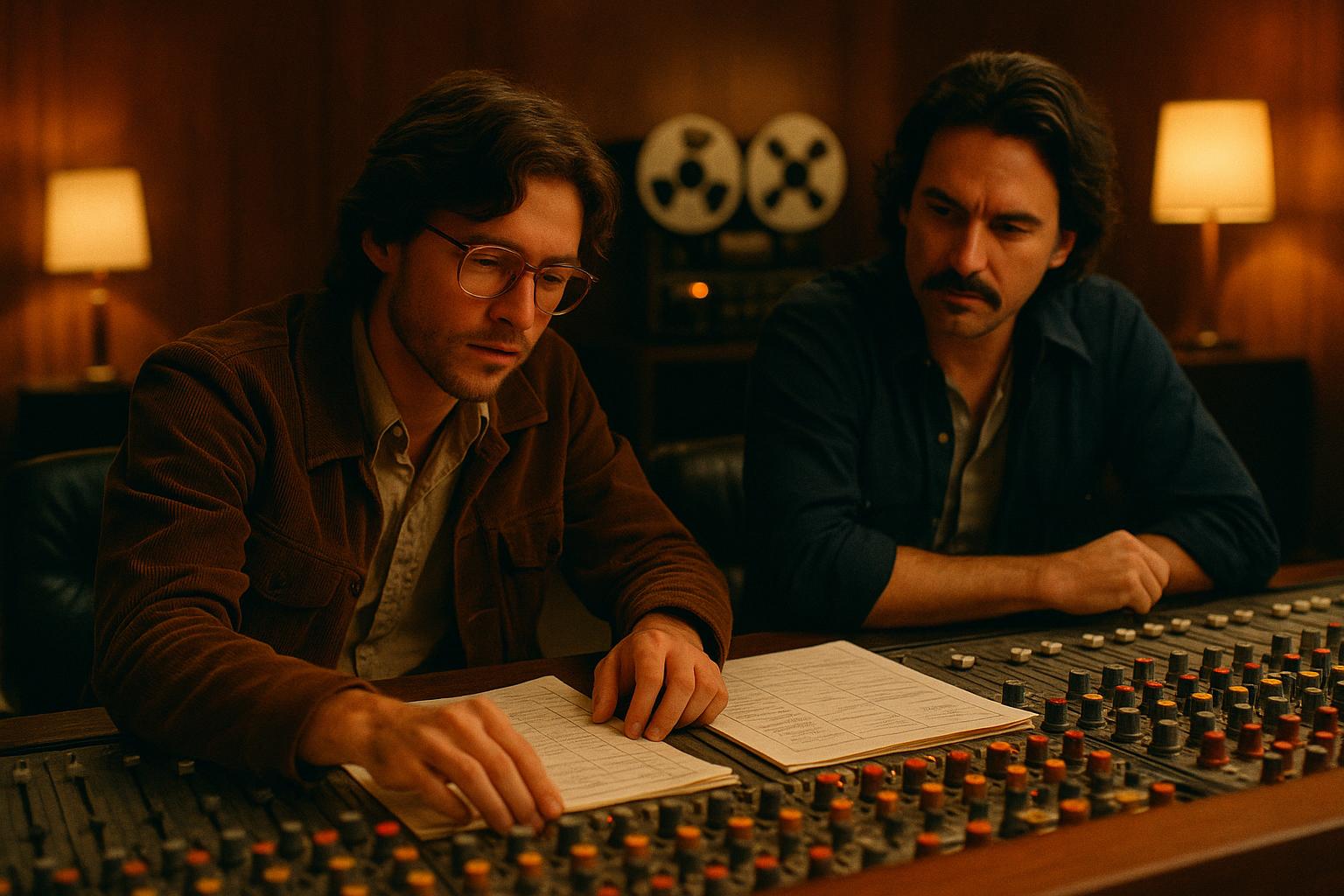
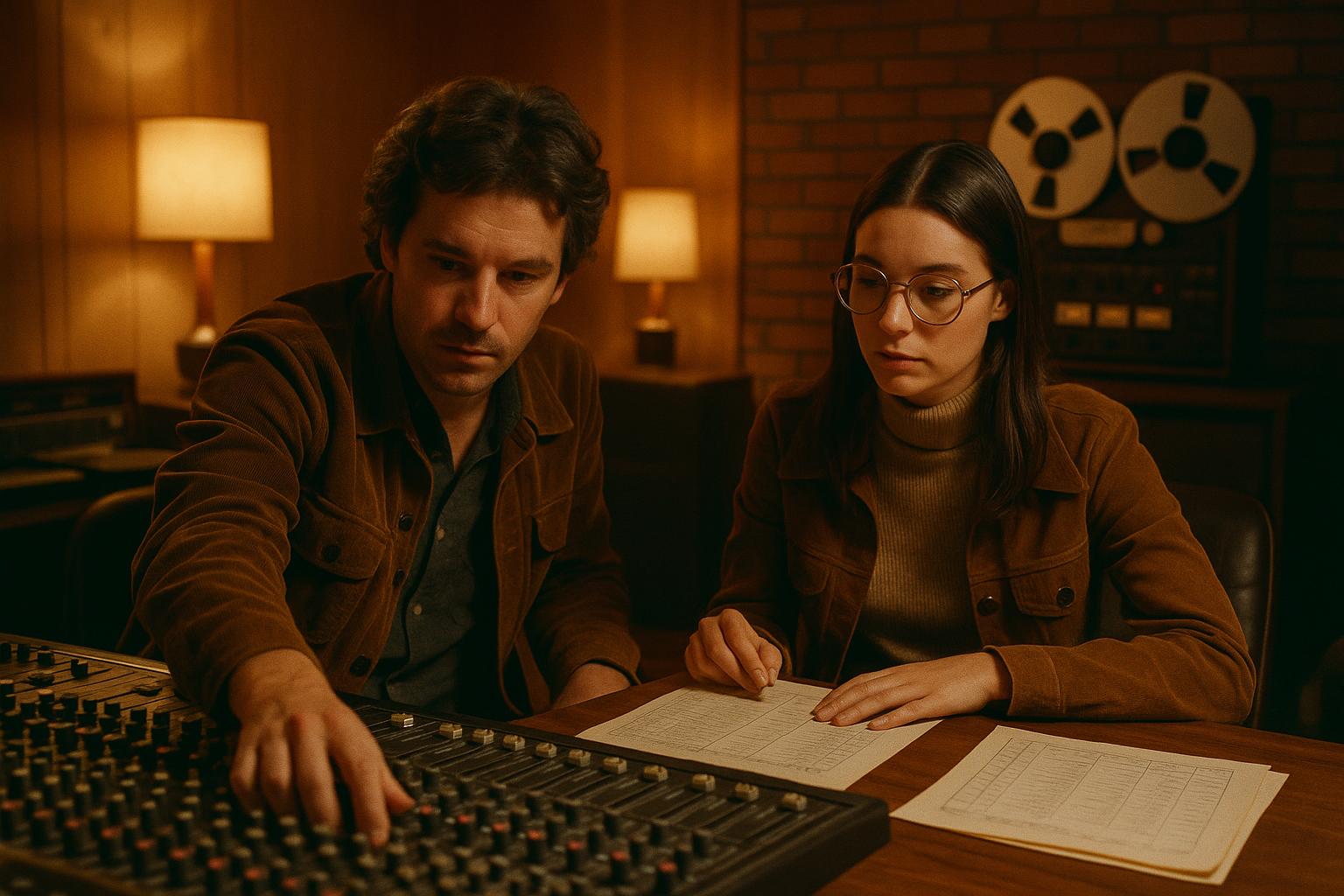
Strong collaboration workflows bridge the gap between creative output and licensing clarity. When producers and songwriters align on versions, ownership, and deliverables from the outset, placement velocity goes up—and so does revenue.
Recommended workflows to implement today:
In practice, a collaborative duo in New York used One World Media’s platform to coordinate a project that needed both a high-energy dance cue and an instrumental version for a sci-fi series. By locking ownership, delivering ready stems, and providing a clear cue sheet early, they secured two placements within the first licensing window and established a repeatable workflow for future briefs. This demonstrates how disciplined collaboration translates to consistent placement success.
Q: What is a music publishing platform and why should I use one?
A: A music publishing platform is a centralized system that manages rights, metadata, catalog organization, and licensing workflows. It streamlines ownership tracking, PRO registrations, cue sheets, and distribution, enabling faster, more reliable placements. For independent musicians and teams pursuing ongoing sync revenue, it reduces administrative overhead and increases licensing opportunities by ensuring your content is discovery-ready and legally cleared.
Q: How long does it typically take to start securing placements once I adopt a platform approach?
A: Timelines vary by genre, market activity, and the quality of metadata and deliverables. With a well-organized catalog, strong metadata, and ready-to-license assets (stems, alt mixes, cue sheets), initial placements can occur within 4–8 weeks for active briefs and ongoing opportunities thereafter. Consistency and speed compound over time as your catalog becomes more discoverable and trusted by licensors.
Q: Do I need to be in Los Angeles to work with One World Media?
A: Not necessarily. While LA is a major hub for film, TV, and trailer licensing, modern publishing, sync strategy, and distribution workflows are highly global. One World Media can manage rights, metadata, and licensing for clients anywhere, with local market insights and LA-facing opportunities as needed. However, proximity to the LA ecosystem often accelerates collaborations, meetings, and live brief opportunities.
Q: What assets should I prepare to maximize placements?
A: Prepare a complete, metadata-rich catalog with ISRC/ISWC codes, accurate splits, PRO registrations, high-quality stems, instrumental and alternate mixes, and precise cue sheets. Maintain ready-to-license packages for each track, including licensing notes, usage rights, and contact points. A platform that supports these assets in a single, searchable interface significantly improves placement velocity.
Ready to turn your catalog into a placement engine? One World Media combines expert sync strategy, robust music publishing and rights administration, strategic distribution, and artist development to help you reach film, TV, trailer, ad, and streaming opportunities—especially in the Los Angeles market where content velocity is high and competition is intense. We tailor a path from catalog development to ongoing placements, including metadata discipline, rights readiness, and collaborative workflows that elevate your chances of repeat sync revenue.
For more information, please contact us at support@oneworldmedia.global or call (307) 200-8139.