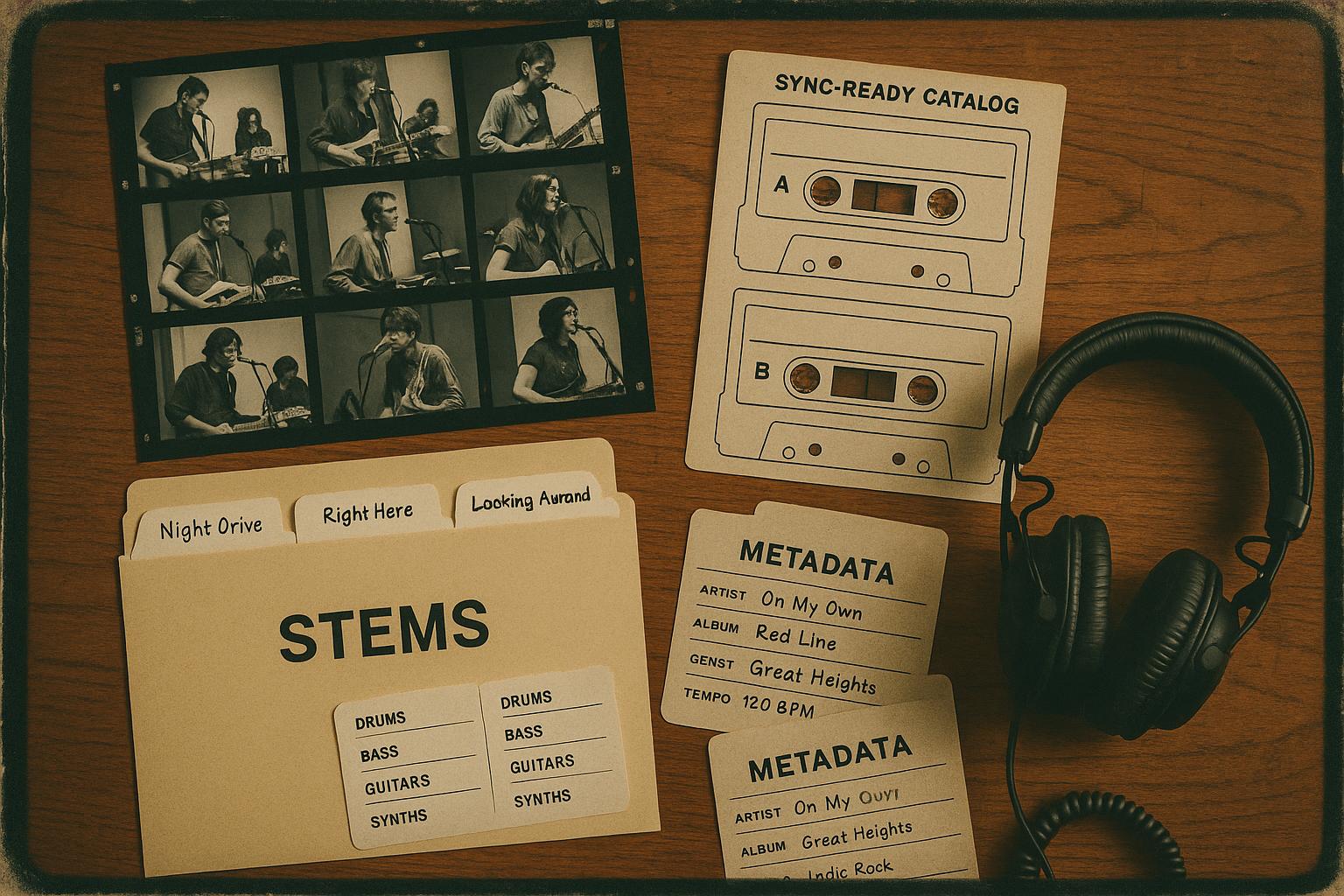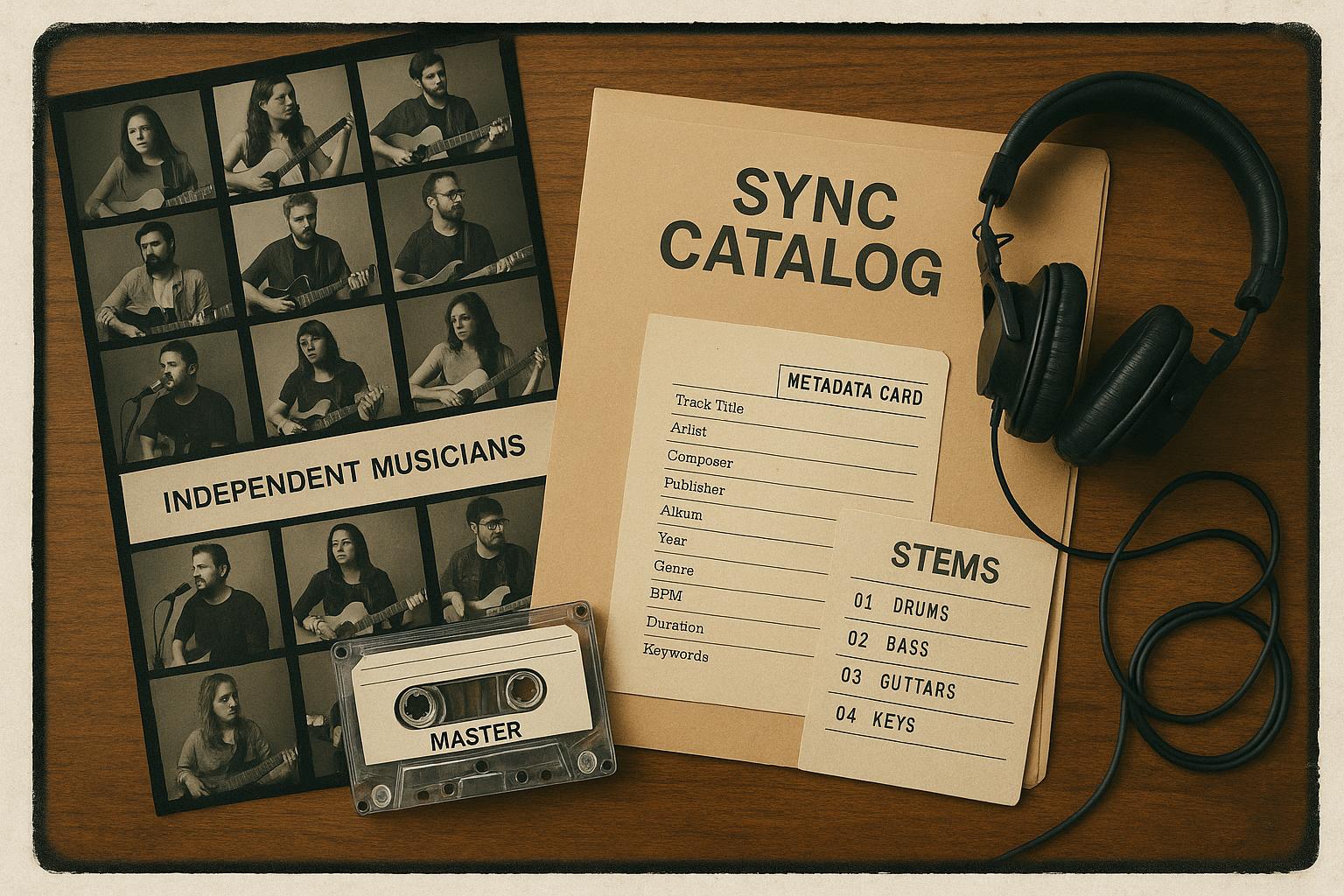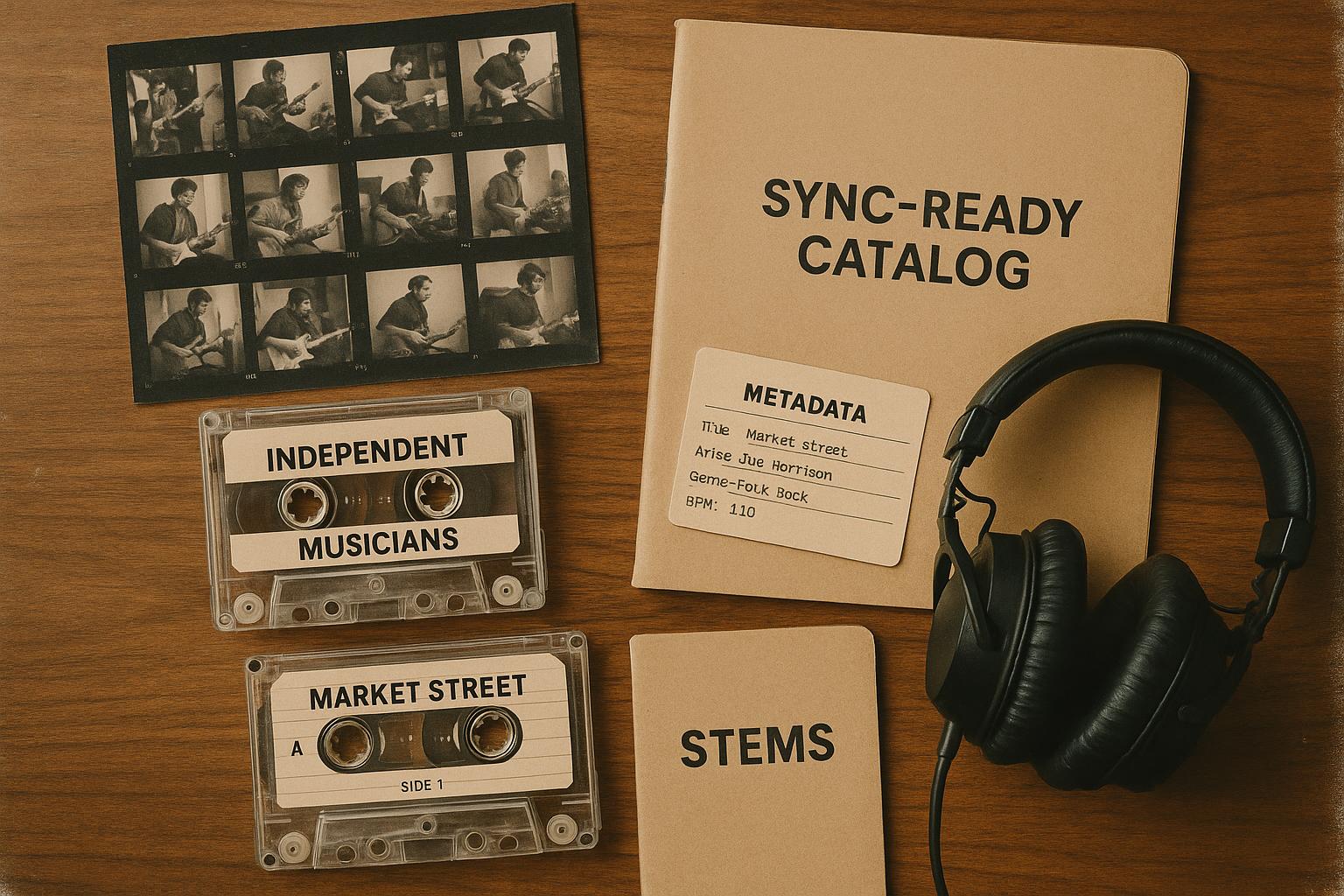
For producers building placement-ready catalogs and songwriters pitching for film and television, the world of sync is a fast-moving landscape where clarity, speed, and reliability win. This guide focuses on practical, executable practices that align your music catalog with the expectations of sync supervisors, while positioning One World Media as a trusted partner for publishing, rights admin, distribution, and catalog development—especially for teams in Los Angeles and beyond.
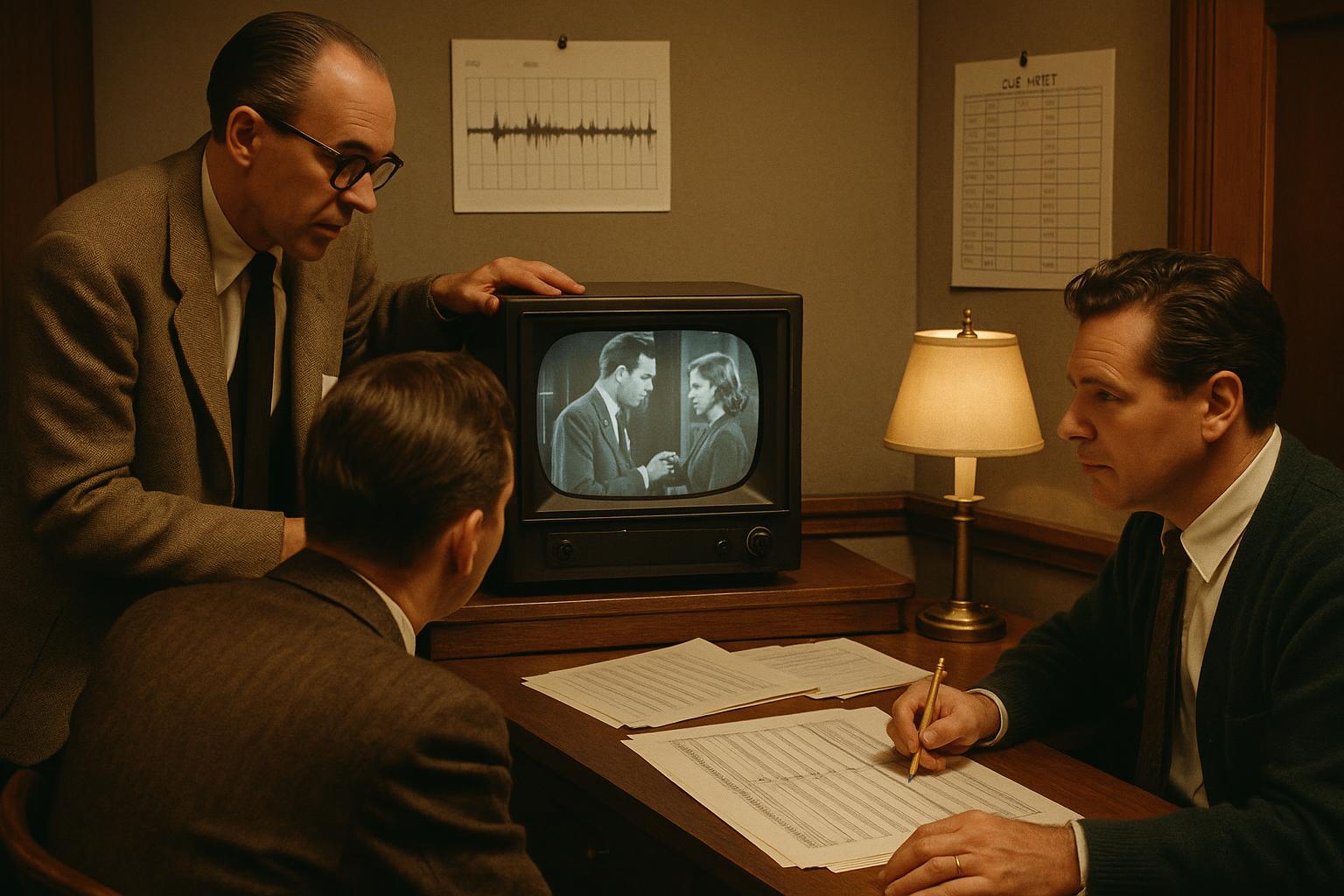
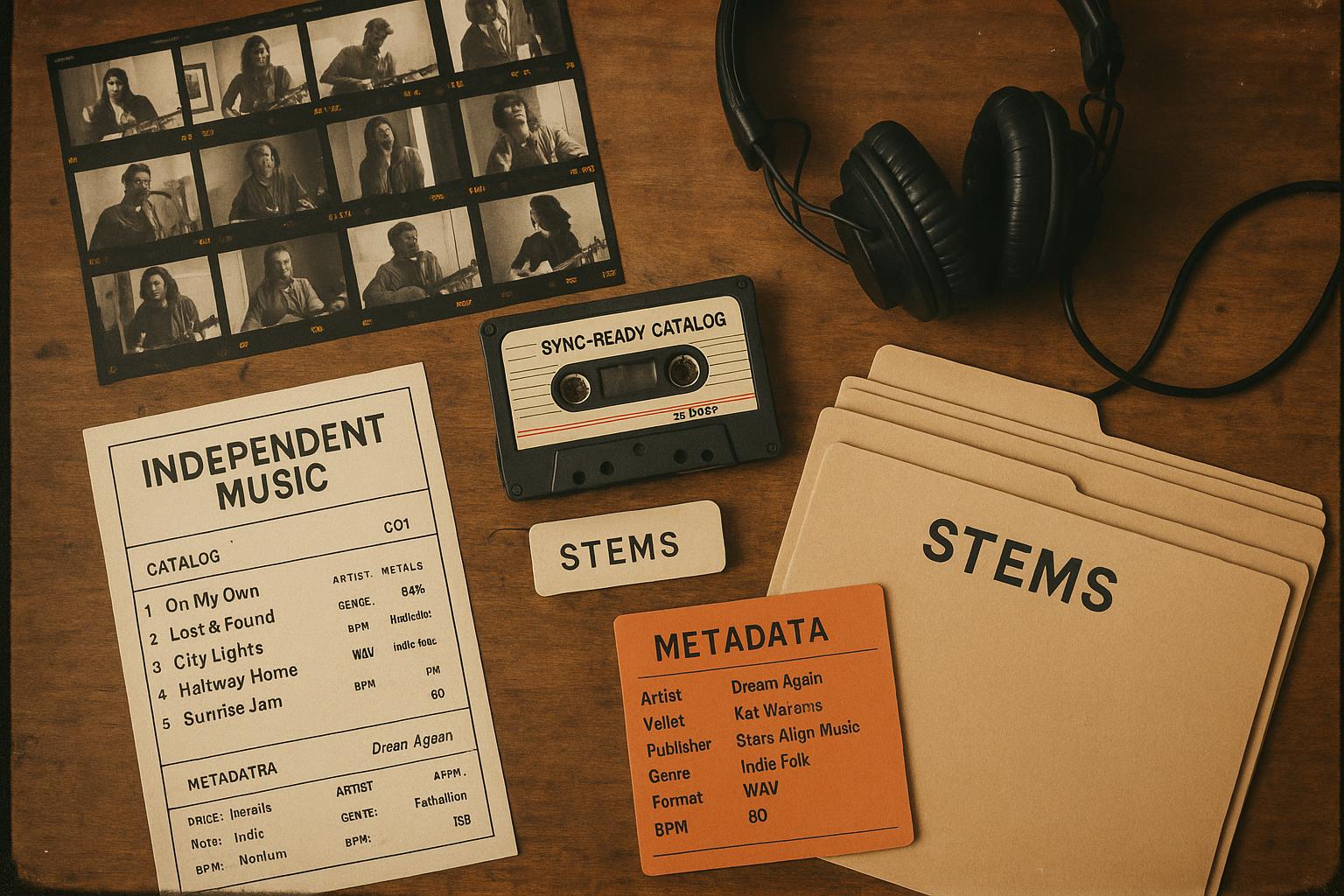
Today’s sync supervisors need more than catchy tunes. They need a catalog that is ready to license at a moment’s notice, with predictable rights, precise metadata, and scalable assets. In practice, this means:
In practice, the most successful catalogs demonstrate predictable turnaround times, accurate cue sheets, and a track record of compliant, timely licensing. For sync supervisors, seeing this alignment reduces risk and accelerates decision-making, which in turn increases the likelihood of multiple placements per project. This is where a robust sync strategy, thoughtful music publishing, and effective distribution from One World Media become essential components of your growth plan—especially for catalogs that aim to scale within Los Angeles’ bustling film and TV ecosystem.
Clear, complete rights and metadata are the backbone of every successful sync. Without them, even the best track can stall. Focus on the following areas to ensure fast, clean licenses:
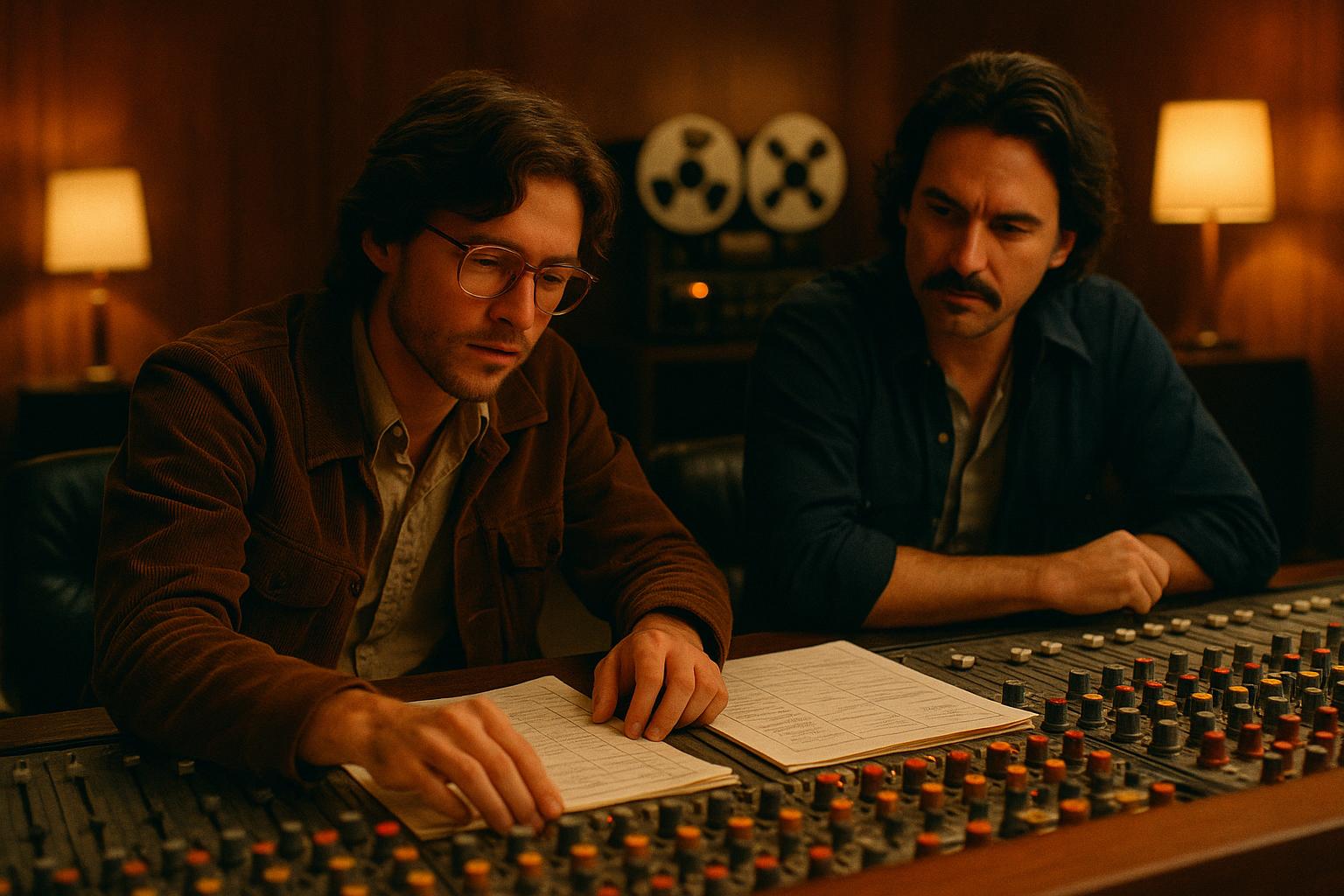
One World Media’s rights admin and catalog development services are designed to streamline these processes. We help you maintain up-to-date registrations, standardized metadata templates, and ready-to-file cue sheets—critical when opportunities come from Los Angeles studios, streaming platforms, or ad agencies that demand precision and speed.
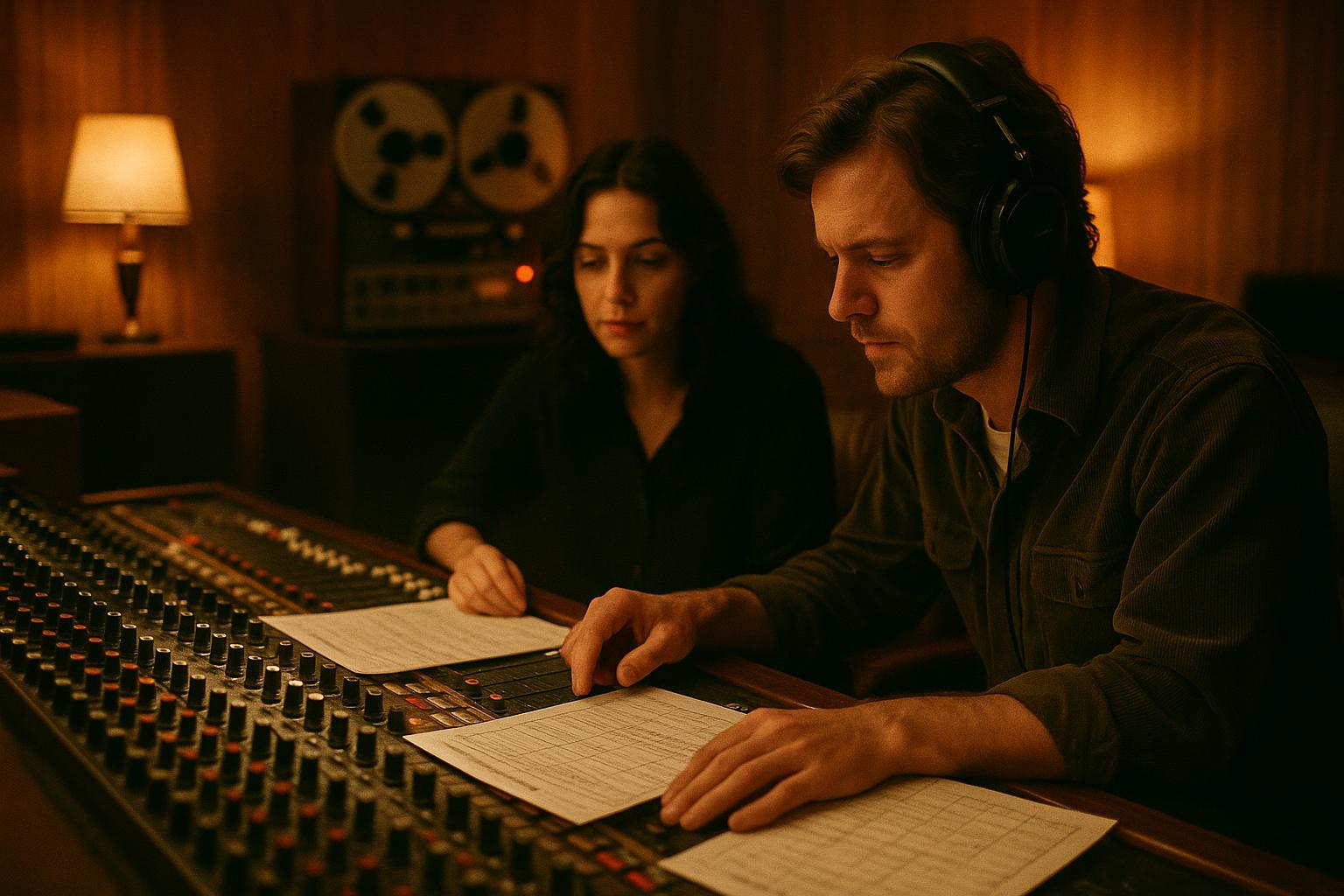
Effectively managing these workflows dramatically increases the odds of timely, repeat placements. In practice, a strong collaboration framework—backed by One World Media’s suite of services including sync strategy, music publishing, rights admin, distribution, and artist development—means fewer delays, clearer ownership, and more opportunities for recurring revenue.
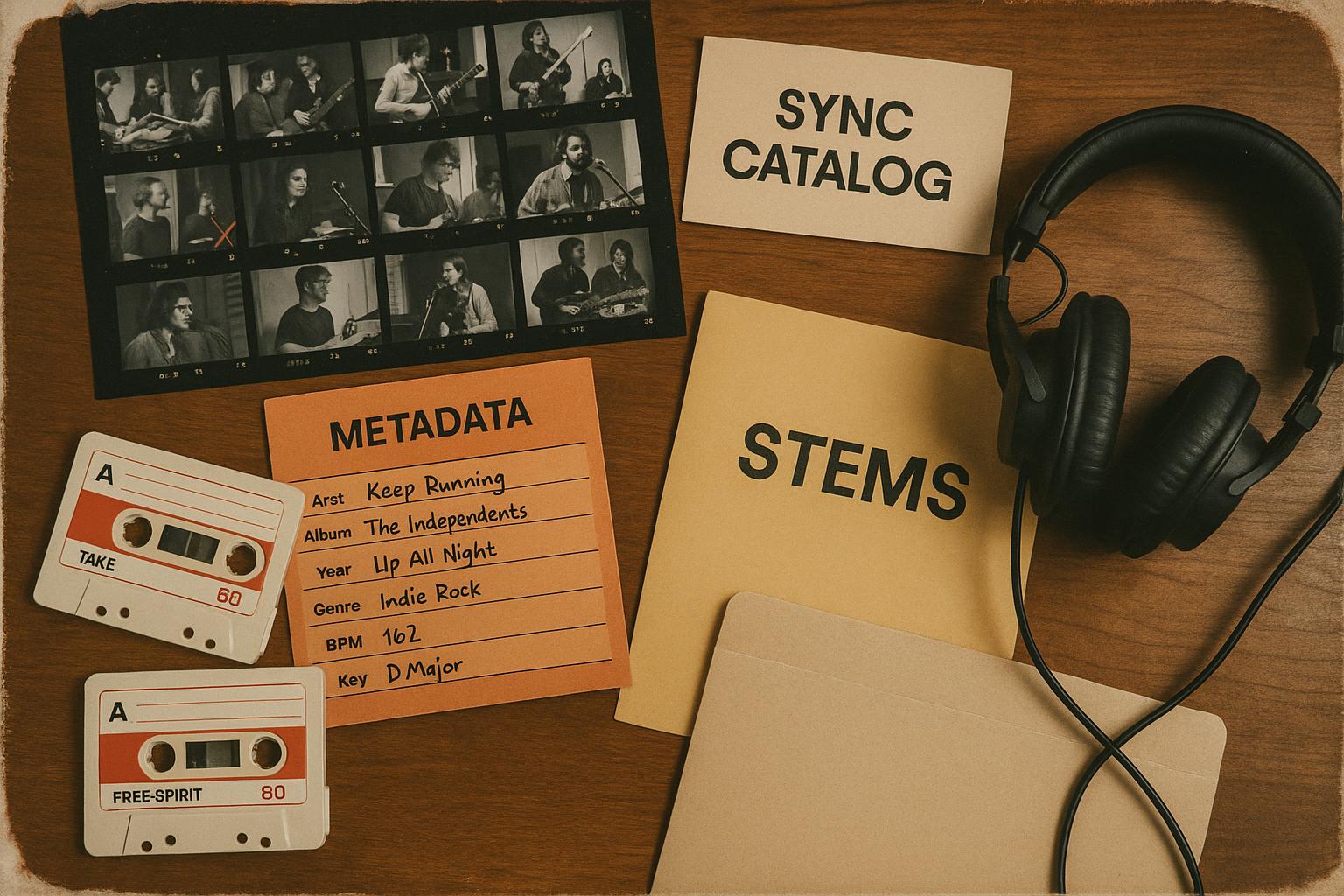
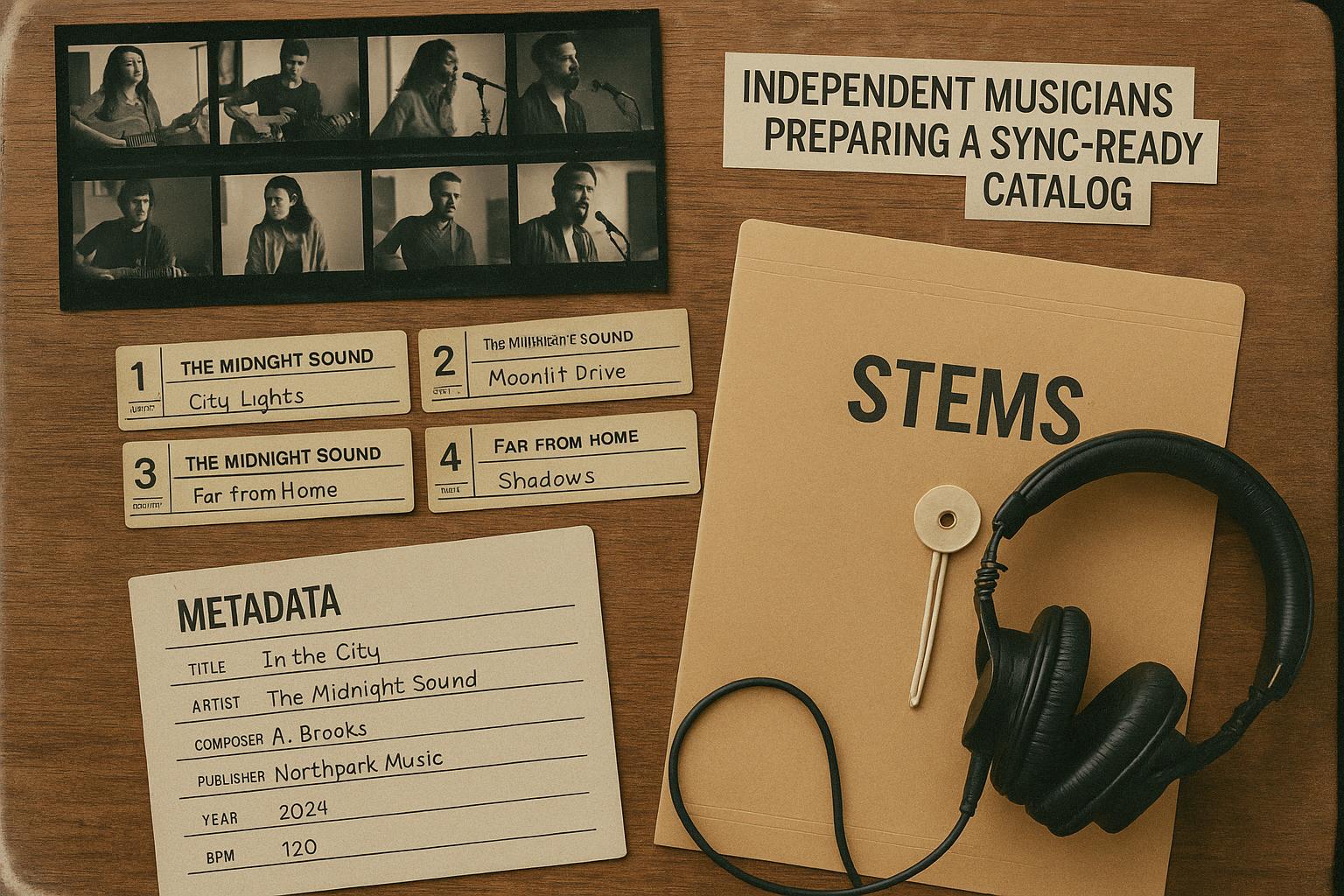
To accelerate licensing decisions, artists and their teams should deliver a production-ready package that hits the right technical and legal marks. Here’s what to prioritize:
Artists who consistently deliver these assets shorten cycle times, earn more trust from coordinators and sync supervisors, and position themselves for sustained opportunities across Los Angeles’ competitive media landscape and beyond.
In Los Angeles, a small indie band supplied a handful of tracks with tight stems and instrumental versions to a regional trailer editor. The editor needed a quick turnaround and a clean licensing path. The band had already completed split sheets, secured PRO registrations, embedded ISRC/ISWC metadata, and prepared ready cue sheets. One World Media assisted by coordinating the rights admin and distributing a master set with alt mixes. Within 72 hours, a final license was issued for a trailer used in a major channel’s autumn campaign. The track gained significant exposure and the band began to receive ongoing sync inquiries. This scenario illustrates how disciplined catalog preparation and professional partnerships accelerate outcomes for sync supervisors and artists alike, especially in the LA ecosystem where opportunities come fast and furious.
Following this roadmap not only improves immediate licensing odds but also builds a durable, scalable catalog that can grow with your ambitions, whether your goal is episodic placements, film trailers, or high-visibility streaming campaigns.
Q: How long does a typical sync clearance take?
A: Timelines vary by rights complexity and project type, but a well-prepared package with complete metadata and ready cue sheets can expedite approvals. Simple, non-exclusive licenses for trailers or promos may close in a few days, while larger production or multi-territory deals can take a few weeks. A strong rights admin process helps shorten these windows notably.
Q: What metadata is most critical for fast placements?
A: Core credits (artist, writer, publisher), accurate PRO affiliations, ISRC for each master, ISWC for each work, and a consistent, machine-readable cue sheet. Tempo, key, and licensing window details also matter for editors who must fit music to precise scenes.
Q: How can independent artists maximize sync revenue?
A: Build a diverse catalog with stems and instrumental versions, maintain impeccable metadata, establish clear rights ownership, and implement a fast revision loop. Partner with a trusted rights admin and distribution partner (like One World Media) to maximize exposure, streamline licensing, and ensure ongoing, recurring sync opportunities across multiple platforms and markets.
Q: How does One World Media help with catalog development and licensing?
A: We offer end-to-end support, including strategic guidance for catalog development, music publishing setup, rights administration, distribution, and artist development. Our LA‑focused network accelerates introductions to production companies and studios, while our process-driven approach reduces friction in clearances and cue-sheet management, enabling more consistent, scalable placements.
For more information, please contact us at support@oneworldmedia.global or call (307) 200-8139.