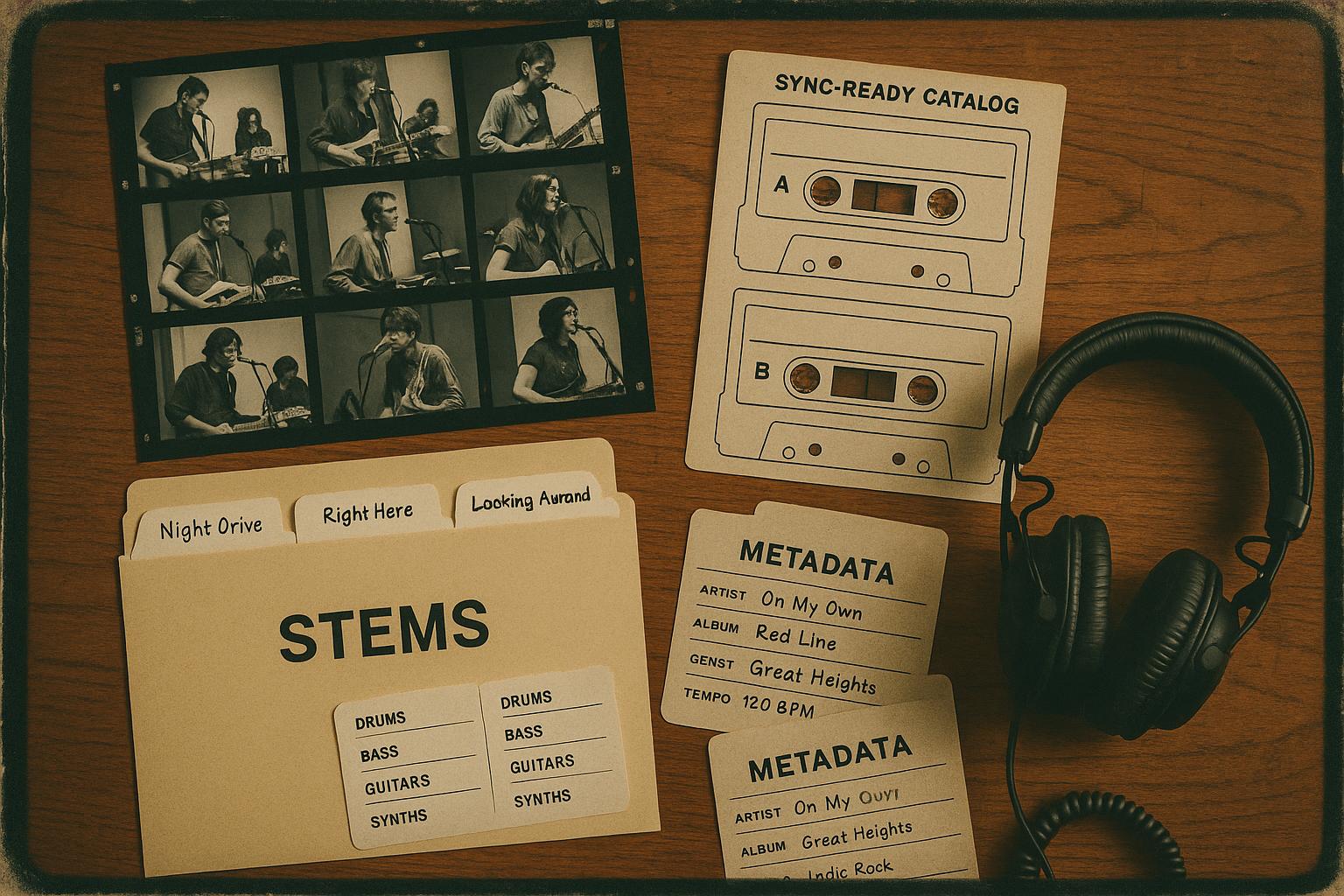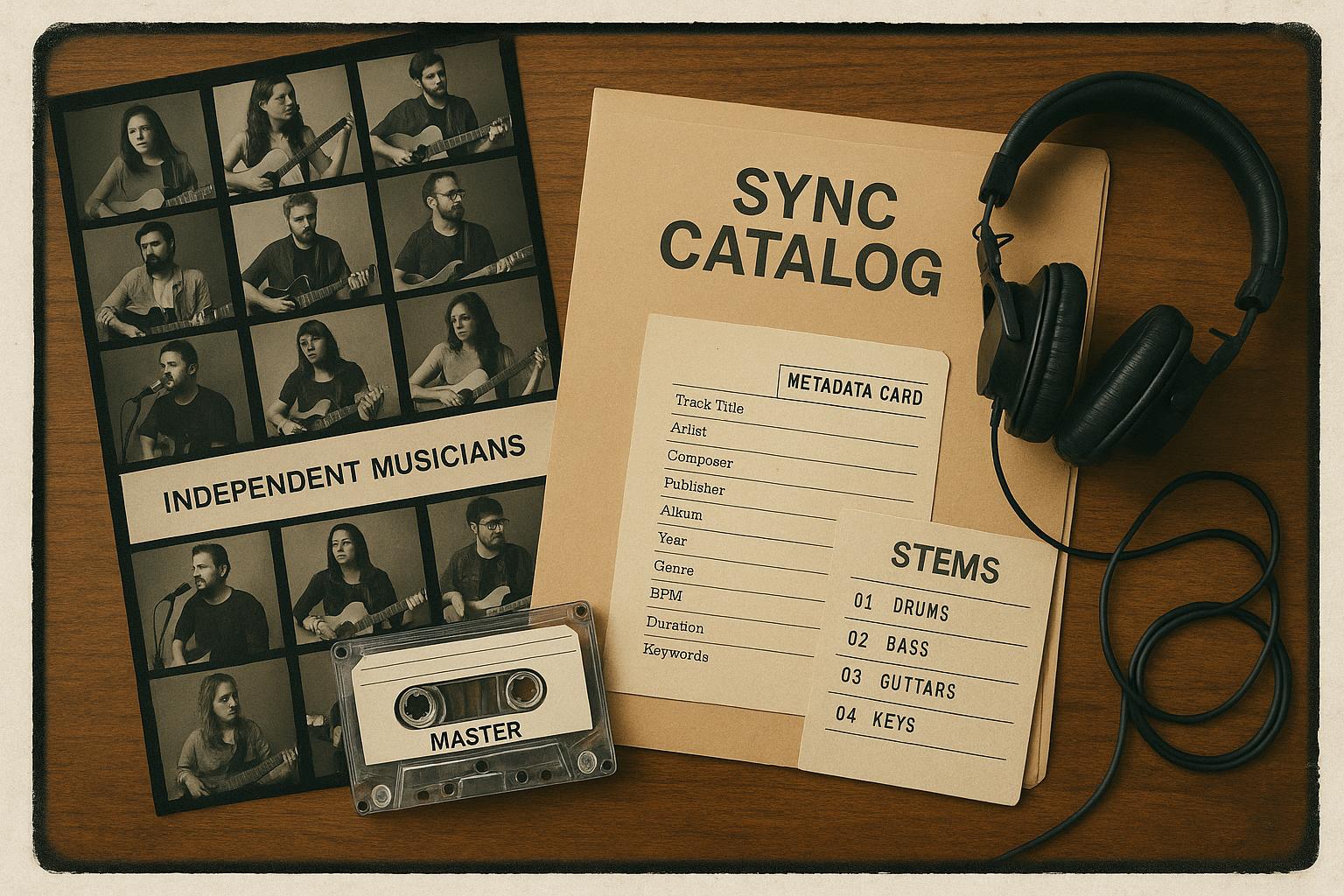
In today’s competitive sync landscape, established music producers know that great music is just the starting point. Metadata—accurate, comprehensive, and consistently structured—drives discoverability, rights clearance speed, and ultimately the recurring revenue that keeps a catalog placements-ready. When you treat metadata as a strategic asset, you turn routine catalog management into a scalable engine for film, TV, trailers, ads, and streaming partnerships. This article breaks down practical steps you can apply now, with a spotlight on how One World Media can support your sync strategy, publishing, rights admin, distribution, and artist development—especially for Los Angeles–centered opportunities that shape the industry.
Metadata is the silent workhorse behind every successful sync. For established music producers, it enables rights holders, music supervisors, and licensing teams to identify exactly what they need, when they need it. Clean credits ensure proper attribution and revenue sharing, while precise ISRC/ISWC data simplifies royalty tracking across territories and PROs. In Los Angeles and other major hubs, where tens of thousands of cues are evaluated weekly, superior metadata translates to faster clearances, fewer delays, and more placements. A catalog that’s labeled with care also signals professionalism to publishers, libraries, and networks, reinforcing your brand as a reliable creative partner.
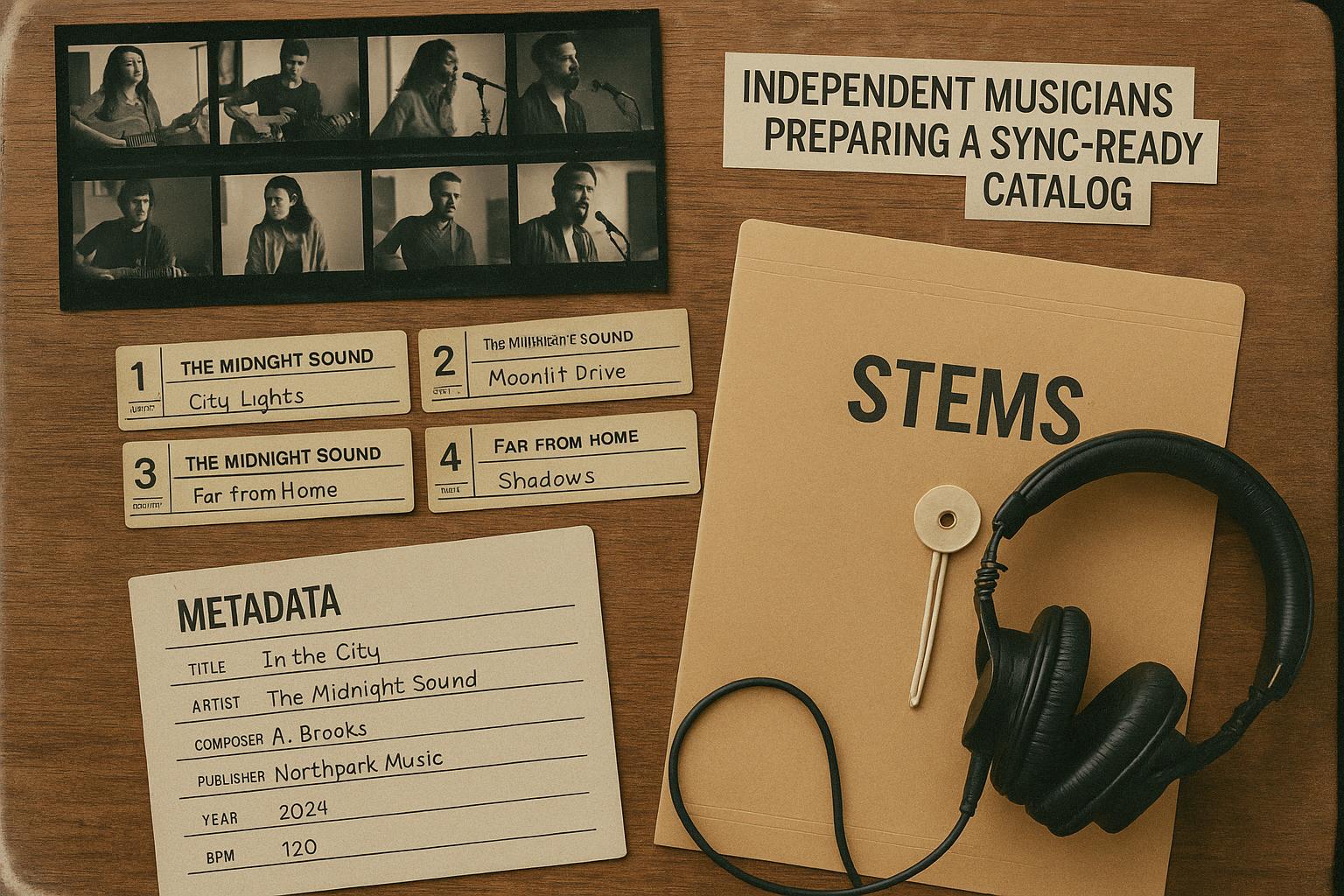
Data fields to include in your per-track metadata sheets (quick reference):
Practical tip: implement a rolling audit cadence. Every quarter, validate metadata against your most active catalogs and compare it to your fastest clearance times. This builds a feedback loop that continually improves your placement efficiency.
Clear, auditable rights metadata is the backbone of a reliable sync operation. Here’s a concise readiness checklist that established music producers should use before submitting material for placement consideration.
Real-world outcome: with a disciplined rights and readiness process, a veteran producer’s catalog becomes easier to clearance when a film or series requests multiple cues. Licensing teams can complete deals faster, reducing hold times and accelerating revenue from sync placements.
Successful placements often hinge on how well producers and songwriters collaborate from concept to clearances. Implement these workflows to maximize efficiency and hit-rate:
By aligning collaboration workflows with licensing priorities, established music producers can dramatically raise the chances of getting multiple placements from a single project and nurturing ongoing relationships with supervisors and publishers.
Los Angeles–based music supervisors particularly prize catalogs that can be rapidly cleared for TV and film with minimal risk. One World Media’s sync strategy, plus our music publishing, rights admin, distribution, and artist development services, help ensure your catalog meets these expectations—streamlining approvals and increasing the likelihood of repeat placements.
Alexander Chen, a long-standing established music producer with a catalog of 150 tracks, partnered with One World Media to overhaul metadata, finalize split sheets, and implement a centralized metadata repository. Over a 12-week engagement, Alexander supplied stems and alt mixes for 40 tracks and delivered per-track metadata sheets aligned to ISRC/ISWC standards. The result: two cues placed in a major network drama’s season finale, a feature trailer in a blockbuster film, and ongoing negotiations for a national ad campaign. Revenue from forthcoming licensing cycles increased as clear cue sheets and timely renewals reduced administrative friction. This case demonstrates how robust metadata and rights readiness, combined with a disciplined collaboration workflow, tangibly boosts placements and recurring sync income.
One World Media supports this process with tailored guidance on sync strategy, publishing administration, rights handling, distribution readiness, and artist development—helping established music producers unlock a scalable and sustainable sync path from Los Angeles to global markets.
Q: How long does metadata optimization take for a catalog?
A: It depends on catalog size, complexity, and current data quality. For a 50–100 track catalog with reasonably complete metadata, a focused, coordinated effort can take 4–8 weeks. Larger catalogs or those requiring extensive rights-clearing coordination may take 8–16 weeks. A phased approach, prioritizing high-probability placements first, accelerates early wins while building the full dataset.
Q: What is ISRC/ISWC and why do they matter?
A: ISRC (International Standard Recording Code) identifies a specific master recording, while ISWC (International Standard Musical Work Code) identifies the underlying composition. These codes enable precise royalty tracking across territories, PROs, distributors, and licensing platforms. For established music producers, correct ISRC/ISWC data reduces misattribution, speeds up payouts, and simplifies cue-sheet reporting for broadcast.
Q: How can One World Media help with sync strategy and distribution?
A: One World Media offers end-to-end services across sync strategy, music publishing, rights admin, distribution, and artist development. We help you position a placement-ready catalog, secure clearances, optimize metadata, and manage revenue streams. Our LA-focused network connects you with supervisors, libraries, and producers who value high-quality, clearable music and efficient rights management.
Q: How do I ensure fast clearance and avoid hold times?
A: Start with complete, correct metadata (credits, ISRC/ISWC, PRO, and licensing terms). Maintain ready-to-deliver stems, alternate mixes, and a clear one-stop clearance path. Build proactive relationships with publishers and supervisors by providing timely cue sheets and keeping contact points up to date. Establish a centralized metadata repository and a predictable workflow with collaborators to reduce back-and-forth during negotiations.
For more information, please contact us at support@oneworldmedia.global or call (307) 200-8139.