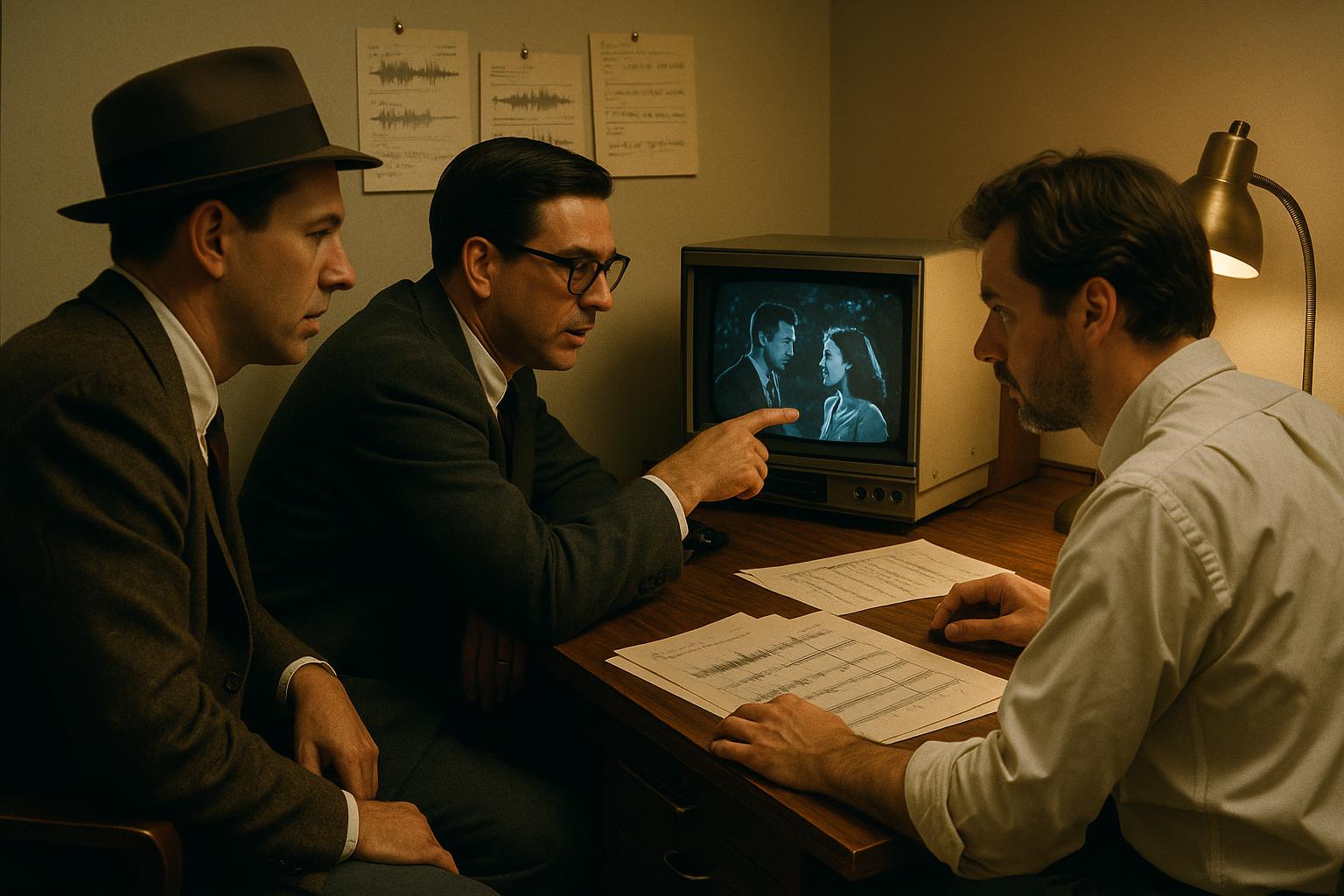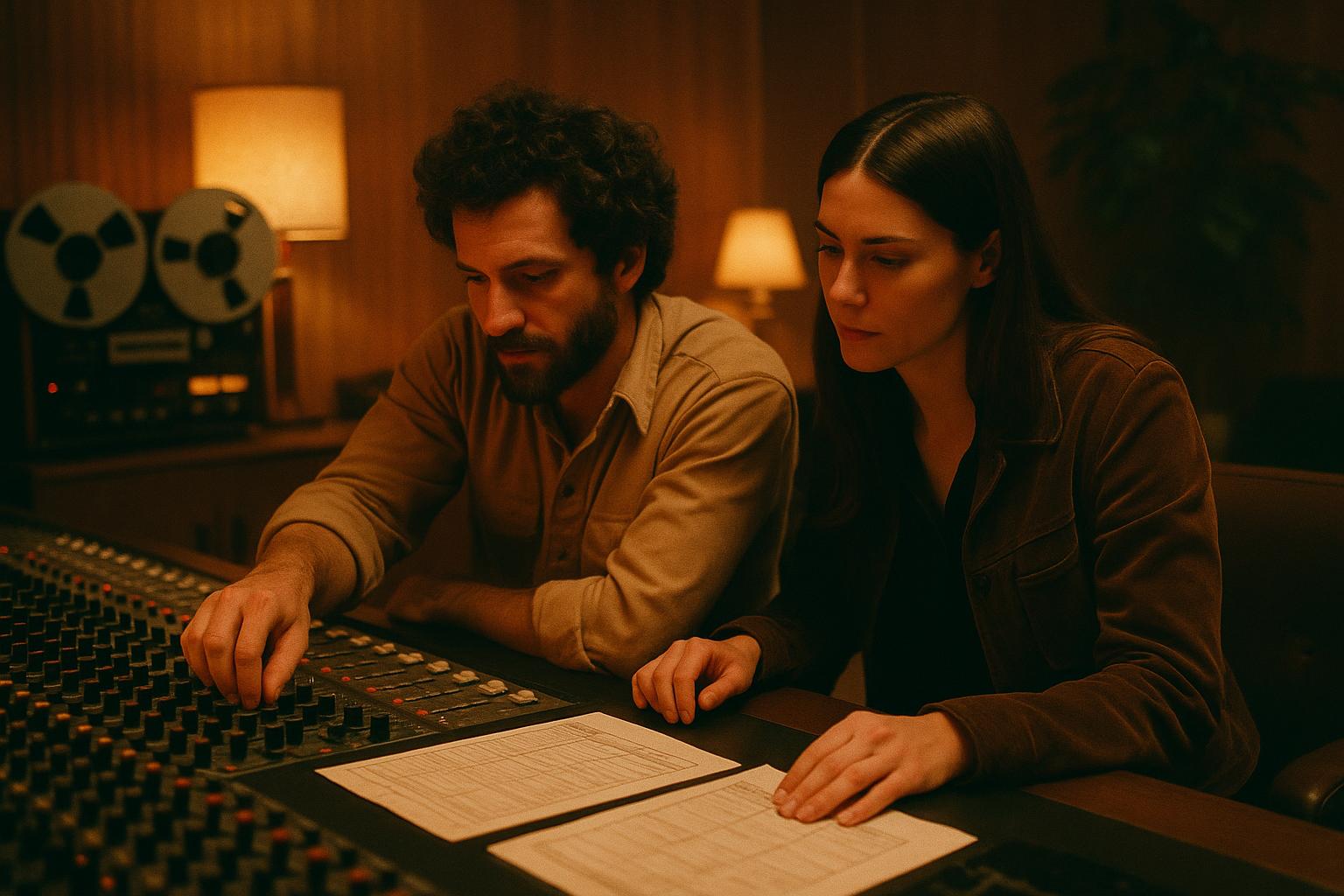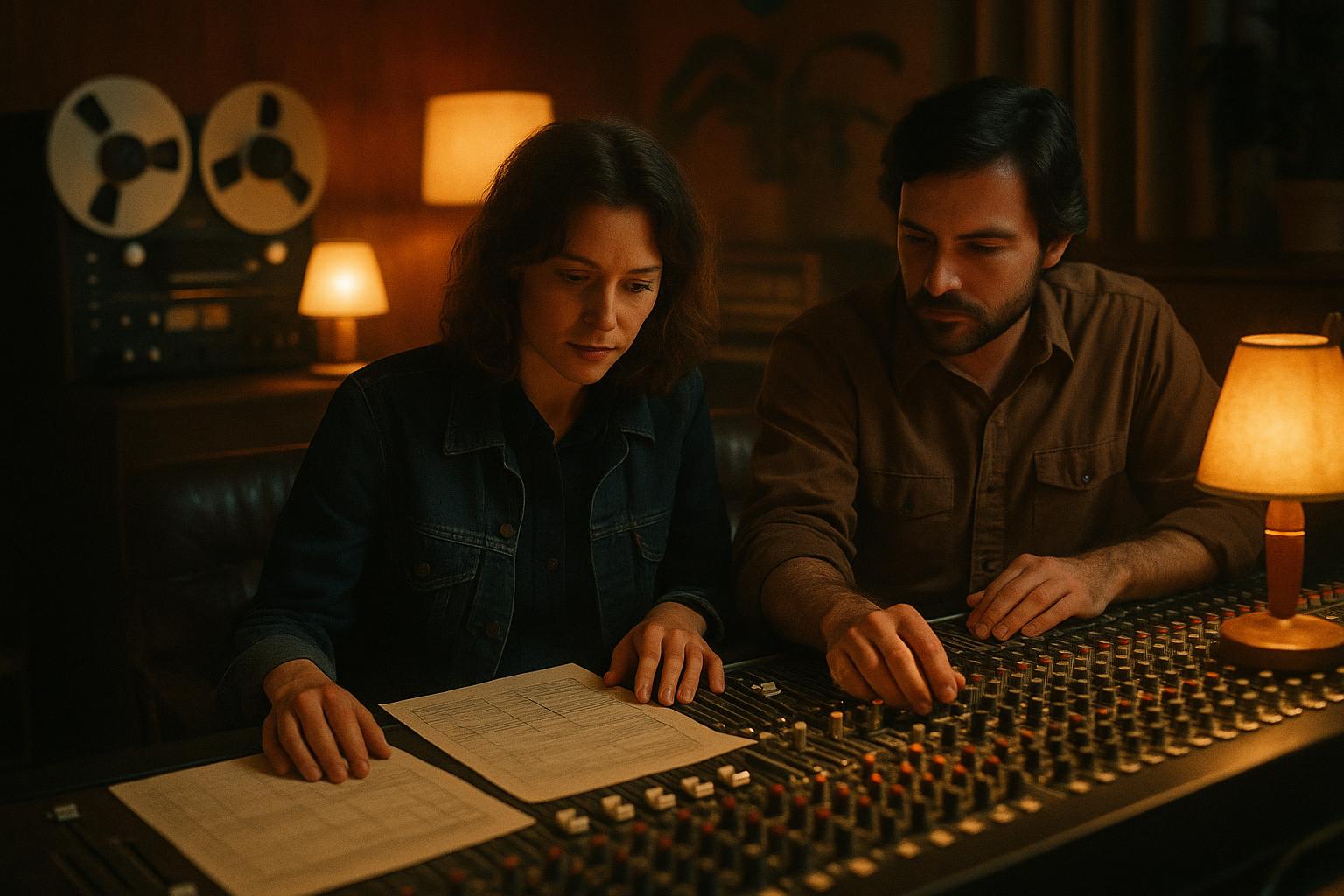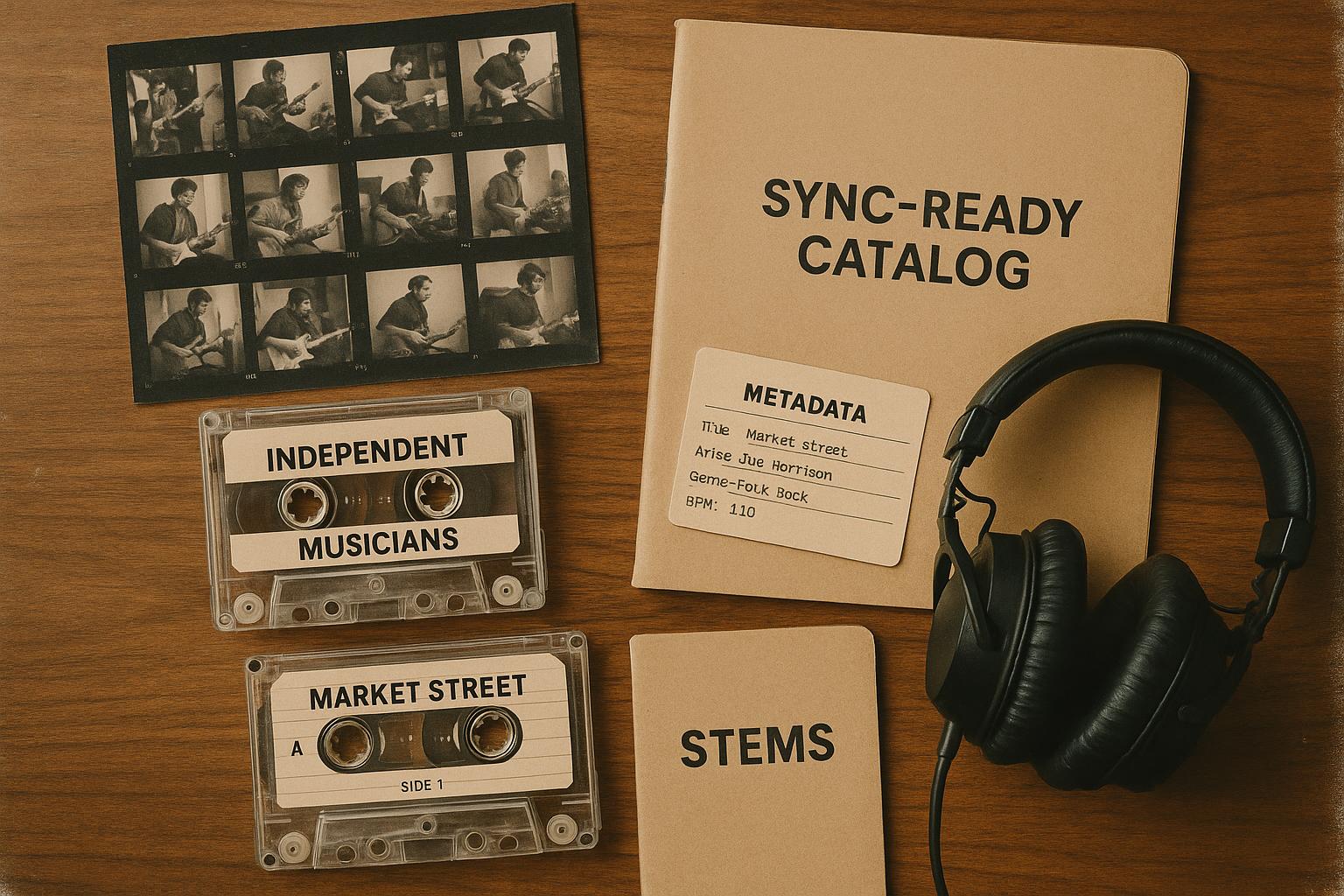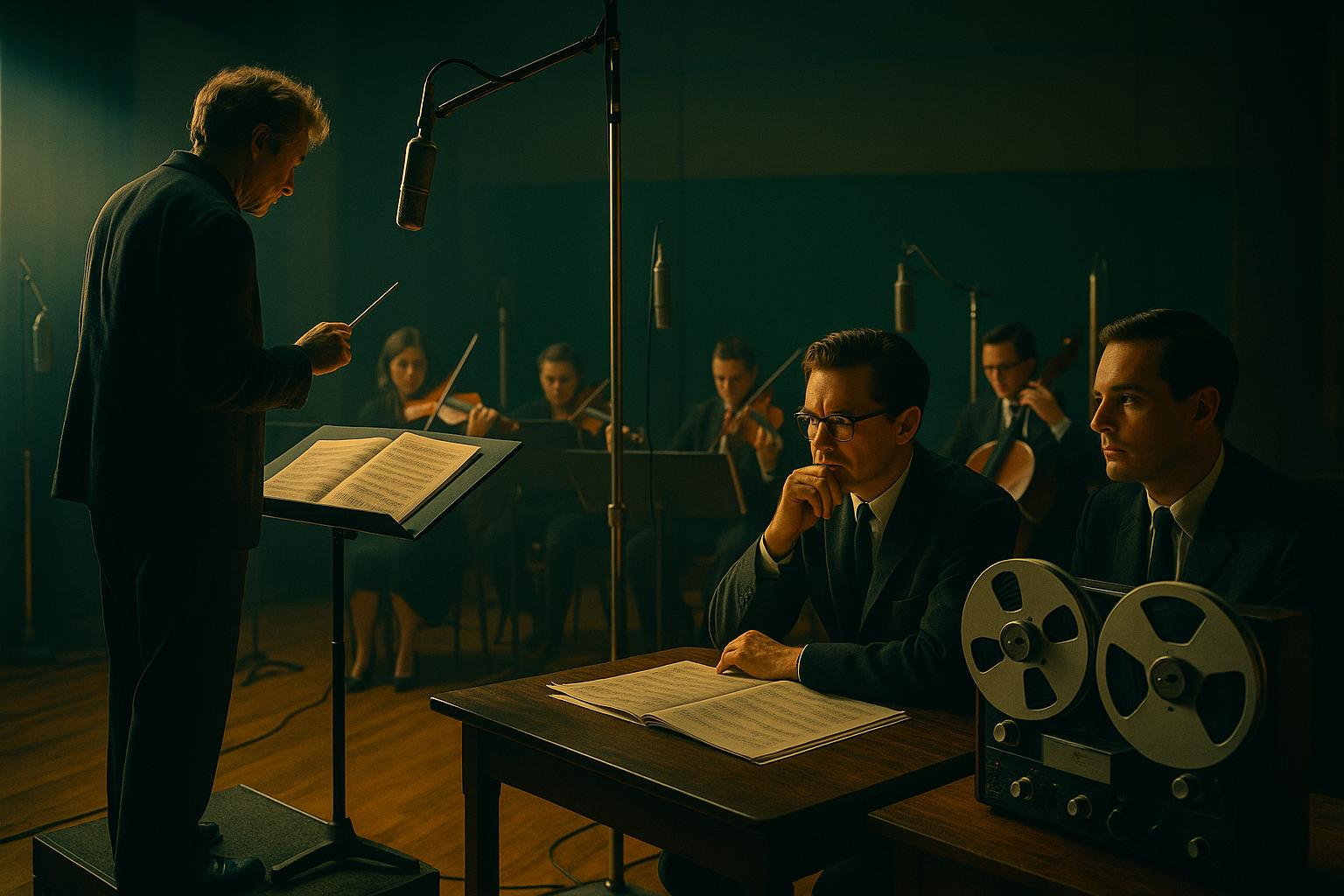
For producers building placement-ready catalogs, songwriters pitching for film and TV, and sync supervisors sourcing clearable music, the path to recurring sync revenue runs through disciplined music publishing practices. A catalog that’s metadata-ready, properly cleared, and organized around clear rights ownership is not a luxury—it’s the backbone of every successful placement. At One World Media, our holistic approach combines music publishing, sync strategy, rights administration, distribution, and artist development to move music from demos to on-screen moments in Los Angeles and beyond.
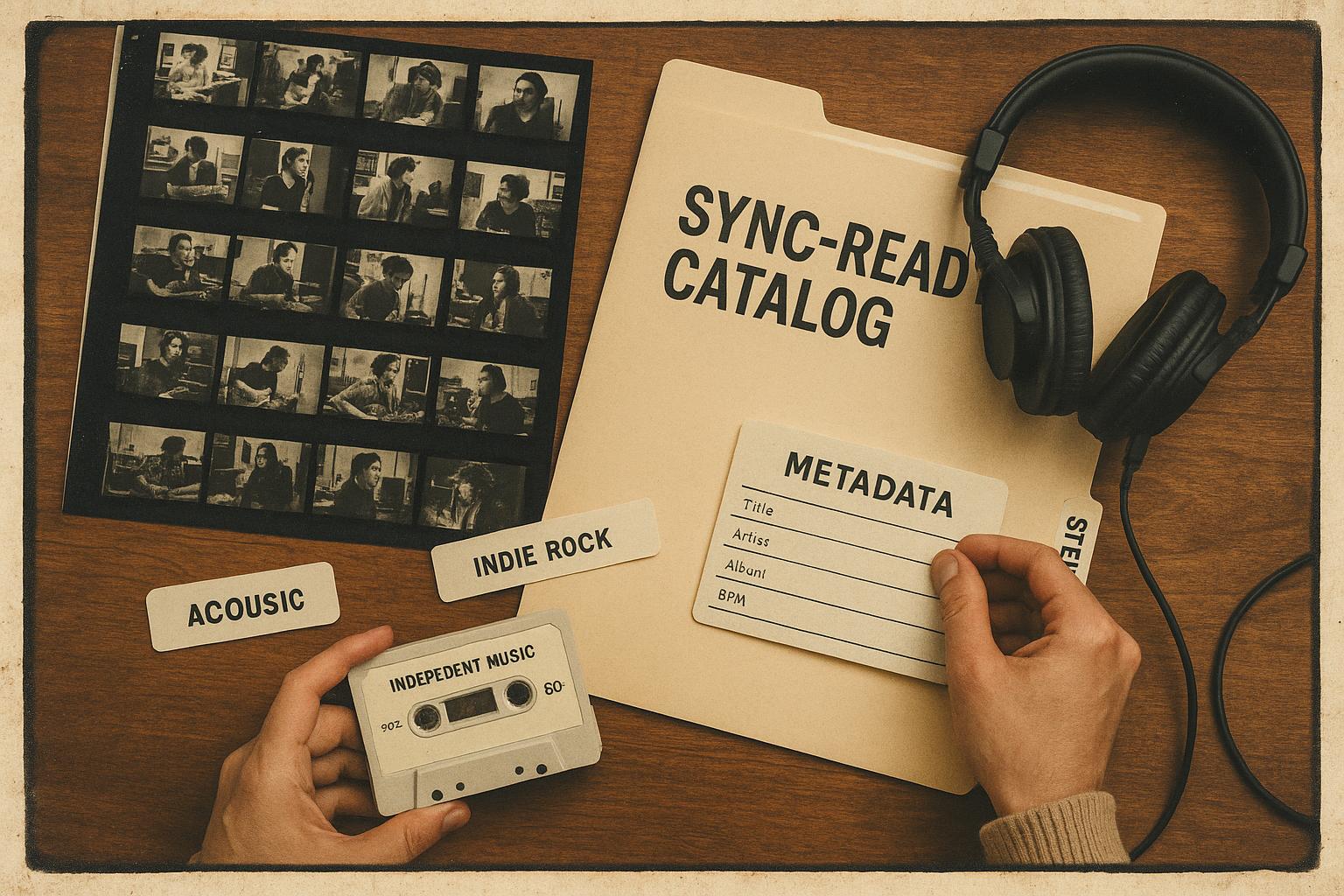
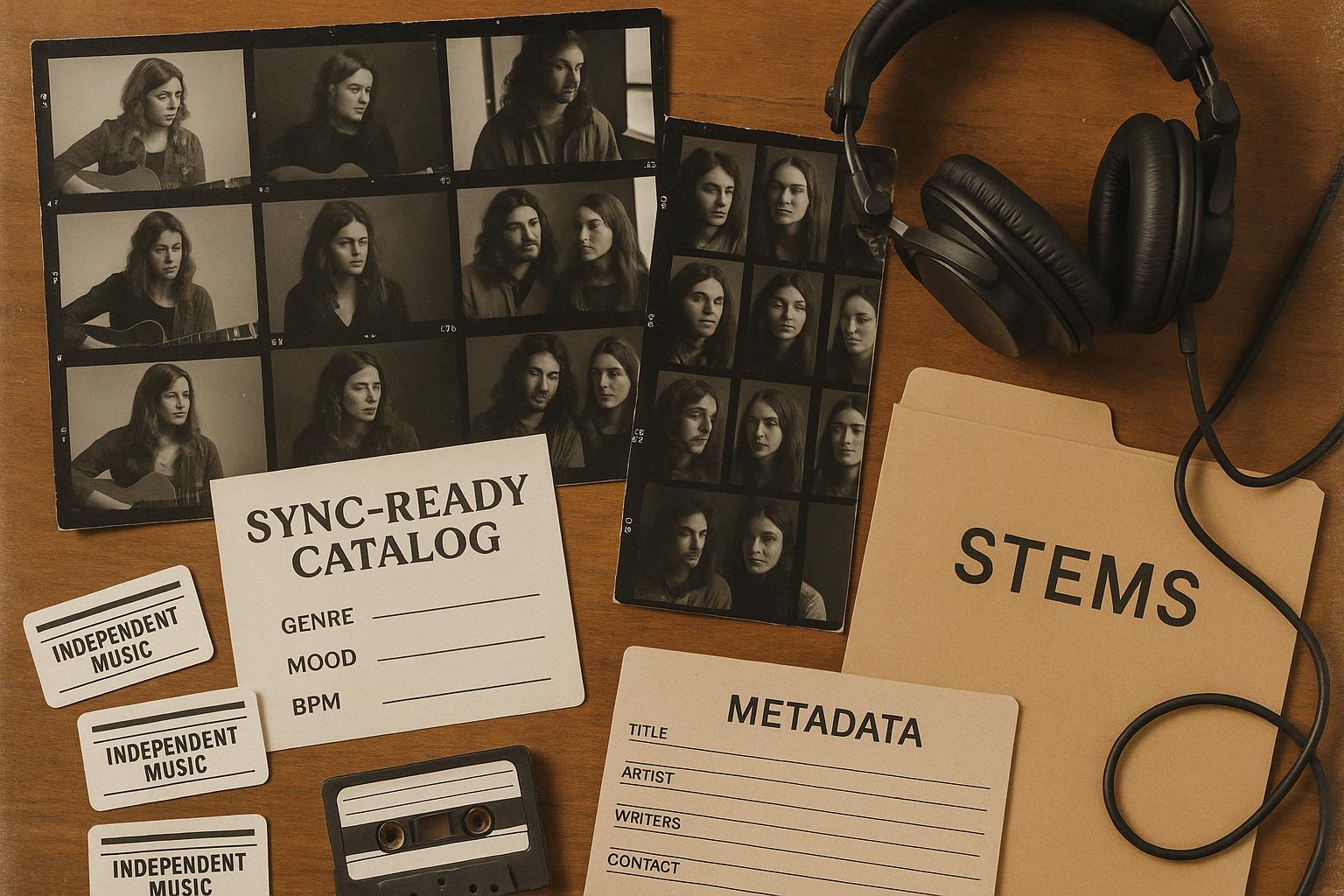
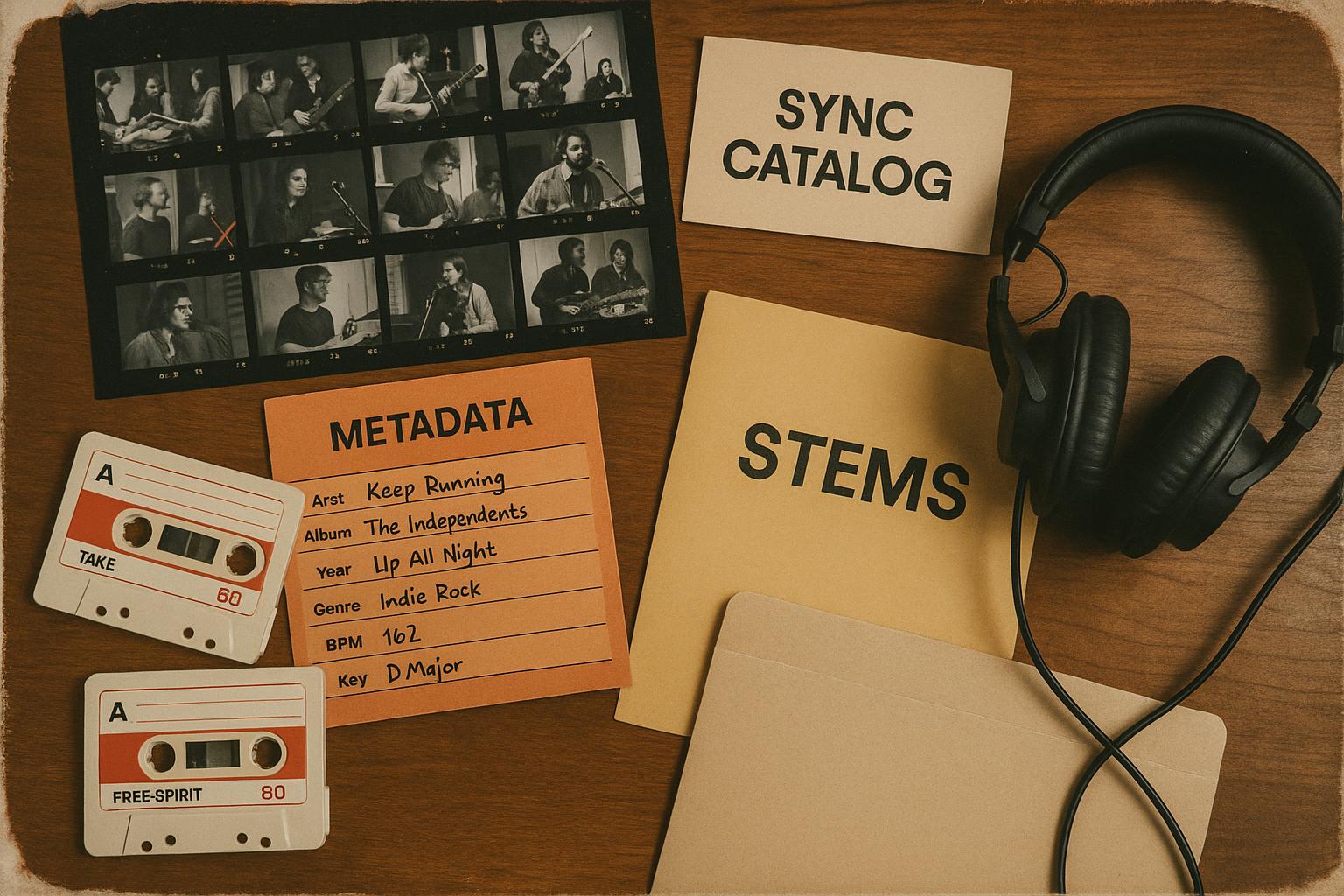
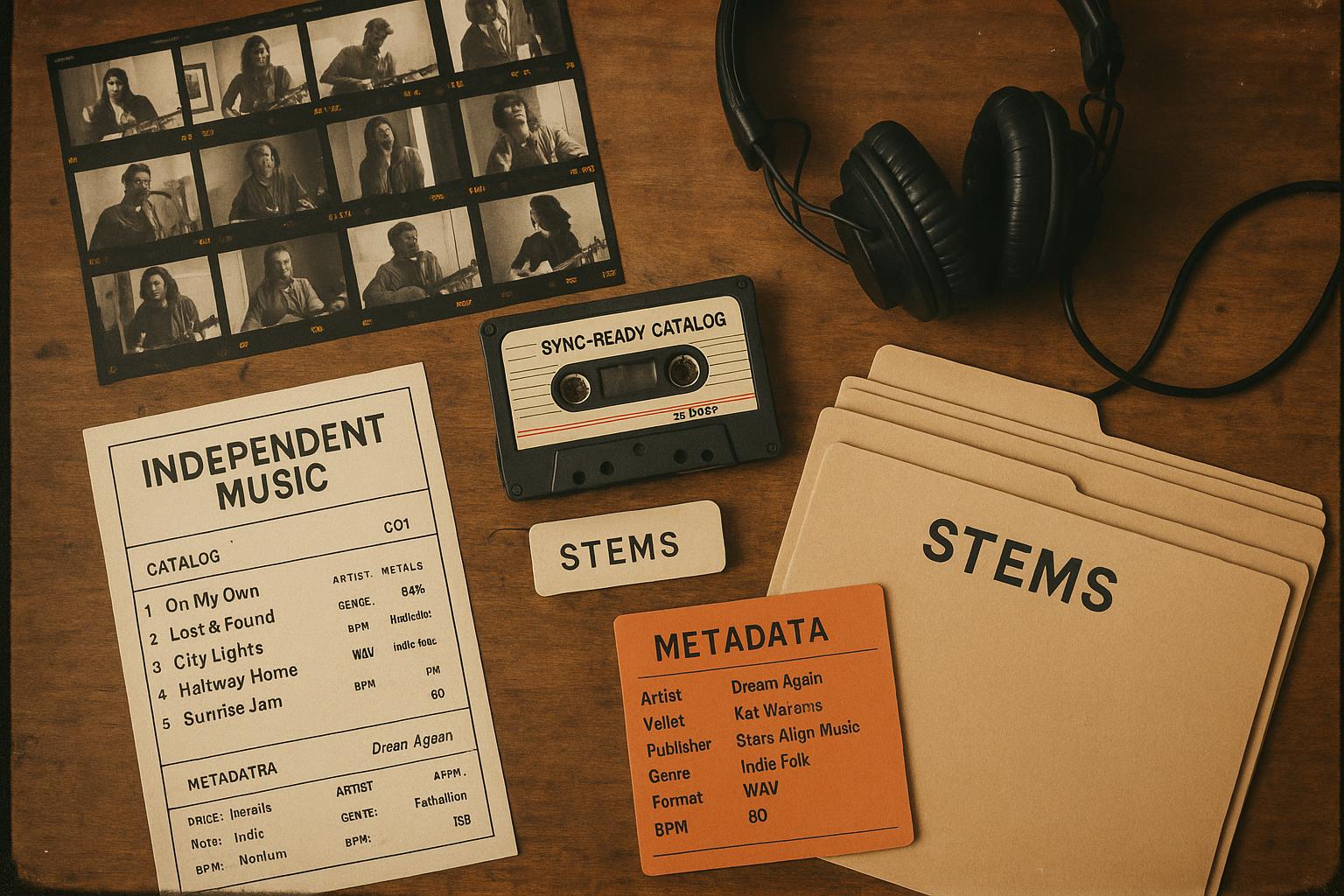
Effective metadata is the currency of placement. When a music supervisor searches for a cue to fit a scene, they rely on precise, searchable data. A well-structured catalog makes faster licensing decisions and reduces back-and-forth, accelerating clearance timelines.
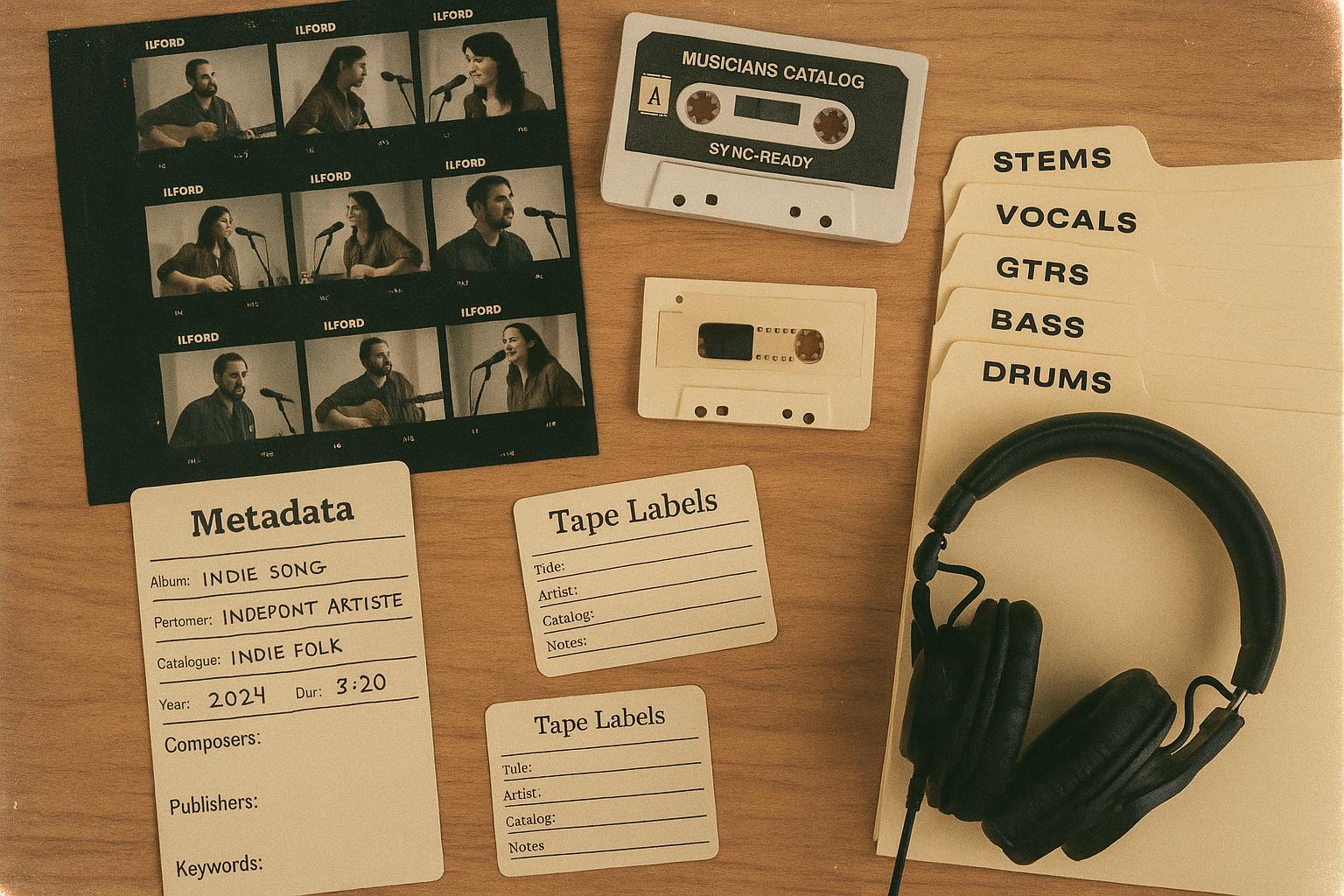
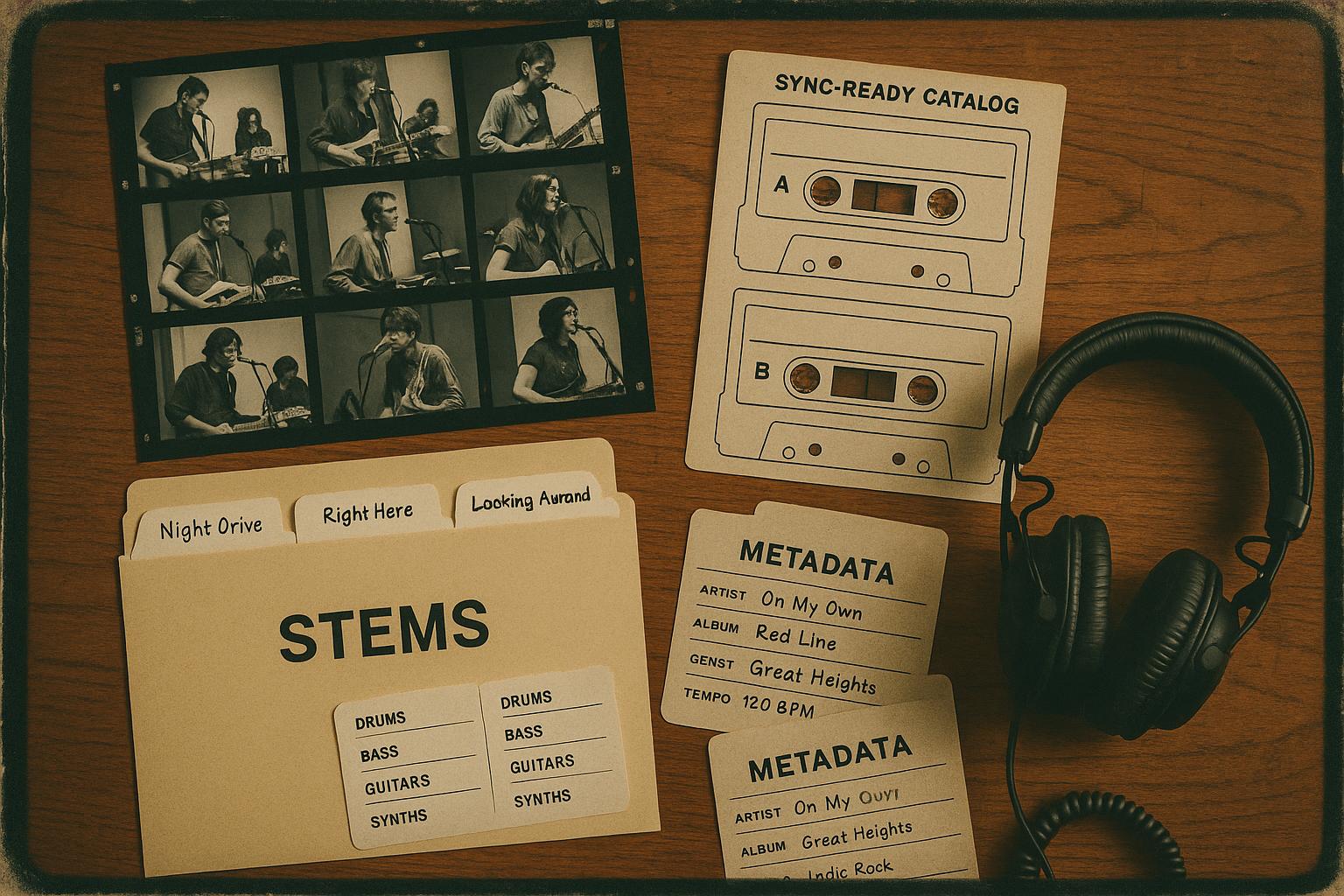
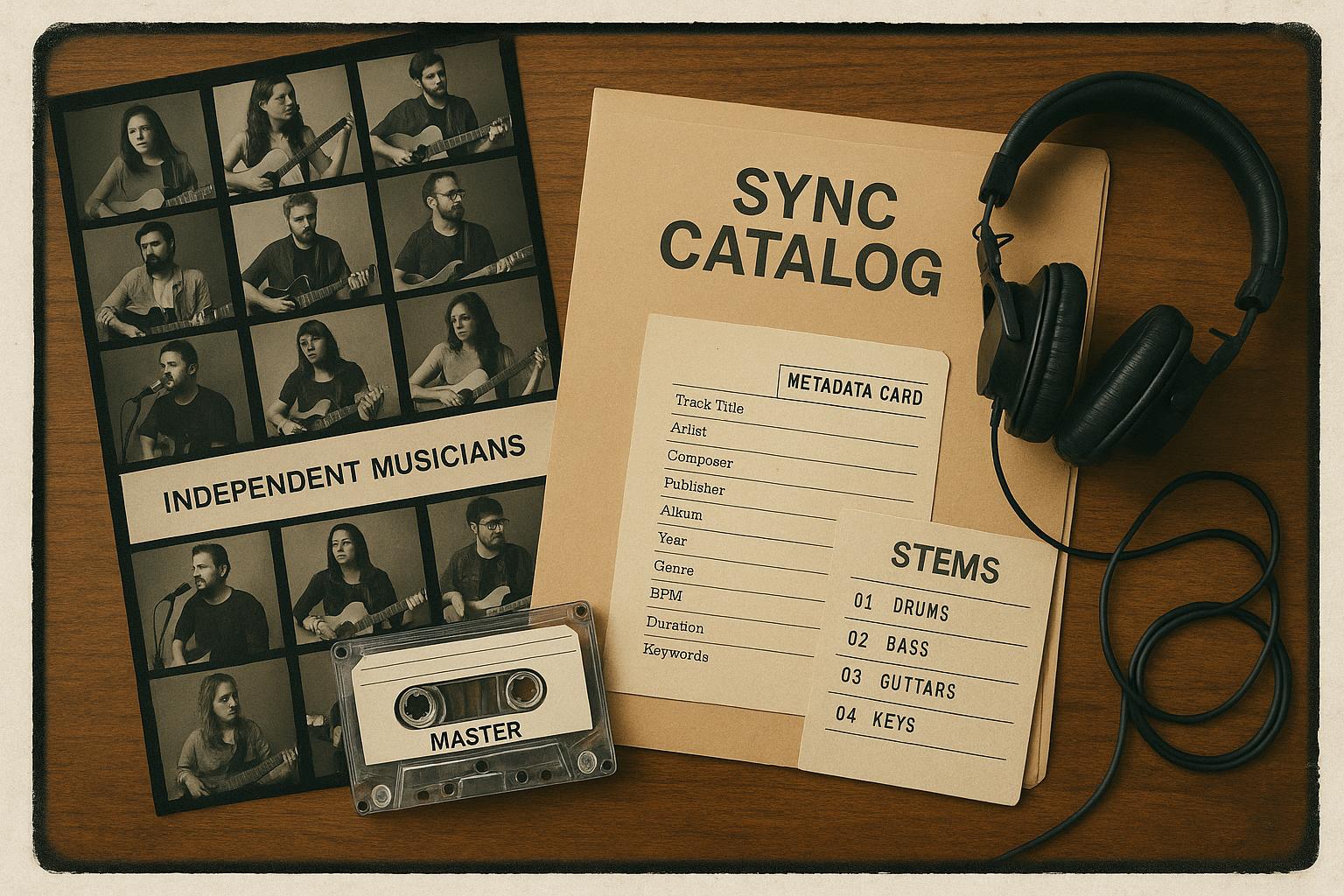
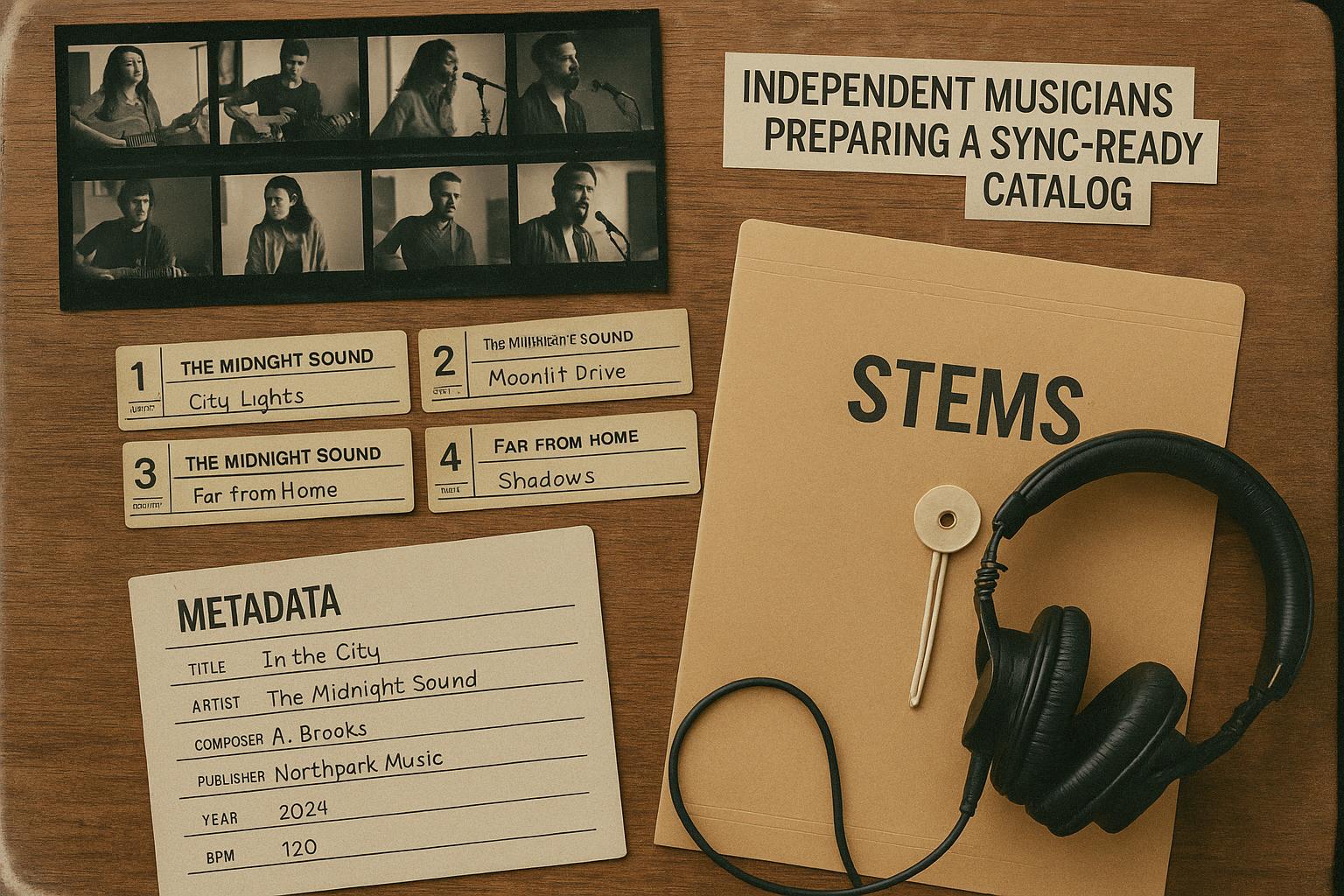
Key elements of a robust metadata framework:
Practical steps to implement immediately:
Tip: Use a centralized catalog hub that integrates with your distribution and rights administration workflows. In Los Angeles, where many incoming requests from studios occur, having a searchable, well-tagged catalog dramatically improves response times and win rates for placements.
Clear rights ownership and precise cueing data prevent licensing delays and royalty disputes. The music publishing layer must be rock solid to support continuous sync revenue.
Focus areas to lock down now:
Practical workflow:
In a competitive market, metadata discipline reduces licensing friction, keeps publishers and supervisors aligned, and supports accurate royalty flows through PROs and publishers alike. This discipline is especially critical in busy markets like Los Angeles, where countless production entities require rapid access to clearable music.
Sync supervisors are looking for music that is ready to clear, fits the scene, and can be integrated with minimal friction. Meeting these expectations accelerates placements and establishes your catalog as a trusted resource.
Pro tip for producers and songwriters: prebuild a “license-ready” package for each track, including a one-page license summary, clean stems, and clearly labeled version files. This minimizes back-and-forth and demonstrates professionalism—qualities that supervisors in Los Angeles and beyond highly value.
Collaborative workflows reduce friction from concept to cue. When producers and songwriters align on ownership, workflow tools, and version control, the pathway to sync becomes repeatable rather than experimental.
A coordinated workflow not only speeds placements but also builds a reputation with music supervisors as a reliable partner. One World Media specializes in aligning sync strategy, music publishing, rights admin, distribution, and artist development to create scalable, placement-ready pipelines for artists and producers.
A mid‑tier indie producer based in Los Angeles assembled a catalog of 28 tracks designed for TV drama cues. They implemented a metadata-first approach, created stems and instrumental versions, and published precise split sheets with all writers and publishers clearly identified. Within three months, multiple tracks were pitched to a LA-based music supervisor team, with One World Media orchestrating the sync strategy and rights administration. Two tracks landed in a streaming drama’s season finale, aided by ready cue sheets and explicit authorization for use in trailer spaces. This case illustrates how a disciplined music publishing workflow, combined with a robust catalog strategy and timely distribution, can translate into recurring sync revenue and stronger negotiation leverage on future licensing requests.
Q: What exactly is included in “music publishing” for sync licensing, and how does it differ from master rights?
A: Music publishing covers the songwriter’s rights (composers and publishers) and their share of the composition, including public performance and mechanical royalties. Master rights, owned by the recording owner (often a label or artist), govern the actual sound recording. Sync licensing requires both the master use license and the public performance of the composition; clear separation and documentation of these rights prevent licensing delays and ensure accurate royalty flows.
Q: How long does it typically take to clear a track for a TV show or film?
A: Turnaround times vary by project complexity and clearance breadth. A straightforward, fully owned track with clear splits and one-stop clearance can move in 1–2 weeks, while tracks with third-party samples or multiple owners may require 3–6 weeks or more. Having ready cue sheets, stems, and alternate mixes accelerates approvals significantly.
Q: What metadata items are non-negotiable for cue sheets and licensing?
A: Essential items include track title, composer/publisher details, ISRC/ISWC, duration, scene context, exact cue timing, publisher and master ownership, and licensing terms. Accurately recorded cue sheets are critical for royalties and future licensing audits.
Q: How can One World Media help my catalog win more placements?
A: We offer integrated services across sync strategy, music publishing, rights administration, and distribution, plus targeted artist development. We help with catalog cleanups, metadata discipline, stem preparation, and a scalable workflow that aligns with industry expectations in Los Angeles and major markets worldwide.
For more information, please contact us at support@oneworldmedia.global or call (307) 200-8139.