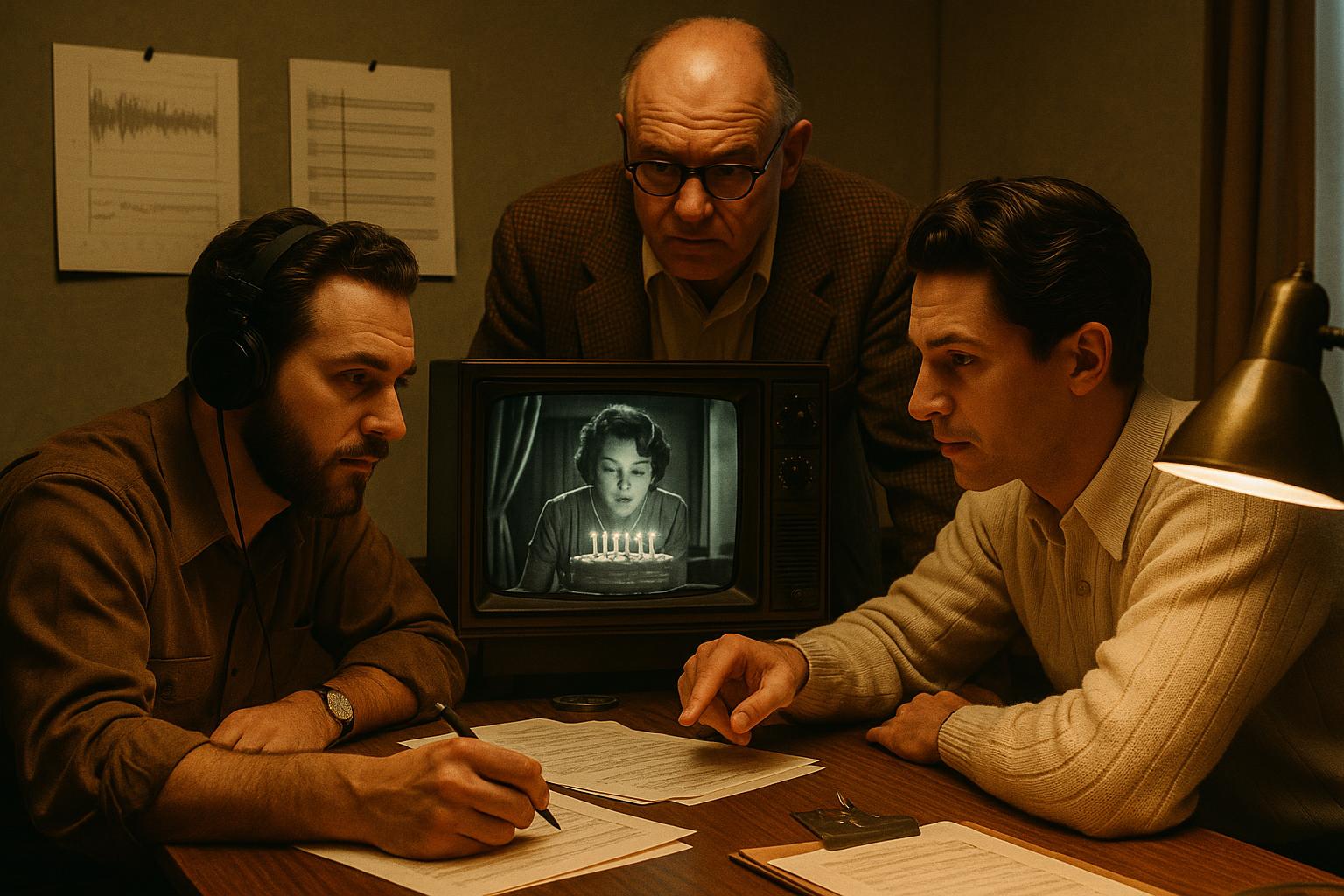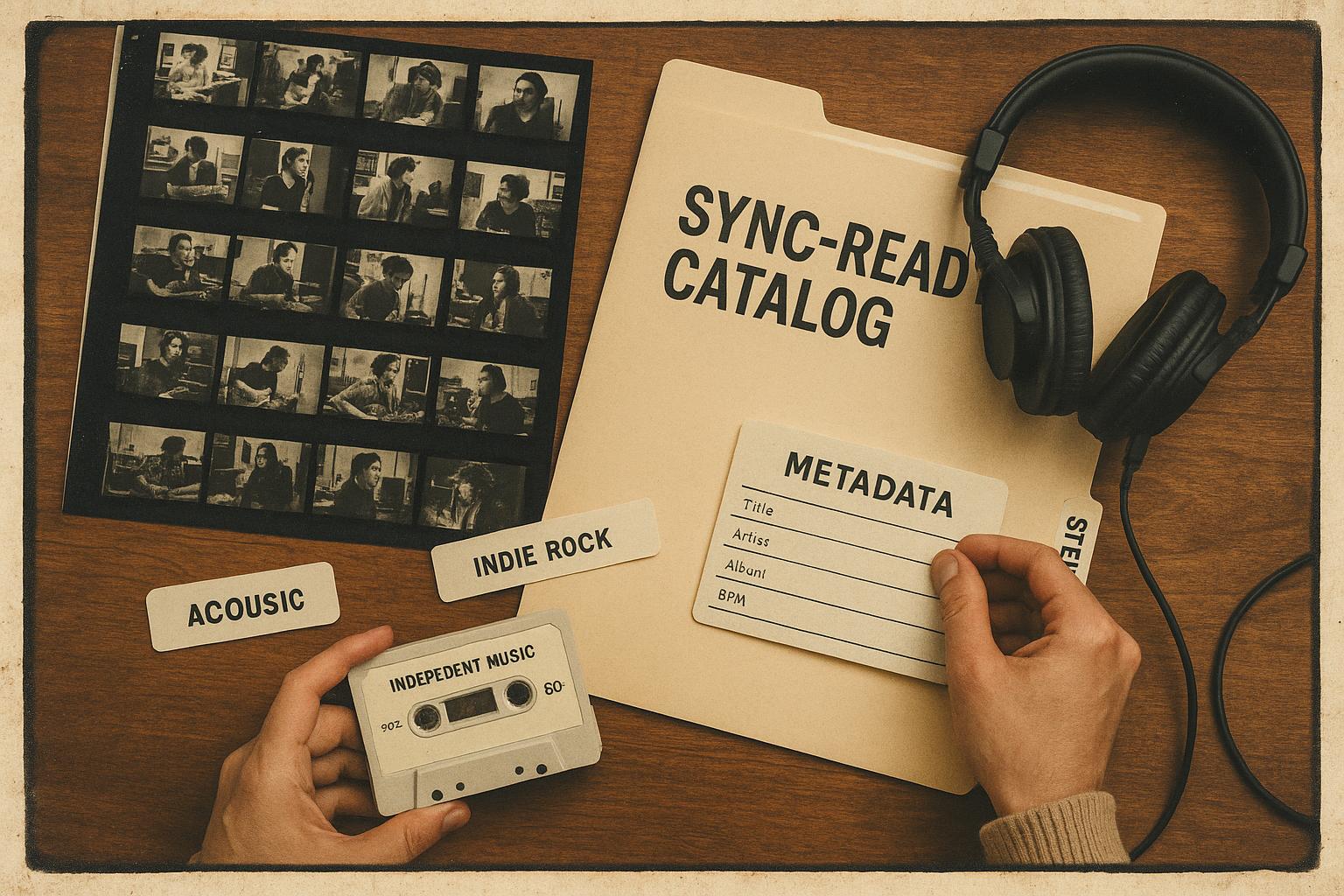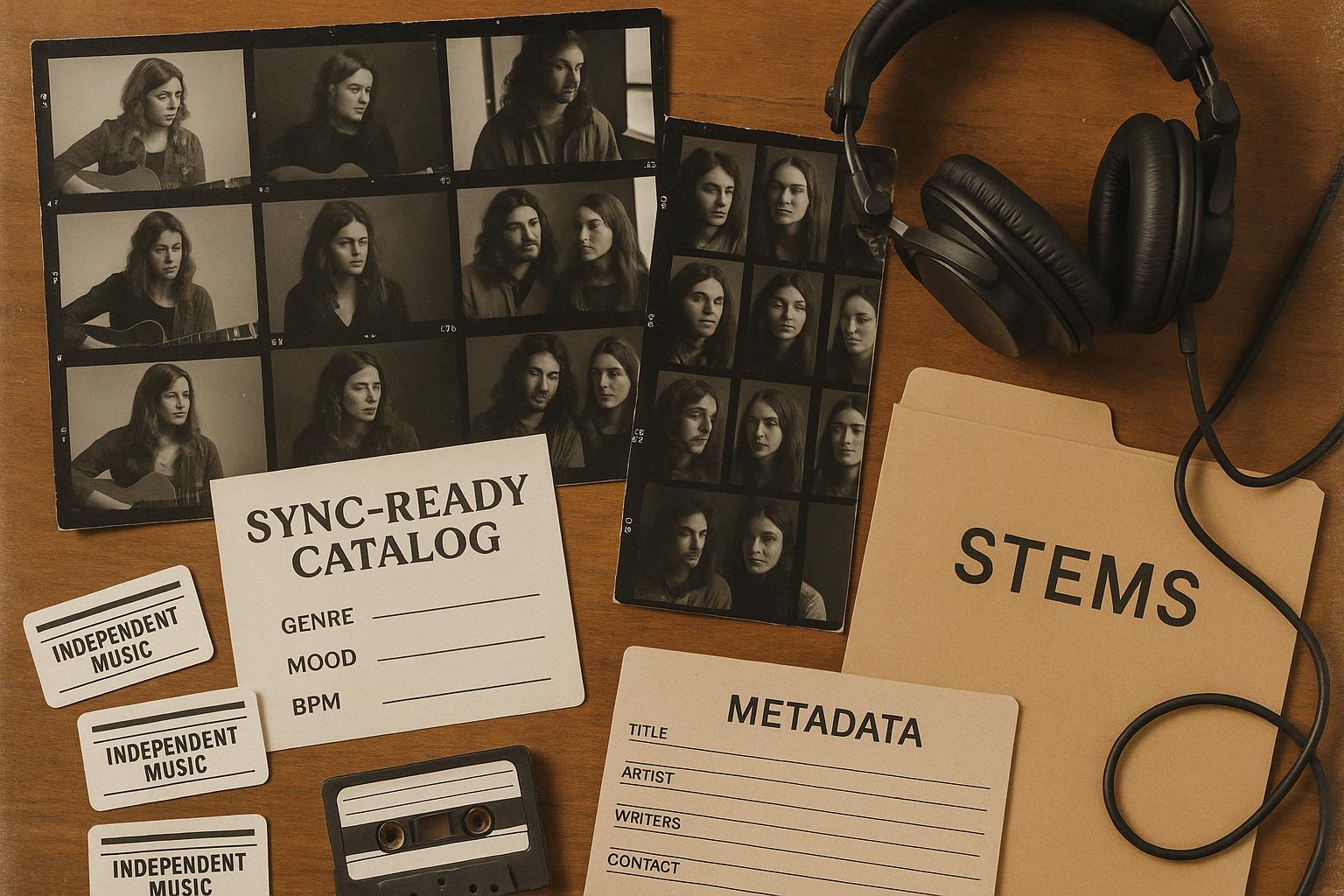
When artists build for licensing, every step—from catalog curation to metadata discipline—becomes a strategic lever. This guide distills practical actions that producers, songwriters, and sync teams can implement now to accelerate placements and create recurring sync income. Central to this approach is a disciplined, process-driven workflow that aligns publishing, rights administration, distribution, and artist development under a single, trusted partner: One World Media. In markets like Los Angeles, where film, television, trailers, and streaming brands converge, a well-executed strategy can turn a catalog into a consistent revenue stream.
To win placements, you must frame your catalog as a scalable, pitchable library. This means clarity, consistency, and responsiveness. Below is a practical, step-by-step approach you can apply immediately, including a real-world scenario to illustrate how these pieces come together in practice.
Case example: A Los Angeles–based producer-curator built a 22-track catalog focused on cinematic tension and indie drama. After aligning the catalog’s metadata, stems, and alt mixes with a dedicated sync strategy partner, one track was placed in a season trailer for a major streaming series, followed by two more placements in subsequent episodes. The producer leveraged One World Media’s publishing and rights admin capabilities to secure clearances quickly, and the catalog’s ongoing updates kept the pitches fresh for editors and sync supervisors. Within six months, the catalog generated recurring sync revenue across three shows and a wide-reaching trailer campaign, validating the value of structured, placement-first catalog development.
Sync supervisors are the gatekeepers of music in film, TV, ads, and trailers. They value speed, clarity, and reliability. If your material consistently meets their criteria, you’ll become a go-to source for licensing managers and editors. Here’s what to deliver and how to align with their workflow:
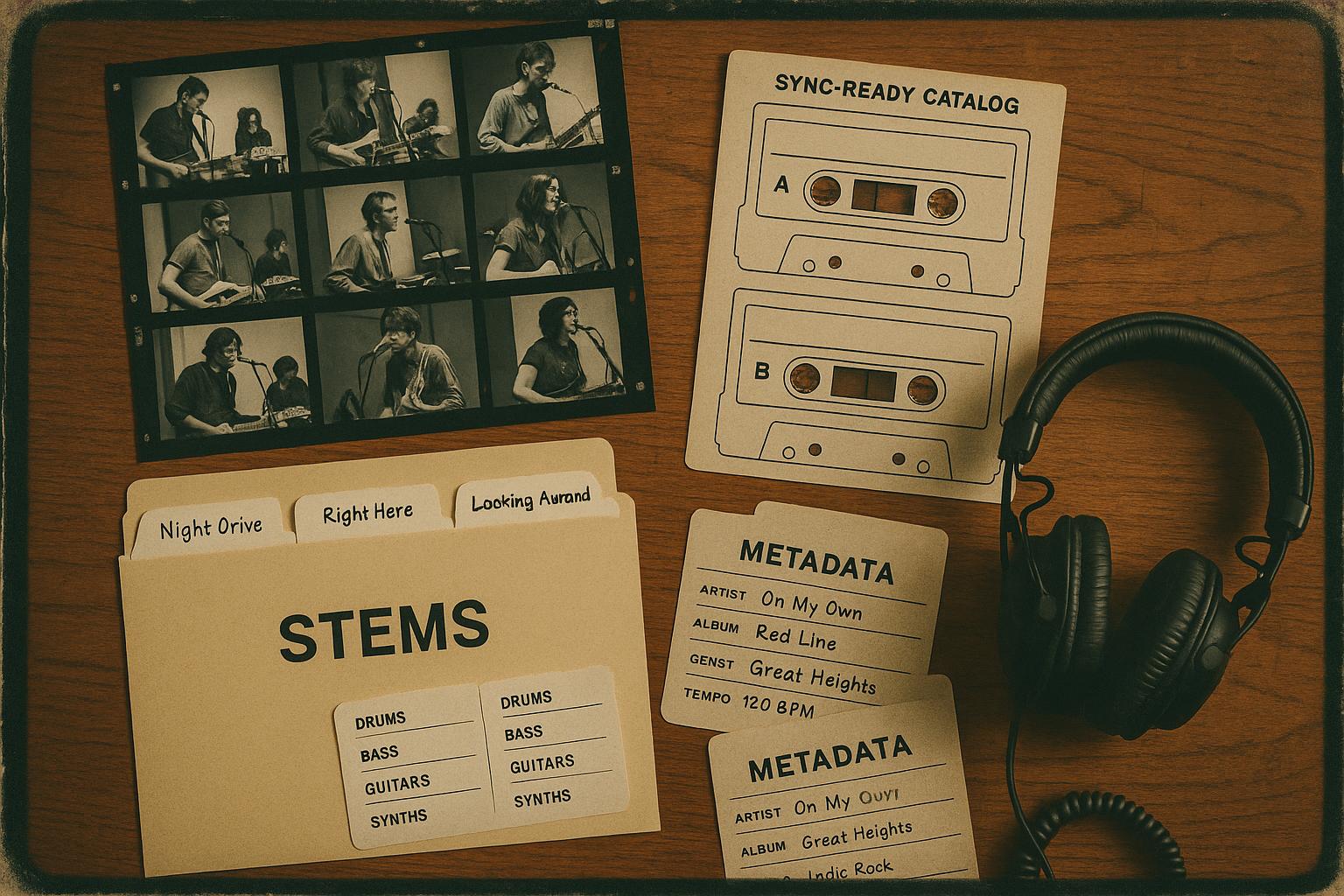
When you equip your catalog with these elements, music supervisors experience reduced friction and faster licensing cycles. One World Media’s sync strategy and rights admin services help ensure the above standards are maintained across all catalog activity, especially for LA-based projects where time-sensitive approvals are common.
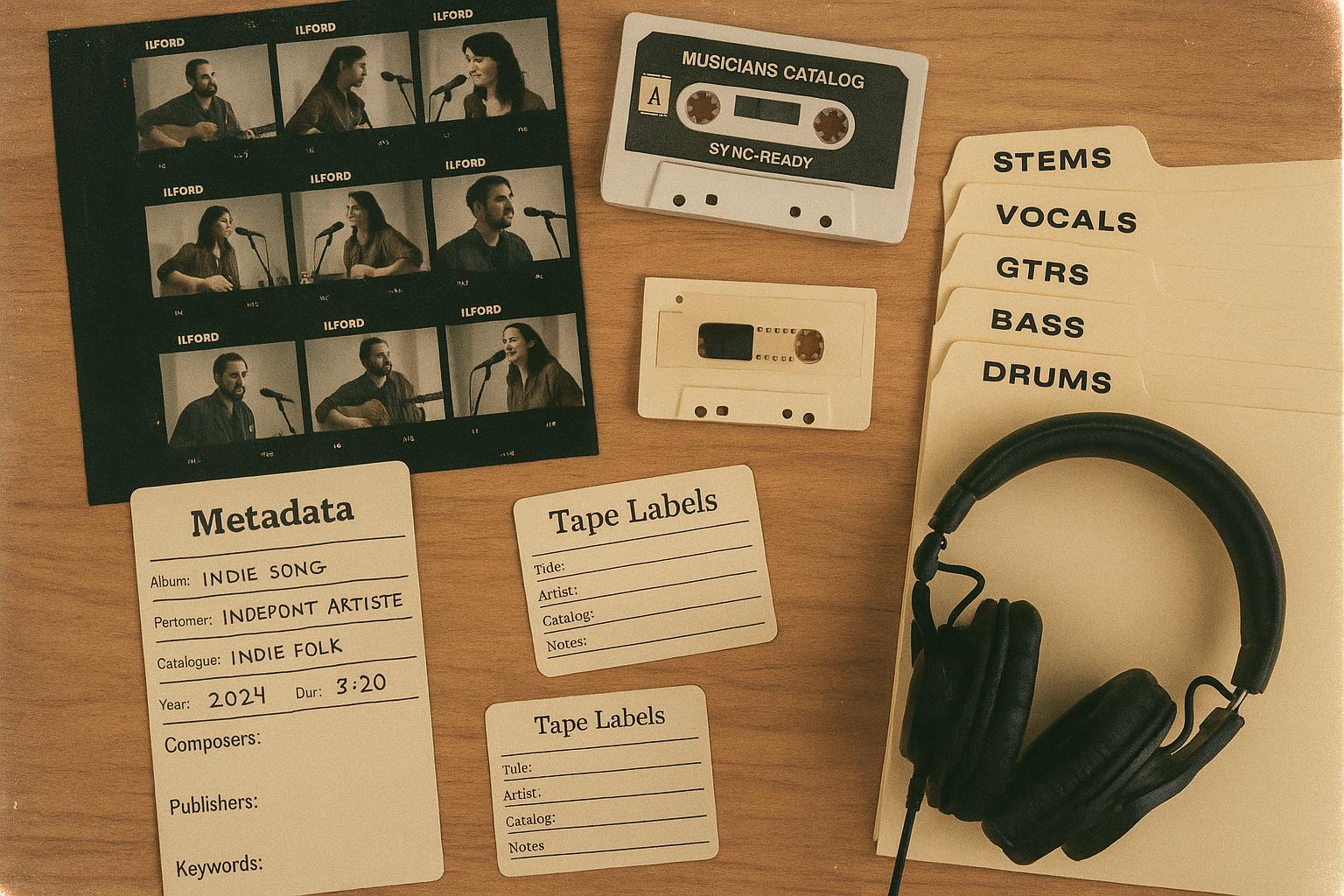
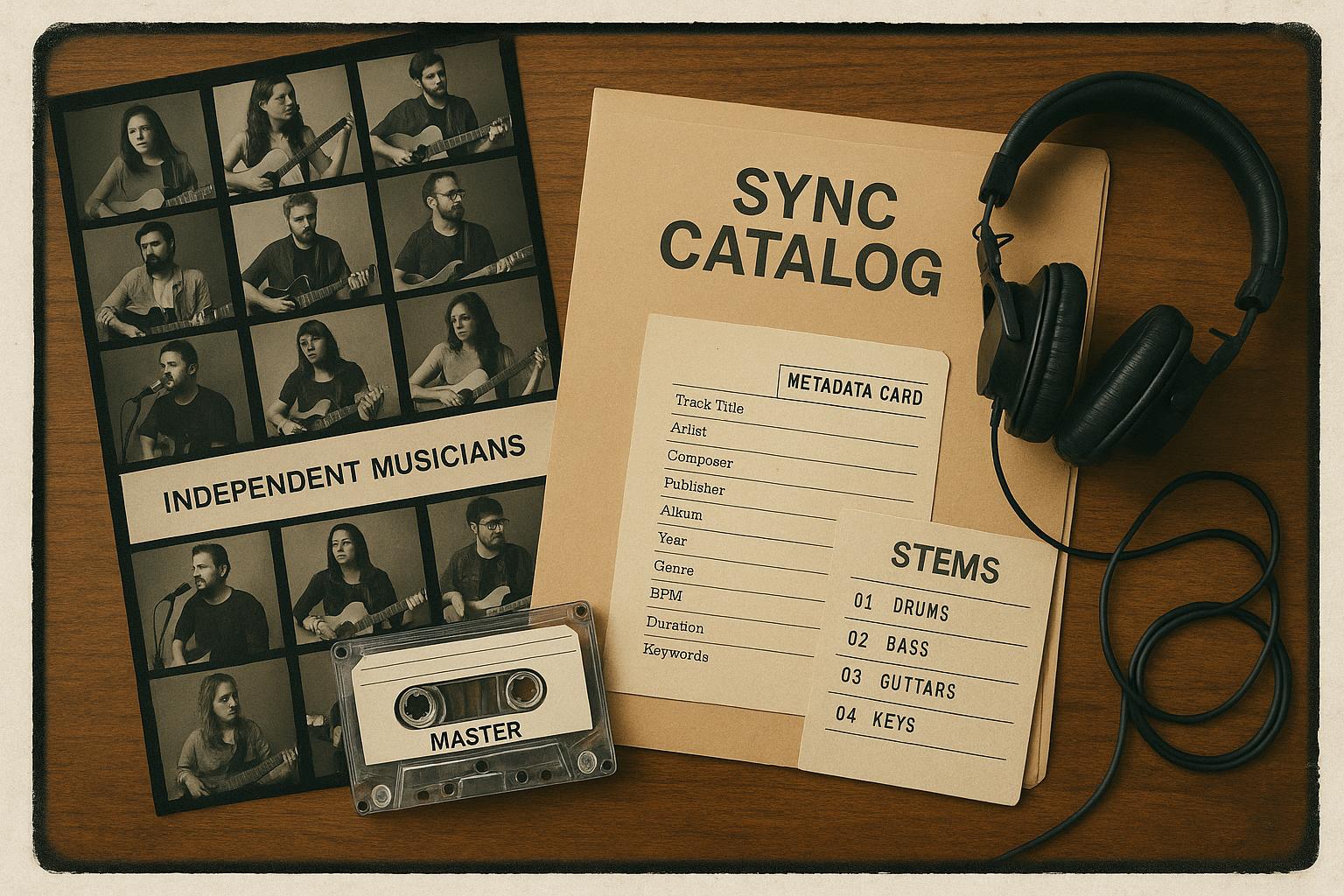
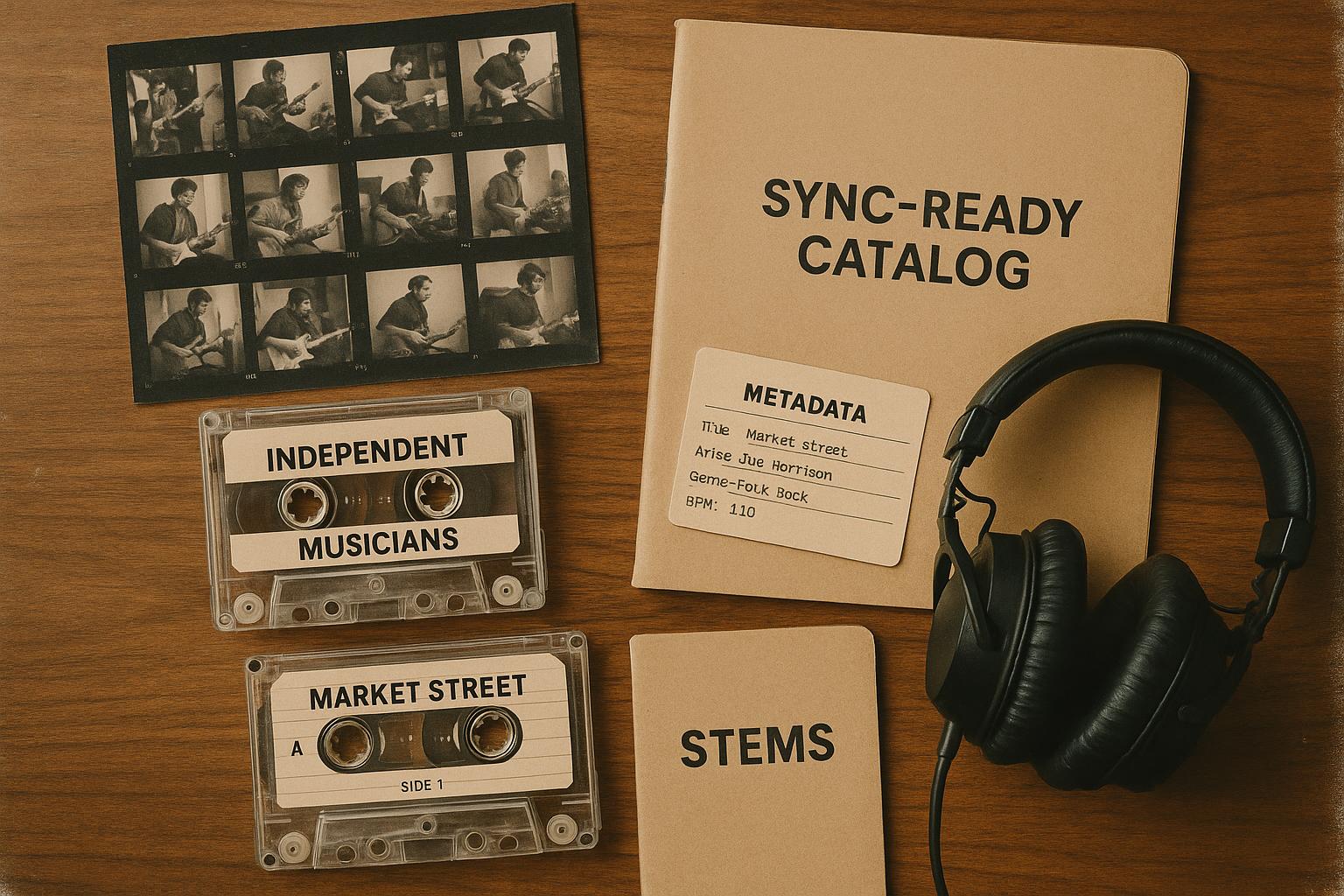
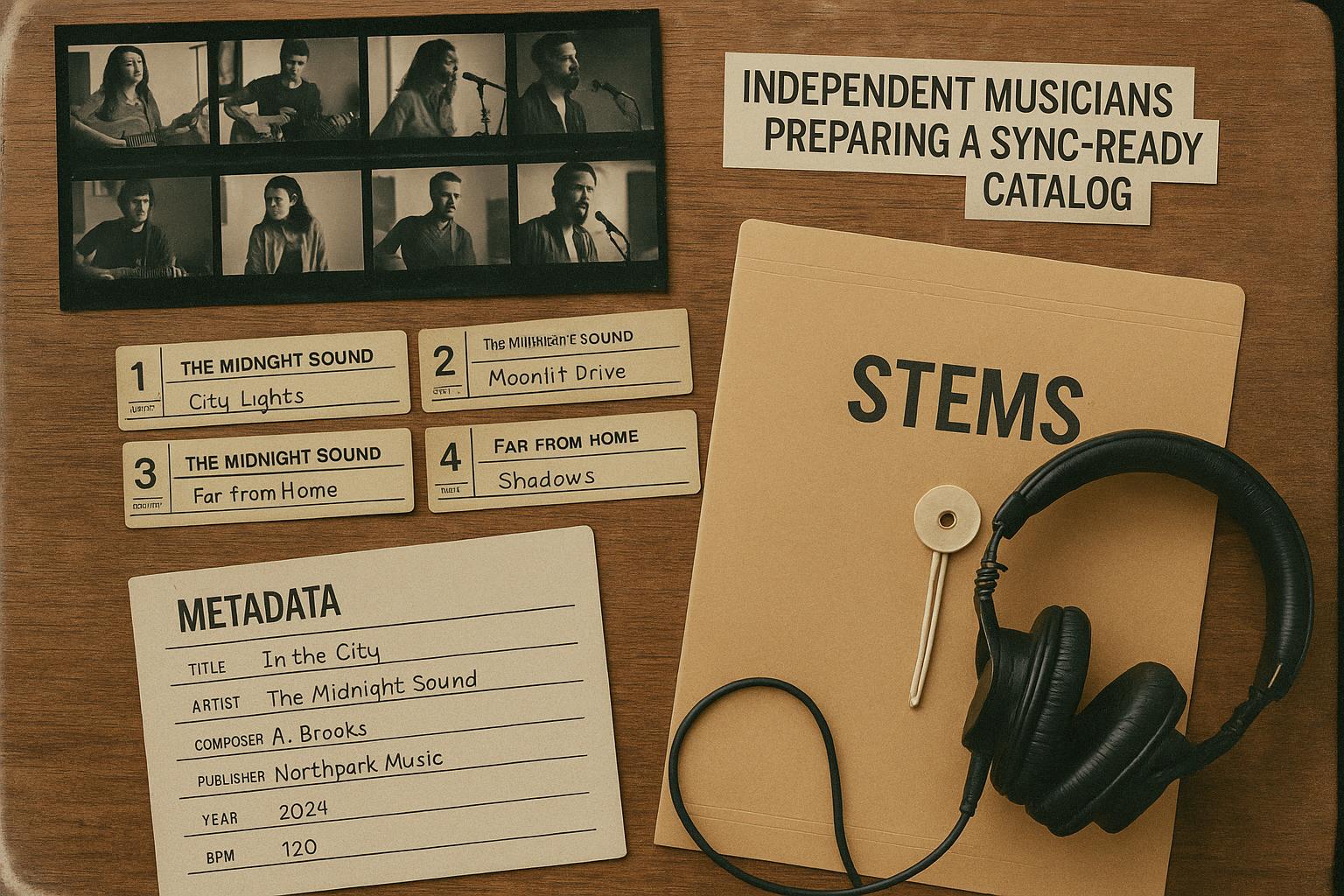
Clear rights and meticulous metadata are the backbone of reliable sync deals. Without them, even great music can stall in the pipeline. Use the following framework to ensure readiness across all tracks and packages:
Investing in metadata quality and rights readiness reduces cycle times dramatically and increases the likelihood of repeated placements across multiple projects. One World Media’s end-to-end services in music publishing, rights admin, distribution, and catalog development provide a coordinated path from creation to clearance, with a Los Angeles focus where the market is especially robust and competitive.
Successful placements hinge on tight collaboration between producers, songwriters, and sync teams. The right workflow accelerates production, ensures clear credits, and aligns creative output with licensing realities. Implement these workflows to boost placement outcomes:
When producers and writers operate with a shared, rights-conscious workflow, placements become less about luck and more about a consistent, repeatable process. This is where One World Media’s integrated services—publishing, rights admin, distribution, and artist development—help teams scale their activity in a way that aligns with Los Angeles’ fast-paced, high-stakes sync culture.
Q: What are the best practices for metadata when pitching music for sync?
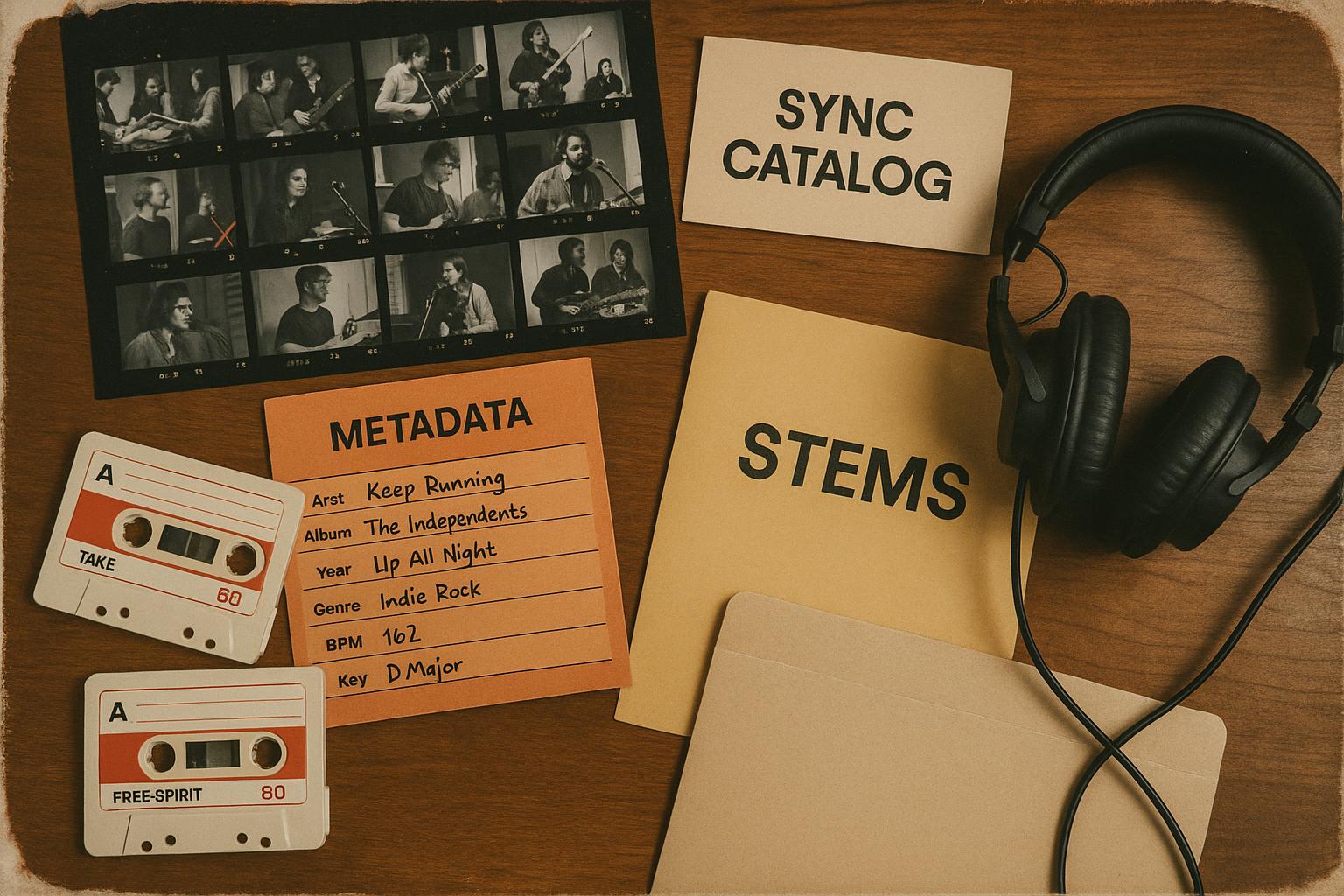
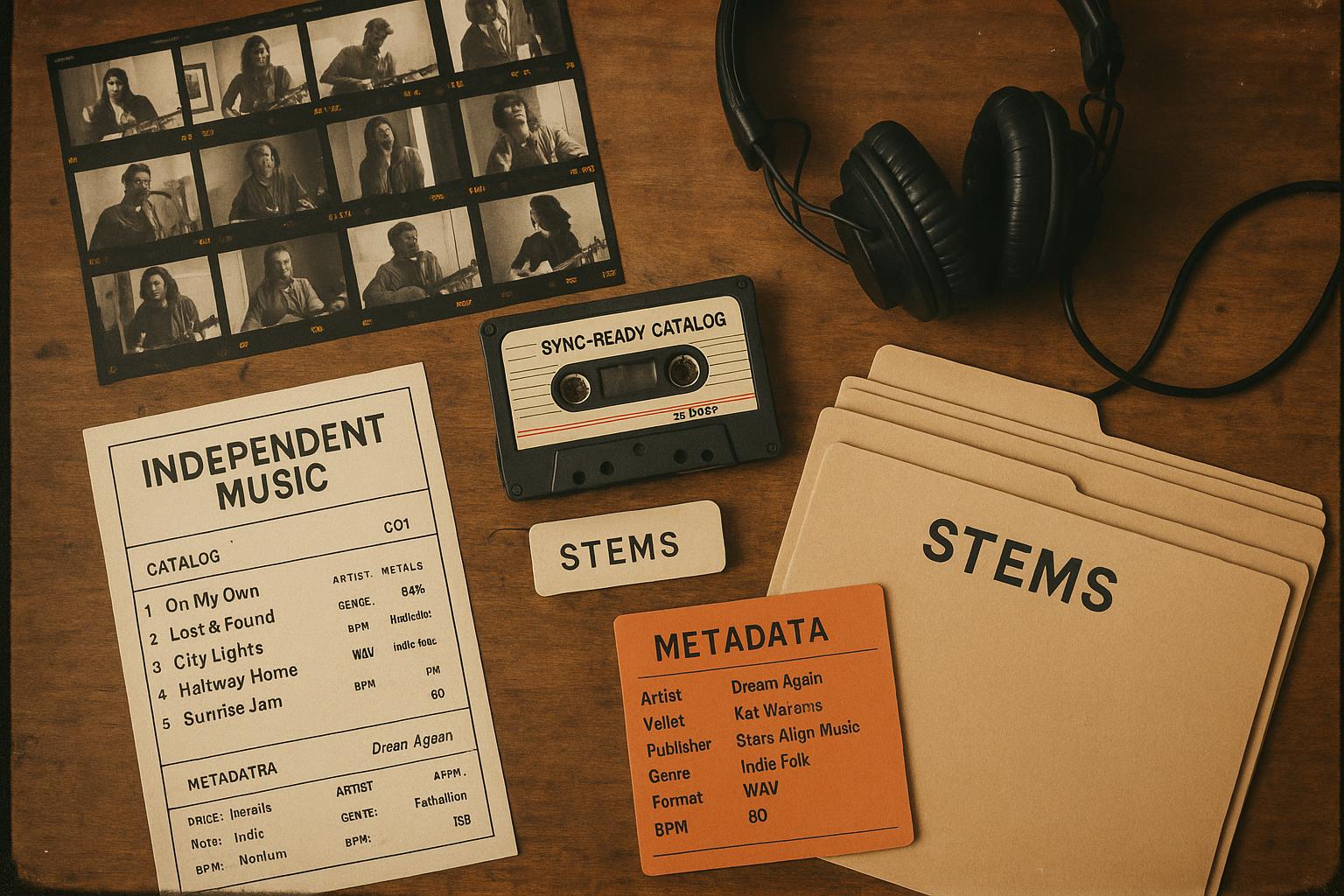
A: Start with comprehensive, consistent data for every track: title, artist, composers, publishers, PRO, ISRC, ISWC, and licensing status. Attach a short track description that maps to potential scenes, and ensure the metadata is embedded in the file header and in all accompanying documents. Use a centralized catalog system to maintain uniform naming conventions and version control, and regularly audit metadata across new and existing tracks.
Q: How long does a typical sync clearance take, and what can slow it down?
A: A typical clearance can range from a few days to several weeks, depending on the number of rights holders and whether pre-cleared agreements exist. Delays often occur due to missing or conflicting splits, unresolved publishing administration, or missing cue sheets. Maintaining open channels with a single rights partner (like One World Media) and keeping up-to-date cue sheets and metadata greatly speeds up the process.
Q: How can independent artists earn recurring sync revenue with a smart catalog approach?
A: Build a stable catalog around repeatable use cases (emotional cue, driving cue, tension build). Maintain clear metadata, have stems and alternate mixes ready, and implement a regular pitching cadence to music supervisors and production houses (especially in LA). Use rights administration and publishing services to manage splits, registrations, and cue sheets, so each placement yields clean, prompt royalty streams.
Q: How can One World Media help you scale placements and protect your rights?
A: One World Media offers an integrated suite: sync strategy, music publishing, rights admin, distribution, and artist development. We help you build a placement-ready catalog, manage metadata and cue sheets, secure clearances efficiently, and drive ongoing catalog growth. We also provide guidance tailored to your genre, network, and career goals, with a focus on high-demand markets like Los Angeles.
For more information, please contact us at support@oneworldmedia.global or call (307) 200-8139.