
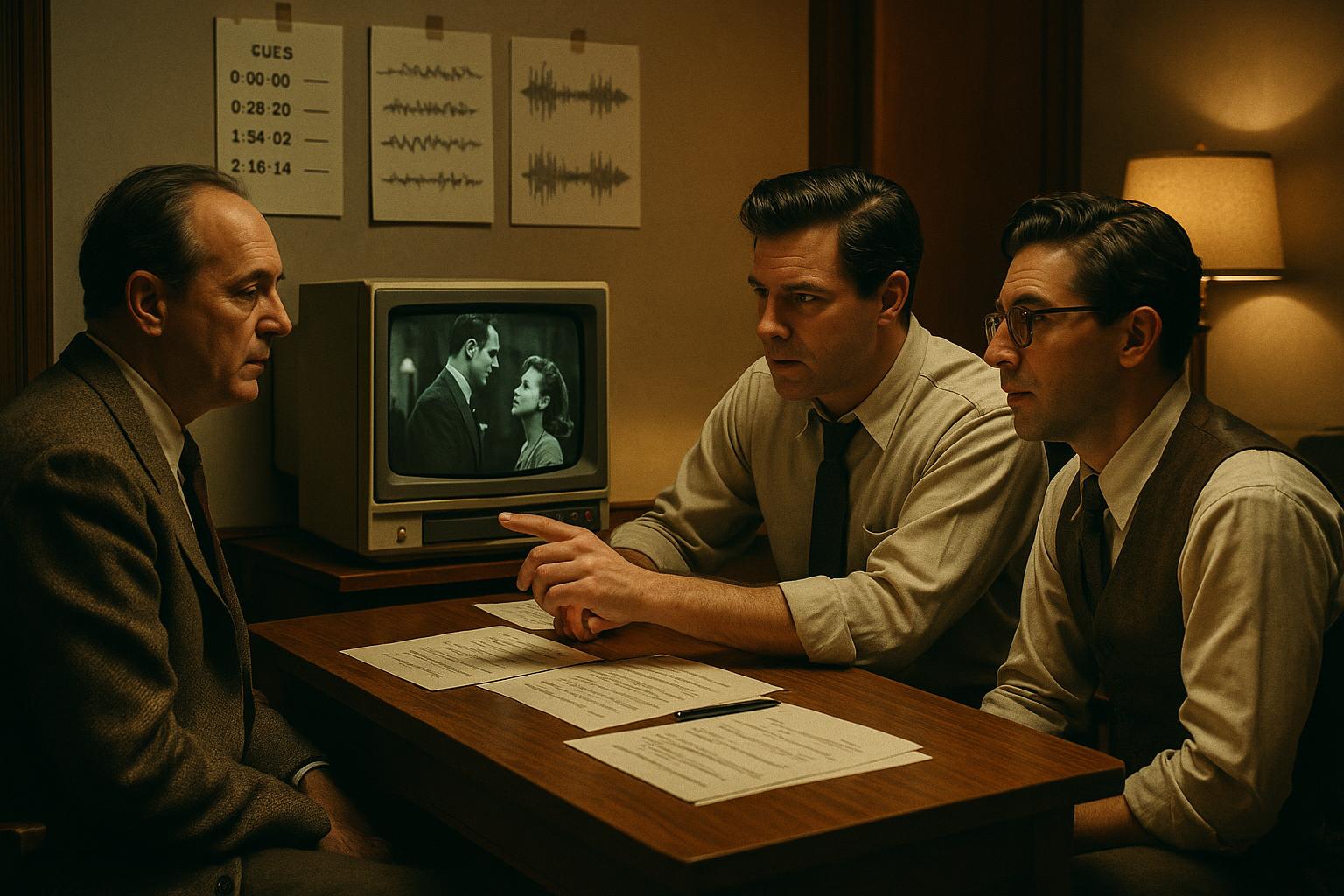
Turning every track into a placement: a practical blueprint for sync supervisors and creators
In games, trailers, TV shows, films, and streaming campaigns, the gatekeepers aren’t only the music lovers—they’re the professionals who orchestrate licensing, rights, and clearances in real time. For producers building placement-ready catalogs and songwriters pitching for film and TV, aligning your workflow with what sync supervisors need is the fastest route to recurring sync revenue. This guide equips you with a practical, end-to-end approach and shows how One World Media can support you with comprehensive sync strategy, music publishing, rights admin, distribution, and artist development—trusted by creators across Los Angeles and beyond.Build a placement-ready catalog: a six-step blueprint you can implement today
- Define target vibes and markets. Map your catalog by mood, tempo, and genre to match common sync brief archetypes (drama underscoring, action cues, lifestyle montages, documentary scoring). Create a folder structure that mirrors these briefs so a sync supervisor can navigate quickly.
- Cull for licensing readiness. Separate tracks by licensing status (clearable vs. needs negotiation). Pre-identify any potential sample or interpolation issues, and collect any available pre-cleared elements or approved derivatives.
- Standardize all stems and versions. For every track, provide: main stereo mix, instrumental, radio edit (if applicable), and 1–2 stem bundles (e.g., drums, harmony, bass). Ensure exact naming conventions so editors can drop in without asking for file particulars.
- Lock metadata and cue-ready templates. Create consistent metadata fields (track title, artist, composer, publisher, PRO, ISRC, ISWC, BPM, key, duration, mood, potential uses, territory). Prepare a cue sheet-ready template that aligns with your distribution or publishing partner's requirements.
- Establish clear rights and licensing terms. Use a one-stop license approach where possible and define clear ownership for each track (master, publishing, and any third-party elements). Prepare a simple, reusable licensing button for quick approvals when a supervisor says “yes.”
- Set up distribution and rights administration. Ensure your catalog is distributed to major music libraries and that publishing administration is integrated with rights holders, PRO registrations, and cue-sheet workflows. Maintain a centralized contract and metadata repository for fast retrieval.
What sync supervisors need from artists
Strong, reliable partnerships hinge on predictable, super-clean delivery. The following elements are essential to ensure a track makes it through the clearance gauntlet efficiently:- Metadata quality: complete, accurate, and standardized across the catalog (title, artist, composer, publisher, PRO, ISRC, ISWC, BPM, key, mood, usage notes).
- One-stop clearance: where possible, a single license that covers master and publishing rights, with a clear path to clearance for any samples or interpolations.
- Alt mixes and stems: readily accessible versions (instrumental, vocal stems, alternate mixes) to fit different scenes and edit requirements.
- Stems and instrumental versions: clean, labeled stems (e.g., vocs, drums, bass, keys) that editors can control in post-production.
- Fast turnaround: responsiveness to last-minute requests, with agreed SLAs for approvals and reversion of edits.
- Version control and cue-ready documents: maintain a single source of truth for each track’s versions, rights, and intended uses, plus consistent cue-sheet-ready metadata.
Rights and readiness: split sheets, ownership clarity, and cue sheets
Clear, audit-ready rights information reduces bottlenecks and protects all parties. Focus on these core elements:- Split sheets and ownership clarity: document who owns the master, who owns the publishing, and who controls synchronization rights. Resolve any co-writer or co-publisher splits early and secure written agreements.
- PRO registration: register each song with the appropriate Performing Rights Organization (e.g., ASCAP, BMI, SESAC) and ensure the registering entities exactly match the publishing details
- ISRC/ISWC metadata: assign and preserve ISRCs (record-level) and ISWC codes (work-level) across all catalog entries so rights management systems and broadcasters can track usage accurately.
- Cue sheets: prepare complete cue sheets for every licensed use, including track duration, timing windows, version used, and any edits. Cue sheets drive royalty allocation and ensure track data travels smoothly through PRS/PRS-like networks and PROs.
Producer/songwriter collaboration workflows that increase placement success
Strong collaborations translate to faster approvals, fewer licensing hurdles, and richer catalog outcomes. Use these workflows to align teams and boost your placement odds:- Joint brief intake and goal setting: at the outset, agree on target shows, brands, and scoring needs. Document this in a shared brief that includes mood, timing, and preferred formats (stems, instrumental, etc.).
- Unified metadata and file-naming conventions: adopt a shared schema for every track (e.g., “Artist_Title_Version_Stereo_Stem1”); keep versions synchronized across all collaborators and platforms.
- Live-studio to pre-mix handoffs: when possible, produce a quick pre-mix together, then separate out stems and instrumentals for licensing flexibility. This reduces post-production back-and-forth.
- Prototype edits and scene-specific cues: create 1–2 scene-specific edit concepts for each track and label them clearly so editors can preview how the song lands in different contexts.
- Transparent ownership and licensing templates: use simple, standard agreements that cover master and publishing rights, with clear terms for synchronization and any negotiated royalties.
- Weekly cadence and check-ins: schedule brief standups with the songwriter/producer and rights admin to review new briefs, track performances, and pipeline status. Quick decision loops keep tracks moving toward clearance.
Real-world scenario: a quick-case example of a sync supervisor’s day in LA
A mid-market TV drama in Los Angeles needs a high-energy track for a 30-second teaser. The production team has a tight deadline and a narrow brief: uptempo, driving percussion, and an anthemic hook. The producer taps a catalog that has complete stems, two alternate mixes, and a fully documented cue-sheet-ready metadata package, all aligned with a single licensing term. Within 24 hours, the sync supervisor receives a short list of options and selects track A. Because the track’s ownership and publications are clearly defined, the license is issued in the same day, and the cue sheet is prepared automatically and delivered to the broadcaster. The track is cleared for use with no delays, making it into the final teaser cut. The producer credits the prepared metadata, ready stems, and the established licensing workflow as the reasons for the smooth clearance—precisely the kind of efficiency a modern sync department relies on. This scenario illustrates how a disciplined approach to catalog readiness, metadata fidelity, and fast clearance translates into real placements. It also demonstrates how a partner like One World Media can enable rapid, reliable outcomes for LA projects and beyond.FAQ
Q: What exactly is a.sync supervisor, and how do they influence placements?
A:
A sync supervisor coordinates licensing and clearance for music used in film, TV, and media. They evaluate cue fit, negotiate the license terms, and ensure all rights are properly cleared. They lean toward catalogs with clear ownership, fast turnarounds, and metadata-rich assets that minimize back-and-forth.
Q: How can I make sure my metadata and cue sheets are ready for licensing?
A:
Adopt standardized templates across your catalog, pre-fill ISRC/ISWC numbers, PRO registrations, and publishing details. Create cue sheets that map to each track’s exact timing and version used, so editors can drop in with confidence.
Q: What role do stems and alternate mixes play in a sync deal?
A:
Stems and alternate mixes give editors flexibility to tailor a cue to specific scenes. They speed up clearance and can help your music fit a broader range of edits, which increases placement opportunities.
Q: How long does a typical clearance take, and what can I do to speed it up?
A:
Turnaround times vary by project and rights complexity. You can speed things up by providing a one-stop license whenever possible, maintaining complete and accurate metadata, delivering ready-to-use stems, and ensuring all ownership details are clearly documented from the start.
Contact One World Media
For more information, please contact us at support@oneworldmedia.global or call (307) 200-8139.