
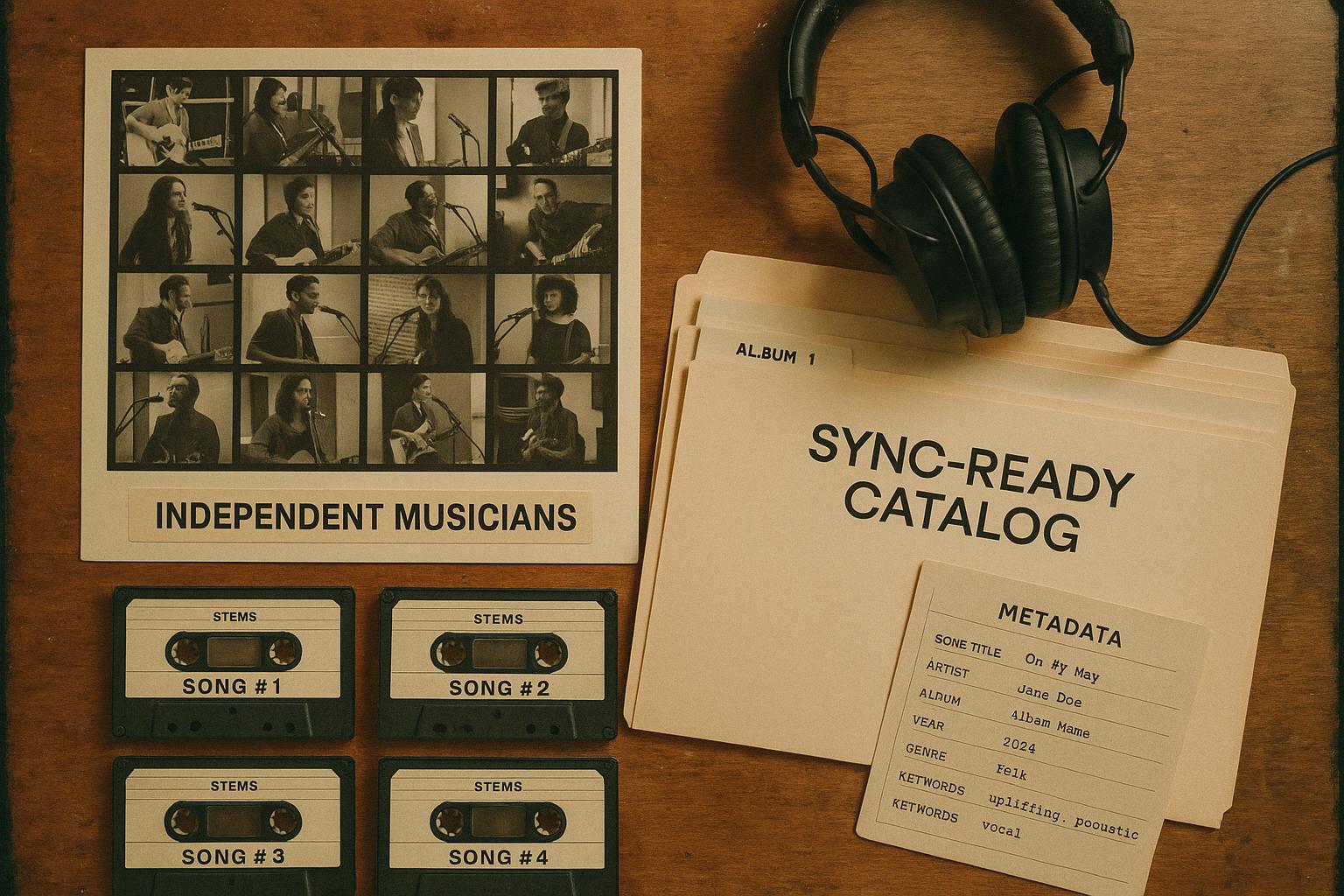
In the New York music industry, placement success is a system, not a mystery.
New York’s ecosystem blends high-profile film and television production with a thriving indie scene that moves at subway-speed. For producers building placement-ready catalogs, songwriters pitching for screen, and sync supervisors sourcing clearable music, the path to recurring sync income is a repeatable process—not a guessing game. One World Media partners with artists, managers, and labels to craft proactive strategies across publishing, sync licensing, distribution, and catalog development. Below, you’ll find practical steps you can apply today to win placements in movies, TV shows, trailers, ads, and streaming content while reinforcing your long-term rights position.
Build a placement-ready catalog for the New York market
Quality catalogs win. In a fast-moving market like the New York music industry, speed to market matters as much as sound quality. Use these steps to align your catalog with real licensing needs.
- Audit and categorize songs by potential usage: dramatic scenes, action cues, emotional underscore, up-tempo club tracks, acoustic underscores, and trailer-ready bursts.
- Standardize metadata: title, lead artist, writers, publishers, PROs, ISRC (master) and ISWC (publishing), contact info, territory, license type, and recommended cues.
- Deliver multiple sonic options: full-length master, radio edit, 15–30 second cuts, instrumental versions, and cinematic stems (for scoring or remixing).
- Confirm rights clarity: verify owner status for masters and compositions, collect signed splits, and prepare a simple one-page rights summary for gatekeepers.
- Pre-cue sheets and cue sheet readiness: label each cue with start/end times, tempo, key, and mood; have a template ready for export when a clearance is granted.
- Audit sonic alignment with catalog strategy: tag tracks for mood, tempo, and instrumentation to speed matching during supervisor searches.
Practical tip: maintain a centralized library with clear file naming conventions (artist-title_version) and a public-facing catalog page that sync supervisors can browse quickly. One World Media’s sync strategy and publishing services help you structure this catalog for rapid clearance and predictable monetization across platforms, including distribution and artist development in both New York and Los Angeles markets where film/TV activity is dense.
Sync strategy and pitching for film, TV, and trailer placements
Successful New York music industry placements hinge on targeted outreach, precise tailoring of pitches, and fast follow-through. Build a repeatable outreach rhythm so you can consistently present the right music to the right decision-makers.
- Identify the target ecosystem: NY-based streaming/production studios, ad agencies, post houses, and network or cable show music supervisors. Expand occasionally to Los Angeles when your catalog aligns with national productions.
- Match music to story notes: for each show or ad, map mood, tempo, lyric content (or lack thereof), and instrumentation to on-screen moments commonly used in that project.
- Create pitch packets: include 2–3 strong cuts per mood, high-quality stems or alt mixes, 90–120 second cue examples, and a short write-up connecting the track to its potential scene use.
- Leverage a steady cadence: schedule quarterly outreach sprints, with personalized emails to targeted music supervisors and producers, followed by timely follow-ups.
- Track outcomes and refine: log responses, revise metadata, and build a “best-fit” list of tracks most commonly requested (stems, instrumentals, or 30-second cuts).
Real-world note: Many NY productions pull from both coasts. A well-timed push to Los Angeles supervisors can result in cross-market licensings that fuel streaming and licensing deals. One World Media helps coordinate cross-market sync strategy, ensuring your catalog remains consistent in metadata and ownership across territories.
Rights readiness and metadata excellence: behind every clearance is clarity
Rights clarity is the backbone of every successful sync. Without it, great music sits on the shelf. This section outlines what you must lock down to minimize clearance friction and expedite approvals.
- Splits and ownership clarity: have explicit master and publishing ownership information, with signed splits for all collaborators and affiliates.
- PRO registration: ensure all writers are registered with their Performing Rights Organization (e.g., ASCAP, BMI, SESAC) and that publishing entities are properly registered to collect sync royalties.
- ISRC and ISWC metadata: attach correct identifying codes to each master and publishing track so usage is properly tracked across all platforms and filings.
- Cue sheets: prepare accurate cue sheets with timing, tempo, key, and scene notes; export-ready formats should be available on demand for fast licensing.
- One-stop clearance readiness: evaluate whether you can provide a one-stop license or if you must clear separately with rights holders; the goal is to minimize negotiation layers for supervisors.
Clear rights and metadata speed up approvals, making your catalog more attractive to NY-based sync teams and to LA production houses that frequently source music from the East Coast. One World Media’s rights admin and publishing services specialize in achieving this level of readiness, reducing time-to-placement while maximizing rights revenue across markets.
Producer and songwriter collaboration workflows that increase placement success
Strong collaborations accelerate placements by aligning creative output with licensing realities. Establish workflows that keep everyone aligned, from initial idea to final cue sheet—without sacrificing artistic integrity.
- Define shared goals and licensing targets: who licenses which territories, preferred usage types, and priority projects (advertising vs. dramatic TV).
- Set up a transparent project-management system: use shared boards for stems, versions, metadata, and cue sheets; assign owners for each track.
- Agree on revenue splits and publishing ownership early: write a simple collaboration agreement that clarifies who owns what and how revenue is split from different license types.
- Standardize stems and alternate mixes: deliver a consistent package for each track (full master, instrumental, 30-second cut, cinematic stems) to speed up supervisor review.
- Schedule periodic sync reviews: quarterly check-ins with a publishing administrator to evaluate placement opportunities, update metadata, and refresh the catalog based on feedback.
In practice, a NYC-based producer-writer duo used a formal collaboration workflow to land multiple placements in a binge-worthy series. They pre-produced a 3-track “NYC underscore suite” with fully labeled stems, a 60-second version for promos, and a clear rights table. The result was a quick clearance process and recurring licensing calls from the show’s music supervisor, with One World Media handling rights administration and distribution to maximize ongoing revenue streams.
For sync supervisors: what you need from artists to keep productions moving
This section focuses on the practical deliverables that speed approvals, reduce back-and-forth, and improve the supervisor’s experience working with independent artists and small labels.
- Metadata quality: complete artist, track title, composer and publisher details, PROs, ISRC/ISWC, territory, license types.
- One-stop clearance where possible: provide licenses or a clear path to clearance to avoid multi-party negotiations.
- Alt mixes and stems: offer instrumental, vocal-free versions, and 15–60 second edit cuts aligned to potential scenes.
- Instrumental versions and underscore-ready cuts: supply cinematic stems, ambient beds, and multi-layered mixes for dialogue-heavy scenes.
- Fast turnaround: respond to requests within hours when possible; use dedicated contact points for urgent clears and provide updated cue sheets promptly.
- Clear labeling and version control: maintain consistent file naming and version history so supervisors know exactly what they are licensing.
Tip for the New York music industry scene: many supervisors in NYC work across both film and streaming content. Being able to deliver quickly across multiple formats reduces the risk of losing a placement to a slower competitor. One World Media supports supervisors and artists with streamlined metadata management, rights administration, and fast-access licensing workflows.
Real-world scenario in the New York music industry
Case example: A Brooklyn-based indie songwriter-producer team built a small catalog of emotionally driven cues designed for urban-set dramas. After aligning on a 6-track underscore suite and securing separate publishing and master rights, they engaged a NYC music supervisor who shared a tight deadline for a drama series. The team delivered well-tagged metadata, stems, and instrumental versions within two days. The supervisor secured a one-stop license for a 30-second and a 60-second cut, and the cues were placed in two quick-cut scenes—one featuring city nightlife and another through a night-shift subway montage. The placements generated ongoing streaming streams and a steady income stream from a subsequent trailer. This illustrates how a focused New York approach, combined with a professional catalog and a robust production workflow, yields repeatable results across both NY and LA productions that cross-market to national platforms.
Key takeaway: a disciplined, city-focused strategy—supported by strong metadata, ready stems, and a clear rights plan—can accelerate placements in New York’s high-intensity production environment while laying the groundwork for broader national opportunities.
Frequently asked questions
Q: How long does it typically take to place a song in film, TV, or a trailer?
A: Timelines vary, but a well-prepared catalog with ready-to-license cues can yield responses in 4–12 weeks. In busy periods, expect 6–8 weeks for initial feedback, with faster turnarounds if a supervisor has an urgent need. Working with a partner like One World Media can help flatten timelines through organized rights management and targeted pitching.
Q: Do I need to own both the master and the publishing to pitch effectively?
A: Ownership clarity helps, but you can still pitch if you have clear, documented permissions or licenses in place for the master and the composition. The most efficient path is to secure clean ownership or clear licensing terms, and to provide complete metadata, cue sheets, and stems to speed clearance. One World Media can help you structure collaborations and rights agreements to maximize your pitches.
Q: How can One World Media assist with publishing, sync strategy, and distribution?
A: We offer end-to-end services: publishing administration, synchronization strategy, rights management, distribution to streaming and broadcast, and artist development. Our approach aligns catalog readiness with licensing opportunities, helping you monetize music across New York and national markets while maintaining ownership clarity.
Q: What formats and metadata should I prepare for supervisors?
A: Prepare full-length masters, instrumental versions, and 15–60 second cuts or stems. Include complete metadata (artist, writers, publishers, PROs, ISRC/ISWC, territory, license type, and contact). Export cue sheets with precise timings and scene notes. Having ready-to-turnaround deliverables dramatically improves your odds of placement.
Contact One World Media
For more information, please contact us at support@oneworldmedia.global or call (307) 200-8139.